Wender·Vista
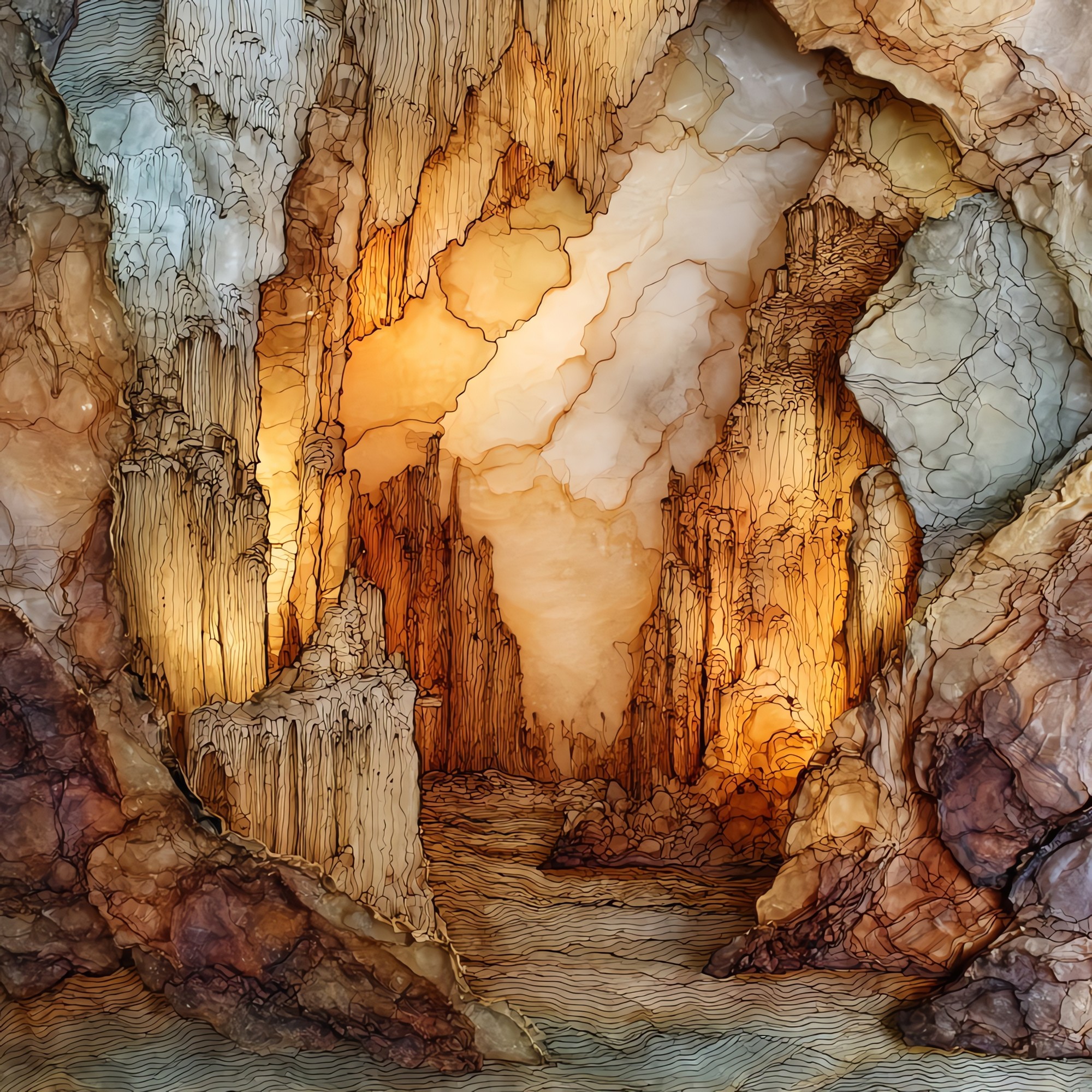
Cave of the Winds Front Range Ceramic Art Tile
shown on ceramic, 12-inch tileColorado · United States
in Williams Canyon, above Manitou Springs

Cave of the Winds Front Range Ceramic Art Tile

a room the water built in the dark.

Where it lives

Not only on a wall.

A small tile on the nightstand catching the morning. A larger one above the fire. Yours, wherever you spend the slow hours.
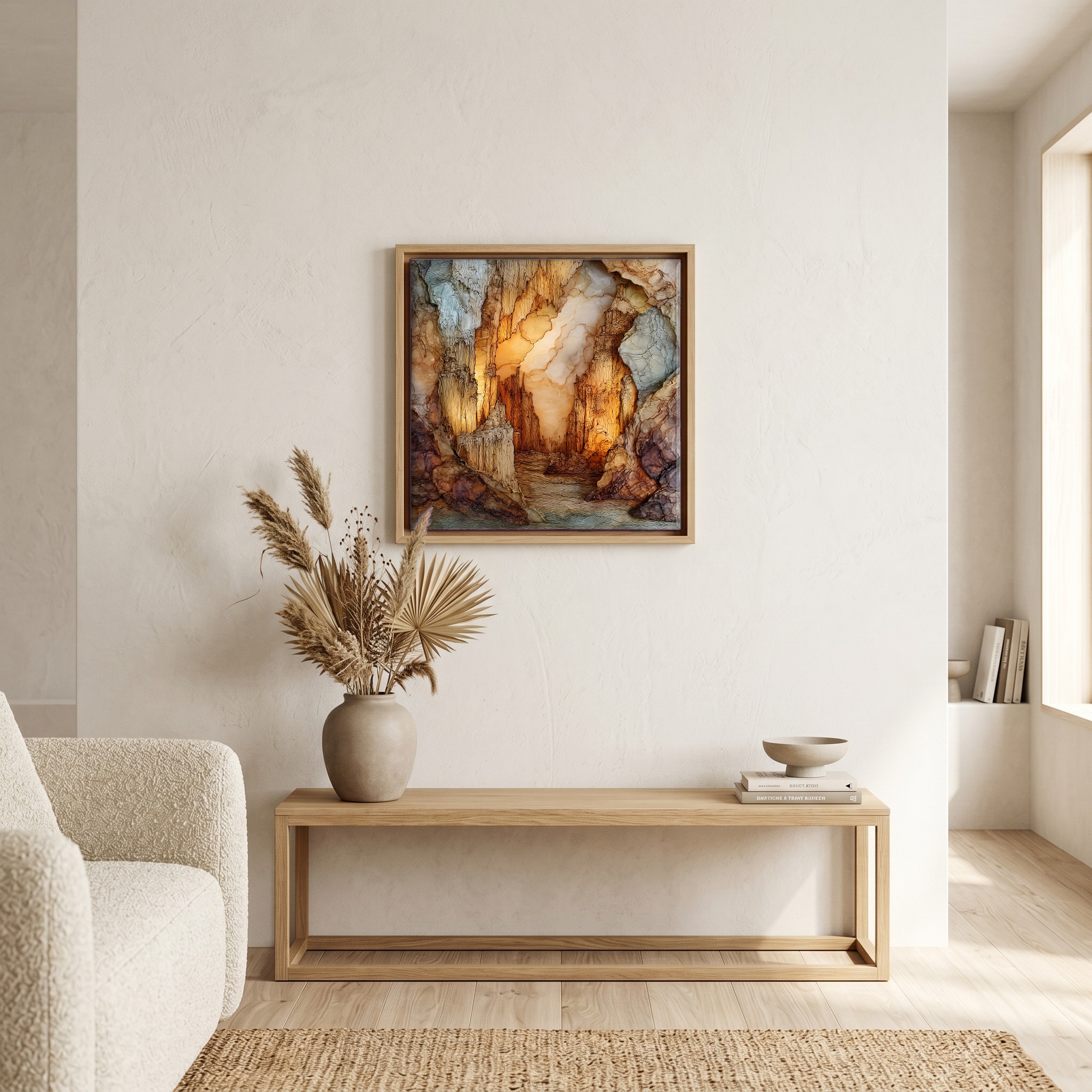
Above the bench, in a warm oak surround.
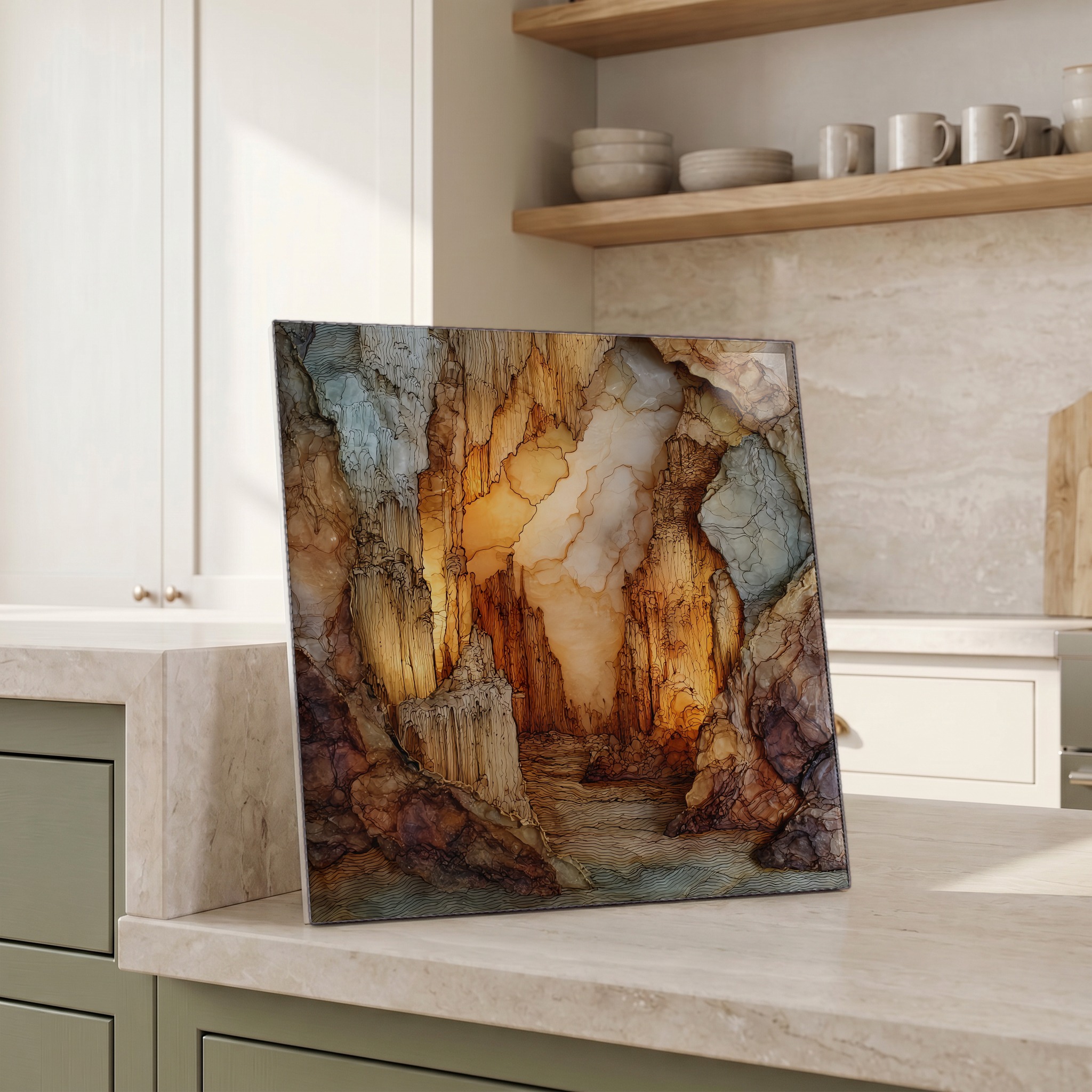
Beside the kettle, propped on the counter.
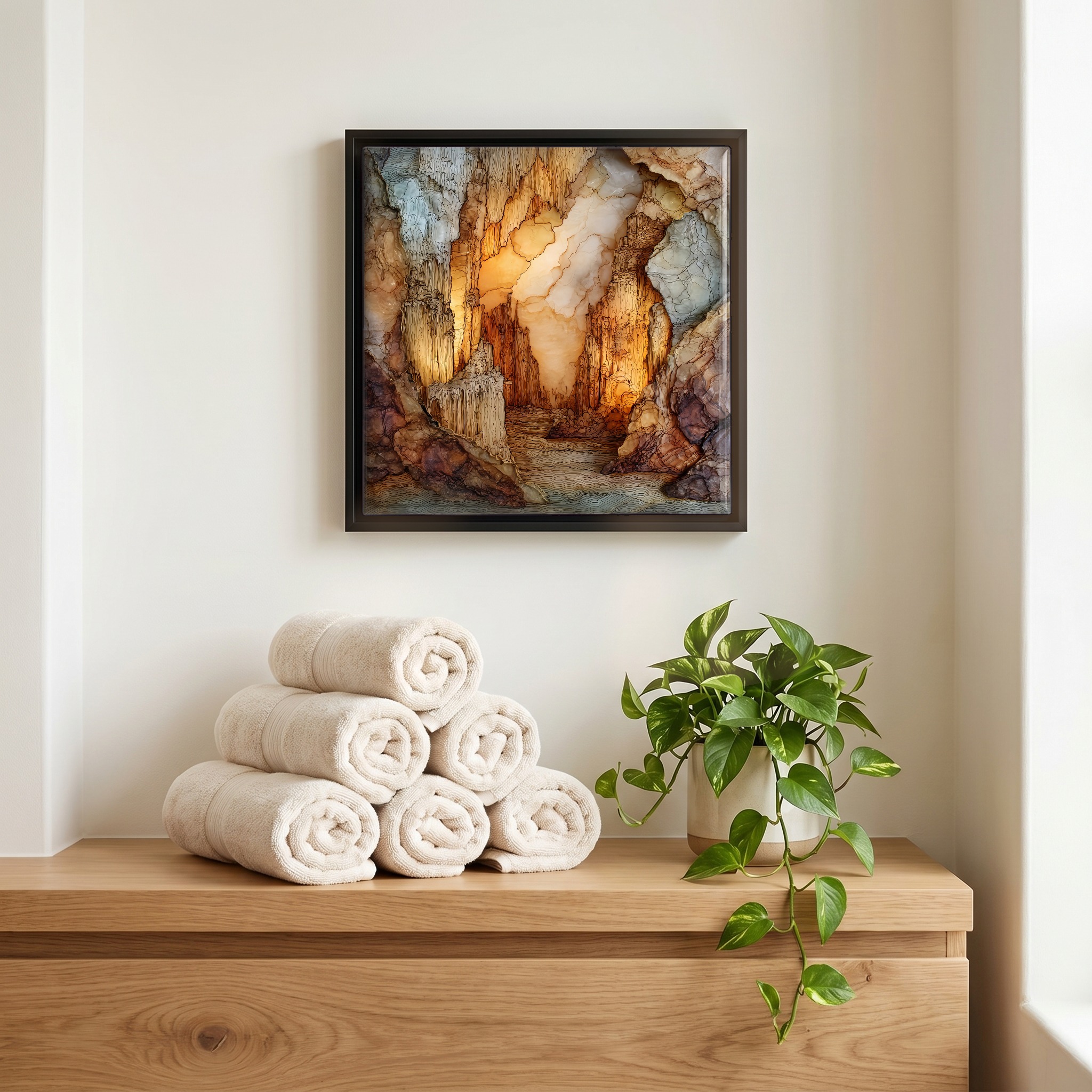
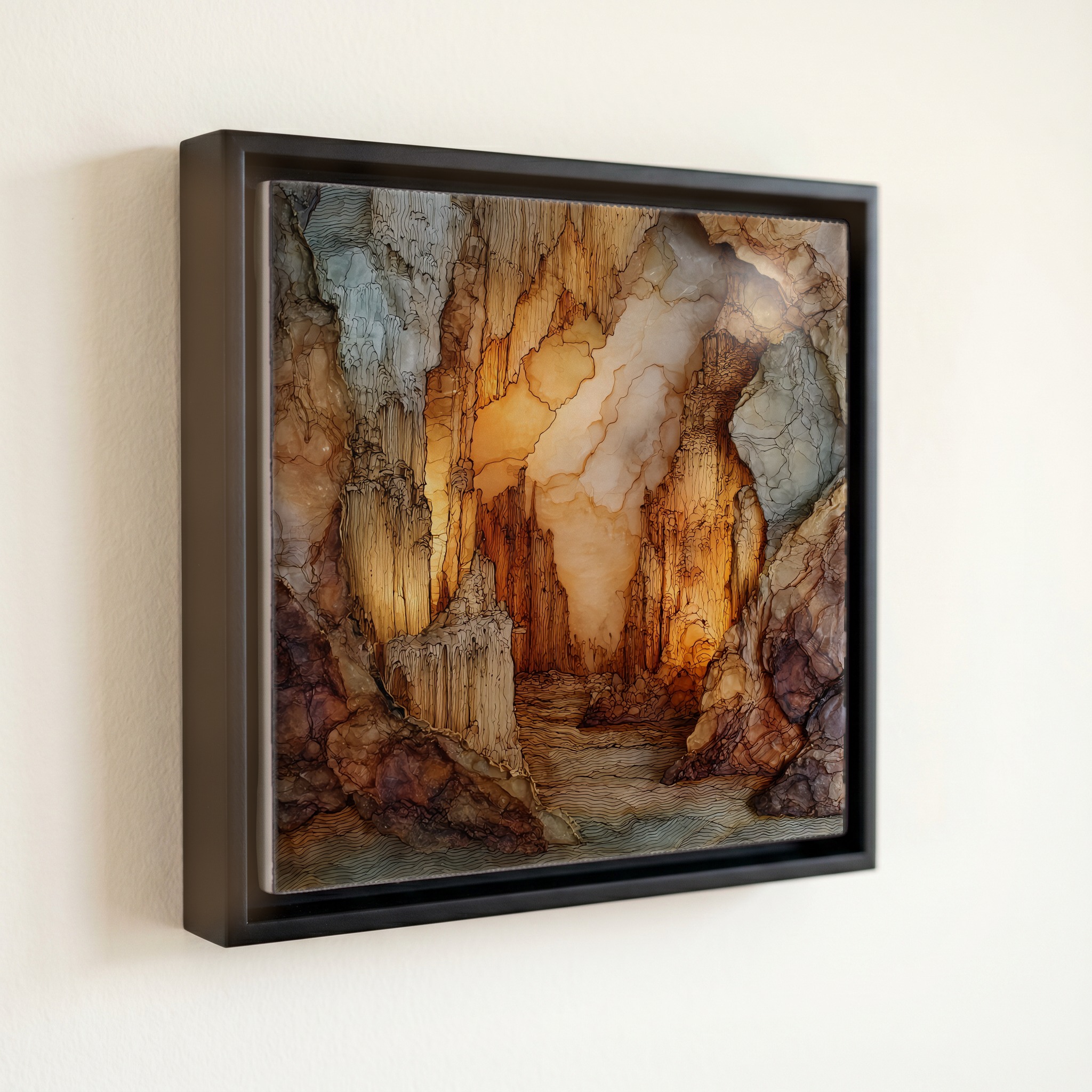
Above the linens, in a slim black surround.
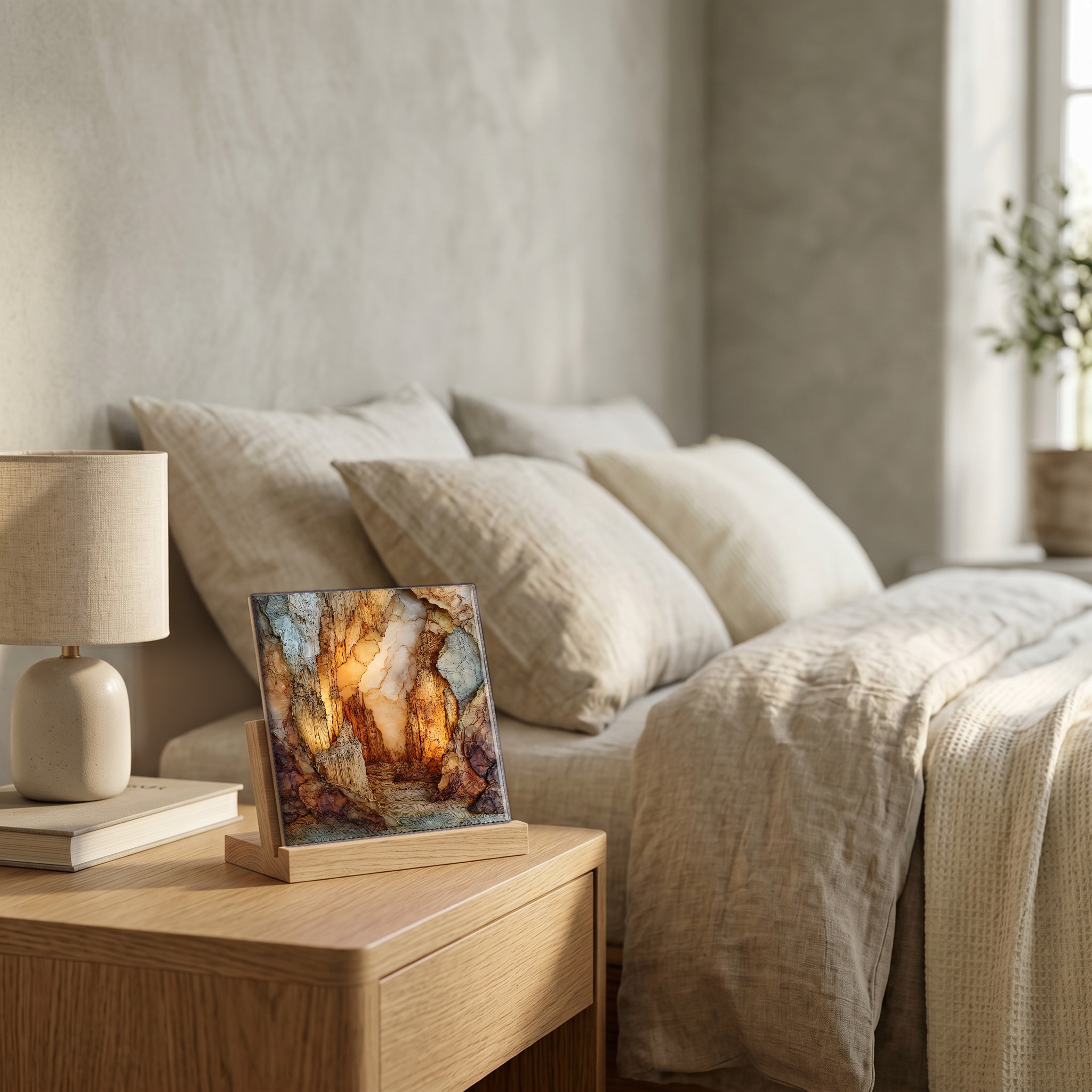
On the nightstand, on a light oak stand.
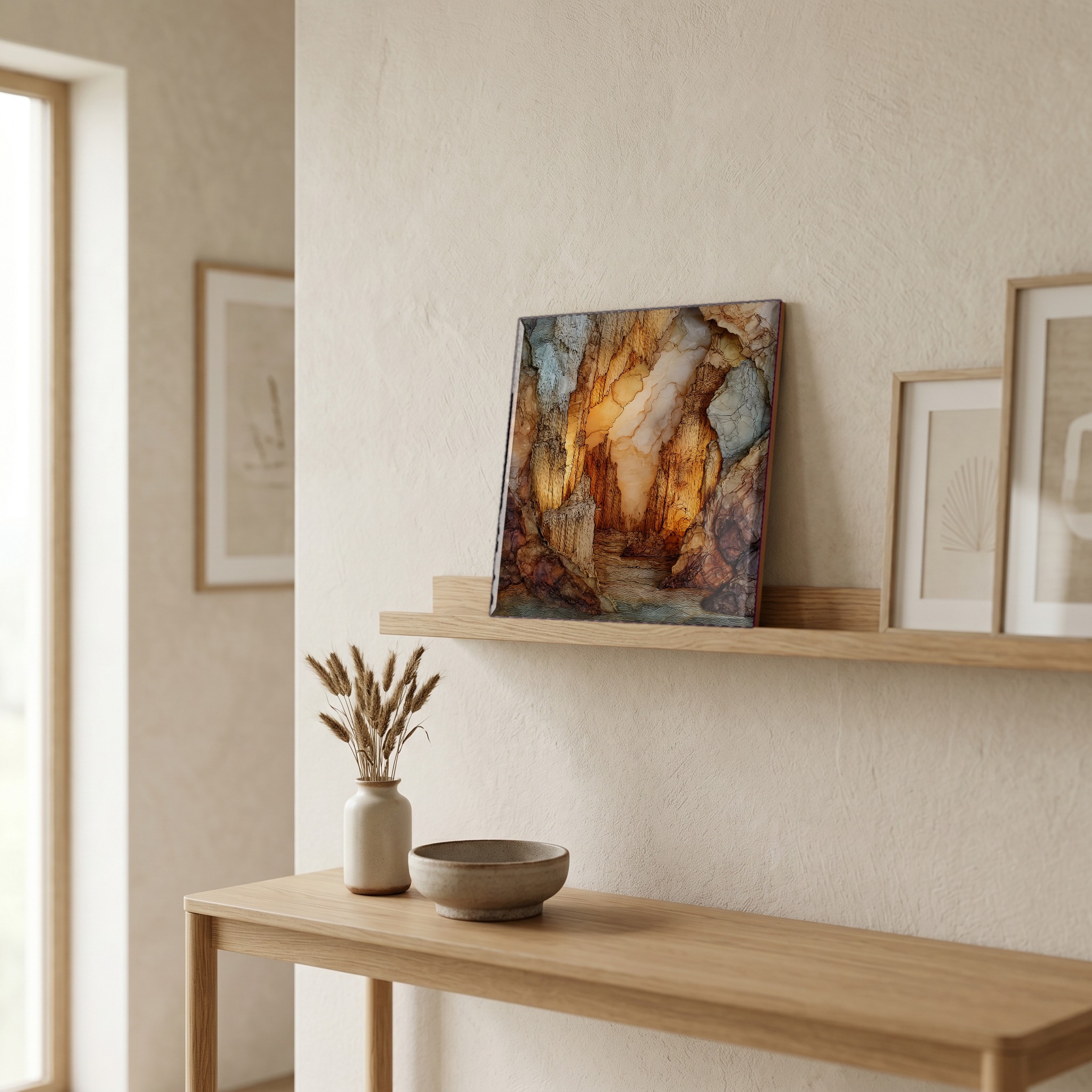
On a picture ledge, where the light comes in.
a note from the studio

A limestone cave in Williams Canyon, on the eastern flank of the Front Range. The Pickett brothers found their way in by candlelight in 1881; the Lantern Tour still goes the old way, no electric light, the rooms appearing and disappearing as the wick moves. The cave has been at this for a long time. Slow water, slow stone. A quiet that takes a few minutes underground to hear. Open every day of the year.
from the studio
shown in a slim black floating frame · 6 × 6 in
— bring it home

Cave of the Winds Front Range Ceramic Art Tile, on ceramic.

Each tile is finished by hand in our Knoxville studio. Artwork is slowly infused into the ceramic surface under high heat and pressure, and rests beneath a thin glossy finish. The colour lives in the surface, not on top of it.

What kind of piece?
One tile — square or rectangle.
How big?
the popular one — counter, shelf, nightstand
6 × 6 in · 15 cm · 1.6 lb
Surface finish
A clear glossy finish — the artwork reads as if under resin. Ideal for show-pieces and framed wall art.
How it sits
A hidden cleat — sits ¼″ proud of the wall.
$58
Hand-finished and shipped from our studio at the foot of the Smokies. On your wall in about ten days.
size
6 × 6 in
15 cm
weighs
1.6 lb
solid in the hand
surface
ceramic, hand-finished
art rests beneath a thin glossy finish
from
Knoxville, TN
our family studio, at the foot of the Smokies
— start a Coaster Set

Pick any four 4-inch tiles — National Parks you've been to, a Smokies set, the four seasons of one place. $ for a set of , cork-backed, ready to live on the table.
comes gift-ready
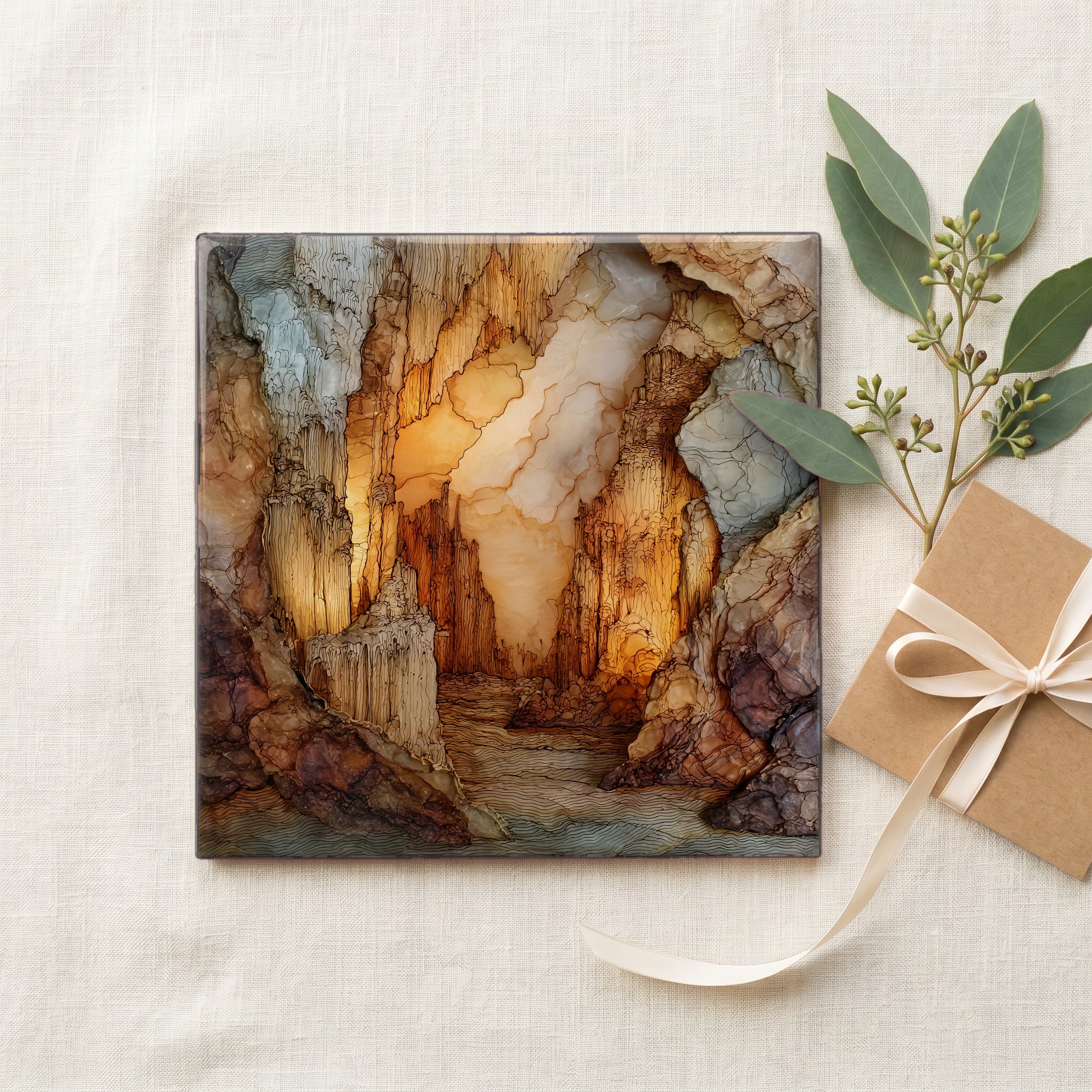
comes gift-ready

Each tile ships in a kraft box, tied with cream ribbon, with a handwritten note from the studio if you'd like to add one.
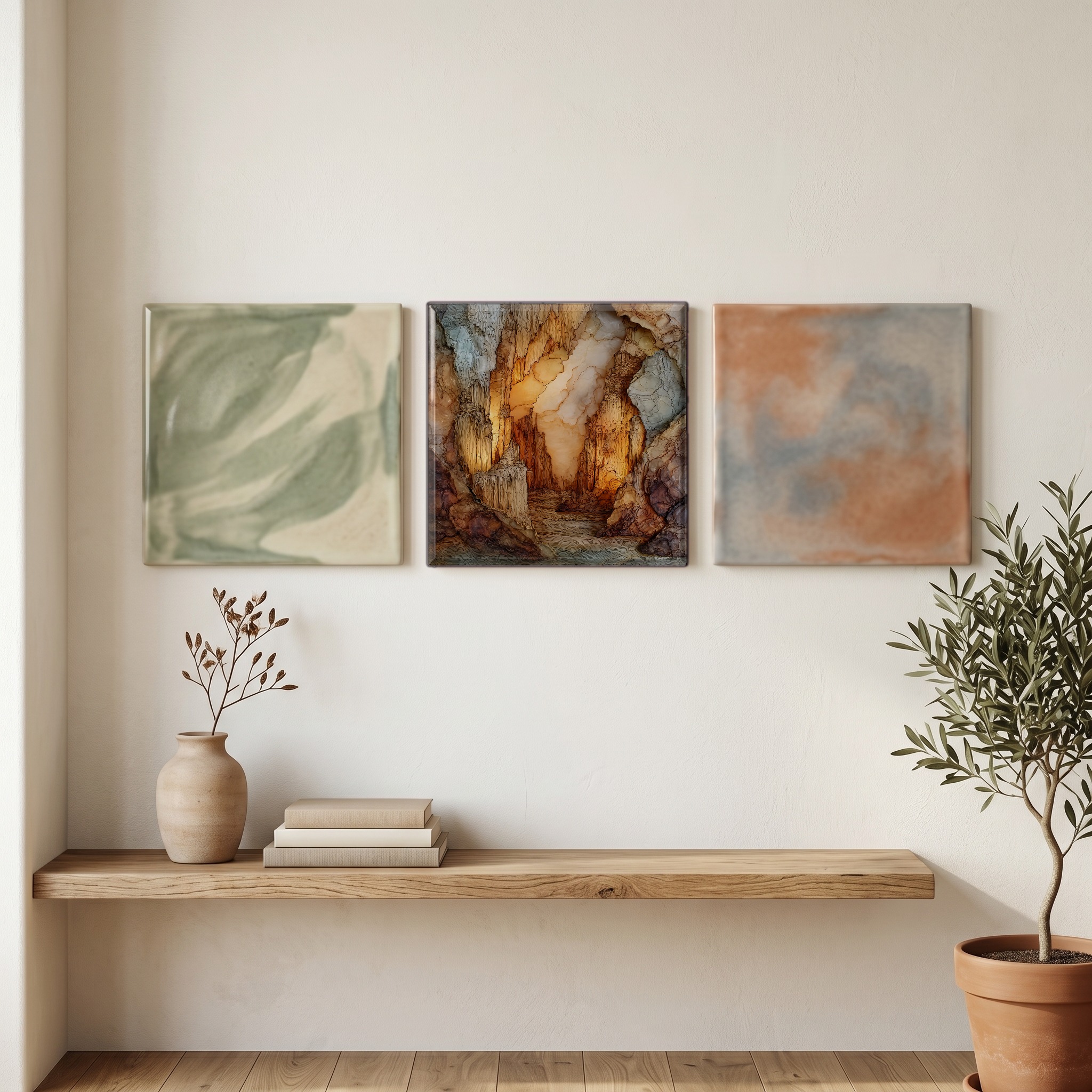
or build a grouping
or build a grouping

Three or five different vistas, hung together — a chapter of places you've been, or want to go.

about Cave of the Winds Front Range Ceramic Art Tile

The place, in three passes.

A little of what's known, in case you fall down the rabbit hole — or want to go see it yourself.
the place

Cave of the Winds sits above Manitou Springs, in Williams Canyon, on the eastern edge of the Front Range and just west of Colorado Springs. The entrance opens at roughly 6,800 feet, in the Manitou Limestone exposed along the canyon walls. The Pickett brothers mapped the first chambers in 1881, and George Snider began commercial tours later that decade. The cave has stayed in continuous operation since, run today as the Cave of the Winds Mountain Park. U.S. Highway 24 carries visitors up from Colorado Springs and Garden of the Gods, with the turnoff at the canyon mouth.

the stone

The cave is carved through the Manitou Limestone, a marine rock laid down on a shallow early-Ordovician seafloor roughly 480 million years ago. Slightly acidic groundwater, working through joints in the limestone, dissolved the chambers over a long stretch of time. The walls hold stalactites, stalagmites, flowstone, and the small popcorn formations cavers call coralloids. In the section called Silent Splendor, opened in 1984, helictites, pencil-thin calcite curls that grow against gravity, fill a small protected room. The Front Range east of Pikes Peak is mostly granite and gneiss; this strip of limestone is the older floor beneath them, lifted and tilted by the uplift that built the mountains.

the visit

The cave is open every day of the year. Three tours run through the rooms: the Discovery Tour, lit by electric light and roughly 45 minutes; the Lantern Tour, lit only by candle and run the way the Pickett brothers first walked it; and the Wild Tour, for visitors willing to crawl on belly through tighter passages. The cave holds a steady 54 degrees inside regardless of the season above. The attraction sits on Cave of the Winds Road, off U.S. Highway 24, six miles west of Colorado Springs and a short drive from Garden of the Gods and Manitou Springs.

where
United States · Manitou Springs, El Paso County, Colorado
position
38.8790° N · 104.9310° W
the neighborhood

What's nearby.

A handful of named places within an hour's walk or short drive. Some we've already painted; some we will.
6 km E
Garden of the Gods
city park
2 km SE
Manitou Springs
town
17 km SW
Pikes Peak
fourteener summit
10 km E
Colorado Springs
city
N
Cave of the Winds Front Range Ceramic Art Tile
Garden of the Gods
Manitou Springs
Pikes Peak
Colorado Springs
common questions

What people ask.

A few questions we get about Cave of the Winds Front Range Ceramic Art Tile — and about bringing the piece home.
about the place

Cave of the Winds is in Williams Canyon above Manitou Springs, Colorado, on the eastern edge of the Front Range. The entrance sits at roughly 6,800 feet, six miles west of Colorado Springs, with access from U.S. Highway 24 at the canyon mouth.

The Pickett brothers mapped the first chambers in 1881, and commercial tours began later that decade under George Snider. Indigenous peoples of the region had known the canyon's openings long before; the English name comes from the wind that moves through the rock.

It is a limestone solution cave, carved by slightly acidic groundwater dissolving the Manitou Limestone over geologic time. The rooms hold stalactites, stalagmites, flowstone, and the small popcorn formations called coralloids. A section opened in 1984, Silent Splendor, holds rare helictites.

The Discovery Tour runs about 45 minutes by electric light. The Lantern Tour runs roughly 75 to 90 minutes by candle. The Wild Tour, an introduction to caving, takes about two hours and includes belly-crawls through tighter passages. All tours leave from the visitor center.

The cave holds a steady 54 degrees Fahrenheit, about 12 Celsius, regardless of the season above. A light layer is sensible even in summer. Floors can be uneven and damp in places; sturdy shoes are the standard suggestion.

Yes. The cave is open every day of the year, though hours vary by season. Tours run by reservation and as walk-ins when capacity allows. The cave's depth keeps its temperature steady regardless of the weather above.

Silent Splendor is a room within Cave of the Winds, opened in 1984 by a team of cavers, that holds an unusually dense cluster of helictites, the twisted calcite formations that grow against gravity. It is one of the cave's most photographed sections.

about the piece in your home

It is a meaningful gift for many of our customers with ties to the Pikes Peak region. Cave of the Winds is one of those places locals grow up visiting on school trips, and it stays in memory. A Small or a Coaster with a handwritten note from the studio carries well.

The colours in the artwork, deep limestone golds, the blue of cave dark, alcohol-ink jewel tones against stained-glass armatures, sit well with Mountain Modern, Jewel-tone Maximalist, and warmer Mid-century rooms. The piece reads strongest against a darker wall.

Mountain Modern has been a steady design vocabulary for the Front Range and the Rockies. Cave of the Winds reads well alongside other Colorado vistas as part of a layered room: Pikes Peak, Garden of the Gods, and the Maroon Bells, all sharing the same studio eye.

Above a sofa, a single Large at roughly 18 by 24 inches, or a 4-tile Mural. Above a console, a Medium or a 4-tile Mural carries the wall. For a deeper statement, a 9-tile Mural fills a full room.

Yes, with the right finish. For wet or high-use spaces, choose the Dura Satin or Matte finish. Both are scratch-resistant and handle water and steam. The Glossy finish is best kept for framed wall art in dry rooms.

A soft microfibre cloth and water are enough. The colour is slowly infused into the ceramic surface under high heat and pressure and lives beneath a thin clear finish, so there is nothing on top to wear off. Avoid abrasive cleansers and scouring pads.

Yes. Every piece in the WenderVista atlas is original work from the studio in Knoxville, Tennessee. There is no licensing and no reproduction of other artists. Reid Wender curates the atlas and chooses what enters it.

if this one stayed with you

A few you might also love.

Hand-picked by the eye that found Sorapis. Same air, same kind of quiet.