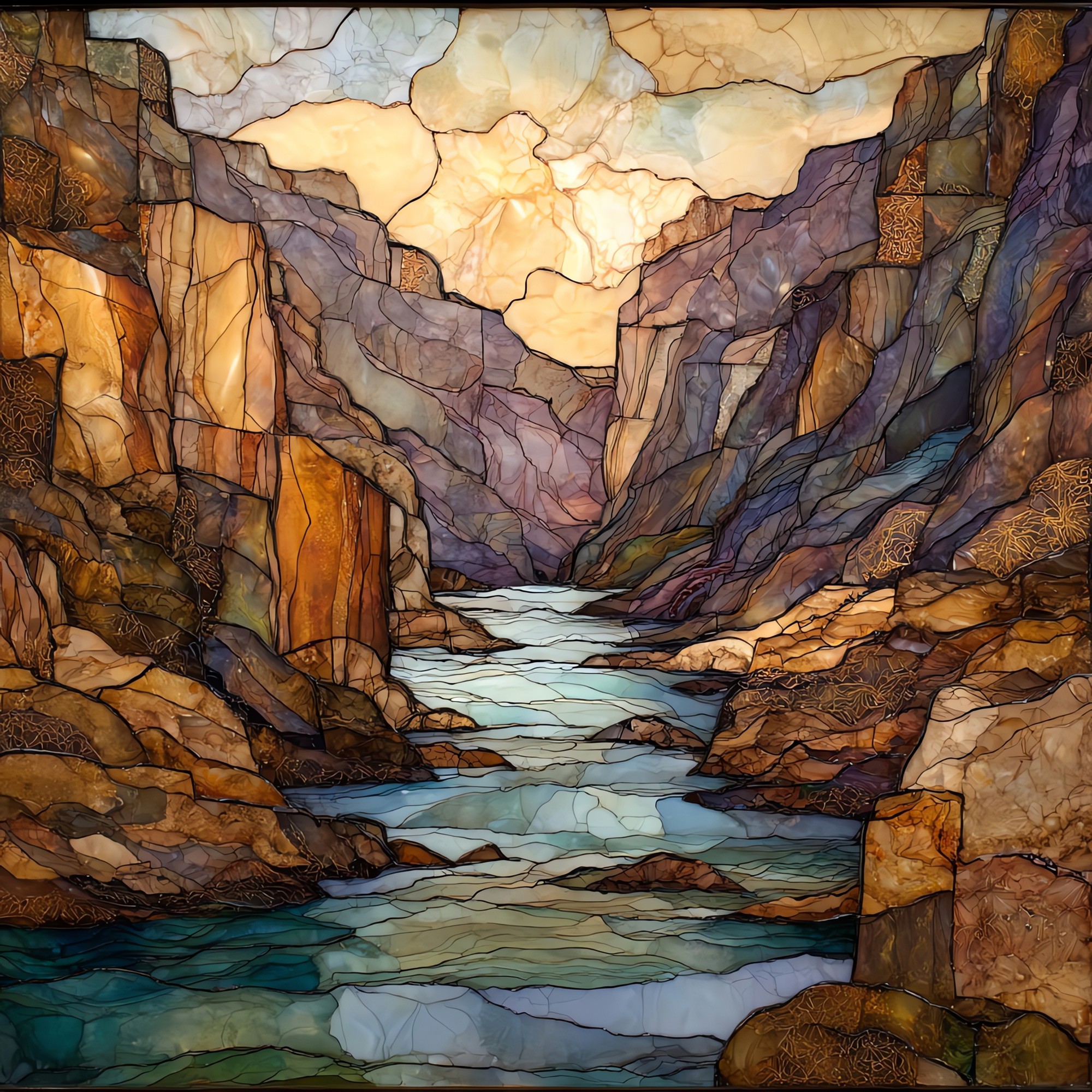
Browns Canyon on the Arkansas Ceramic Art Tile
— — pink granite, and the river still working it.
Not only on a wall.
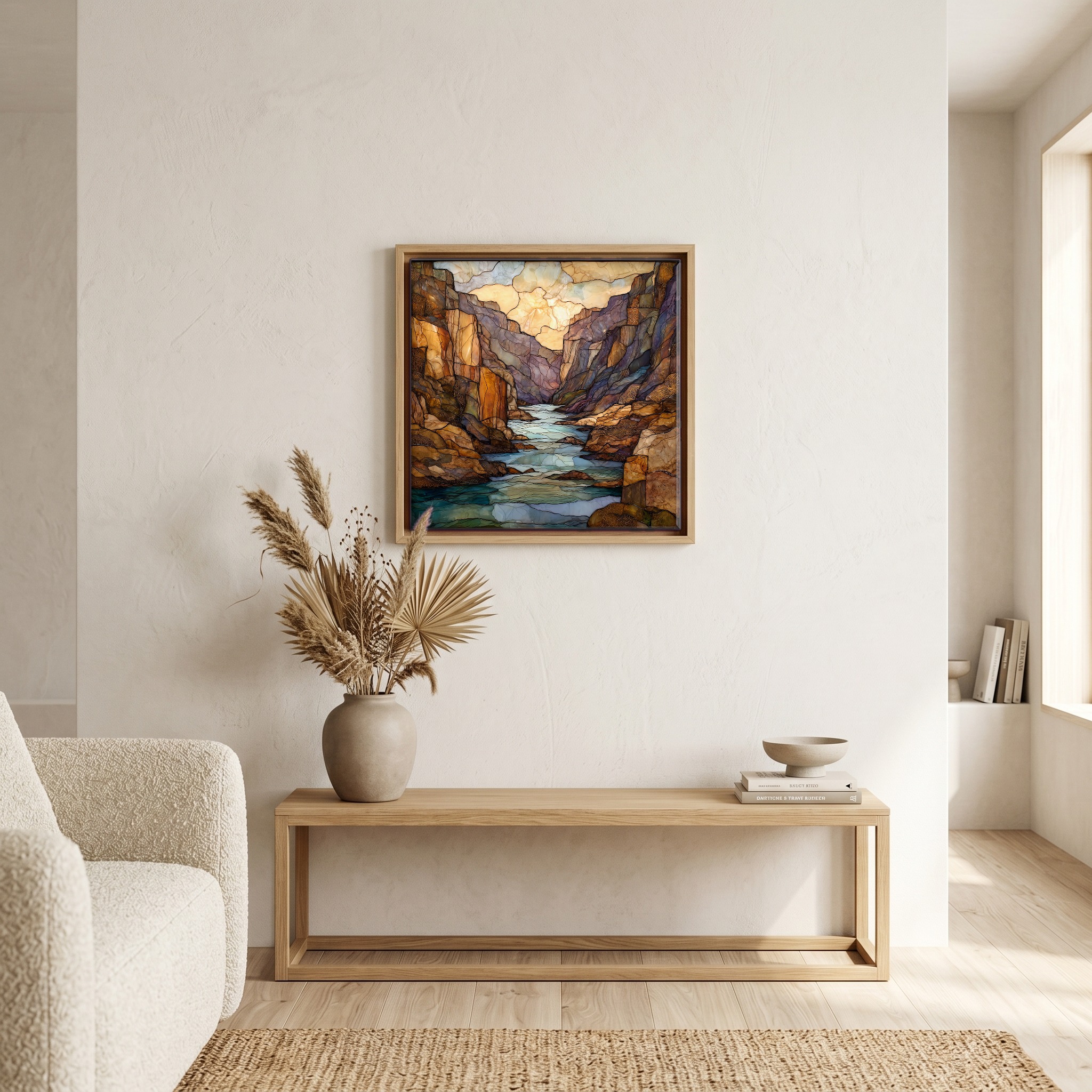
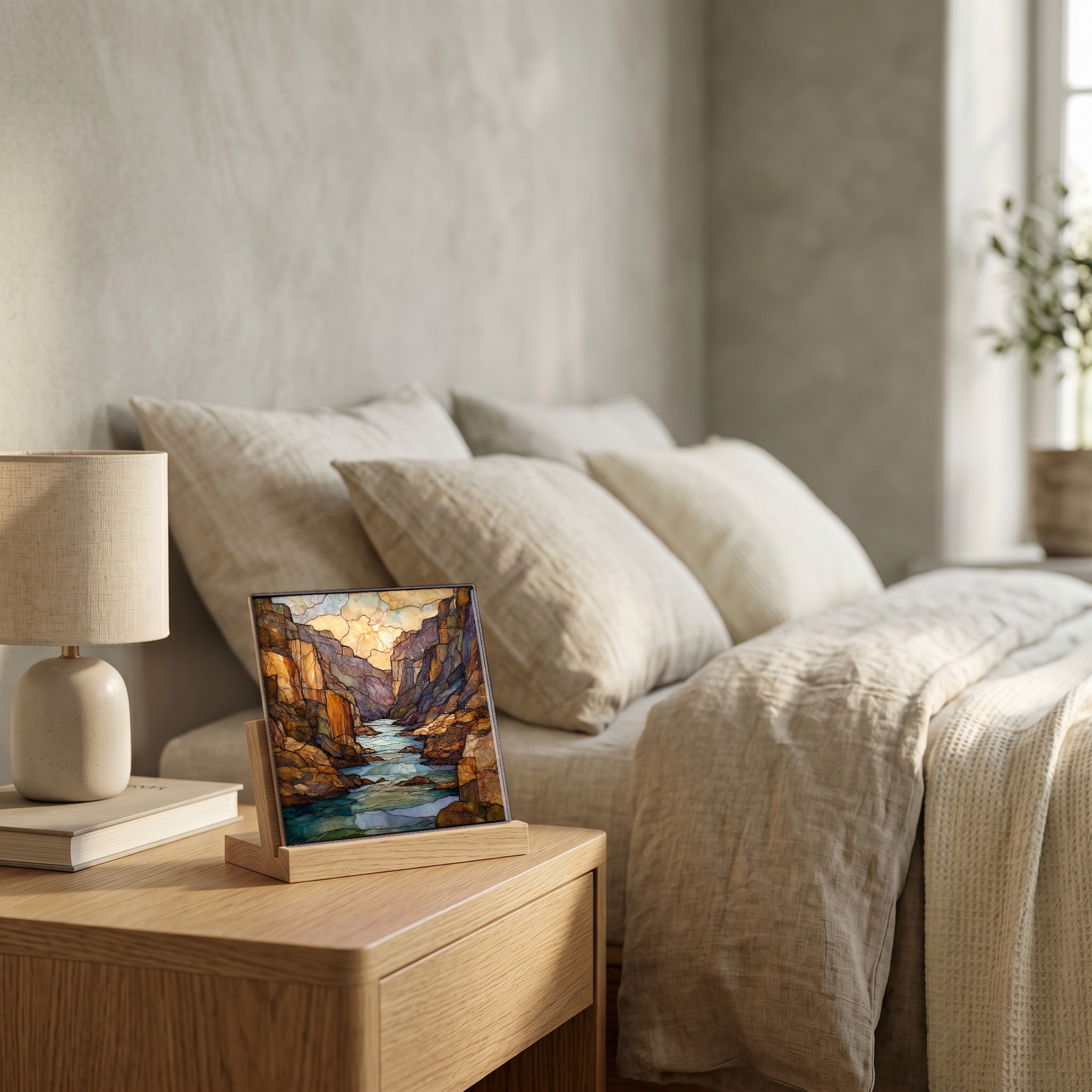
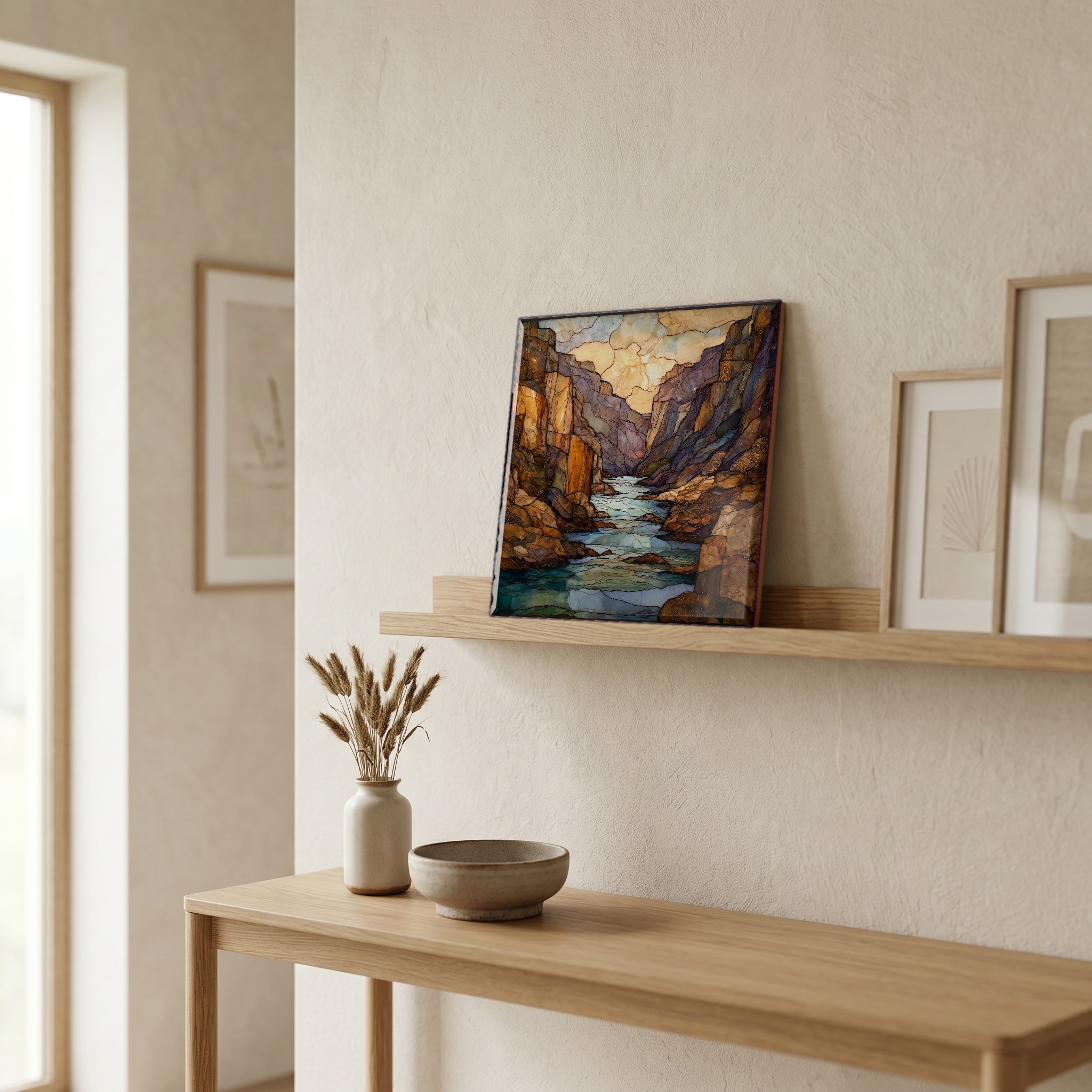
“Twenty miles of pink granite the Arkansas River has been cutting through, on its way south from the Sawatch high country. Most of the country reaches it by raft, between Buena Vista and Salida, through the most-run whitewater in the United States. The canyon walls hold peregrine falcons and bighorn sheep; the river holds rainbow and brown trout. Obama drew a line around it in 2015: twenty-one thousand acres of granite and gold-medal water, joint custody of the Forest Service and the Bureau of Land Management. The kind of place you watch the wind change in.
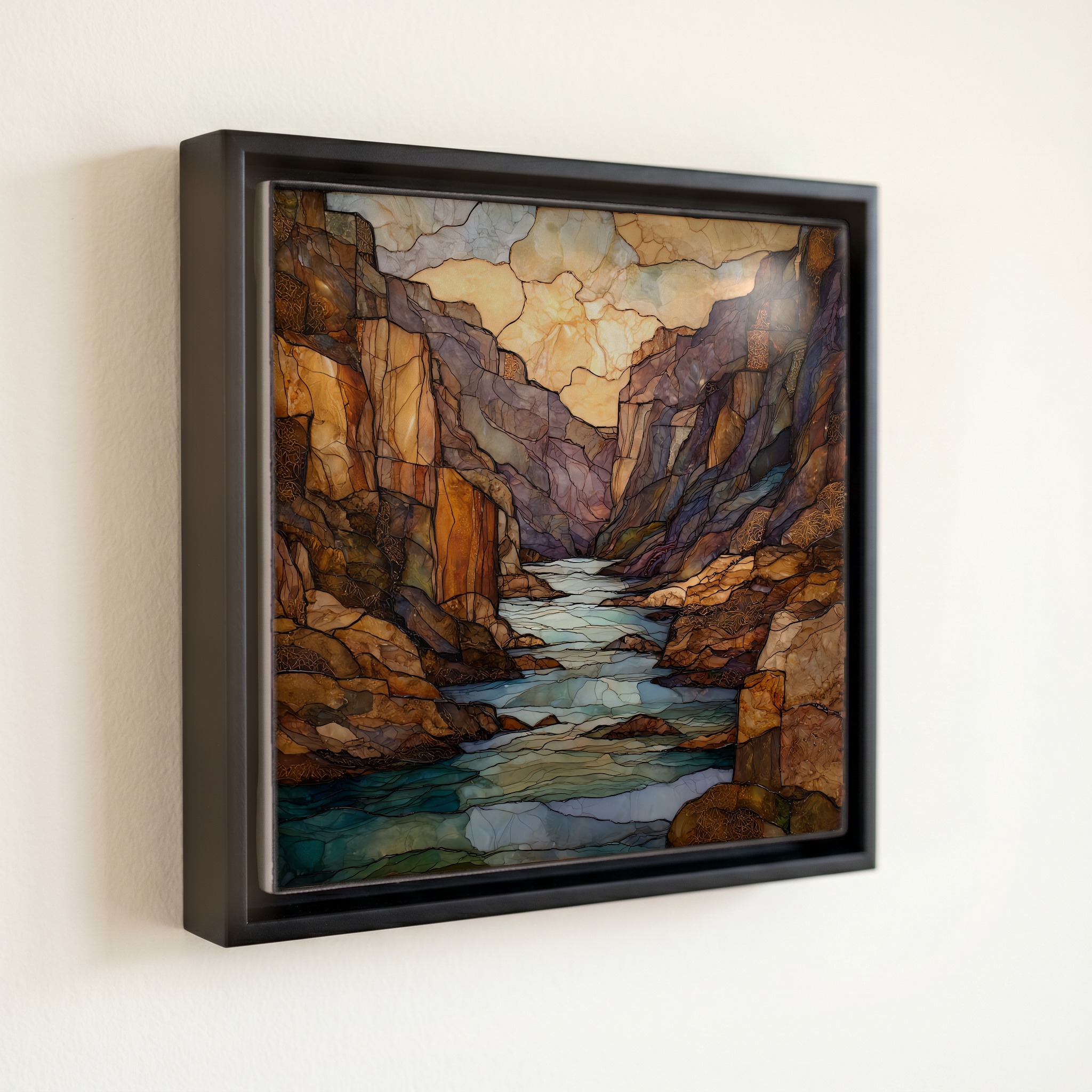
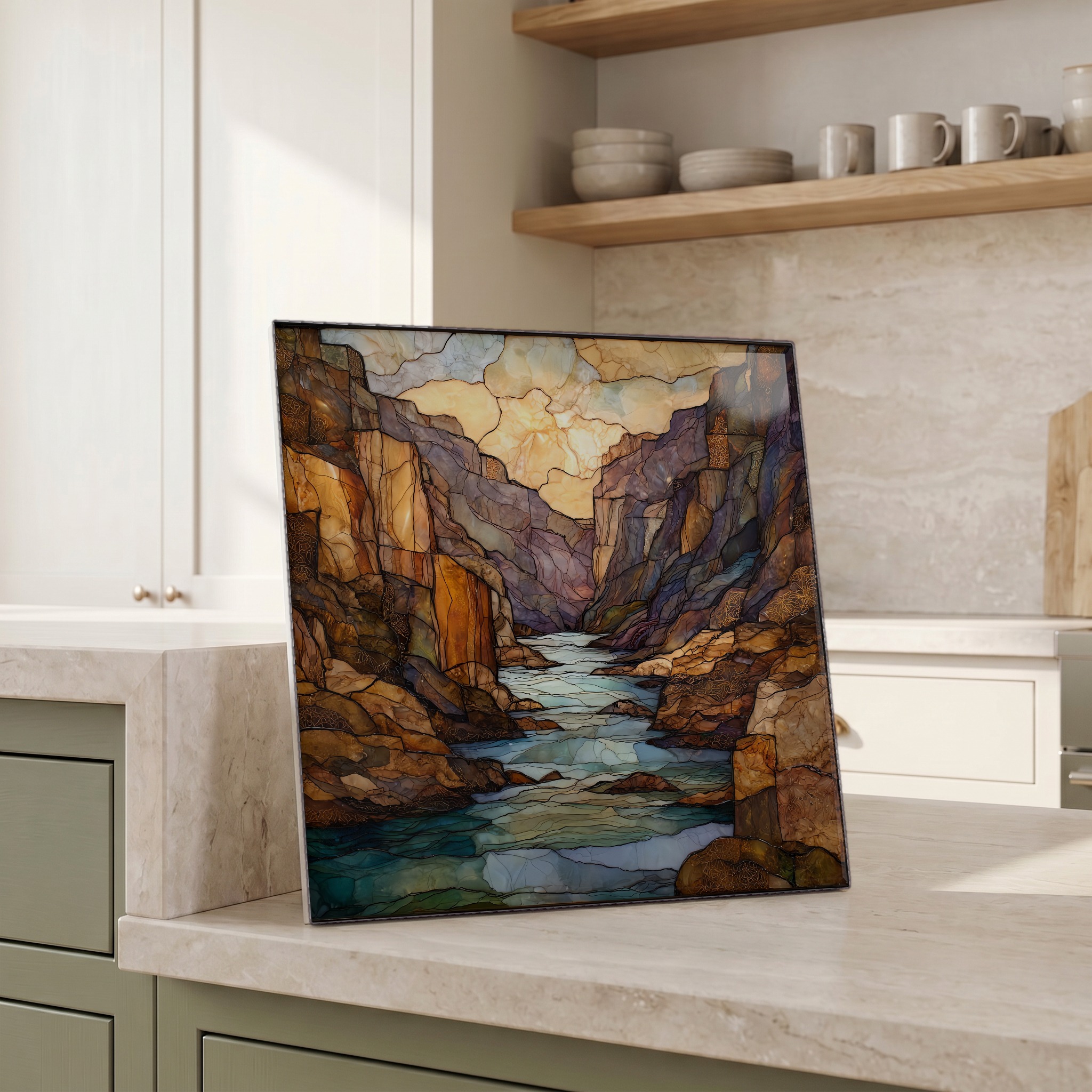
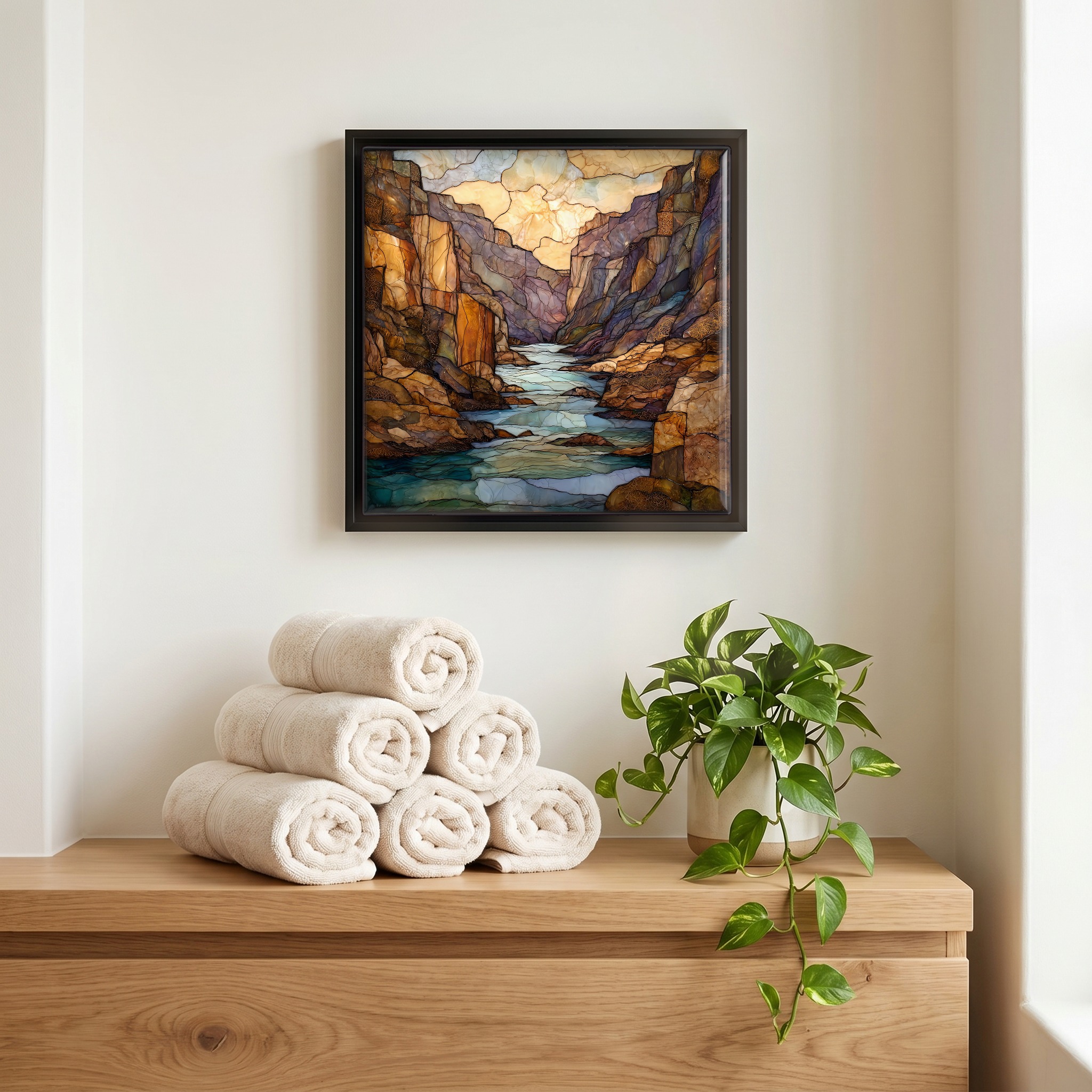
Browns Canyon on the Arkansas Ceramic Art Tile, on ceramic.
Each tile is finished by hand in our Knoxville studio. Artwork is slowly infused into the ceramic surface under high heat and pressure, and rests beneath a thin glossy finish. The colour lives in the surface, not on top of it.
Pick any four 4-inch tiles — National Parks you've been to, a Smokies set, the four seasons of one place. $ for a set of , cork-backed, ready to live on the table.
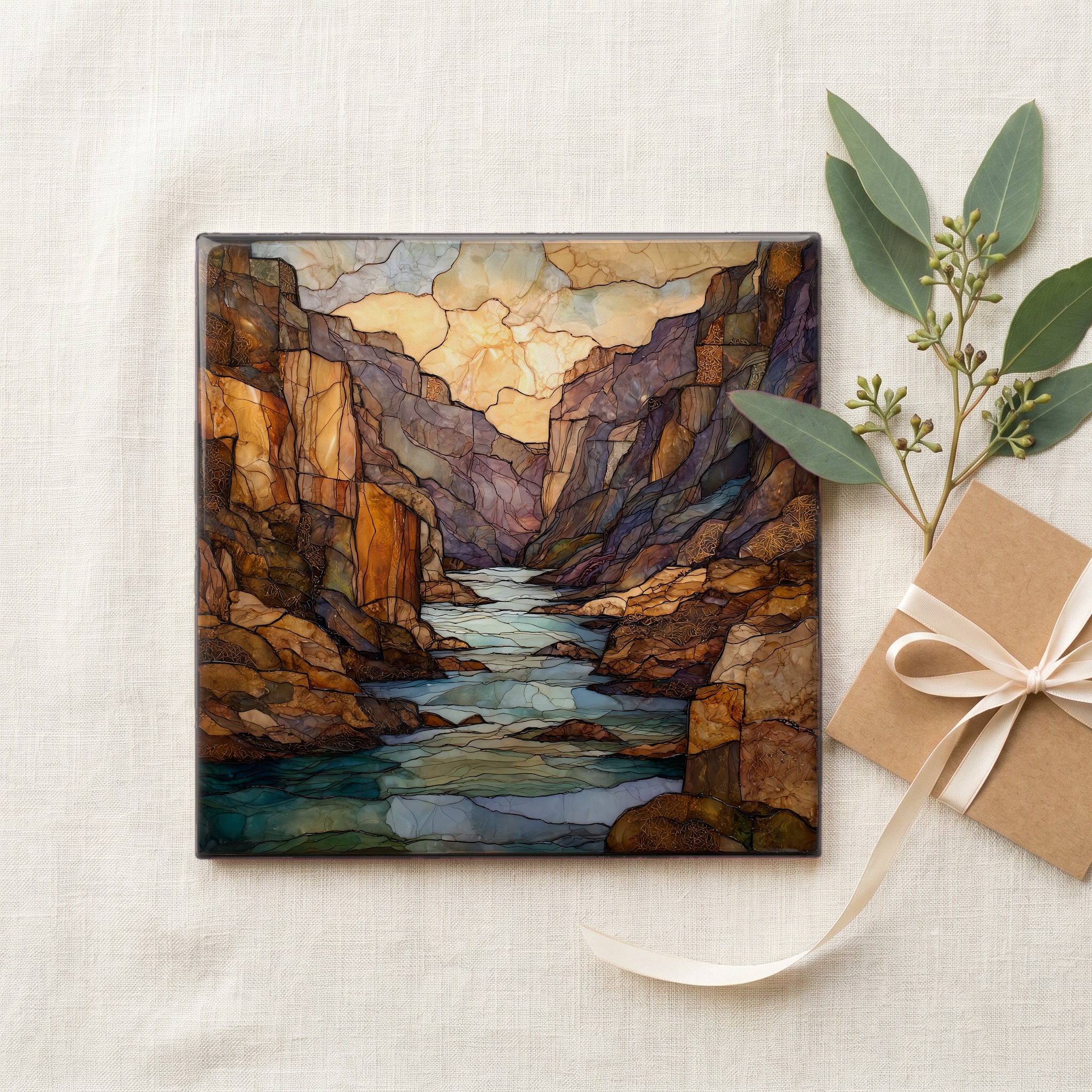
Each tile ships in a kraft box, tied with cream ribbon, with a handwritten note from the studio if you'd like to add one.
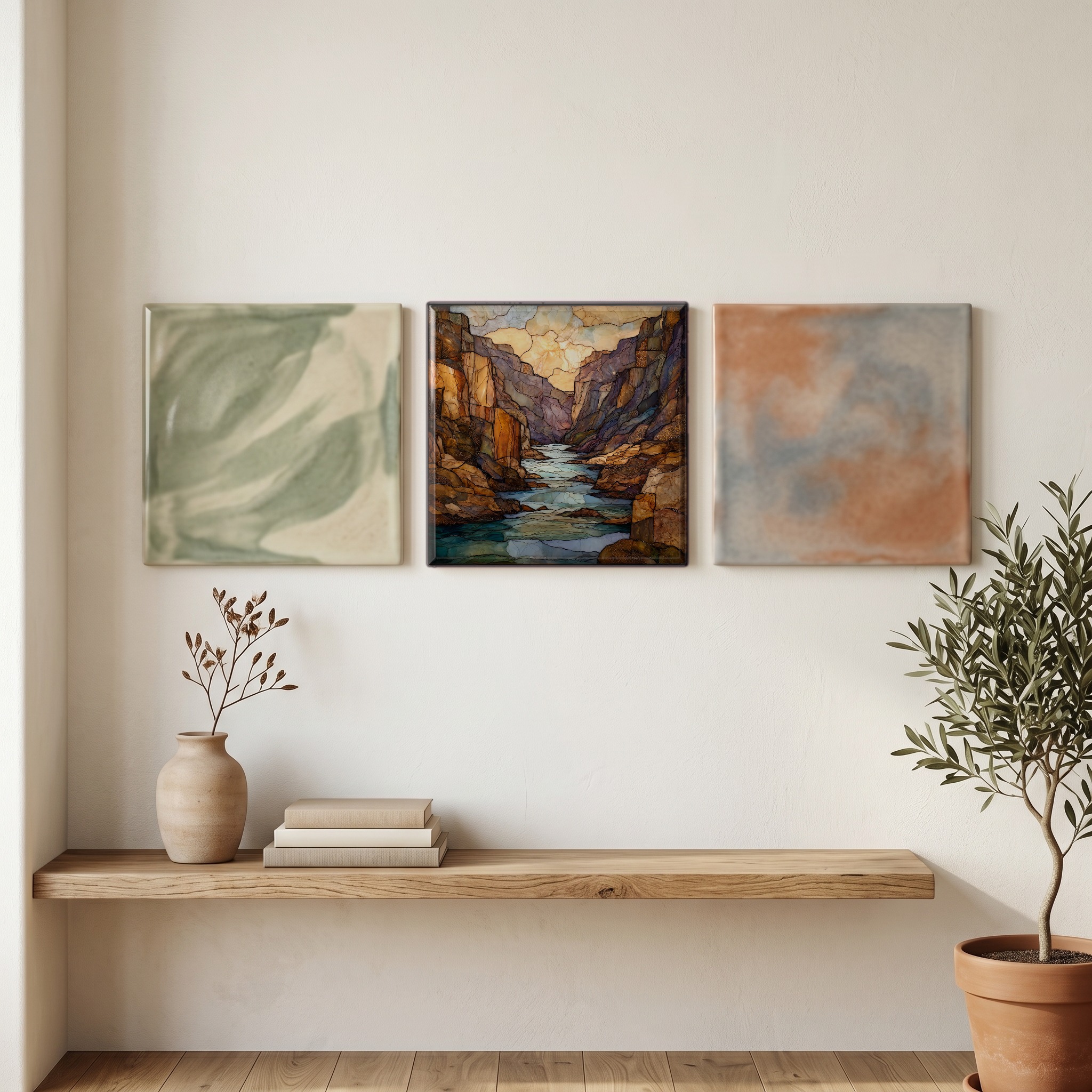
Three or five different vistas, hung together — a chapter of places you've been, or want to go.
The place, in three passes.
Browns Canyon is a twenty-one-thousand-acre stretch of granite and pine in Chaffee County, central Colorado, between the towns of Buena Vista and Salida. President Obama designated it a National Monument on February 19, 2015, under the Antiquities Act, drawing a boundary around 11,836 acres of the San Isabel National Forest and 9,750 acres of Bureau of Land Management land. The Arkansas River runs the length of it, with the canyon floor sitting near 7,300 feet and the rim climbing to roughly 10,000. The Sawatch Range rises to the west, with Mount Princeton and Mount Antero on the skyline; the Arkansas Hills hold the canyon's east wall.
The canyon is cut through a 1.6-billion-year-old Precambrian granodiorite batholith, the pink granite that gives the cliffs their warm tone. Geologists use Browns Canyon's exposed rock to study paleoclimatology and post-glacial change because the formation gives access to one of the longer geological windows in the southern Rockies. The walls read warmest in low sun, when the side gulches cutting down through the granite and metamorphic rock catch a long shadow. Peregrine falcons, prairie falcons, and golden eagles nest in the upper cliff bands. Bighorn sheep work the steeper ledges through winter, when the canyon empties of rafters and the wind comes down the gulches instead.
The Arkansas is the most-rafted whitewater in the United States, and Browns Canyon is the busiest stretch of it. The main run between Buena Vista and Salida holds steady Class III rapids (Zoom Flume, Big Drop, Seidel's Suckhole) through about eight miles of canyon. The Class IV-V Numbers stretch upstream is for stronger paddlers and a narrower window of the year. The Arkansas is also a Colorado Gold Medal trout fishery: wild rainbow and brown, the population sustained by cold tailwater released from Twin Lakes Reservoir upstream. Commercial rafting runs roughly mid-May to mid-August, peaking with the snowmelt off the Sawatch.