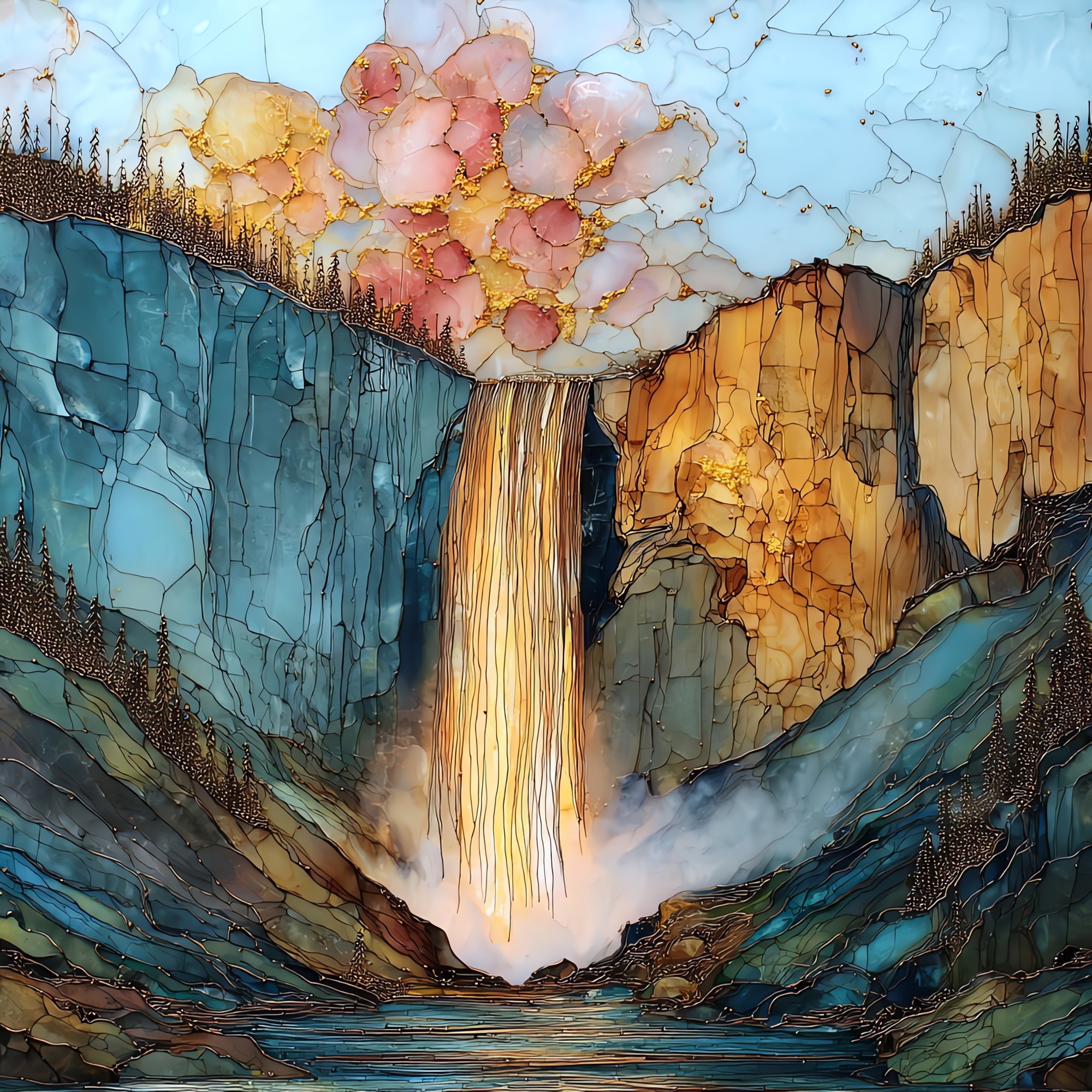
Bridal Veil Falls Telluride San Juans Ceramic Art Tile
— a long white veil at the canyon's end.
Not only on a wall.
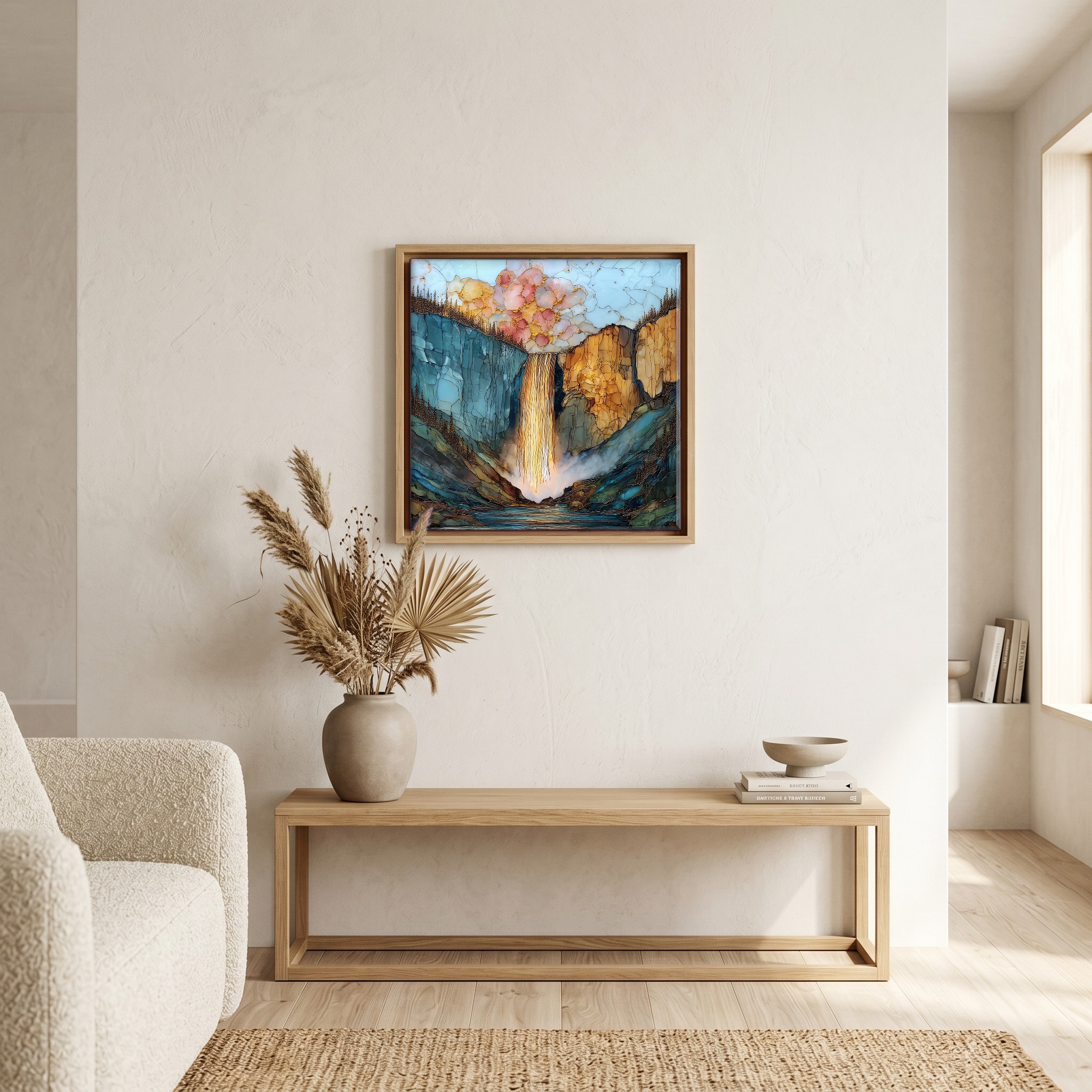

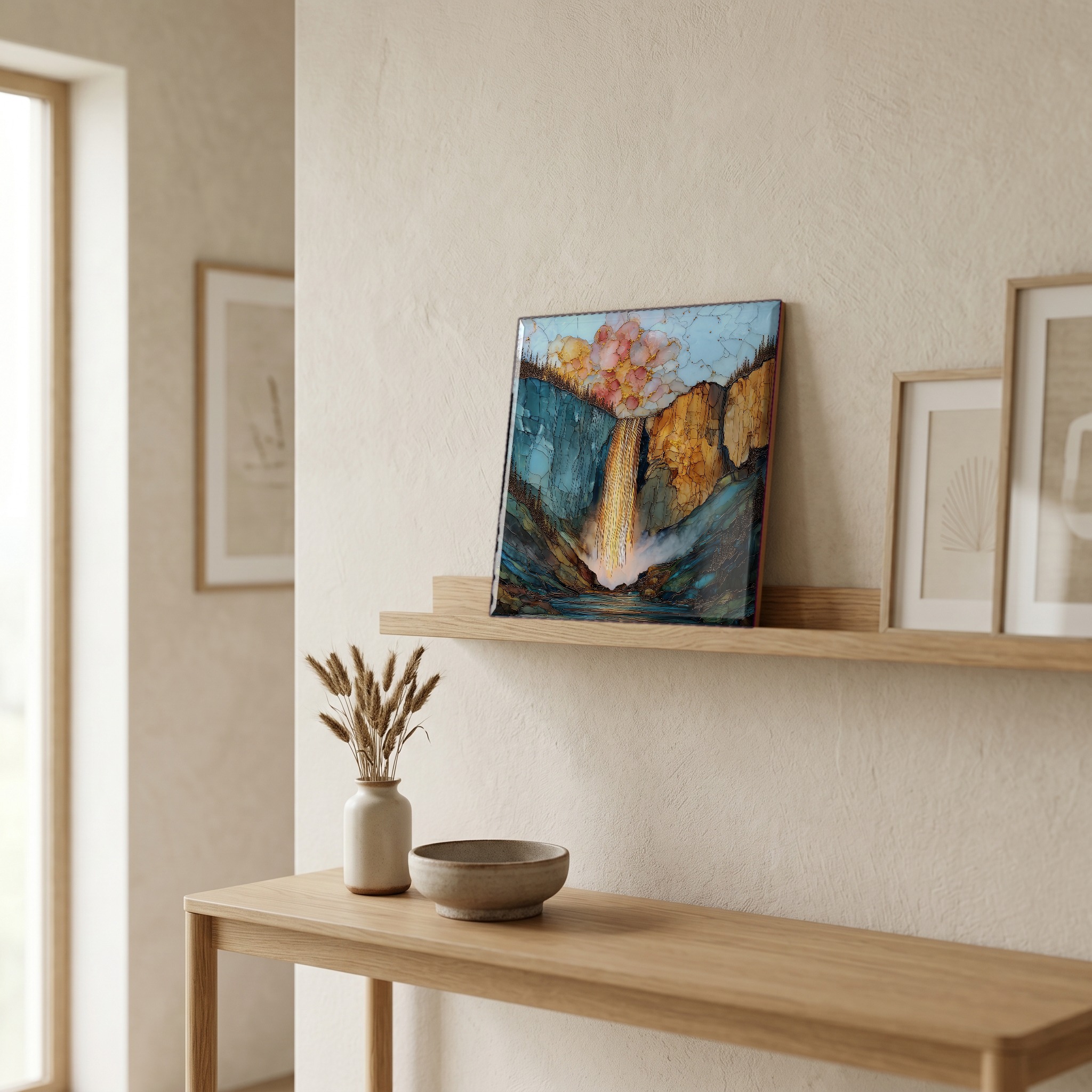
“At the back of Telluride's box canyon, where the road and the river both end, Bridal Veil Falls comes down in a single white veil, 365 feet, the tallest free-falling waterfall in Colorado. Above the lip, a small wooden powerhouse from 1907 still stands, still works, still pulls electricity from the same water that has been falling since the canyon was cut. In winter the whole face freezes blue and the ice climbers come. In June it is loud enough to hear from town.
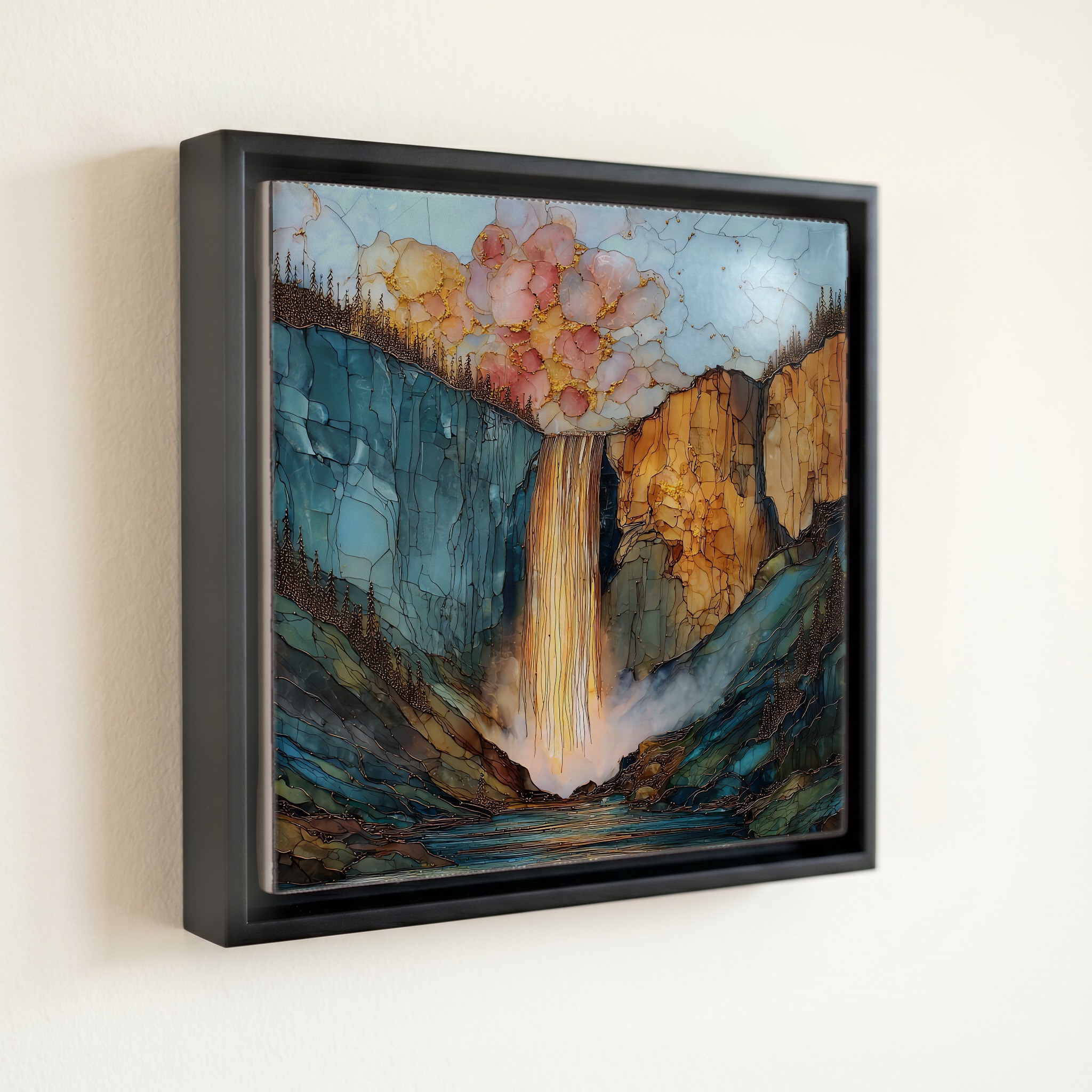
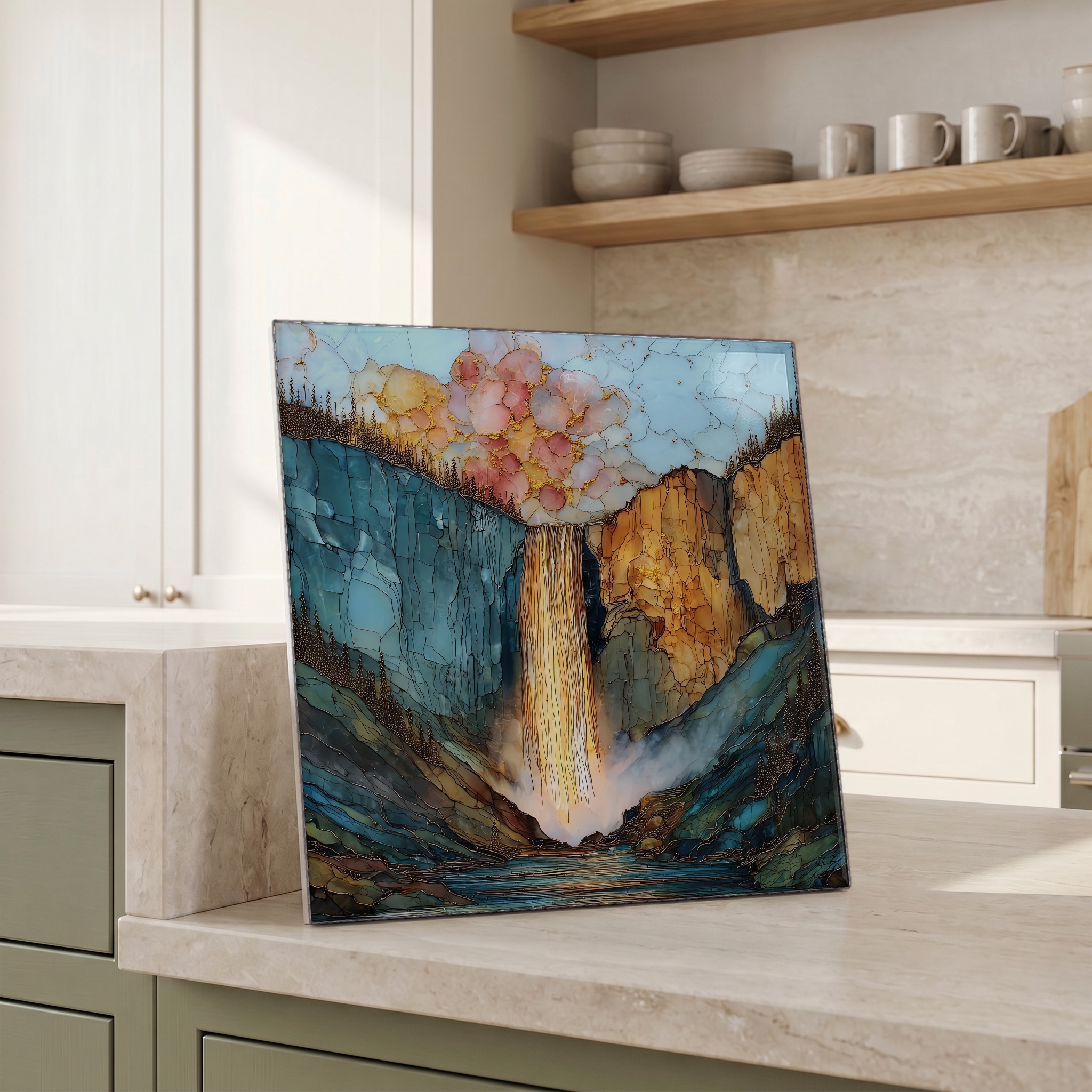
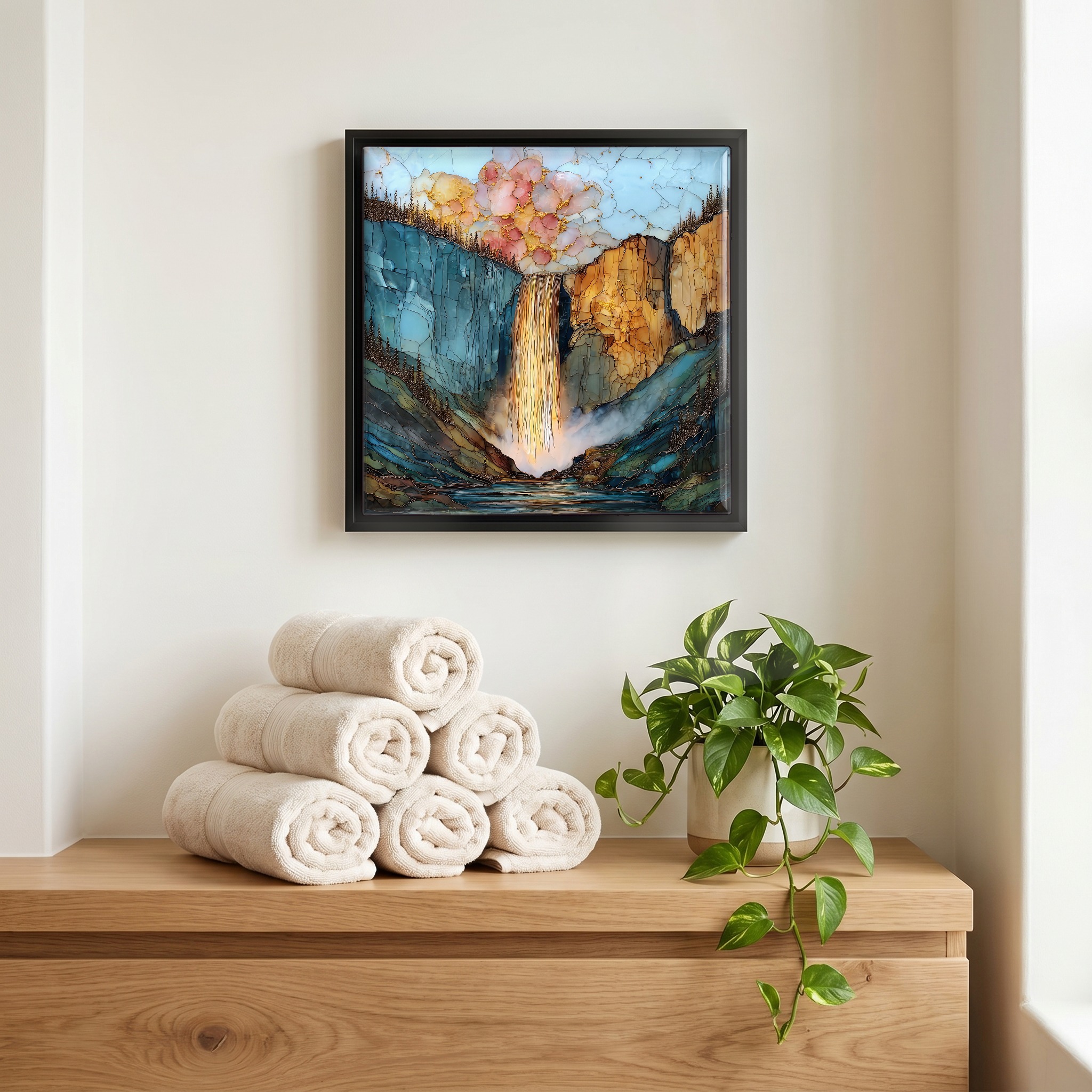
Bridal Veil Falls Telluride San Juans Ceramic Art Tile, on ceramic.
Each tile is finished by hand in our Knoxville studio. Artwork is slowly infused into the ceramic surface under high heat and pressure, and rests beneath a thin glossy finish. The colour lives in the surface, not on top of it.
Pick any four 4-inch tiles — National Parks you've been to, a Smokies set, the four seasons of one place. $ for a set of , cork-backed, ready to live on the table.
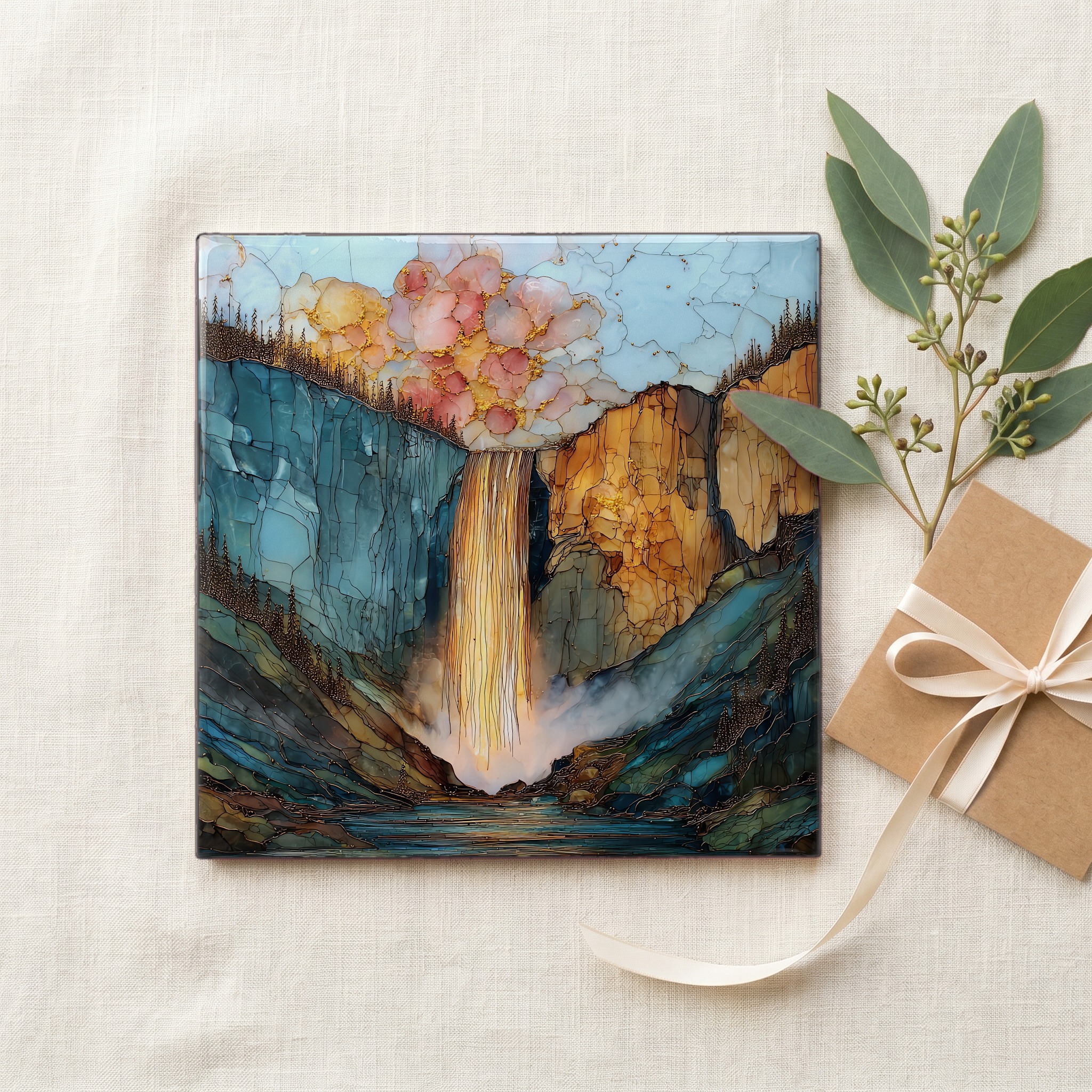
Each tile ships in a kraft box, tied with cream ribbon, with a handwritten note from the studio if you'd like to add one.

Three or five different vistas, hung together — a chapter of places you've been, or want to go.
The place, in three passes.
Bridal Veil Falls drops 365 feet from a hanging valley at the head of Telluride's box canyon, the tallest free-falling waterfall in Colorado. The water comes from Bridal Veil Basin, a high cirque set above the cliff in the San Juan volcanic field of southwestern Colorado. The town of Telluride sits below at 8,750 feet; the lip of the falls is roughly 10,500 feet. Bridal Veil Creek feeds the falls from Blue Lake and the basin's snowfields, then joins the San Miguel River at the canyon floor. The falls are reached on a 4WD switchback road that climbs about two miles from the end of the canyon at Pandora.
The veil shape is in the name and in the physics. The 365-foot cliff face is slightly concave, and the water sheets across it before leaving the rock, so the fall spreads as it descends rather than holding a single column. In late May and June, peak snowmelt makes the fall loud enough to be heard from the canyon floor below; by August it thins to a slow translucent curtain. The water rises in Bridal Veil Basin, a high cirque of snowfields and a small alpine lake called Blue Lake, then joins the San Miguel River at the canyon floor on its way west toward the Utah border.
Bridal Veil Falls is two different places across the year. From late May through September the cliff is wet and the road to the powerhouse is passable to high-clearance 4WD vehicles and walkers. By October the cottonwoods along the San Miguel River turn yellow and the flow slackens. In December the fall freezes, and by January it has become a 365-foot vertical ice column that draws climbers from across the United States and Europe. Bridal Veil is one of the most storied ice climbs in North America, first led in 1974 by Jeff Lowe and Mike Weis. The road closes to motor traffic through the winter and becomes a snowshoe and ski approach.