Wender·Vista
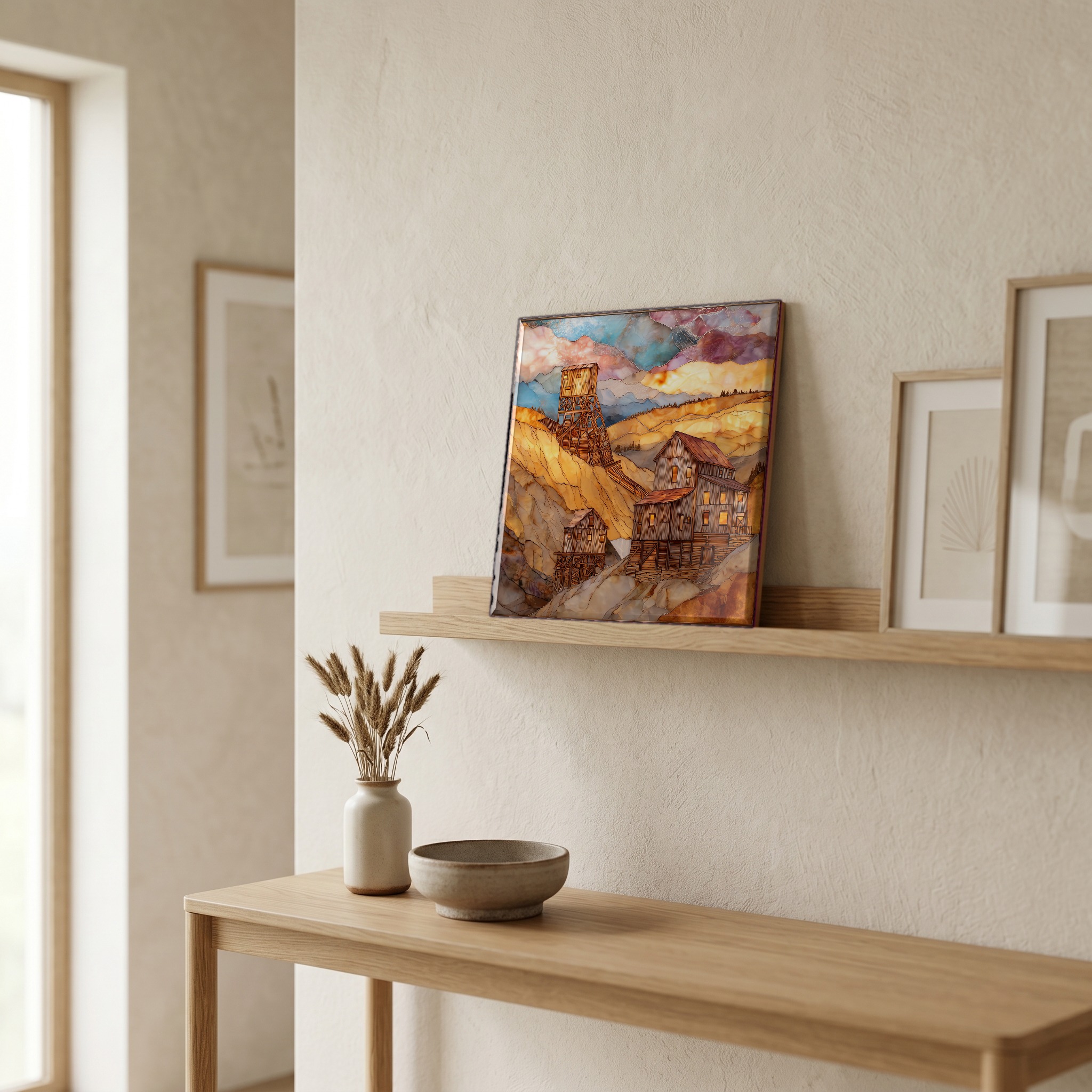
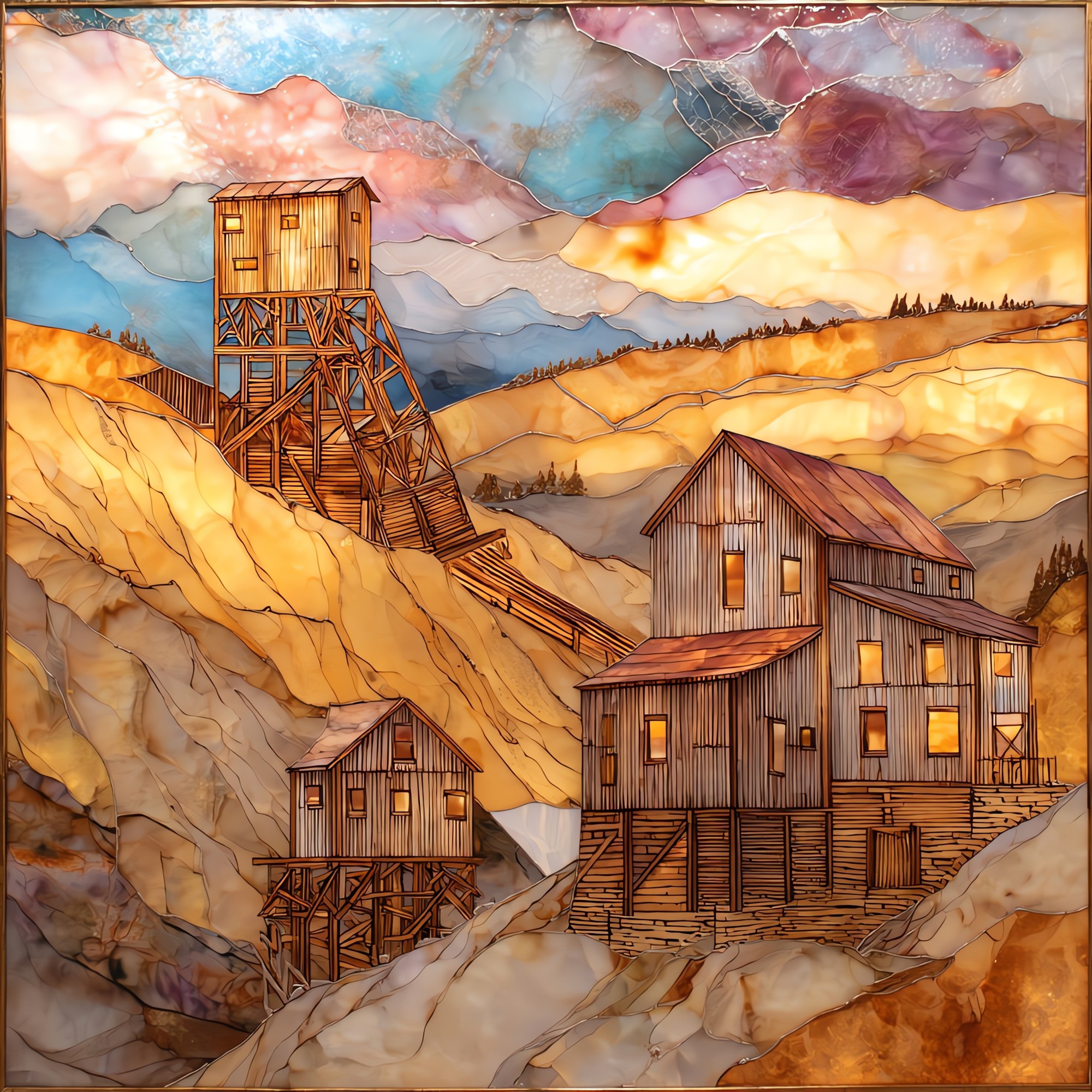
Bachelor Loop Creede San Juans Ceramic Art Tile
shown on ceramic, 12-inch tileColorado · United States
above Creede, in the San Juans

Bachelor Loop Creede San Juans Ceramic Art Tile

— the road silver carved and the aspens kept.

Where it lives

Not only on a wall.

A small tile on the nightstand catching the morning. A larger one above the fire. Yours, wherever you spend the slow hours.
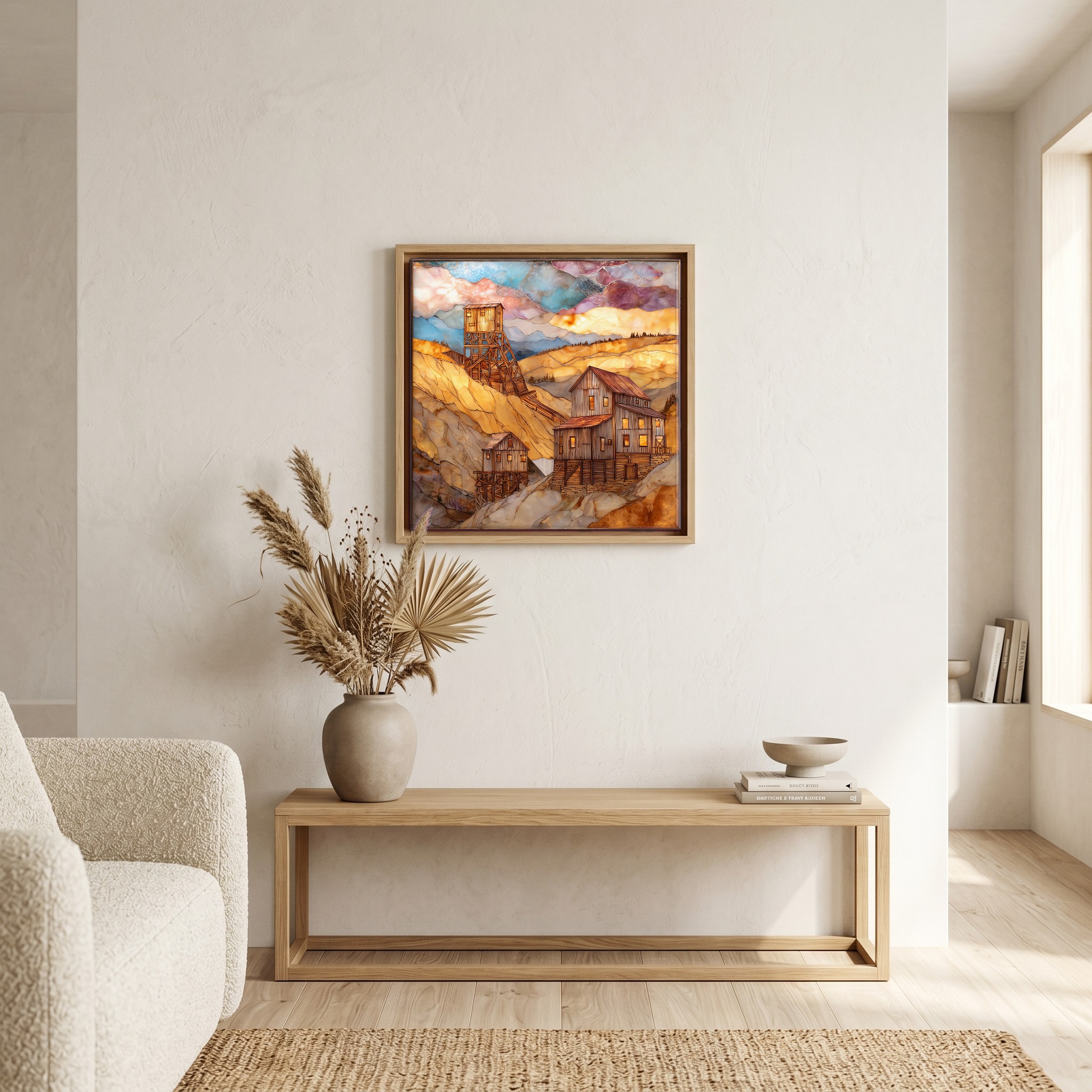
Above the bench, in a warm oak surround.
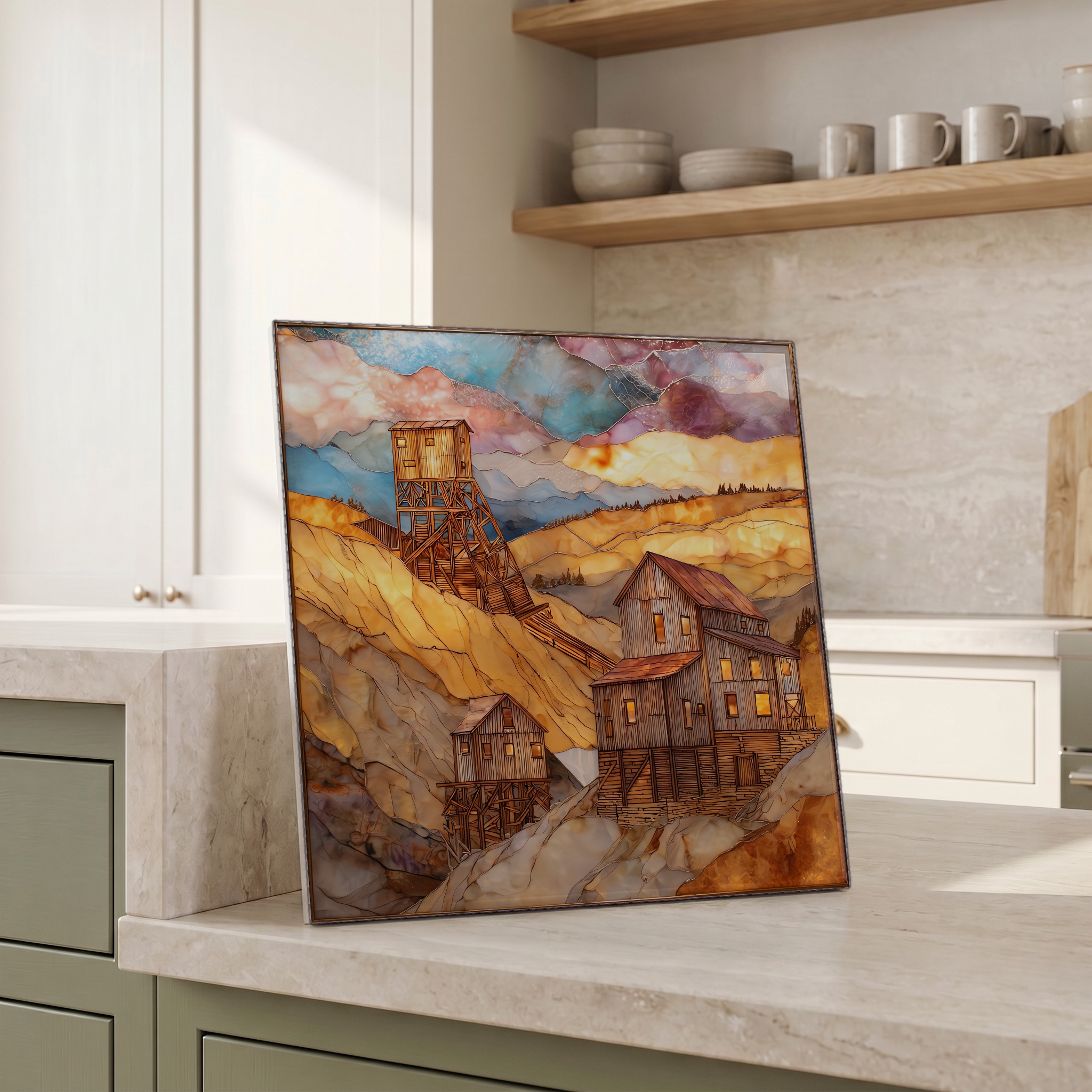
Beside the kettle, propped on the counter.
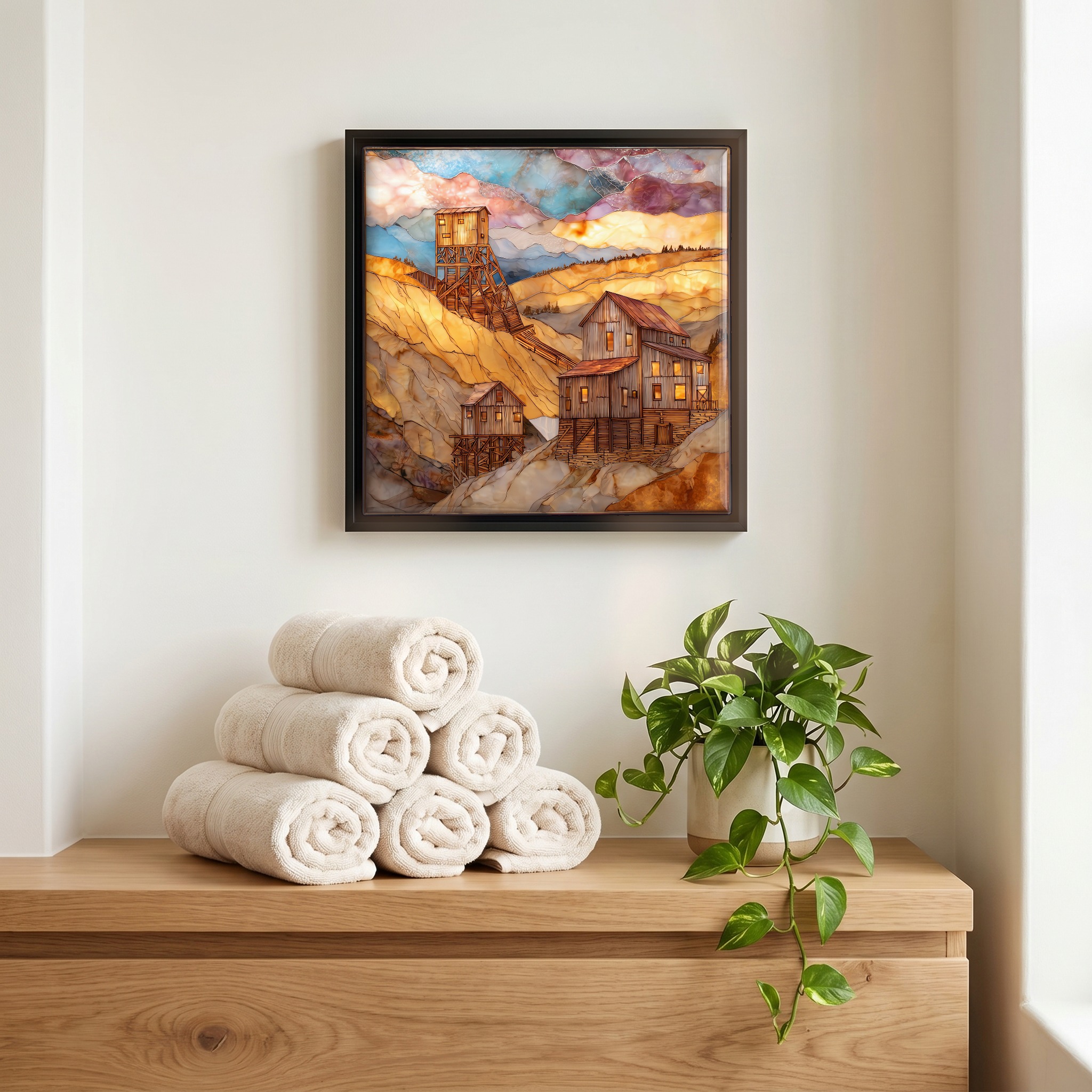
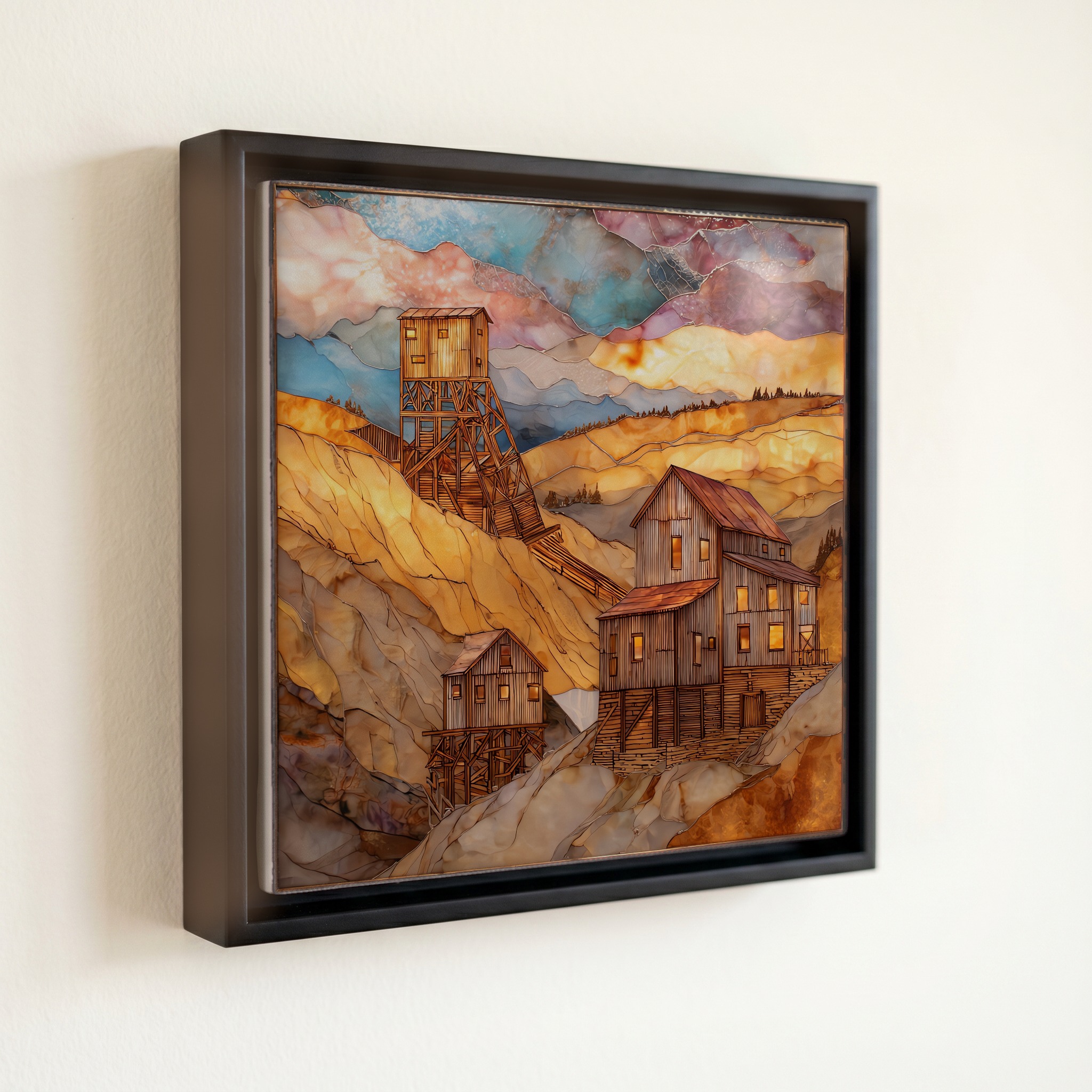
Above the linens, in a slim black surround.
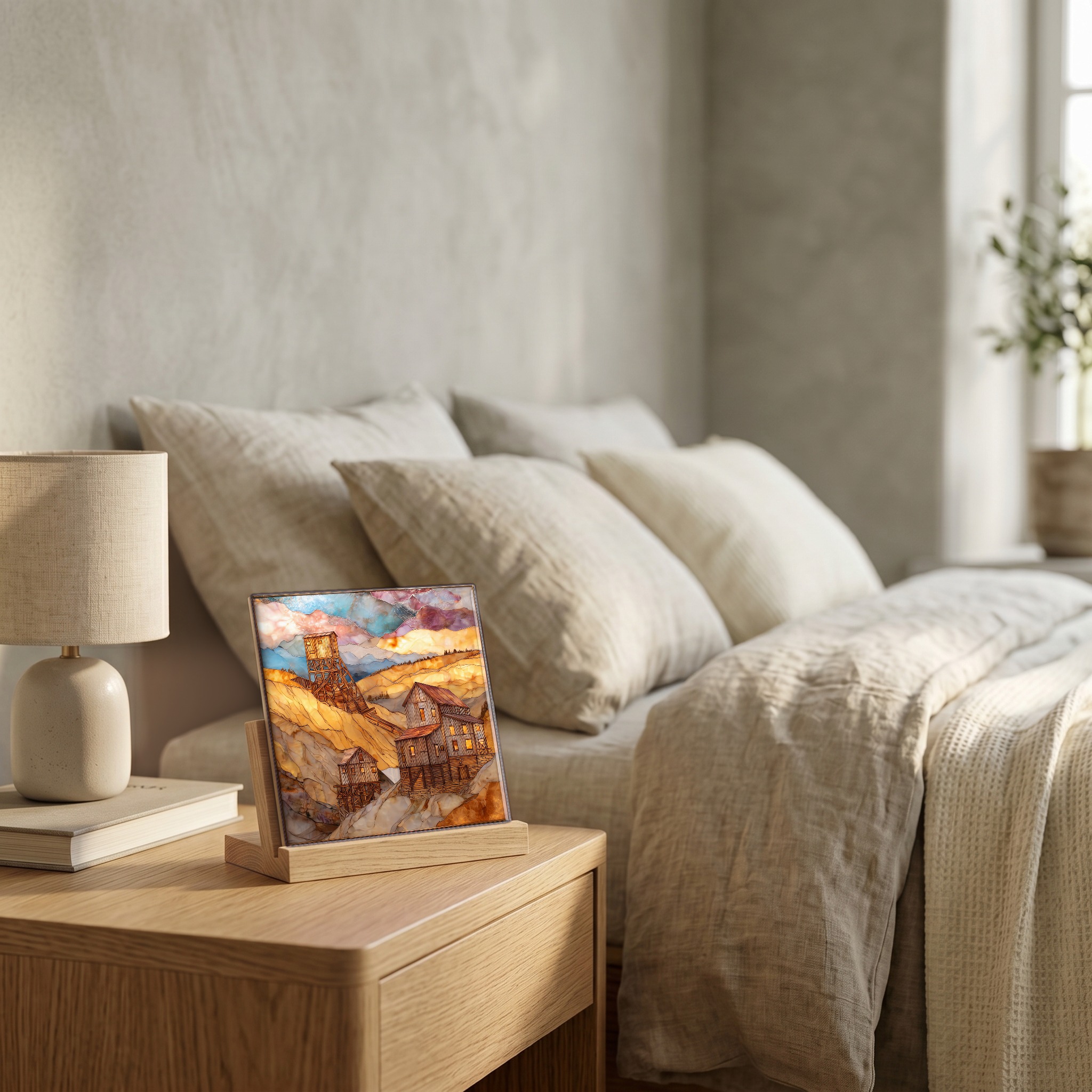
On the nightstand, on a light oak stand.
On a picture ledge, where the light comes in.
a note from the studio

A seventeen-mile dirt loop above the last silver town in Colorado. The road climbs out of Creede into the Bachelor mining district, past the Commodore and Amethyst headframes, through aspen so thick that the second week of October the whole canyon turns gold. The volcanic walls of the Creede caldera show in red and chalk above the road. Most passenger cars manage the lower half in dry weather; the high cut to the Bachelor townsite wants clearance. Worth the slow drive for the way the light works on the tailings.
from the studio
shown in a slim black floating frame · 6 × 6 in
— bring it home

Bachelor Loop Creede San Juans Ceramic Art Tile, on ceramic.

Each tile is finished by hand in our Knoxville studio. Artwork is slowly infused into the ceramic surface under high heat and pressure, and rests beneath a thin glossy finish. The colour lives in the surface, not on top of it.

What kind of piece?
One tile — square or rectangle.
How big?
the popular one — counter, shelf, nightstand
6 × 6 in · 15 cm · 1.6 lb
Surface finish
A clear glossy finish — the artwork reads as if under resin. Ideal for show-pieces and framed wall art.
How it sits
A hidden cleat — sits ¼″ proud of the wall.
$58
Hand-finished and shipped from our studio at the foot of the Smokies. On your wall in about ten days.
size
6 × 6 in
15 cm
weighs
1.6 lb
solid in the hand
surface
ceramic, hand-finished
art rests beneath a thin glossy finish
from
Knoxville, TN
our family studio, at the foot of the Smokies
— start a Coaster Set

Pick any four 4-inch tiles — National Parks you've been to, a Smokies set, the four seasons of one place. $ for a set of , cork-backed, ready to live on the table.
comes gift-ready
comes gift-ready

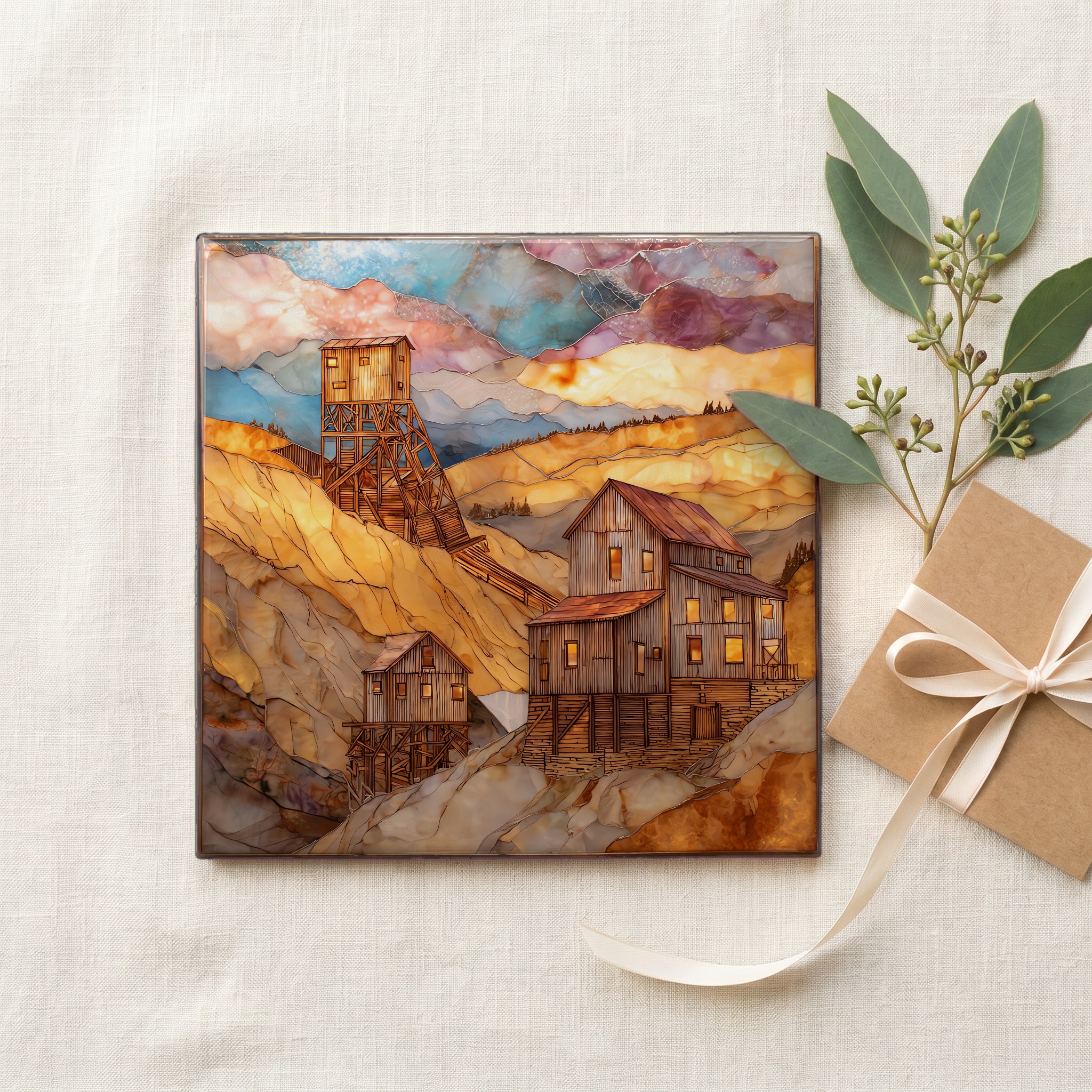
Each tile ships in a kraft box, tied with cream ribbon, with a handwritten note from the studio if you'd like to add one.
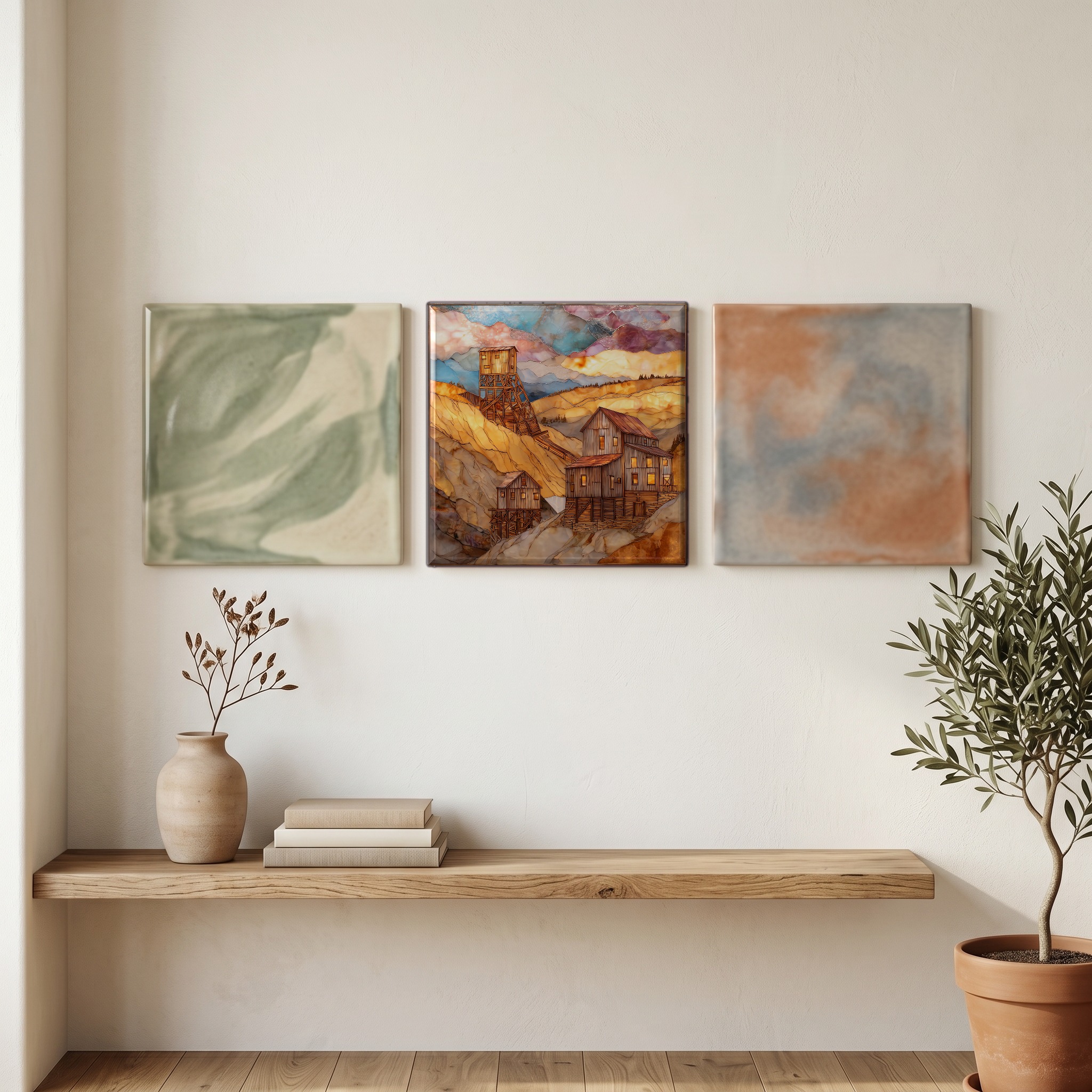
or build a grouping
or build a grouping

Three or five different vistas, hung together — a chapter of places you've been, or want to go.

about Bachelor Loop Creede San Juans Ceramic Art Tile

The place, in three passes.

A little of what's known, in case you fall down the rabbit hole — or want to go see it yourself.
the place

The Bachelor Historic Tour is a 17-mile dirt loop in the Rio Grande National Forest above Creede, the seat of Mineral County and the last silver boom town in Colorado. Creede sits at 8,799 feet at the head of the Rio Grande, about 250 miles southwest of Denver and 120 miles northeast of Durango. The route climbs out of town on Forest Service Road 503, follows West Willow Creek up to the Bachelor townsite at roughly 10,400 feet, then drops back down East Willow Creek. Mineral County is one of the least populated in Colorado, with about 800 residents across an area larger than Rhode Island.

the stone

The Bachelor district produced silver, lead, and zinc from veins inside the rim of the Creede caldera, a volcanic collapse structure formed about 26.9 million years ago in one of the largest eruptions of the San Juan volcanic field. The vein system runs along the caldera's ring fractures. Nicholas C. Creede struck the Holy Moses lode in 1889, the Amethyst followed in 1891, and at the peak of the boom in 1892 the district shipped over a million dollars of silver each month. The headframes of the Commodore Mine still stand along East Willow Creek above the road.

the season

The Bachelor Loop opens for the year when the snow clears the upper switchbacks, usually around Memorial Day, and closes when the first heavy snow shuts the high cut, typically in late October or early November. The window most drivers come for is the third week of September through the first week of October, when the aspen along East and West Willow creeks turn gold and copper. Wildflower season runs late June through July in the meadows below 10,000 feet. The Rocky Mountain monsoon brings near-daily afternoon thunderstorms in July and August, so morning drives are safer.

where
United States · Mineral County, Colorado
within
Rio Grande National Forest
elevation
2,682 m · 8,799 ft
position
37.8494° N · 106.9256° W
the neighborhood

What's nearby.

A handful of named places within an hour's walk or short drive. Some we've already painted; some we will.
18 km NE
Wheeler Geologic Area
volcanic erosion formations
13 km SE
Wagon Wheel Gap
river gap and hot springs
13 km S
Spar City
ghost camp
35 km NW
North Clear Creek Falls
waterfall
N
Bachelor Loop Creede San Juans Ceramic Art Tile
Wheeler Geologic Area
Wagon Wheel Gap
Spar City
North Clear Creek Falls
common questions

What people ask.

A few questions we get about Bachelor Loop Creede San Juans Ceramic Art Tile — and about bringing the piece home.
about the place

The Bachelor Historic Tour is a 17-mile dirt loop above Creede, Colorado, in Mineral County in the San Juan Mountains of southwest Colorado. Creede sits at 8,799 feet on the upper Rio Grande, about 250 miles southwest of Denver and inside the Rio Grande National Forest.

Creede was the final major silver strike of the Colorado boom era. Nicholas C. Creede discovered the Holy Moses lode in 1889; by 1892 the camp held about 10,000 people and was shipping over a million dollars in silver per month. The 1893 repeal of the Sherman Silver Purchase Act ended the boom within a year.

About three hours with stops. The route covers 17 miles on Forest Service Roads 503 and 504, climbing from 8,799 feet at Creede to roughly 10,400 feet at the Bachelor townsite before descending. The Creede Visitor Center sells the printed guide that keys numbered stops to the surviving mine structures.

The lower half in dry weather, yes. The upper section past the Commodore Mine and over the Bachelor saddle is a narrow, high-clearance route with shelf sections and tight switchbacks; an SUV or truck is better. The road is closed by snow from roughly late October through May.

The third week of September through the first week of October for the aspen turn, which runs about two weeks. July and August are warmer with wildflowers along East Willow Creek, though afternoon thunderstorms are common. The road typically opens in late May and closes again with the first heavy snow.

The route passes the Commodore, the Amethyst, the Last Chance, the Equity, the Park Regent, and the surviving headframes of the Bachelor and Bulldog camps. Interpretive signs at numbered stops mark each structure. The Last Chance Mine runs a paid surface tour and sells rough amethyst in summer.

The Creede caldera is a 26.9-million-year-old volcanic collapse structure, the youngest of seven calderas in the central San Juan volcanic field. The ring-fracture system that opened during and after the collapse hosted the silver, lead, and zinc veins of the Bachelor district. The caldera's red and chalk-coloured walls rise straight out of the town.

about the piece in your home

It's been a meaningful gift for our customers with Colorado mountain ties. Creede and the Bachelor Loop are a particular kind of Colorado, small and high and off the front-range circuit. A Small with a handwritten note from the studio carries well, or a Medium for a mantel.

The artwork's iron-red, ore-yellow, and aspen-gold palette suits Mountain-modern, Western-modern, and Jewel-tone interiors. It reads well against rough wood and brick, the old-mine and ranch textures the piece already knows. It also holds its own in a Maximalist room beside other strong colour fields.

Yes. Mountain-modern has shifted away from generic ski-lodge prints toward specific named Colorado places. A ceramic tile of a real historic loop reads as collected rather than themed. The Bachelor Loop in particular is recognisable to anyone who has driven the upper Rio Grande.

Above a standard sofa, a single Large or a four-tile Mural. Above a console, a Medium or a Large. For a wall that wants a centerpiece, the nine-tile Mural holds an eight-foot run. A Coaster Set or the Keepsake works on a desk or bookshelf.

Yes, in the Dura Satin or Matte finish. Both are scratch-resistant and handle humidity well. The Glossy finish is for framed wall pieces in dry rooms. Choose the finish at checkout; the colour and detail are identical across the three.

A soft microfibre cloth, slightly damp with water. No abrasive cleaners and no bleach. The colour lives in the ceramic surface beneath a thin protective layer, so it does not fade with normal cleaning. For framed pieces, dust the frame separately.

Yes. Every WenderVista tile comes from the studio's own atlas of places, chosen by Reid Wender, painted in our stained-glass and alcohol-ink visual language, then slowly infused into the ceramic surface in-house under high heat and pressure. We do not license artwork in or out.

if this one stayed with you

A few you might also love.

Hand-picked by the eye that found Sorapis. Same air, same kind of quiet.