Wender·Vista
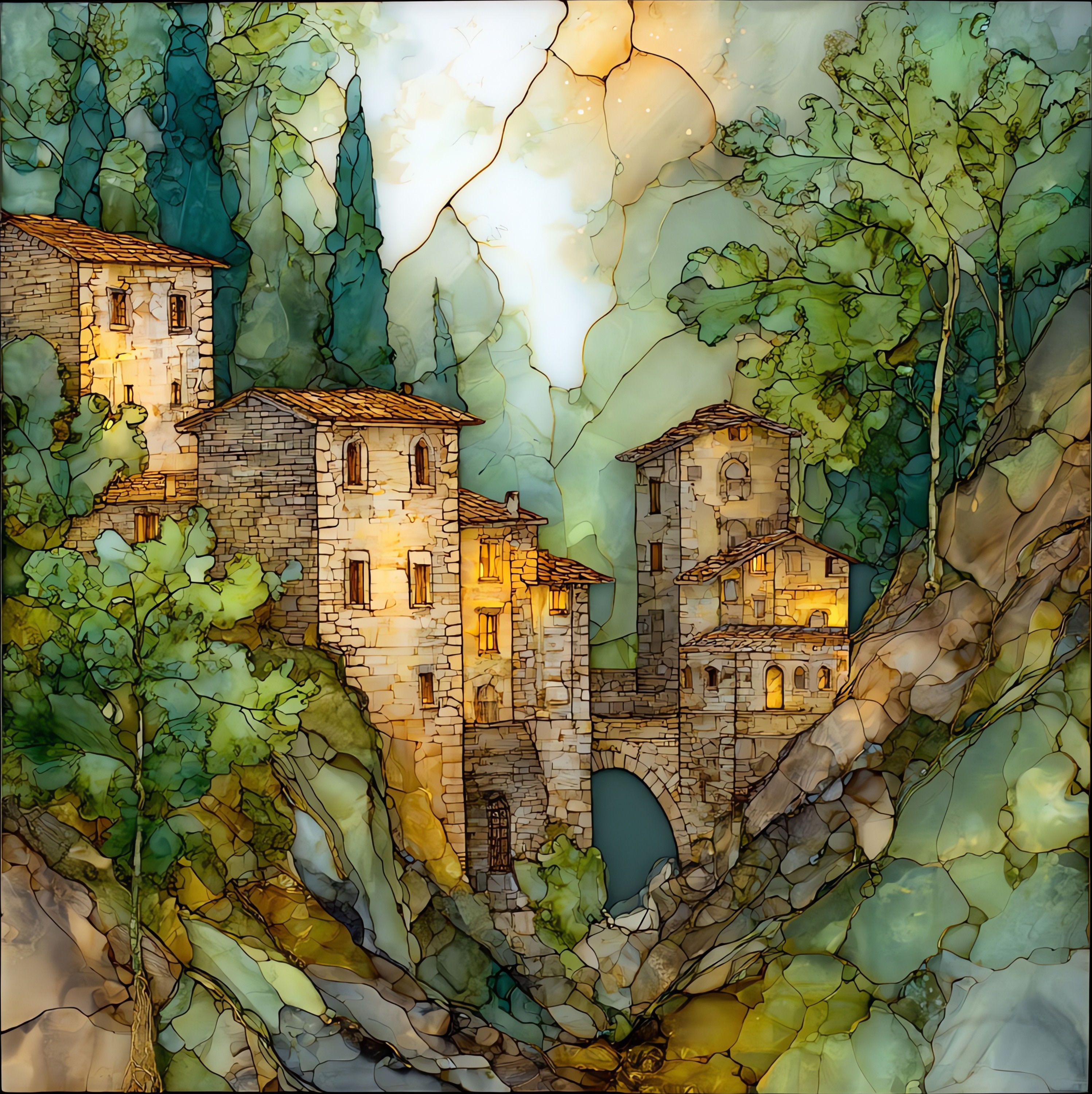
Volcano California
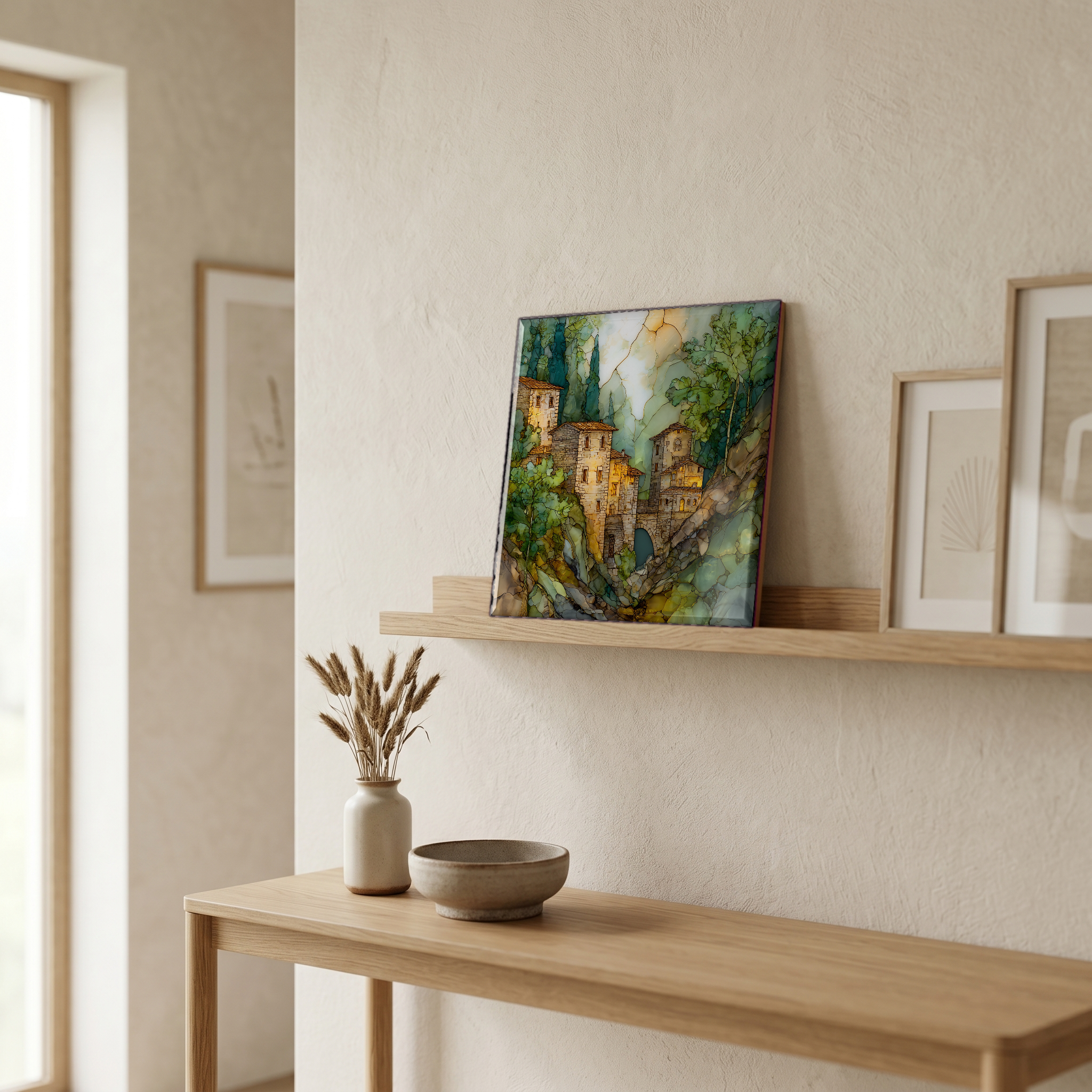
shown on ceramic, 12-inch tileCalifornia · United States
in the Sierra foothills, deep in Amador County's gold country

Volcano California

— a Gold Rush town the highway forgot.

Where it lives

Not only on a wall.

A small tile on the nightstand catching the morning. A larger one above the fire. Yours, wherever you spend the slow hours.
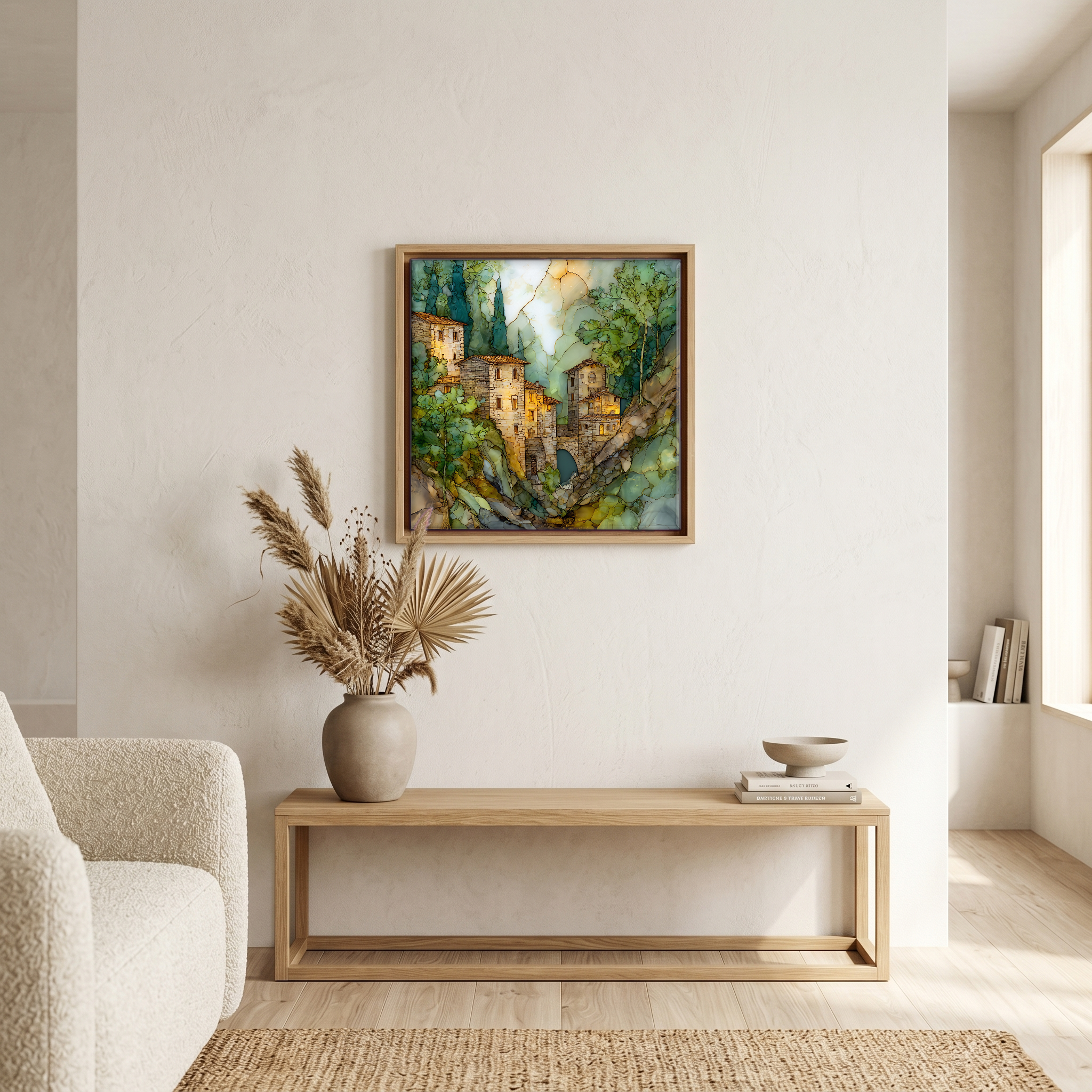
Above the bench, in a warm oak surround.
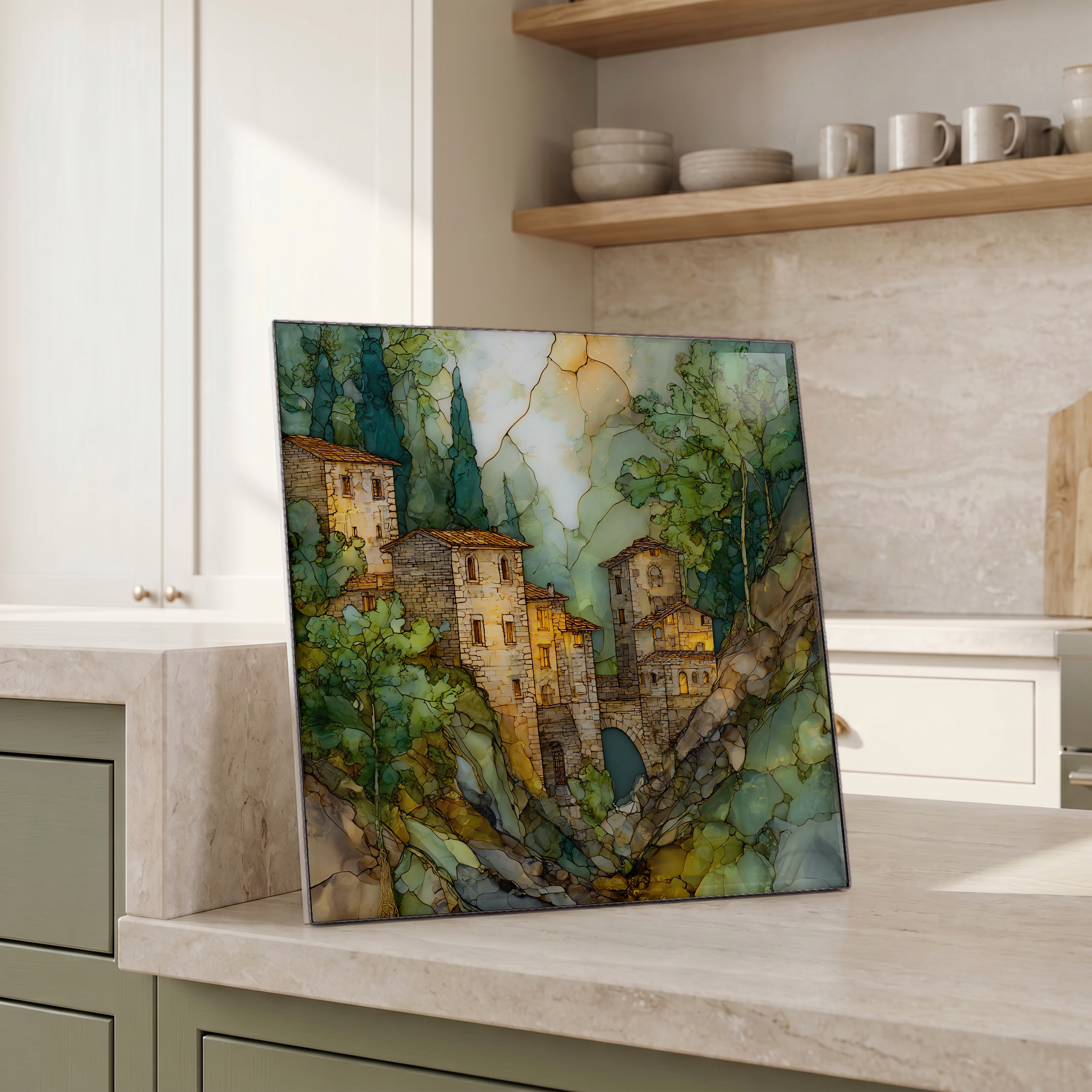
Beside the kettle, propped on the counter.
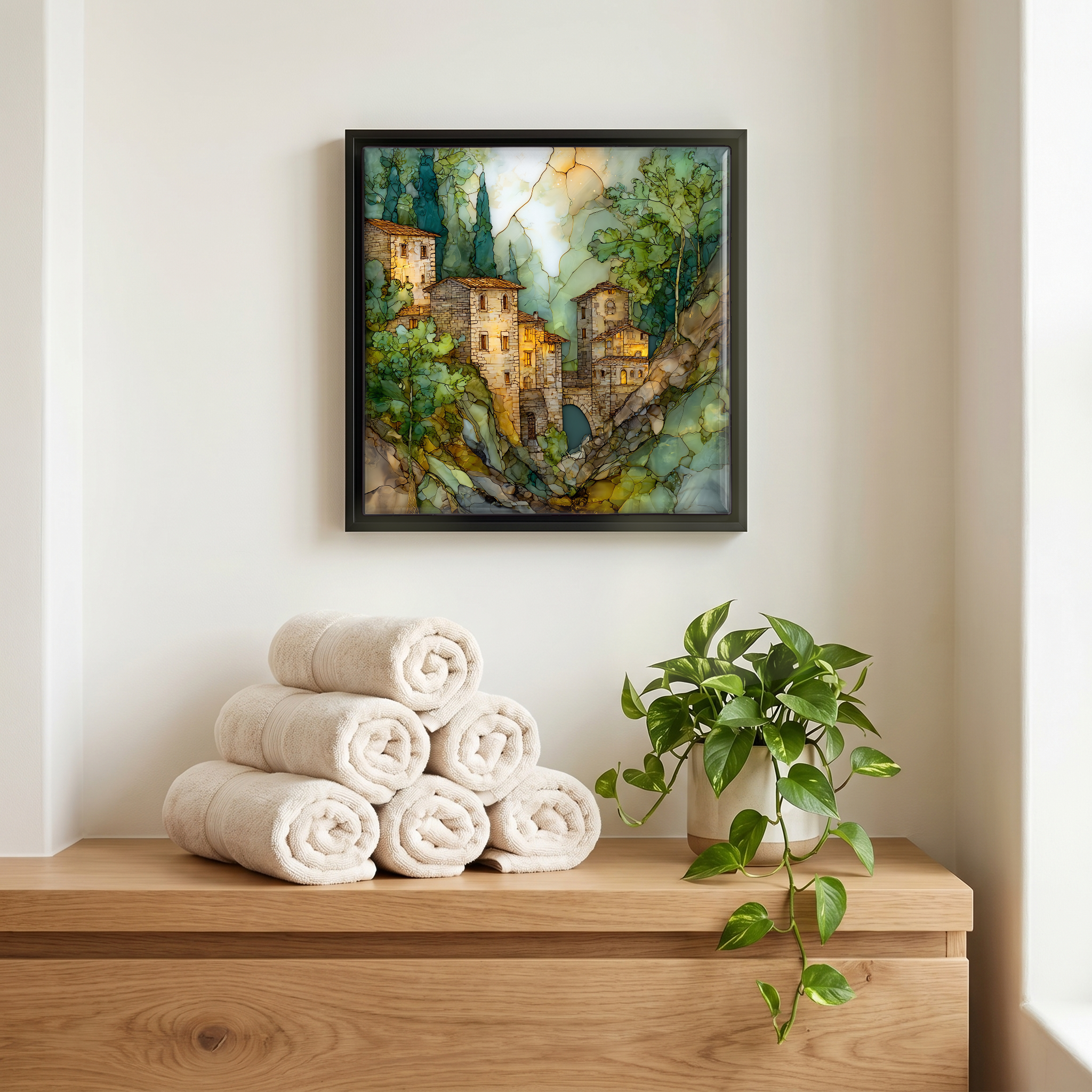
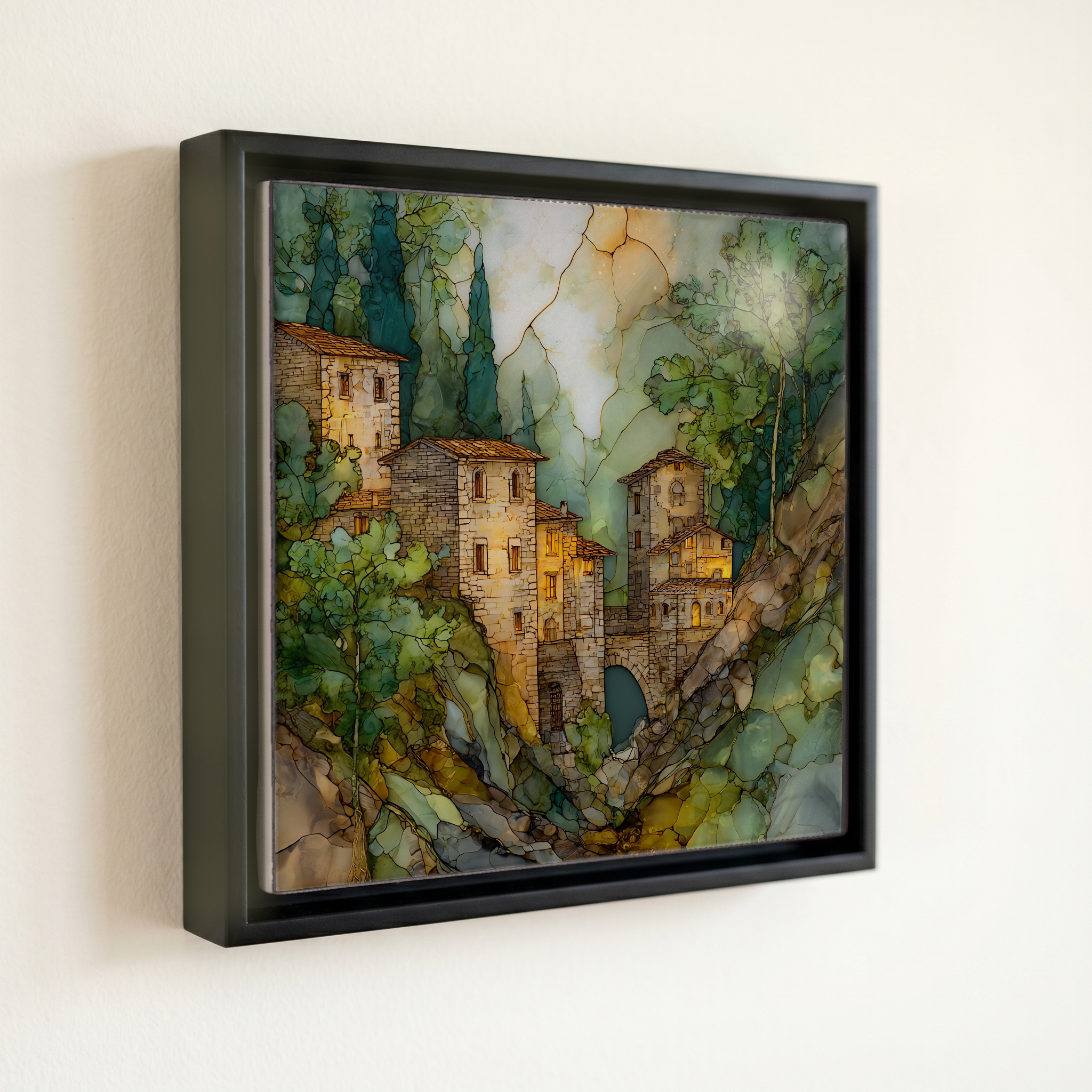
Above the linens, in a slim black surround.
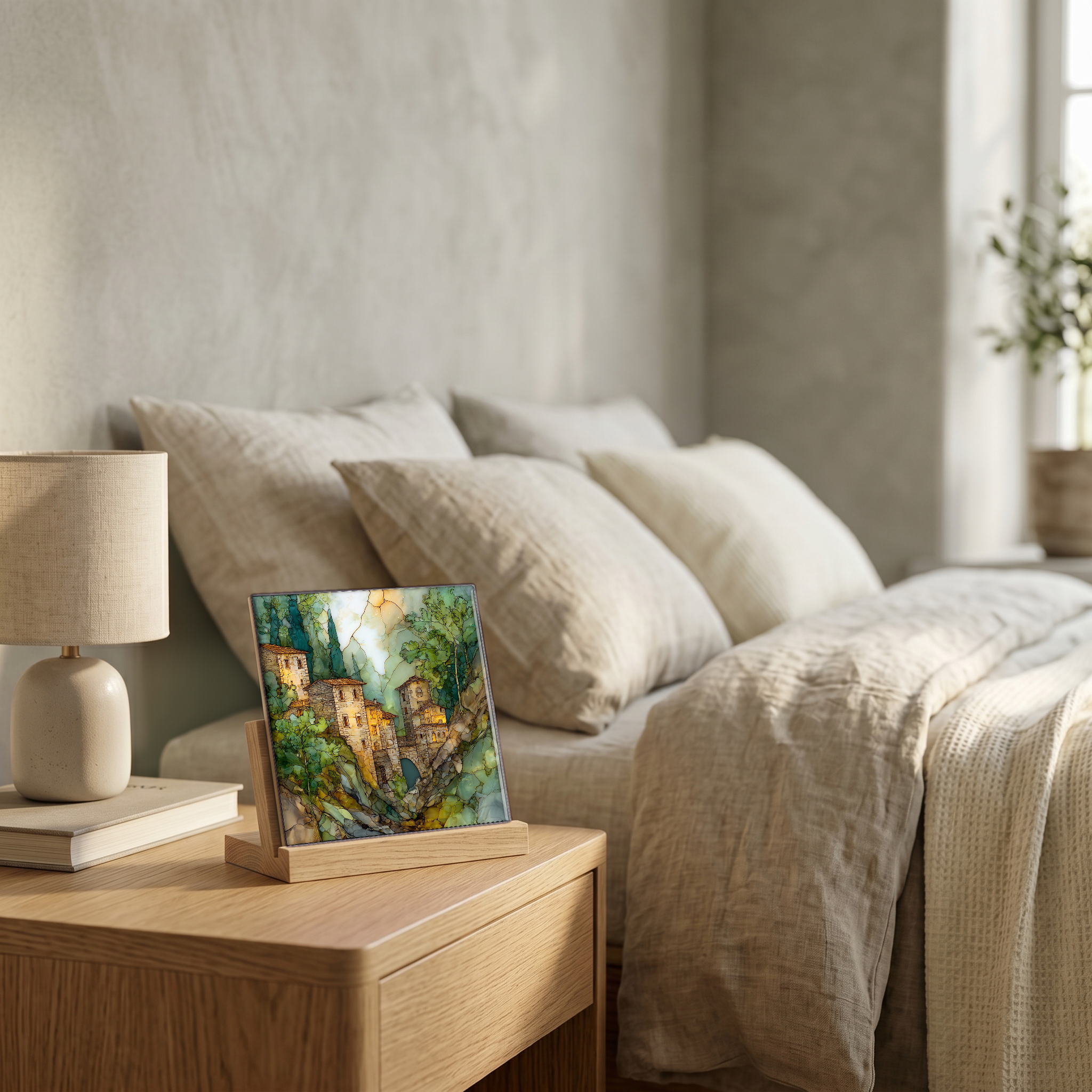
On the nightstand, on a light oak stand.
On a picture ledge, where the light comes in.
a note from the studio

A small village in the Sierra Nevada foothills of Amador County, in a bowl-shaped basin off State Route 88. Gold was found in the gulch in 1848; by the mid-1850s the camp held something like five thousand miners, three breweries, and a Thespian society. Most of them are gone now. The 2010 census counted 115 residents. The St. George Hotel, built in 1862 and still operating, stands on the same block as Old Abe, a Civil War bronze cannon. Three miles north, at Daffodil Hill, the McLaughlin family planted bulbs from the 1880s onward; in good years more than three hundred thousand bloom in March.
from the studio
shown in a slim black floating frame · 6 × 6 in
— bring it home

Volcano California, on ceramic.

Each tile is finished by hand in our Knoxville studio. Artwork is slowly infused into the ceramic surface under high heat and pressure, and rests beneath a thin glossy finish. The colour lives in the surface, not on top of it.

What kind of piece?
One tile — square or rectangle.
How big?
the popular one — counter, shelf, nightstand
6 × 6 in · 15 cm · 1.6 lb
Surface finish
A clear glossy finish — the artwork reads as if under resin. Ideal for show-pieces and framed wall art.
How it sits
A hidden cleat — sits ¼″ proud of the wall.
$58
Hand-finished and shipped from our studio at the foot of the Smokies. On your wall in about ten days.
size
6 × 6 in
15 cm
weighs
1.6 lb
solid in the hand
surface
ceramic, hand-finished
art rests beneath a thin glossy finish
from
Knoxville, TN
our family studio, at the foot of the Smokies
— start a Coaster Set

Pick any four 4-inch tiles — National Parks you've been to, a Smokies set, the four seasons of one place. $ for a set of , cork-backed, ready to live on the table.
comes gift-ready
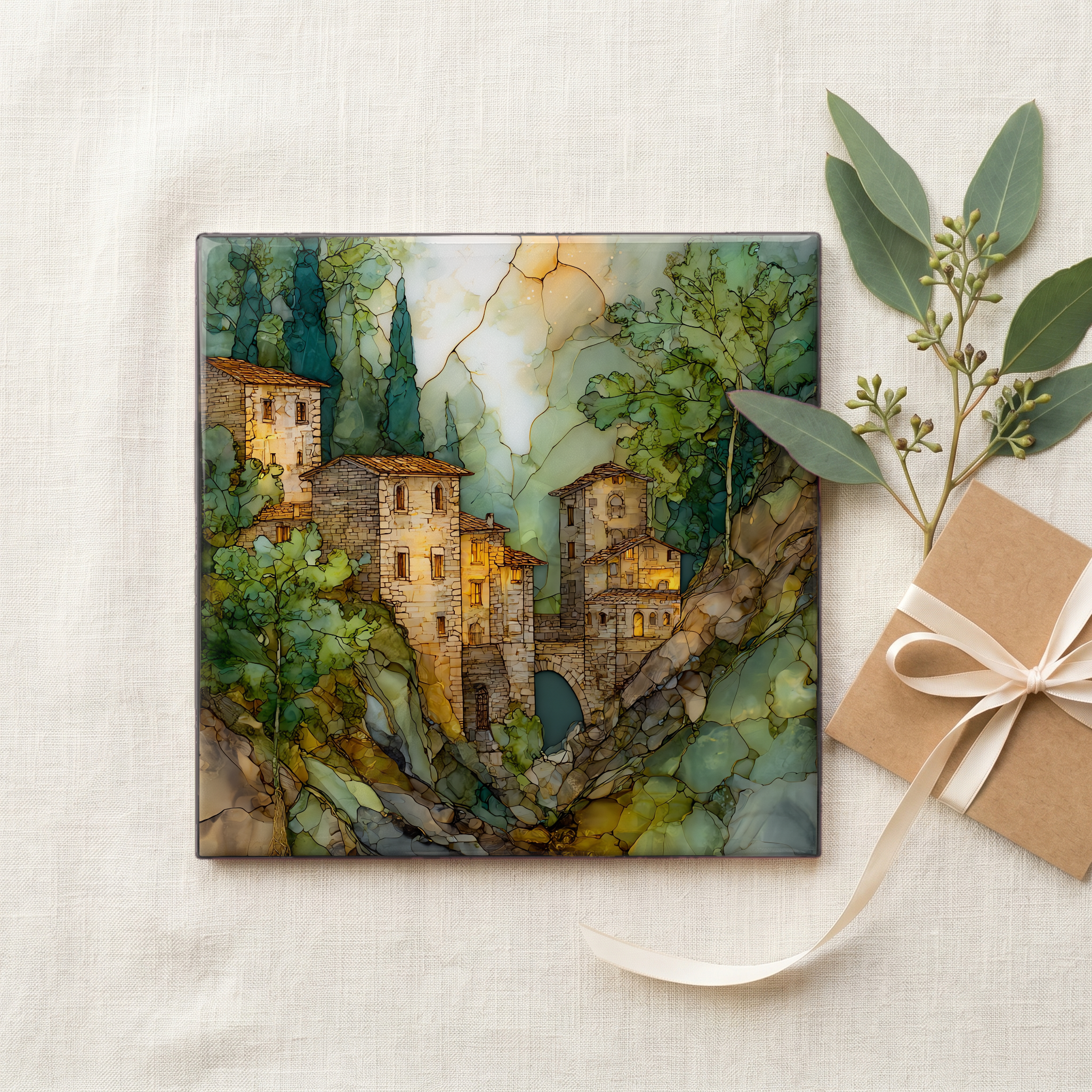
comes gift-ready

Each tile ships in a kraft box, tied with cream ribbon, with a handwritten note from the studio if you'd like to add one.
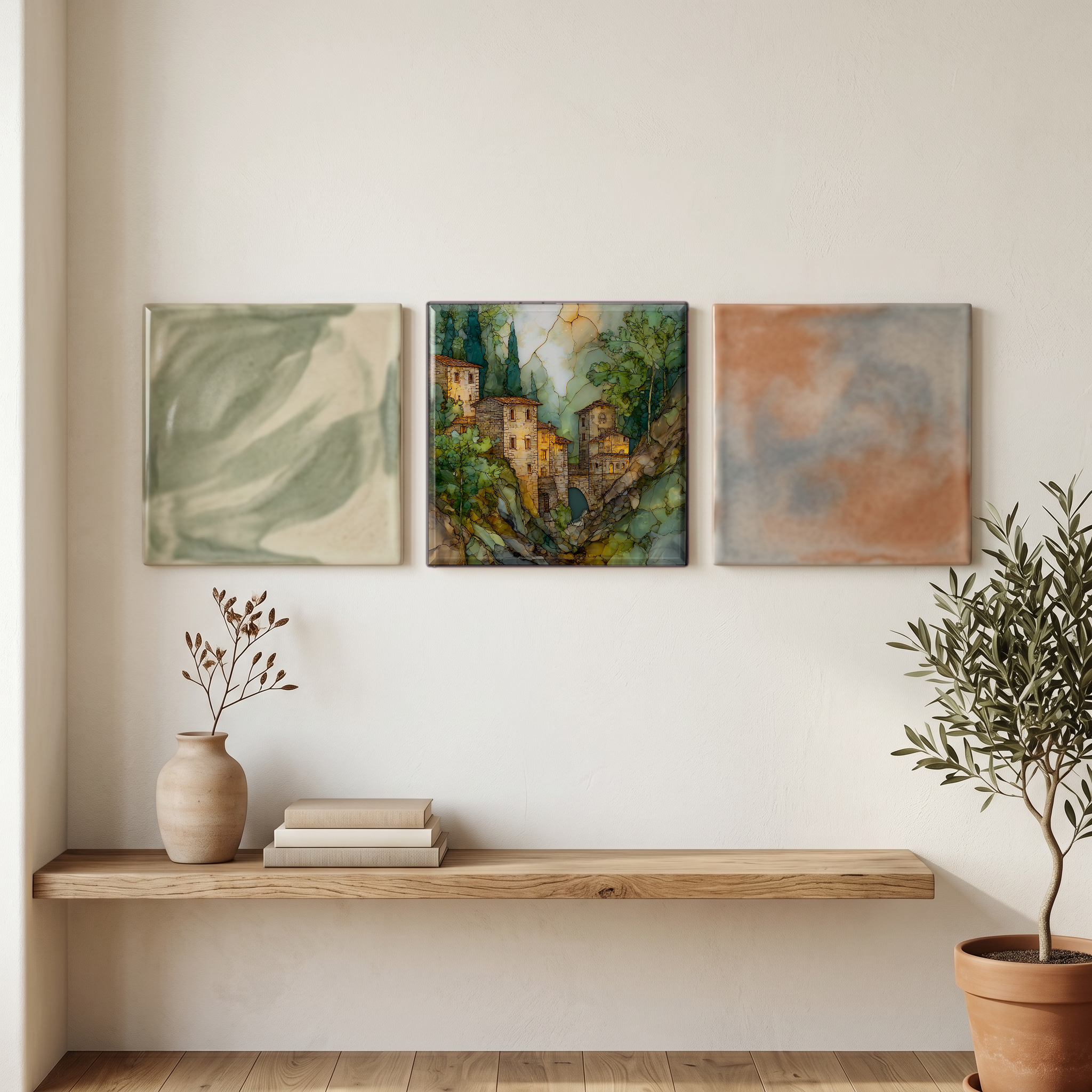
or build a grouping
or build a grouping

Three or five different vistas, hung together — a chapter of places you've been, or want to go.

about Volcano California

The place, in three passes.

A little of what's known, in case you fall down the rabbit hole — or want to go see it yourself.
the place

Volcano is an unincorporated community in Amador County, California, set in a small bowl in the Sierra Nevada foothills about forty miles south of Placerville. The name comes from the bowl-shaped depression of the townsite, which early miners mistook for an extinct volcanic crater; the geology is sedimentary, not volcanic. Gold was discovered in the gulch in 1848 by soldiers of Colonel Stevenson's New York Volunteers returning from the Mexican-American War. By the mid-1850s the camp held a peak population estimated at five thousand and ranked among the largest of the Mother Lode towns. The 2010 federal census counted 115 residents. The town is registered as California Historical Landmark No. 29.

the season

Three miles north of Volcano, the McLaughlin family began planting daffodils on a hillside above their ranch in the 1880s. Their granddaughter, Mary Ryan McLaughlin, continued the planting through the twentieth century. At peak bloom in March and early April the hill carries more than three hundred thousand daffodils across about six acres of pasture, with old farm equipment, a small chapel, and a wooden barn scattered among the rows. The McLaughlin family closed Daffodil Hill to the general public in 2019 after the access road was overwhelmed; a small number of organised group visits resume in years when conditions allow. The bloom itself runs from mid-March through mid-April most years.

the stone

The block running along Main Street holds most of what survived the great mining-town turnover. The St. George Hotel, a three-story brick building completed in 1862, has operated continuously since, with its narrow balconies and painted lettering still intact. Old Abe, a bronze field cannon cast at the Boston Naval Yard and used by the local Volcano Blues militia during the Civil War, sits a few doors down in a brick alcove. A Wells Fargo office, a stone jail, and an I.O.O.F. hall fill out the same block, all built between 1854 and 1872. About half the historic structures listed for Amador County by the Office of Historic Preservation fall within a quarter-mile of the Volcano post office.

where
United States · Amador County, California
elevation
658 m · 2,159 ft
position
38.4427° N · 120.6303° W
the neighborhood

What's nearby.

A handful of named places within an hour's walk or short drive. Some we've already painted; some we will.
5 km N
Daffodil Hill
garden
4 km W
Indian Grinding Rock State Historic Park
state park
3 km E
Black Chasm Cavern
cavern
15 km W
Sutter Creek
town
16 km SW
Jackson
town
N
Volcano California
Daffodil Hill
Indian Grinding Rock State Historic Park
Black Chasm Cavern
Sutter Creek
Jackson
common questions

What people ask.

A few questions we get about Volcano California — and about bringing the piece home.
about the place

Volcano is a small unincorporated community in Amador County, California, in the Sierra Nevada foothills about forty miles south of Placerville and twelve miles east of Jackson on State Route 88. It sits in a bowl-shaped basin in the heart of California's Mother Lode.

The town was named for the bowl-shaped depression of the townsite, which early Gold Rush miners mistook for an extinct volcanic crater. The geology is in fact sedimentary, not volcanic, but the original name from the 1848 camp survived and is now registered as California Historical Landmark No. 29.

Gold was discovered at Volcano in 1848 by soldiers of Colonel Stevenson's New York Volunteers, returning home from the Mexican-American War. The camp grew quickly through the early 1850s and was one of the first established mining towns in what is now Amador County.

By the mid-1850s, Volcano's peak population is estimated at about five thousand miners, with three breweries, a Thespian society, a circulating library, and a school. The town was one of the larger camps of the Mother Lode before placer gold ran out and miners moved on.

The St. George Hotel is a three-story brick hotel on Main Street in Volcano, built in 1862 and operating continuously since. It is one of the longest-running hotels in California's Gold Country, with the original guest balconies, a saloon, and a small restaurant.

Daffodil Hill is a six-acre hillside about three miles north of Volcano where the McLaughlin family began planting daffodil bulbs in the 1880s. The hill now carries more than three hundred thousand daffodils at peak bloom in mid-March through mid-April; it has been closed to general public visits since 2019.

No. Despite the name, the bowl-shaped basin under the town is sedimentary in origin, not volcanic. The 1848 miners gave the town its name because the surrounding rim of low hills reminded them of a crater rim. There is no volcanic activity in the area.

about the piece in your home

It has been a meaningful gift for customers with roots in Amador County or the wider Mother Lode. Volcano is the small town families remember from school trips, daffodil drives, and St. George Hotel weekends, and the artwork reads instantly to anyone who has spent time on Highway 49.

The palette runs through brick rust, Sierra meadow gold, oak grey, and the deep green of the surrounding manzanita slopes. It sits comfortably with Western, ranch-modern, and farmhouse interiors that already use leather, cast iron, or oak furniture.

American-heritage and small-town historical art has held steadily across the recent return to vernacular Western design. The Volcano piece sits at the painterly, lived-in end of that family rather than the souvenir poster end, and pairs naturally with Western-modern rooms.

Above a standard sofa or a long console, the single Large reads at conversational distance, the four-tile Mural fills a wall above a sectional, and the nine-tile Mural takes the full space above a king bed or wide sideboard.

Yes, in the Dura Satin or Matte finish, which is scratch-resistant and rated for vertical wet installations. The Glossy finish is reserved for framed wall pieces and show cases, away from steam and direct splash.

A soft microfibre cloth dampened with water is enough for routine cleaning. The colour is slowly infused into the ceramic surface under high heat and pressure and rests beneath a thin protective finish, so it will not lift or fade with gentle wiping.

Yes. Every WenderVista piece is curated and hand-finished by Reid Wender at Wender Studios in Knoxville, Tennessee. The studio does not license, resell, or print other artists' work. Each ceramic tile is made one at a time in-house.

if this one stayed with you

A few you might also love.

Hand-picked by the eye that found Sorapis. Same air, same kind of quiet.