Wender·Vista
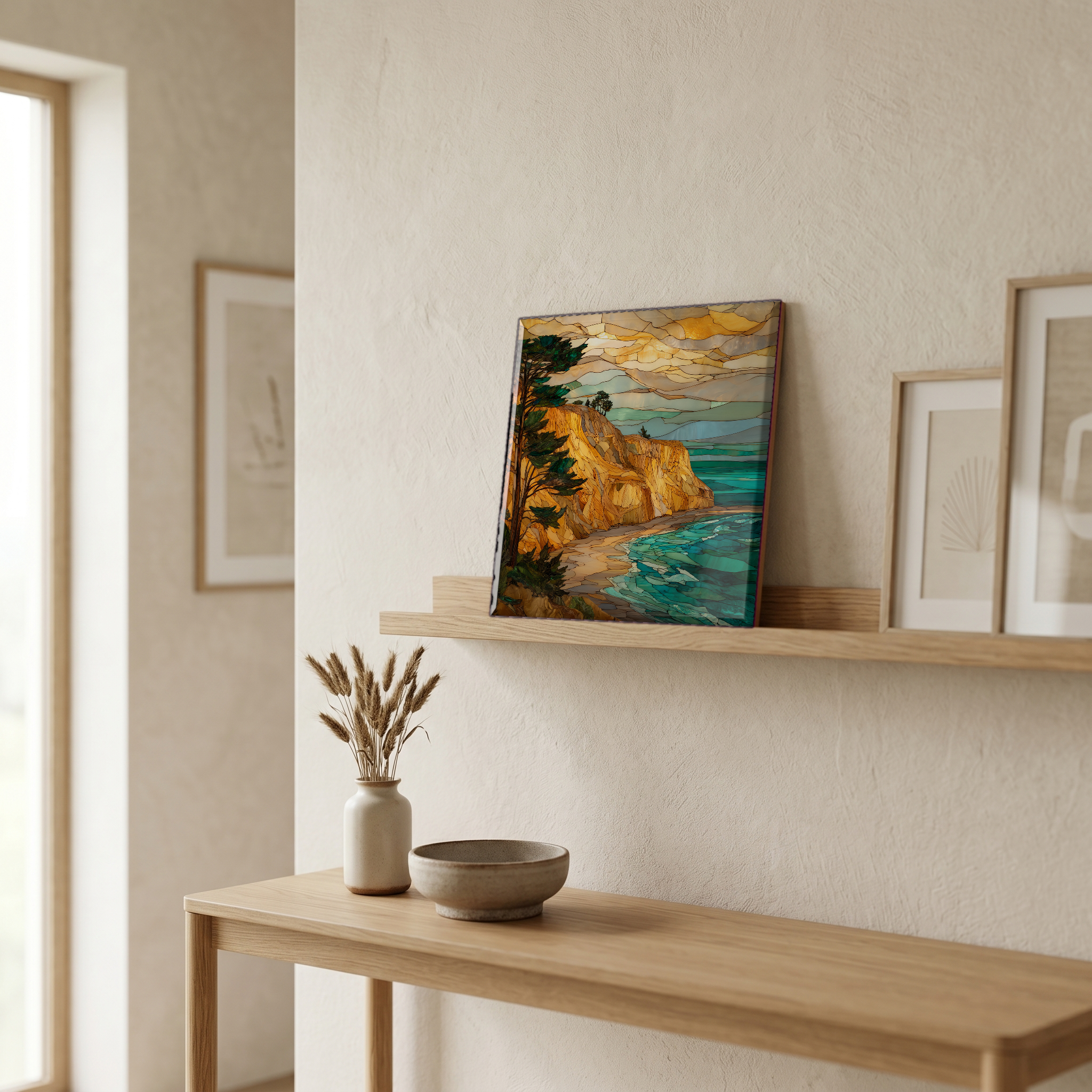
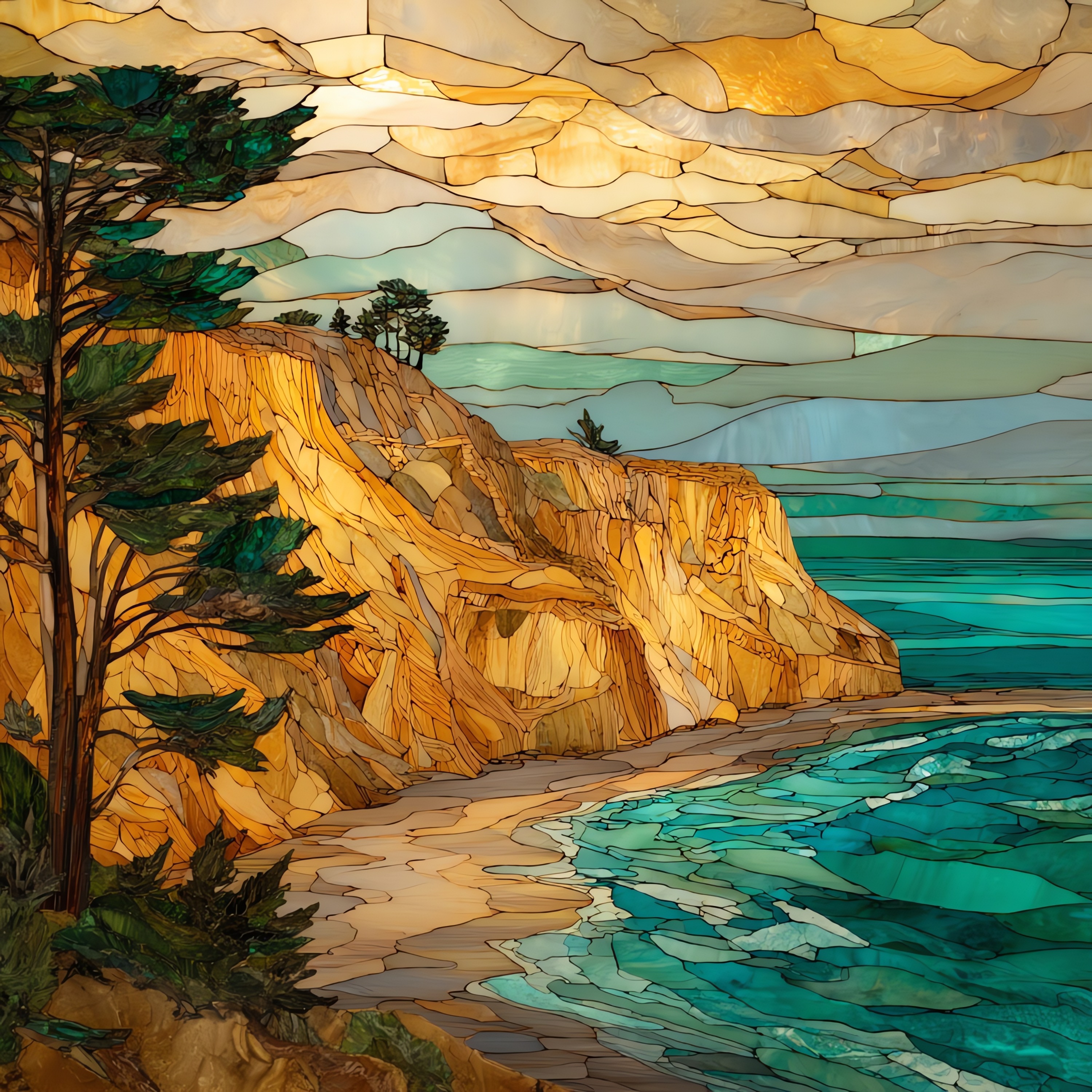
Torrey Pines
shown on ceramic, 12-inch tileCalifornia · United States
on the sandstone bluffs above La Jolla

Torrey Pines

— a pine that grows here and one island over.

Where it lives

Not only on a wall.

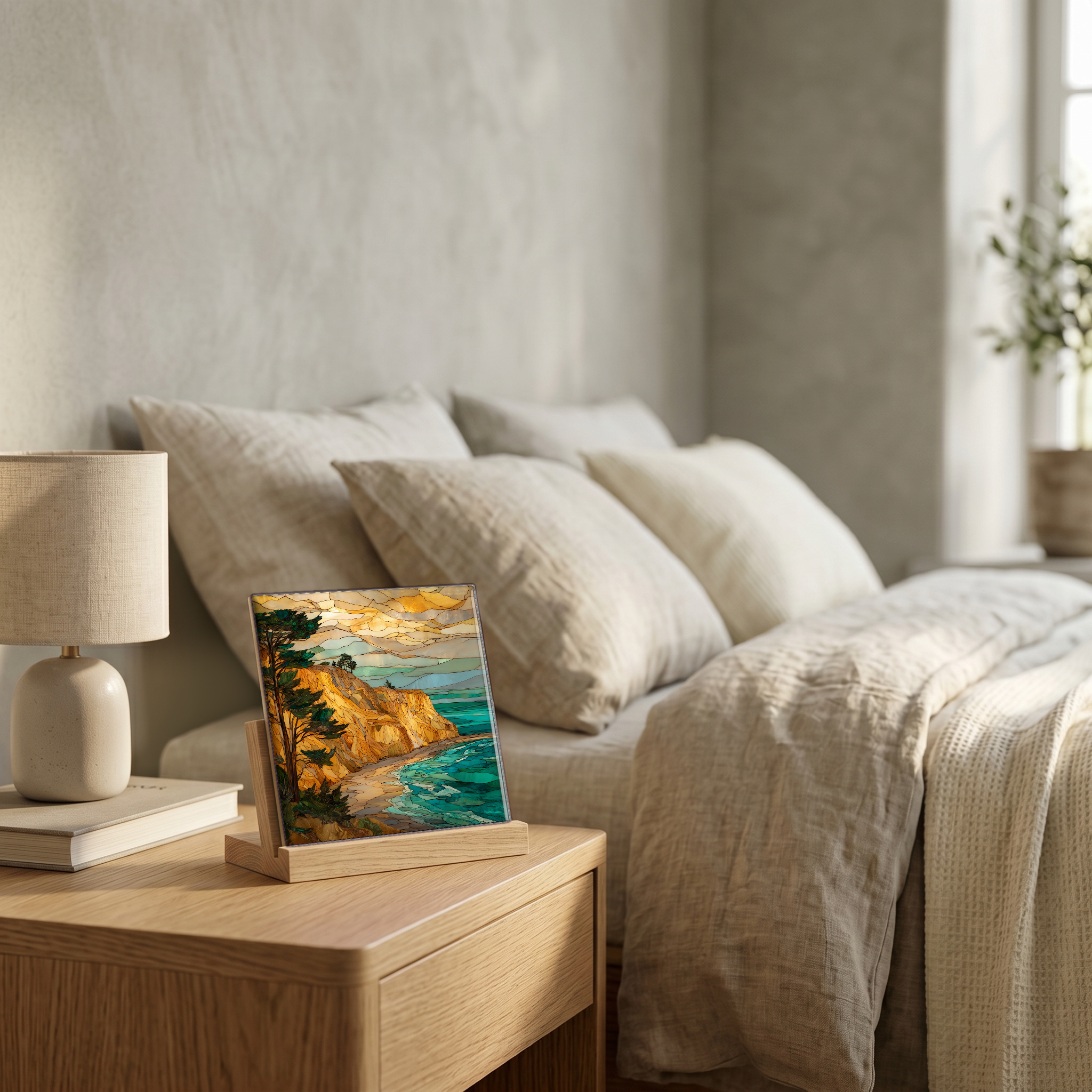
A small tile on the nightstand catching the morning. A larger one above the fire. Yours, wherever you spend the slow hours.
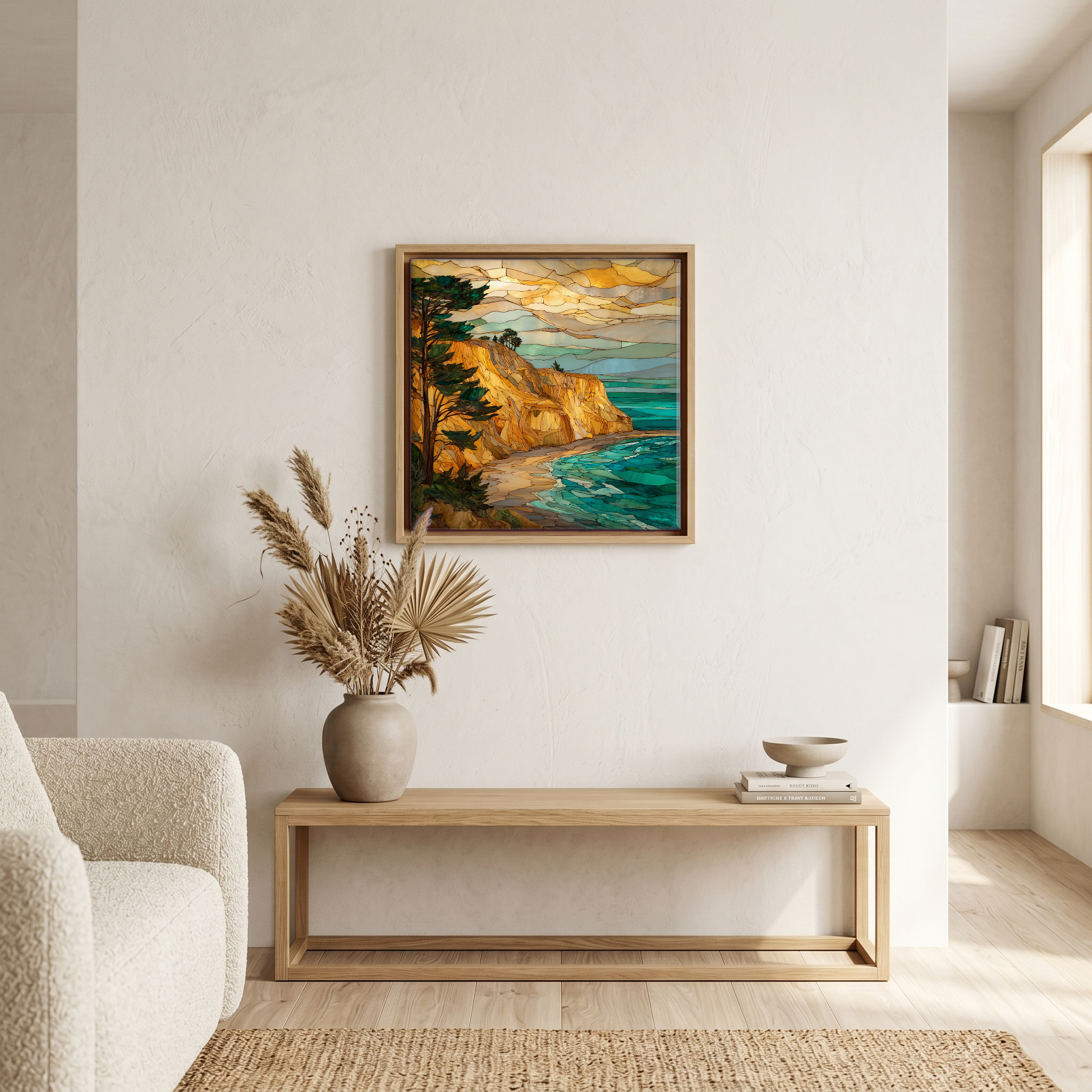
Above the bench, in a warm oak surround.
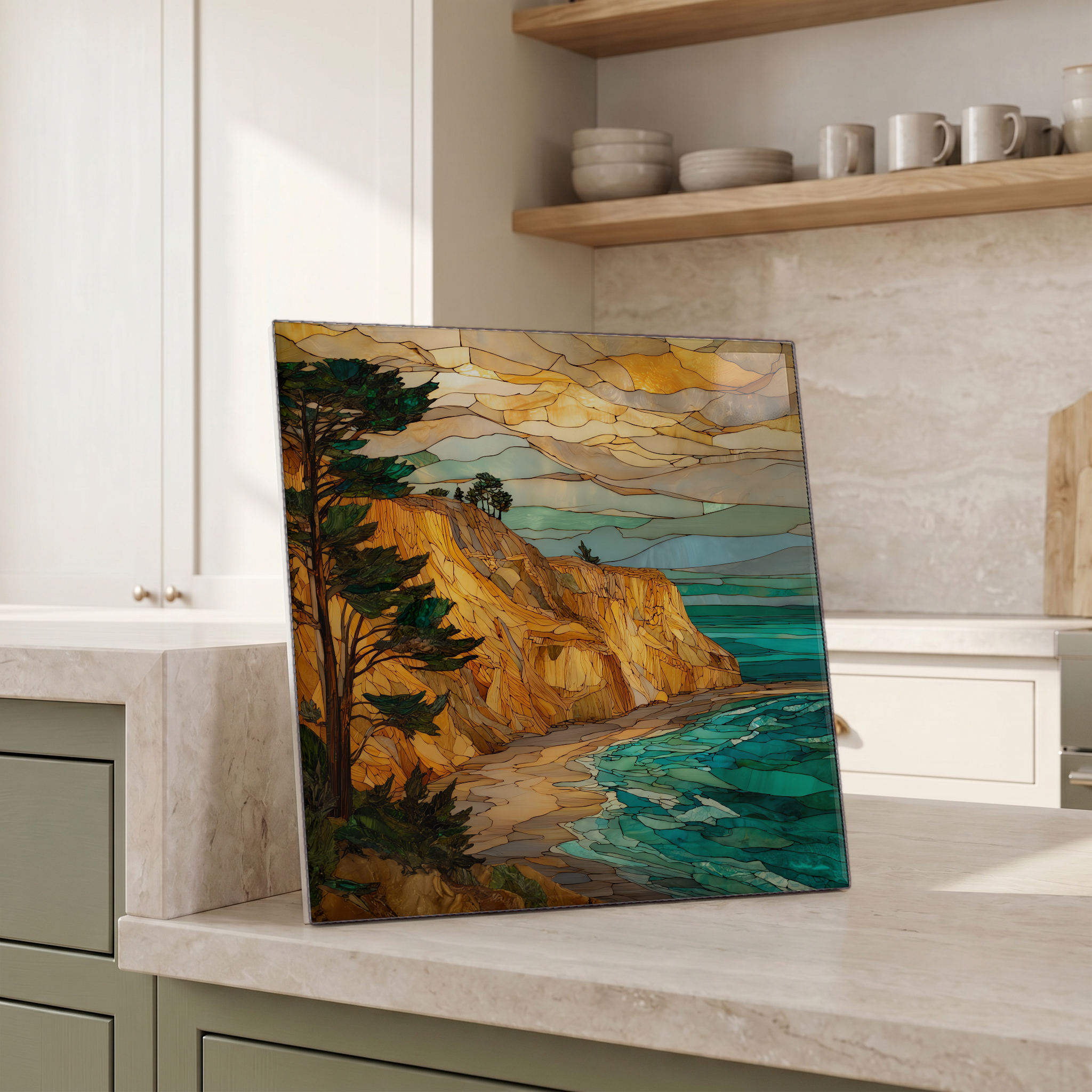
Beside the kettle, propped on the counter.
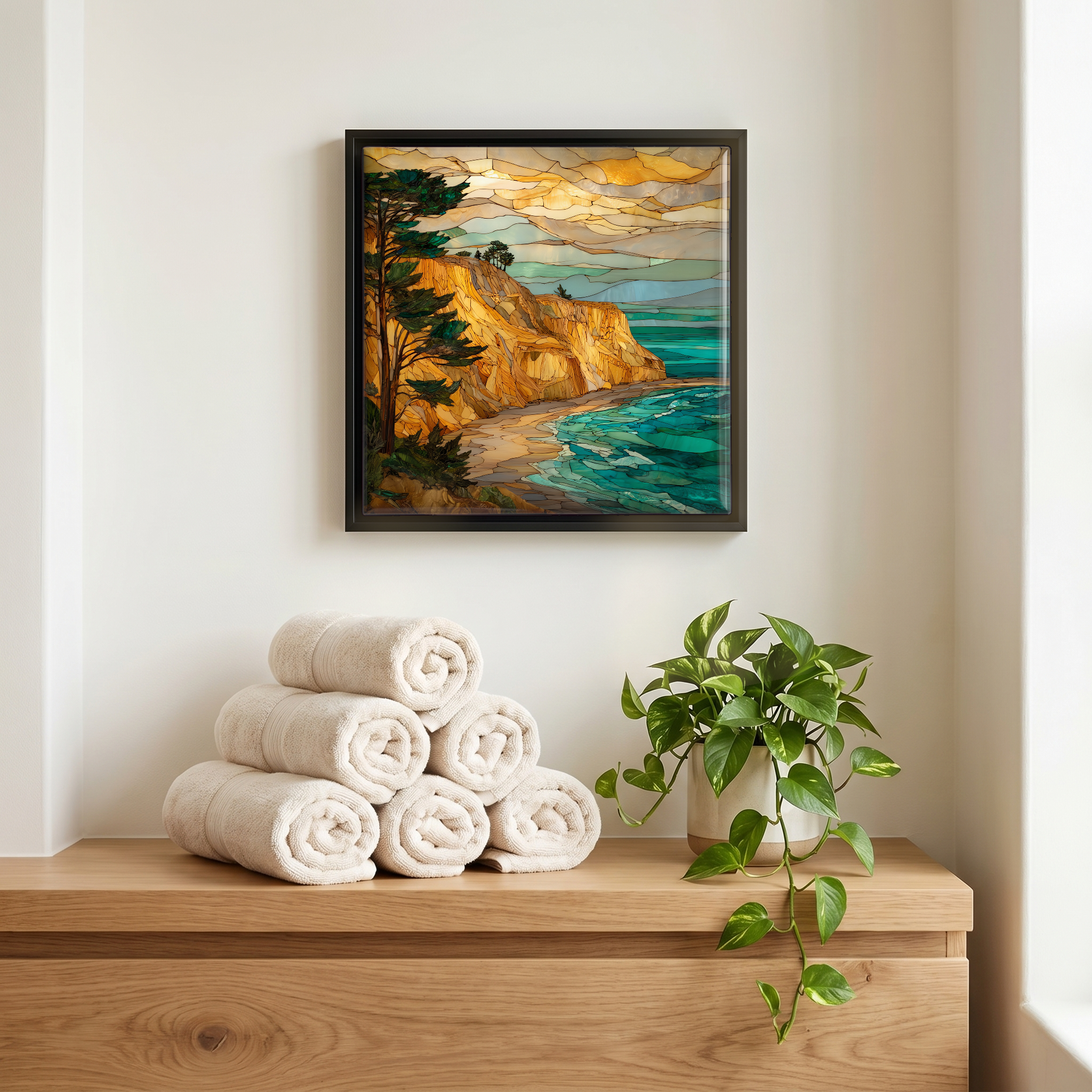
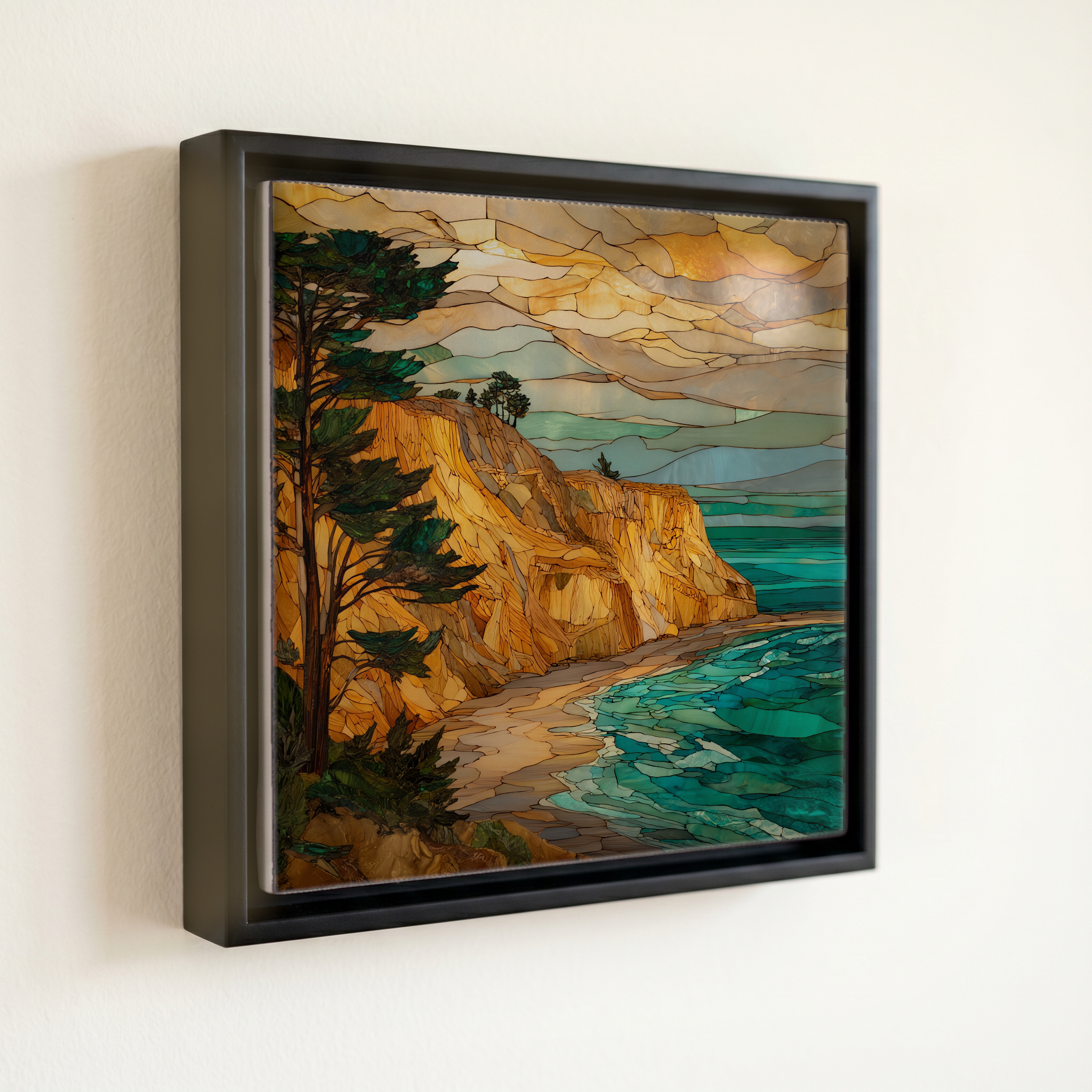
Above the linens, in a slim black surround.
On the nightstand, on a light oak stand.
On a picture ledge, where the light comes in.
a note from the studio

A 2,000-acre coastal reserve north of La Jolla, protecting one of only two natural populations of Pinus torreyana on Earth. The other population grows on Santa Rosa Island, about 175 miles up the coast. The reserve sits on a high sandstone bluff above the Pacific, with trails along the cliff edge and a switchback down to Torrey Pines State Beach. The pines are smaller than people expect, twisted by onshore wind and salt; the cliffs behind them are wind-carved in soft yellow tones, with hawks lifting on the updraft most afternoons.
from the studio
shown in a slim black floating frame · 6 × 6 in
— bring it home

Torrey Pines, on ceramic.

Each tile is finished by hand in our Knoxville studio. Artwork is slowly infused into the ceramic surface under high heat and pressure, and rests beneath a thin glossy finish. The colour lives in the surface, not on top of it.

What kind of piece?
One tile — square or rectangle.
How big?
the popular one — counter, shelf, nightstand
6 × 6 in · 15 cm · 1.6 lb
Surface finish
A clear glossy finish — the artwork reads as if under resin. Ideal for show-pieces and framed wall art.
How it sits
A hidden cleat — sits ¼″ proud of the wall.
$58
Hand-finished and shipped from our studio at the foot of the Smokies. On your wall in about ten days.
size
6 × 6 in
15 cm
weighs
1.6 lb
solid in the hand
surface
ceramic, hand-finished
art rests beneath a thin glossy finish
from
Knoxville, TN
our family studio, at the foot of the Smokies
— start a Coaster Set

Pick any four 4-inch tiles — National Parks you've been to, a Smokies set, the four seasons of one place. $ for a set of , cork-backed, ready to live on the table.
comes gift-ready
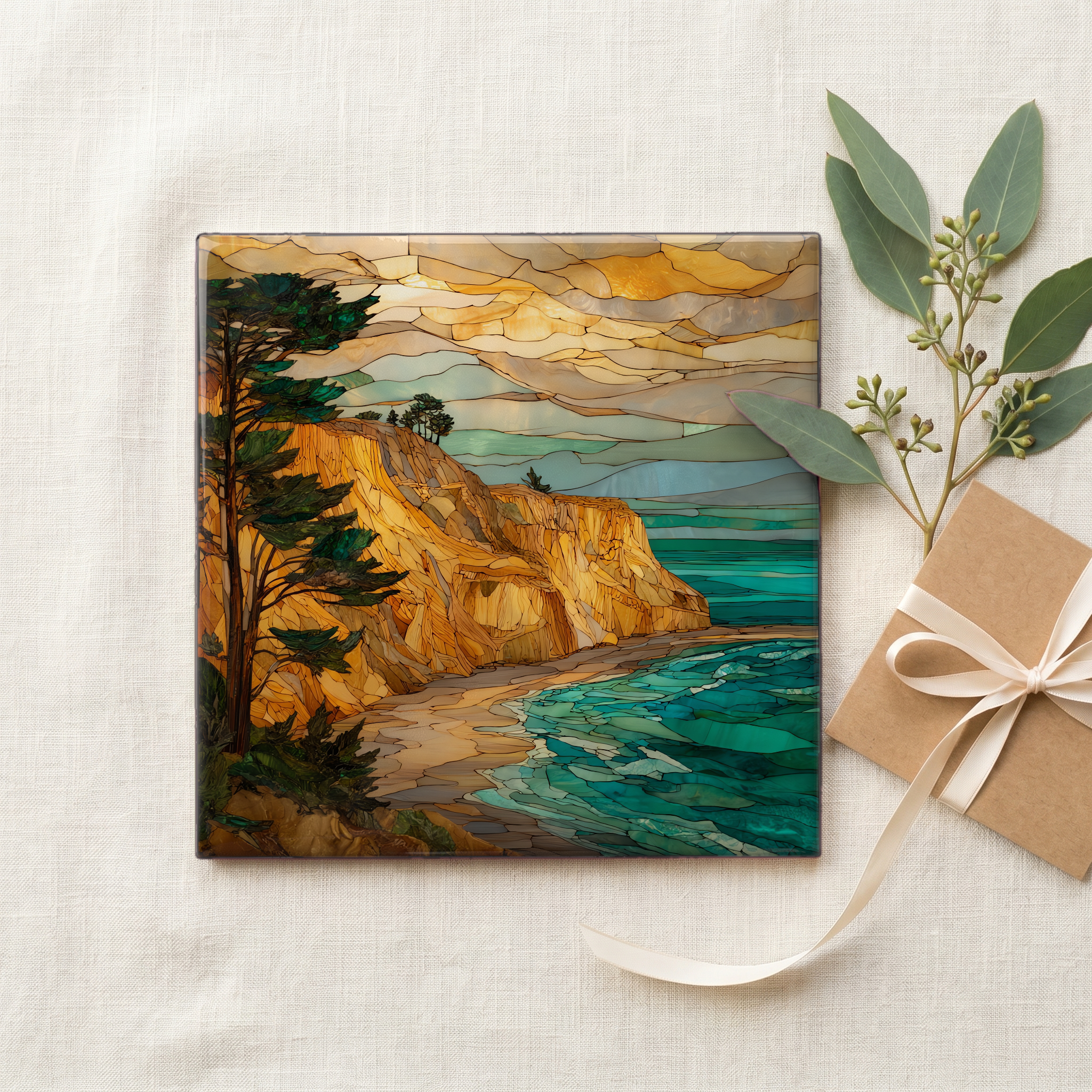
comes gift-ready

Each tile ships in a kraft box, tied with cream ribbon, with a handwritten note from the studio if you'd like to add one.
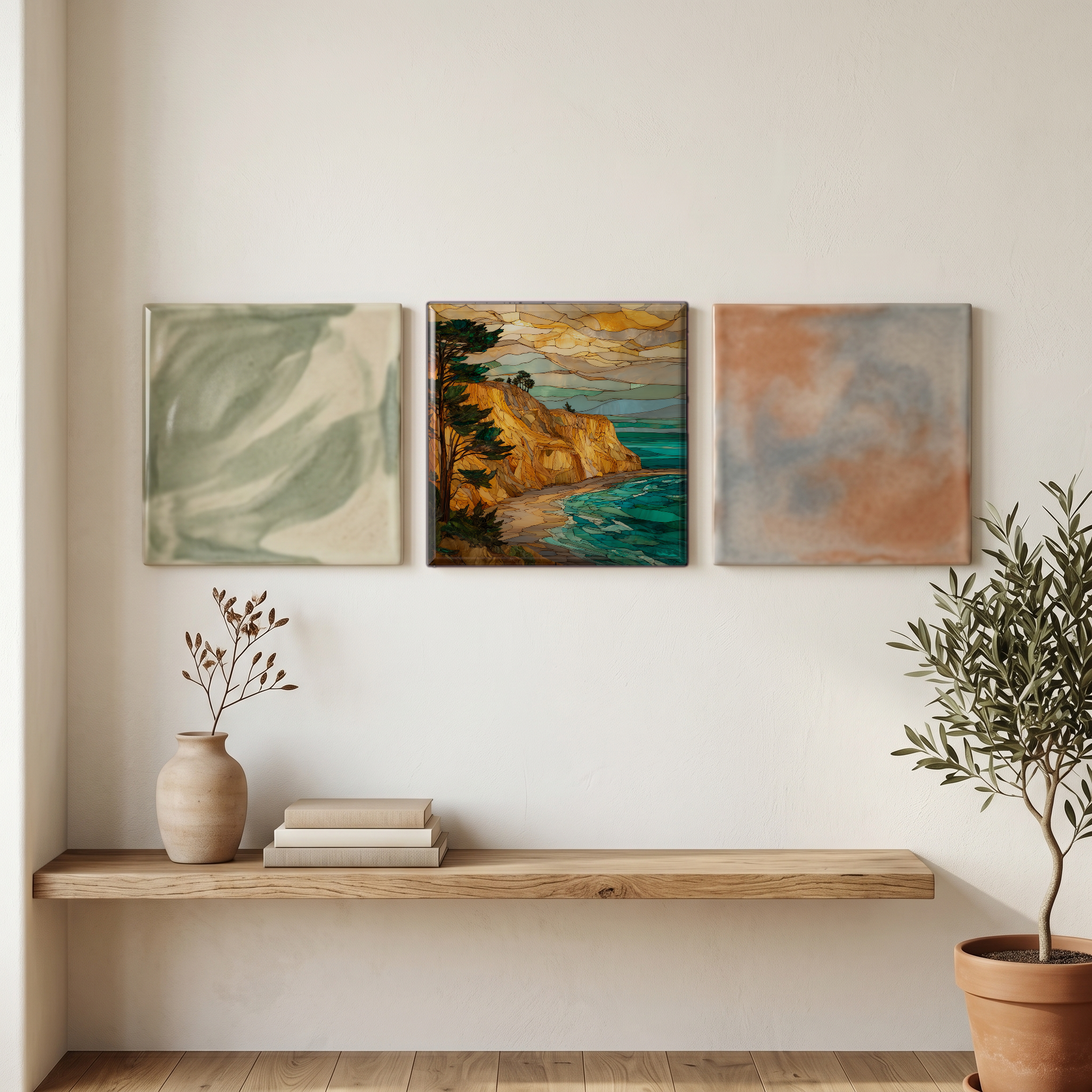
or build a grouping
or build a grouping

Three or five different vistas, hung together — a chapter of places you've been, or want to go.

about Torrey Pines

The place, in three passes.

A little of what's known, in case you fall down the rabbit hole — or want to go see it yourself.
the place

Torrey Pines State Natural Reserve covers roughly 2,000 acres of coastal bluff in the city of San Diego, California, immediately north of La Jolla. The reserve protects one of only two natural populations of the Torrey pine, Pinus torreyana; the other small relict population grows on Santa Rosa Island in Channel Islands National Park, about 175 miles to the north. The protected acreage was assembled over decades by the California Department of Parks and Recreation from Scripps family donations and city contributions. The main road climbs from Torrey Pines State Beach to the reserve's visitor center, with eight short marked trails crossing the bluff above the Pacific.

the stone

The bluffs at Torrey Pines are sandstone from the Eocene-age Torrey Sandstone Formation, deposited about 45 million years ago when this stretch of coast lay under a shallow tropical sea. The stone is soft enough to weather quickly: the cliff edge retreats by inches each rainy season, and the inland Razor Point and Broken Hill formations are sculpted by runoff into the narrow ridges and pleats the trails follow. The U.S. Geological Survey maps the formation as part of the broader San Diego coastal sequence. The colour ranges from pale yellow to rust where iron in the matrix has oxidised, particularly on south-facing slabs above the beach trail.

the air

The Torrey pine grows nowhere else on Earth in significant natural population, and the reserve is one of two refugia of the species. Mature trees here rarely exceed 30 feet; onshore wind from the Pacific, summer marine fog, and the thin sandy soils of the bluffs limit their height. The species is listed as critically endangered by the International Union for Conservation of Nature, with fewer than 10,000 mature individuals across both wild populations. The reserve's docents and California State Parks staff monitor regeneration each spring; the trees seed irregularly and rely on cool, foggy winters for the seedlings to survive their first dry summer.

where
United States · San Diego County, California
within
Torrey Pines State Natural Reserve
position
32.9200° N · 117.2500° W
the neighborhood

What's nearby.

A handful of named places within an hour's walk or short drive. Some we've already painted; some we will.
5 km S
La Jolla
coastal village
3 km N
Del Mar
coastal town
1 km W
Torrey Pines State Beach
beach
2 km S
Black's Beach
beach
N
Torrey Pines
La Jolla
Del Mar
Torrey Pines State Beach
Black's Beach
common questions

What people ask.

A few questions we get about Torrey Pines — and about bringing the piece home.
about the place

In coastal San Diego, California, on the high sandstone bluffs immediately north of La Jolla and just south of Del Mar. The reserve fronts the Pacific between Torrey Pines State Beach below and the city's bluff-top neighborhoods inland.

It is one of the rarest pines in North America. Pinus torreyana grows naturally in only two places: this San Diego reserve and Santa Rosa Island in the Channel Islands. Fewer than 10,000 mature trees survive in the wild, and the species is listed as critically endangered by the IUCN.

Onshore wind, salt spray, and thin sandy soils. The species can grow taller in cultivation (to 80 feet or more on irrigated lots), but on its native bluff above the Pacific, the wind keeps most mature trees under 30 feet and shapes them along the prevailing south-westerly.

The bluffs are sandstone from the Eocene-age Torrey Sandstone Formation, deposited about 45 million years ago. Runoff has sculpted the soft stone into the narrow ridges, pleats, and slot-like features that the Razor Point and Broken Hill trails cross. The cliff edge retreats by inches each rainy season.

Yes. The Beach Trail descends from the bluff to Torrey Pines State Beach in roughly three-quarters of a mile, with a steeper final section on stone steps. The beach is also reachable from the parking area at the south end of the reserve, near the lifeguard tower.

Yes. California State Parks charges a vehicle day-use fee at the entrance gate; current rates are posted at the reserve and on the state parks website. There is no fee for foot or bicycle entry from the Torrey Pines State Beach approach.

about the piece in your home

It's been a meaningful gift for people whose connection to the city runs through the coast rather than the downtown. The reserve is one of the most distinctive places in southern California, and a Coaster or Small with a handwritten note from the studio carries that recognition.

The sandstone yellows, sage greens, and Pacific blues settle most naturally into Coastal-modern and California-modern interiors. The Voynich palette also reads well against warm white walls, raw oak, and rooms that lean Mediterranean or Spanish Revival.

Coastal-modern lately favours warmer, sandier palettes over the cool greys of a decade ago, and this tile lands inside that shift. The yellows of the cliff and the sage greens of the chaparral pair with linen upholstery, light woods, and natural-fibre textiles.

Above a standard sofa, the Large reads well on its own; a 4-tile Mural carries a longer wall; the 9-tile Mural is right for a great-room or coastal living room with high ceilings. Above a console, a Medium or two Smalls placed close together work.

Yes. The Dura Satin finish handles steam, salt air, and splash and resists scratches, which makes it well suited to a coastal-house bathroom or a kitchen backsplash. The Matte finish offers the same protection without sheen.

A microfibre cloth with plain water handles everyday dust. For coastal homes where salt air is a factor, an occasional wipe with a mild non-abrasive cleaner is fine. Never use scouring pads or harsh solvents.

Yes. Every WenderVista piece is original work from Wender Studios in Knoxville. We do not license imagery, and each place in the atlas is curated and hand-finished in-house.

if this one stayed with you

A few you might also love.

Hand-picked by the eye that found Sorapis. Same air, same kind of quiet.