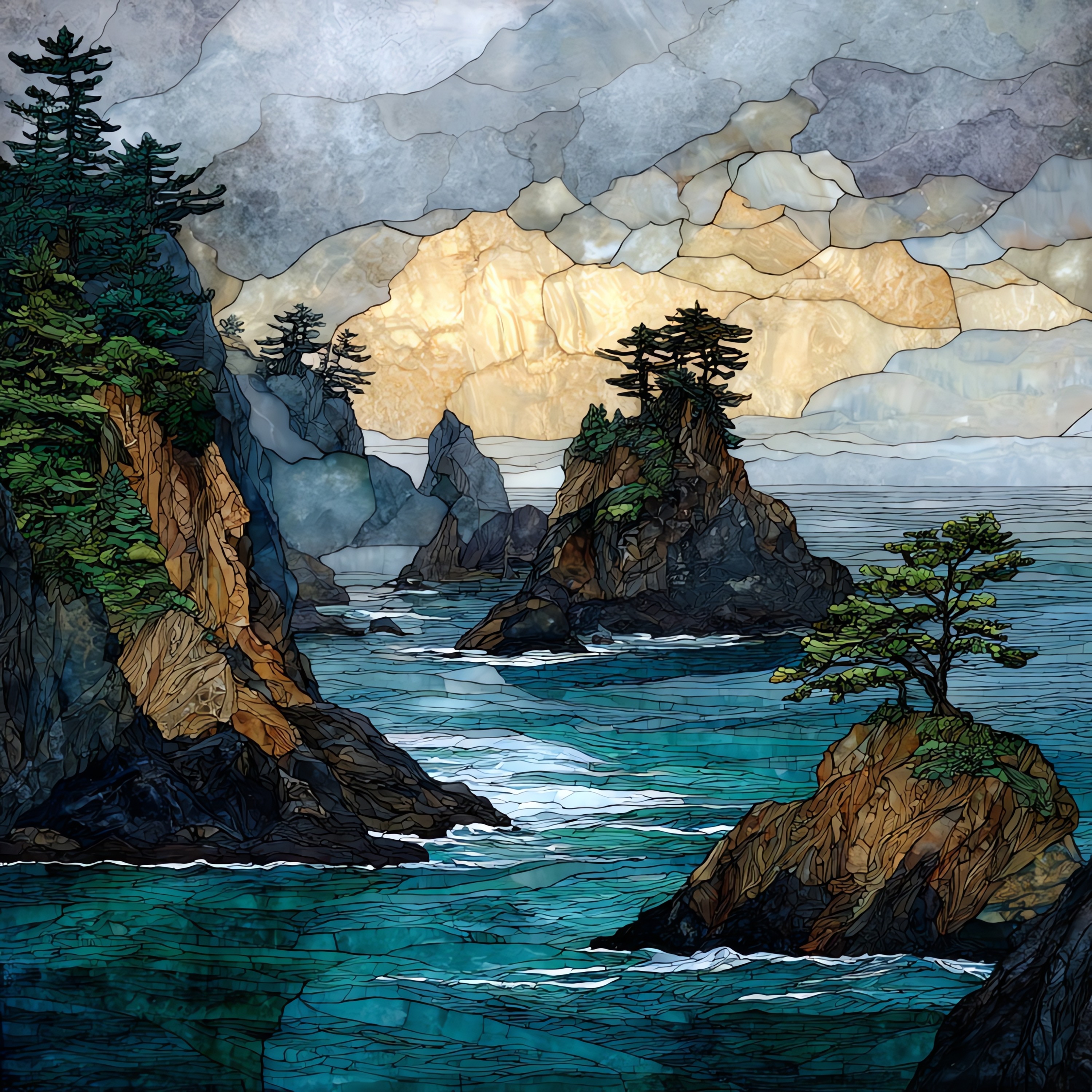
Sue-meg State Park
— — the park that took its old name back.
Not only on a wall.
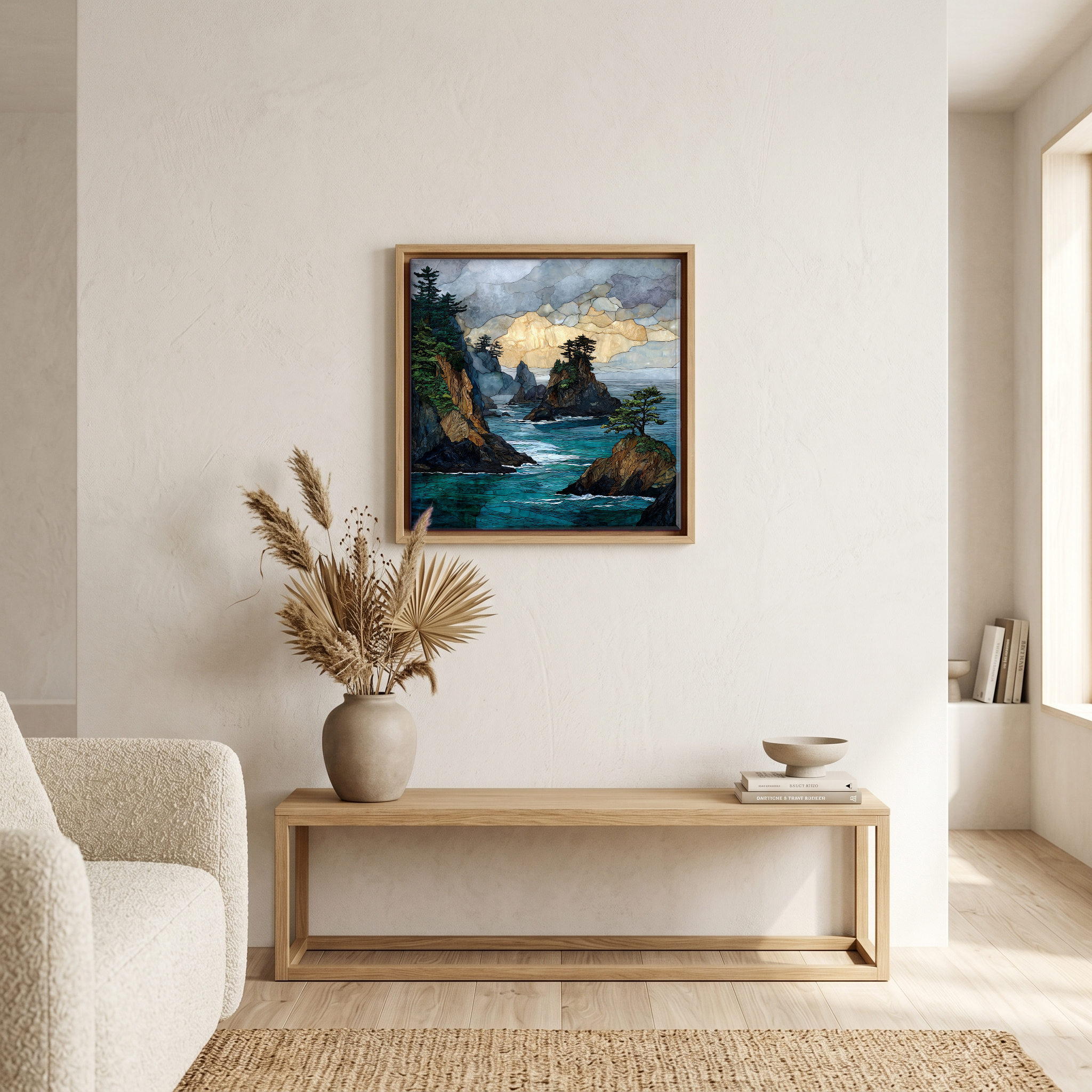

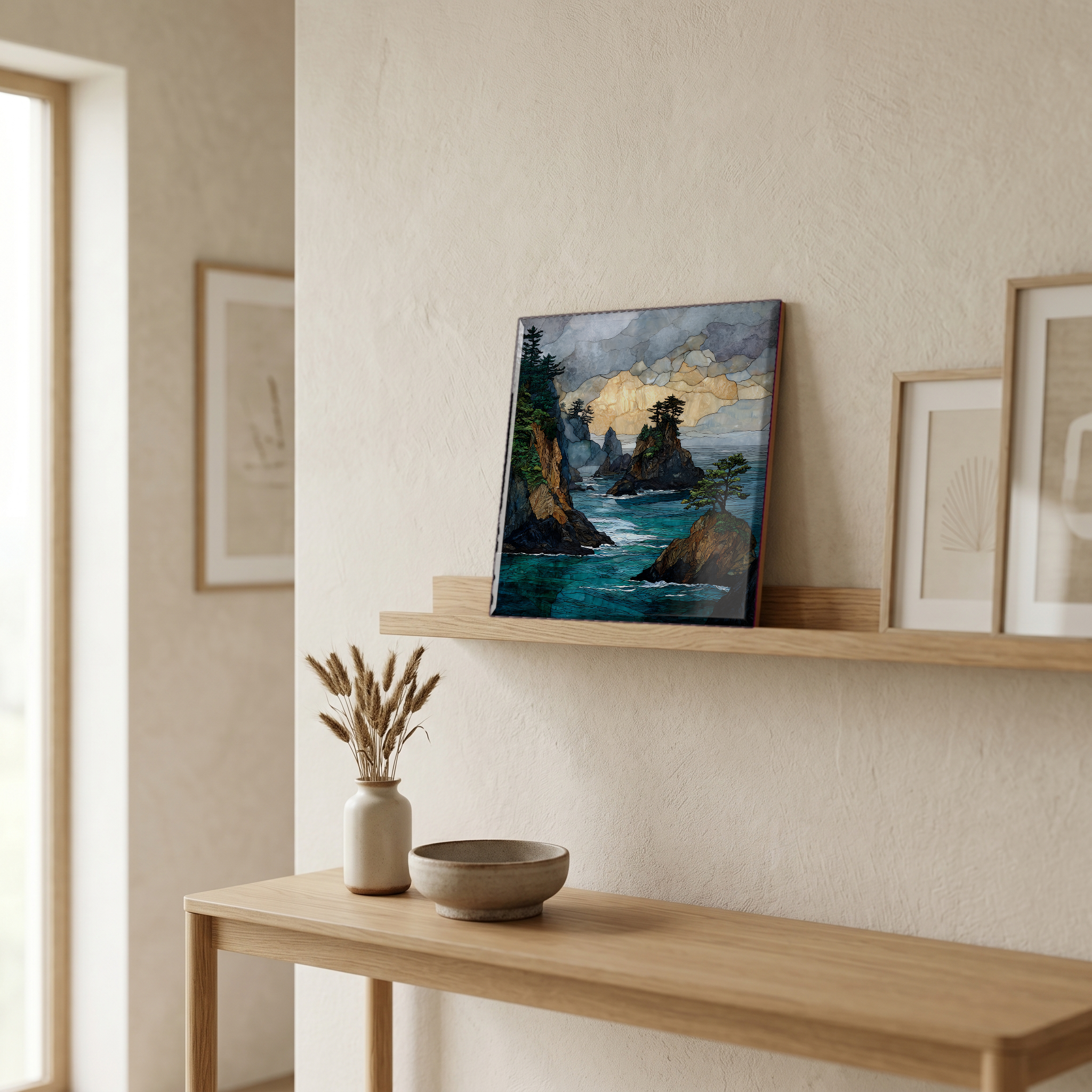
“A headland of redwood and Sitka spruce above the Pacific on the Humboldt coast, a few miles north of Trinidad in northern California. The park covers roughly 640 acres of sea cliffs, sea stacks, tide pools, and an agate beach. In 2021 the California State Park Commission restored the Yurok name Sue-meg, the name the place has held far longer than the park has, dropping the previous name Patrick's Point. A reconstructed Yurok village, Sumêg, sits inside the park, built with the Yurok Tribe and used for ceremonies and education. Whales pass close enough to the bluff to be seen from the trail in spring and fall.
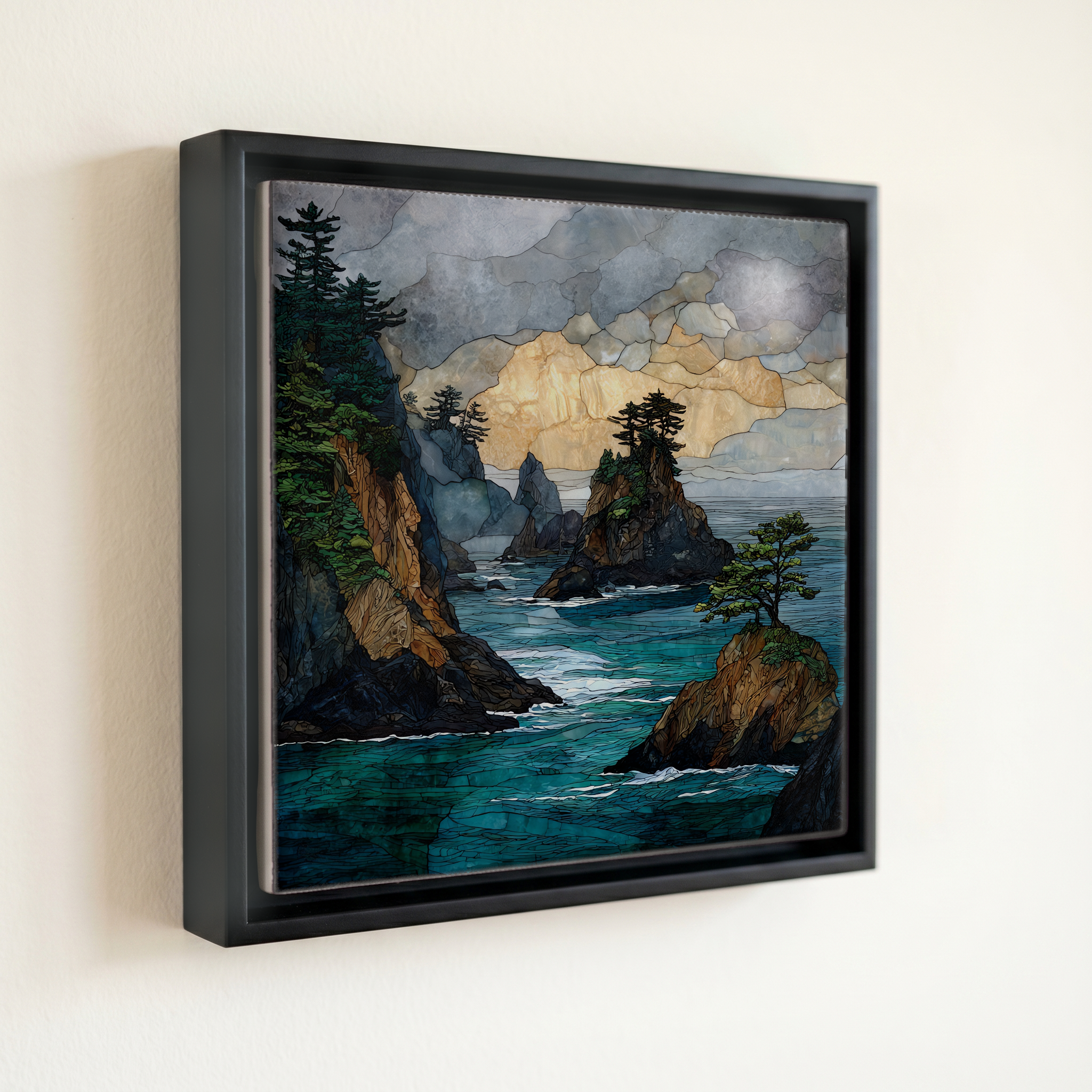
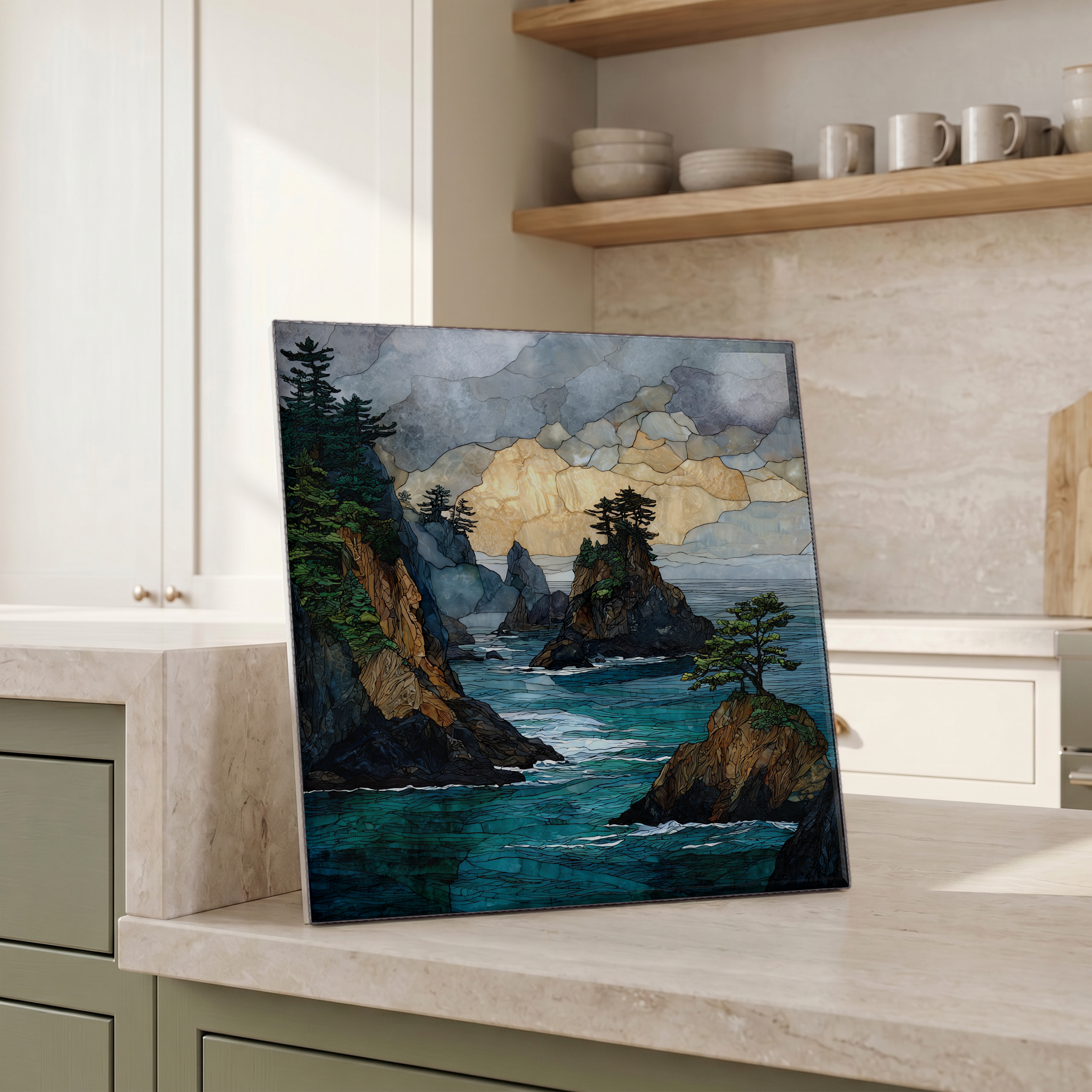
Sue-meg State Park, on ceramic.
Each tile is finished by hand in our Knoxville studio. Artwork is slowly infused into the ceramic surface under high heat and pressure, and rests beneath a thin glossy finish. The colour lives in the surface, not on top of it.
Pick any four 4-inch tiles — National Parks you've been to, a Smokies set, the four seasons of one place. $ for a set of , cork-backed, ready to live on the table.
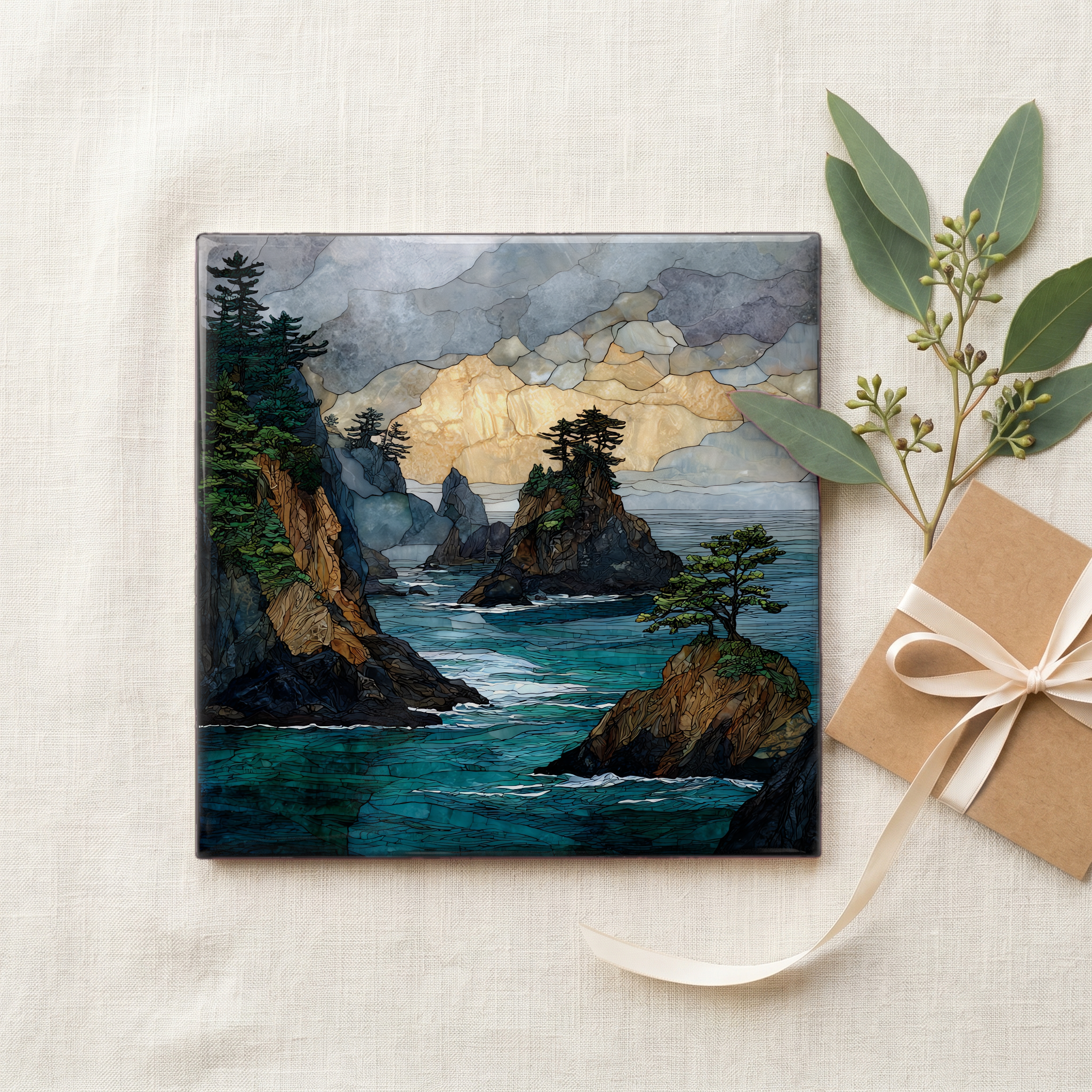
Each tile ships in a kraft box, tied with cream ribbon, with a handwritten note from the studio if you'd like to add one.
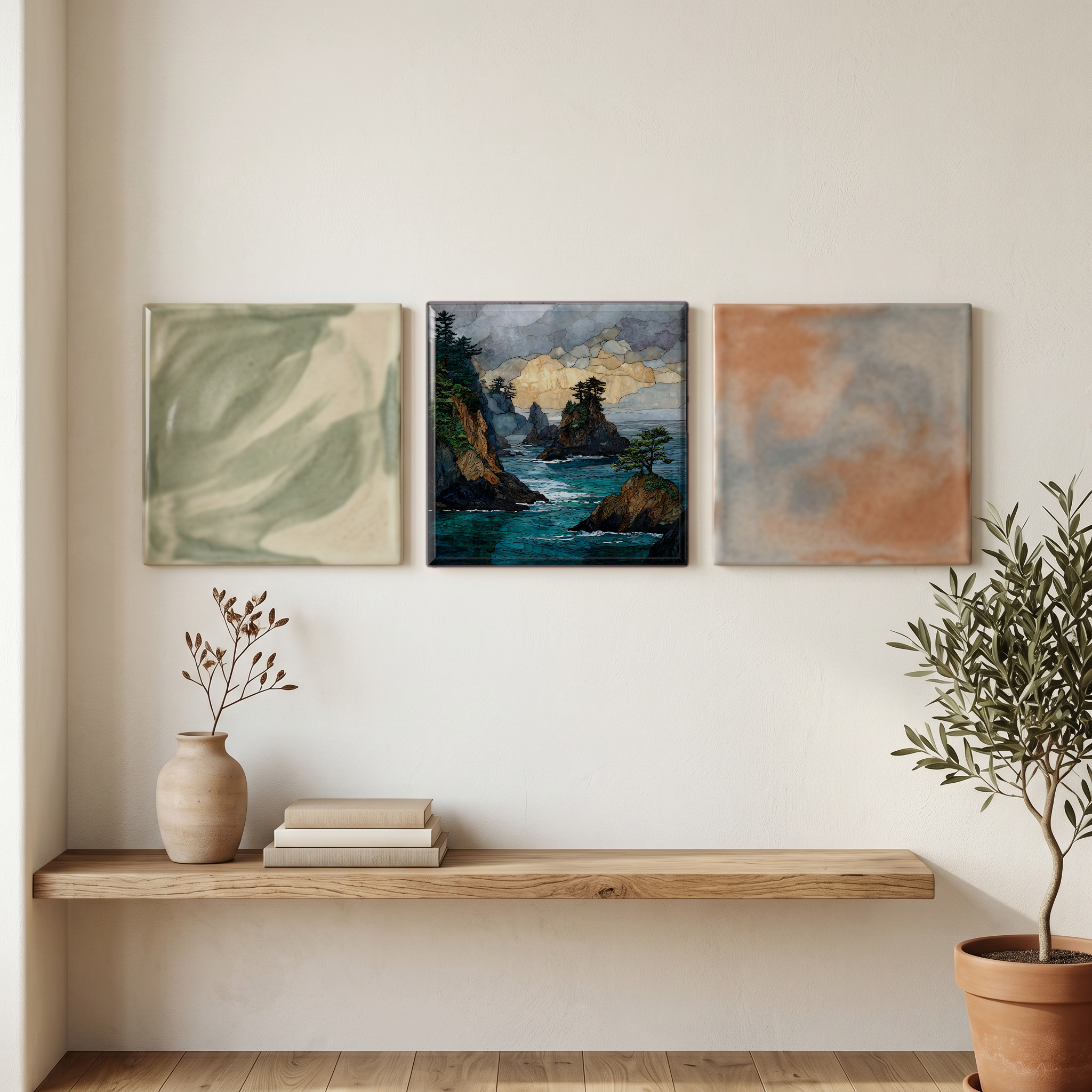
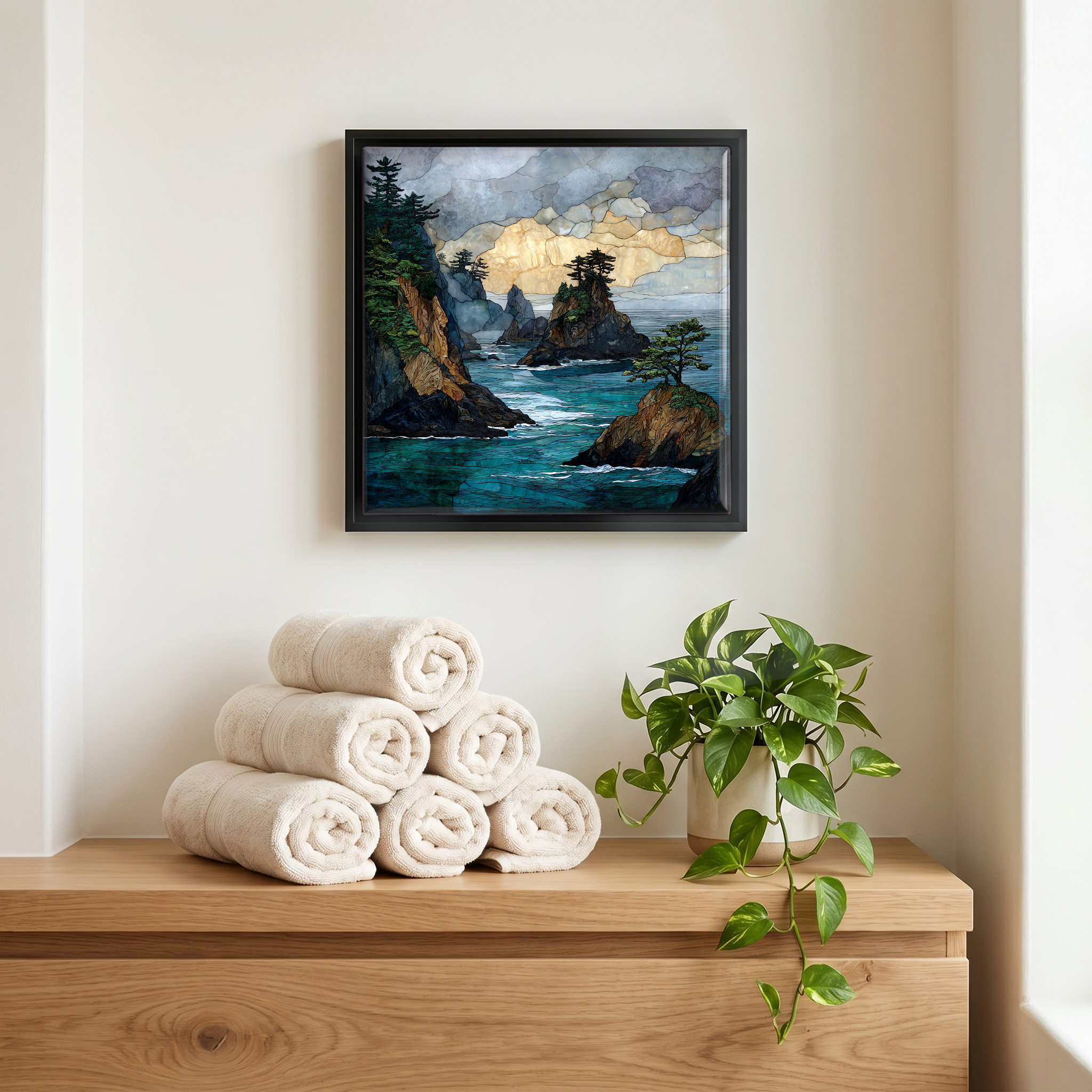
Three or five different vistas, hung together — a chapter of places you've been, or want to go.
The place, in three passes.
Sue-meg State Park is a 640-acre coastal park on the Humboldt County coast of northern California, about thirty miles north of Eureka and five miles north of the town of Trinidad. The park sits on a headland of dense Sitka spruce, western hemlock, and second-growth coast redwood, with sea cliffs dropping a hundred feet to a shoreline of sea stacks and tide pools. Agate Beach, on the north end of the park, is named for the small carnelian and chalcedony stones that wash up on the gravel after winter storms. The park is managed by California State Parks and is the ancestral land of the Yurok people, whose traditional name for the place is Sue-meg.
In September 2021 the California State Park and Recreation Commission voted unanimously to restore the Yurok name Sue-meg, ending more than 160 years under the colonial name Patrick's Point. It was the first California state park renamed to an Indigenous place name through formal restoration. The decision came from a multi-year collaboration between the Yurok Tribe and State Parks, which had been working together since the early 1990s on the reconstructed Yurok village inside the park. The village, called Sumêg, was built with traditional materials and methods and is used today for tribal ceremonies, brush dance gatherings, and education. The renaming honours the place that came before the park.
The park is open every day. Day-use entry is roughly ten dollars per vehicle. The Visitor Center near the entrance has small exhibits on Yurok culture and on the park's natural history. A network of short trails leads from the bluff to Agate Beach (a steep half-mile down and a steady climb back), to Wedding Rock, to Patrick's Point itself, and through the Sumêg village. Three campgrounds hold about 124 sites among the spruce: Agate Beach, Penn Creek, and Abalone. The headland gets a lot of fog through summer; clearer light tends to fall in late spring and again in October.