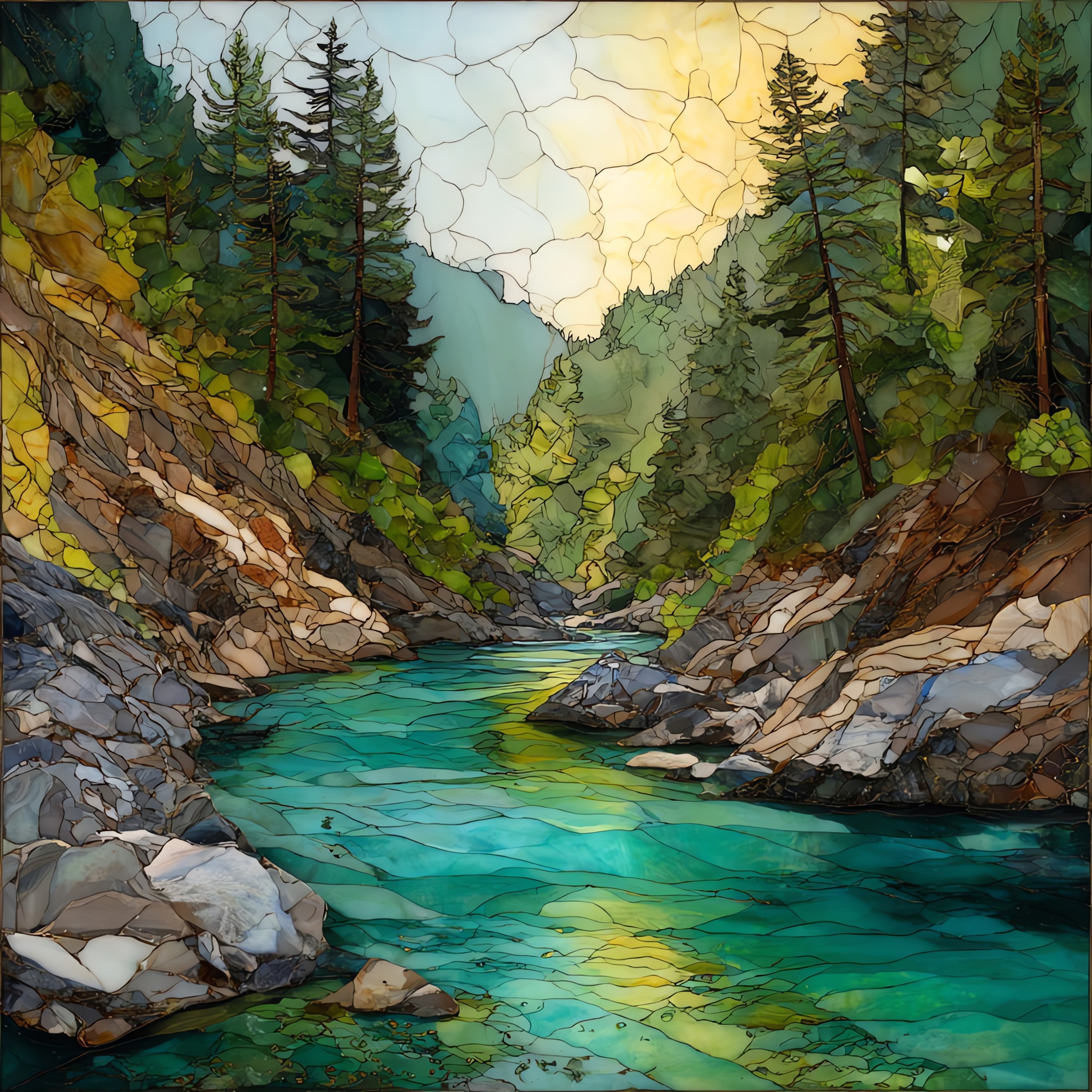
Smith River
— water the colour of clean glass.
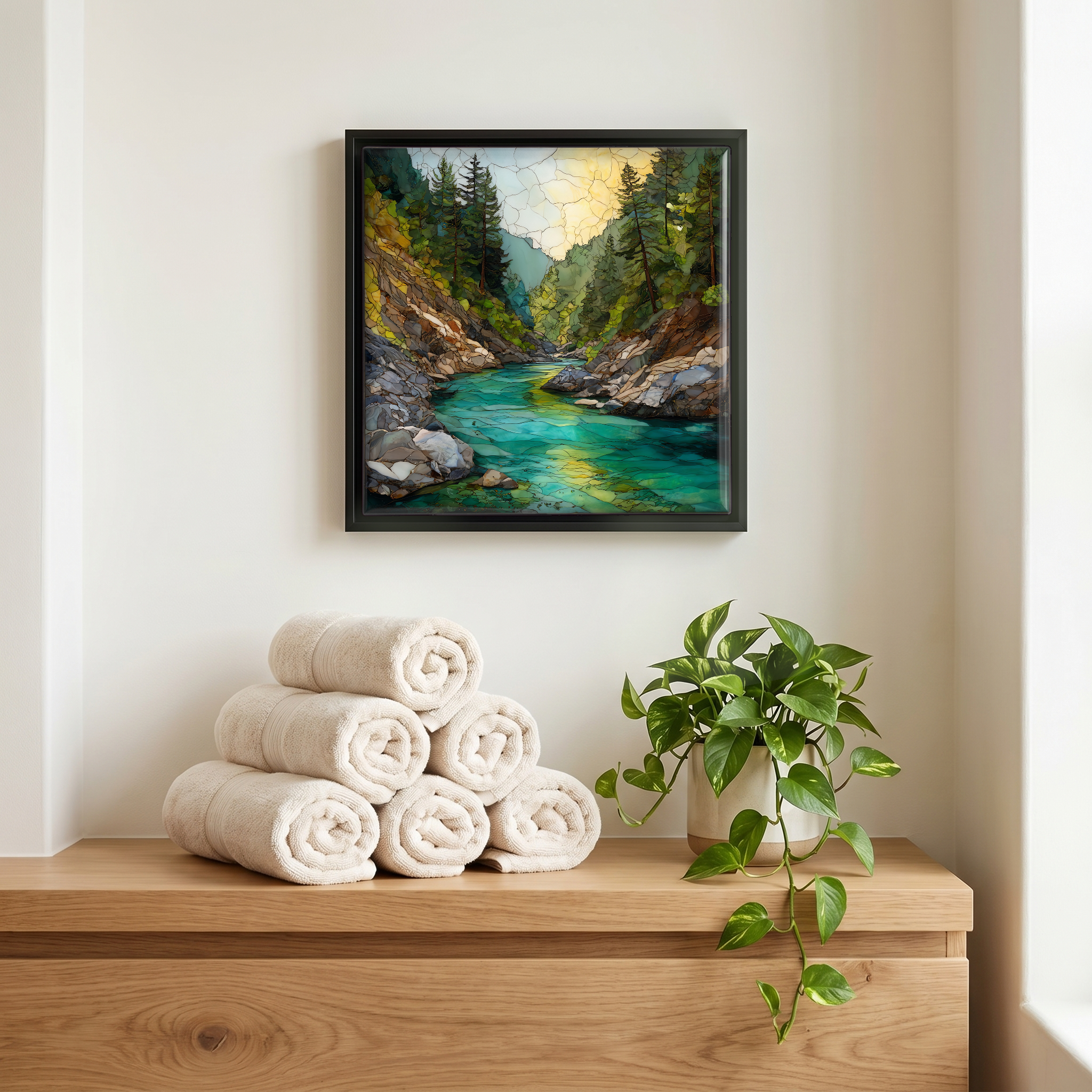
Not only on a wall.
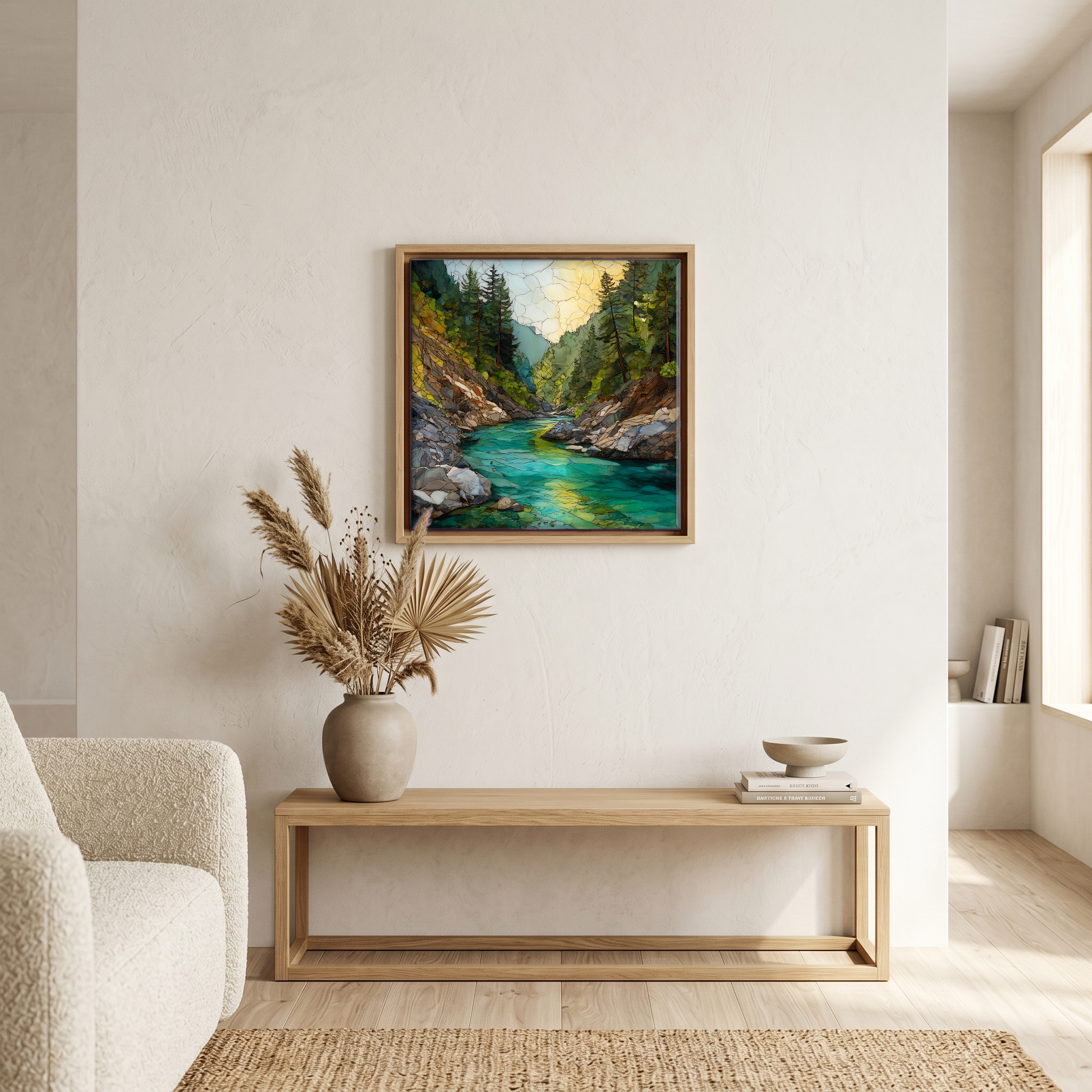

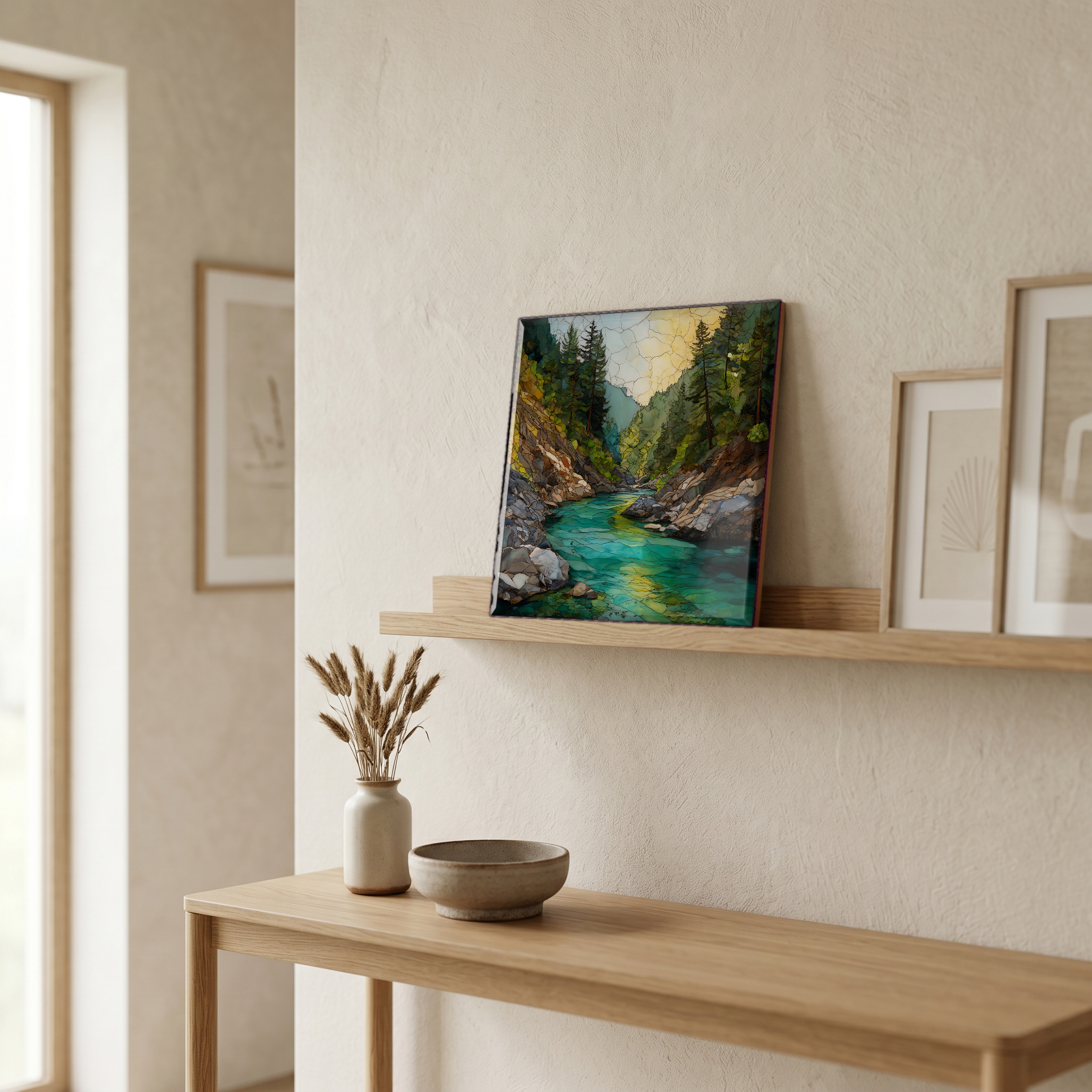
“The Smith drains the Siskiyou Mountains and runs about 25 miles to the Pacific through redwood country in Del Norte County. The water is famously clear because the serpentine and peridotite of the surrounding mountains release almost no sediment to the river; even after a winter storm the green pools stay readable to the bottom. It is the only major river in California with no dam on its main stem. In late autumn the steelhead push up from the ocean into the lower runs, and the rain begins again, and for a few months the country smells like wet redwood and stone.
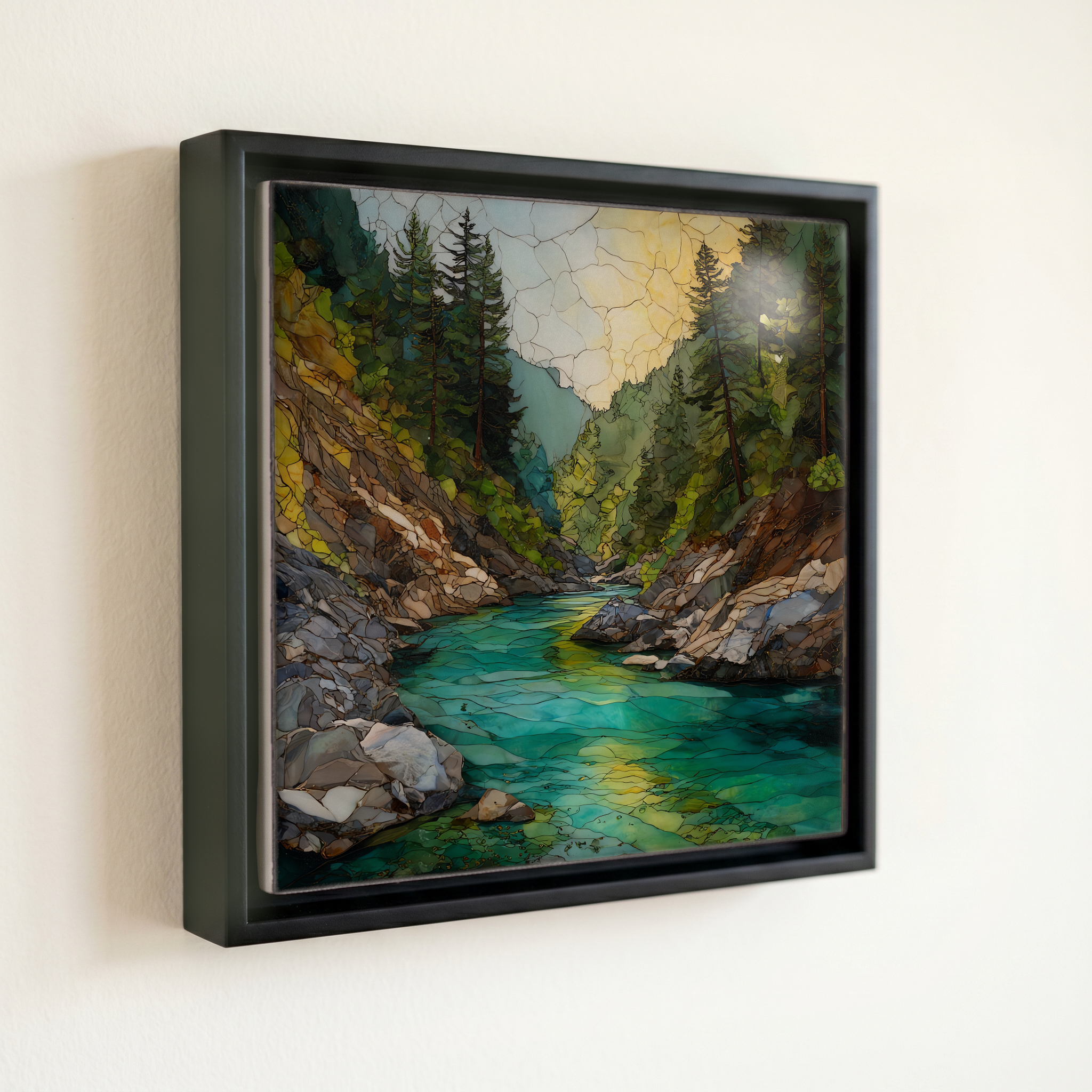
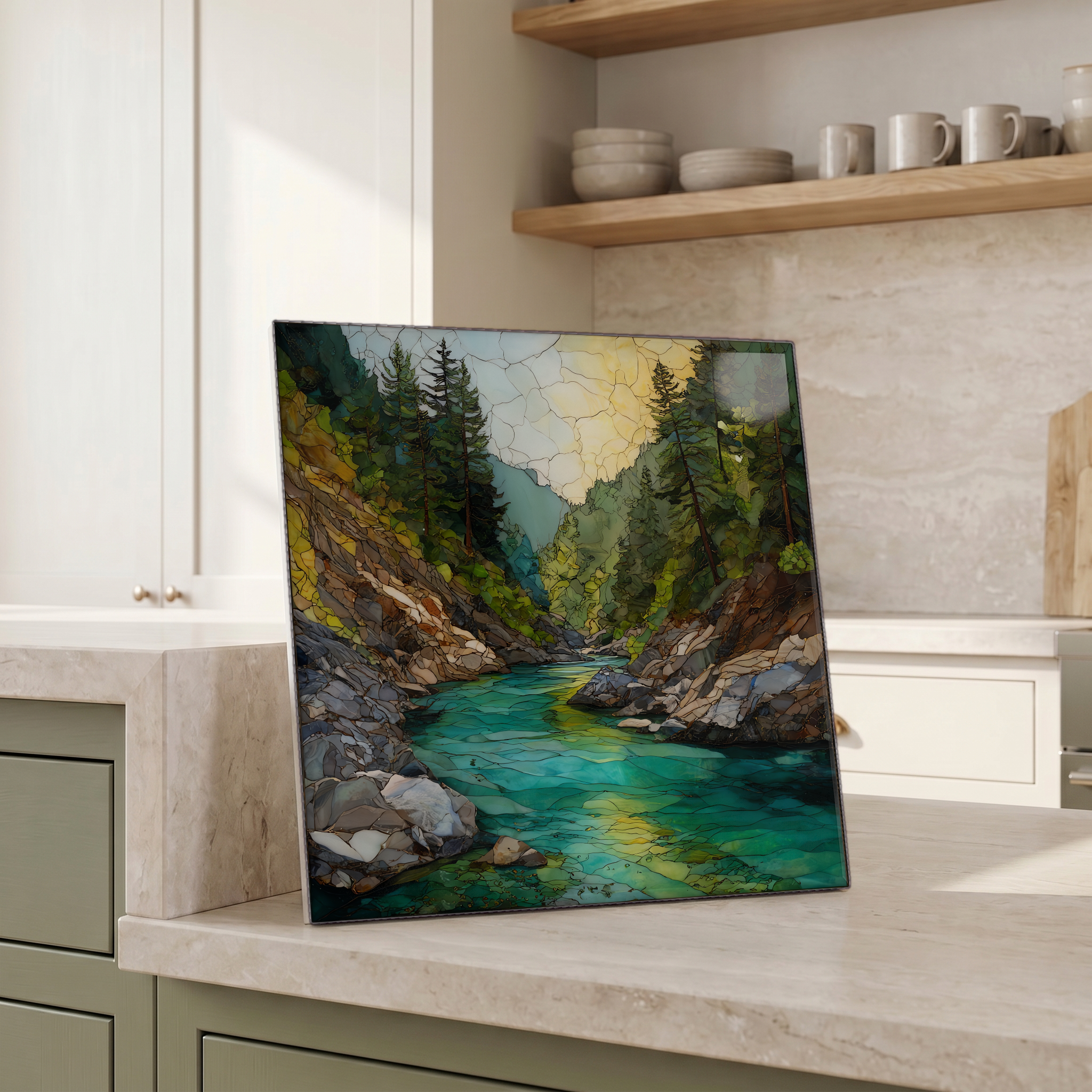
Smith River, on ceramic.
Each tile is finished by hand in our Knoxville studio. Artwork is slowly infused into the ceramic surface under high heat and pressure, and rests beneath a thin glossy finish. The colour lives in the surface, not on top of it.
Pick any four 4-inch tiles — National Parks you've been to, a Smokies set, the four seasons of one place. $ for a set of , cork-backed, ready to live on the table.
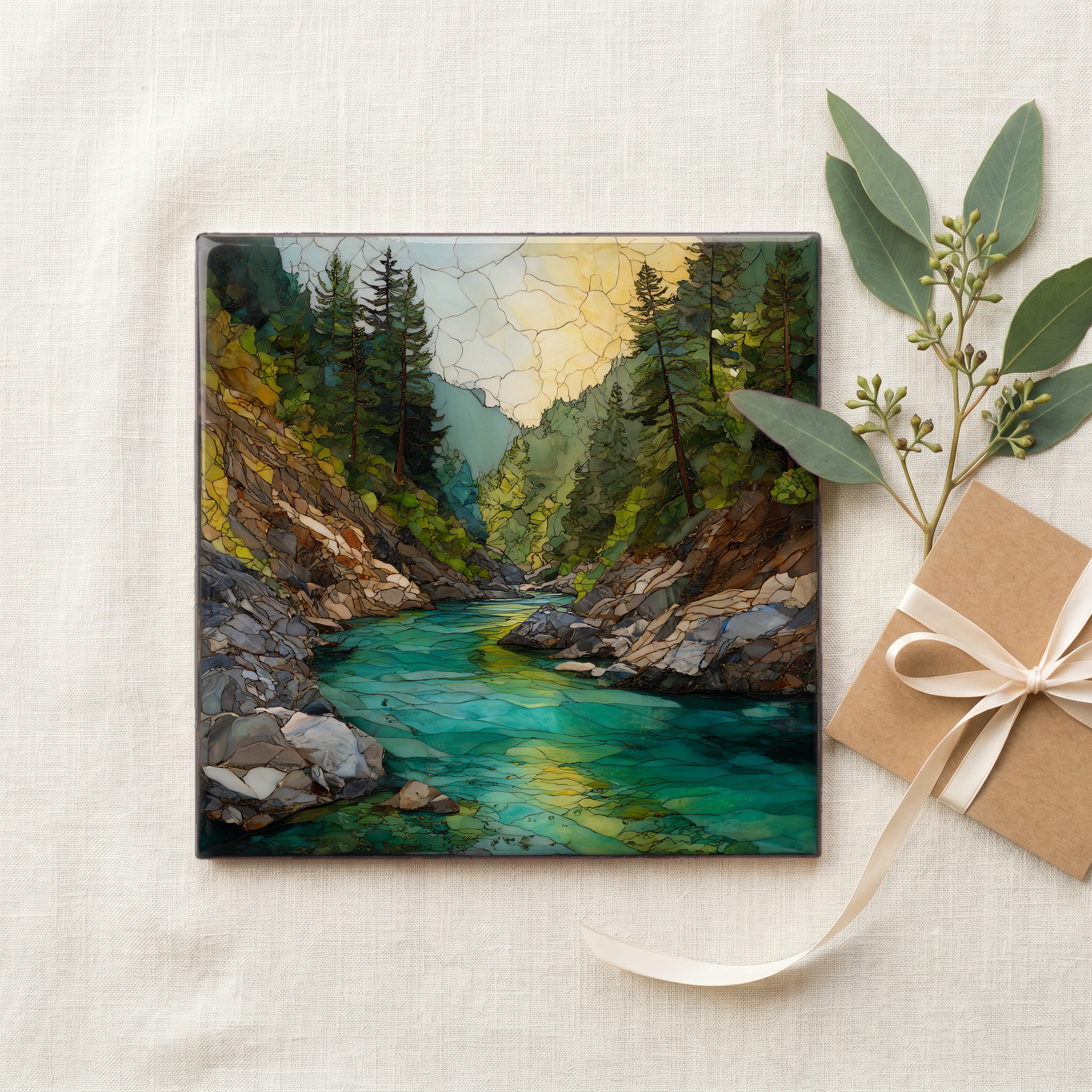
Each tile ships in a kraft box, tied with cream ribbon, with a handwritten note from the studio if you'd like to add one.
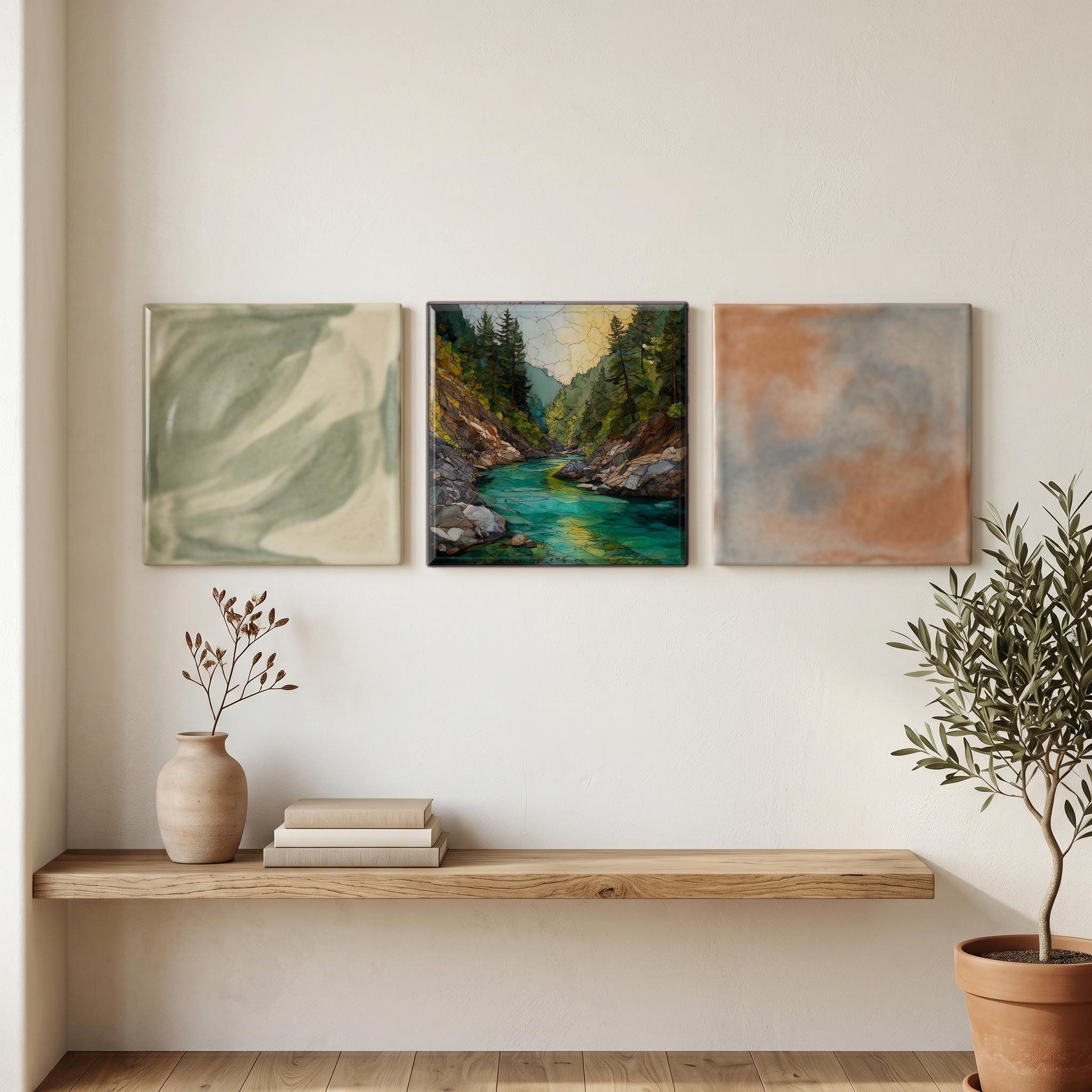
Three or five different vistas, hung together — a chapter of places you've been, or want to go.
The place, in three passes.
The Smith River rises in the Siskiyou Mountains of southwestern Oregon and northwestern California and flows about 25 miles through Del Norte County to its mouth near the town of Smith River, just south of the Oregon border. The river was named for Jedediah Smith, the American explorer who reached this country in 1828. Its watershed of roughly 720 square miles lies almost entirely within the Smith River National Recreation Area, established by Congress in 1990 within the Six Rivers National Forest. The lower river runs through Jedediah Smith Redwoods State Park, which protects one of the largest remaining stands of old-growth coast redwood in the world. Major tributaries are the North Fork, Middle Fork, and South Fork.
The Smith carries some of the clearest water of any sizeable river in North America. The reason is geological: the surrounding mountains are largely serpentine and peridotite, ultramafic rocks that weather into hard pebbles rather than the fine clay-and-silt sediment that clouds most rivers. Even a few days after a heavy storm the green pools clear to the gravel. The river also runs fast: it drops about 5,000 feet from its headwaters to the sea in only 25 miles. The clarity supports a wild run of winter steelhead and a smaller but persistent fall run of Chinook salmon, both fished from drift boats out of Hiouchi and the Jedediah Smith stretch.
The Smith River National Recreation Area covers about 305,000 acres and is reachable along U.S. 199, the Redwood Highway, which follows the Middle Fork from Crescent City inland through Hiouchi and Gasquet to the Oregon line. Drift-boat trips for steelhead run from December through March; rafting on the wild lower river runs through winter and early spring when the water is up. Jedediah Smith Redwoods State Park is the main camping and trail access near the river's mouth, with the Stout Memorial Grove and the Mill Creek Trail close to the highway. The town of Crescent City, ten miles south of the river, holds the closest grocery and lodging.