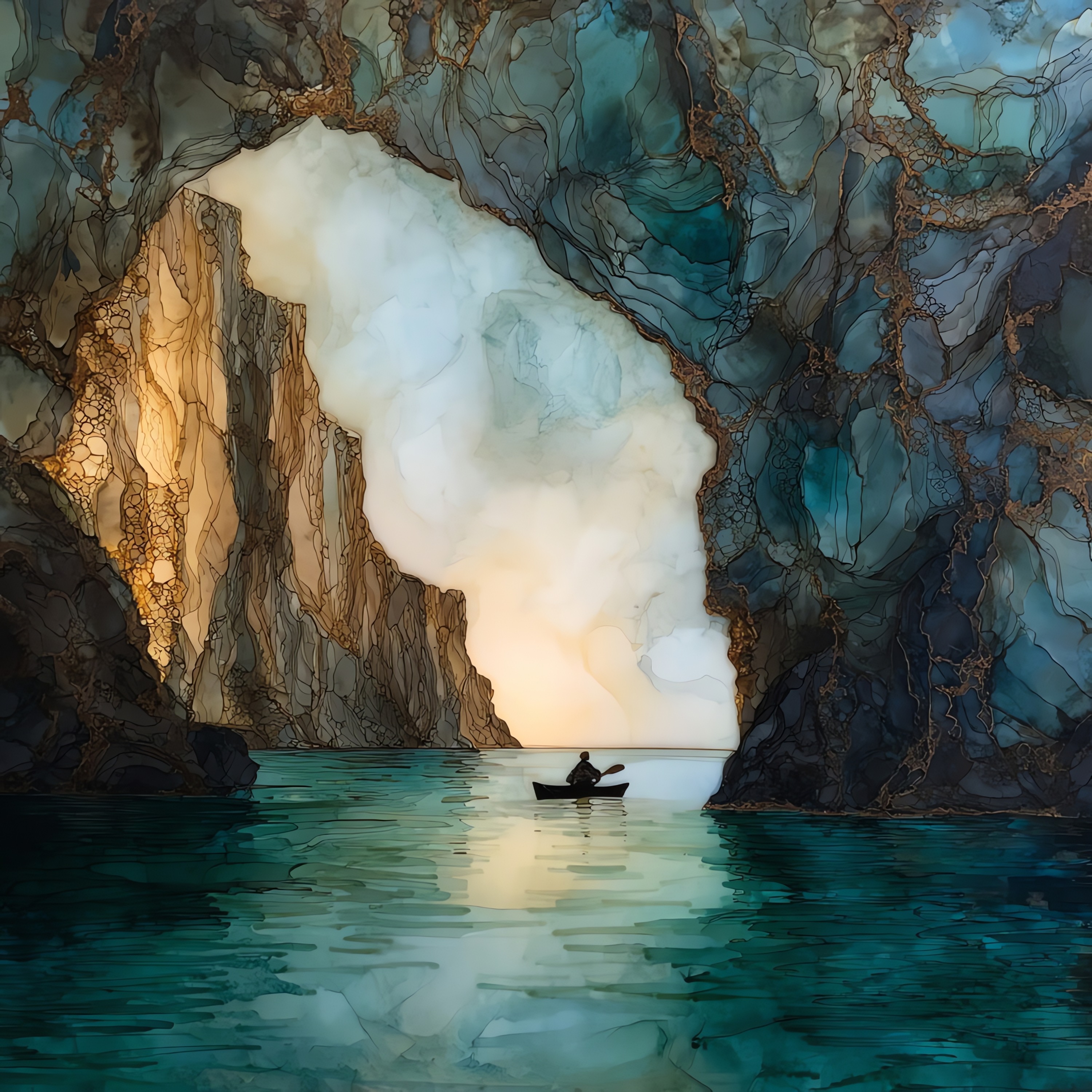
Santa Cruz Island Painted Cave
— — a long blue room the ocean keeps to itself.
Not only on a wall.
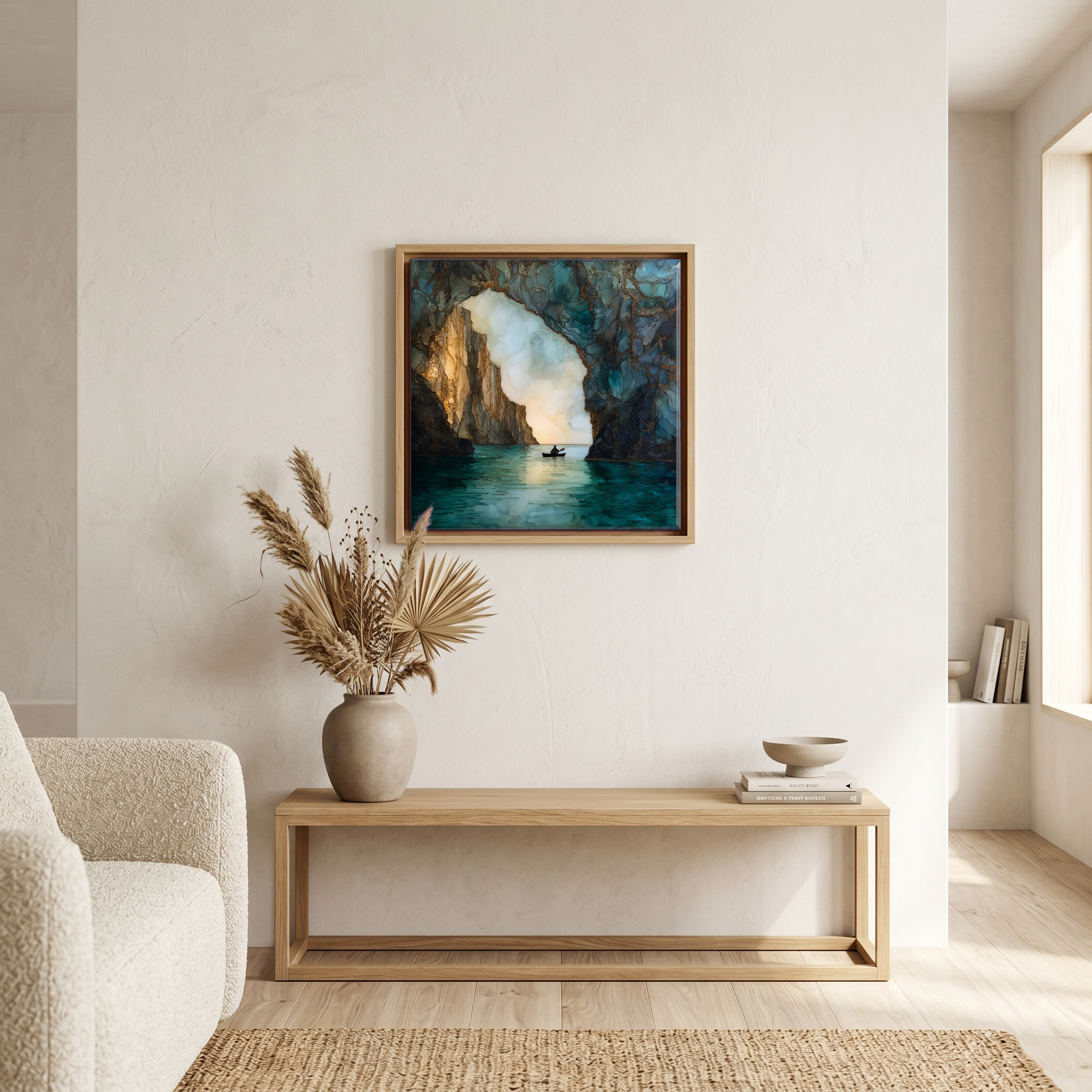
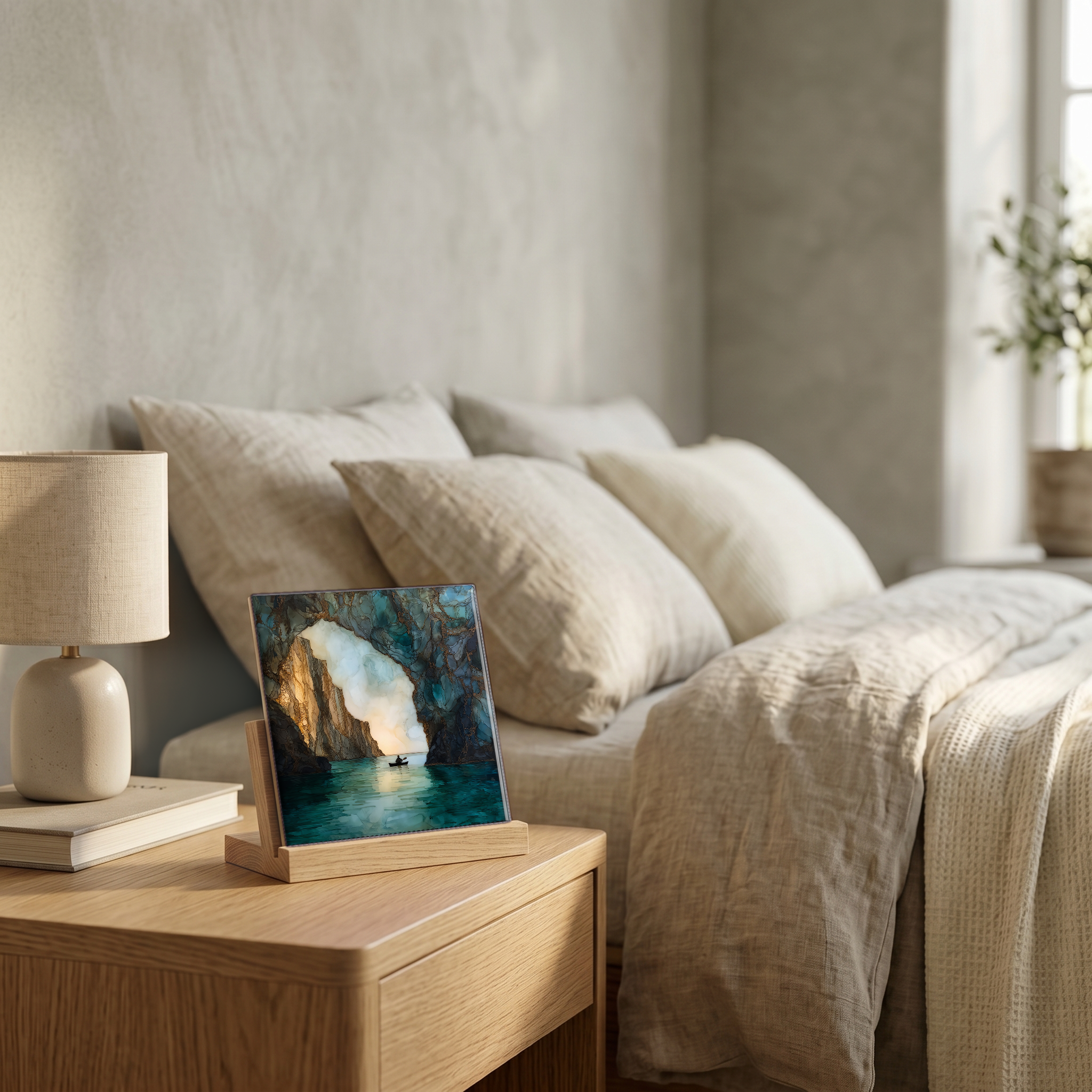
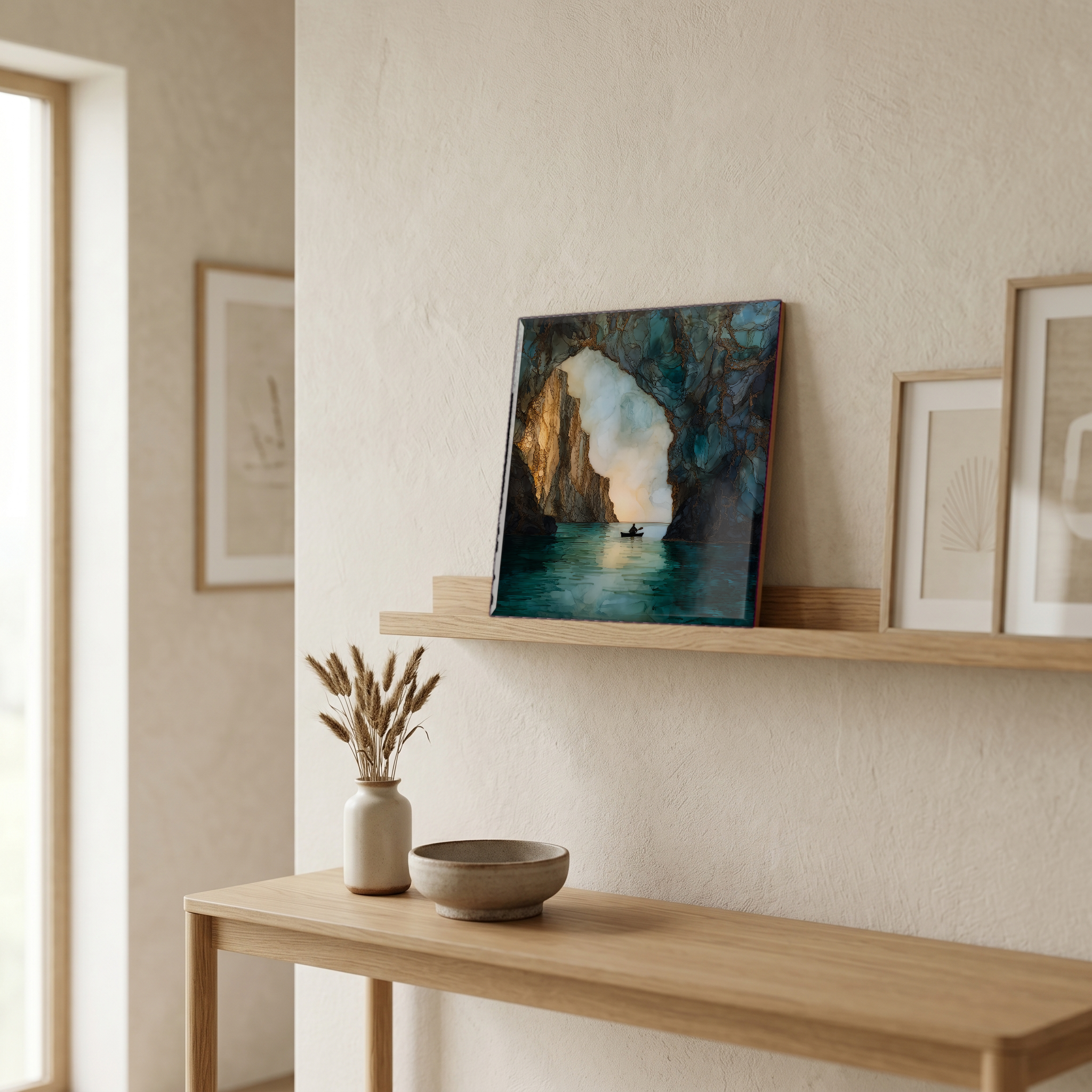
“One of the longest sea caves in the world, almost 1,230 feet from mouth to back wall, cut into the volcanic cliffs on the northwest side of Santa Cruz Island. The colour comes from mineral stains and lichens and algae layered across the rock, blues and ochres and greens that read as paint from a kayak below. The cave belongs to Channel Islands National Park, twenty-some miles off the Ventura coast, reachable only by sea. Calm water lets the smaller boats pass into the first chamber. In winter it is closed by the swells. In summer, sea lions argue from the back of the dark.
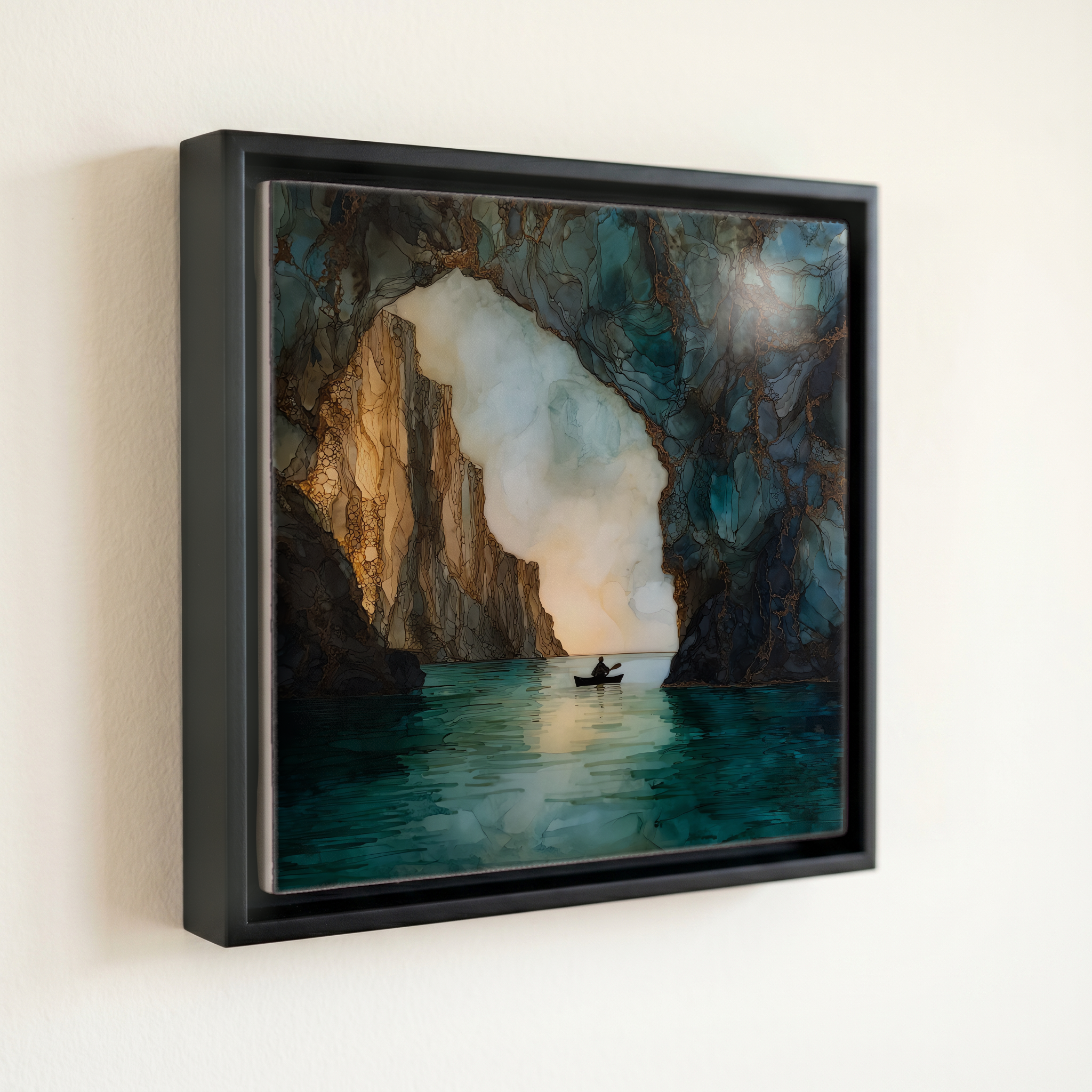
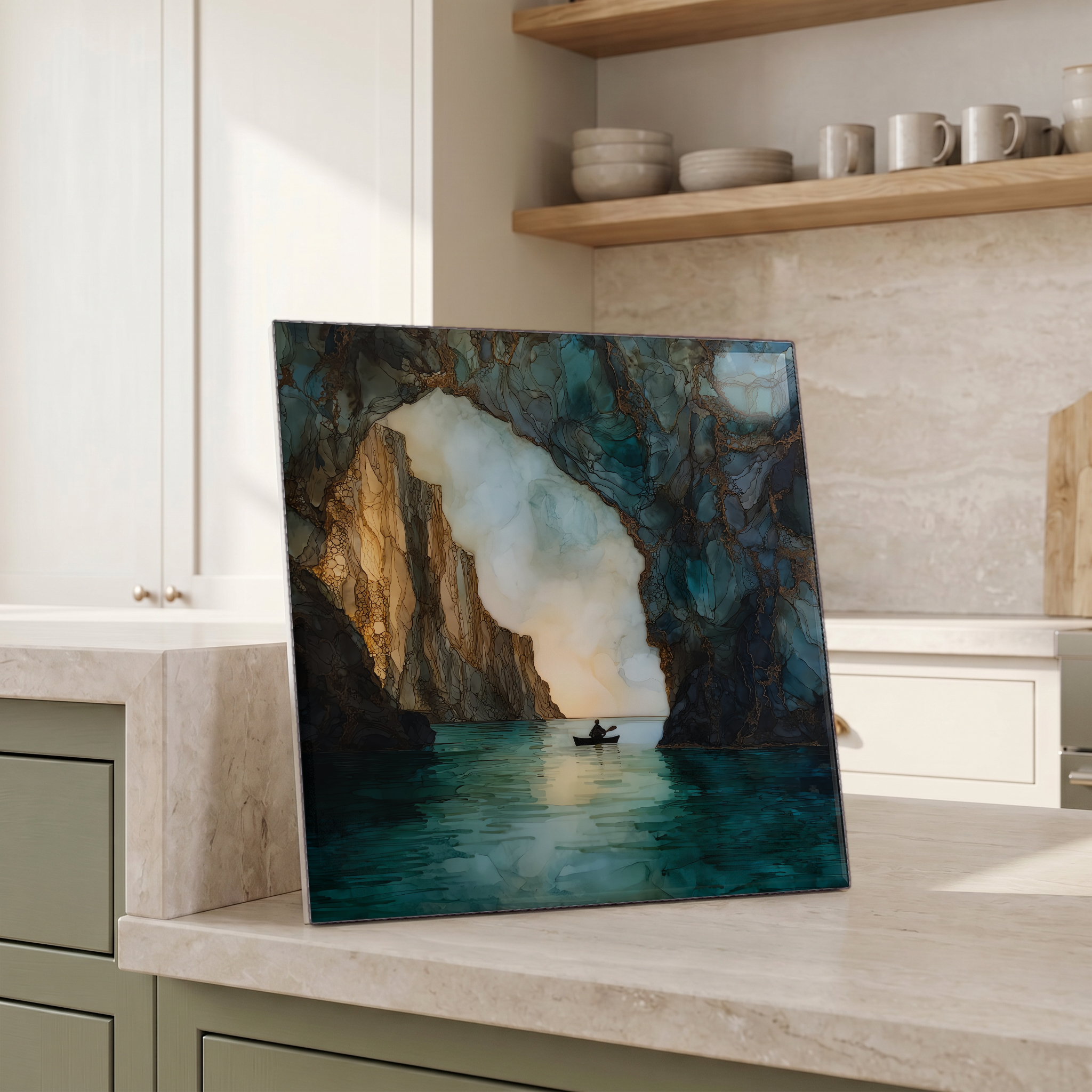
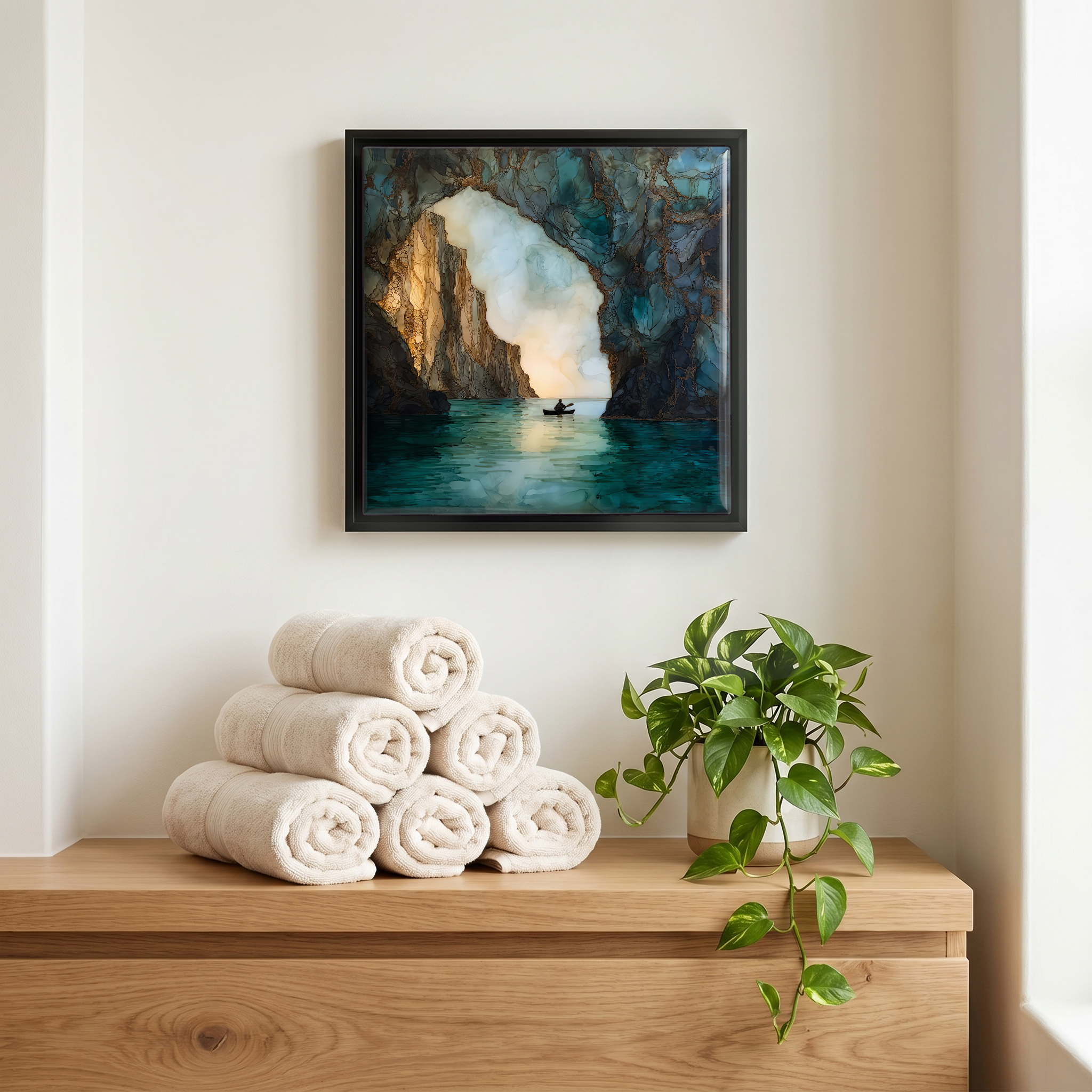
Santa Cruz Island Painted Cave, on ceramic.
Each tile is finished by hand in our Knoxville studio. Artwork is slowly infused into the ceramic surface under high heat and pressure, and rests beneath a thin glossy finish. The colour lives in the surface, not on top of it.
Pick any four 4-inch tiles — National Parks you've been to, a Smokies set, the four seasons of one place. $ for a set of , cork-backed, ready to live on the table.
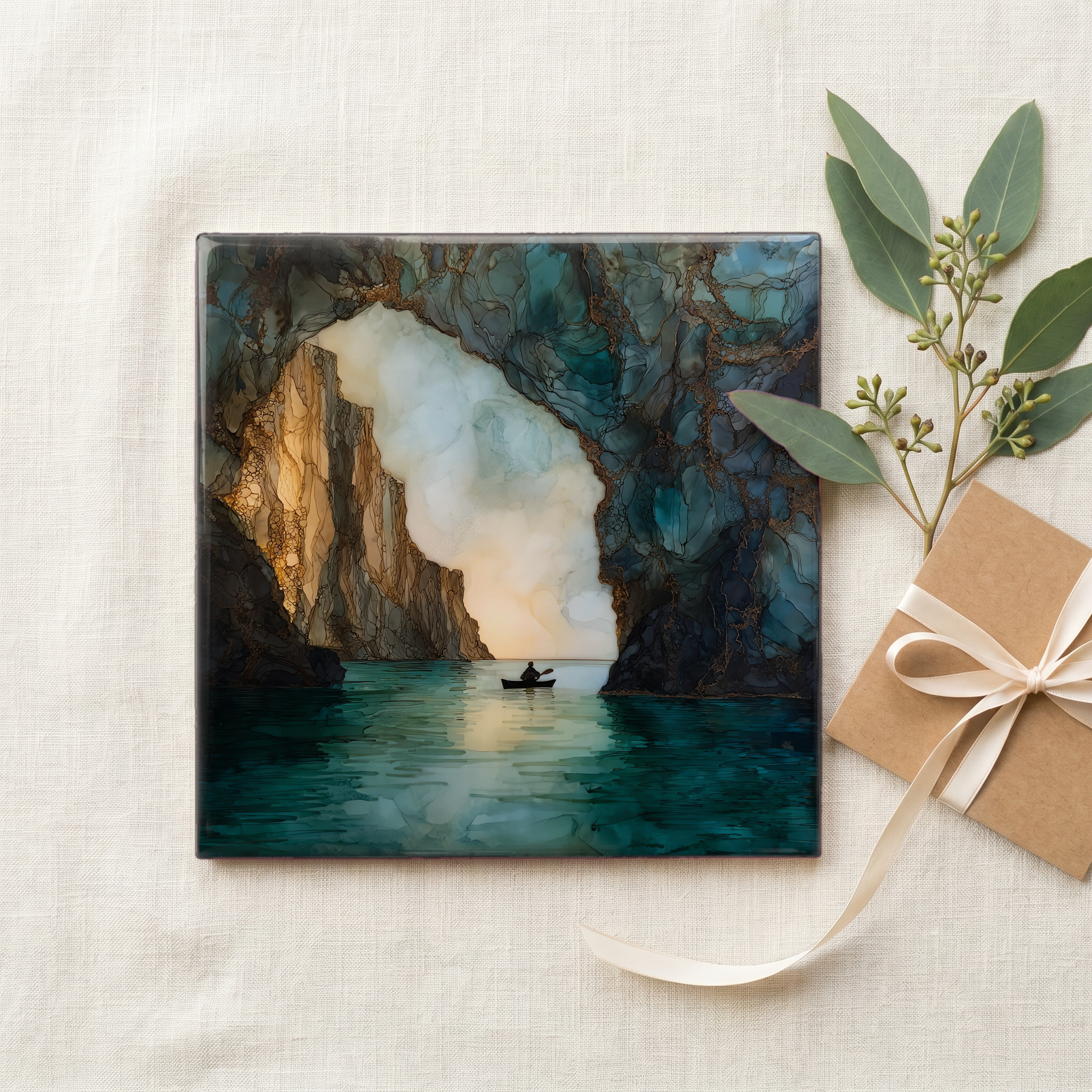
Each tile ships in a kraft box, tied with cream ribbon, with a handwritten note from the studio if you'd like to add one.
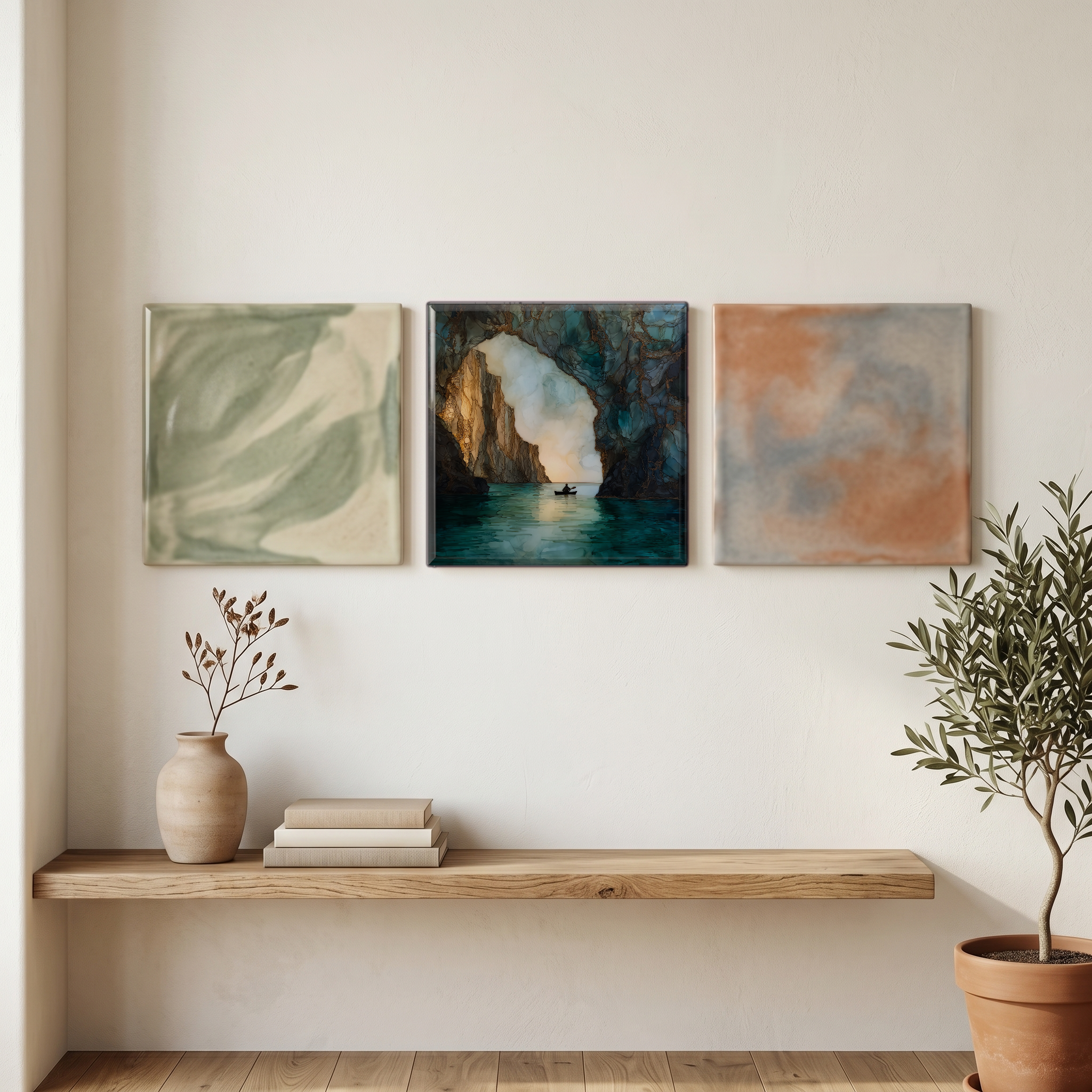
Three or five different vistas, hung together — a chapter of places you've been, or want to go.
The place, in three passes.
Painted Cave is a sea cave on the northwest side of Santa Cruz Island, the largest of the Channel Islands of California, within Channel Islands National Park. The cave runs about 1,227 feet (374 metres) from its broad sea-level entrance back into the volcanic rock of the island, making it one of the longest sea caves in the world. Santa Cruz Island lies roughly 19 miles south of Ventura, separated from the mainland by the Santa Barbara Channel. The national park was established in 1980 and protects five islands and one nautical mile of surrounding water. The cave is reachable only by boat or sea kayak from the island's west end.
The cave is named for the colour that runs through its rock. Mineral oxides, lichens, and algae have laid down successive layers of pigment across the volcanic walls, producing bands of red, ochre, green, and blue that read most clearly in the first chamber, where daylight still reaches the rock. The walls were carved from a volcanic island arc dating to the early Miocene, roughly 18 to 22 million years ago; the cave itself follows a softer fault line the surf has been at for the last several thousand years. The entrance opens about 50 feet wide and 130 feet tall; light fades a few hundred feet in.
Access is by sea, weather permitting. Island Packers, the park's concessioner out of Ventura Harbor, runs a half-day west-end boat trip that approaches the cave when the swell is small enough for the bow to enter; sea-kayak outfitters launch from Scorpion Anchorage on the east end or guide overnight trips along the north coast. The cave closes any day the Santa Barbara Channel kicks up; spring and early summer give the calmest mornings. Inside, the boats cut their engines.