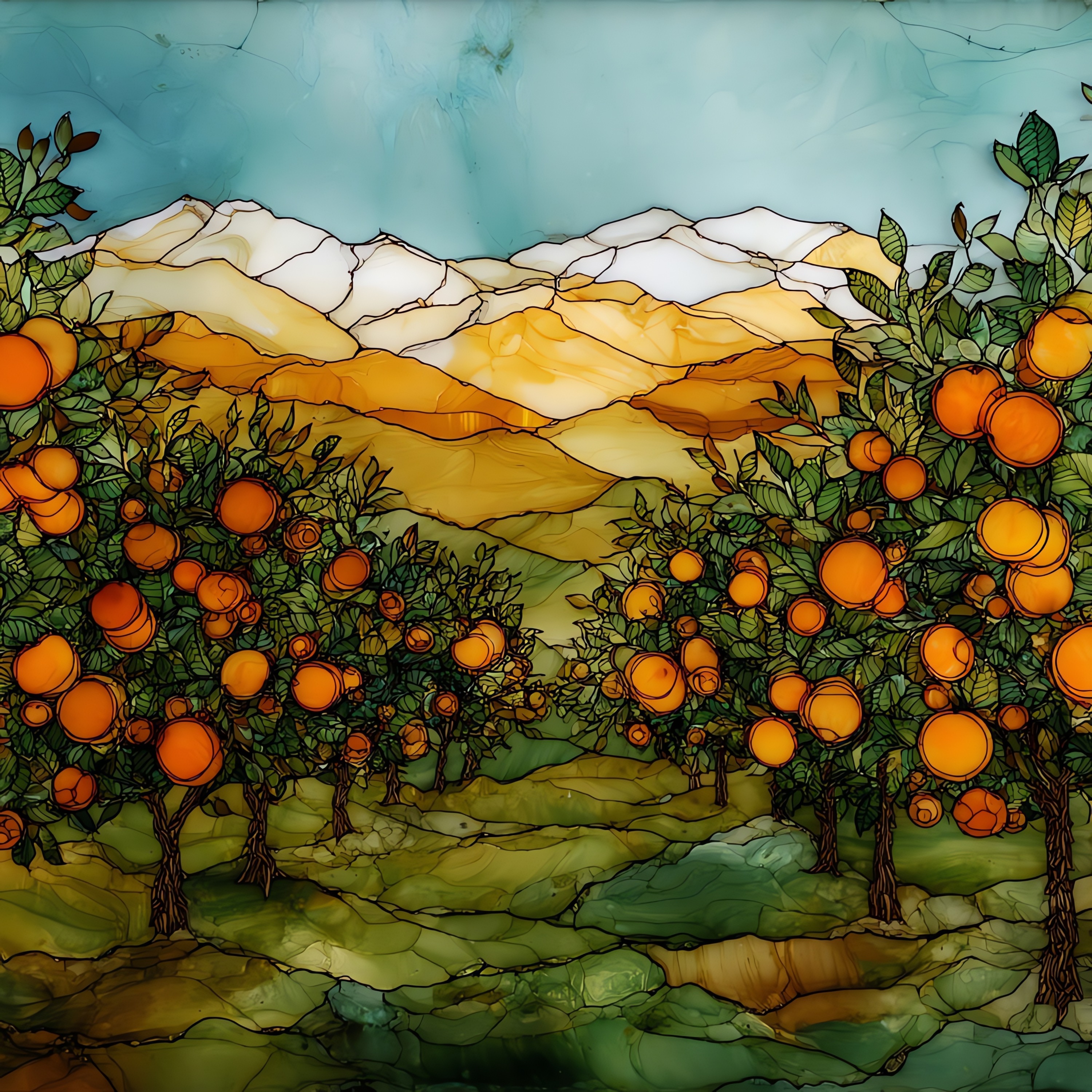
San Joaquin Citrus Groves
— the week the whole valley smells like orange blossom.
Not only on a wall.
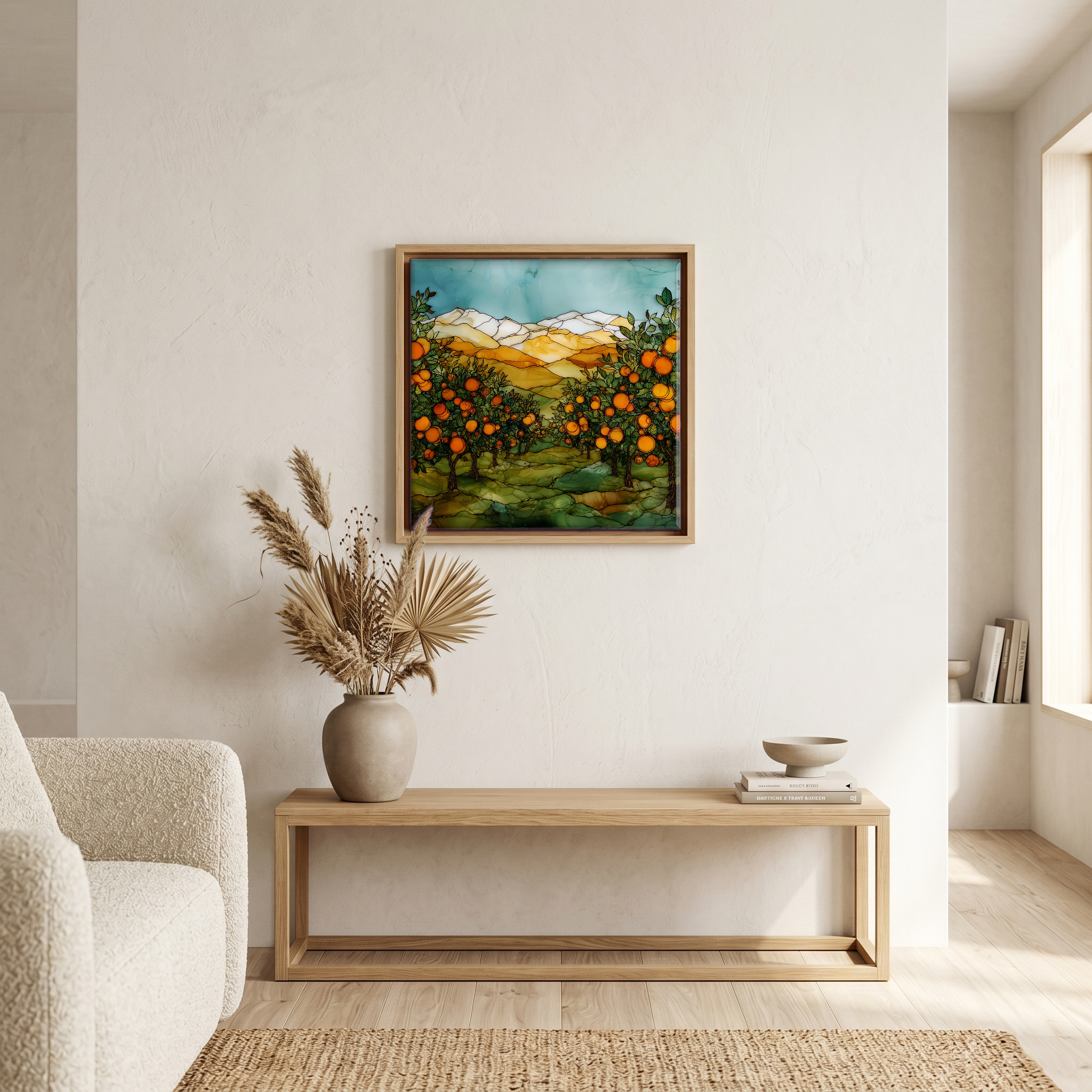
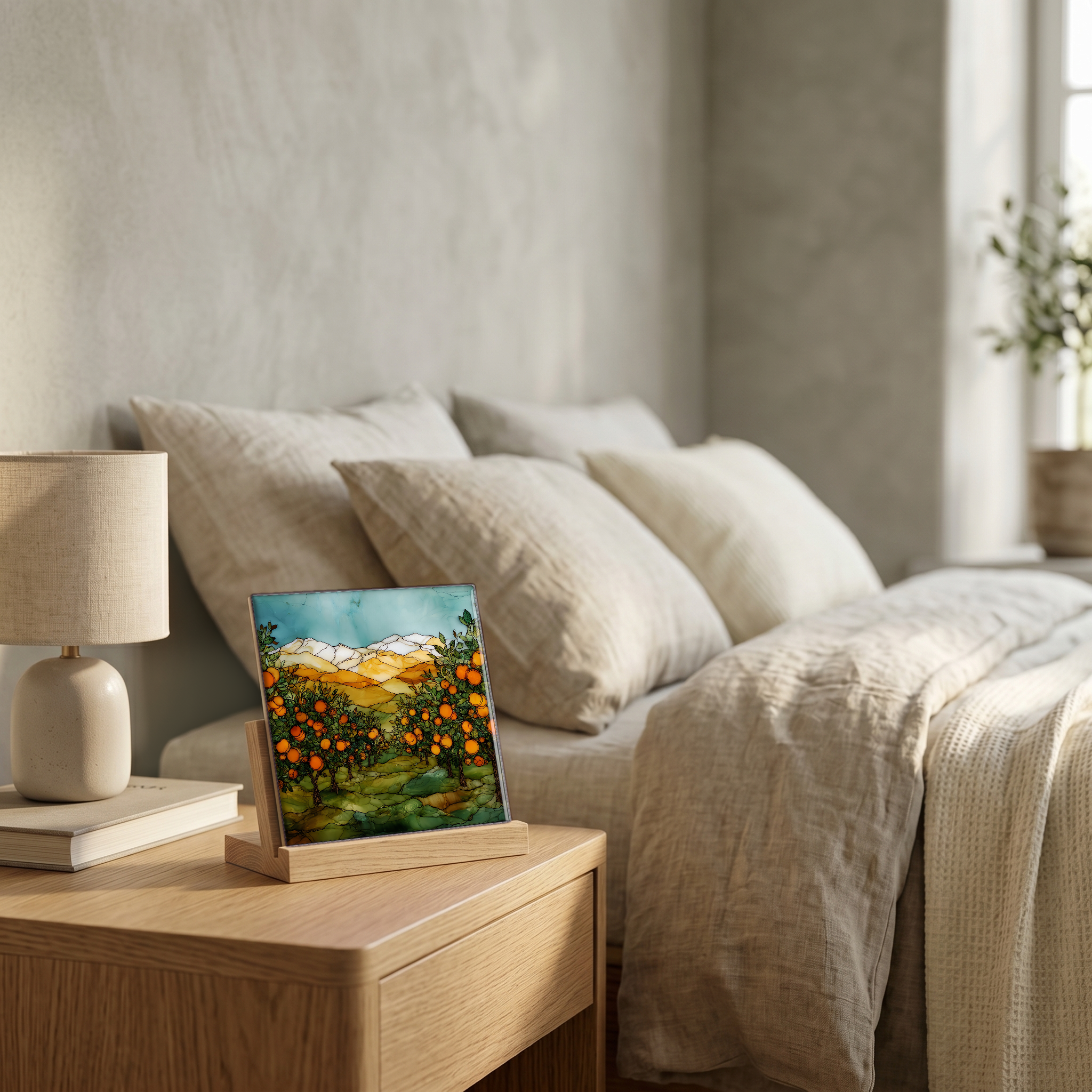
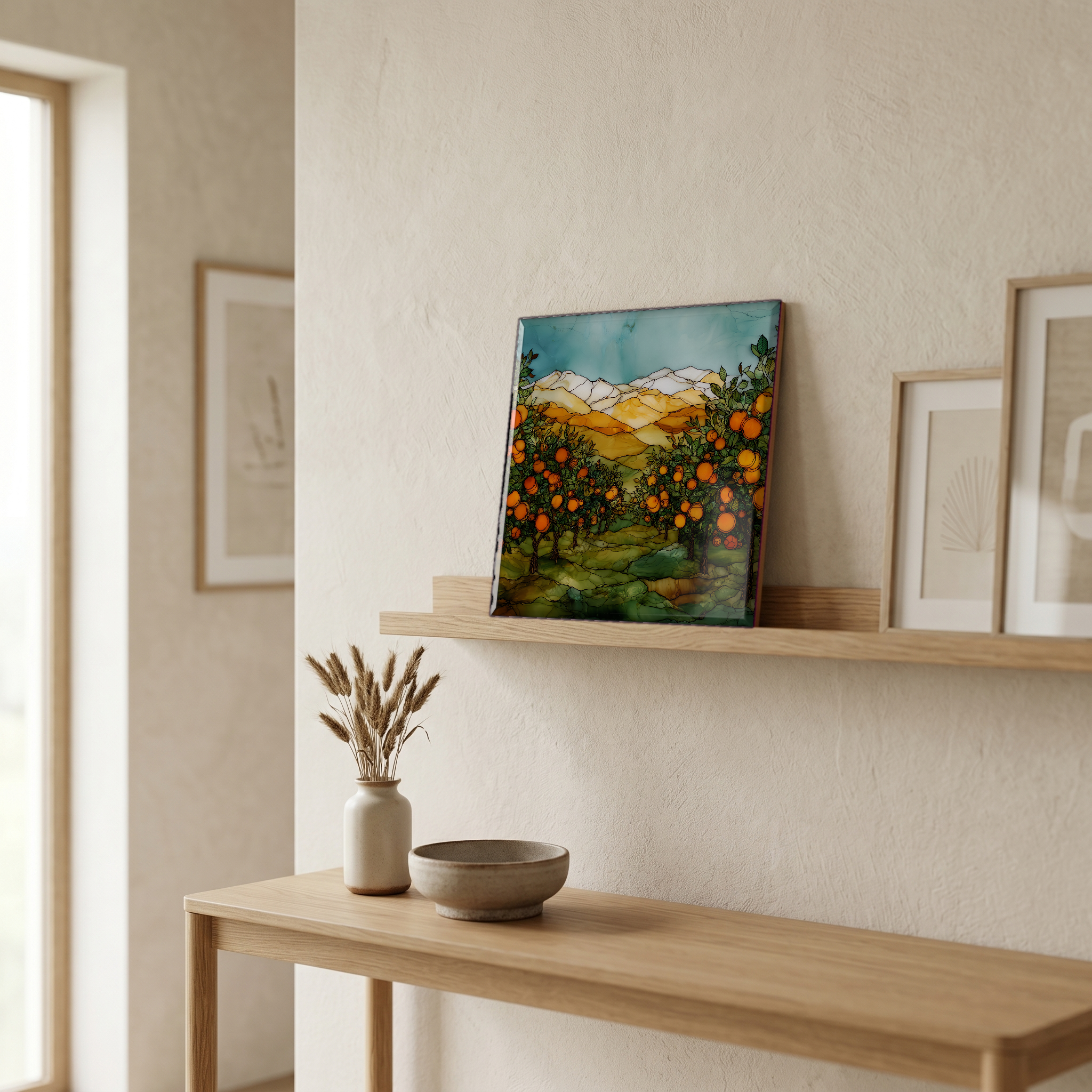
“A long ribbon of orchard along the foothills east of Visalia — Exeter, Lindsay, Porterville, Orange Cove — planted on the benchlands to stay above the winter frost. In late March the bloom comes on at once, and the air for forty miles carries it. The Sierra still has snow on its shoulders that week. The fruit is still on the branch from the season before, hanging next to the new flowers, the way only citrus does.
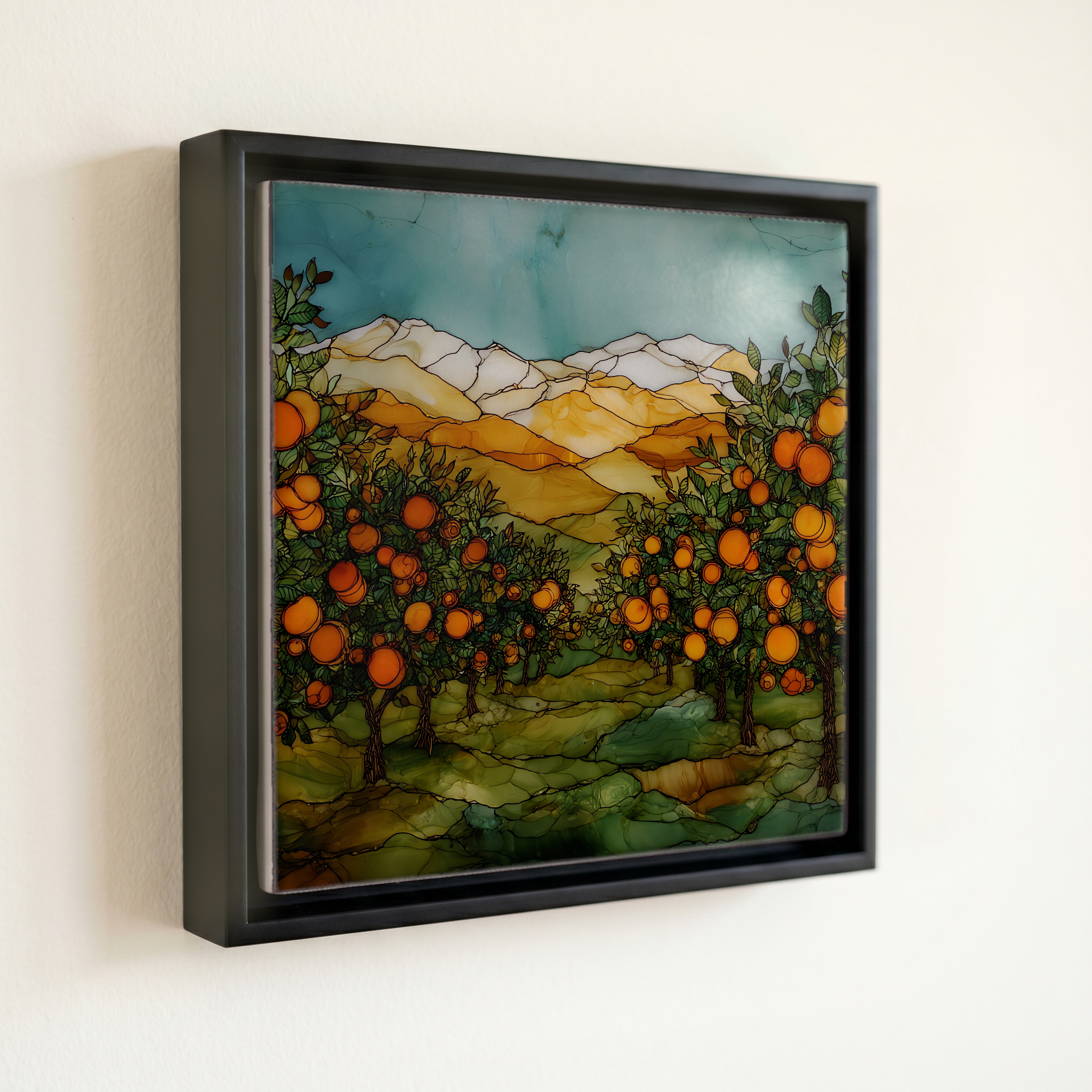
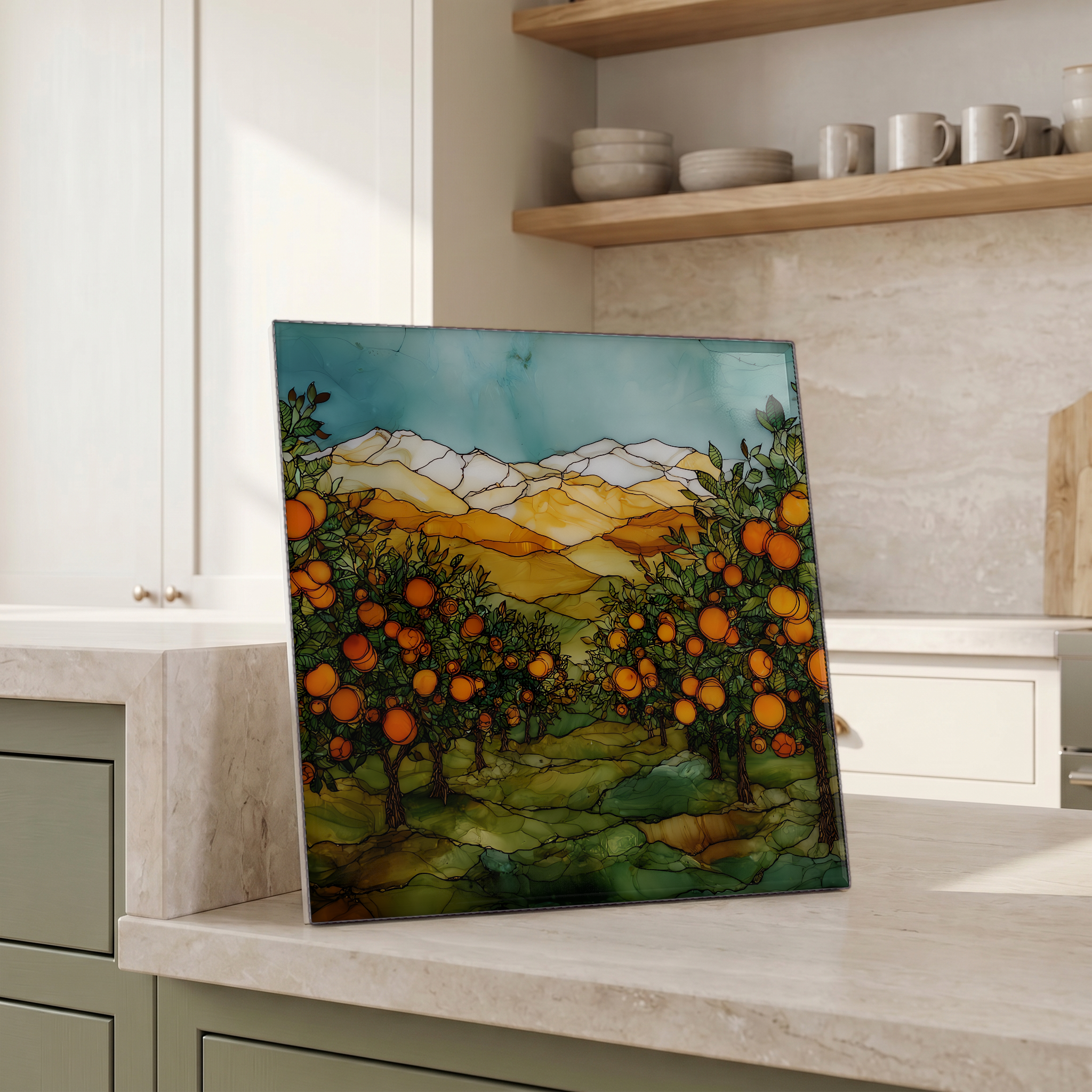
San Joaquin Citrus Groves, on ceramic.
Each tile is finished by hand in our Knoxville studio. Artwork is slowly infused into the ceramic surface under high heat and pressure, and rests beneath a thin glossy finish. The colour lives in the surface, not on top of it.
Pick any four 4-inch tiles — National Parks you've been to, a Smokies set, the four seasons of one place. $ for a set of , cork-backed, ready to live on the table.
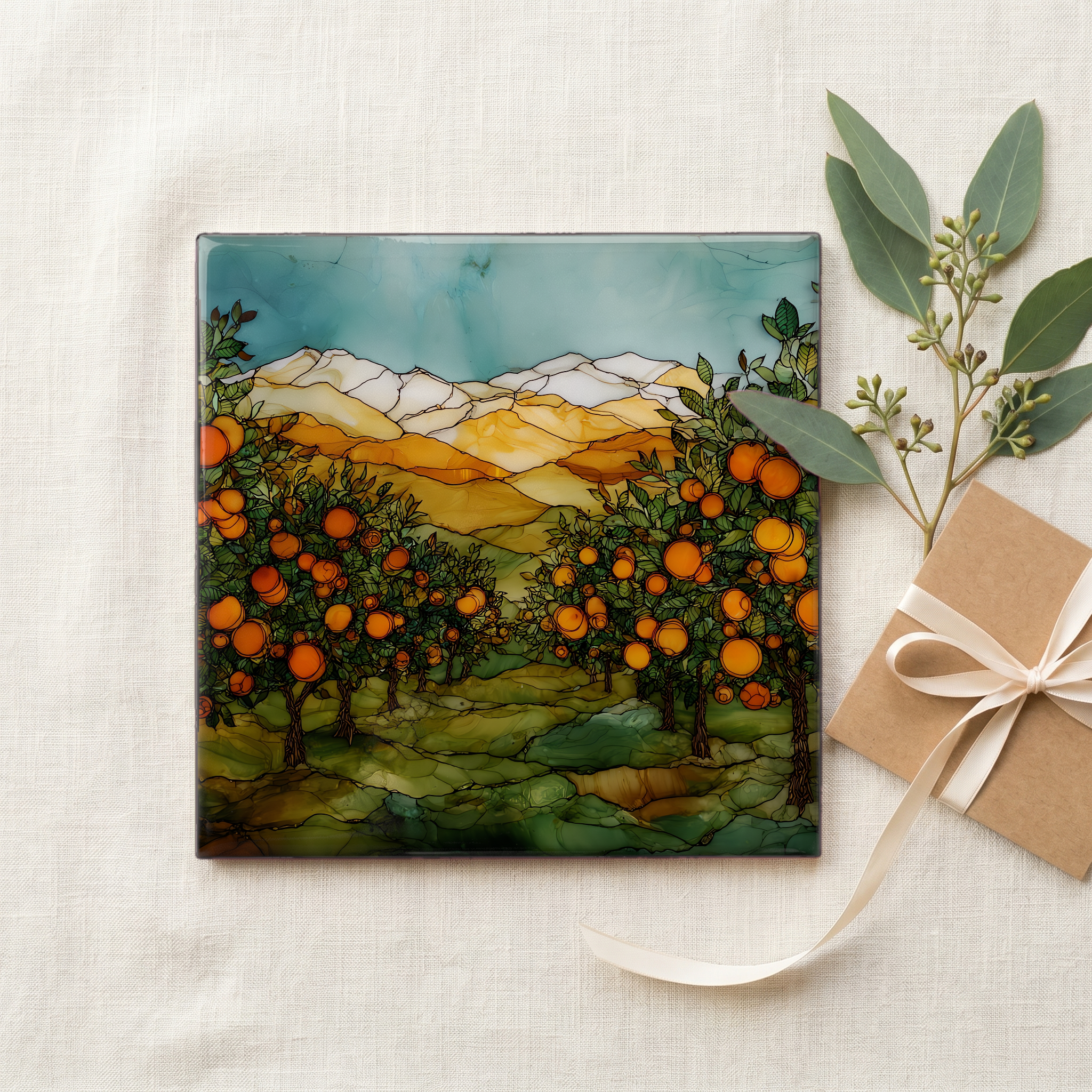
Each tile ships in a kraft box, tied with cream ribbon, with a handwritten note from the studio if you'd like to add one.
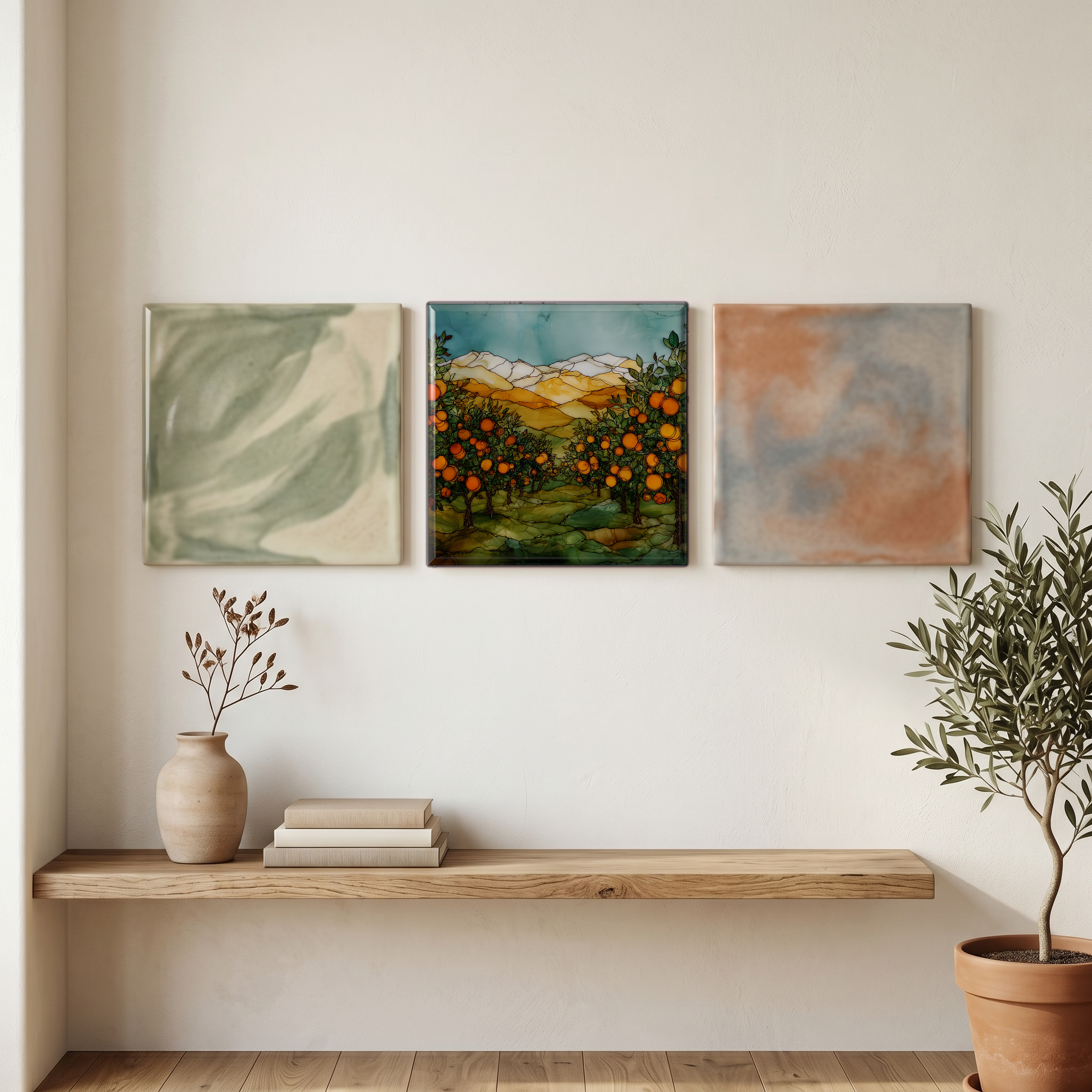
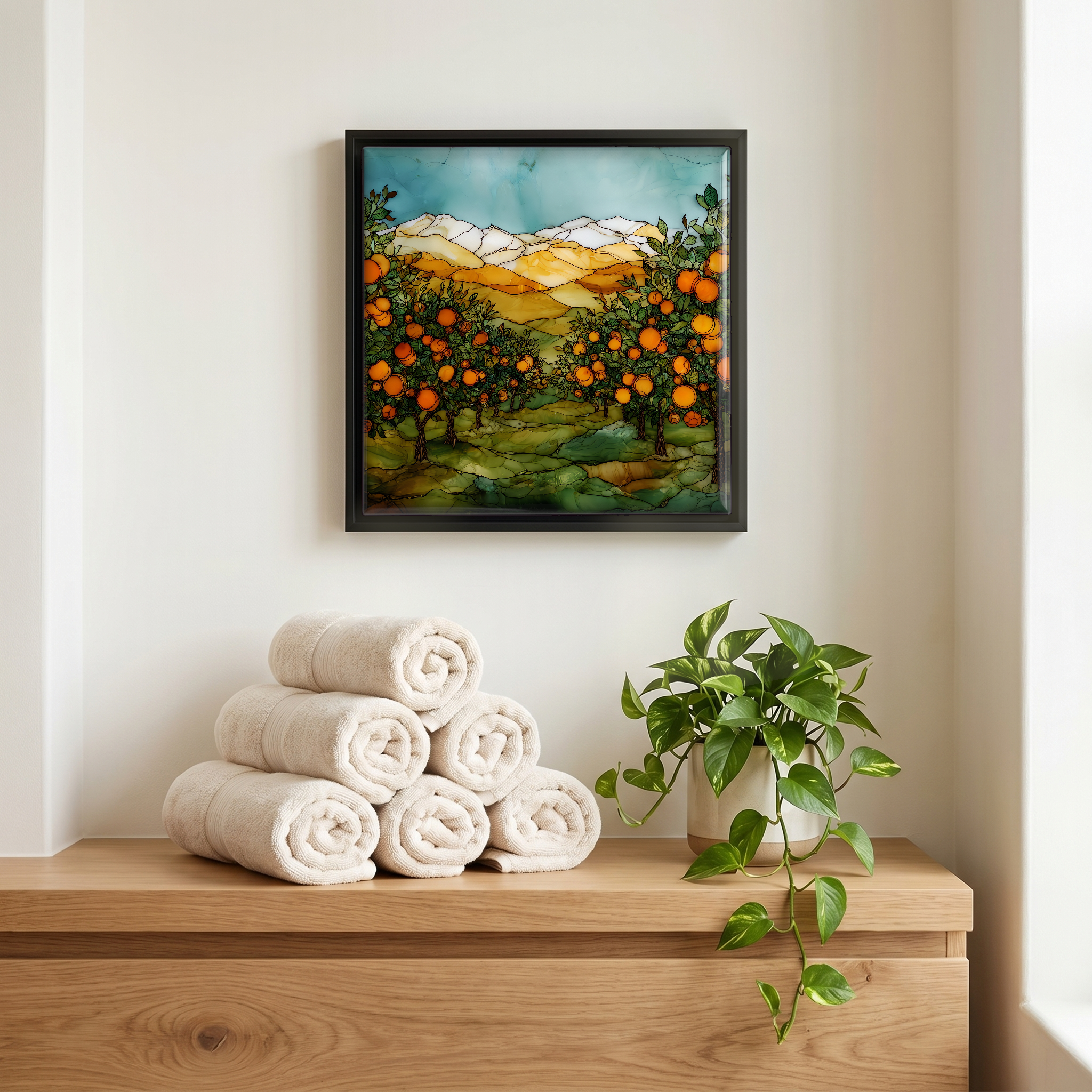
Three or five different vistas, hung together — a chapter of places you've been, or want to go.
The place, in three passes.
The San Joaquin Valley citrus belt runs along the eastern edge of the valley, on benchlands above the valley floor — the foothill thermal belt that stays a few degrees warmer on still winter nights and largely escapes the radiational frost that would kill the trees. Tulare County is the leading citrus-producing county in the United States, with most production concentrated between Visalia and Porterville and the towns of Exeter, Lindsay, and Orange Cove. The Friant-Kern Canal, completed in 1951, delivers irrigation water from Millerton Lake down the corridor. To the east the Sierra Nevada rises to the granite crest of Sequoia and Kings Canyon National Parks.
The navel orange bloom typically opens in the last week of March and runs into April, when the trees flower and the previous season's fruit is still hanging on the same branch. The bloom lasts about three weeks; on still evenings the scent — somewhere between neroli and honeysuckle — carries for miles across the valley. California navel oranges are harvested roughly November through May, with mandarin varieties picked November to April and Valencias from April into October. Frost is the perennial risk: on cold January nights wind machines come on across the foothills, and growers irrigate the orchards to release latent heat into the canopy.
Three colours sit in a citrus grove together in a way you rarely see anywhere else at once. The waxy dark green of the leaves carries through every season; the orange of the fruit holds on the tree from November into May, with growers picking against the wholesale-market calendar rather than ripeness alone; the white blossom comes for about three weeks in late March. The contrast between fruit and flower on the same branch is the image used in the vintage California fruit-crate label art of the 1880s through the 1930s, when the Sunkist cooperative shipped boxes east from packinghouses in Lindsay and Exeter on the Southern Pacific.