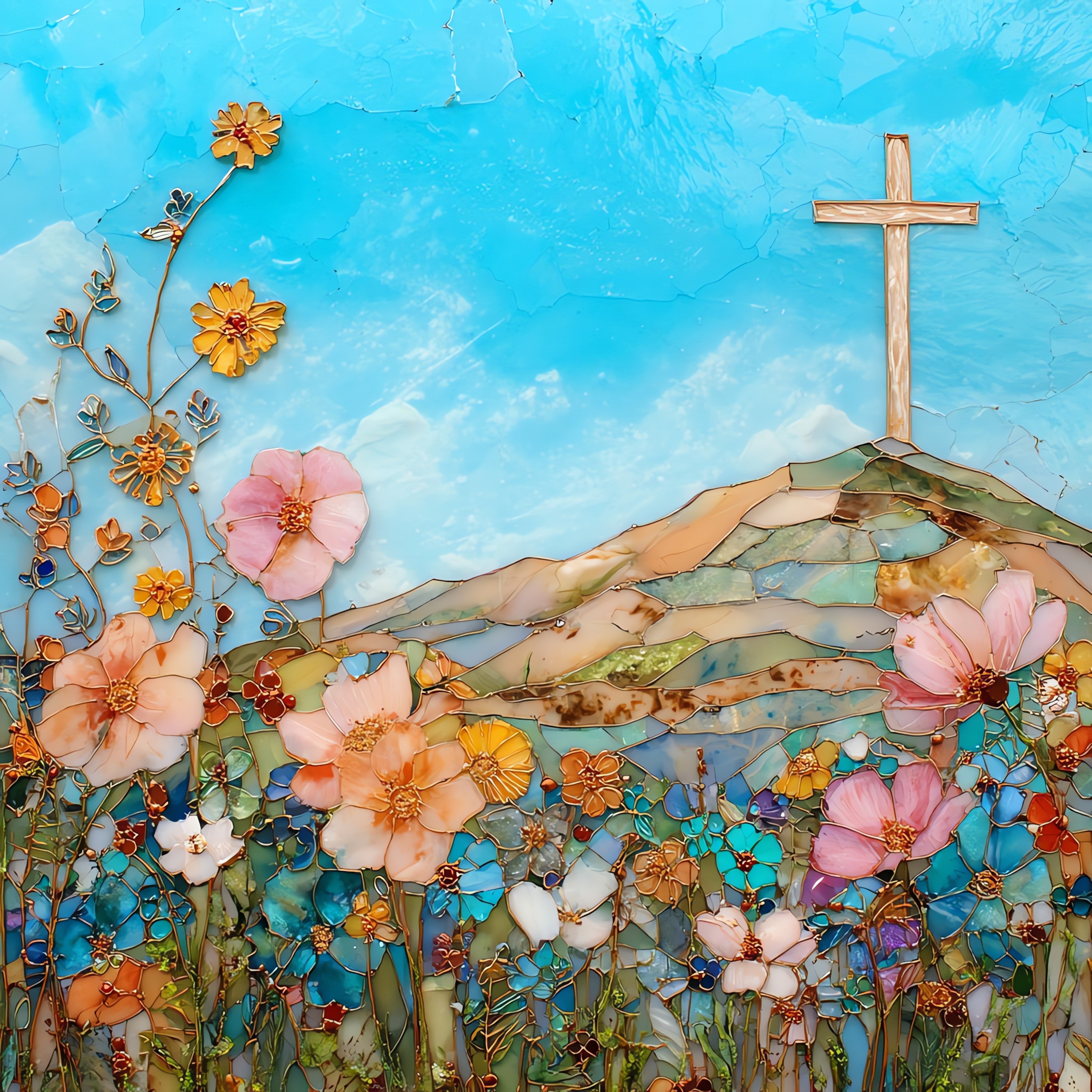
Salvation Mountain
— a mountain one man made out of paint.
Not only on a wall.
“Leonard Knight came to the California desert in 1984 with a hot-air balloon and a message. He stayed almost thirty years and built a hill out of adobe, hay bales, and somewhere on the order of a hundred thousand gallons of donated latex paint. God Is Love is the line painted across the top, in yellow on a pink ground. He lived in his truck at the foot of the work. Knight died in 2014, and a volunteer-run foundation has kept the paint fresh against the desert sun ever since. Most visitors find it by mistake on the way to Slab City. They walk up the yellow brick road that Knight painted into the side.
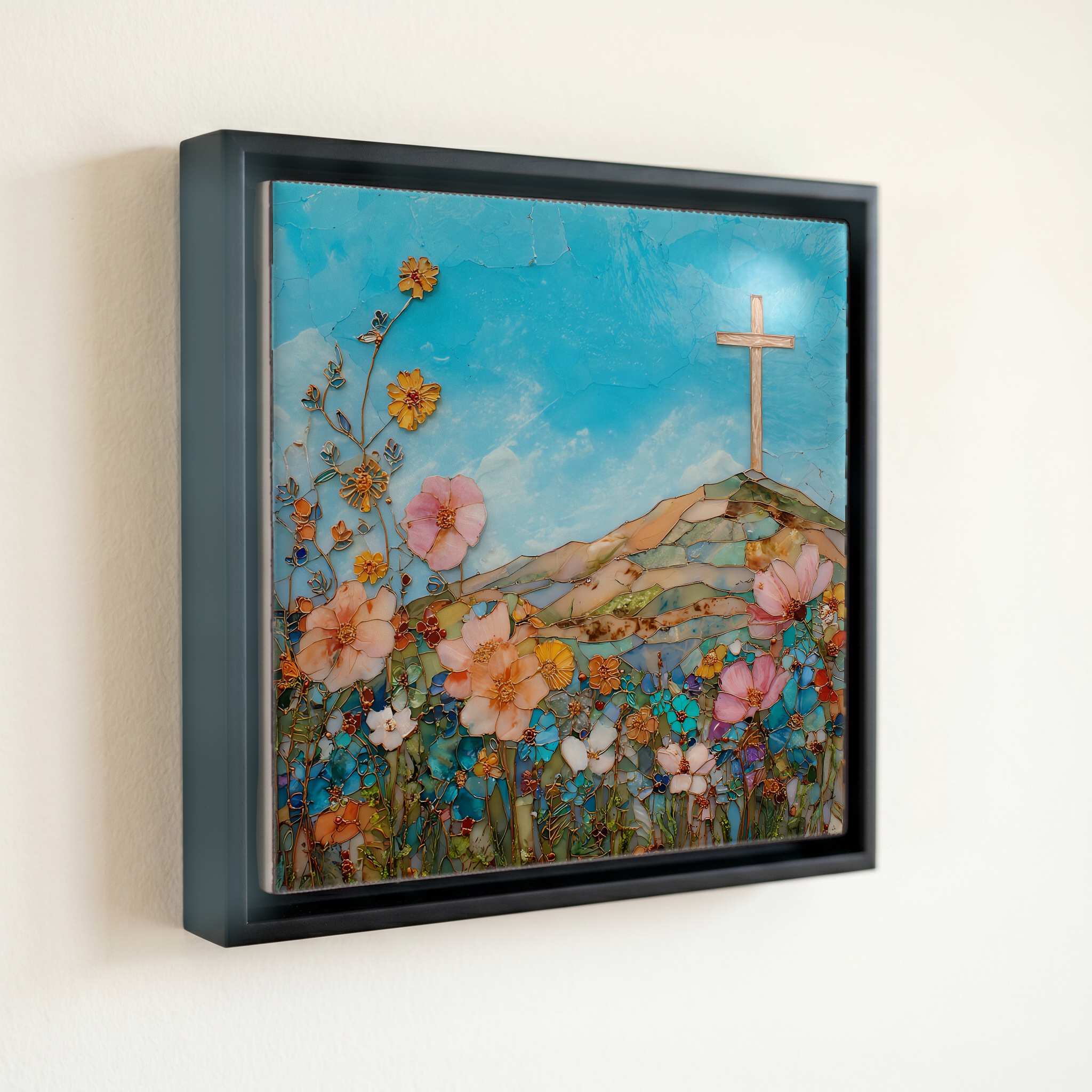
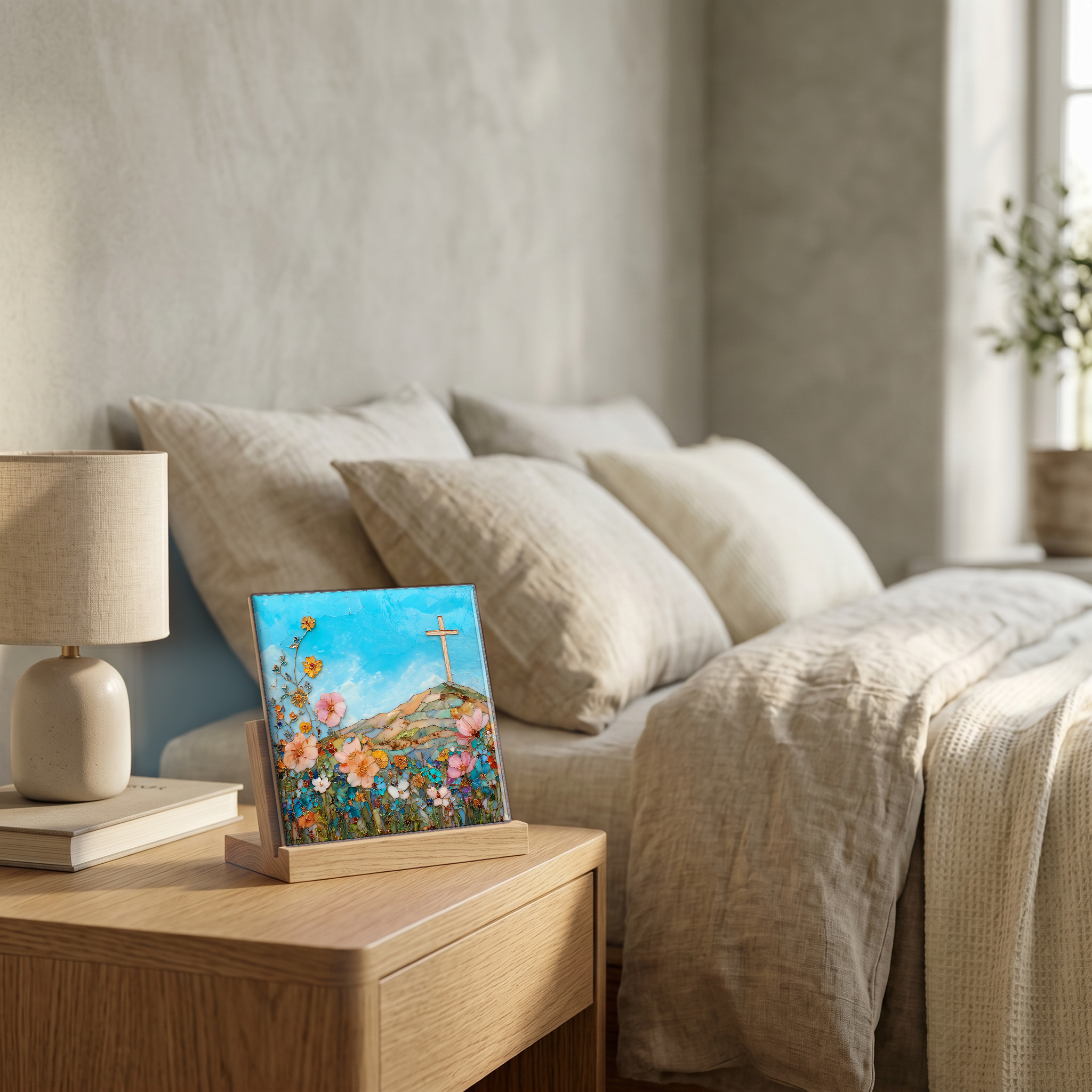
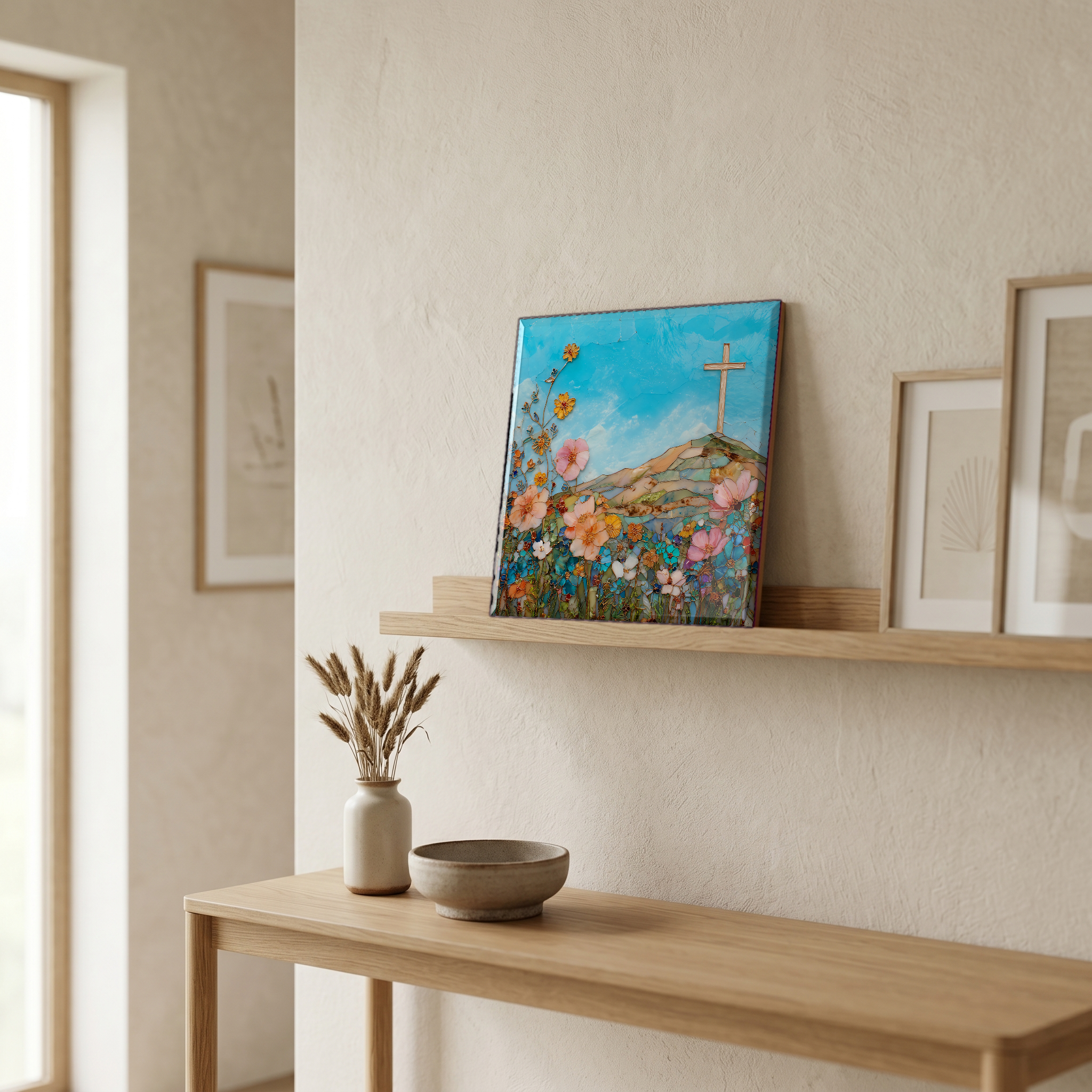
Salvation Mountain, on ceramic.
Each tile is finished by hand in our Knoxville studio. Artwork is slowly infused into the ceramic surface under high heat and pressure, and rests beneath a thin glossy finish. The colour lives in the surface, not on top of it.
Pick any four 4-inch tiles — National Parks you've been to, a Smokies set, the four seasons of one place. $ for a set of , cork-backed, ready to live on the table.
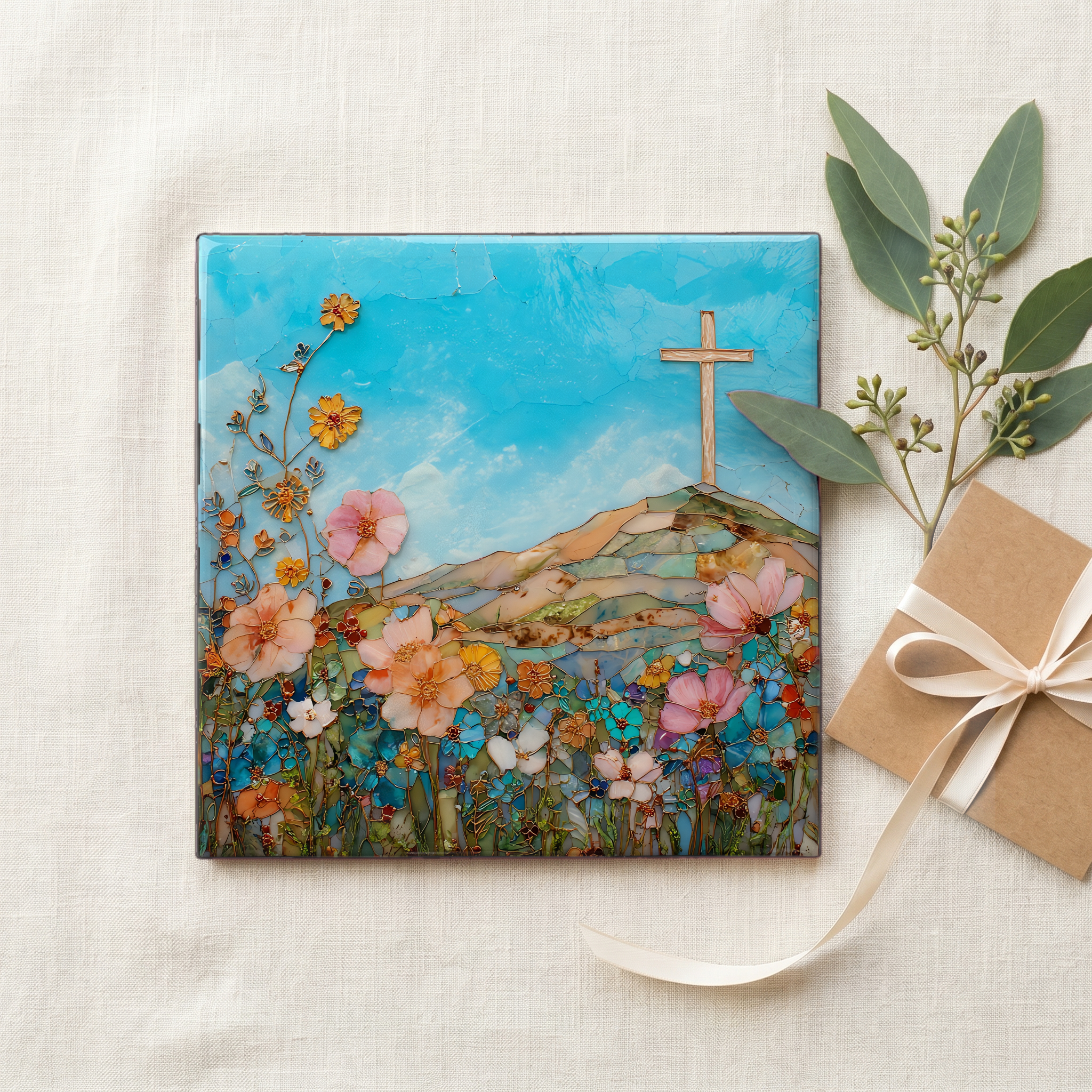
Each tile ships in a kraft box, tied with cream ribbon, with a handwritten note from the studio if you'd like to add one.
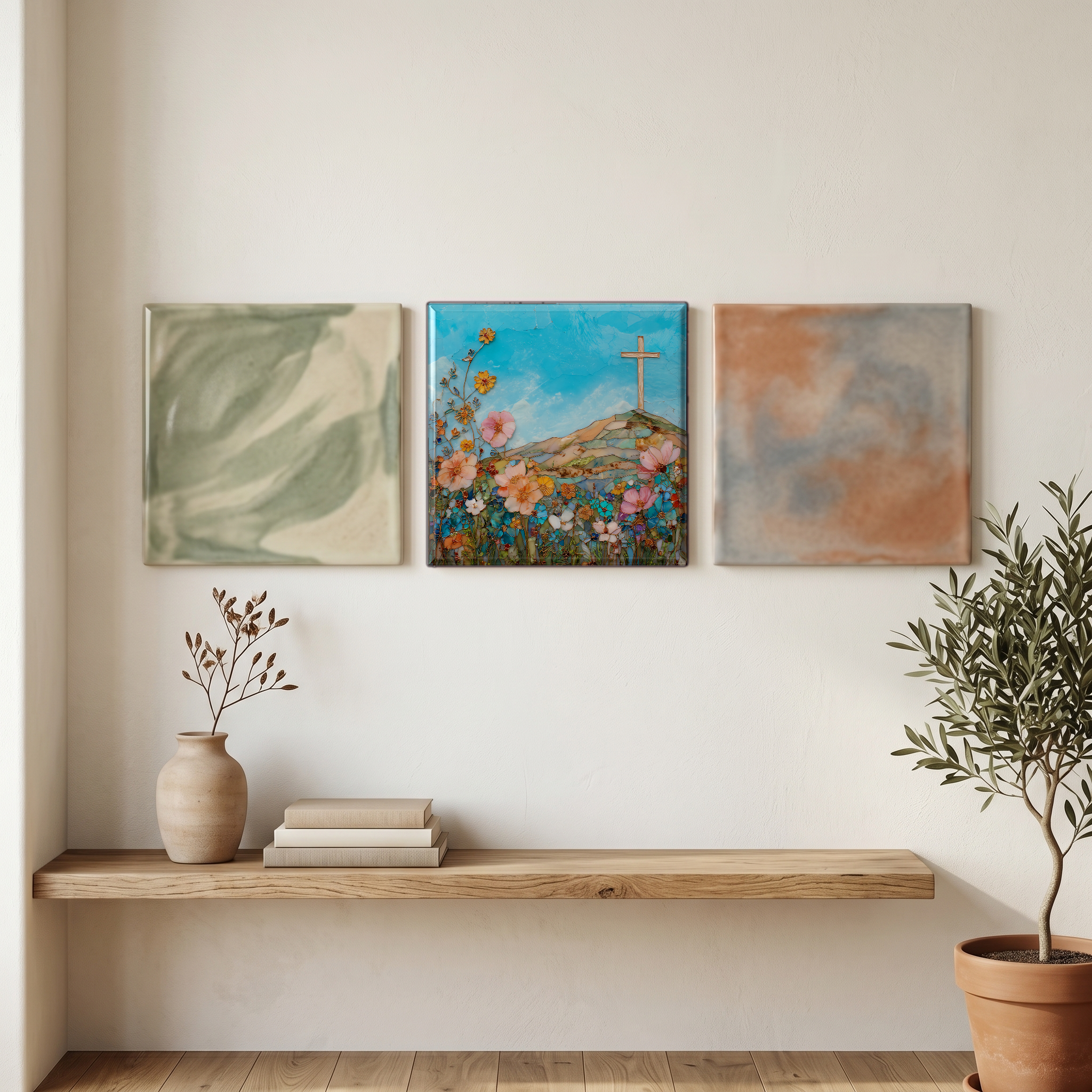
Three or five different vistas, hung together — a chapter of places you've been, or want to go.
The place, in three passes.
Salvation Mountain is a folk-art monument in Imperial County, California, about a mile east of the small farming town of Niland and a few hundred yards from the entrance to Slab City. It stands roughly 50 feet tall and 150 feet across the painted face. The structure is built of adobe and straw bales packed against the side of a low desert rise, then sealed under layer on layer of latex paint. Leonard Knight began the work in 1984 after an earlier hot-air-balloon project failed in the same desert. He gave the rest of his life to it. The site sits in the desert lowlands east of the Salton Sea, with the Chocolate Mountains rising in the distance to the northeast.
The colour is what you remember. Knight worked from a small palette of donated house paint: a sky blue, a sun yellow, a fire-engine red, a bubble-gum pink, and the occasional white. The pigment lays on in irregular coats because every gallon that came in was a different formulation. Sun and wind degrade latex within a few seasons in the Salton Sink, where summer surface temperatures cross 120°F. The colour you see on any given visit is therefore weeks or months old at most. Salvation Mountain, Inc., the volunteer organisation that took the work on after Knight's death, runs paint days through the cooler months. Donated cans arrive from across the country, addressed to the mountain.
The mountain is free to visit and open from sunrise to sunset, every day. There is no admission desk, no fence, and no schedule of guided tours. A small visitors' kiosk near the base sells postcards and accepts donations of money or paint; both keep the work upright. The nearest fuel and food are in Niland, about a mile west on Beal Road, and the next town with a motel is Brawley, roughly 25 miles south. Summer visits are not advised. The interior of Knight's old truck, parked at the base, is part of the work and is the one item visitors are asked not to climb on. Otherwise people are encouraged to walk the painted paths, including the yellow brick road that climbs the front.