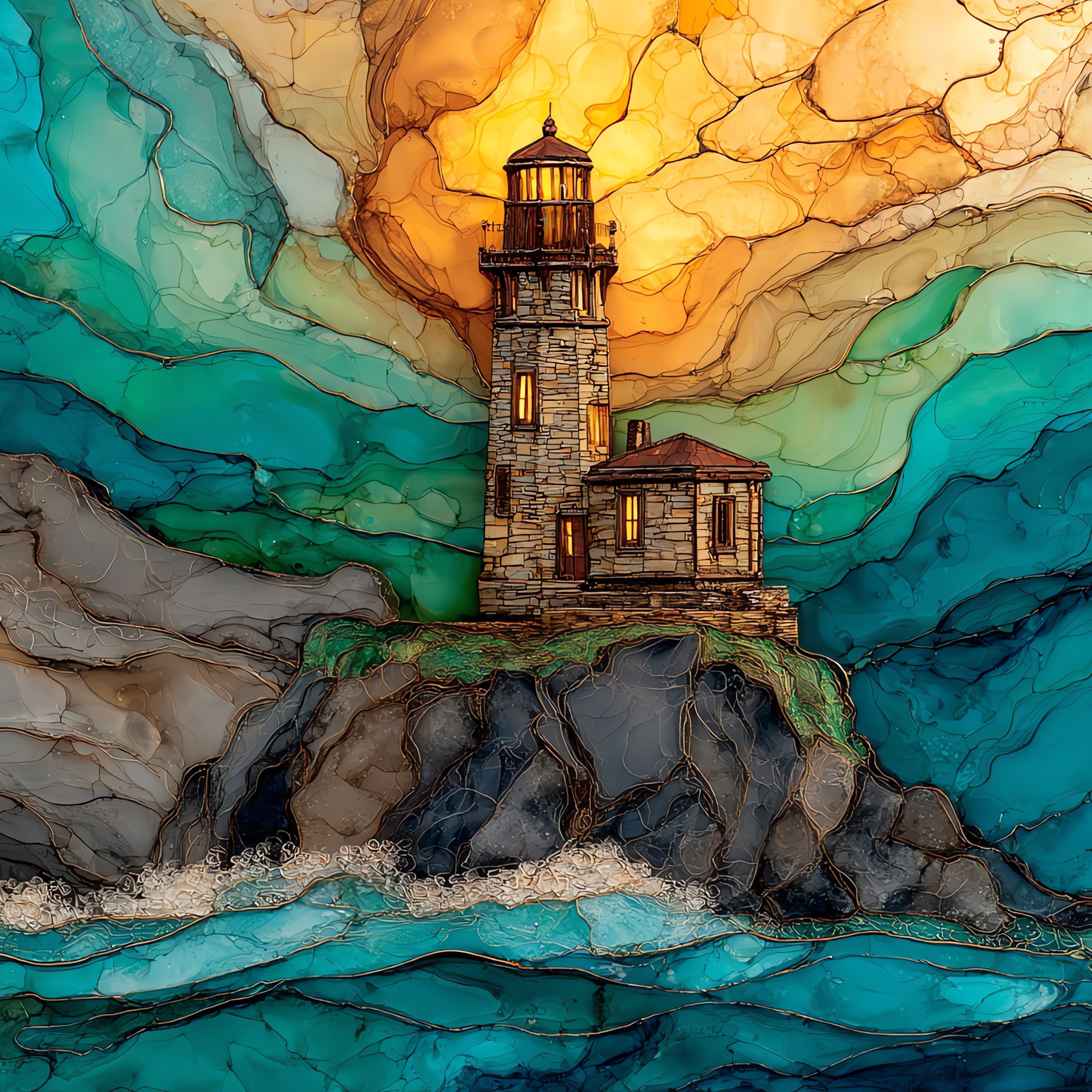
Point Sur Light Station
— the light kept on a rock above the swell.
Not only on a wall.
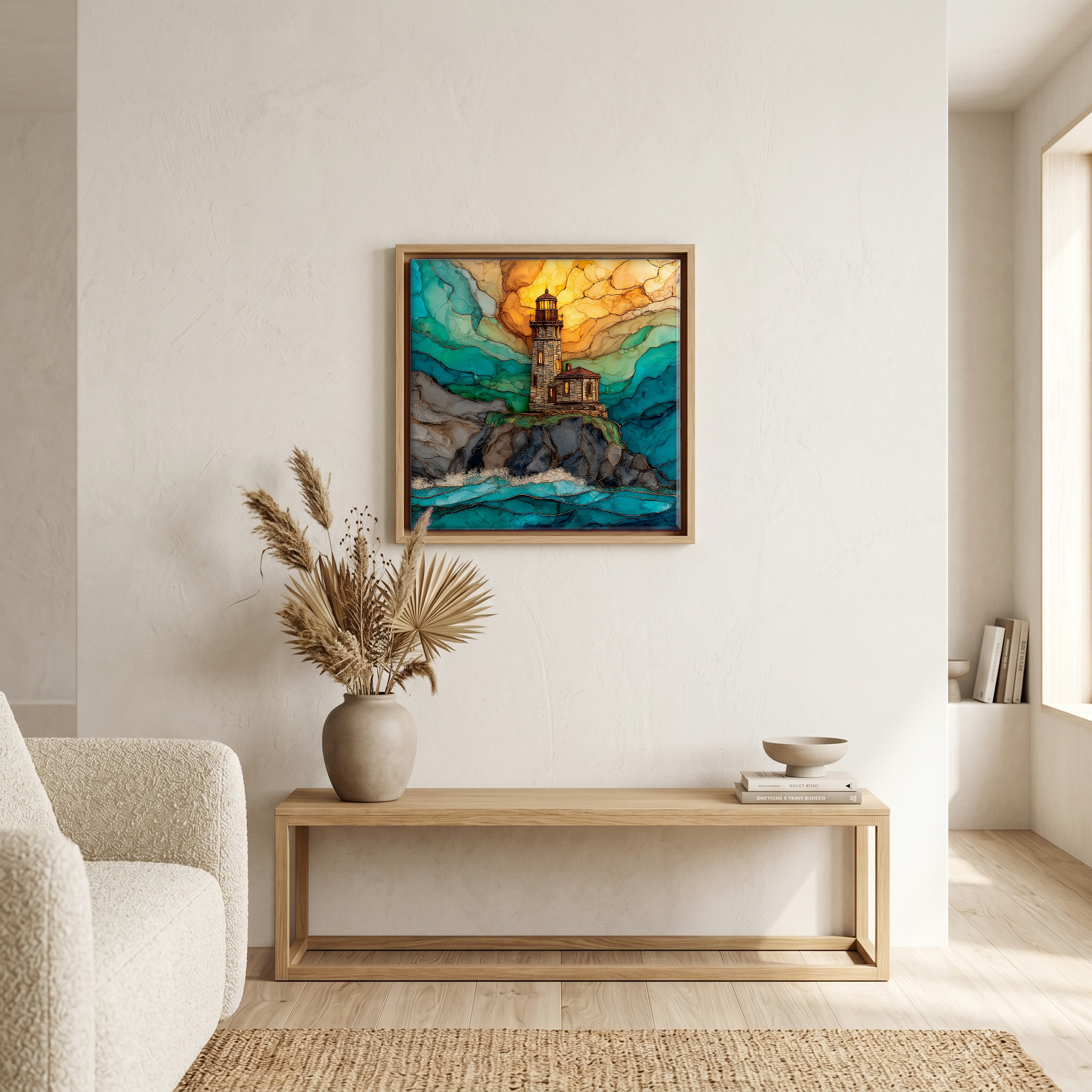
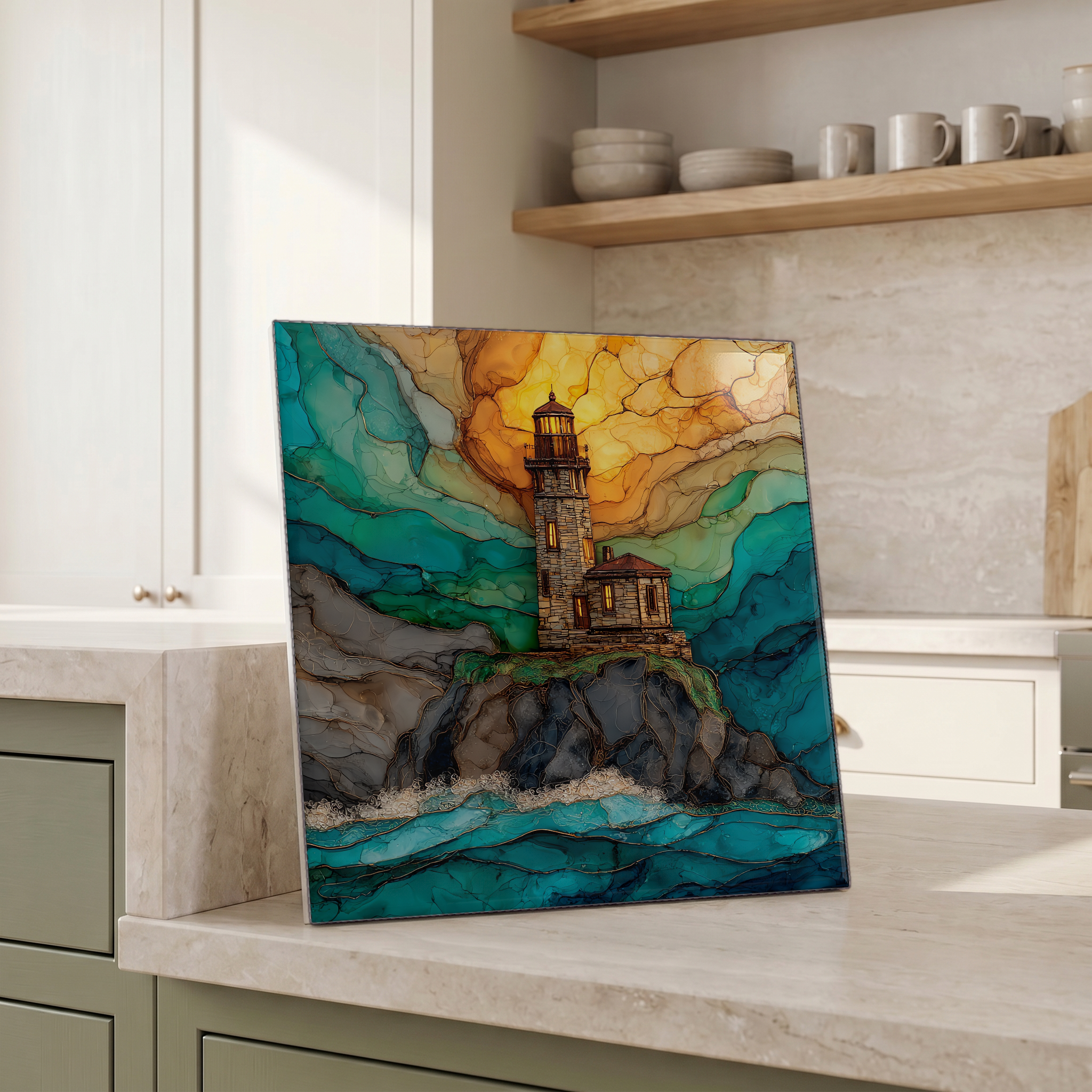
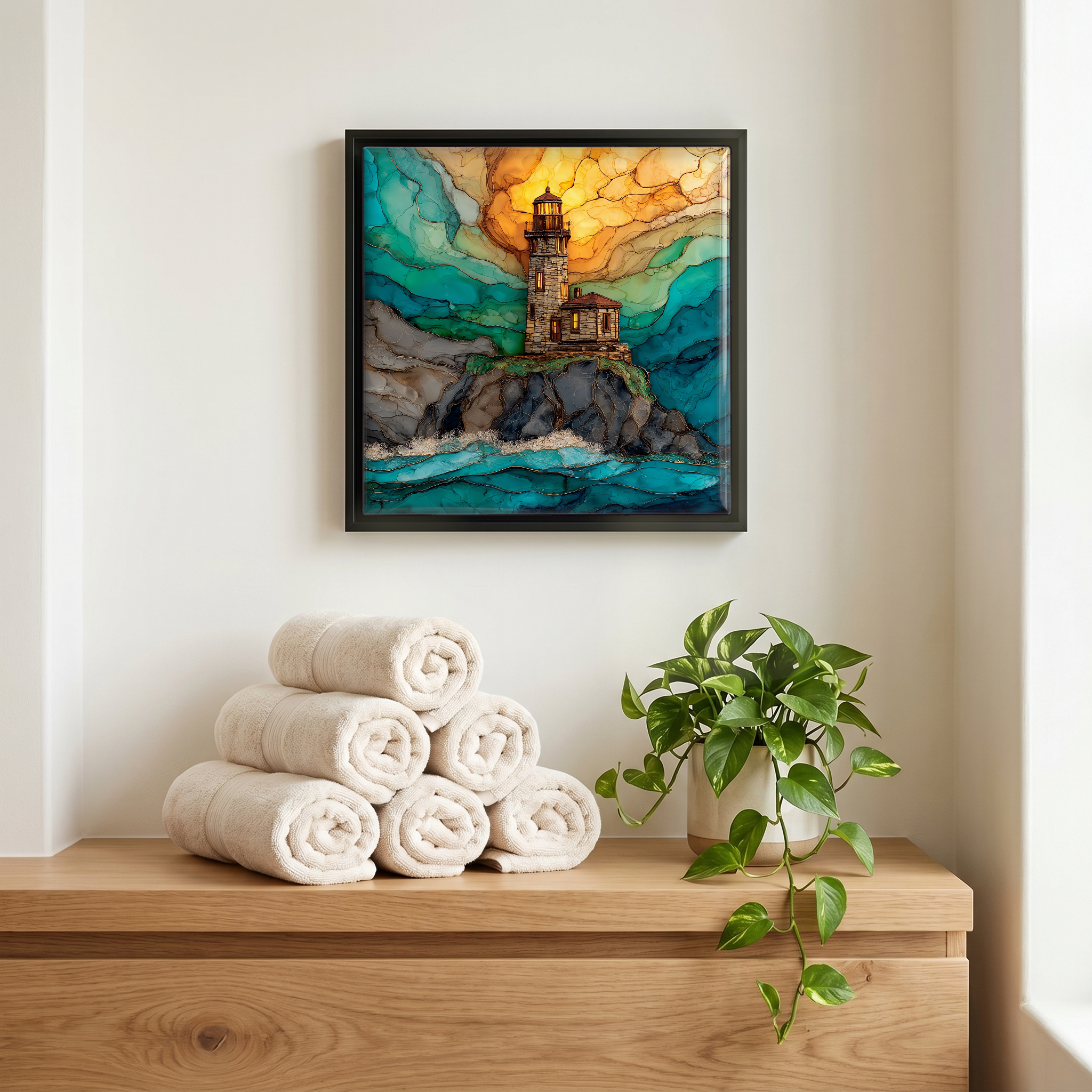
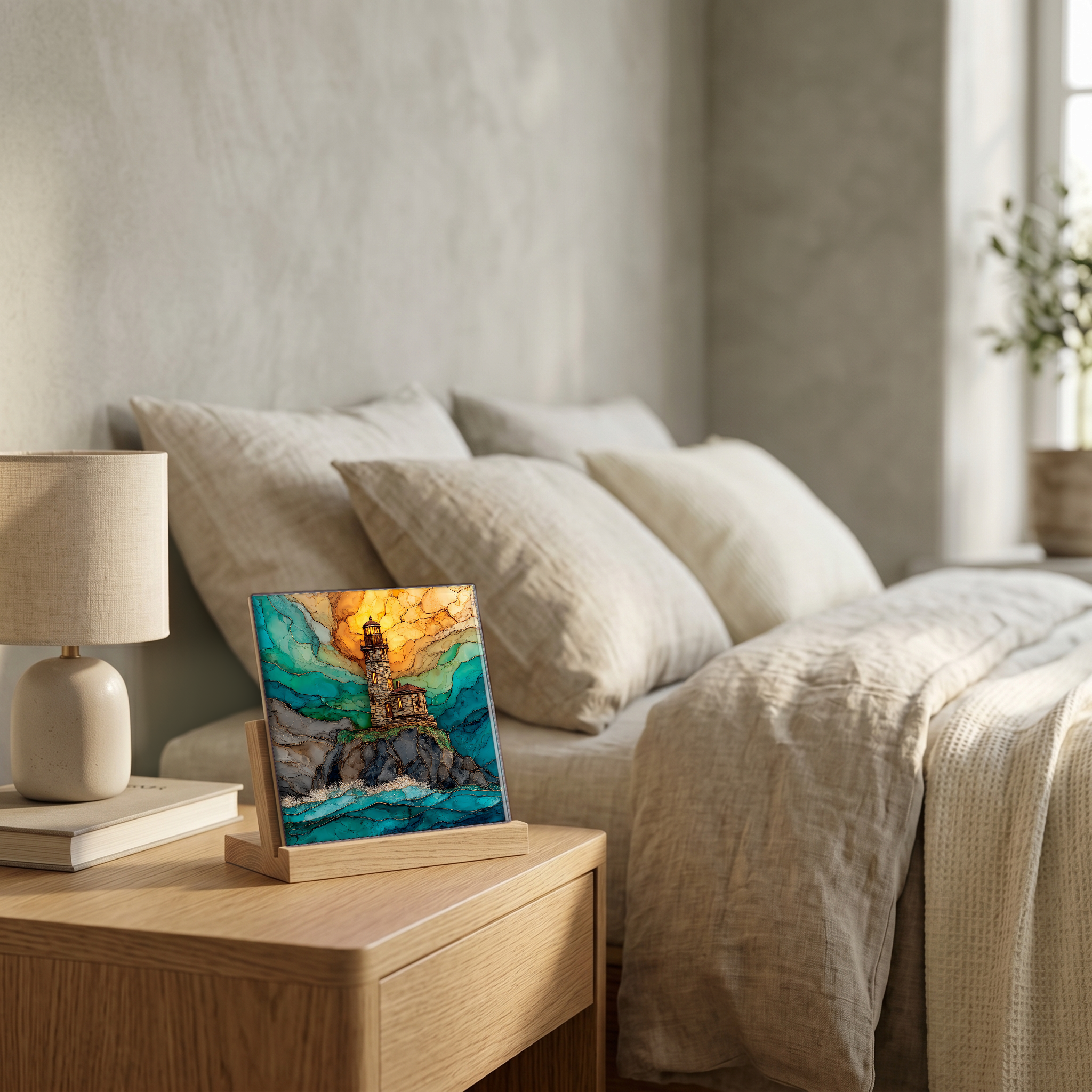
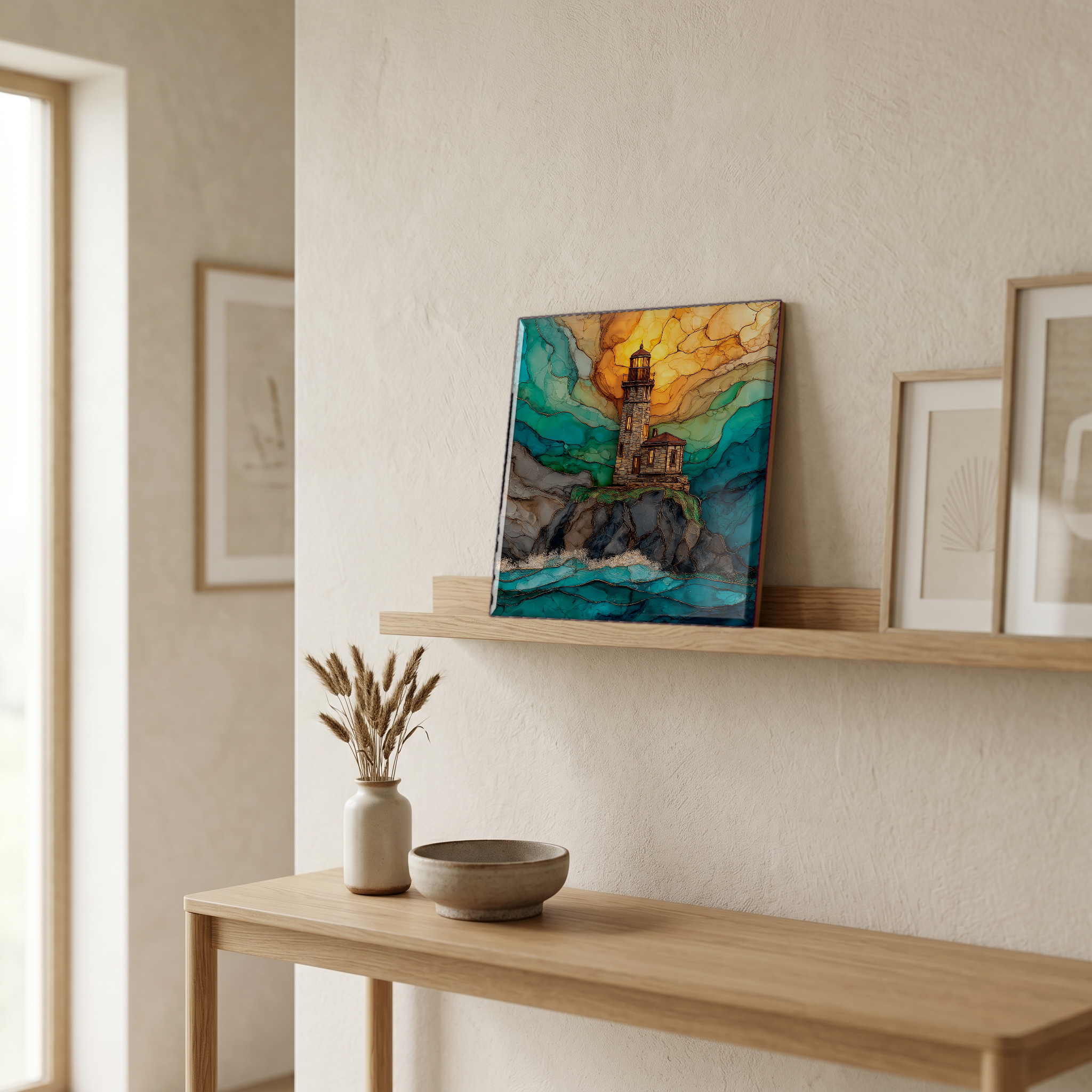
“A volcanic sea-stack rising 361 feet from the surf, joined to the Big Sur coast by a low sand isthmus that the tide nearly covers. Point Sur Light Station took its first watch on August 1, 1889, lighting a stretch of California coast that had taken three ships in a single year. The keepers' quarters, the blacksmith's shop, and the small stone barn still stand at the top of the trail; the original Fresnel lens is now in the museum down in Monterey. Access is by guided tour only, three hours on foot, in whatever weather the cape sends.
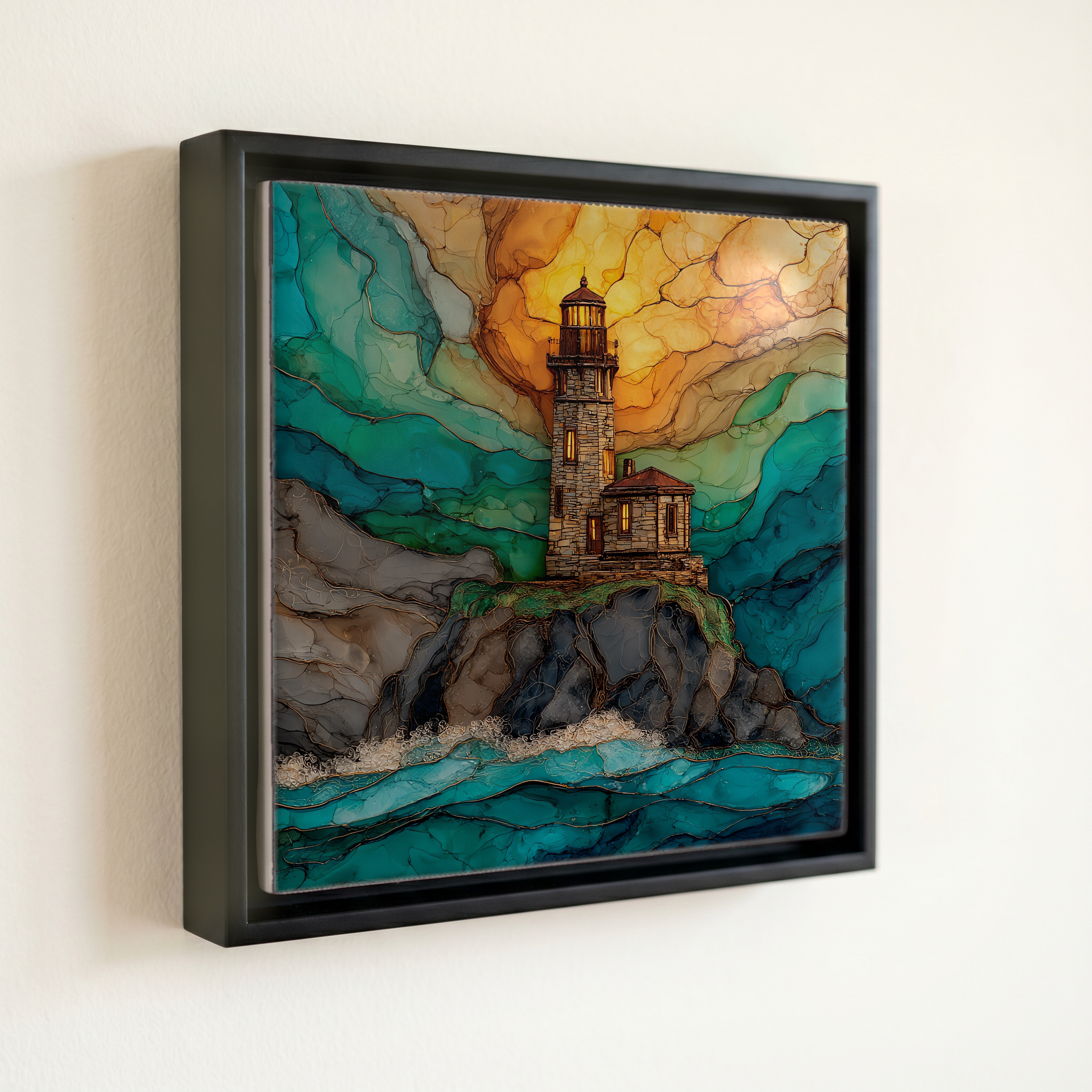
Point Sur Light Station, on ceramic.
Each tile is finished by hand in our Knoxville studio. Artwork is slowly infused into the ceramic surface under high heat and pressure, and rests beneath a thin glossy finish. The colour lives in the surface, not on top of it.
Pick any four 4-inch tiles — National Parks you've been to, a Smokies set, the four seasons of one place. $ for a set of , cork-backed, ready to live on the table.
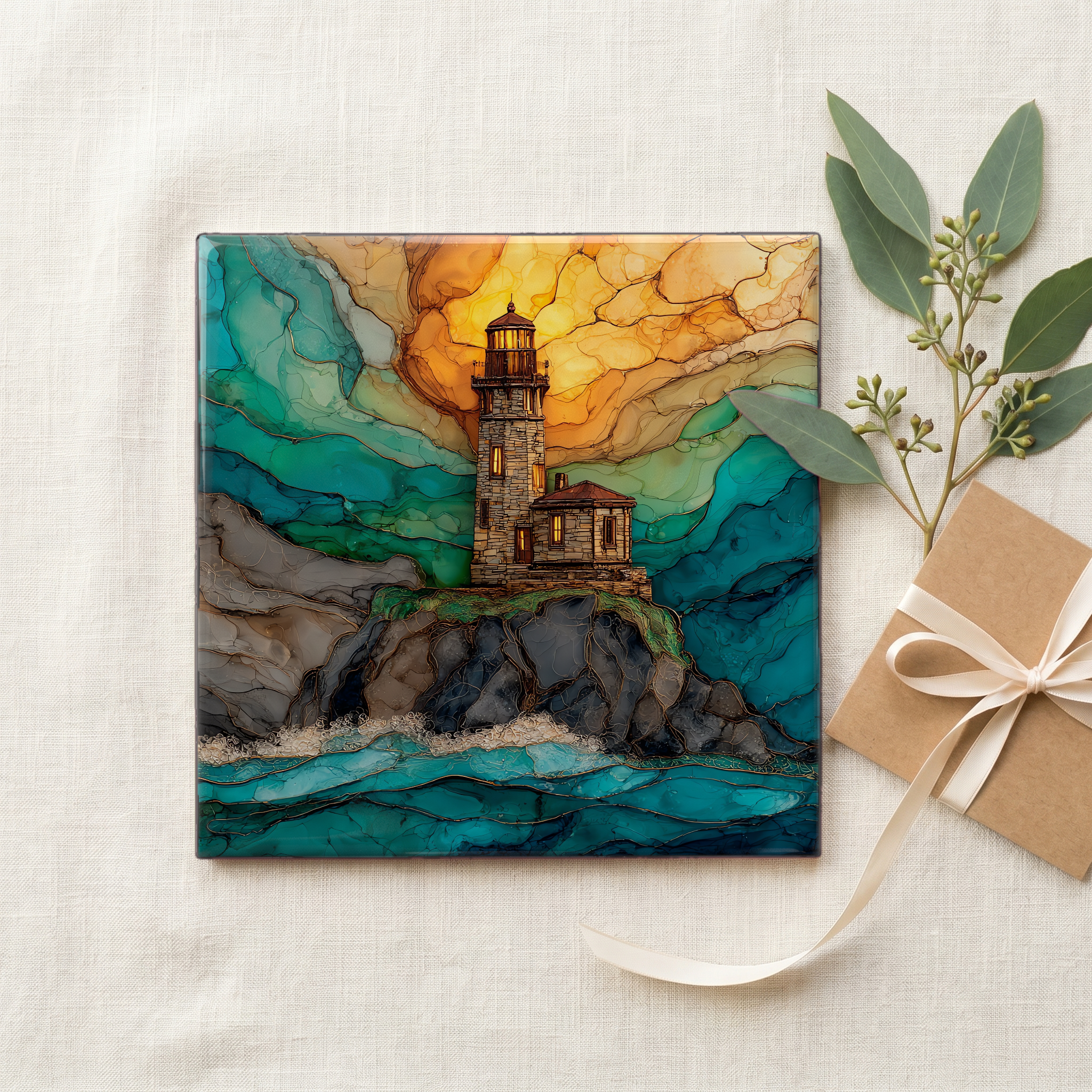
Each tile ships in a kraft box, tied with cream ribbon, with a handwritten note from the studio if you'd like to add one.
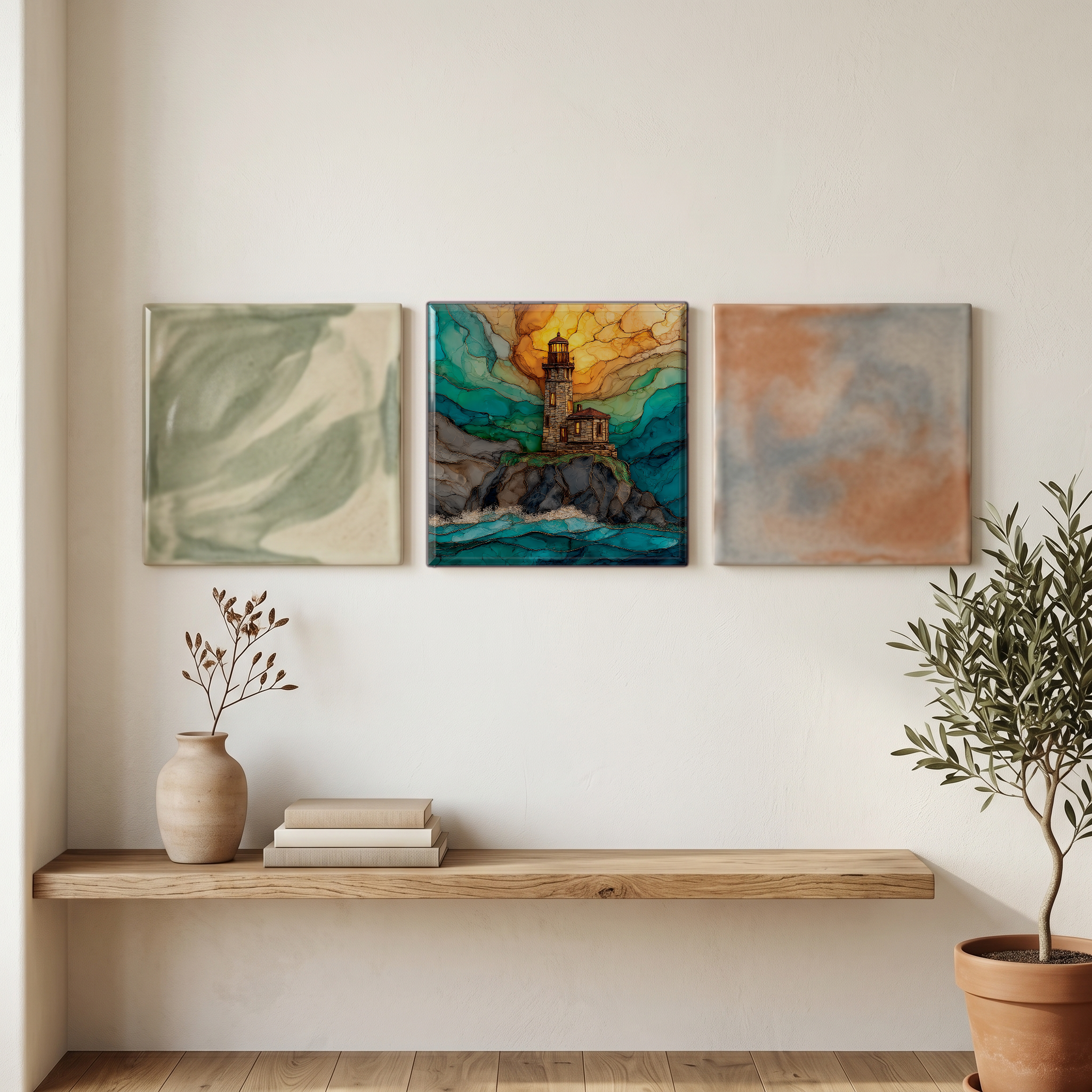
Three or five different vistas, hung together — a chapter of places you've been, or want to go.
The place, in three passes.
Point Sur sits on a 361-foot volcanic rock at the northern edge of the Big Sur coast, about twenty miles south of Carmel along California State Route 1. The light station was authorized after a string of nineteenth-century wrecks, including the SS Los Angeles in 1873 and the Ventura in 1875. It went into service on August 1, 1889. The rock is connected to the mainland by a low sand isthmus often awash at high tide; the original road still climbs through cut-stone switchbacks to the keepers' quarters above. The station is run today as Point Sur State Historic Park, managed jointly by California State Parks and the nonprofit Central Coast Lighthouse Keepers.
Point Sur's rock is a remnant of ancient volcanic activity, a hard igneous plug that the surrounding softer rock has weathered away from over millennia. The tower itself is built of sandstone quarried on the site, plastered, and painted white. The keepers' quarters, the blacksmith's shop, and the small barn are built in the same stone, fitted to a flat ledge two-thirds of the way up the rock. Salt-laden wind, fog, and rain have rounded every exposed corner of the masonry. A 1980s-era restoration replaced the corroded original lantern deck and steel railings; the walls below are largely original to 1889.
The light station is open by guided tour only. The walk from the parking pullout on Highway 1 climbs nearly 360 feet through switchbacks to the top of the rock, on a paved service road. Tours run roughly three hours and cover the lighthouse, the keepers' quarters, the blacksmith's shop, and the stables. Schedule varies by season; Wednesday, Saturday, and Sunday are the most common days. Moonlight tours are offered around full moons in the warmer months. The park asks visitors to bring sturdy shoes, water, and a windproof layer. Children must be at least six years old. There is no shade and no shelter once the climb begins.