Wender·Vista
Point Lobos
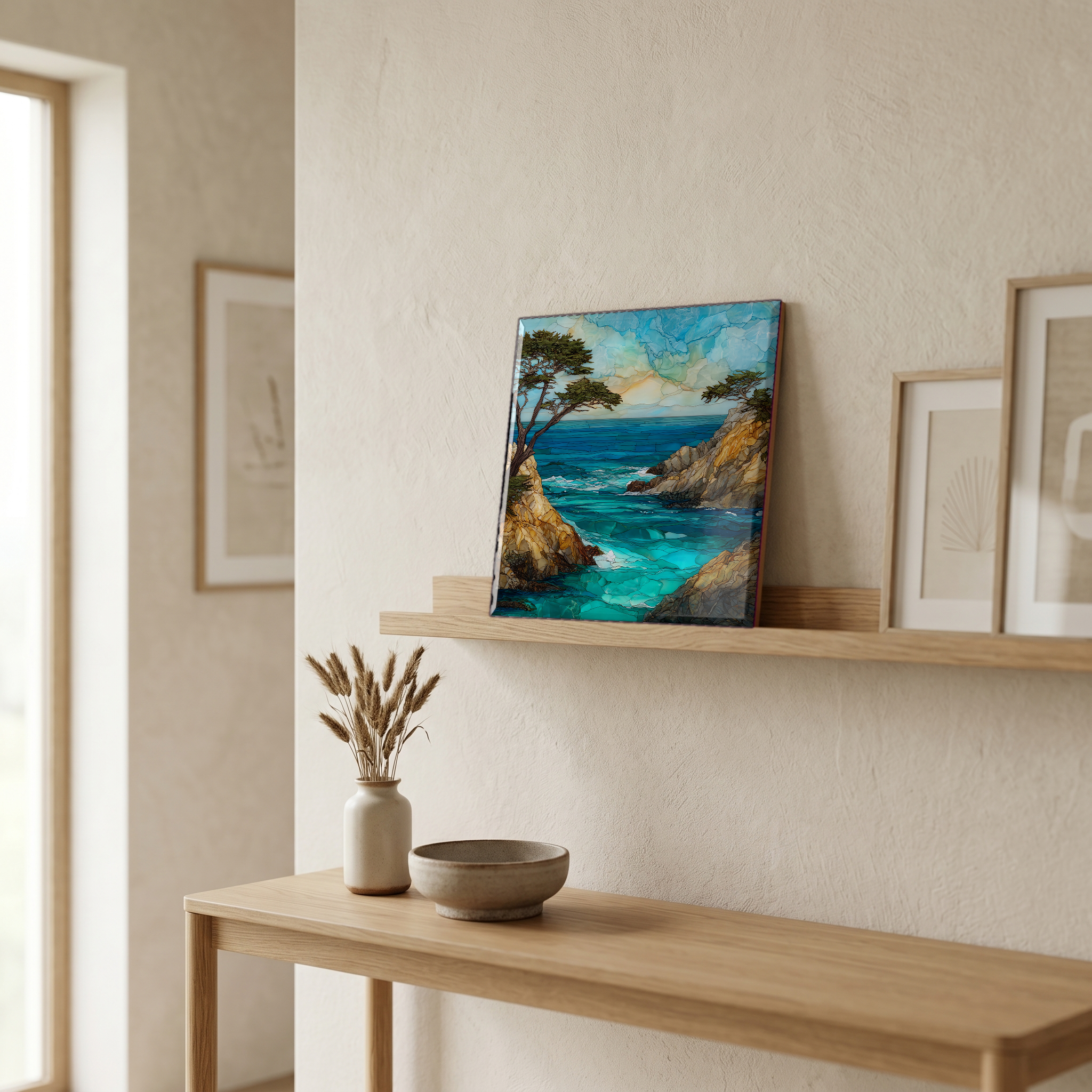
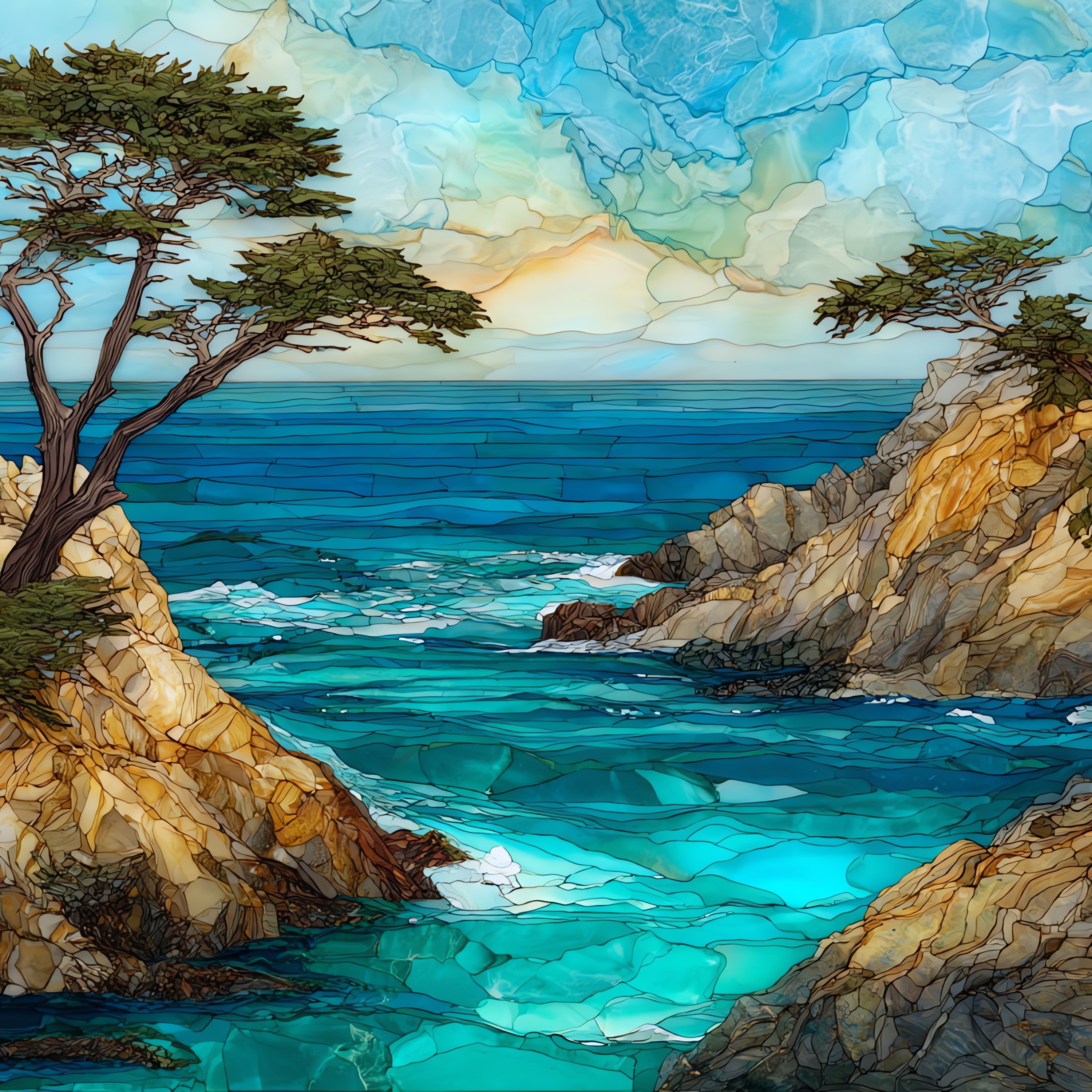
shown on ceramic, 12-inch tileCalifornia · United States
south of Carmel-by-the-Sea, where the cypress meet the granite

Point Lobos

— the cypress that grows only here.

Where it lives

Not only on a wall.

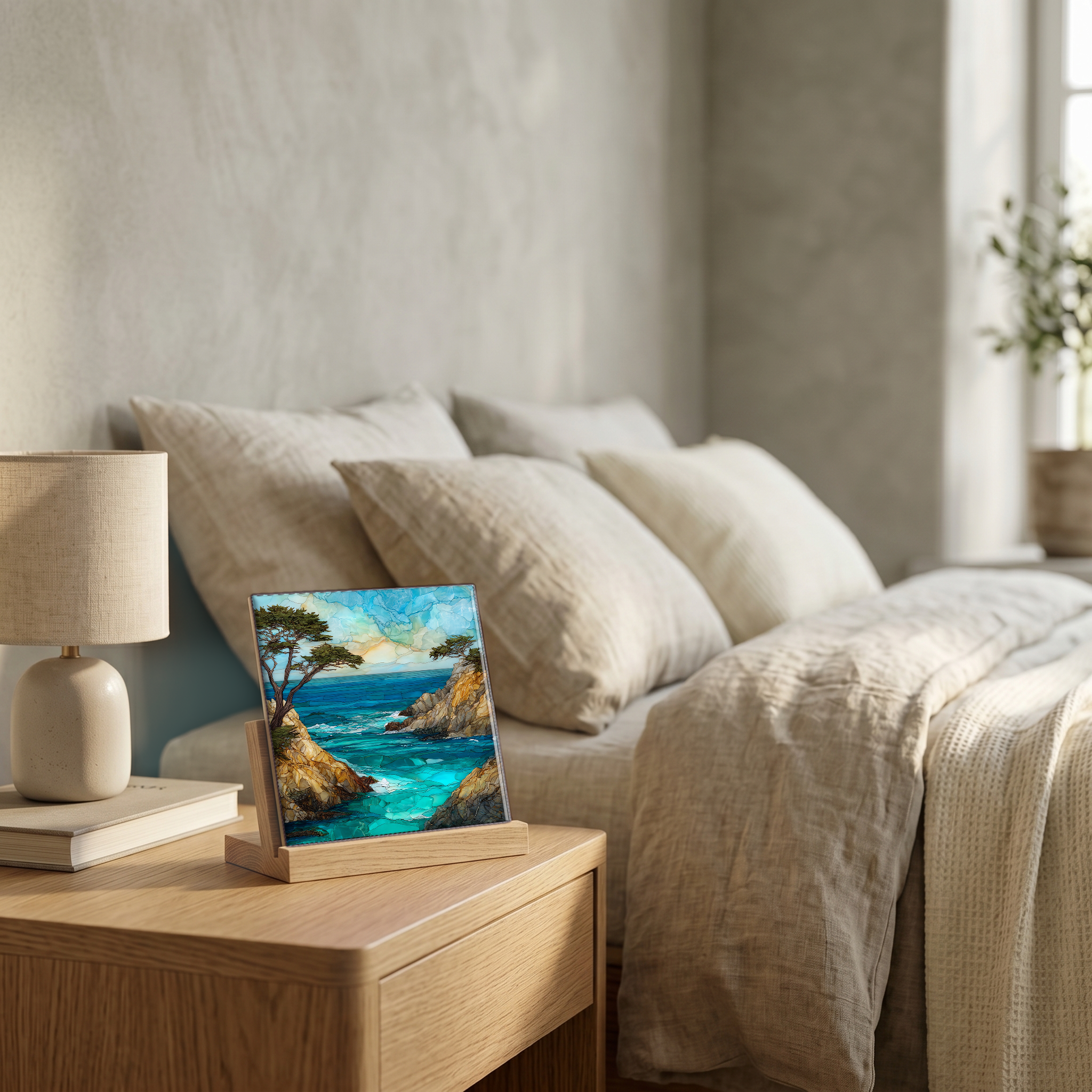
A small tile on the nightstand catching the morning. A larger one above the fire. Yours, wherever you spend the slow hours.
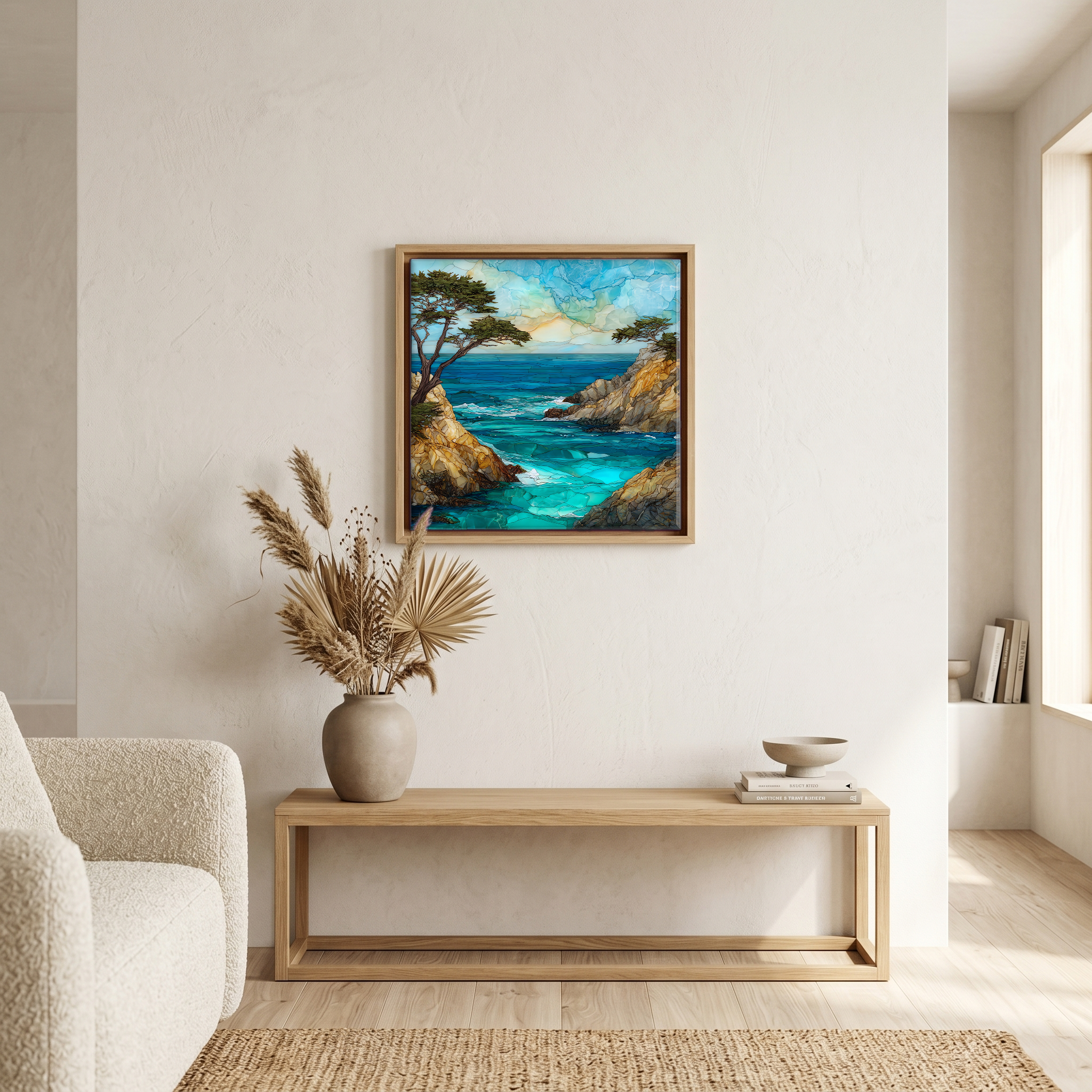
Above the bench, in a warm oak surround.
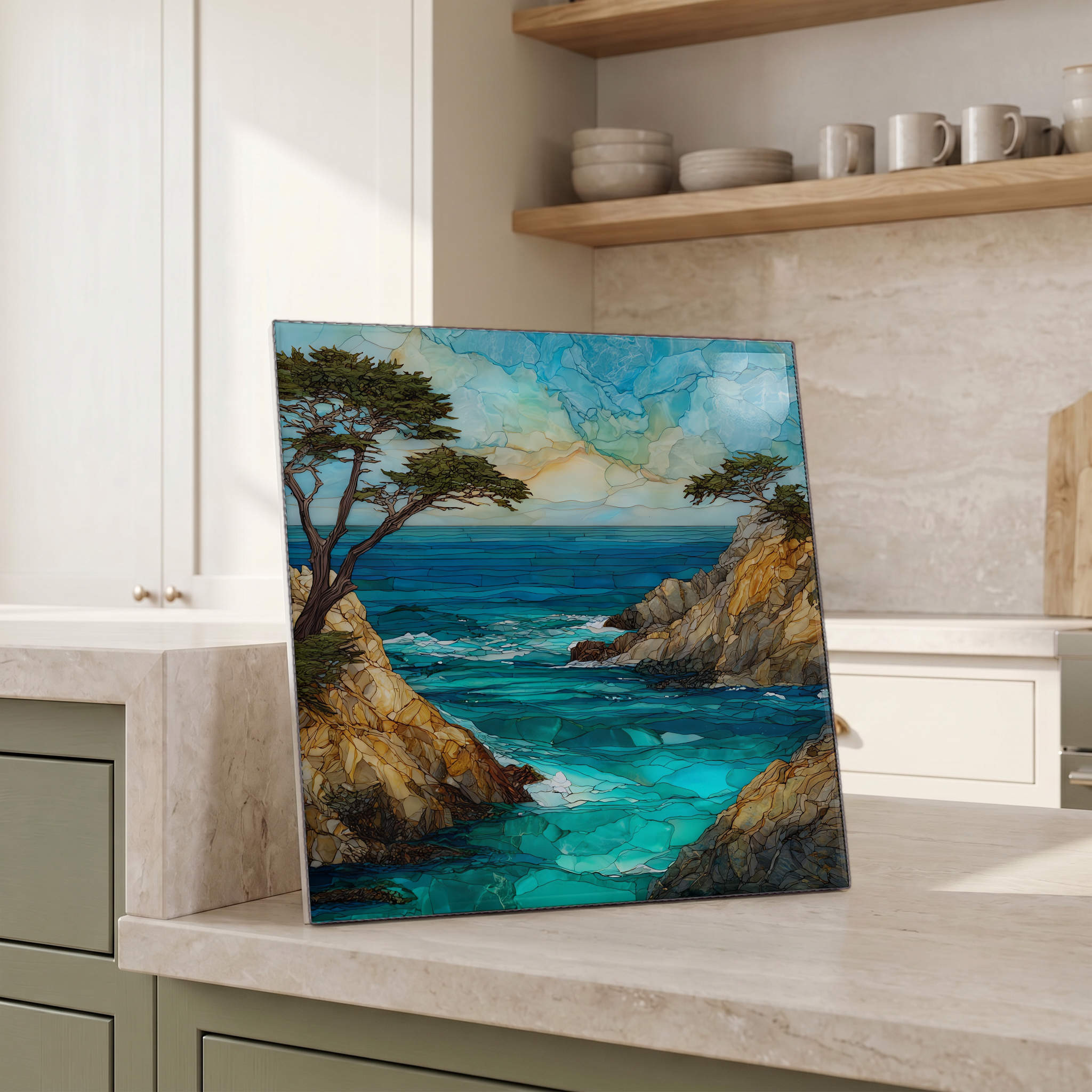
Beside the kettle, propped on the counter.
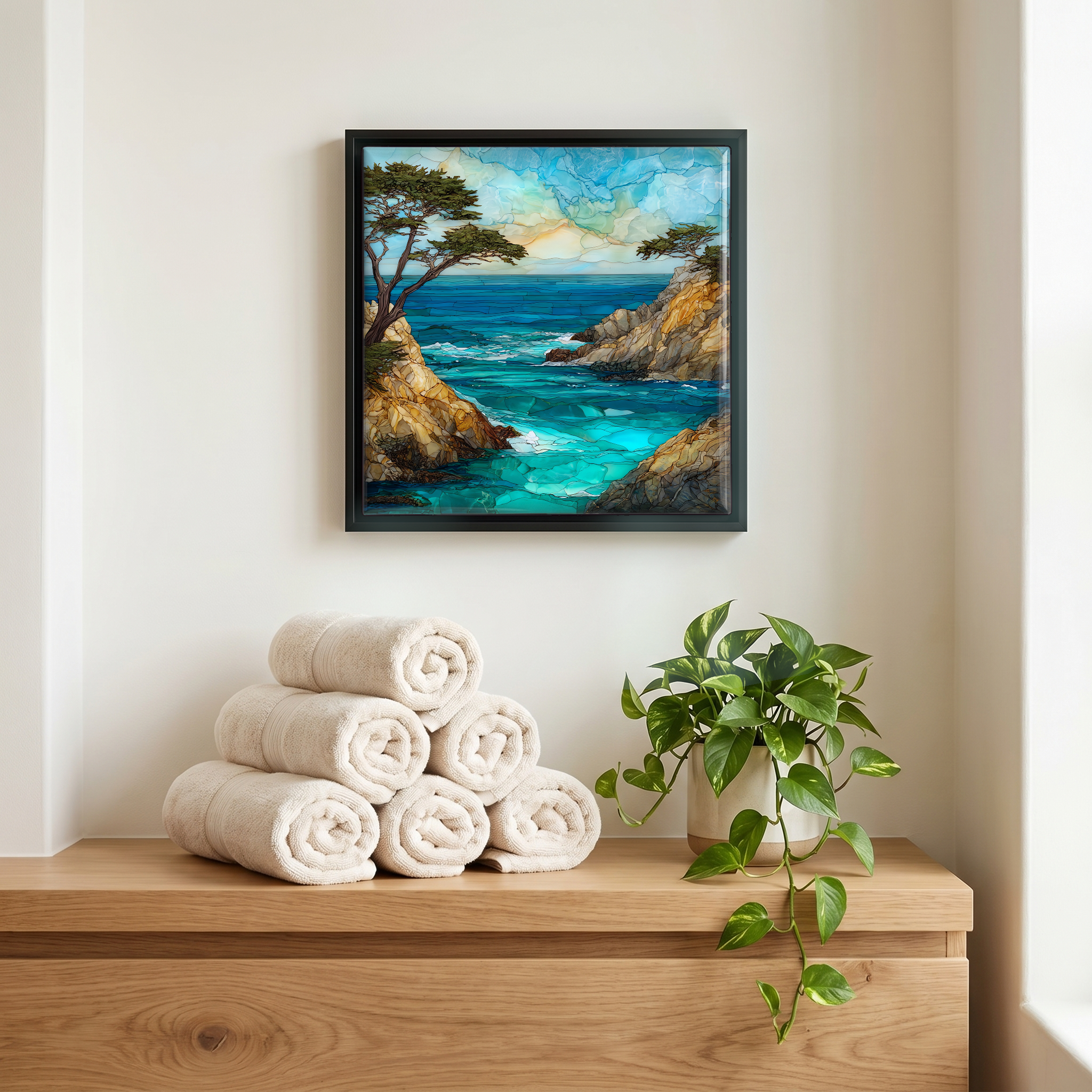
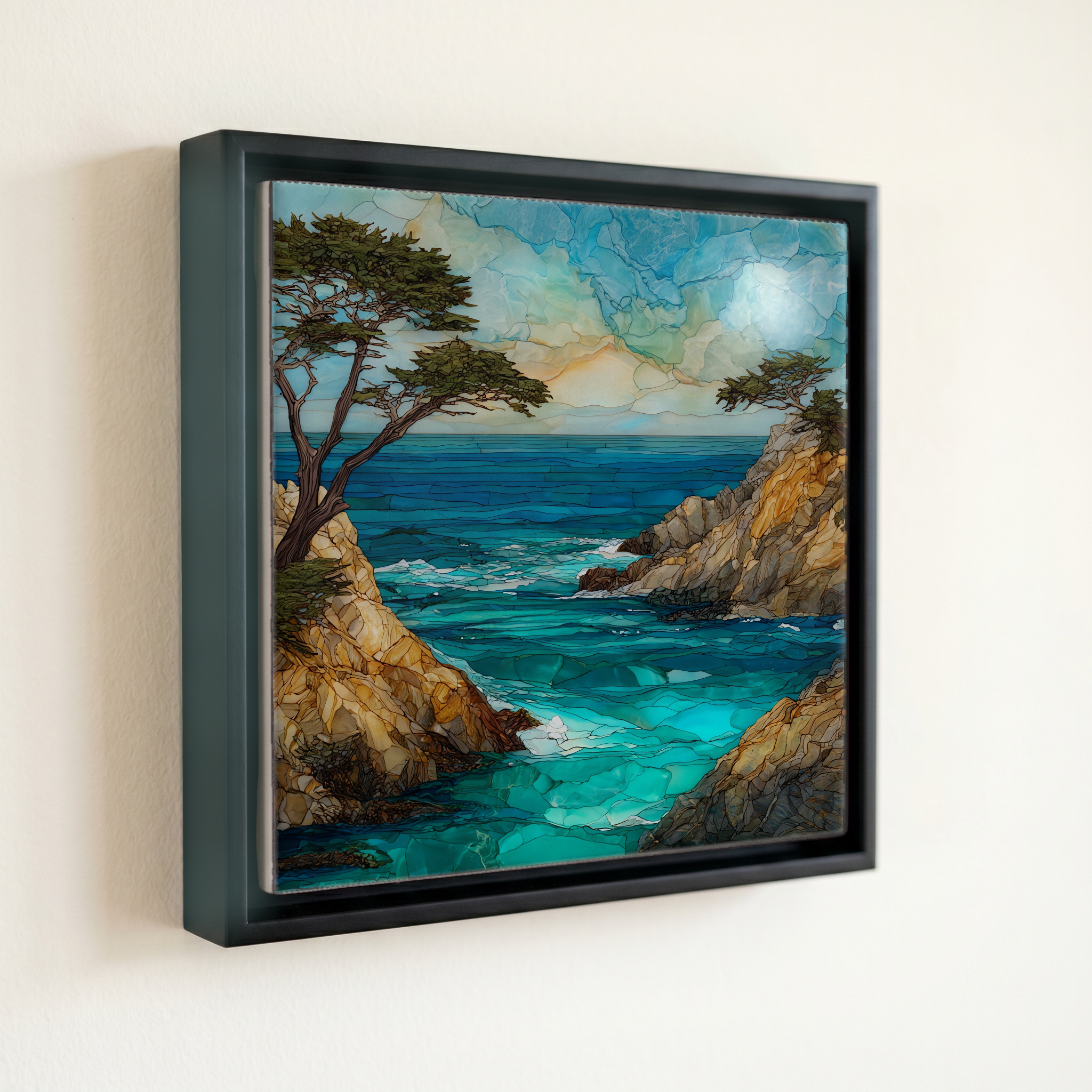
Above the linens, in a slim black surround.
On the nightstand, on a light oak stand.
On a picture ledge, where the light comes in.
a note from the studio

A peninsula of cypress, granite, and small coves about three miles south of Carmel-by-the-Sea. Most of the Monterey cypress in the world grows in two places; this is one of them. Edward Weston photographed the trees and rocks here through the 1930s. Ansel Adams worked the same coves. Robert Louis Stevenson walked the coast here in 1879, and Point Lobos is among the places sometimes named as a visual model for Treasure Island. The reserve is 554 acres on land and about 750 acres underwater. There are days the wind takes the trees almost flat and days the water inside Whalers Cove is glass.
from the studio
shown in a slim black floating frame · 6 × 6 in
— bring it home

Point Lobos, on ceramic.

Each tile is finished by hand in our Knoxville studio. Artwork is slowly infused into the ceramic surface under high heat and pressure, and rests beneath a thin glossy finish. The colour lives in the surface, not on top of it.

What kind of piece?
One tile — square or rectangle.
How big?
the popular one — counter, shelf, nightstand
6 × 6 in · 15 cm · 1.6 lb
Surface finish
A clear glossy finish — the artwork reads as if under resin. Ideal for show-pieces and framed wall art.
How it sits
A hidden cleat — sits ¼″ proud of the wall.
$58
Hand-finished and shipped from our studio at the foot of the Smokies. On your wall in about ten days.
size
6 × 6 in
15 cm
weighs
1.6 lb
solid in the hand
surface
ceramic, hand-finished
art rests beneath a thin glossy finish
from
Knoxville, TN
our family studio, at the foot of the Smokies
— start a Coaster Set

Pick any four 4-inch tiles — National Parks you've been to, a Smokies set, the four seasons of one place. $ for a set of , cork-backed, ready to live on the table.
comes gift-ready
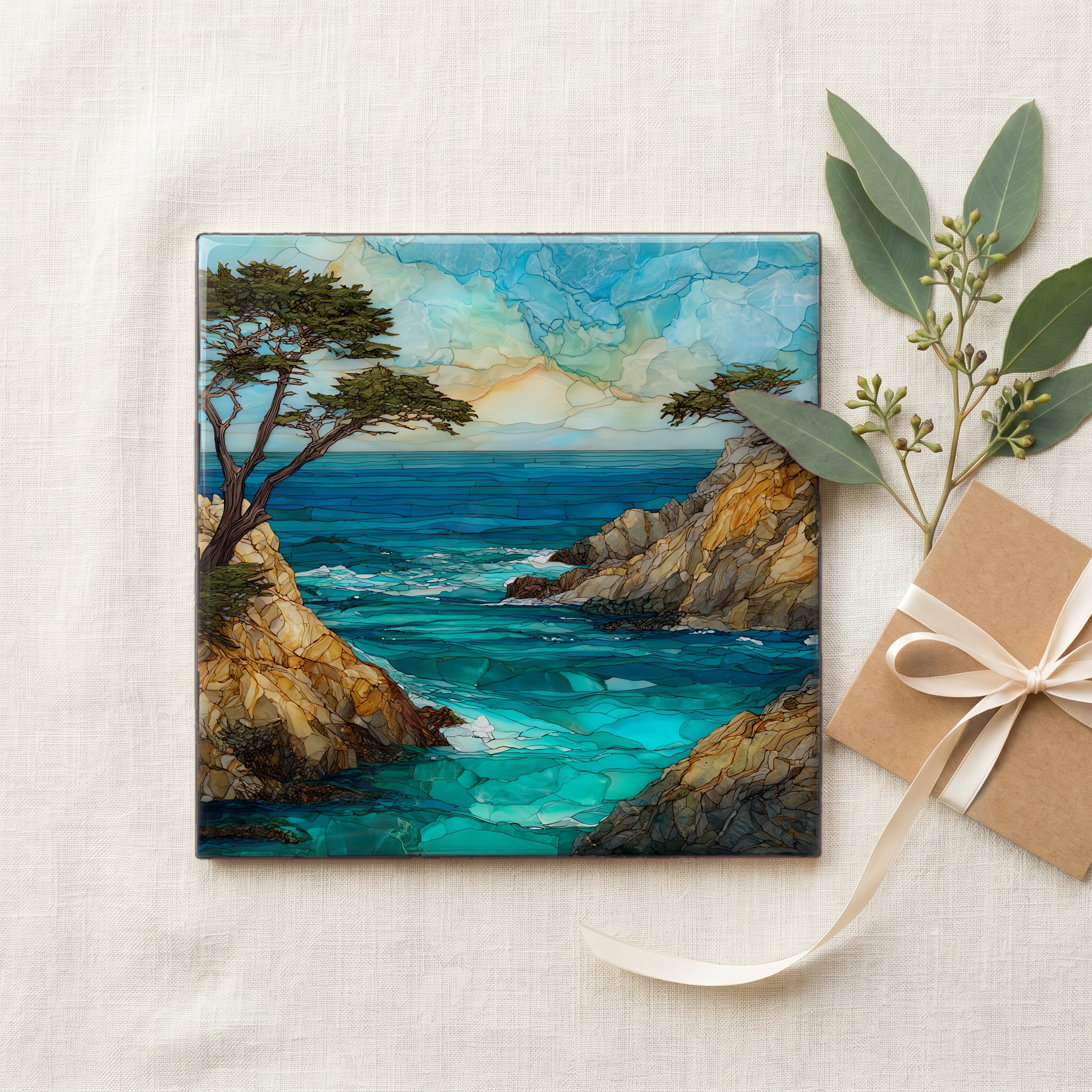
comes gift-ready

Each tile ships in a kraft box, tied with cream ribbon, with a handwritten note from the studio if you'd like to add one.
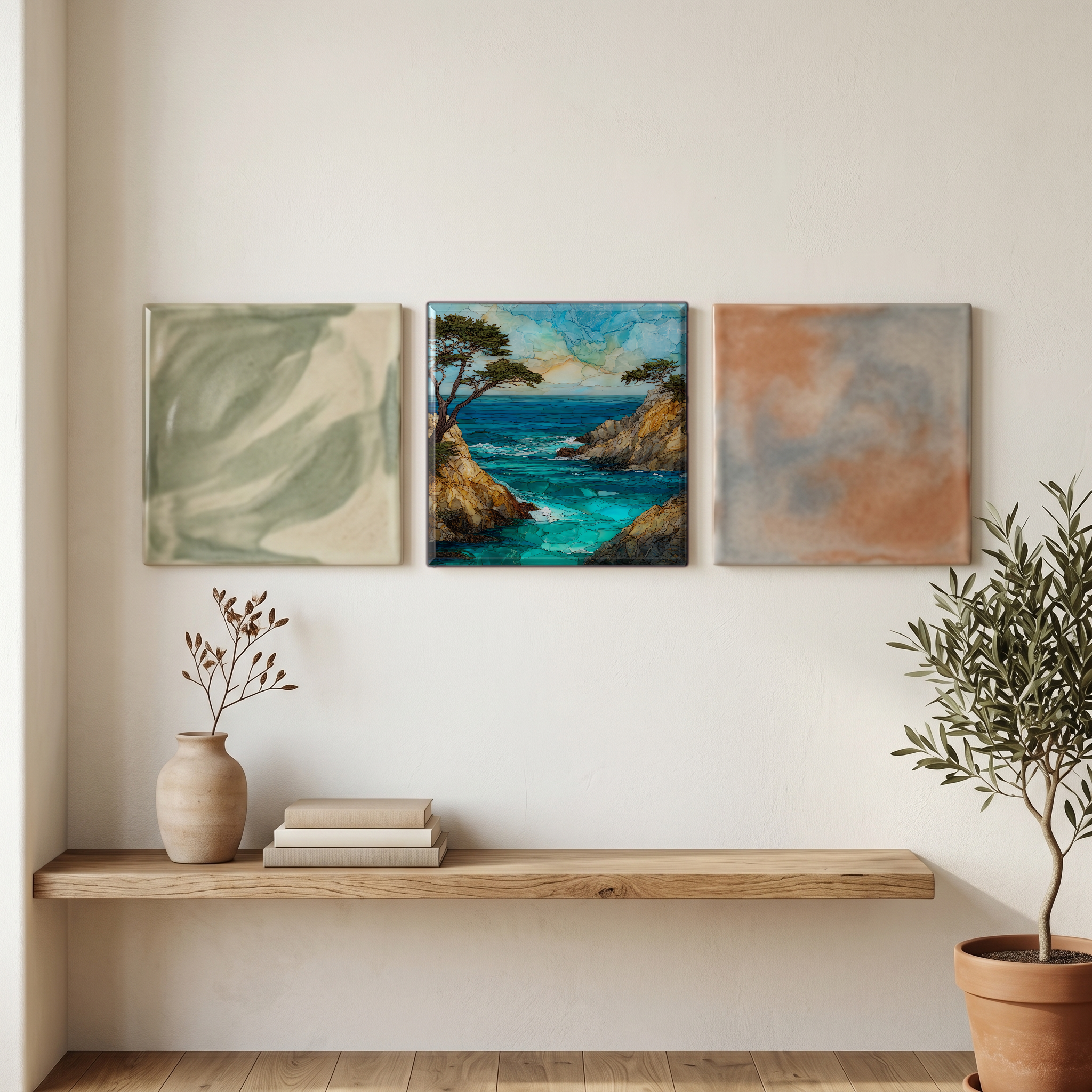
or build a grouping
or build a grouping

Three or five different vistas, hung together — a chapter of places you've been, or want to go.

about Point Lobos

The place, in three passes.

A little of what's known, in case you fall down the rabbit hole — or want to go see it yourself.
the place

Point Lobos is a small headland on the central California coast, about three miles south of Carmel-by-the-Sea in Monterey County. The reserve covers roughly 554 acres of headland and about 750 acres of underwater state marine reserve, established in stages beginning in 1933. The name comes from the Spanish Punta de los Lobos Marinos, Point of the Sea Wolves, after the California sea lions that haul out on the offshore rocks. The reserve adjoins the southern end of Carmel Bay and sits within the Monterey Bay National Marine Sanctuary. It is administered by California State Parks.

the air

The peninsula carries one of two wild stands of Monterey cypress, Hesperocyparis macrocarpa, in the world; the other survives at Cypress Point a few miles north. The species evolved to root in shallow soil over decomposed granite and to hold itself sideways in the wind off the open Pacific. The constant onshore air shapes the canopy into the bent, low-spreading forms that Edward Weston spent the 1930s photographing in this same forest. The Cypress Grove Trail wraps the most exposed point of the reserve, where the trees lean farthest. Monterey cypress is listed by the California Native Plant Society as a rare native conifer.

the visit

The reserve is open daily from 8 a.m. to about half an hour after sunset. A day-use parking fee applies; arriving before nine on weekends, or after three, moves around the heaviest traffic, and the small parking lots inside the gate often close to new entries by mid-morning. The Cypress Grove Trail, Sea Lion Point, and Whalers Cove are the most walked corners. Sea otters, harbor seals, and California sea lions are common in the protected coves, and gray whales pass offshore from December through May. Dogs are not permitted on any trail.

— informed by California State Parks
where
United States · Monterey County, California
within
Point Lobos State Natural Reserve
position
36.5167° N · 121.9500° W
the neighborhood

What's nearby.

A handful of named places within an hour's walk or short drive. Some we've already painted; some we will.
5 km N
Carmel-by-the-Sea
village
3 km N
Carmel River State Beach
beach
10 km N
Monterey
city
8 km S
Garrapata State Park
state park
9 km N
Pebble Beach
village
N
Point Lobos
Carmel-by-the-Sea
Carmel River State Beach
Monterey
Garrapata State Park
Pebble Beach
common questions

What people ask.

A few questions we get about Point Lobos — and about bringing the piece home.
about the place

Point Lobos State Natural Reserve sits on the Pacific coast of Monterey County, California, about three miles south of Carmel-by-the-Sea on State Route 1. The reserve covers roughly 554 acres on land and 750 acres of state marine reserve underwater.

The name comes from the Spanish Punta de los Lobos Marinos, meaning Point of the Sea Wolves, after the California sea lions that haul out on the offshore rocks. The lobos in the name refers to the sea lions, not to wolves on land.

Point Lobos holds one of only two wild stands of Monterey cypress, Hesperocyparis macrocarpa, in the world. The other is at Cypress Point a few miles north. The constant onshore wind shapes the bent canopy that Edward Weston spent the 1930s photographing.

Point Lobos was first protected as a state reserve in 1933, after earlier campaigns to save the cypress and granite shoreline from quarrying and subdivision. The underwater marine reserve was added later, and the combined unit now sits within the Monterey Bay National Marine Sanctuary.

Yes. California sea otters are commonly seen inside Whalers Cove and Bluefish Cove, along with harbor seals and California sea lions on the offshore rocks. Gray whales pass offshore from December through May during their north-south migration.

Robert Louis Stevenson stayed in nearby Monterey in 1879 and walked the coast at Point Lobos. The headland is among the places sometimes cited as a visual model for the island in Treasure Island, alongside other landscapes from Stevenson's travels.

Yes. The reserve charges a per-vehicle day-use fee. Parking inside the gate is limited; the small lots often close to new entries by mid-morning on busy days, and a roadside queue forms along State Route 1 until space opens.

about the piece in your home

It has been a meaningful gift for customers with ties to Carmel and the Monterey Peninsula. Point Lobos is the headland many of those families have walked since childhood, and the cypress trees in the artwork read instantly to anyone who knows the reserve.

The palette runs through cypress green, granite grey, and Pacific blue-grey. It sits comfortably with California-modern, Pacific Northwest, and Japandi interiors that already use bonsai forms, granite, or oxidised metal accents.

Coastal-modern has stayed in interior reports through several cycles, leaning toward quieter, cypress-and-fog palettes rather than primary beach blues. The Point Lobos piece reads at the windswept end of that family rather than the bright sand end.

Above a standard sofa or a long console, the single Large reads at conversational distance, the four-tile Mural fills a wall above a sectional, and the nine-tile Mural takes the full space above a king bed or wide sideboard.

Yes, in the Dura Satin or Matte finish, which is scratch-resistant and rated for vertical wet installations. The Glossy finish is reserved for framed wall pieces and show cases, away from steam and direct splash.

A soft microfibre cloth dampened with water is enough for routine cleaning. The colour is slowly infused into the ceramic surface under high heat and pressure and rests beneath a thin protective finish, so it will not lift or fade with gentle wiping.

Yes. Every WenderVista piece is curated and hand-finished by Reid Wender at Wender Studios in Knoxville, Tennessee. The studio does not license, resell, or print other artists' work. Each ceramic tile is made one at a time in-house.

if this one stayed with you

A few you might also love.

Hand-picked by the eye that found Sorapis. Same air, same kind of quiet.