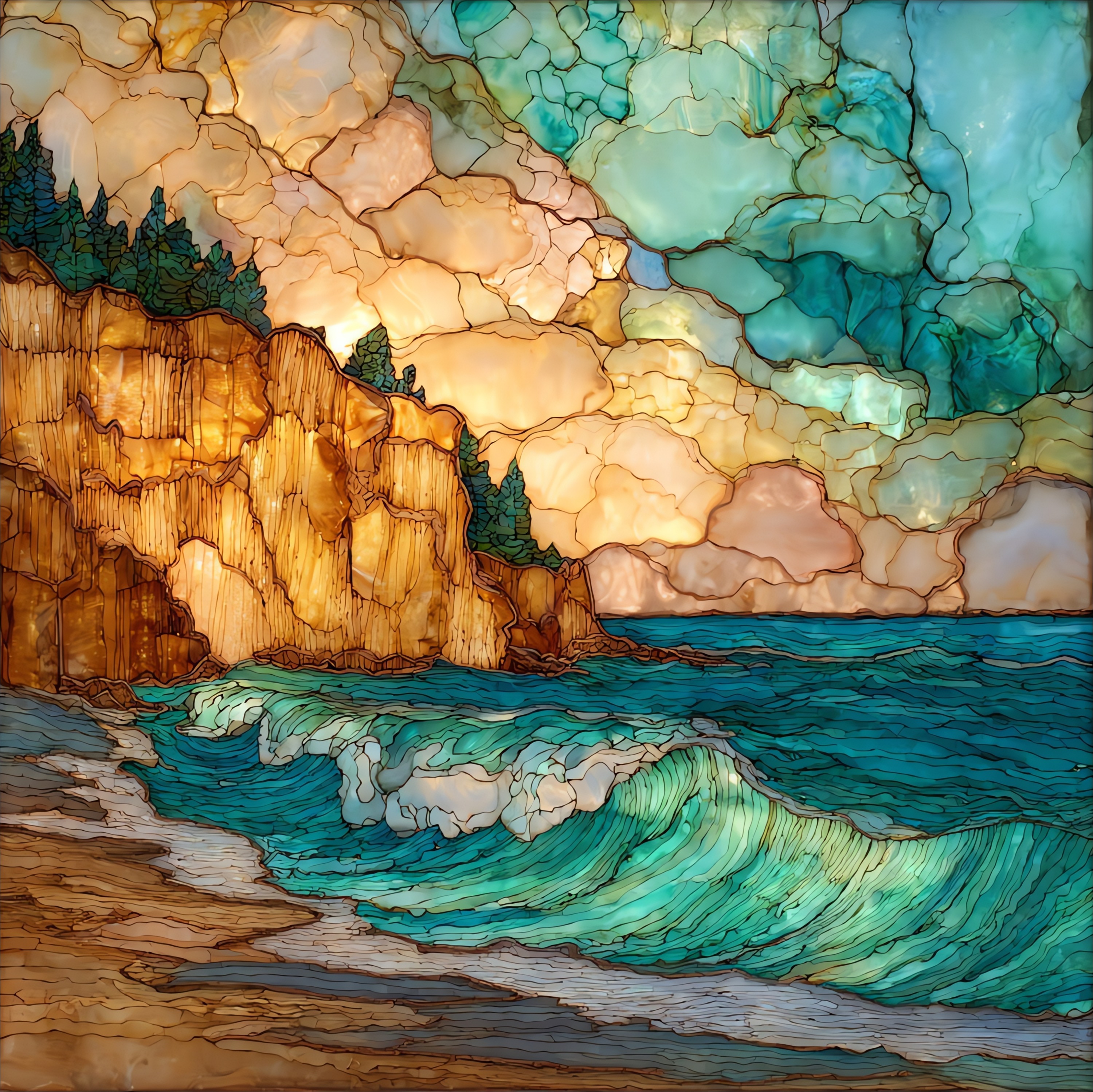
Point Dume Malibu
— — a volcanic point above the open Pacific.
Not only on a wall.
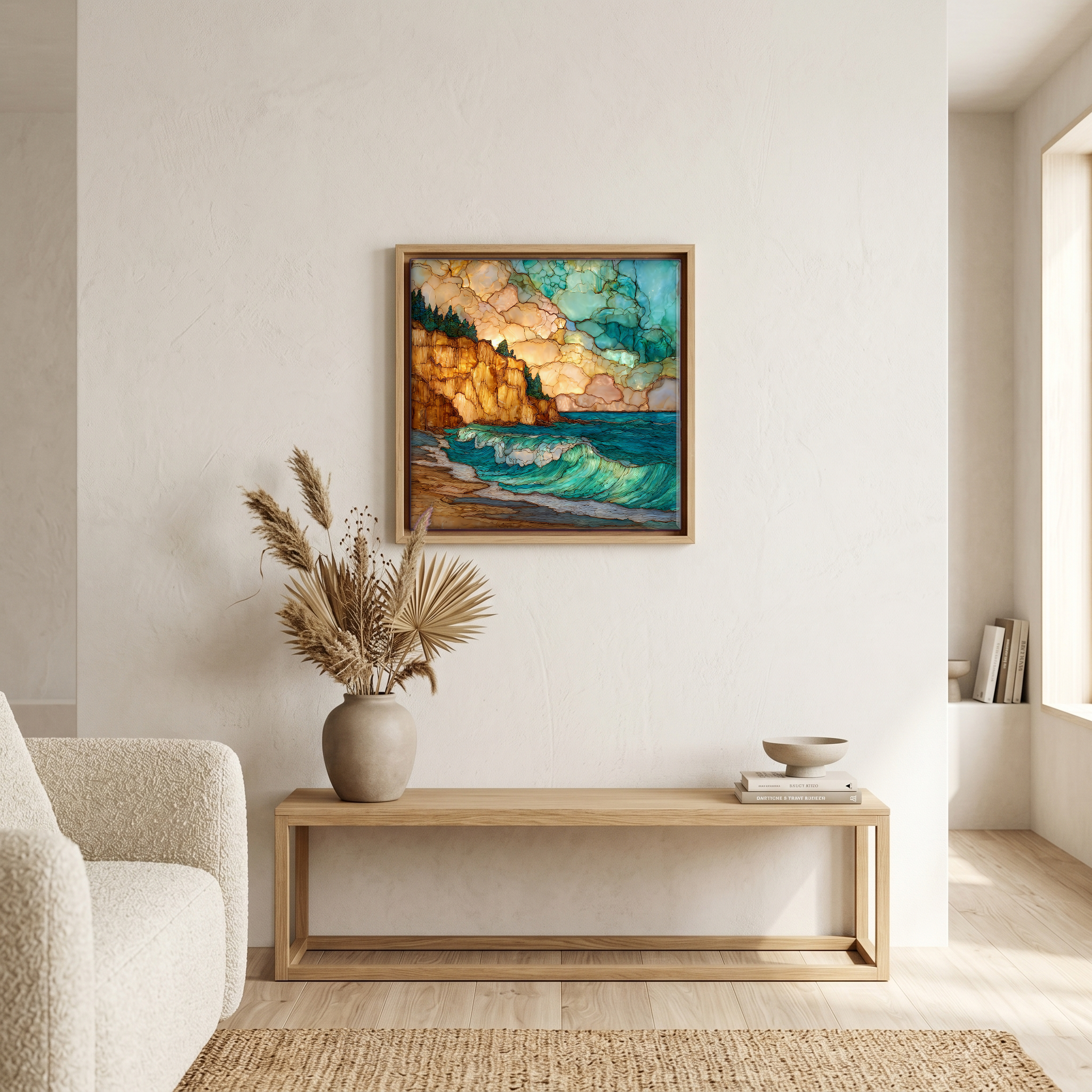
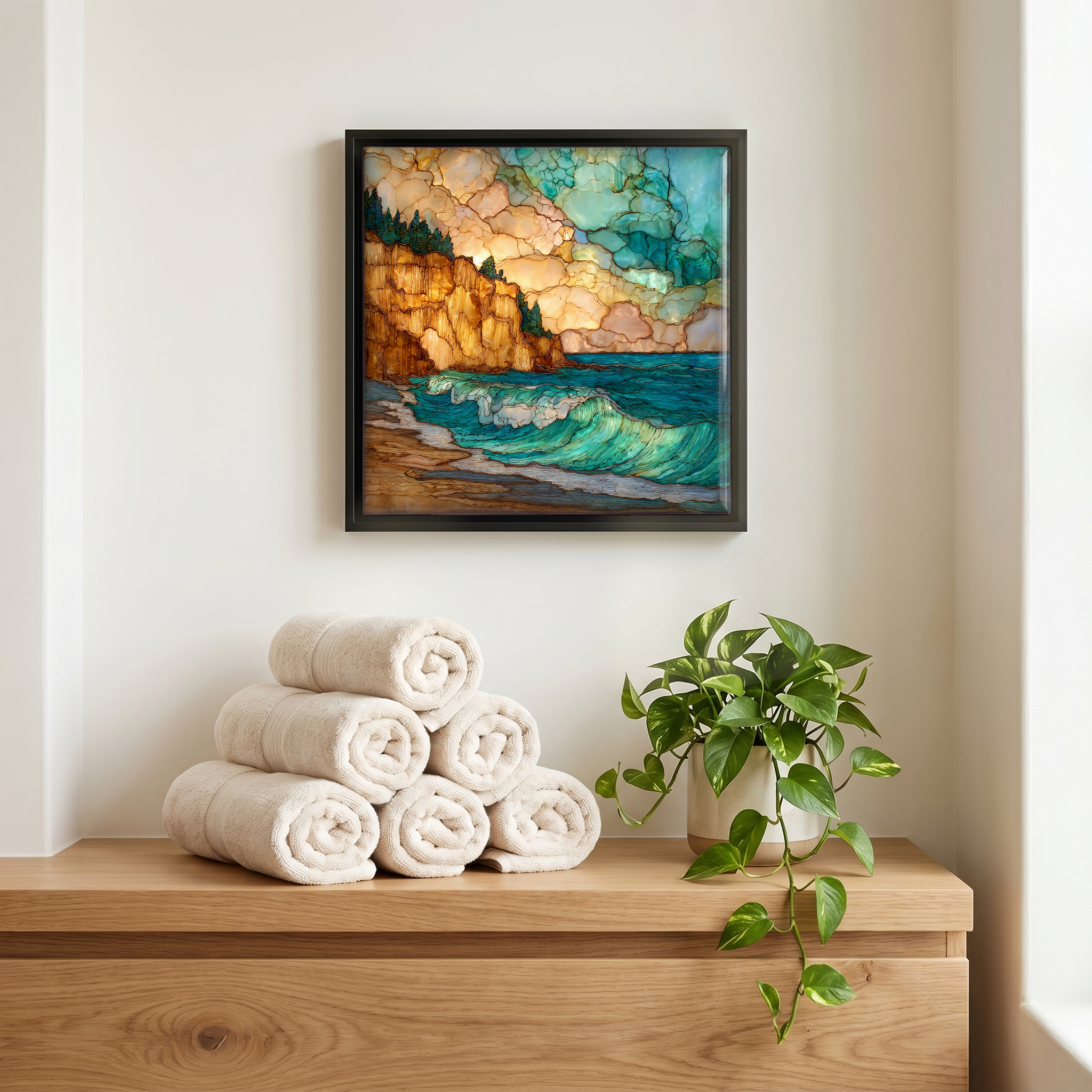
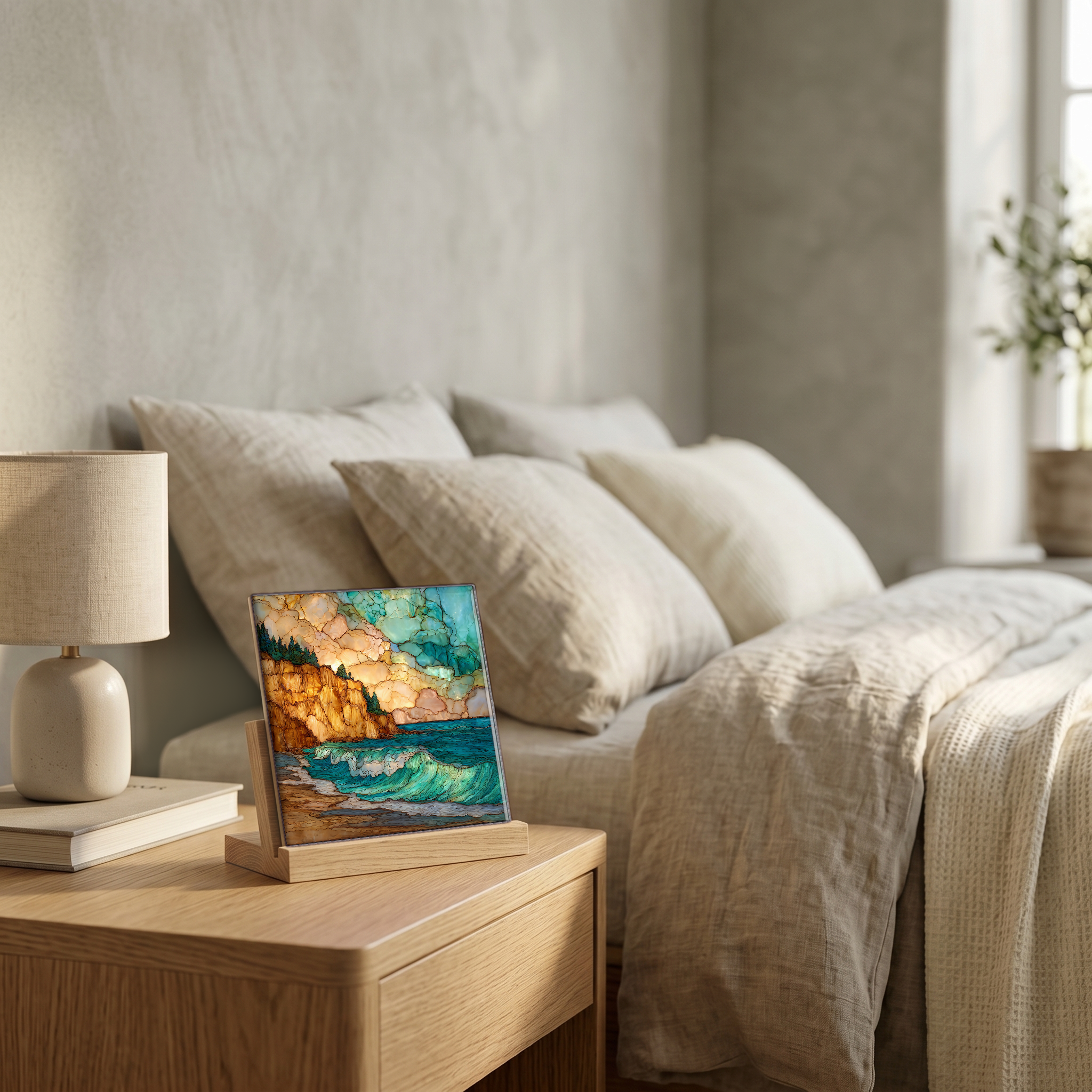
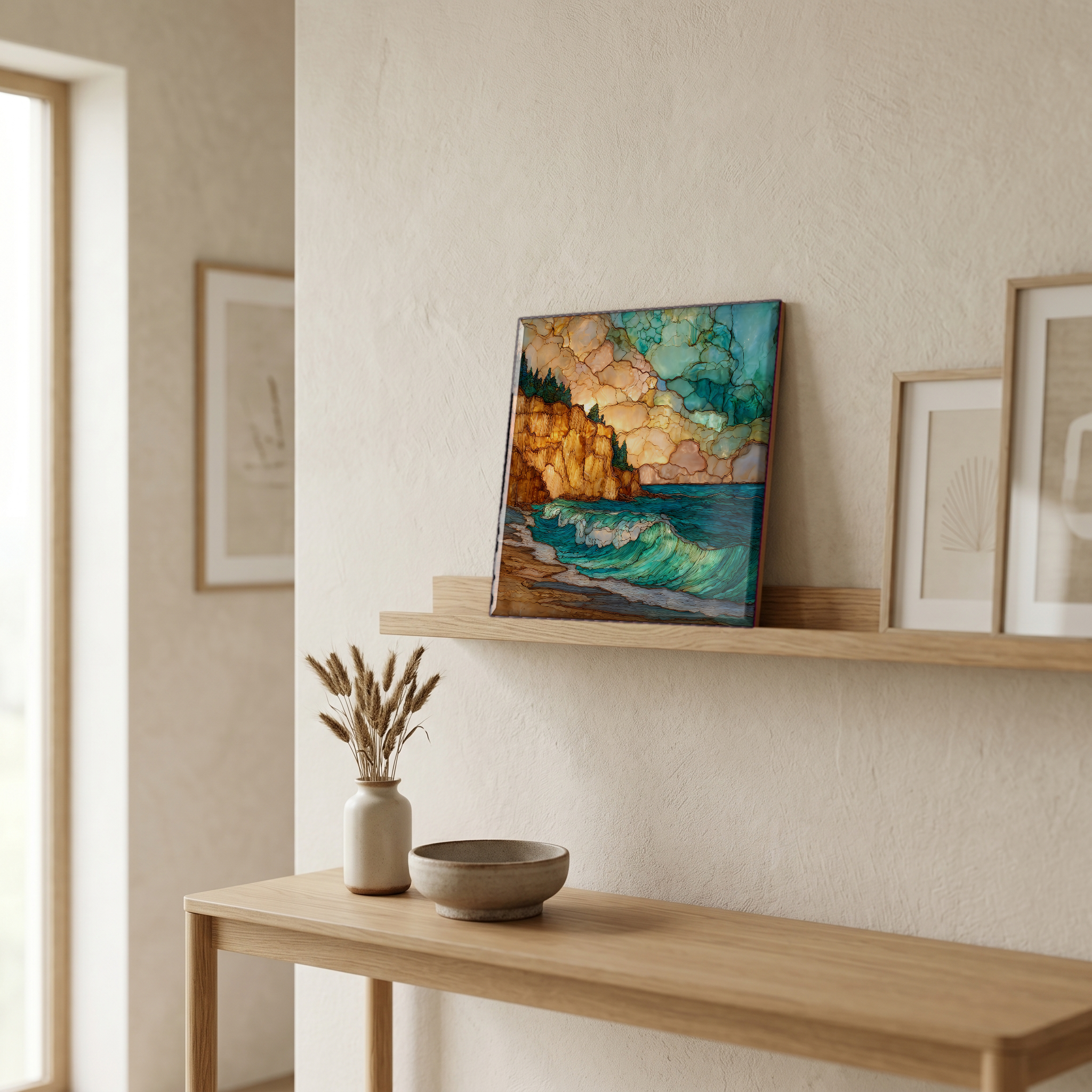
“A volcanic headland on the Malibu coast, about 215 feet above the surf. The point is the western arm of Santa Monica Bay, the place the coastline takes a quiet turn before the long stretch of beach toward Zuma. George Vancouver named it in 1793 for Padre Francisco Dumetz of Mission San Buenaventura. Gray whales pass close in from December through April, near enough that you can see the spout from the trail. Below the bluff, Dume Cove sits in shadow most of the afternoon, the kind of cove you climb down to and stay longer than you meant.
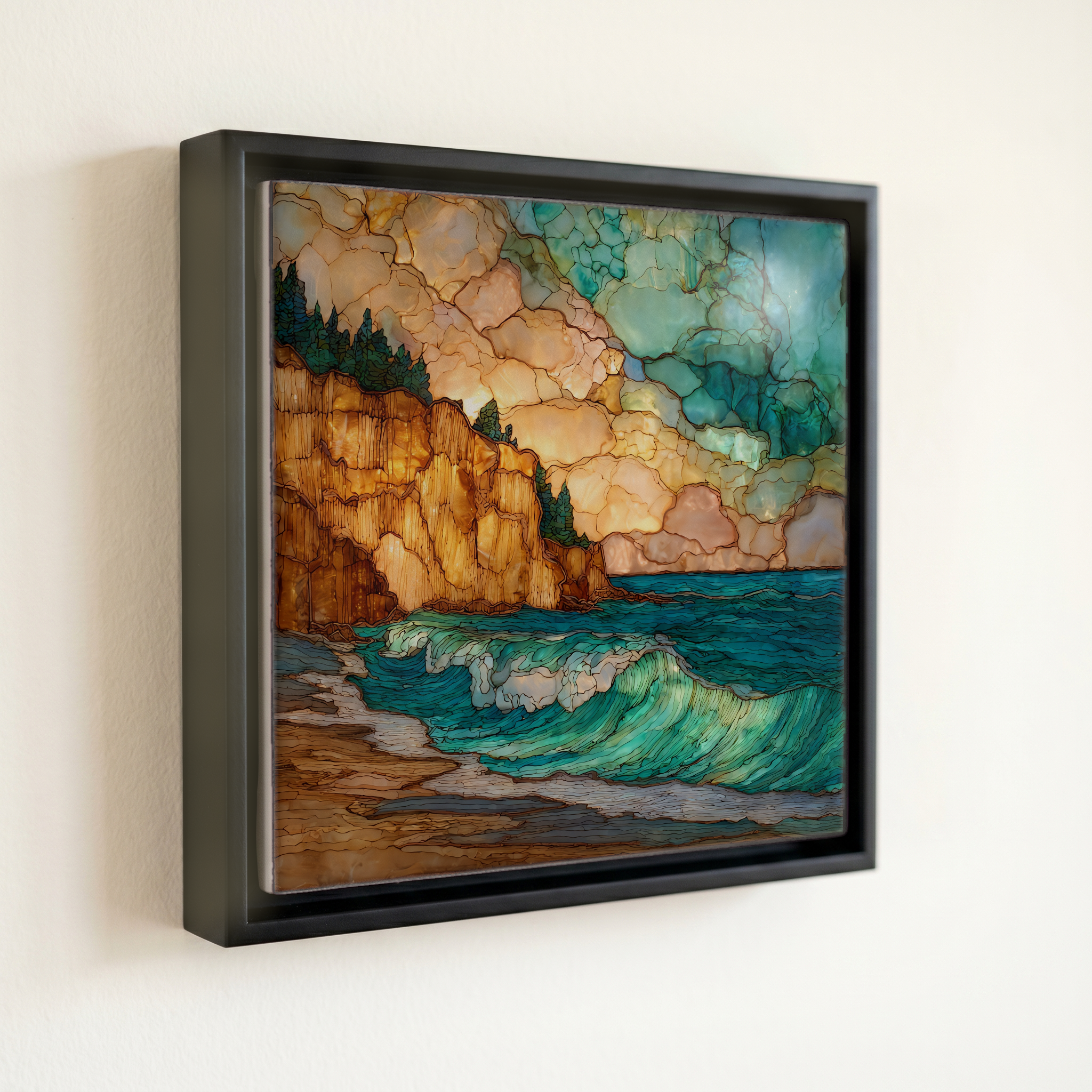
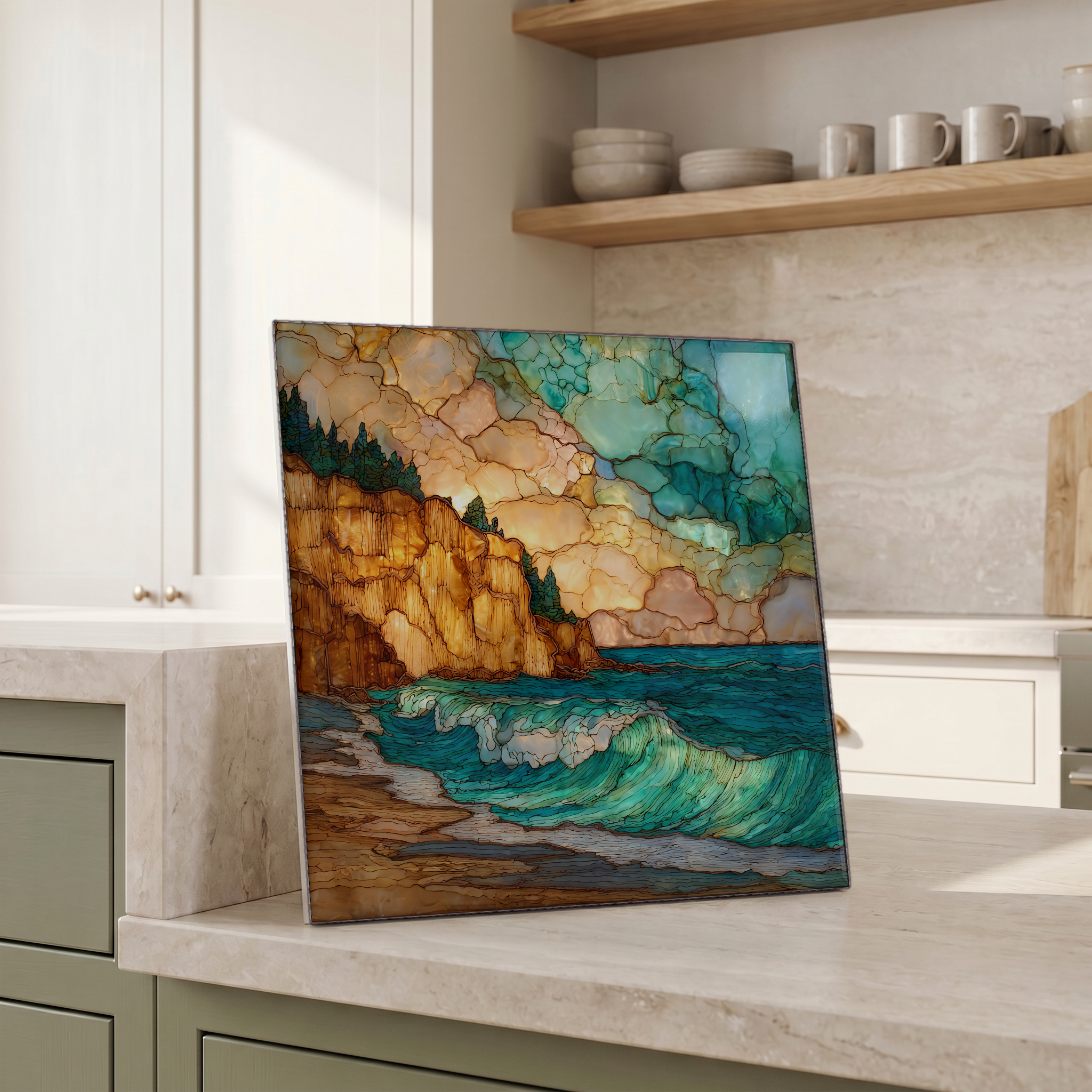
Point Dume Malibu, on ceramic.
Each tile is finished by hand in our Knoxville studio. Artwork is slowly infused into the ceramic surface under high heat and pressure, and rests beneath a thin glossy finish. The colour lives in the surface, not on top of it.
Pick any four 4-inch tiles — National Parks you've been to, a Smokies set, the four seasons of one place. $ for a set of , cork-backed, ready to live on the table.
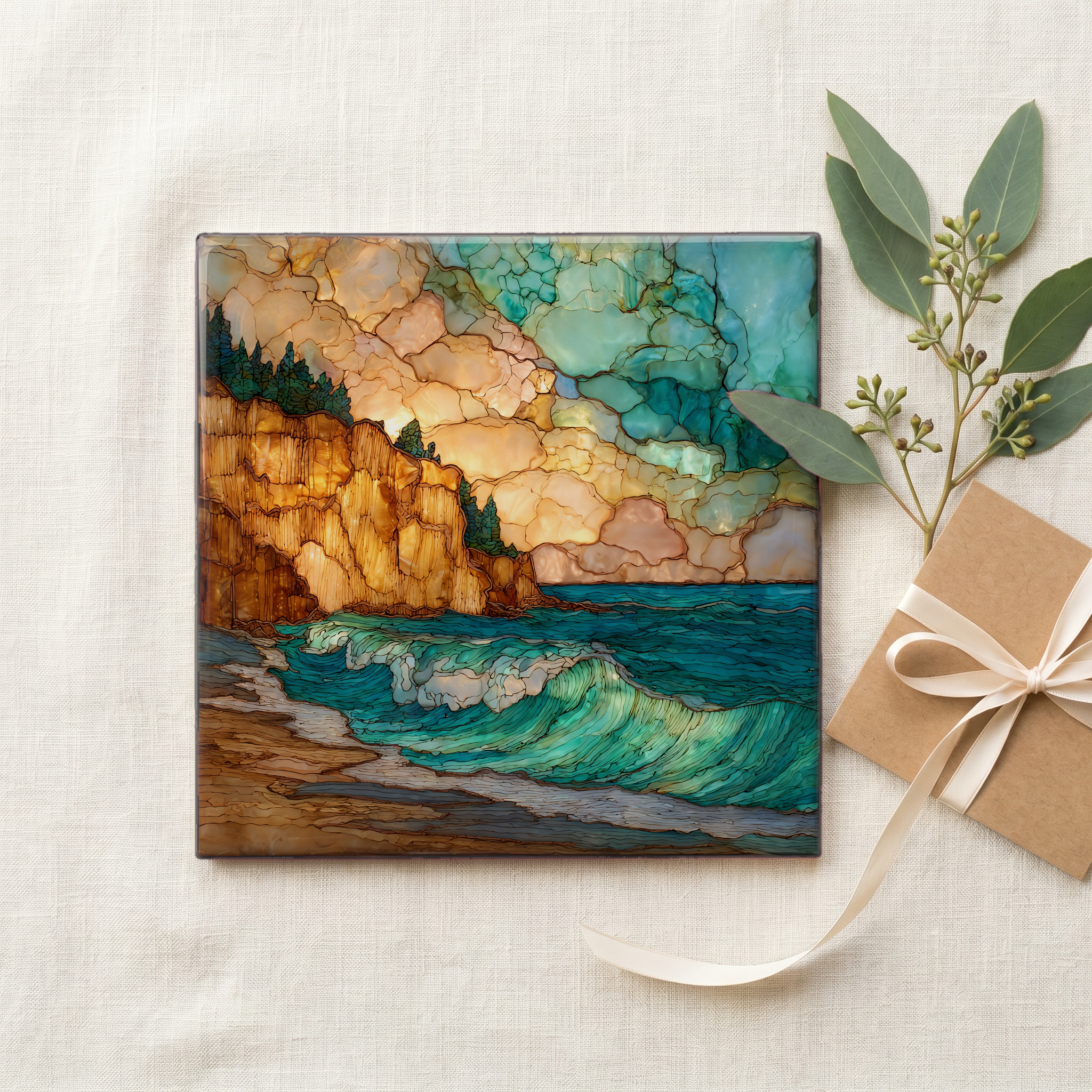
Each tile ships in a kraft box, tied with cream ribbon, with a handwritten note from the studio if you'd like to add one.
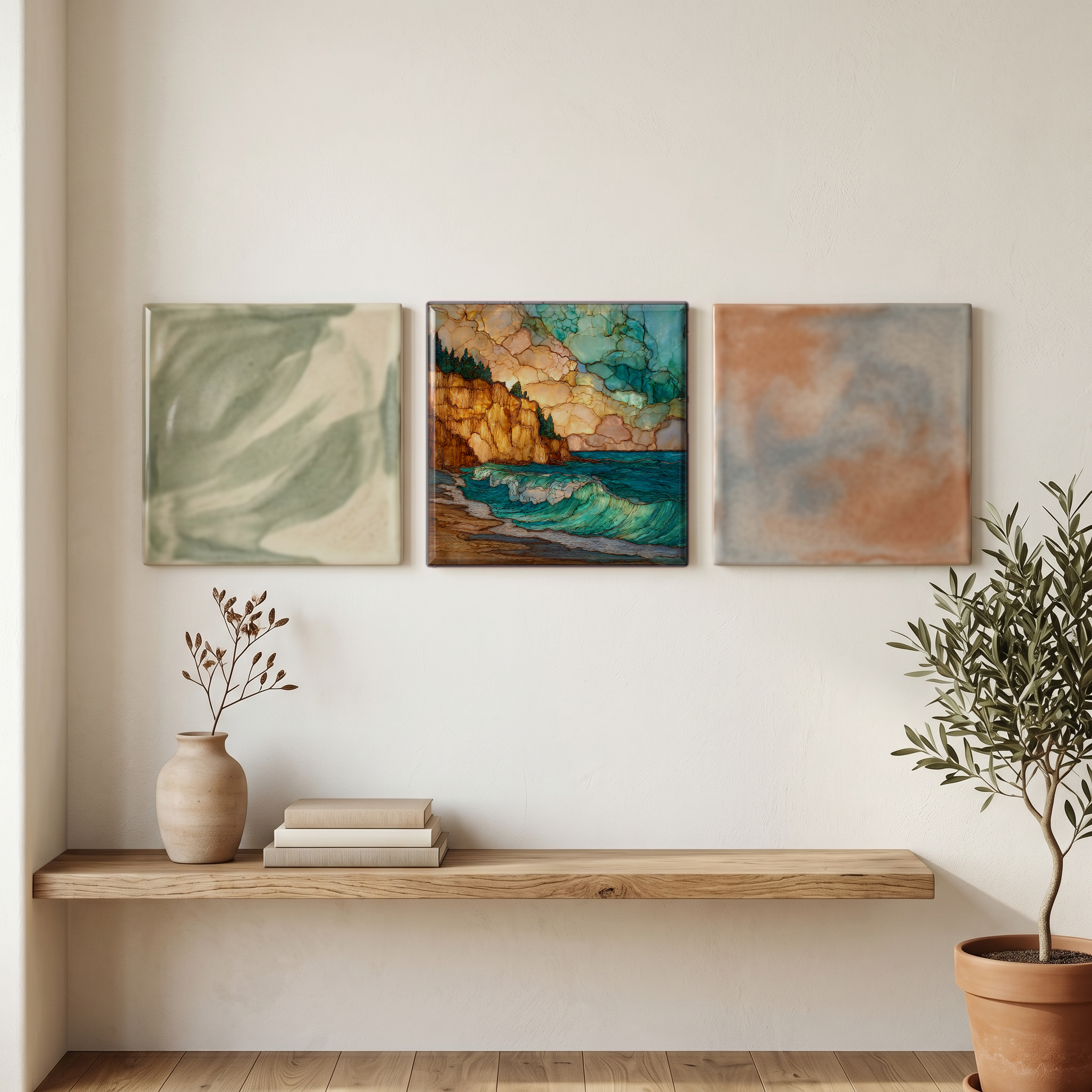
Three or five different vistas, hung together — a chapter of places you've been, or want to go.
The place, in three passes.
Point Dume is a rhyolite headland in Malibu, Los Angeles County, that rises about 215 feet above the Pacific and marks the western edge of Santa Monica Bay. The point was named by Captain George Vancouver in November 1793 in honour of Padre Francisco Dumetz of Mission San Buenaventura; the spelling shifted from Dumetz to Dume over the following century on charts and survey maps. The headland and the small cove below are managed as Point Dume State Beach and Natural Preserve, administered by California State Parks. The promontory falls within the Santa Monica Mountains National Recreation Area.
The bluff is dacite-rhyolite of the Conejo Volcanics, a sequence of mid-Miocene lava flows about 13 to 16 million years old that built much of the Santa Monica Mountains range. The pale grey volcanic cliffs are unusual along this stretch of coast, where softer sedimentary mudstones dominate; the harder rock at Point Dume is the reason the headland juts seaward while the beaches on either side erode back toward the highway. Tide pools at the base of the cliffs hold California mussels, ochre sea stars, and giant green anemones. The same Conejo flows form the cliffs at nearby Solstice Canyon.
The preserve sits at the end of Westward Beach Road in Malibu, about a mile off the Pacific Coast Highway. A short bluff trail loops the headland, with a wooden stair leading down to Pirates Cove on the south side. The small parking lot fills early on weekends; arriving before nine, or after four, moves around the worst of it. Gray whales pass close in from late December through April, with the northbound mothers and calves running shallower in March and April. Tide pools at the cove are best at the lower tides of the year; a tide chart is the only equipment that matters.