Wender·Vista
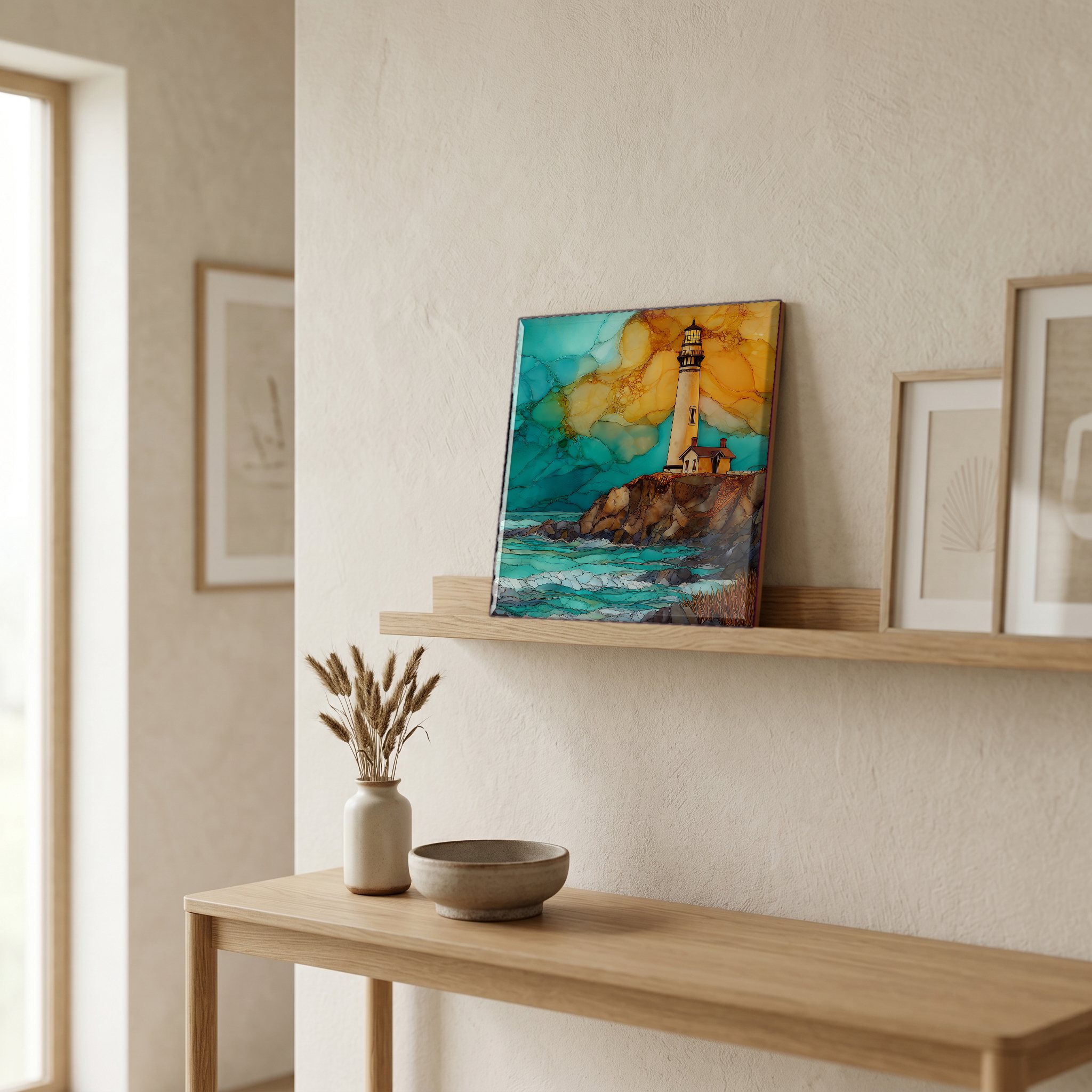
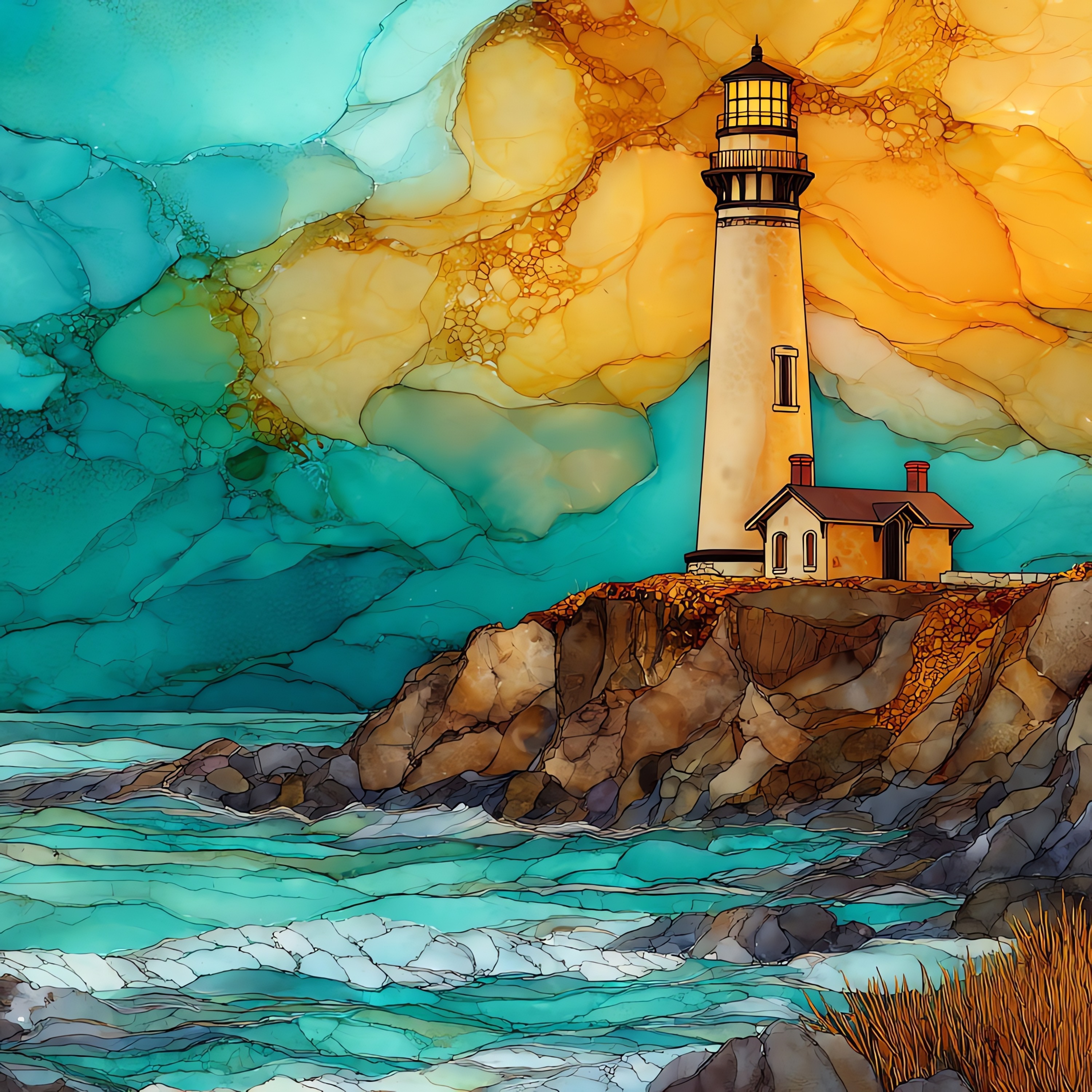
Piedras Blancas Light
shown on ceramic, 12-inch tileCalifornia · United States
on California's Central Coast, six miles north of San Simeon

Piedras Blancas Light

— the same light, every night since 1875.

Where it lives

Not only on a wall.

A small tile on the nightstand catching the morning. A larger one above the fire. Yours, wherever you spend the slow hours.
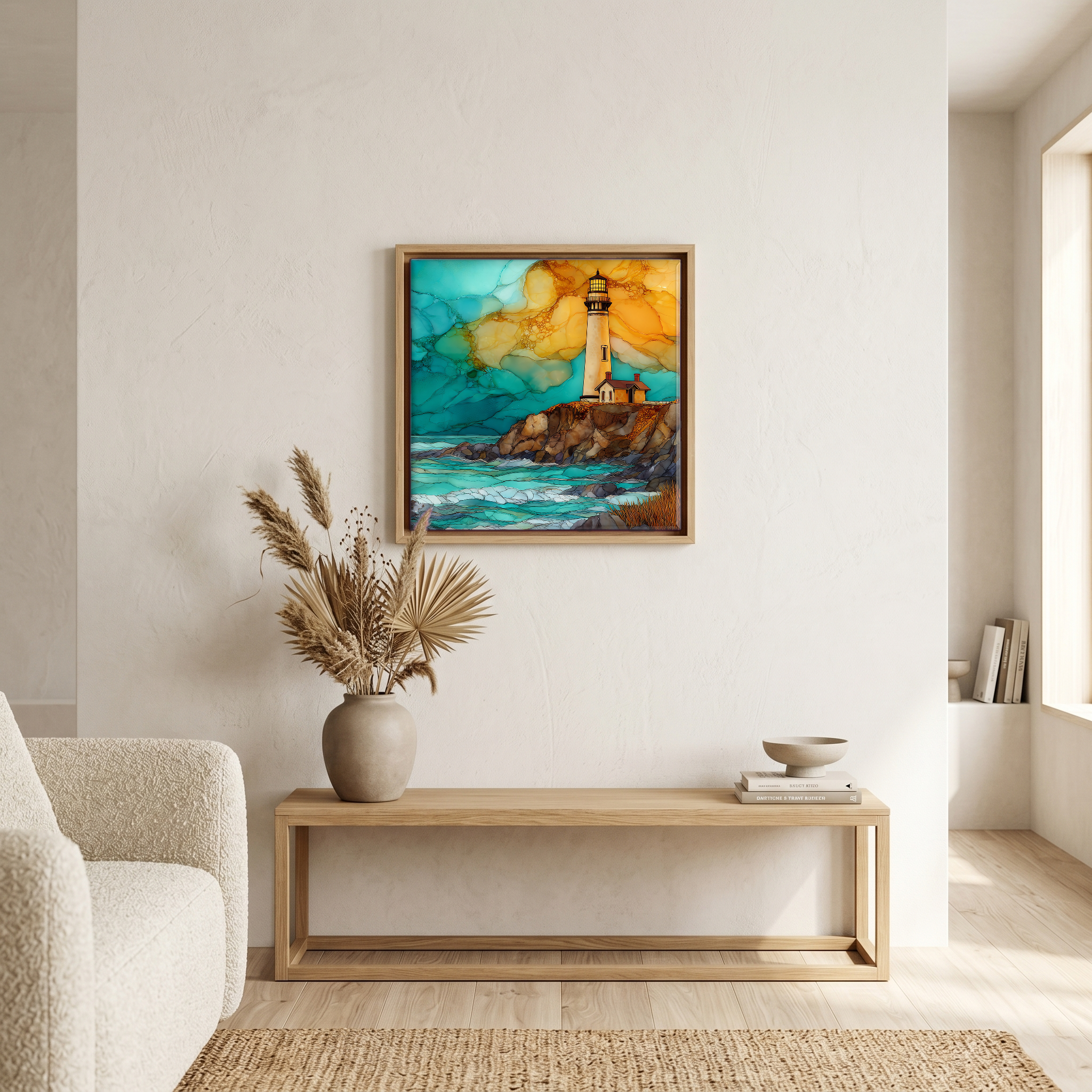
Above the bench, in a warm oak surround.
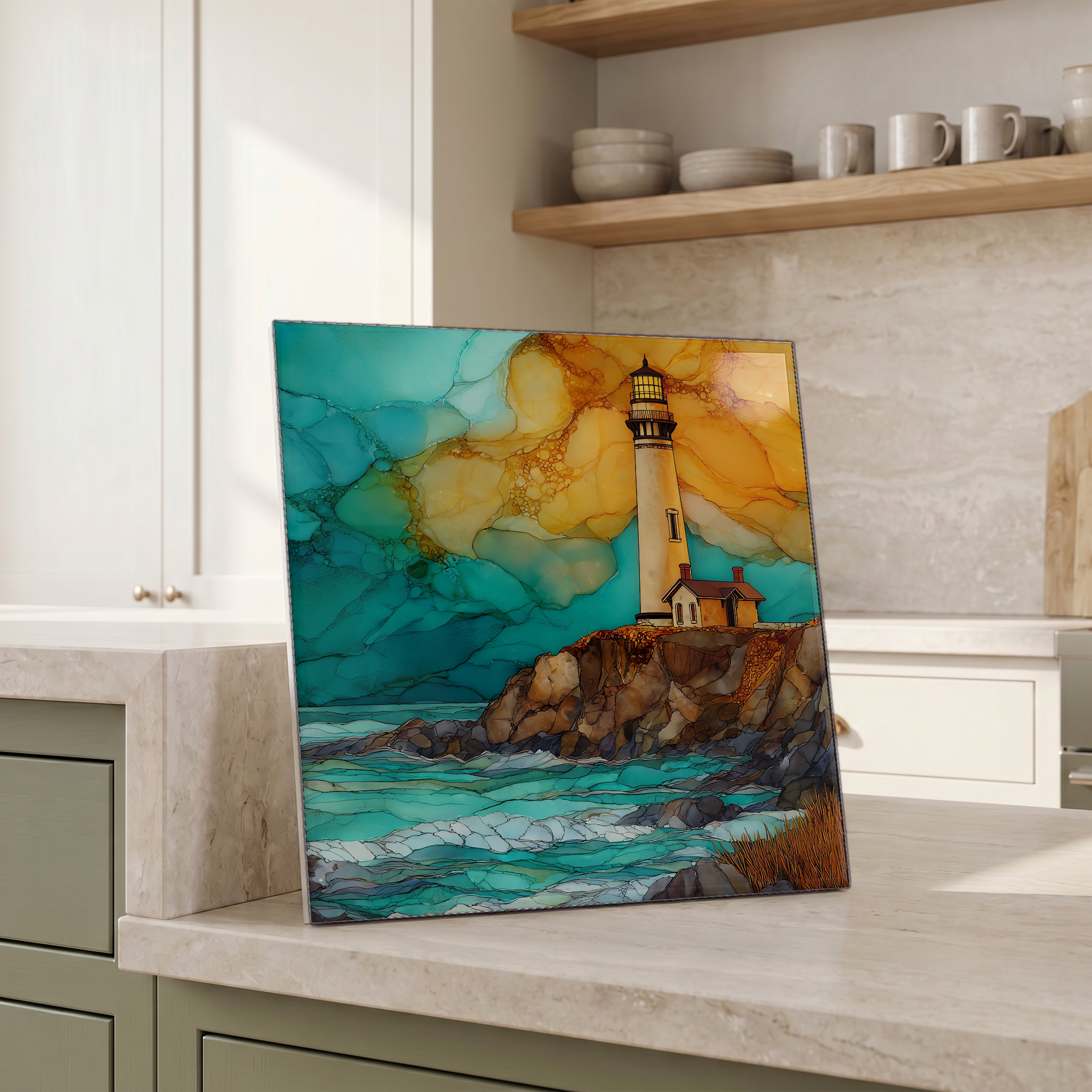
Beside the kettle, propped on the counter.
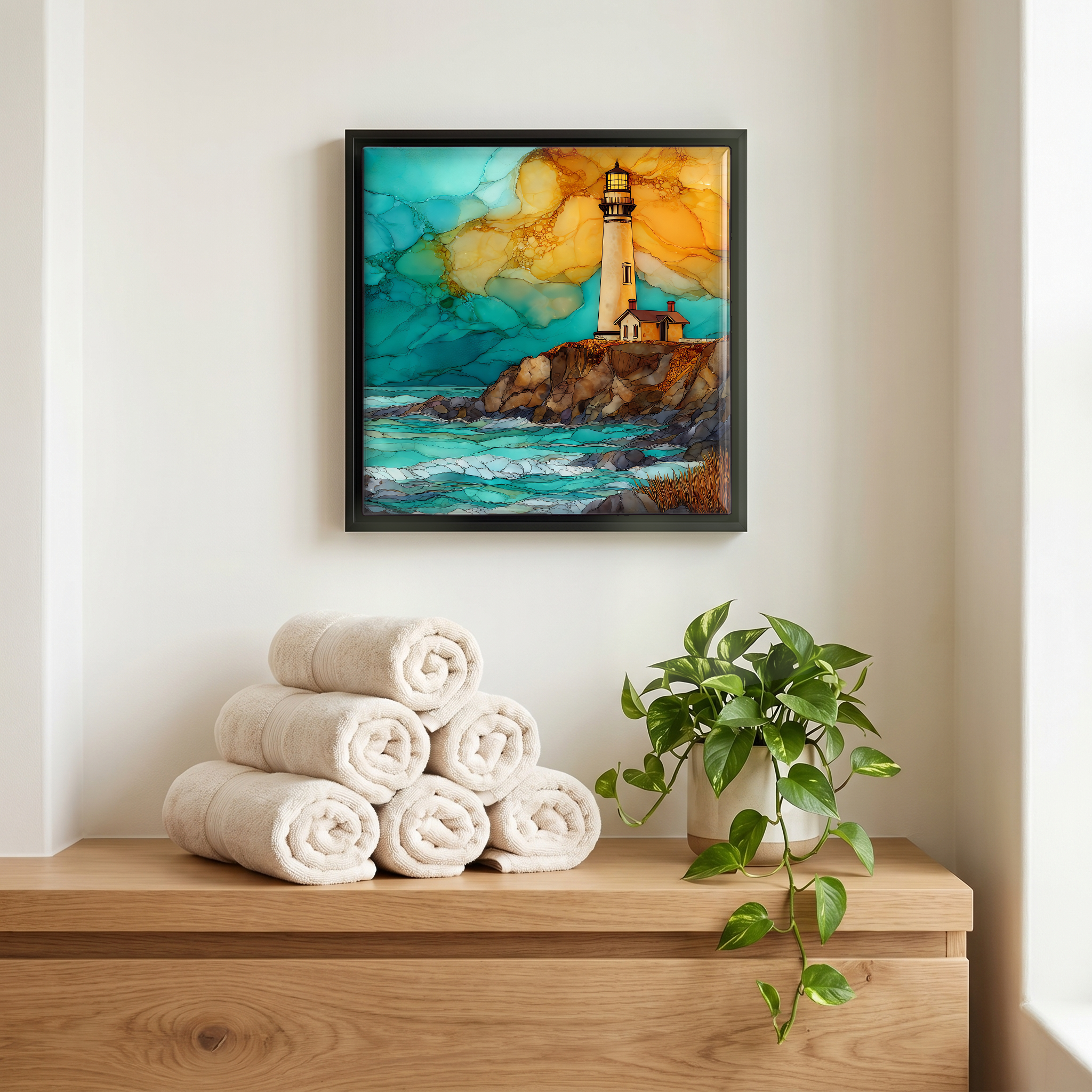
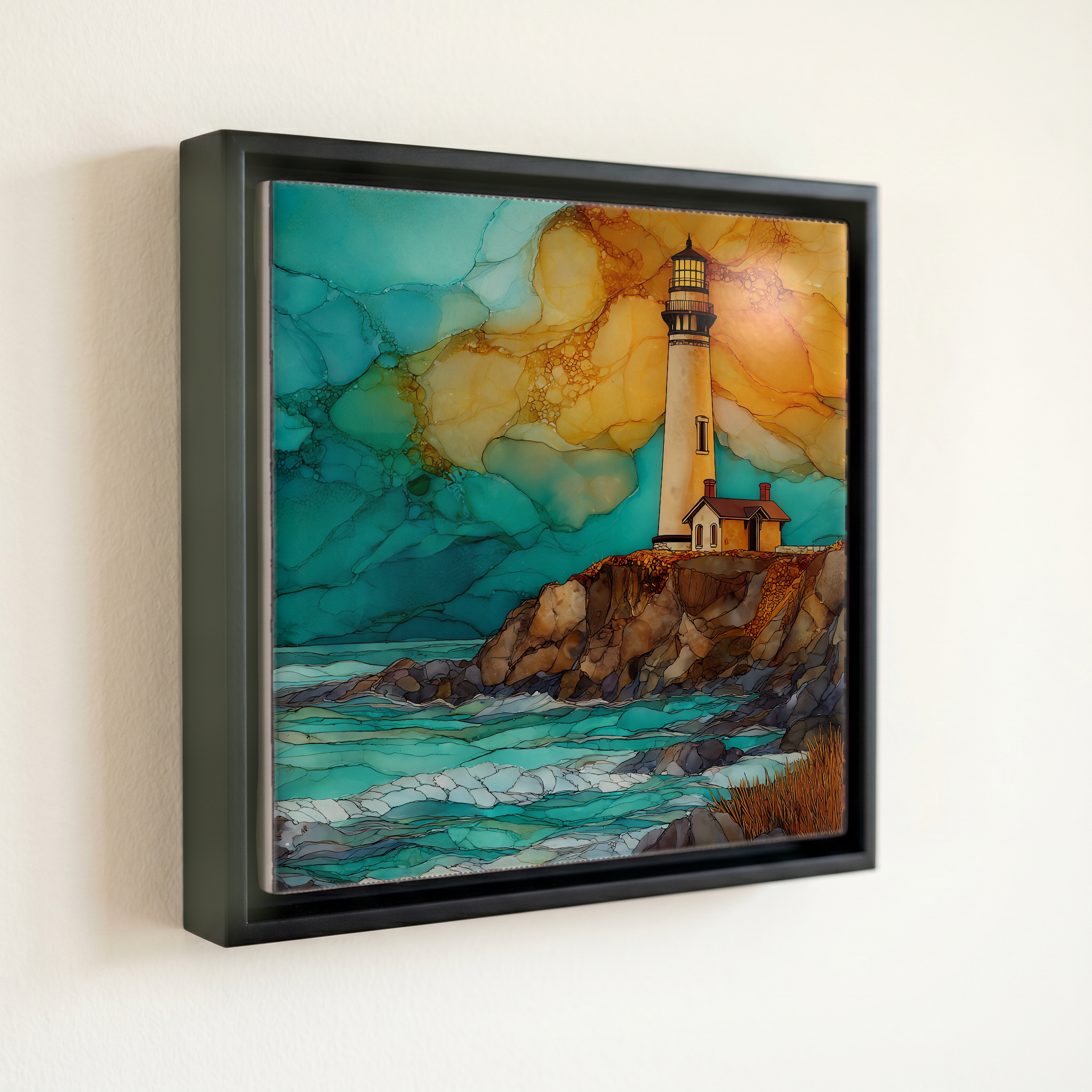
Above the linens, in a slim black surround.
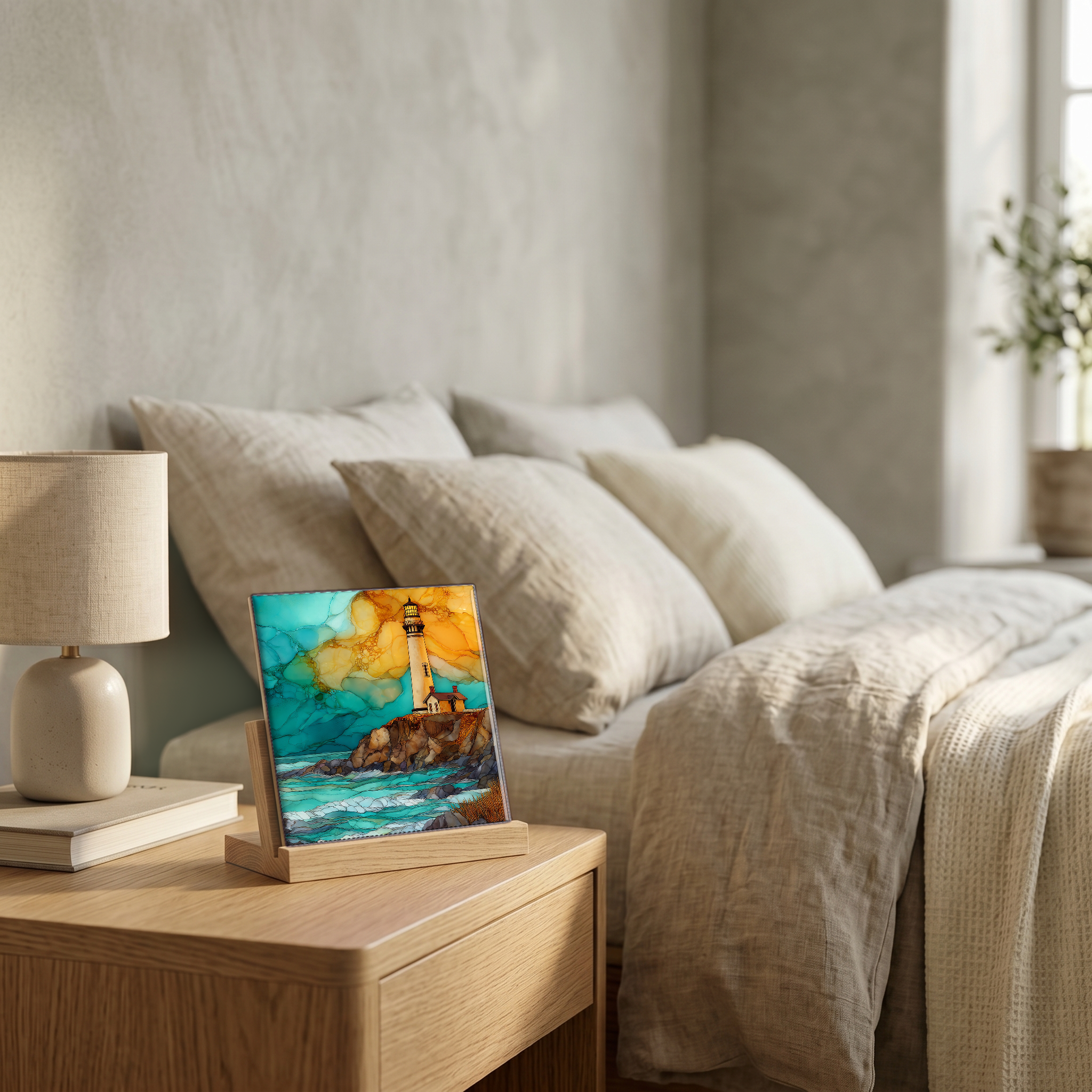
On the nightstand, on a light oak stand.
On a picture ledge, where the light comes in.
a note from the studio

A coastal headland on Highway 1, six miles north of San Simeon, where cormorants have whitened the offshore rocks enough to give the place its Spanish name. The lighthouse was lit on 15 February 1875, originally a hundred-foot brick tower carrying a first-order Fresnel lens shipped from Paris. A 1948 earthquake and the smaller shocks that followed damaged the upper sections; the lantern and watch rooms were removed and the tower capped at about seventy feet. The original Fresnel lens is now displayed in the town of Cambria, twenty miles south. A modern beacon still turns through the dome each night. The elephant seal rookery begins a mile down the beach.
from the studio
shown in a slim black floating frame · 6 × 6 in
— bring it home

Piedras Blancas Light, on ceramic.

Each tile is finished by hand in our Knoxville studio. Artwork is slowly infused into the ceramic surface under high heat and pressure, and rests beneath a thin glossy finish. The colour lives in the surface, not on top of it.

What kind of piece?
One tile — square or rectangle.
How big?
the popular one — counter, shelf, nightstand
6 × 6 in · 15 cm · 1.6 lb
Surface finish
A clear glossy finish — the artwork reads as if under resin. Ideal for show-pieces and framed wall art.
How it sits
A hidden cleat — sits ¼″ proud of the wall.
$58
Hand-finished and shipped from our studio at the foot of the Smokies. On your wall in about ten days.
size
6 × 6 in
15 cm
weighs
1.6 lb
solid in the hand
surface
ceramic, hand-finished
art rests beneath a thin glossy finish
from
Knoxville, TN
our family studio, at the foot of the Smokies
— start a Coaster Set

Pick any four 4-inch tiles — National Parks you've been to, a Smokies set, the four seasons of one place. $ for a set of , cork-backed, ready to live on the table.
comes gift-ready
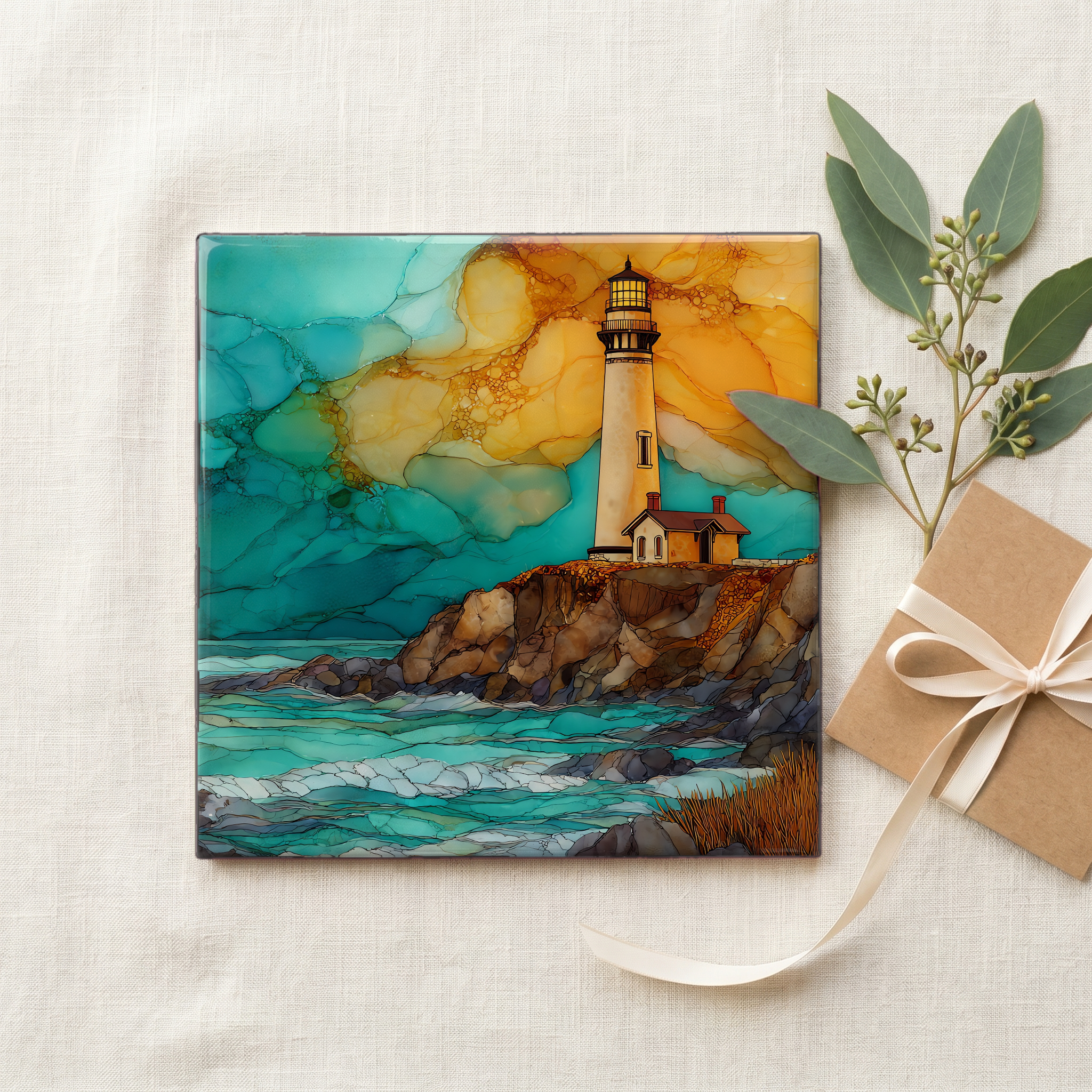
comes gift-ready

Each tile ships in a kraft box, tied with cream ribbon, with a handwritten note from the studio if you'd like to add one.
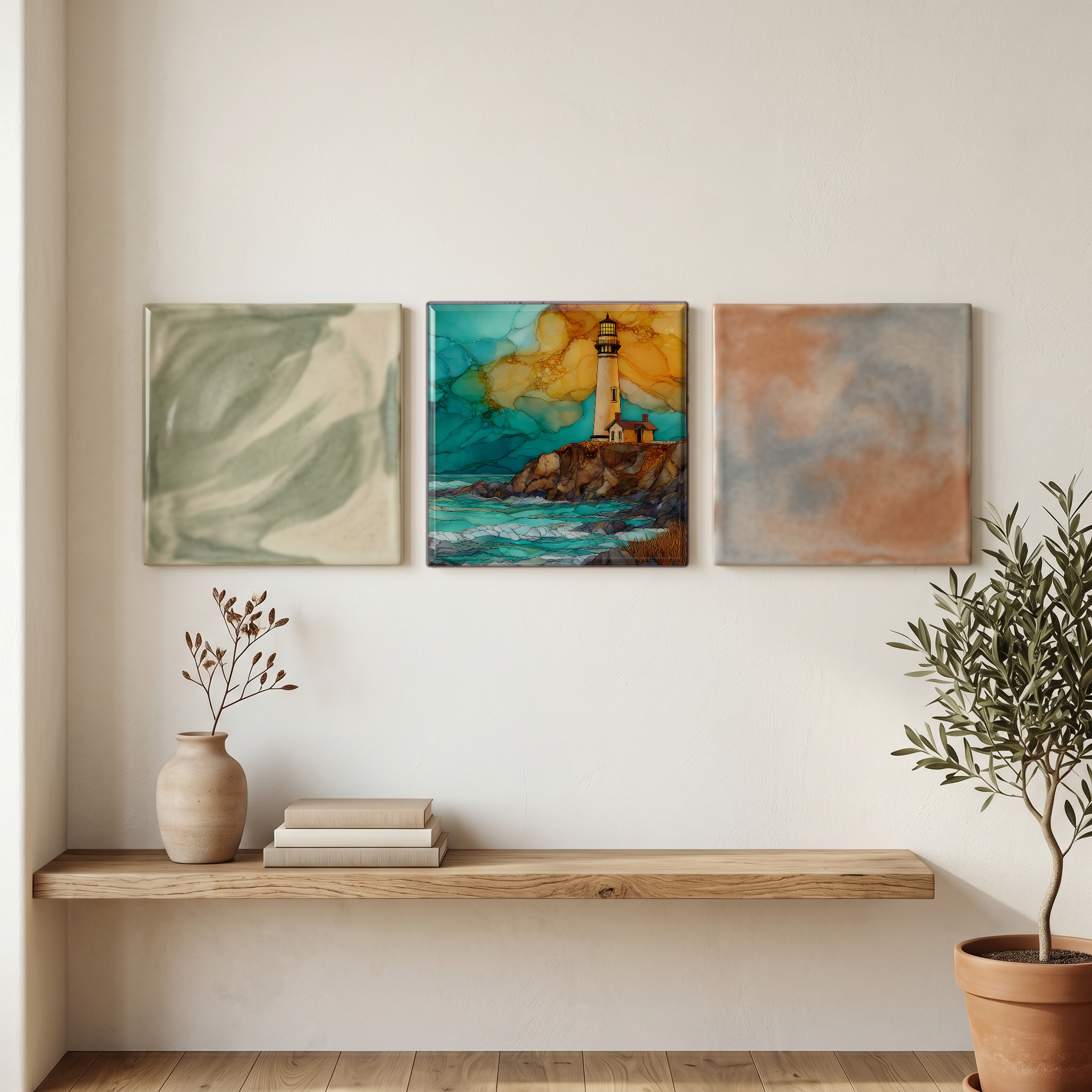
or build a grouping
or build a grouping

Three or five different vistas, hung together — a chapter of places you've been, or want to go.

about Piedras Blancas Light

The place, in three passes.

A little of what's known, in case you fall down the rabbit hole — or want to go see it yourself.
the place

Piedras Blancas Light Station sits on a coastal headland of San Luis Obispo County, California, about six miles north of the town of San Simeon along Highway 1. The Spanish name means 'white rocks' and refers to the bleached offshore stacks visible from the headland, coloured by cormorant guano. The station was first lit on 15 February 1875 to mark a long stretch of California coast that had taken several ships in the previous decade. The site is now managed as an Outstanding Natural Area by the Bureau of Land Management, which has overseen it since the transfer from the U.S. Coast Guard in 2001.

the stone

The tower was built of brick, originally rising about a hundred feet in five tapered sections to a first-order Fresnel lens, the largest classification of lighthouse optic. The lens was manufactured by Henry-Lepaute of Paris and installed in 1875, sending a fixed white light visible roughly twenty-five miles to sea. The Long Beach earthquake of 1948 and the smaller earthquakes of the following year damaged the lantern room and the upper watch room; both were removed in 1949, and the tower was capped with an aluminum dome at about seventy feet. The original Fresnel lens is now displayed in Cambria, twenty miles south of the headland.

the visit

Access to the station grounds is by guided tour only. The Bureau of Land Management and the nonprofit Friends of Piedras Blancas run tours on Tuesday, Thursday, and Saturday mornings, weather permitting, departing from the former Piedras Blancas Motel a mile and a half north of the gate. Tours last about two hours and cover the keepers' compound, the tower, and the bluff. The elephant seal rookery a mile south of the headland is open every day with no fee and no reservation. The closest towns for lodging are San Simeon and Cambria; the closest commercial airport is San Luis Obispo, about seventy miles south.

where
United States · San Luis Obispo County, California
within
Piedras Blancas Outstanding Natural Area
elevation
8 m · 26 ft
position
35.6661° N · 121.2848° W
the neighborhood

What's nearby.

A handful of named places within an hour's walk or short drive. Some we've already painted; some we will.
1 km S
Piedras Blancas Elephant Seal Rookery
rookery
10 km S
San Simeon
coastal town
11 km S
Hearst Castle
historic estate
15 km N
Ragged Point
Big Sur gateway
25 km S
Cambria
coastal town
80 km S
Morro Bay
harbor town
N
Piedras Blancas Light
Piedras Blancas Elephant Seal Rookery
San Simeon
Hearst Castle
Ragged Point
Cambria
Morro Bay
common questions

What people ask.

A few questions we get about Piedras Blancas Light — and about bringing the piece home.
about the place

Piedras Blancas Light Station is on a coastal headland of San Luis Obispo County, California, on Highway 1 about six miles north of San Simeon. The name is Spanish for 'white rocks,' after the bleached offshore stacks visible from the bluff.

The light was first lit on 15 February 1875, marking a stretch of California coast that had taken several ships in the previous decade. The original tower was about a hundred feet of brick in five tapered sections, capped with a first-order Fresnel lens manufactured in Paris.

A 1948 Long Beach earthquake and the smaller shocks of the following year damaged the lantern and watch rooms at the top of the tower. Both were removed in 1949 and the tower was capped with an aluminum dome at about seventy feet, the height it stands today.

The first-order Fresnel lens that lit Piedras Blancas from 1875 is now on display in the town of Cambria, about twenty miles south of the lighthouse. The lens was made by Henry-Lepaute of Paris and is one of the largest classifications of lighthouse optic.

Yes, by guided tour only. The Bureau of Land Management and Friends of Piedras Blancas run tours on Tuesday, Thursday, and Saturday mornings, weather permitting, departing from the former Piedras Blancas Motel a mile and a half north of the gate. Tours last about two hours.

The Bureau of Land Management has managed the station as an Outstanding Natural Area since the transfer from the U.S. Coast Guard in 2001. Tours are run jointly with the nonprofit Friends of Piedras Blancas. A modern beacon mounted at the top of the dome still turns through each night.

The Piedras Blancas Elephant Seal Rookery sits a mile south along Highway 1, with free bluff-top viewing every day. Hearst Castle is six miles south of the rookery in San Simeon. Cambria, with the displayed Fresnel lens, is twenty miles further south.

about the piece in your home

For someone who knows the white rocks and the long evening light of San Luis Obispo County, a piece of Piedras Blancas carries the place quietly. A Small or Medium in the Glossy finish sits well in a study or hallway, with a handwritten note from the studio.

Piedras Blancas is one of the older surviving California lights, lit in 1875 and still operating under a modern beacon. The artwork holds the headland and the white rocks rather than the technical detail. The Medium in the Glossy finish reads well alongside other lighthouse pieces.

The Pacific blues, white rock, and weathered tower greys sit well in coastal-modern, New England, and California-modern rooms. The painterly treatment also reads as a single colour anchor in a more minimal space with linen and oak.

Above a sofa, a single Large at 24 inches anchors the wall; a 4-tile Mural at 36 inches fills a longer space. Above a console, the Medium or the smaller 4-tile Mural is the usual call.

Yes. The Dura Satin and Matte finishes are scratch-resistant and made for high-moisture rooms, including showers and full-height backsplashes. The Glossy finish is reserved for show-pieces and framed wall art rather than wet installations.

A microfibre cloth and water. No abrasive pads, no bleach. The colour lives in the surface of the tile and will not fade or scratch off in normal household use.

Yes. Every WenderVista piece is drawn in Wender Studios' own visual language; the painting was made in-house, and the studio holds the original. We do not license third-party art.

if this one stayed with you

A few you might also love.

Hand-picked by the eye that found Sorapis. Same air, same kind of quiet.