Wender·Vista
Minarets Mammoth
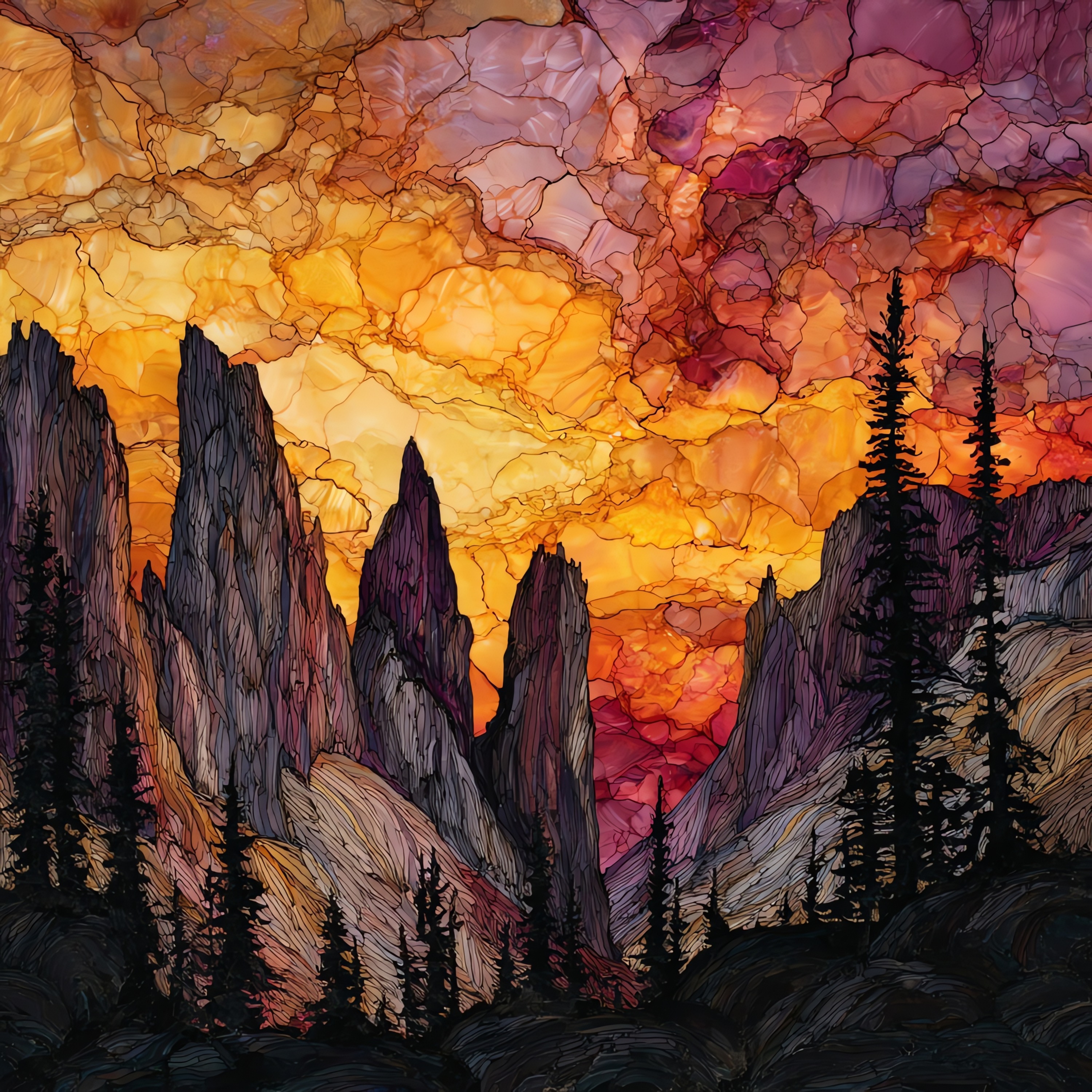
shown on ceramic, 12-inch tileCalifornia · United States
west of Mammoth Mountain, in the Ansel Adams Wilderness

Minarets Mammoth

— the ridge the sun saves for last.

Where it lives

Not only on a wall.

A small tile on the nightstand catching the morning. A larger one above the fire. Yours, wherever you spend the slow hours.
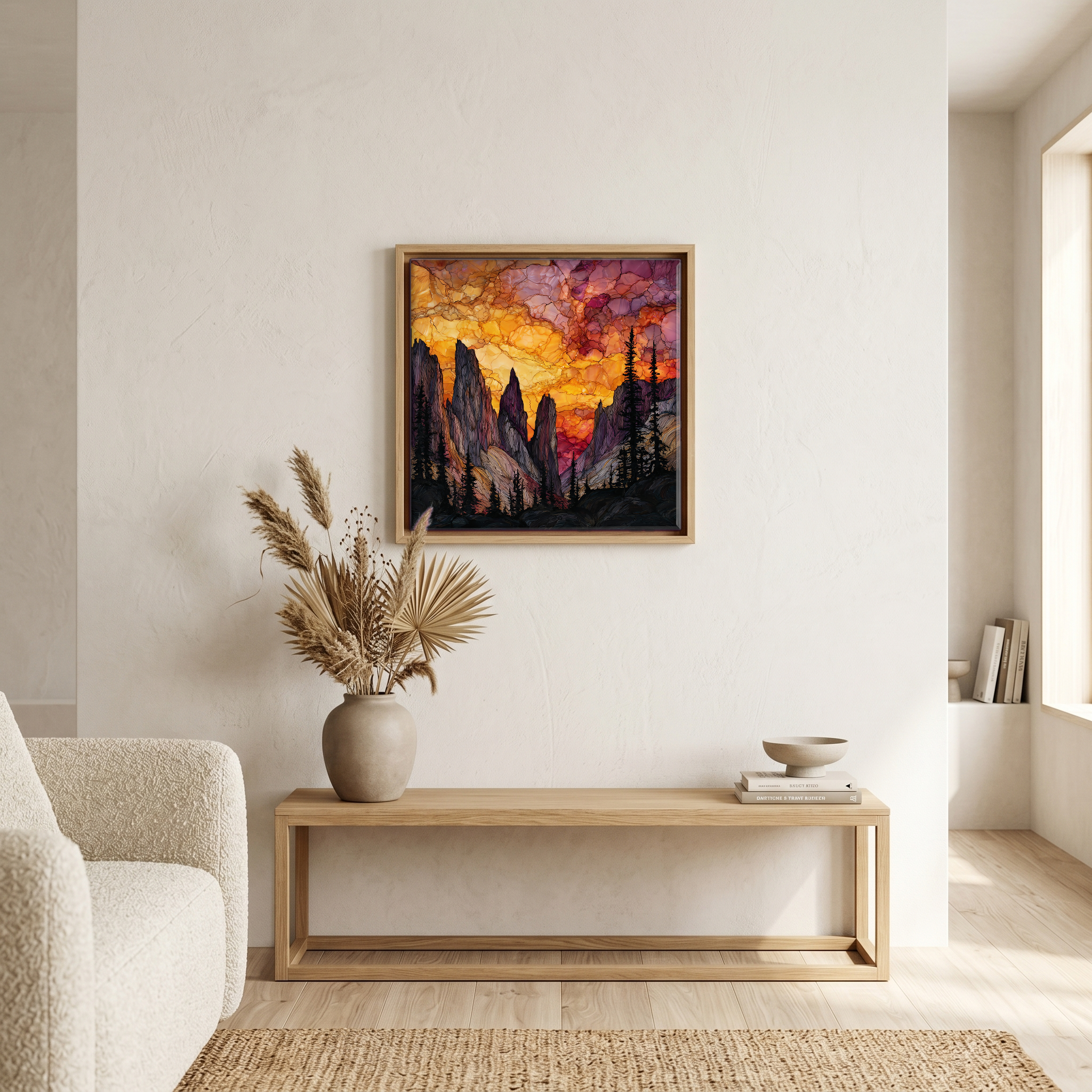
Above the bench, in a warm oak surround.
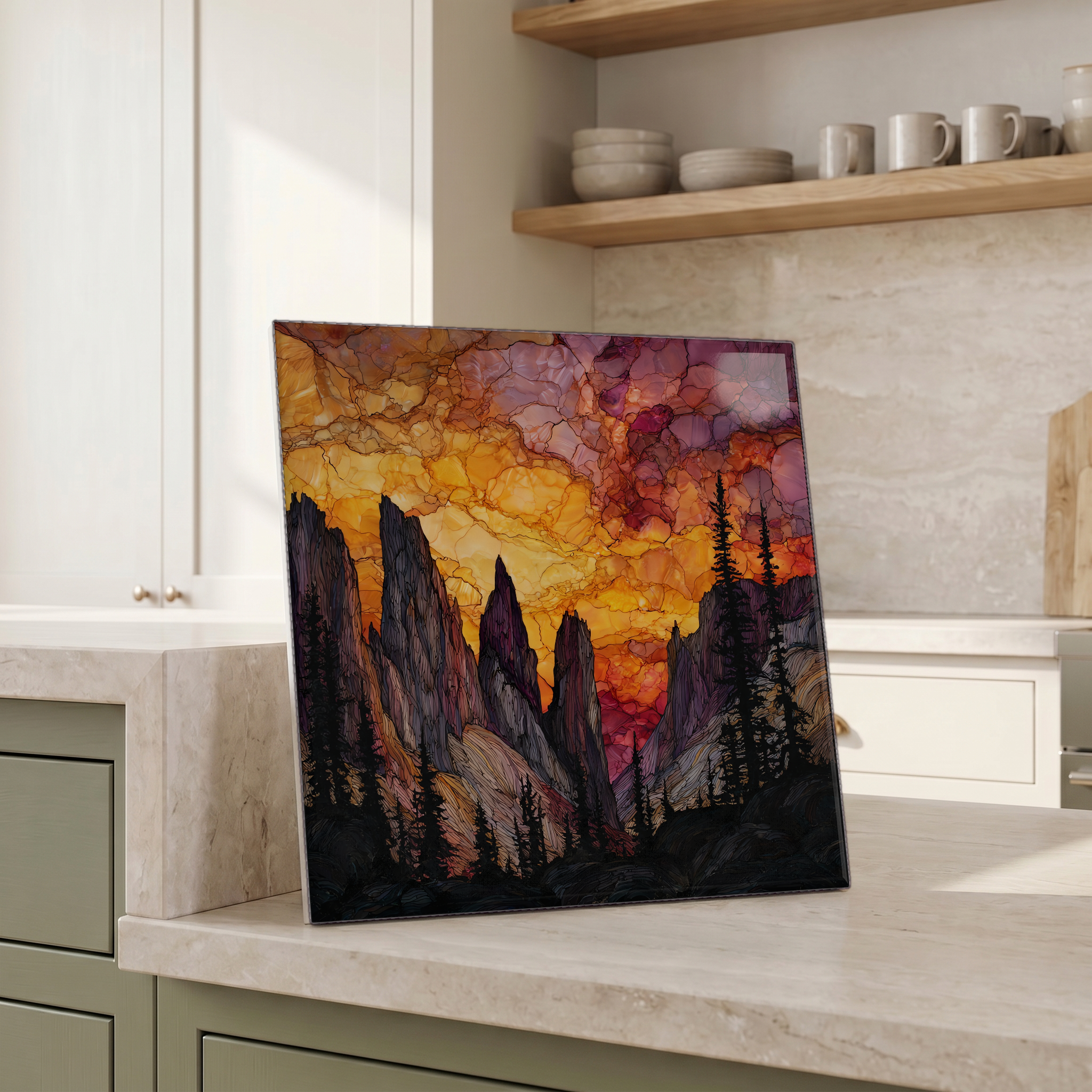
Beside the kettle, propped on the counter.
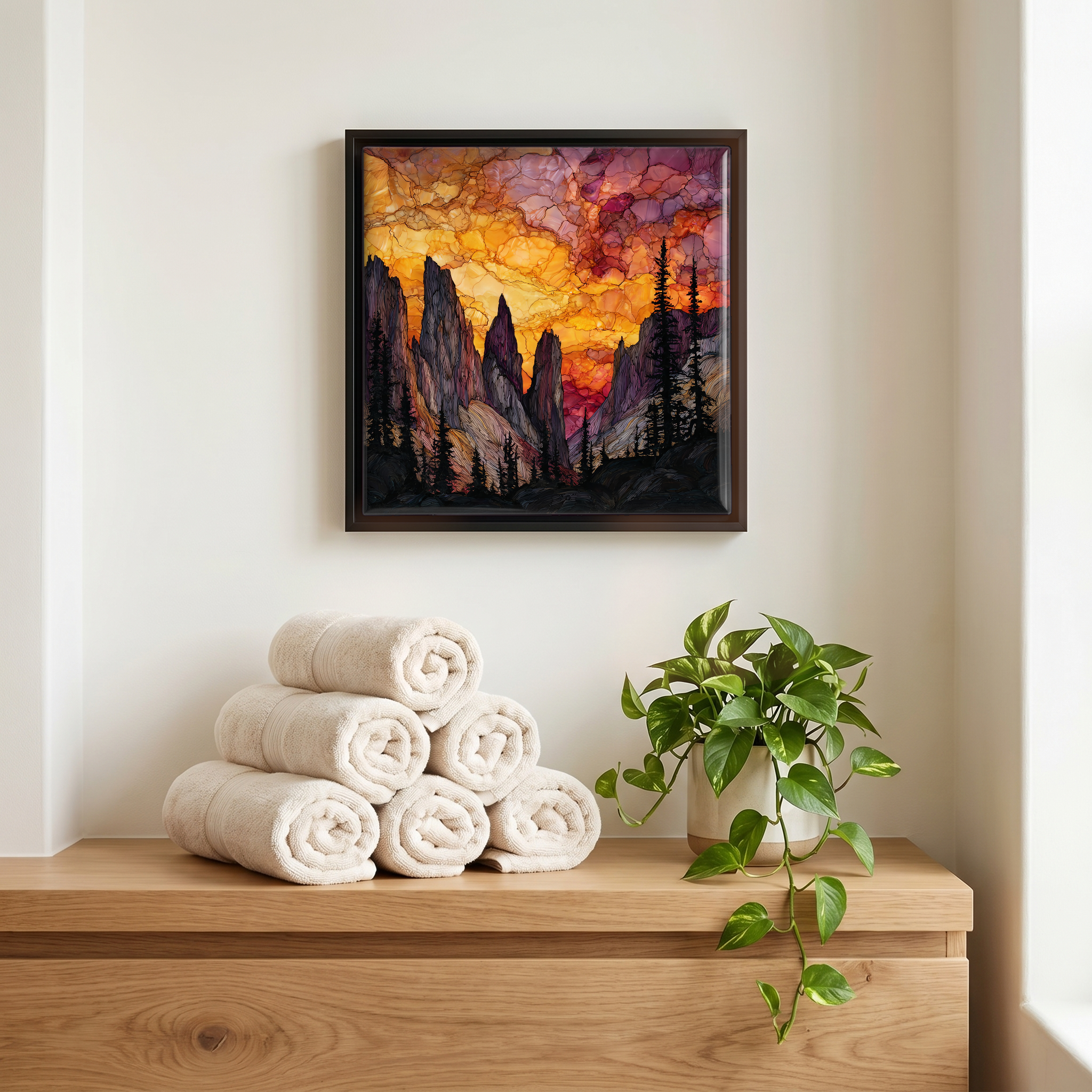
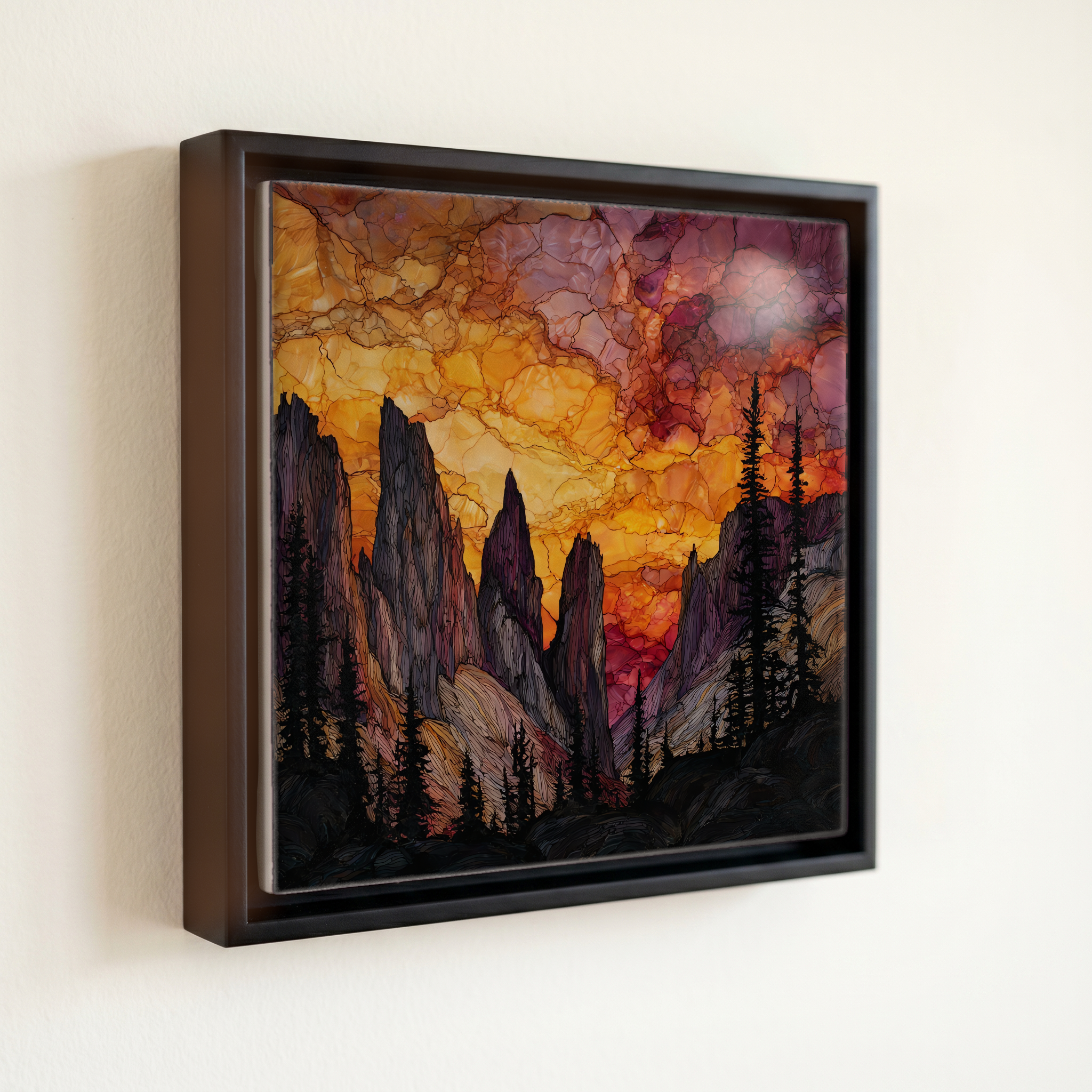
Above the linens, in a slim black surround.
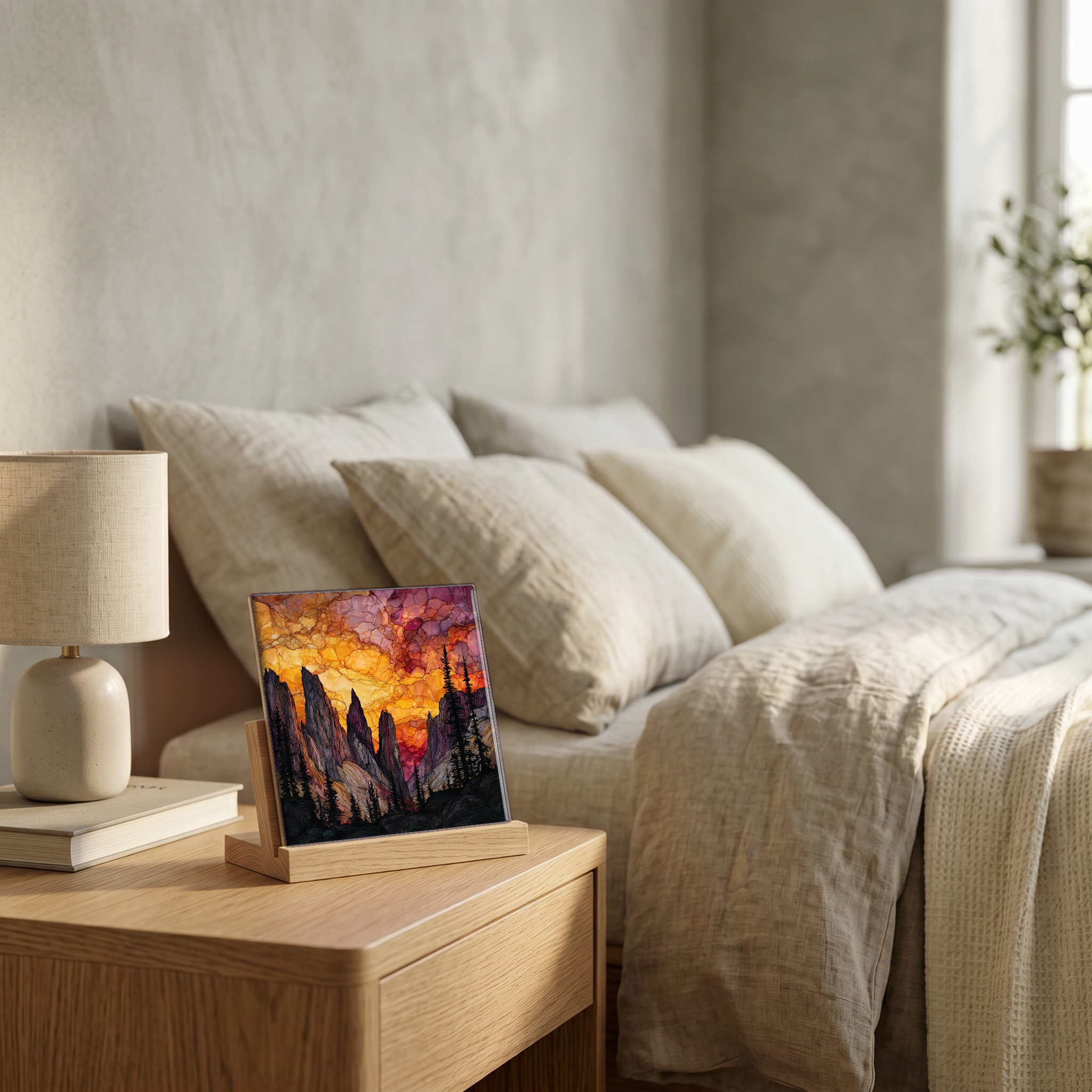
On the nightstand, on a light oak stand.
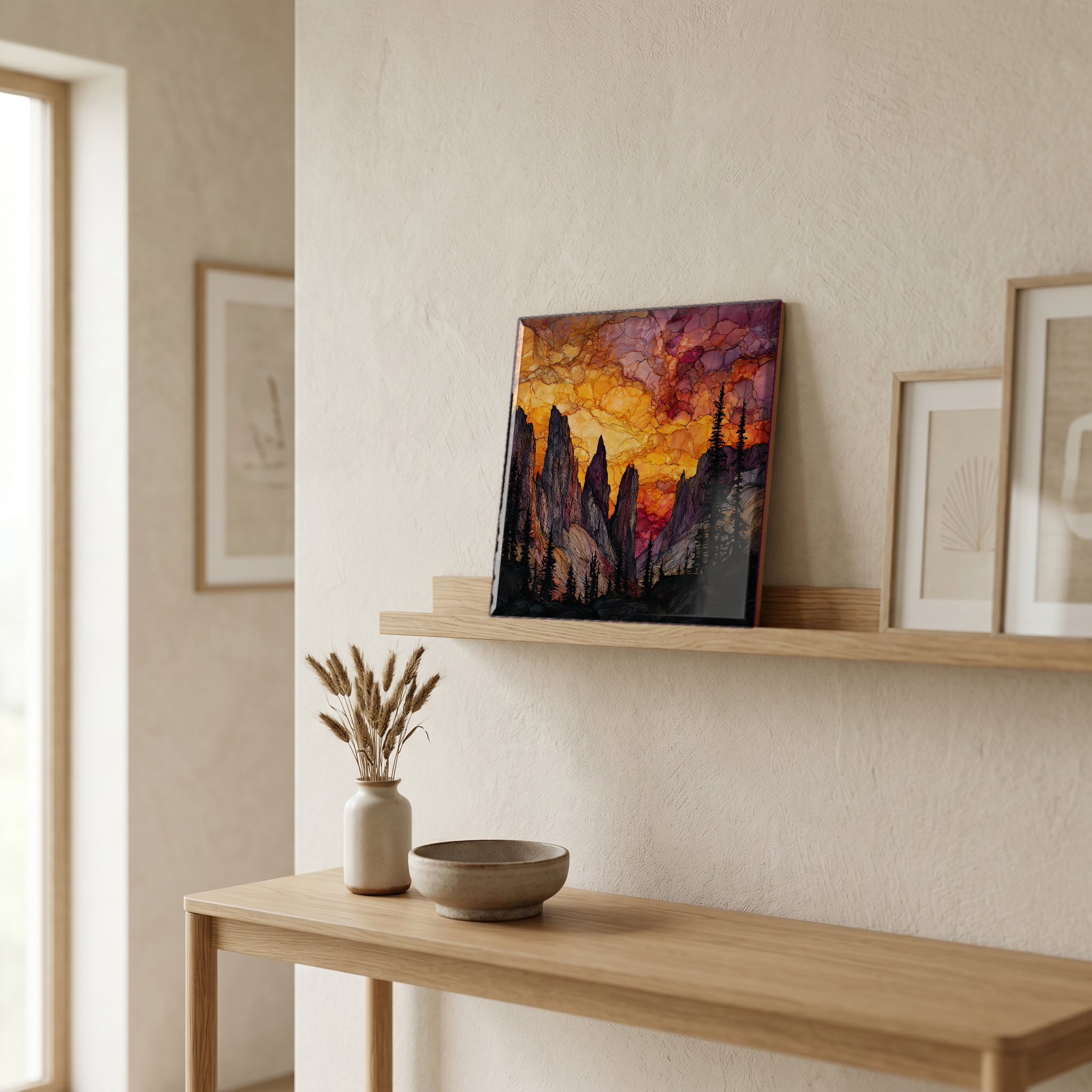
On a picture ledge, where the light comes in.
a note from the studio

Seventeen named spires on a single ridge, west of Mammoth Mountain. The Minarets are darker than the granite Sierra around them, made of older metavolcanic rock that the glaciers cut into sharper edges. Clyde, Michael, Eichorn, Jensen: each one carries a climber's name. From the overlook off Highway 203 the row turns red about ten minutes before the sun is gone, then black, then nothing. Ansel Adams photographed them from the Garnet Lake side. The wilderness still carries his name.
from the studio
shown in a slim black floating frame · 6 × 6 in
— bring it home

Minarets Mammoth, on ceramic.

Each tile is finished by hand in our Knoxville studio. Artwork is slowly infused into the ceramic surface under high heat and pressure, and rests beneath a thin glossy finish. The colour lives in the surface, not on top of it.

What kind of piece?
One tile — square or rectangle.
How big?
the popular one — counter, shelf, nightstand
6 × 6 in · 15 cm · 1.6 lb
Surface finish
A clear glossy finish — the artwork reads as if under resin. Ideal for show-pieces and framed wall art.
How it sits
A hidden cleat — sits ¼″ proud of the wall.
$58
Hand-finished and shipped from our studio at the foot of the Smokies. On your wall in about ten days.
size
6 × 6 in
15 cm
weighs
1.6 lb
solid in the hand
surface
ceramic, hand-finished
art rests beneath a thin glossy finish
from
Knoxville, TN
our family studio, at the foot of the Smokies
— start a Coaster Set

Pick any four 4-inch tiles — National Parks you've been to, a Smokies set, the four seasons of one place. $ for a set of , cork-backed, ready to live on the table.
comes gift-ready
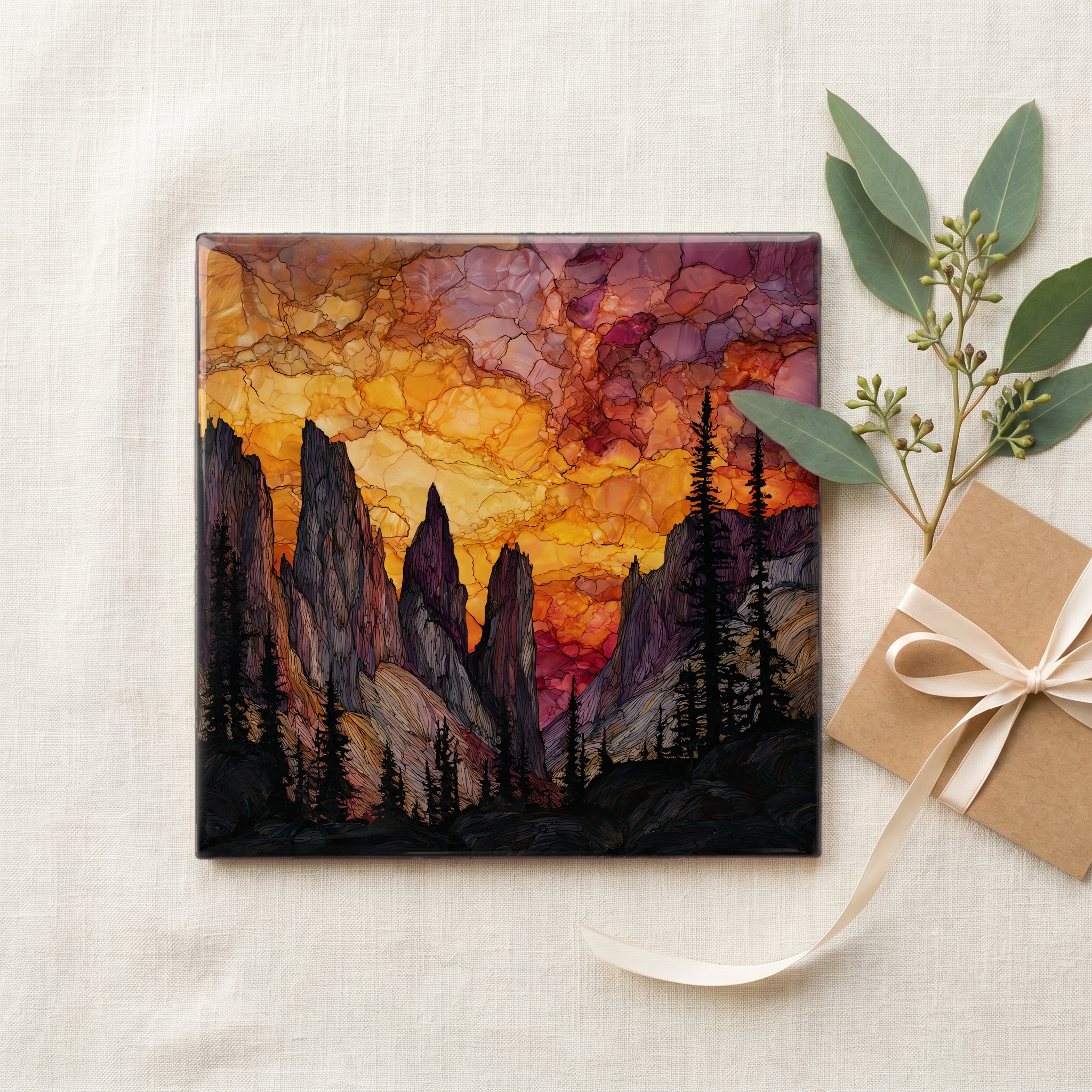
comes gift-ready

Each tile ships in a kraft box, tied with cream ribbon, with a handwritten note from the studio if you'd like to add one.
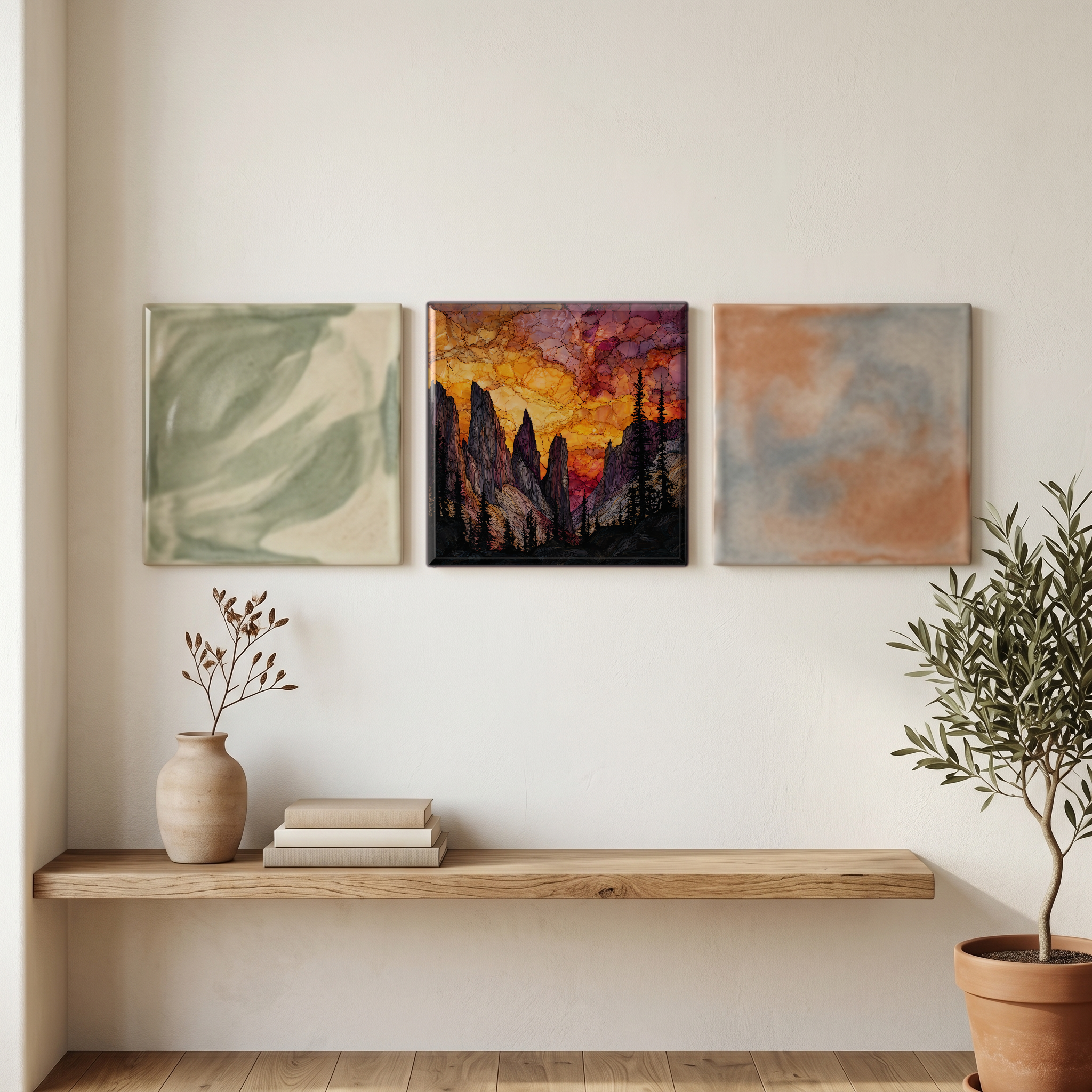
or build a grouping
or build a grouping

Three or five different vistas, hung together — a chapter of places you've been, or want to go.

about Minarets Mammoth

The place, in three passes.

A little of what's known, in case you fall down the rabbit hole — or want to go see it yourself.
the place

The Minarets are a row of seventeen named spires on the crest of the Ritter Range, the geologic backbone of California's Ansel Adams Wilderness. They sit about ten miles west of Mammoth Lakes and Mammoth Mountain, in Madera County, with Banner Peak and Mount Ritter rising at the north end of the same ridge. The highest, Clyde Minaret, reaches 12,281 feet. The most-photographed view of the row is from Minaret Vista, an Inyo National Forest overlook at 9,265 feet on Highway 203, about ten minutes' drive from town. Garnet Lake and Thousand Island Lake, both on the John Muir Trail, sit at the western foot of the range.

the stone

The Minarets are made of metavolcanic rock, a Jurassic-era sequence of older marine sediments and lavas baked under heat and pressure, surrounded but never replaced by the younger granite that makes up most of the High Sierra. The harder, more-jointed rock weathers differently. While the surrounding granite domes have been smoothed and rounded by glaciation, the same glaciers cut the Minarets into the serrated silhouette that gave them their name. In 1893 Theodore Solomons saw the row from the west and recognised the shape of the minarets of a mosque. Climbers later began naming individual peaks: Clyde, Michael, Eichorn, Jensen, Ken. The longer routes are graded Class 5.

the visit

Minaret Vista is reached by the Minaret Summit Road, the continuation of California Highway 203 west of Mammoth Lakes village. The overlook itself is open and free, with paved parking and a short interpretive loop. From mid-June through Labor Day weekend the road beyond the vista, descending into the Reds Meadow Valley toward Devils Postpile National Monument, is closed to private vehicles during the day; access is by Inyo National Forest shuttle from the Mammoth Mountain Adventure Center. Outside the shuttle window the road is gated for snow. The closer trailheads for Garnet Lake and the John Muir Trail begin at Devils Postpile and Agnew Meadows, both inside the shuttle zone.

where
United States · Madera County, California
within
Ansel Adams Wilderness
elevation
3,743 m · 12,281 ft
position
37.6927° N · 119.1664° W
the neighborhood

What's nearby.

A handful of named places within an hour's walk or short drive. Some we've already painted; some we will.
4 km E
Mammoth Mountain
ski mountain
8 km SE
Devils Postpile National Monument
national monument
5 km N
Banner Peak
peak
6 km N
Mount Ritter
peak
8 km NW
Garnet Lake
alpine lake
11 km NW
Thousand Island Lake
alpine lake
10 km SE
Rainbow Falls
waterfall
N
Minarets Mammoth
Mammoth Mountain
Devils Postpile National Monument
Banner Peak
Mount Ritter
Garnet Lake
Thousand Island Lake
Rainbow Falls
common questions

What people ask.

A few questions we get about Minarets Mammoth — and about bringing the piece home.
about the place

Theodore Solomons named the row in 1893 after seeing its serrated silhouette from the west and recognising the shape of the minarets of a mosque. The seventeen individual peaks were named later, mostly for early Sierra climbers: Clyde, Michael, Eichorn, Jensen.

Minaret Vista, a paved overlook on Highway 203 west of Mammoth Lakes, sits at 9,265 feet directly above the row. It is open in summer for free and offers an unobstructed view of all seventeen peaks. The closer western view is from Garnet Lake on the John Muir Trail.

The Minarets are metavolcanic, a Jurassic-era sequence of older marine sediments and lavas baked under heat and pressure. The harder, more-jointed rock weathered into sharp spires, while the granite of the rest of the High Sierra was smoothed by the same glaciers into rounded domes.

Clyde Minaret, the highest of the seventeen, reaches 12,281 feet. It was named for Norman Clyde, the Sierra climber who made first ascents of many of the peaks in the 1920s and 1930s. The southeast face is a classic Class 5 climb.

The wilderness was renamed in 1984, two years after Ansel Adams's death, in recognition of his photographs of this part of the Sierra. The view from Garnet Lake of Banner Peak, Mount Ritter and the Minarets is one of the most-reproduced images in American landscape photography.

The overlook itself is open and free whenever Highway 203 is clear of snow, generally late spring through autumn. Beyond the vista the road into Reds Meadow Valley is closed to private vehicles during the day from mid-June through Labor Day; access is by Inyo National Forest shuttle.

All seventeen are climbed, mostly Class 4 and Class 5. The classic first-ascent routes were established between the 1920s and 1930s by Norman Clyde, Charles Michael and Jules Eichorn, the three climbers whose names three of the peaks now carry. The usual approach is from Minaret Lake or Cecile Lake.

about the piece in your home

It's been a meaningful gift for both. The Minarets are the signature view from Minaret Summit at Mammoth Mountain and the centrepiece of the Ansel Adams Wilderness on the backpacking side. A Coaster or Small with a handwritten note from the studio carries well; the Medium or Large reads as the considered version.

The dark serrated silhouette and stained-glass colour read well in Mountain-modern, Alpine-modern and Coastal-modern interiors. The piece holds its own against a wood-panelled wall and lifts a white-walled room. The tile finish keeps the surface flatter than canvas, so it sits comfortably alongside framed photographs without competing.

Yes. Alpine-modern and biophilic design both lean on dark wood, deep stone and a single piece of landscape art on the main wall. The Minarets reads as place rather than decoration: viewers who know the Sierra recognise the silhouette before they read the title. A Large or Mural anchors the wall well.

Above a standard three-seat sofa, a single Large or a four-tile Mural reads correctly. Above a long console or sideboard, a nine-tile Mural fills the wall without overpowering it. The Triptych works in narrower hallways or above a stair landing.

Yes. For wet or steamy rooms, choose the Dura Satin finish: a soft sheen that is scratch- and moisture-resistant, suitable for backsplashes, shower walls and powder rooms. The Matte finish offers the same durability without any sheen. The Glossy finish is for dry framed wall installations only.

A microfibre cloth and water. The colour lives in the surface, so the tile cleans like ceramic, not like paint or print. Avoid abrasive pads and solvents. For a Dura Satin or Matte tile in a kitchen, a mild dish soap is also safe.

Yes. Every WenderVista piece is created in the studio by Reid Wender, in our distinctive stained-glass and alcohol-ink visual language, then slowly infused into the ceramic surface under high heat and pressure. No licensing, no resold imagery, no third-party prints. Single studio, hand-finished.

if this one stayed with you

A few you might also love.

Hand-picked by the eye that found Sorapis. Same air, same kind of quiet.