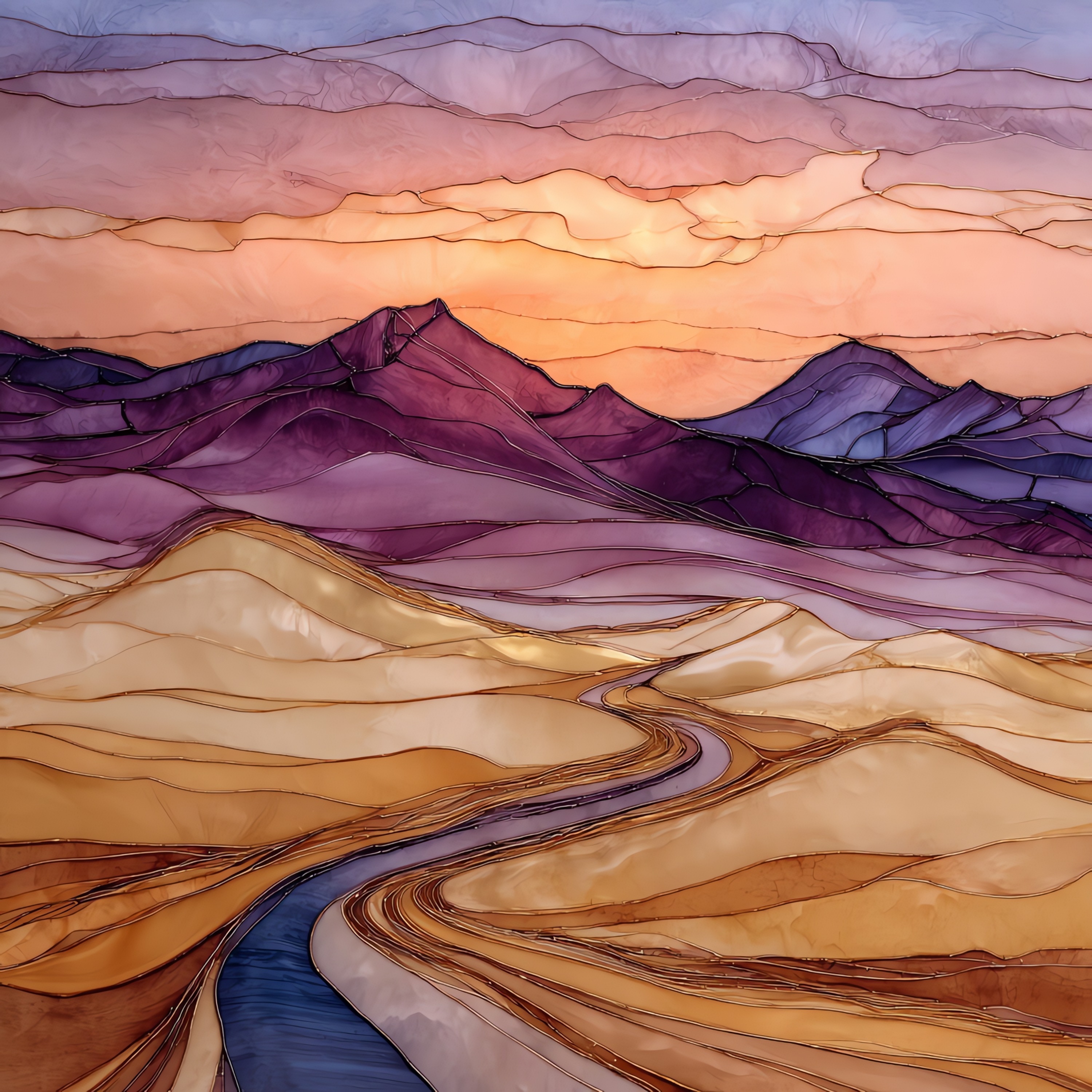
Mesquite Flat Dunes
— — what the wind leaves by morning.
Not only on a wall.
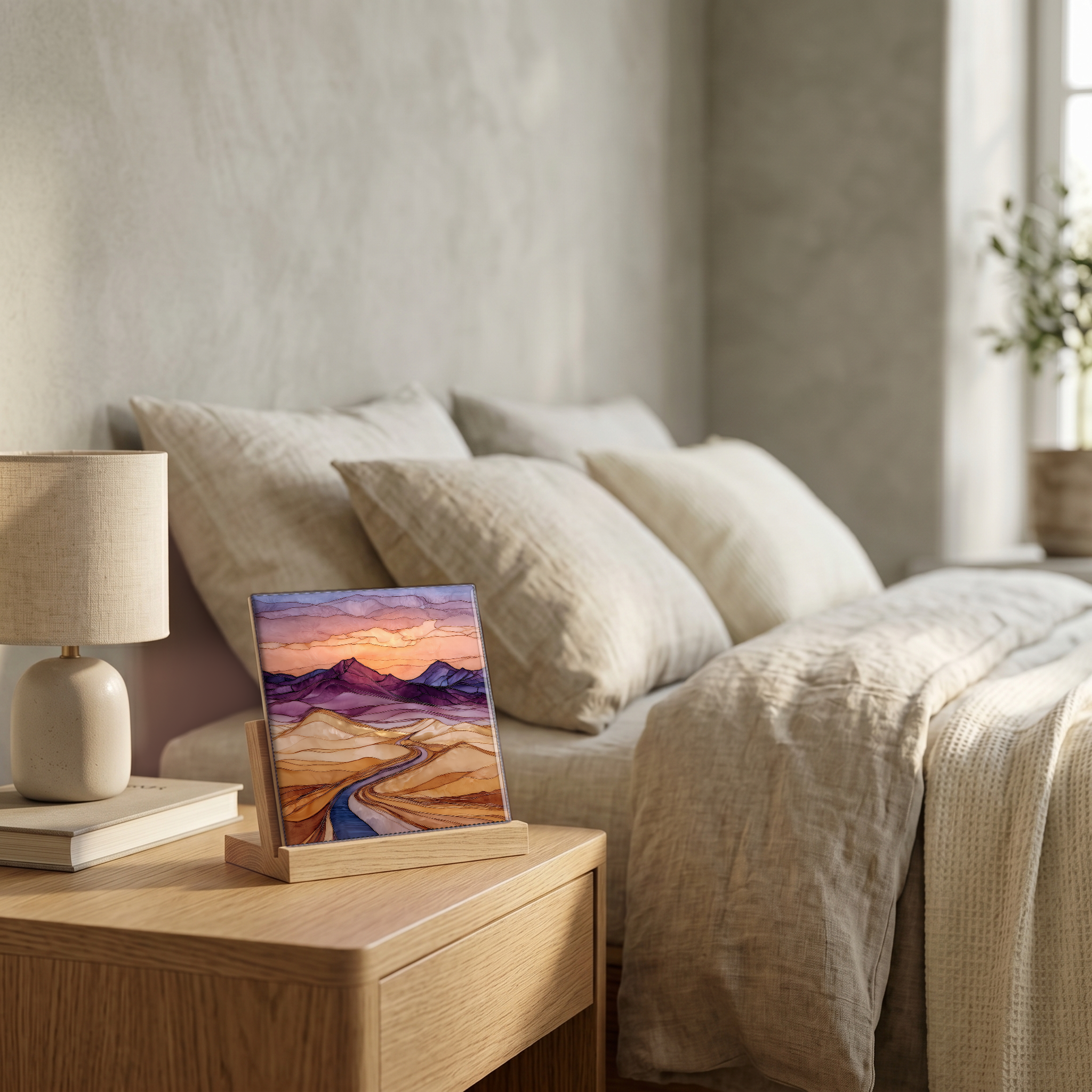
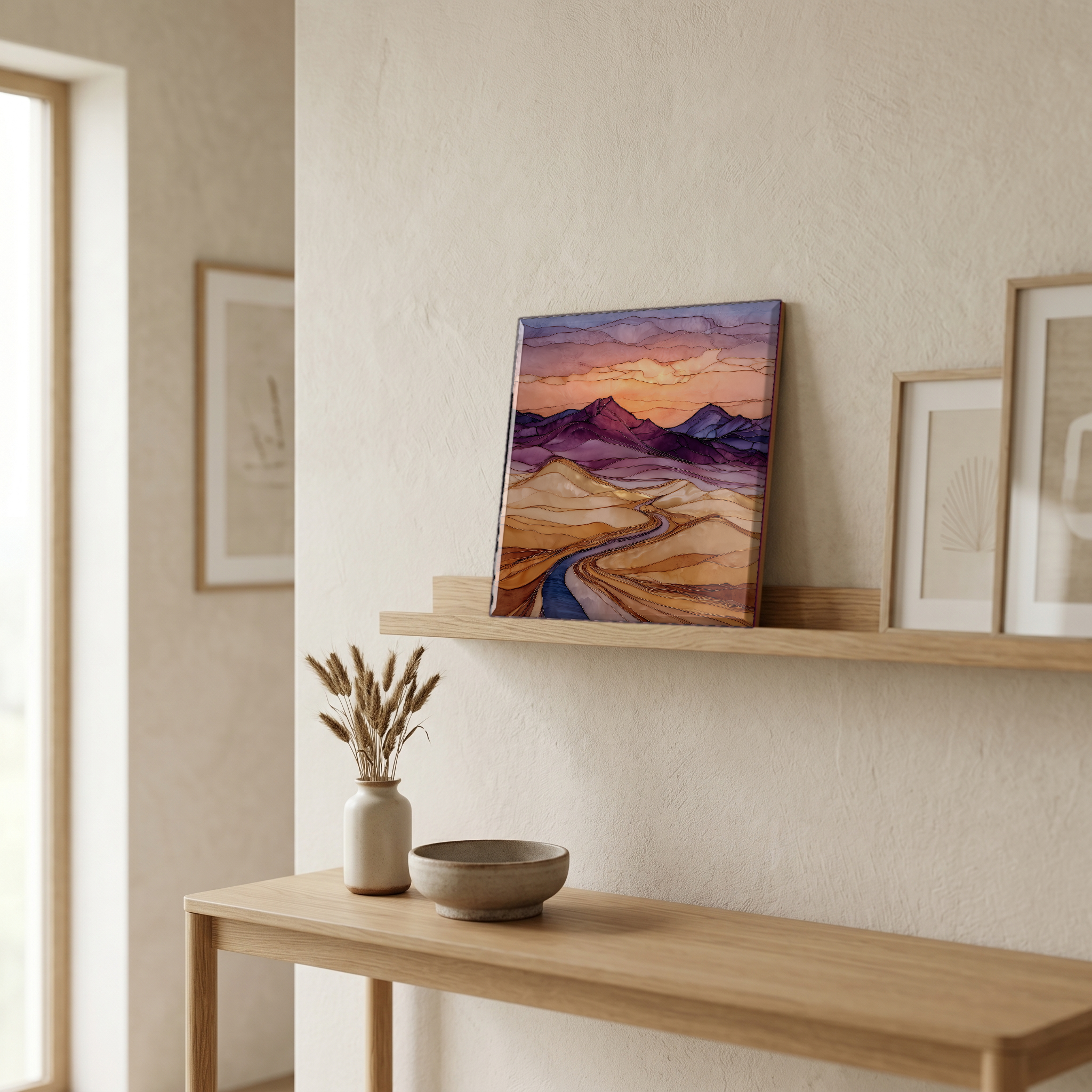
“The most accessible dune field in Death Valley, just off Highway 190 at Stovepipe Wells. The dunes rest on an old lakebed where mesquite trees still hold the sand in scattered hummocks and the wind redrafts the ridgelines overnight. The tallest crest stands about a hundred feet, low compared to the Eureka or Ibex fields but the most walked. Photographers come for the hour after sunrise and the hour before sunset, when the slip faces cast long shadows and the tracks left by kit foxes and kangaroo rats are still legible on the sand.
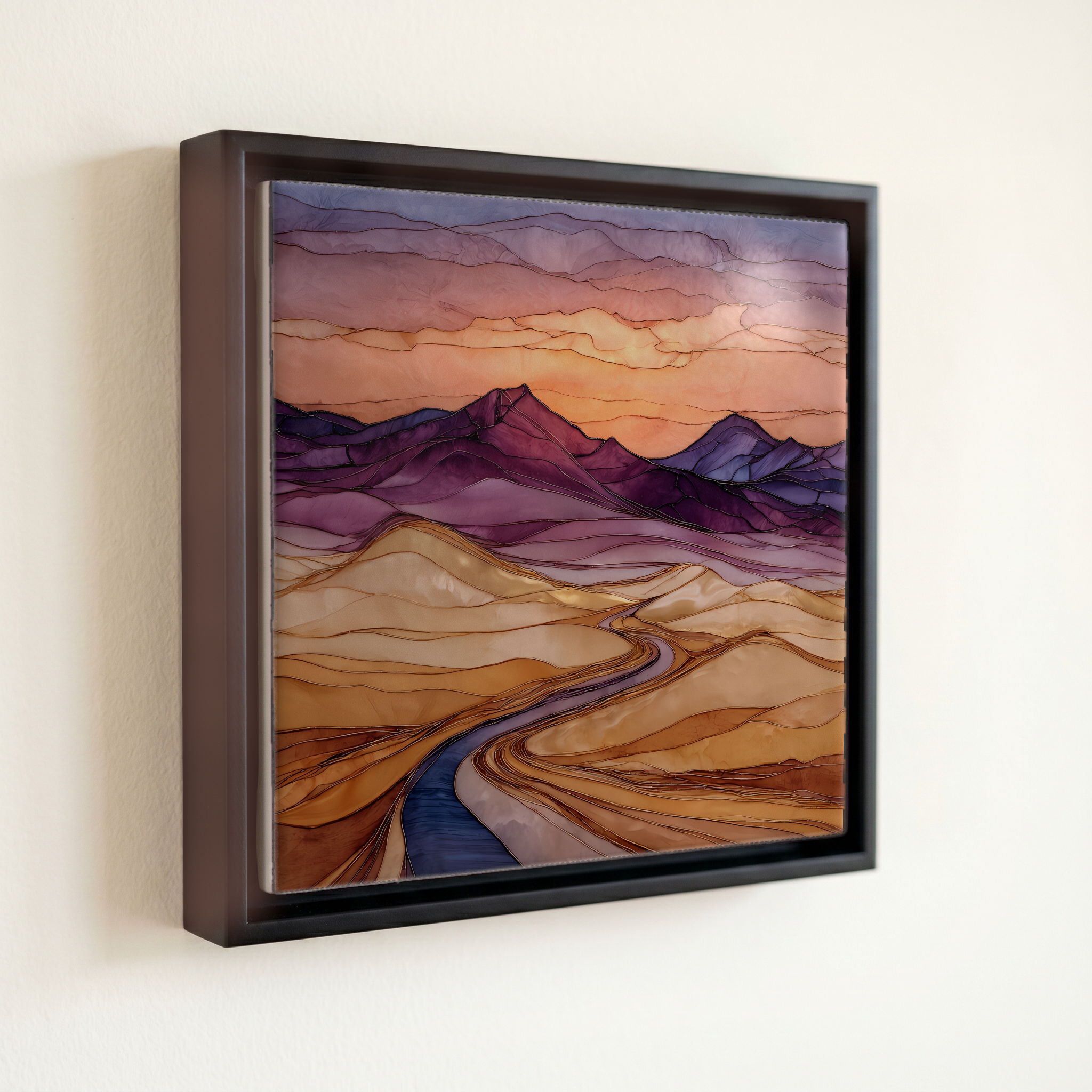
Mesquite Flat Dunes, on ceramic.
Each tile is finished by hand in our Knoxville studio. Artwork is slowly infused into the ceramic surface under high heat and pressure, and rests beneath a thin glossy finish. The colour lives in the surface, not on top of it.
Pick any four 4-inch tiles — National Parks you've been to, a Smokies set, the four seasons of one place. $ for a set of , cork-backed, ready to live on the table.
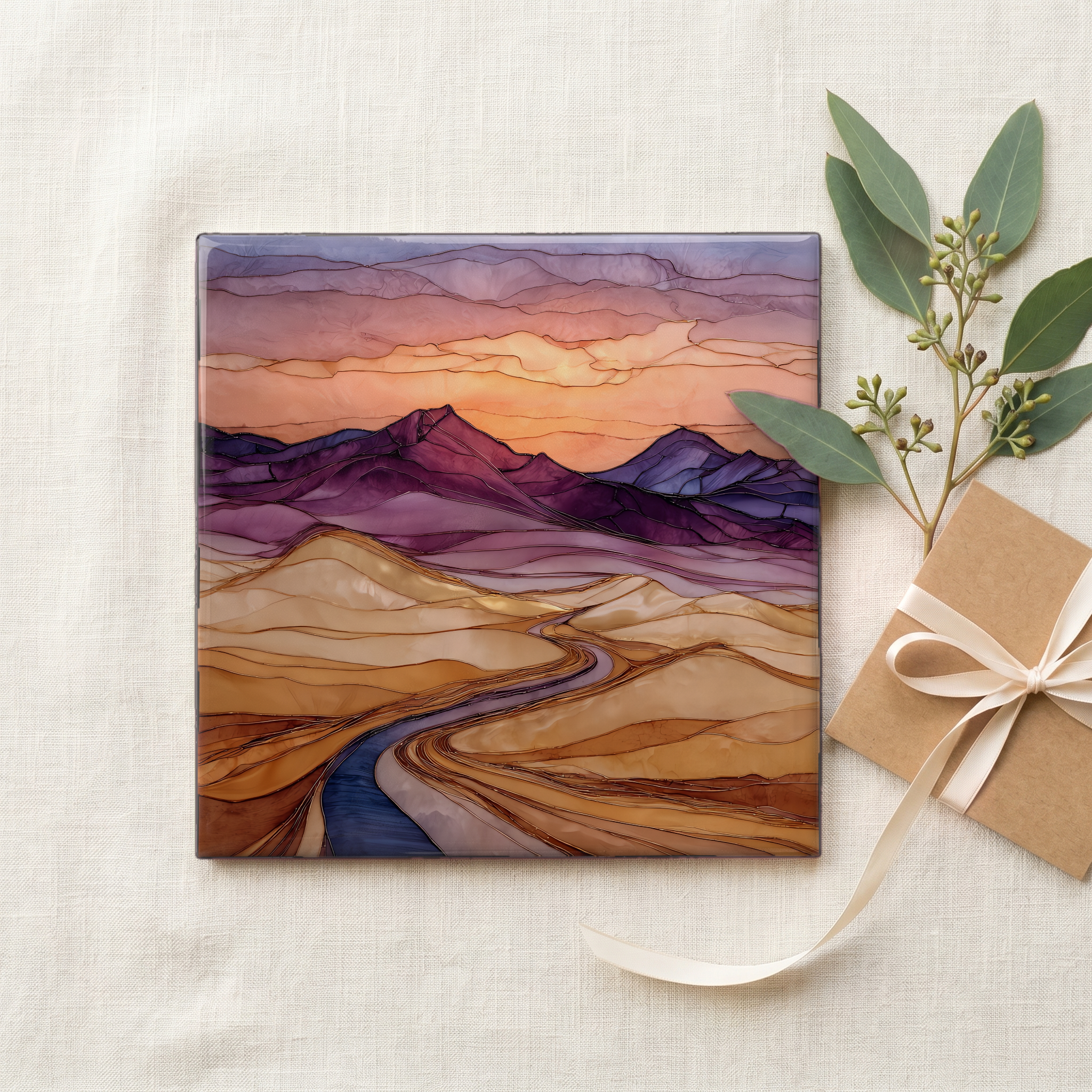
Each tile ships in a kraft box, tied with cream ribbon, with a handwritten note from the studio if you'd like to add one.
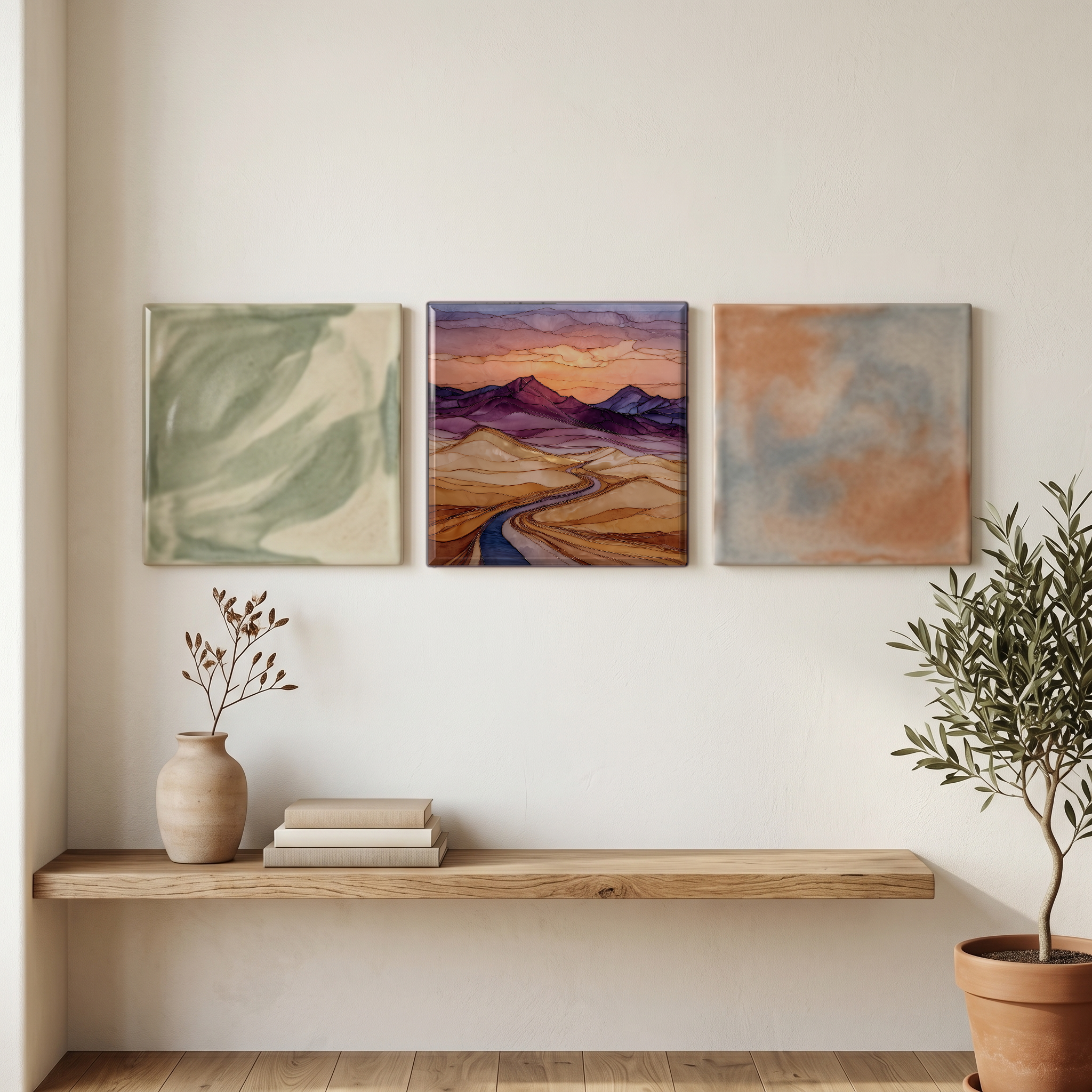
Three or five different vistas, hung together — a chapter of places you've been, or want to go.
The place, in three passes.
Mesquite Flat Sand Dunes lie in northern Death Valley National Park, California, along Highway 190 just east of Stovepipe Wells village. The dune field covers about 14 square miles on the floor of an old playa, hemmed in by the Cottonwood Mountains to the south and the Grapevine Mountains to the north. The sand was carried down from the surrounding ranges over thousands of years, then trapped where the canyon walls bend and the prevailing winds lose their speed. The tallest dune stands roughly 100 feet above the salt-pan floor. The parking pull-off sits at about sea level, an hour's drive east of the park's western boundary at Panamint Springs.
The dunes show their structure only at low sun. From mid-morning through afternoon, direct overhead light flattens the ripples and the field reads as undifferentiated tan; in the half-hour after sunrise and before sunset, the slip faces throw long shadows that pick out every crest and every set of overnight tracks. Photographers favor the first hour after dawn, when coyote and kit-fox prints from the night before are still crisp; the wind that erases them usually picks up by late morning. Death Valley is also a designated International Dark Sky Park, so the same field that holds shadow at dusk holds the Milky Way once full dark settles.
A Death Valley National Park entry pass covers access for seven days; the Mesquite Flat pull-off itself charges no additional fee and requires no permit. The parking turnout is signed off Highway 190 about two miles east of Stovepipe Wells. There is no maintained trail, so visitors walk a mile or so in any direction to reach the tallest crests. Mid-November through March holds the comfortable window; summer temperatures on the sand routinely reach 120°F and have exceeded 130°F at the nearby Furnace Creek station. The National Park Service recommends a gallon of water per person per day in any season, plus closed shoes, since windblown sand can scour open sandals and the surface heats quickly underfoot.