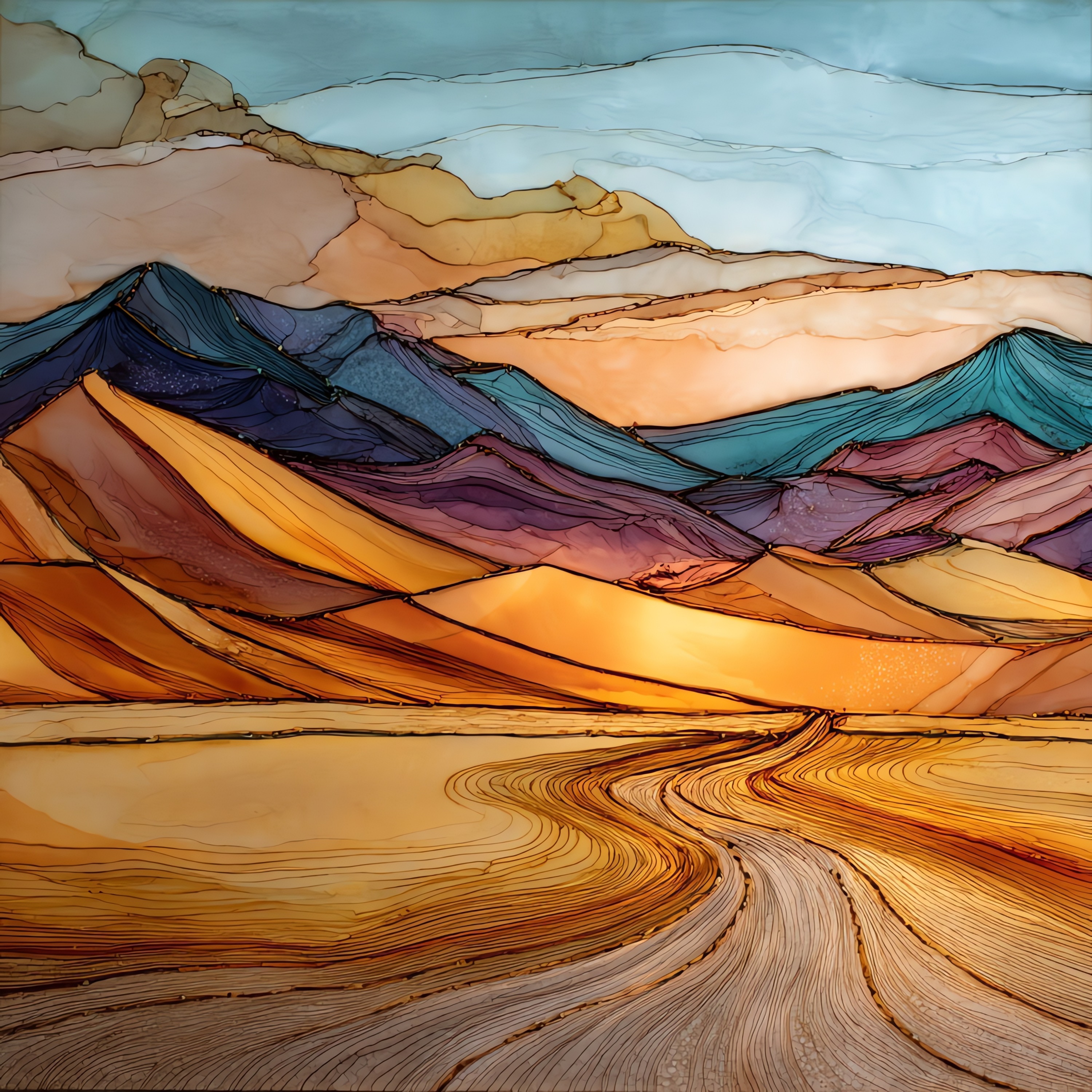
Kelso Dunes
— — a low hum when the slope gives way.
Not only on a wall.
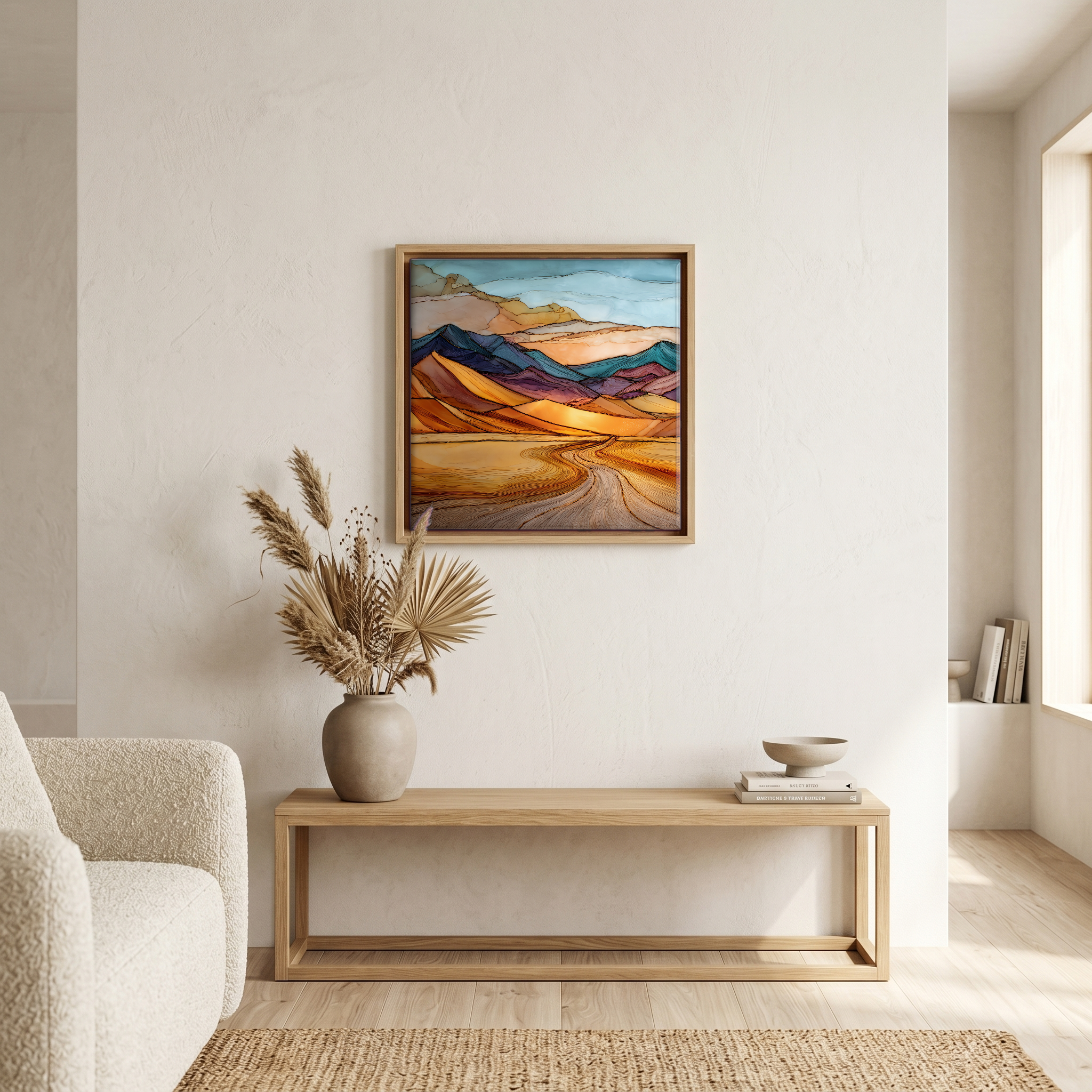
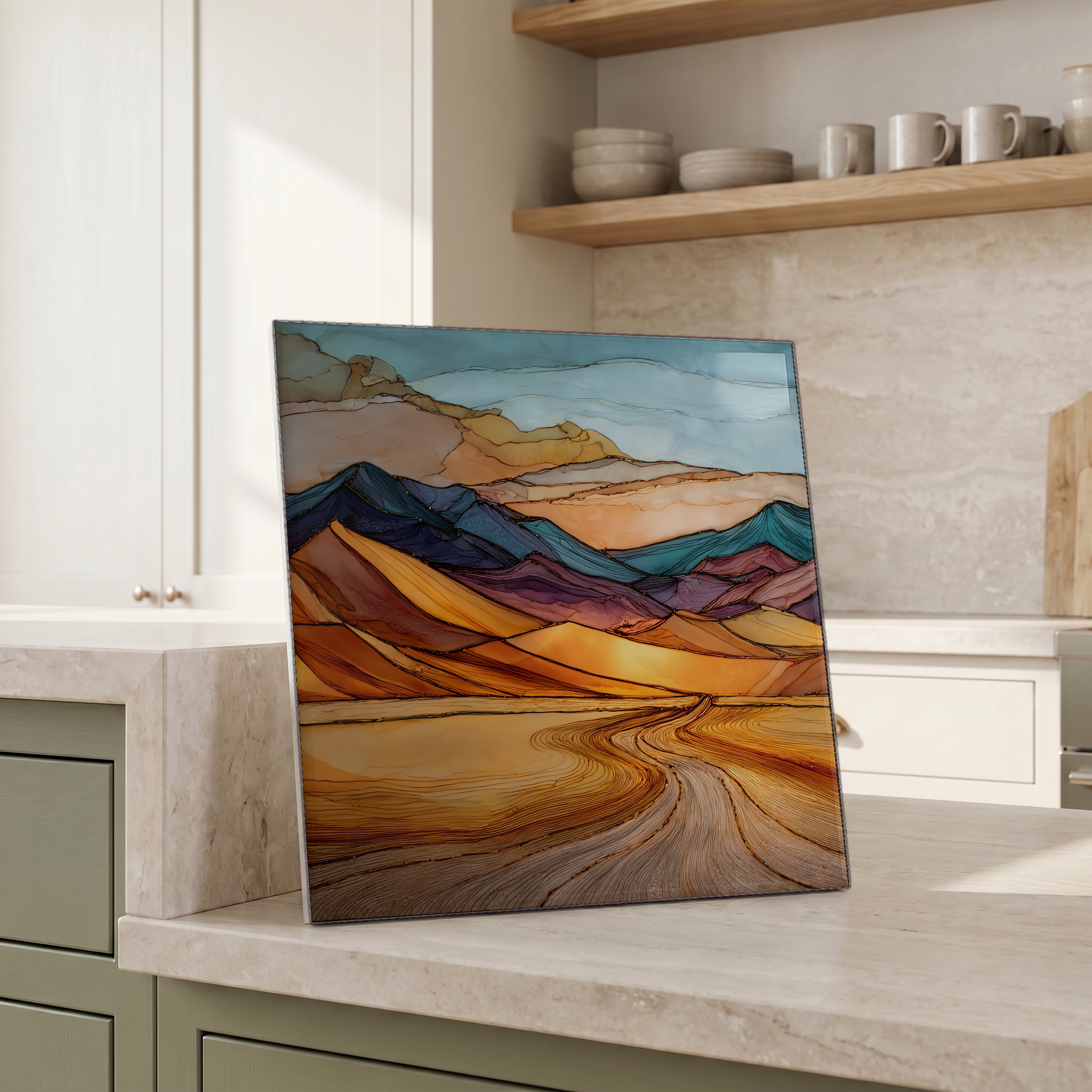
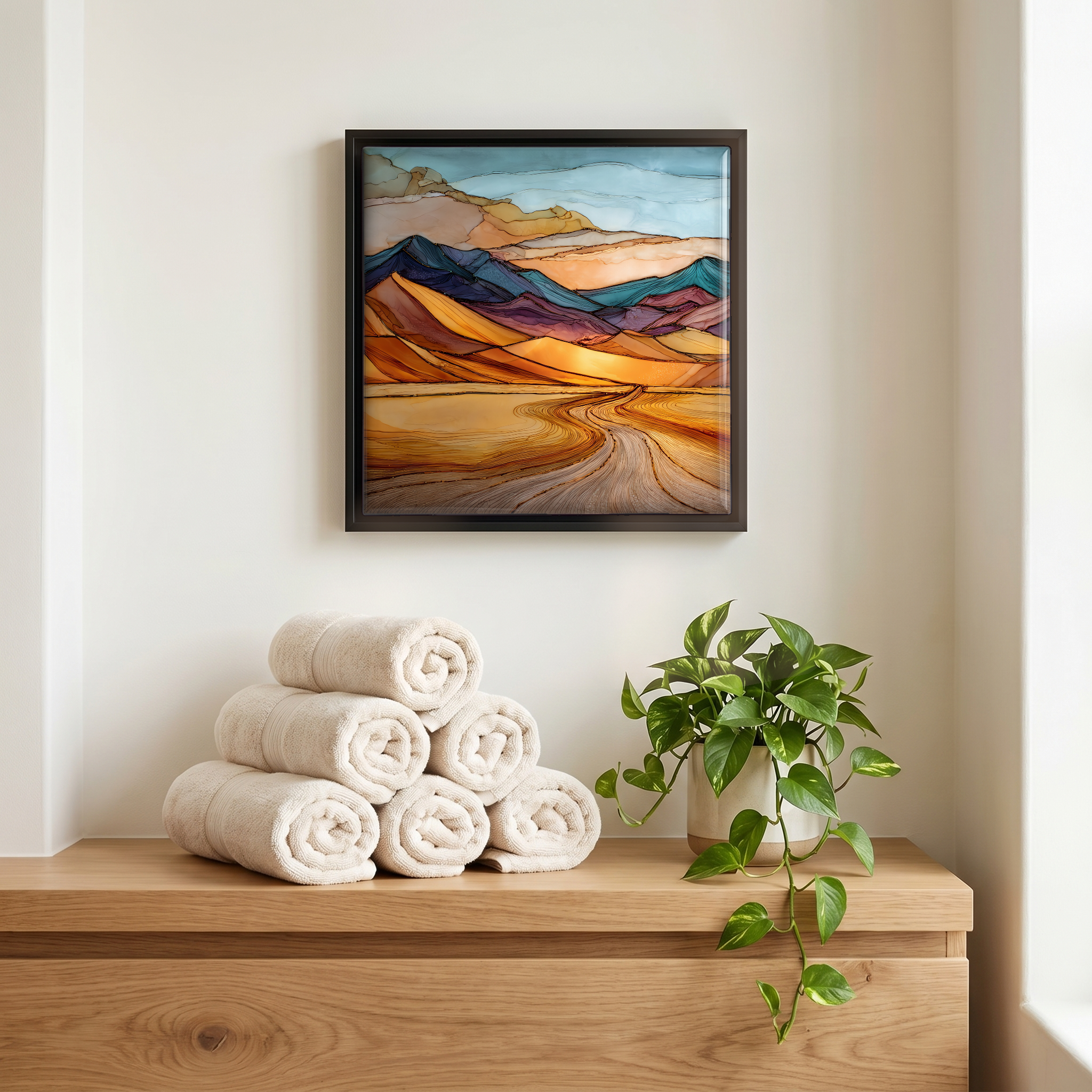

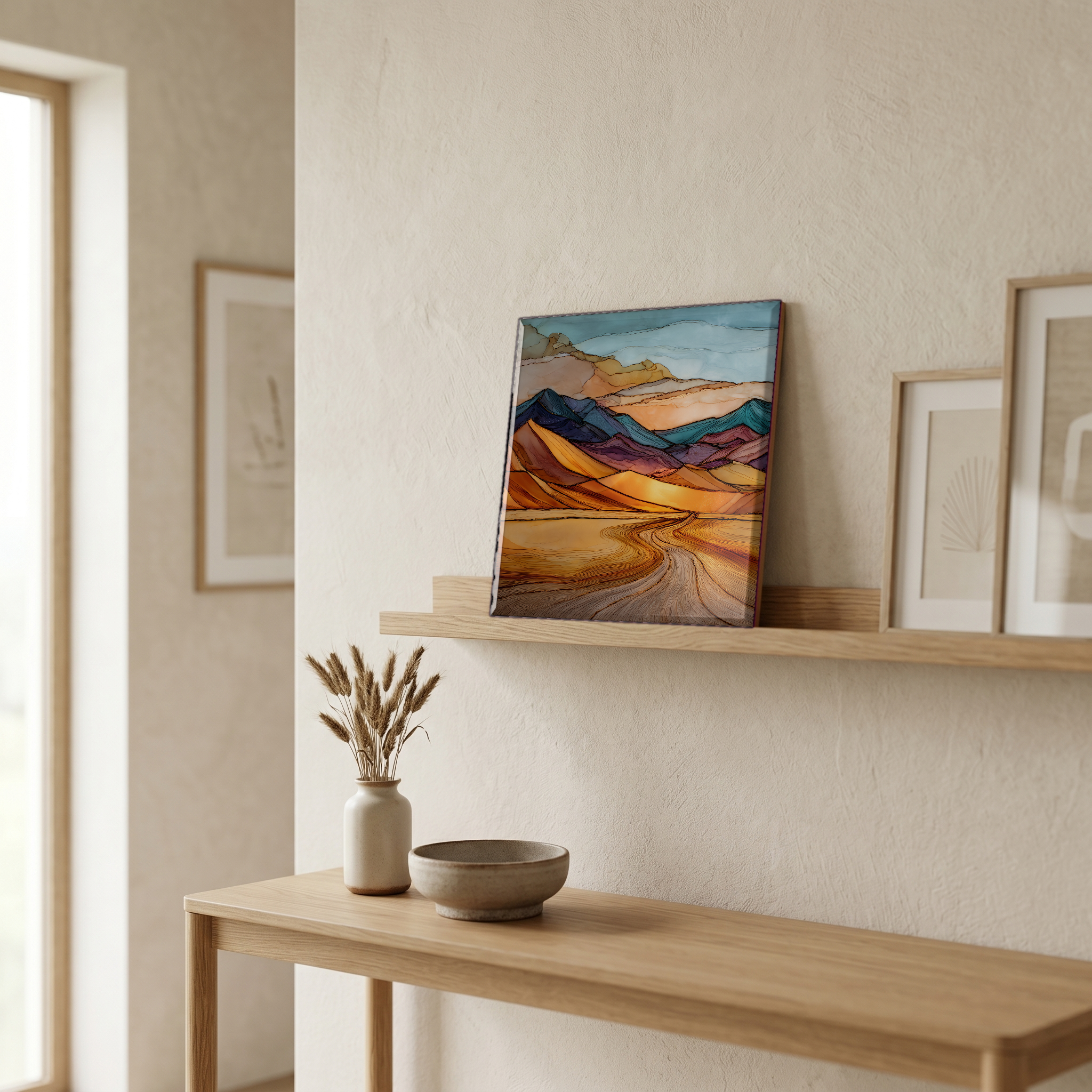
“A field of dunes about an hour south of Interstate 15, in the Mojave Preserve. Roughly 45 square miles of sand the colour of rose quartz, blown east over thousands of years from the bed of the dry Mojave River and stranded against the Granite Mountains. The tallest crest rises about 650 feet above the desert floor. The walk up is slow. Every step gives back half. What the dunes are known for, when conditions are right and the sand is dry enough, is a low humming sound when a face begins to slide. Only a handful of dune fields in the world do this.
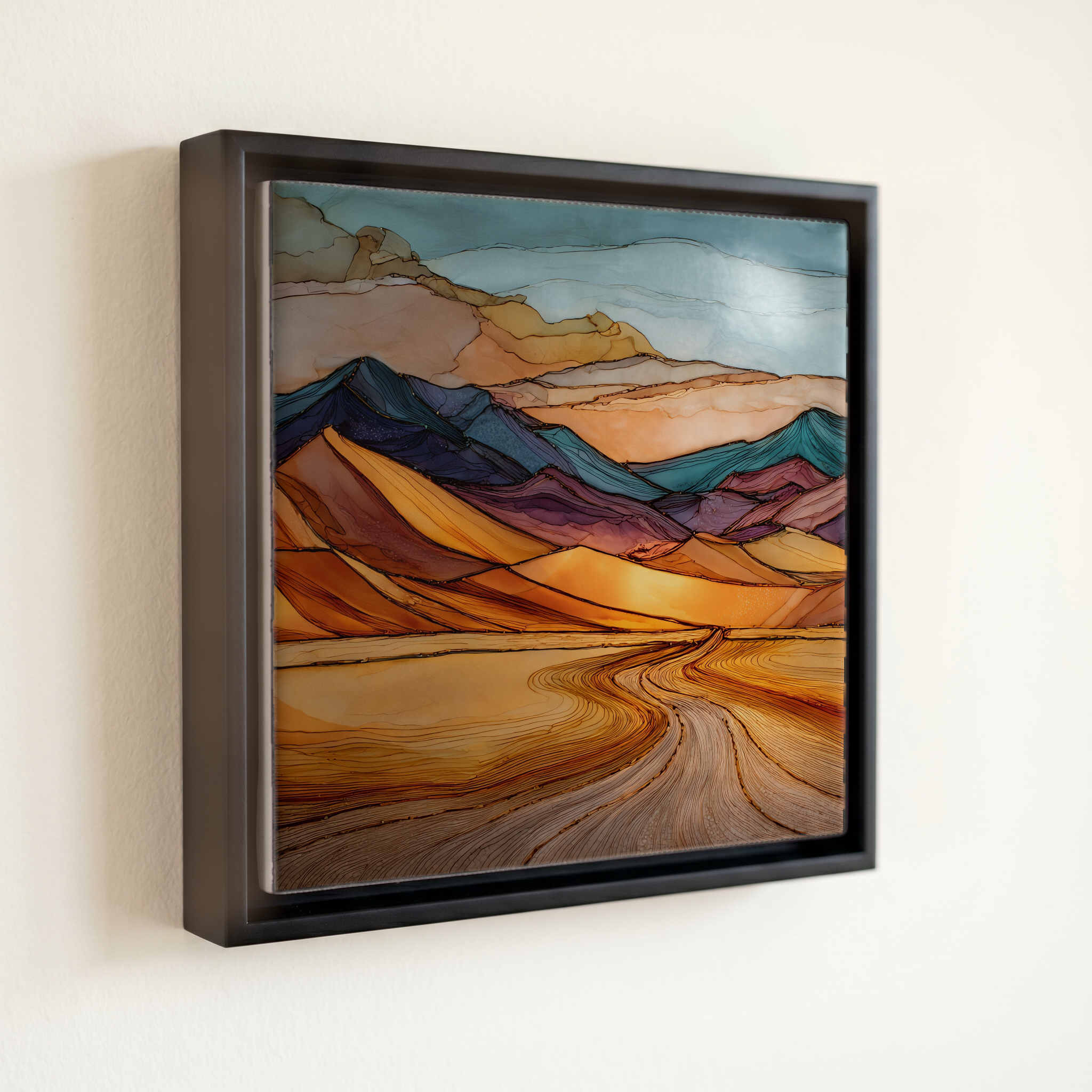
Kelso Dunes, on ceramic.
Each tile is finished by hand in our Knoxville studio. Artwork is slowly infused into the ceramic surface under high heat and pressure, and rests beneath a thin glossy finish. The colour lives in the surface, not on top of it.
Pick any four 4-inch tiles — National Parks you've been to, a Smokies set, the four seasons of one place. $ for a set of , cork-backed, ready to live on the table.
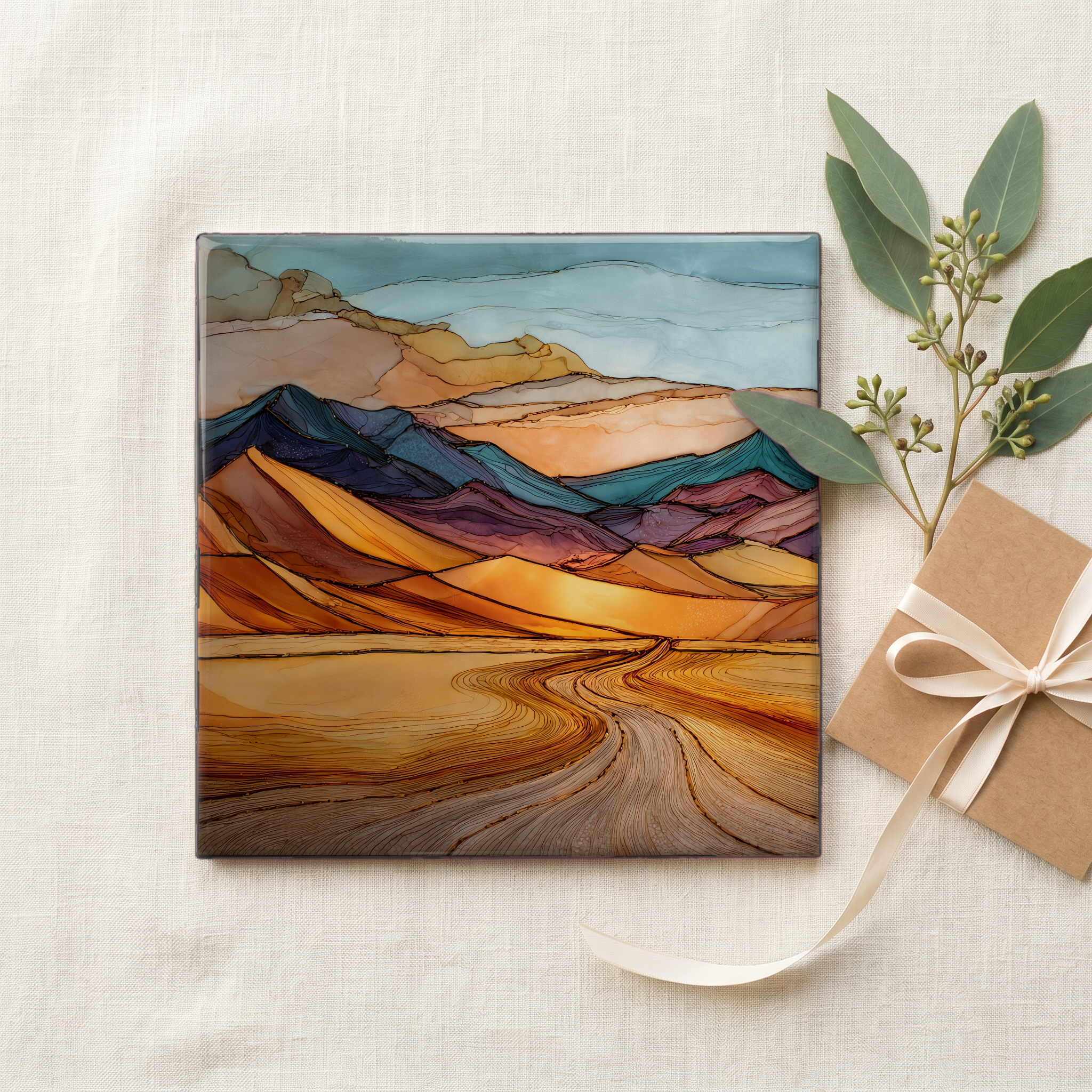
Each tile ships in a kraft box, tied with cream ribbon, with a handwritten note from the studio if you'd like to add one.

Three or five different vistas, hung together — a chapter of places you've been, or want to go.
The place, in three passes.
The Kelso Dunes are a 45-square-mile sand-dune field in the southern part of the Mojave National Preserve, a 1.6-million-acre unit administered by the National Park Service since 1994, when the California Desert Protection Act drew the preserve out of older Bureau of Land Management holdings. The field sits in San Bernardino County, framed by the Providence Mountains to the northeast and the Granite Mountains to the south, about an hour south of Interstate 15 along Kelbaker Road. The trailhead is seven miles west of the restored 1924 Kelso Depot, which now serves as the preserve's primary visitor centre. The tallest dune rises about 650 feet above the surrounding desert floor.
The sand is primarily quartz and feldspar, with traces of magnetite and rose-coloured grains that give the dunes their warm tint. Most of it travelled east-northeast over thousands of years from the dry bed of the Mojave River near Soda Lake, across roughly 35 miles of corridor called the Devil's Playground, and piled up where the Granite Mountains break the wind. Kelso is one of fewer than 40 known booming dune fields in the world. When the surface is dry and a face is steep enough, sand cascading down the leeward slope produces a low, droning hum that carries across the desert floor.
The cool months are the only ones to attempt the climb. From late October through April, the daytime highs sit in the 50s and 60s Fahrenheit; from May through September the sand surface can exceed 140°F and the National Park Service warns against summer ascents. The 3-mile round-trip hike from the Kelbaker Road trailhead to the crest gains about 600 feet of soft-sand elevation and typically takes three hours total; the descent is faster because the sand slides under each step. The dunes hum most reliably on dry, breezy afternoons after a stretch of warm weather. A recent rain can silence them for weeks.