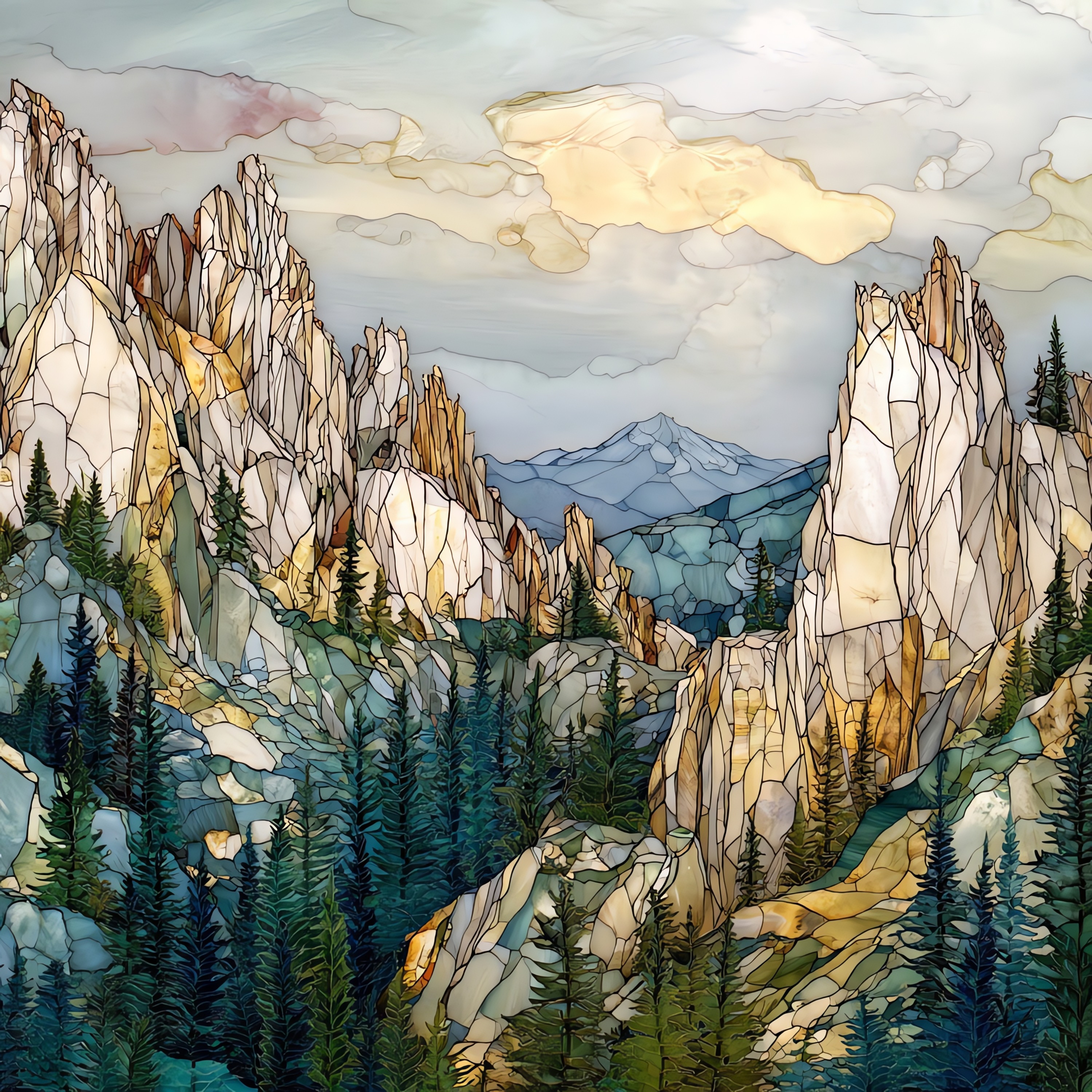
Castle Crags
— granite the rest of the mountain left behind.
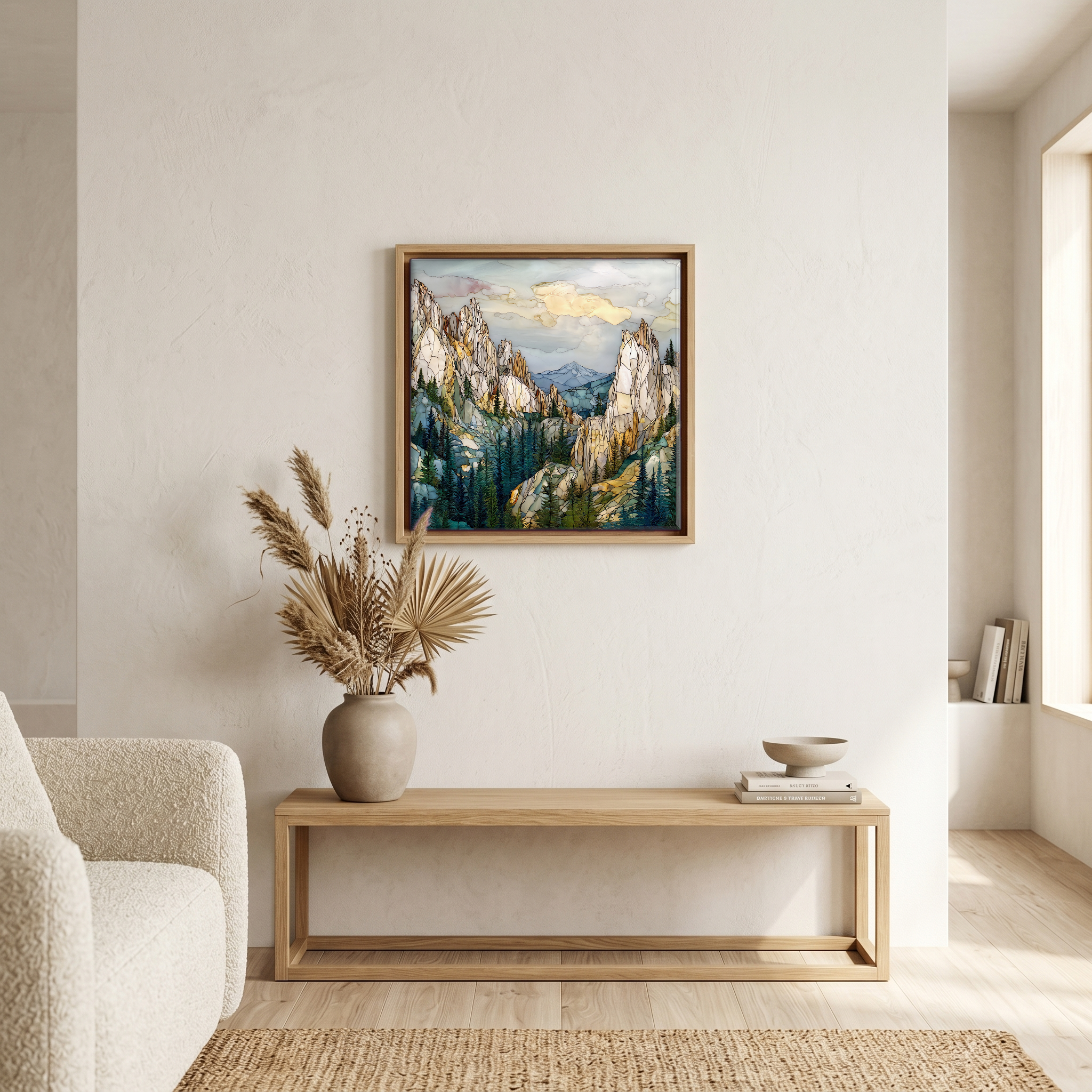
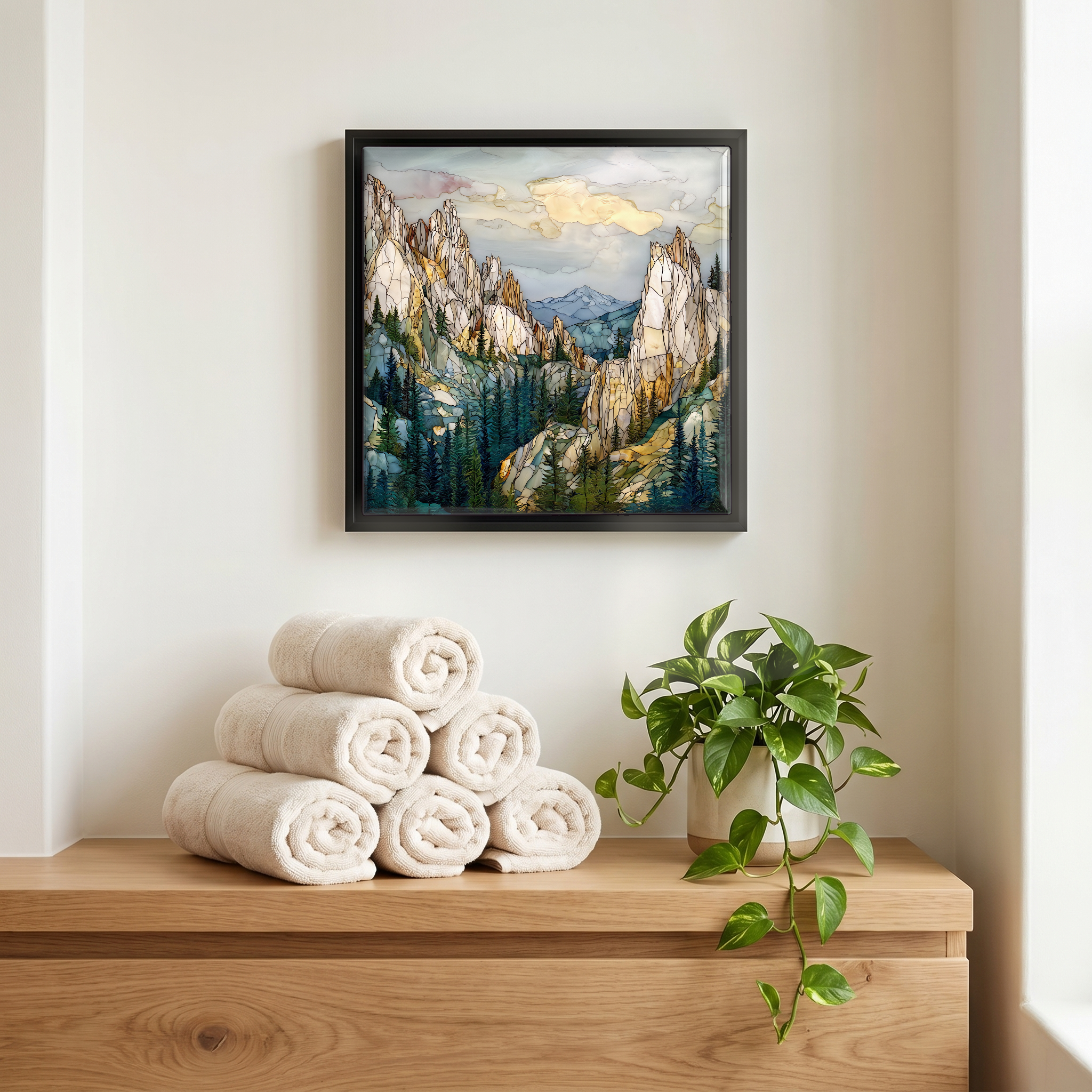
Not only on a wall.

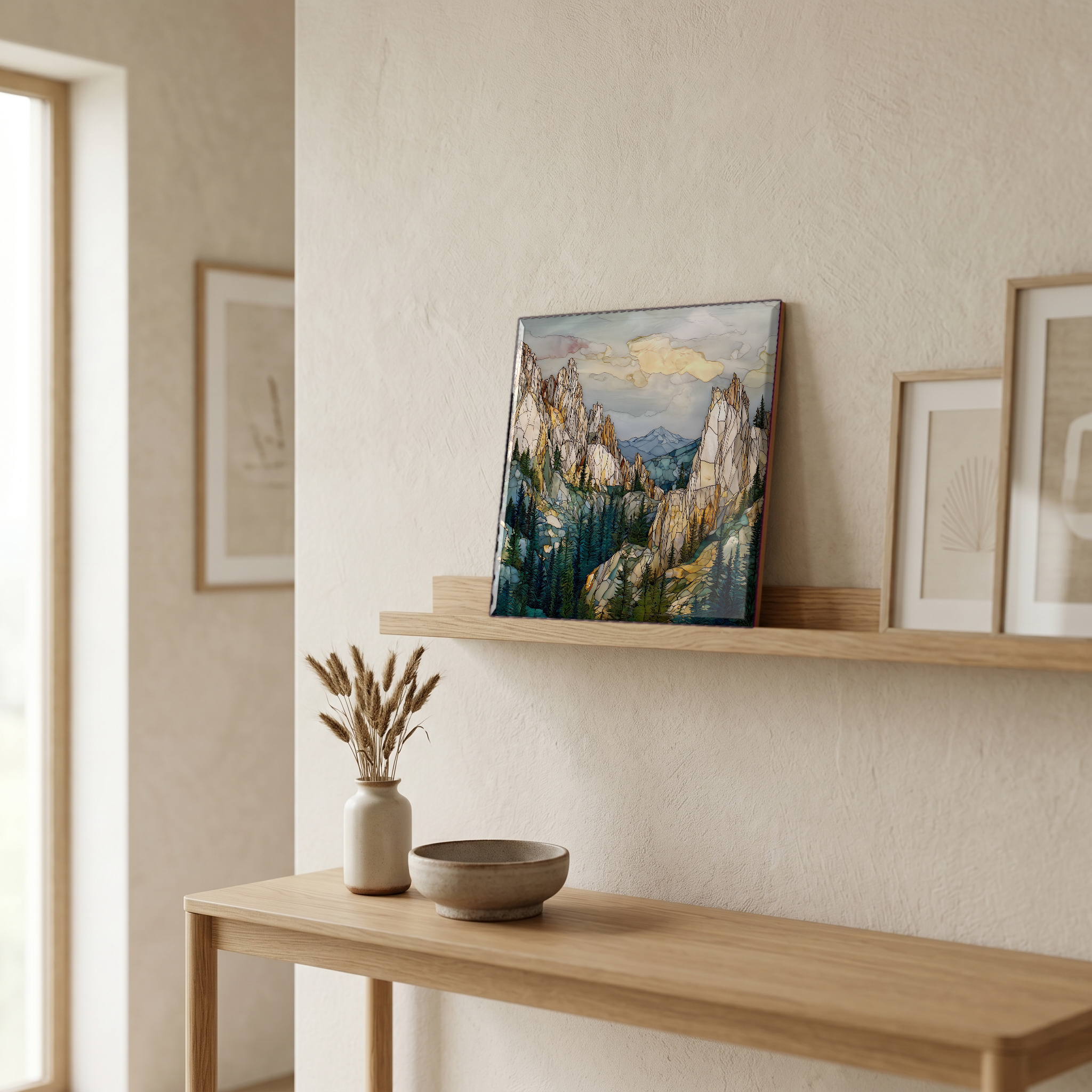
“Granite towers above the timber, six miles south of Dunsmuir. The crags are an exposed Jurassic pluton, older stone that stayed put while everything softer eroded away around it. The Pacific Crest Trail crosses the park before climbing toward the saddle below Castle Dome. Driving north on Interstate 5, the spires appear without warning, then Mt. Shasta lifts behind them. Most people see the place at sixty miles an hour. Some pull off at the exit.
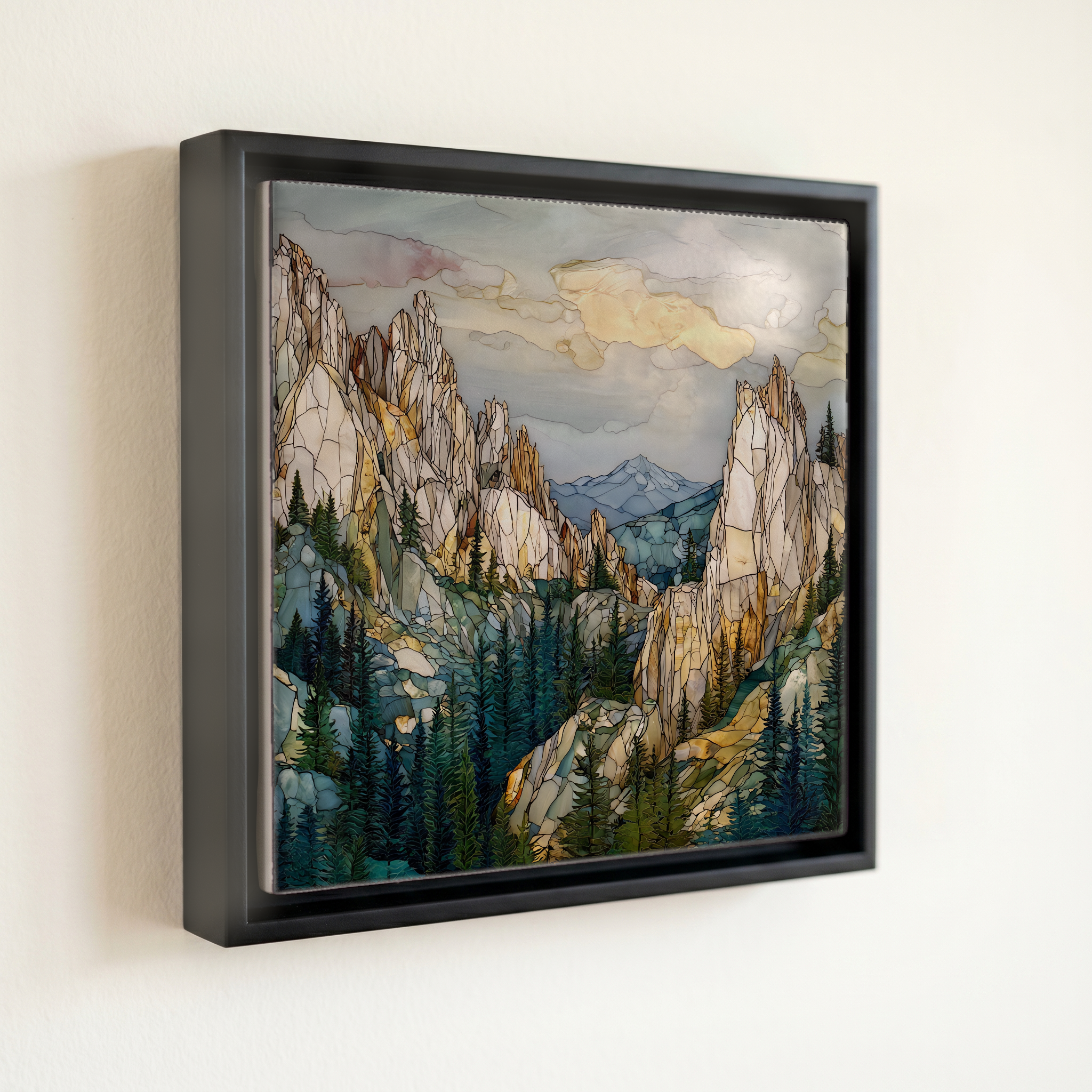
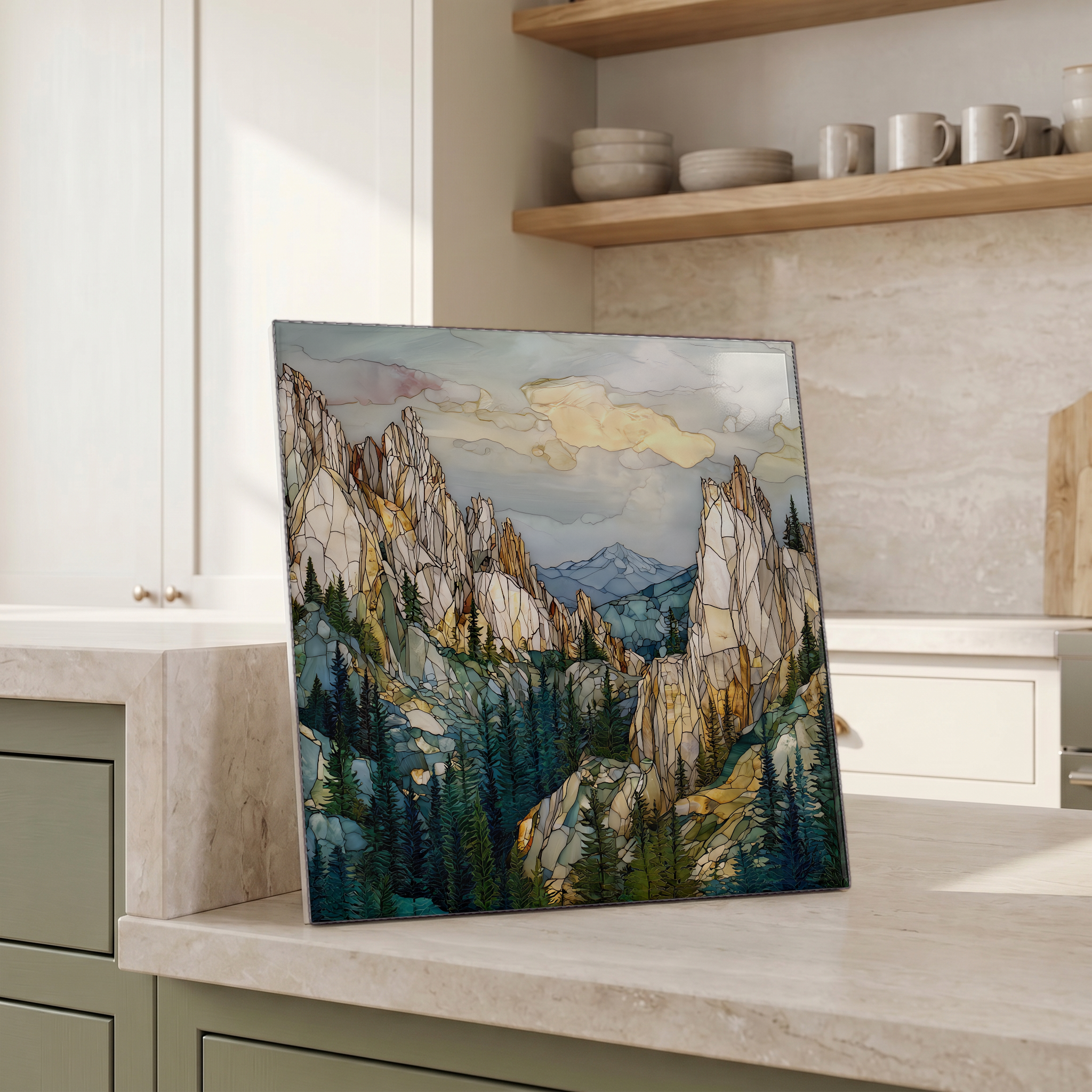
Castle Crags, on ceramic.
Each tile is finished by hand in our Knoxville studio. Artwork is slowly infused into the ceramic surface under high heat and pressure, and rests beneath a thin glossy finish. The colour lives in the surface, not on top of it.
Pick any four 4-inch tiles — National Parks you've been to, a Smokies set, the four seasons of one place. $ for a set of , cork-backed, ready to live on the table.

Each tile ships in a kraft box, tied with cream ribbon, with a handwritten note from the studio if you'd like to add one.

Three or five different vistas, hung together — a chapter of places you've been, or want to go.
The place, in three passes.
Castle Crags State Park sits in northern Shasta County, six miles south of Dunsmuir along Interstate 5. The 4,350-acre park preserves a cluster of granite spires that rise from the Sacramento River canyon to a high point near 6,500 feet. The Sacramento River runs along the park's eastern edge, and the Shasta-Trinity National Forest borders the other three sides. Mount Shasta, the 14,179-foot stratovolcano, stands to the north along the same I-5 corridor. The park is administered by California State Parks and was established in 1933.
The stone is granite from a Jurassic intrusion known as the Castle Crags pluton, emplaced roughly 170 million years ago. The pluton cooled deep underground and was later exposed as softer surrounding rock weathered away over geological time. The U.S. Geological Survey maps the formation within the Klamath Mountains geological province. The light-grey rock is rich in quartz and feldspar, and weathers into the clean vertical fractures that have drawn climbers for nearly a century. Castle Dome, the most photographed of the towers, reaches 4,966 feet. The granite holds heat into the evening, then loses it fast.
The park sits at the Castella exit on Interstate 5 in northern California and stays open through winter for day-use. A day-use fee is charged at the entrance. The park's campground sees most use from late spring through October. The Castle Dome Trail, the most-walked route in the park, climbs roughly 2,200 feet over 2.7 miles one way and is best attempted in cool morning hours from May through October. A section of the Pacific Crest Trail also passes through the park, crossing the Sacramento River and climbing into the Castle Crags Wilderness above. Pets are allowed in campgrounds and on the roads but not on the trails.