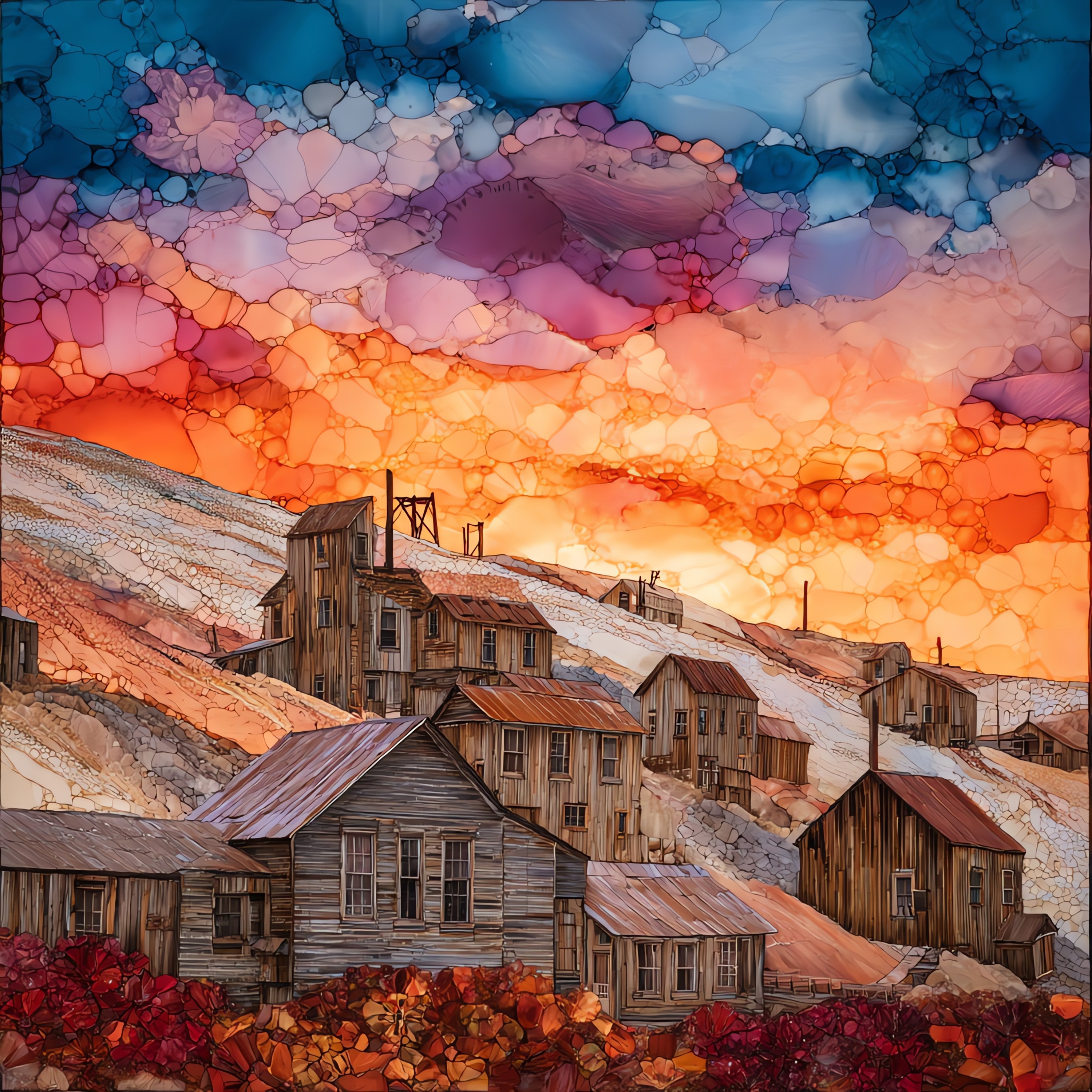
Calico Ghost Town
— — the colour the silver left behind.
Not only on a wall.
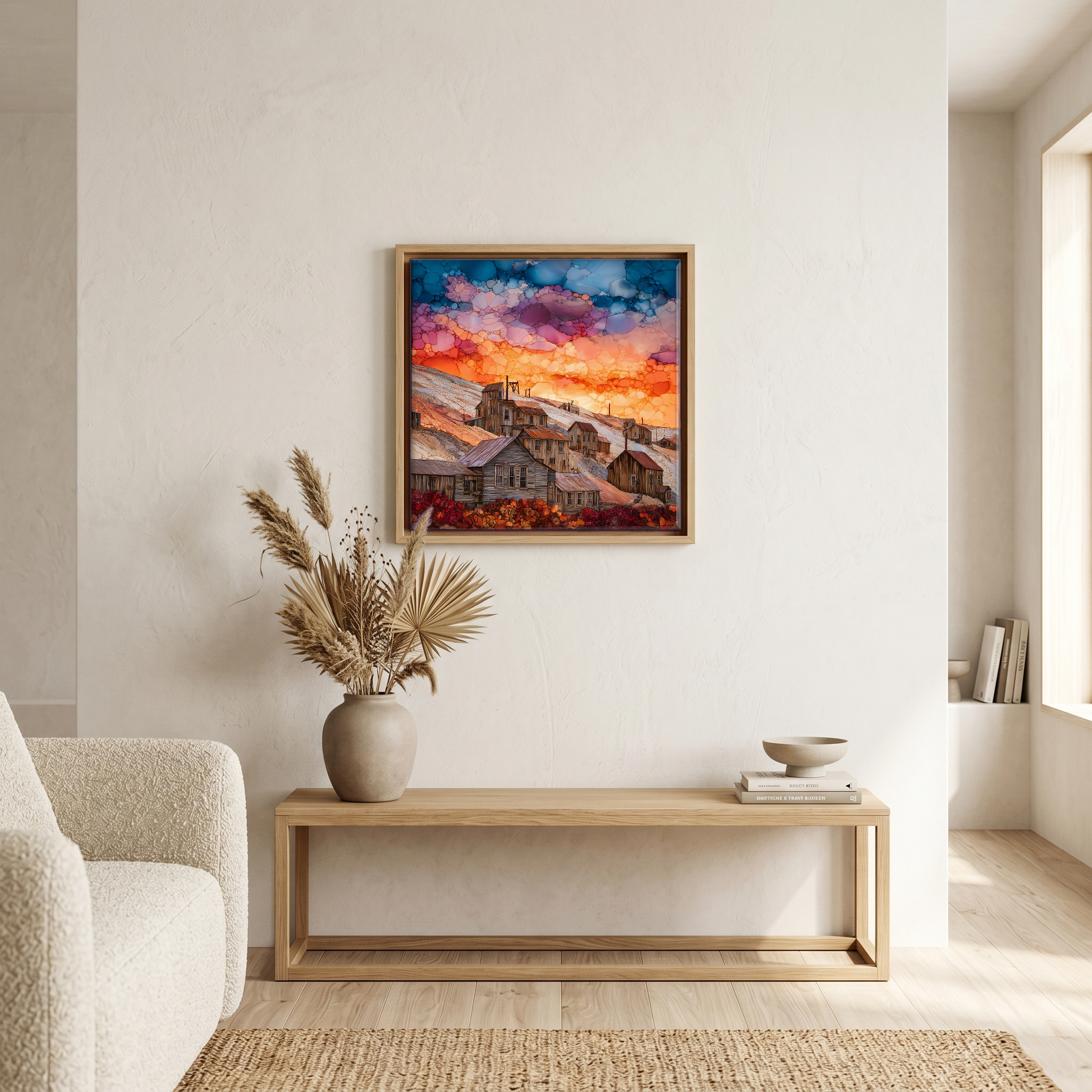
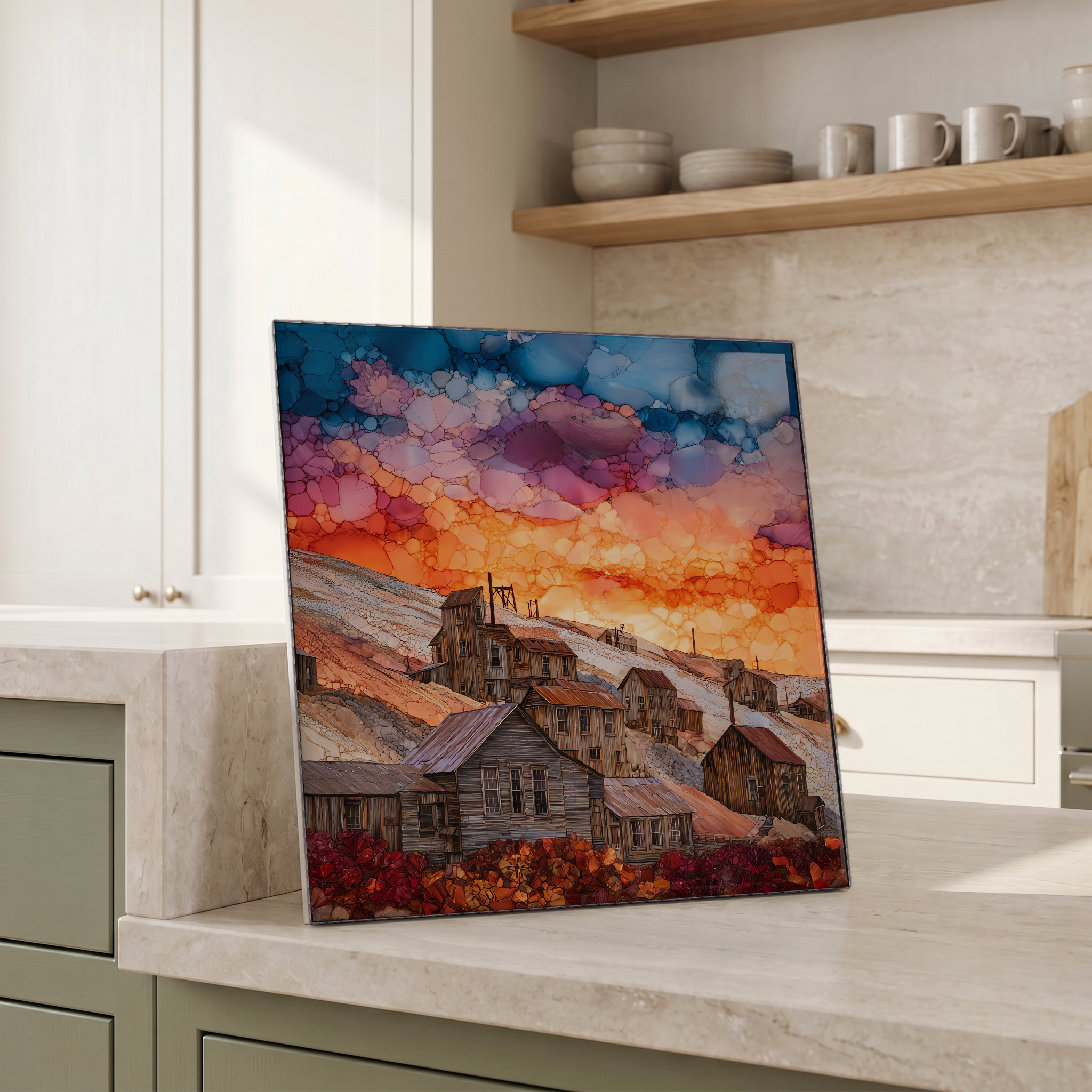
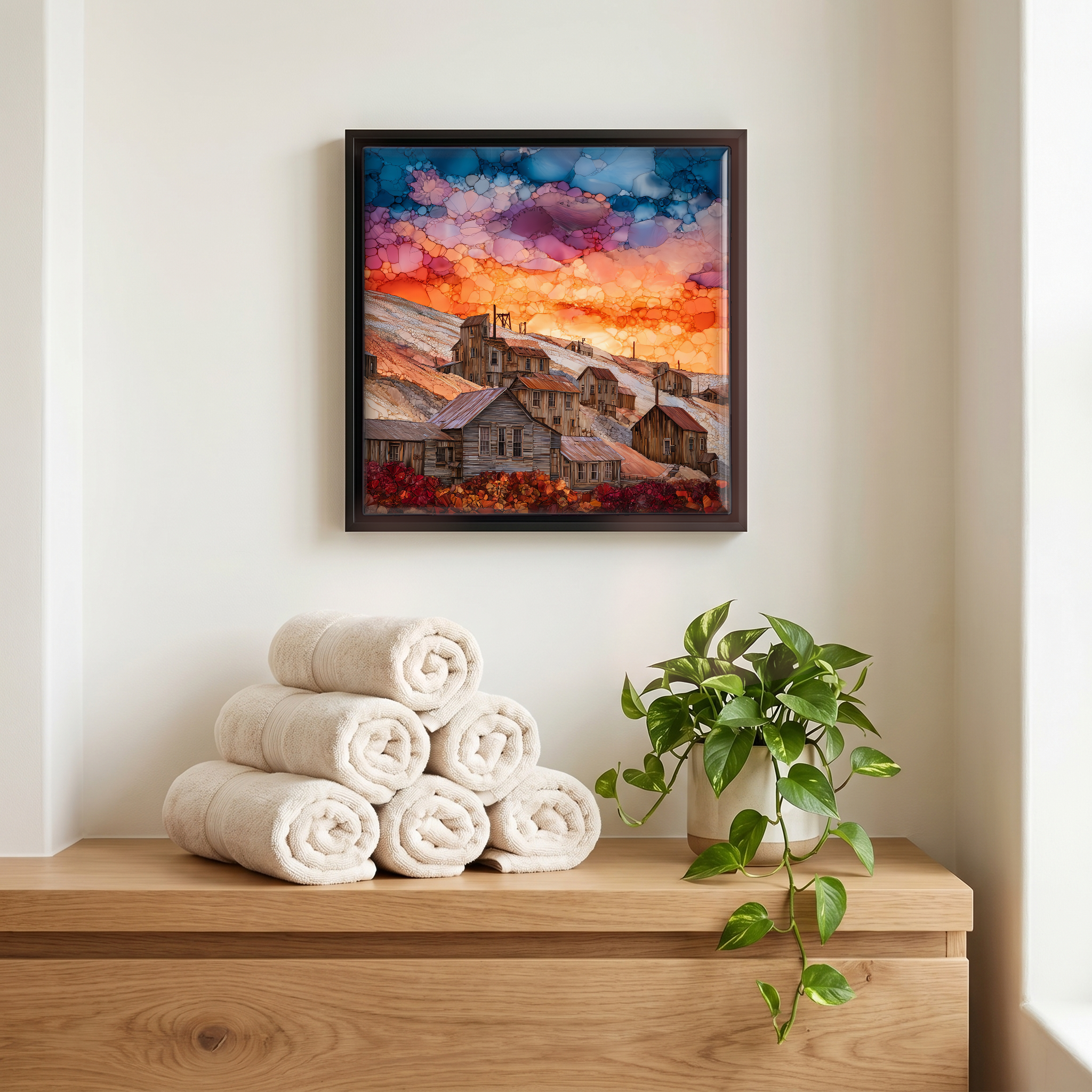
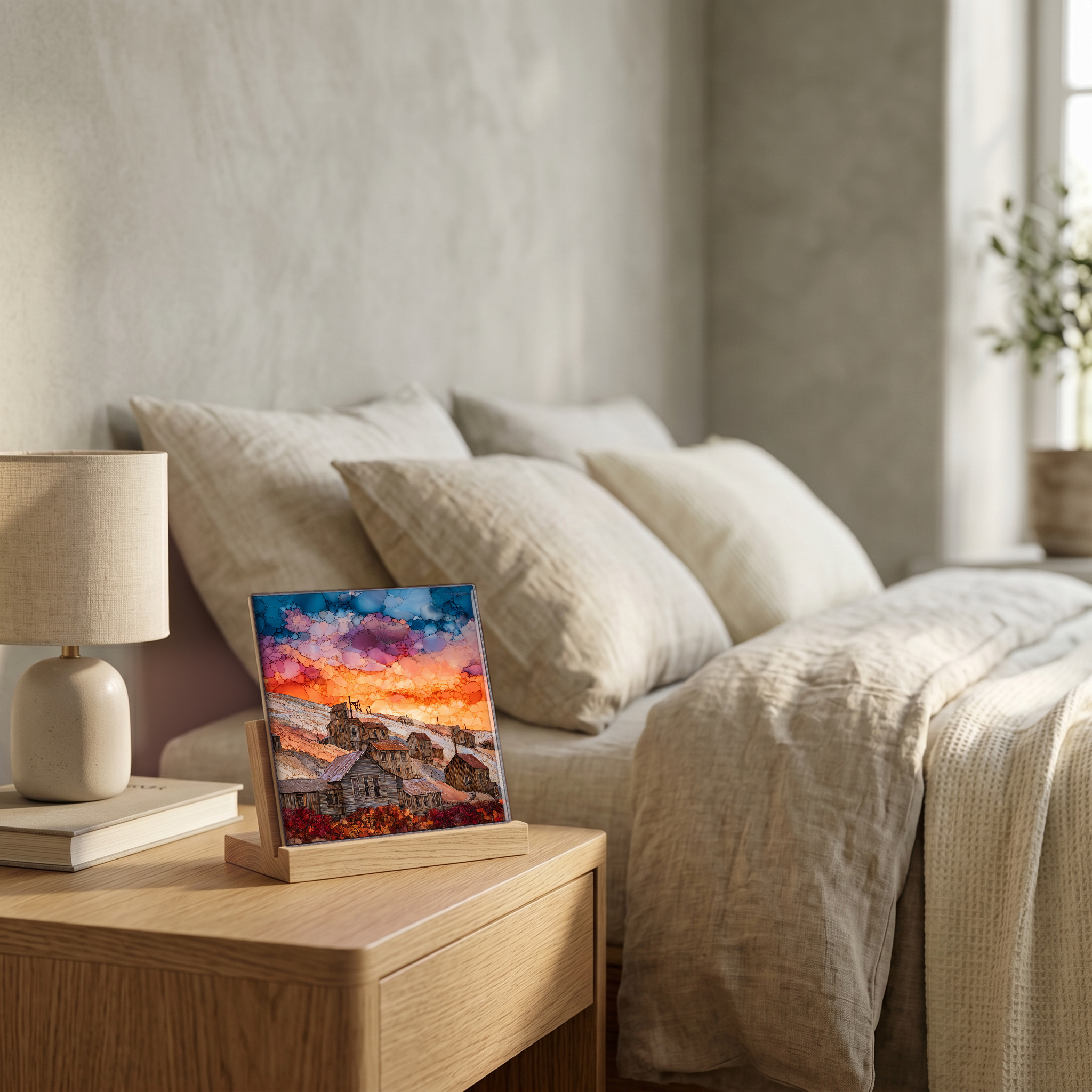
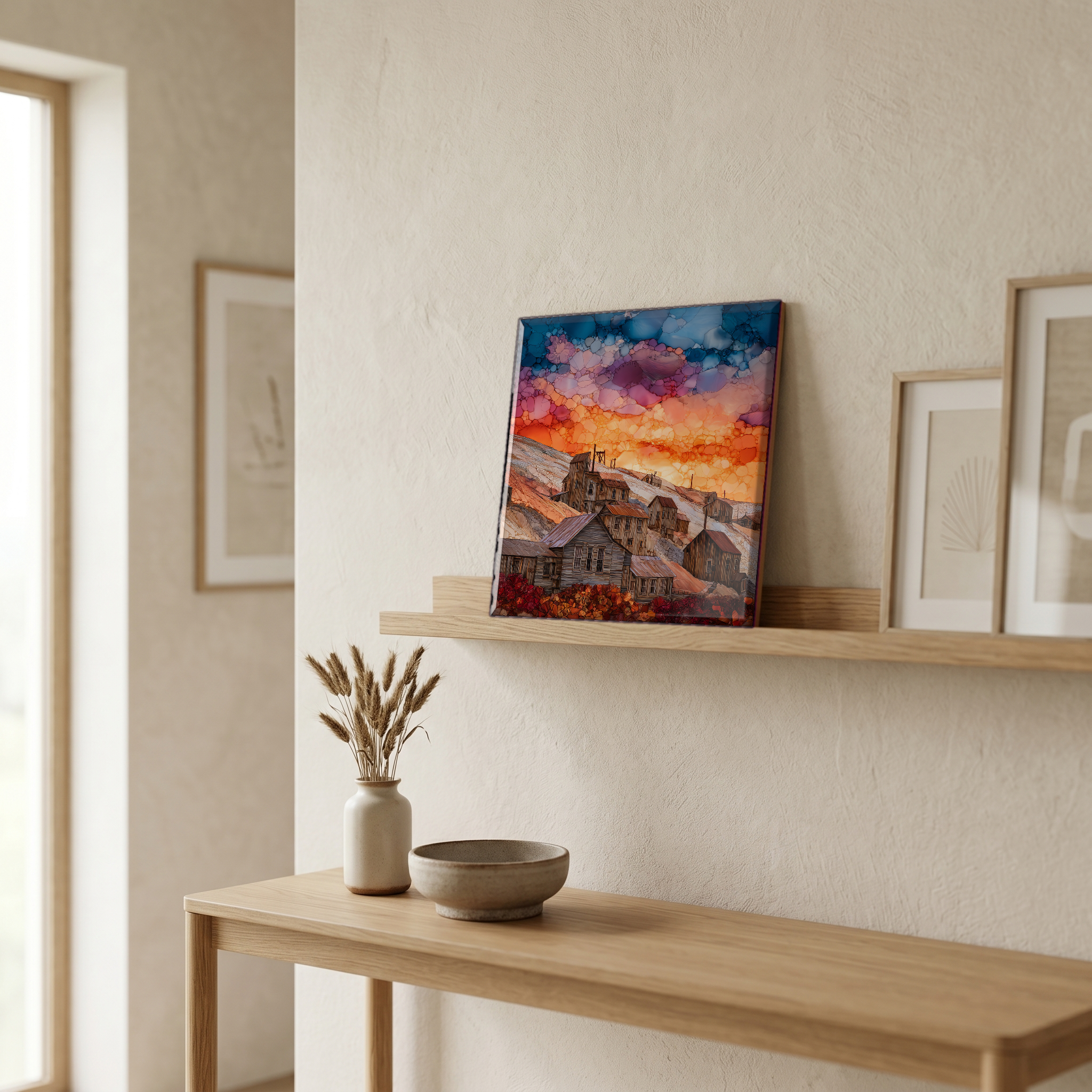
“Calico took its name from the streaked red, green, and ochre slopes above the wash, just off Interstate 15 in the Mojave Desert. The same many-coloured rock veined silver from 1881 until the price collapsed in 1896. Five hundred mines opened across the district at its peak; twelve hundred people lived on the slope below. Walter Knott of Knott's Berry Farm, who knew the town from his early working years, bought what was left in 1951 and slowly restored the buildings, then handed it to San Bernardino County. The painted hills are unchanged. The streets are quiet now in a way they never were then.
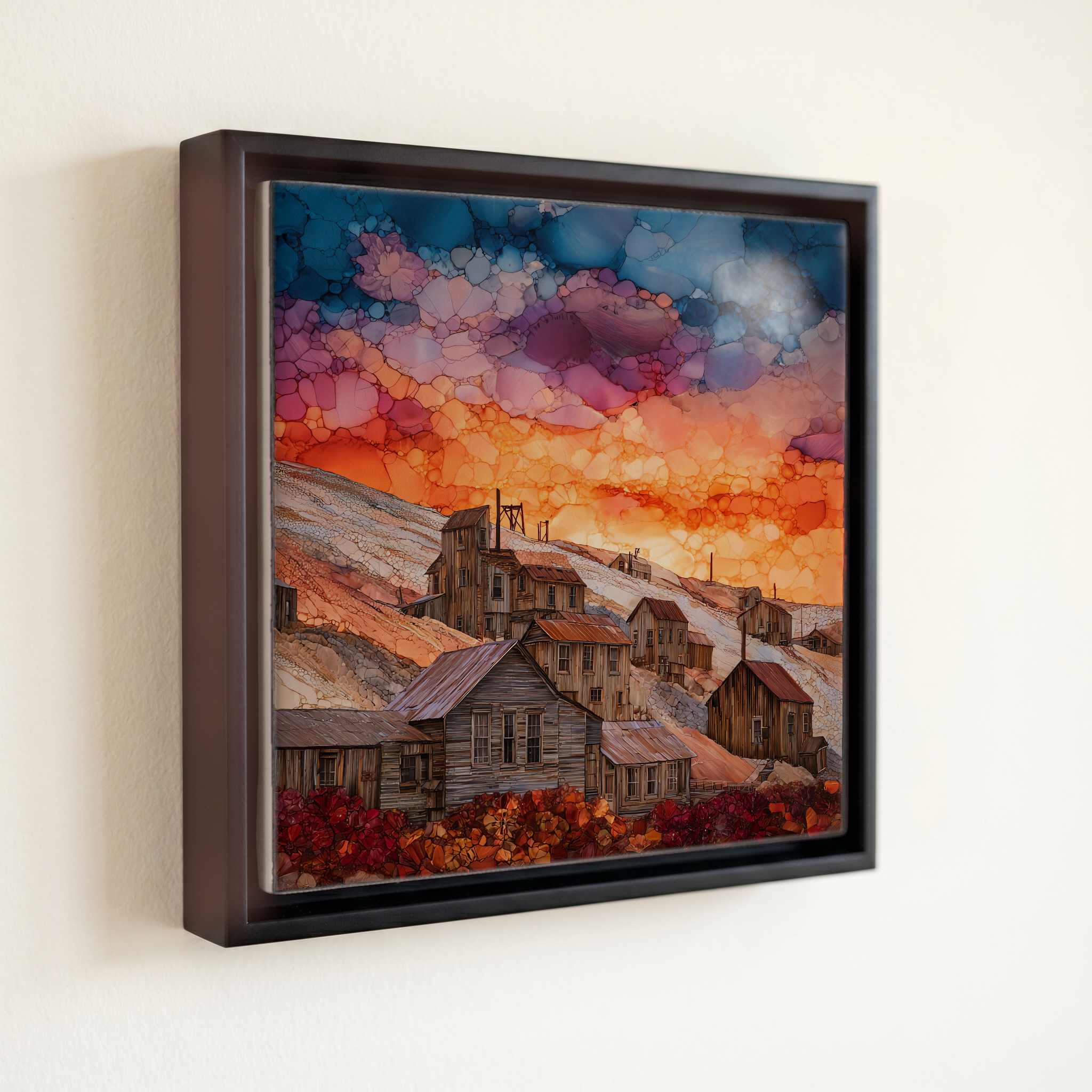
Calico Ghost Town, on ceramic.
Each tile is finished by hand in our Knoxville studio. Artwork is slowly infused into the ceramic surface under high heat and pressure, and rests beneath a thin glossy finish. The colour lives in the surface, not on top of it.
Pick any four 4-inch tiles — National Parks you've been to, a Smokies set, the four seasons of one place. $ for a set of , cork-backed, ready to live on the table.
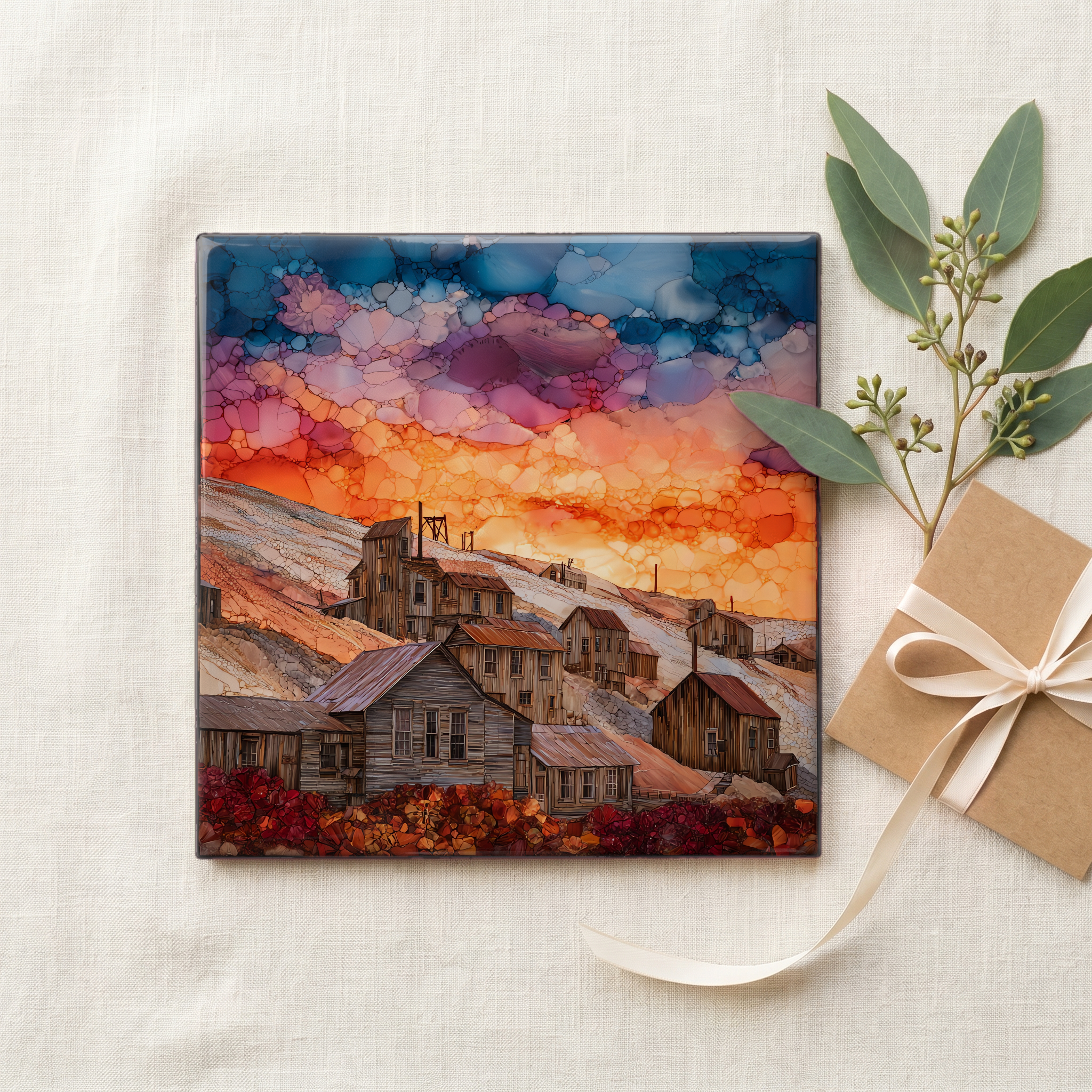
Each tile ships in a kraft box, tied with cream ribbon, with a handwritten note from the studio if you'd like to add one.
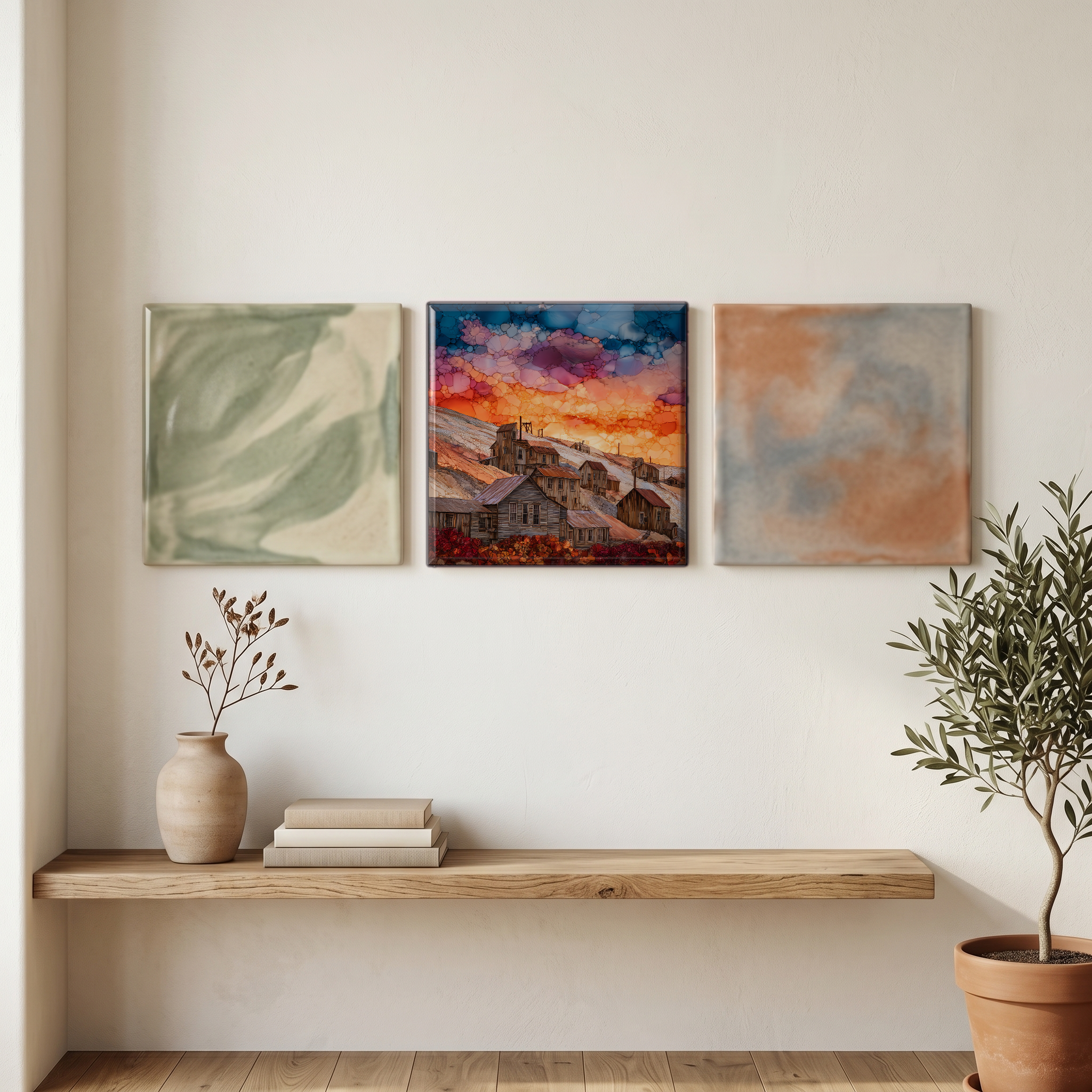
Three or five different vistas, hung together — a chapter of places you've been, or want to go.
The place, in three passes.
The town sits on a hillside in the Calico Mountains, eleven miles northeast of Barstow on Interstate 15, in San Bernardino County, California. The site is administered as Calico Ghost Town Regional Park by the county. Walter Knott bought the abandoned town in 1951, restored its standing buildings on their original foundations, and donated the property to San Bernardino County in 1966. Silver was first struck in the surrounding hills in 1881, and within three years the town held a school, a Wells Fargo office, and a printing house running the Calico Print newspaper. The elevation is roughly 2,247 feet, high enough for cool evenings and low enough for full Mojave summers.
Calico's name comes from the mineral-streaked appearance of the surrounding hills: bands of red, pink, ochre, brown, and green volcanic rock laid down in the Miocene, then oxidised and altered by hydrothermal fluids. Those same fluids deposited the silver-bearing veins that drew prospectors in 1881. The district produced an estimated $20 million in silver over its working life, alongside borax mined a few miles east at Borate by the Pacific Coast Borax Company. The colour bands read clearest in the slanted light of the first or last hour of the day.
Calico is open daily, 9 a.m. to 5 p.m., and operated by San Bernardino County Regional Parks. The park entrance is on Ghost Town Road, reached via the Ghost Town Road exit off Interstate 15, eleven miles northeast of Barstow. The park charges a modest day-use fee at the gate; campgrounds and bunkhouse rentals are on the property. Annual festivals draw the largest crowds, with Calico Days in October and a Civil War Reenactment in February as the headliners. Summer highs regularly exceed 100°F in the Mojave, so spring, autumn, and winter are the more forgiving seasons to visit.