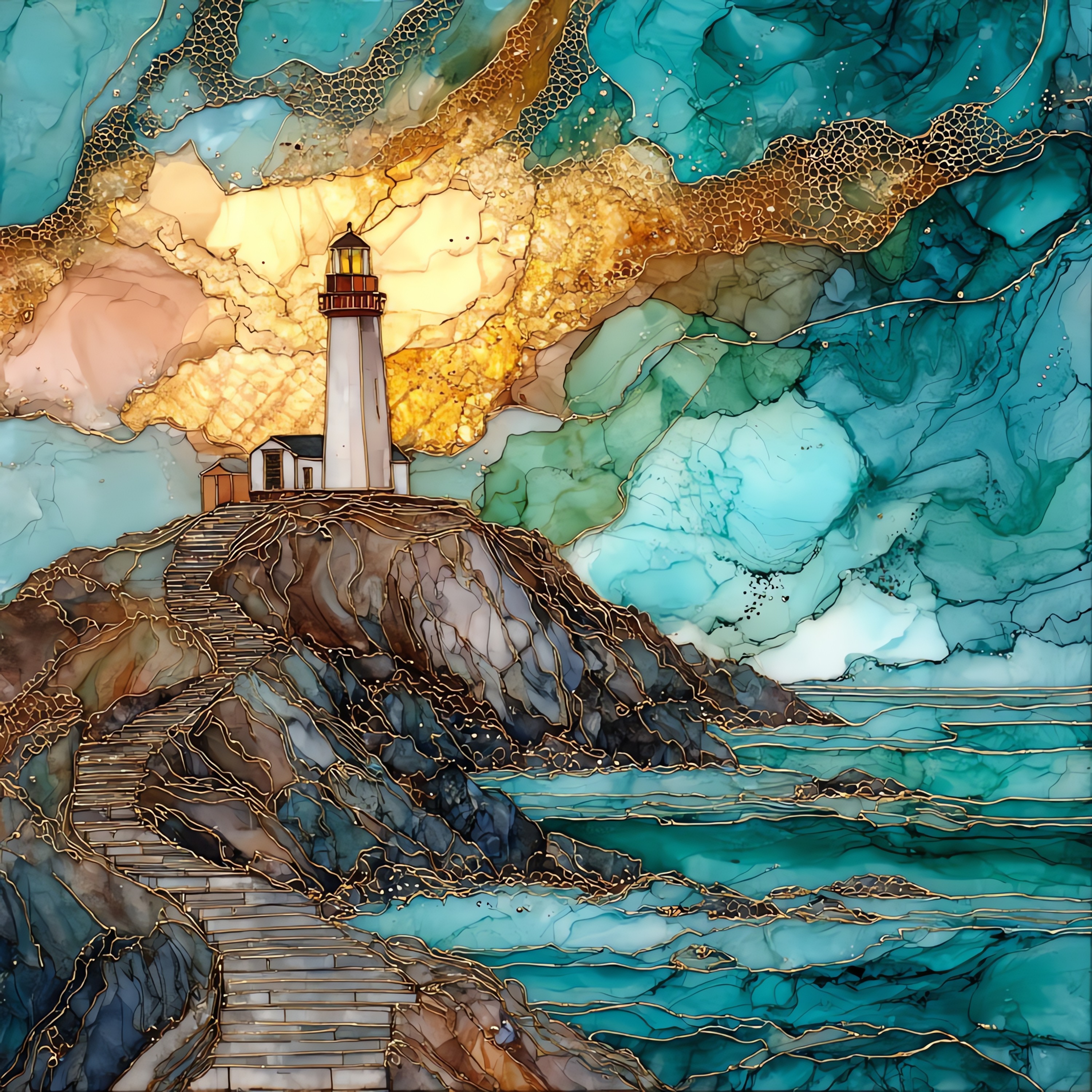
Battery Point Lighthouse
— — a light the tide lets you reach.
Not only on a wall.
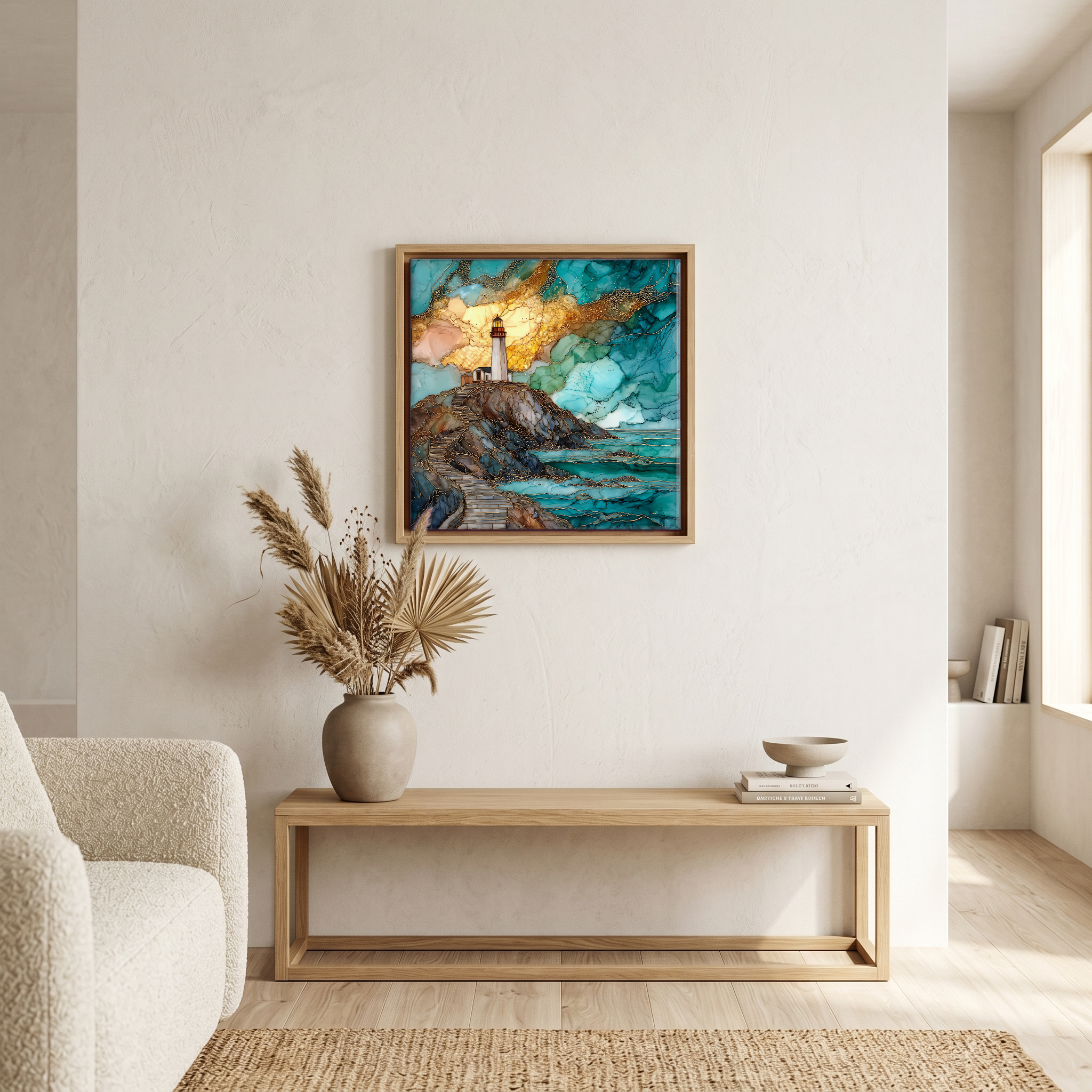

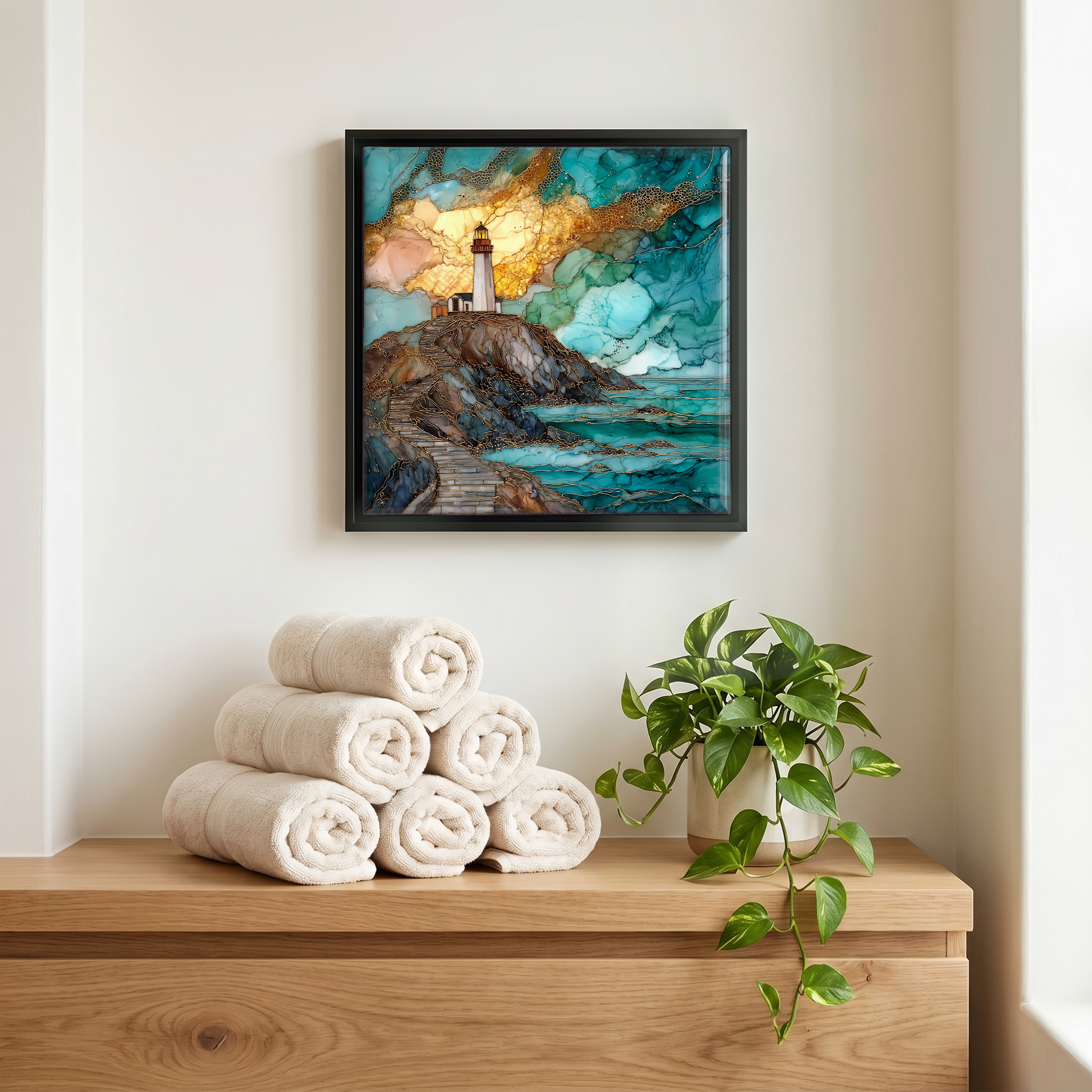

“A small white house with a light on top, sitting on a rock just off Crescent City, at the top of the California coast, almost in Oregon. The tide decides when you visit. Twice a day the path opens across the rocks; twice a day the sea takes it back. The light has been burning since 1856. In 1964 a tsunami from Alaska put much of the town under water; the keepers stood on this rock and watched it come in. The light kept turning. It still does.
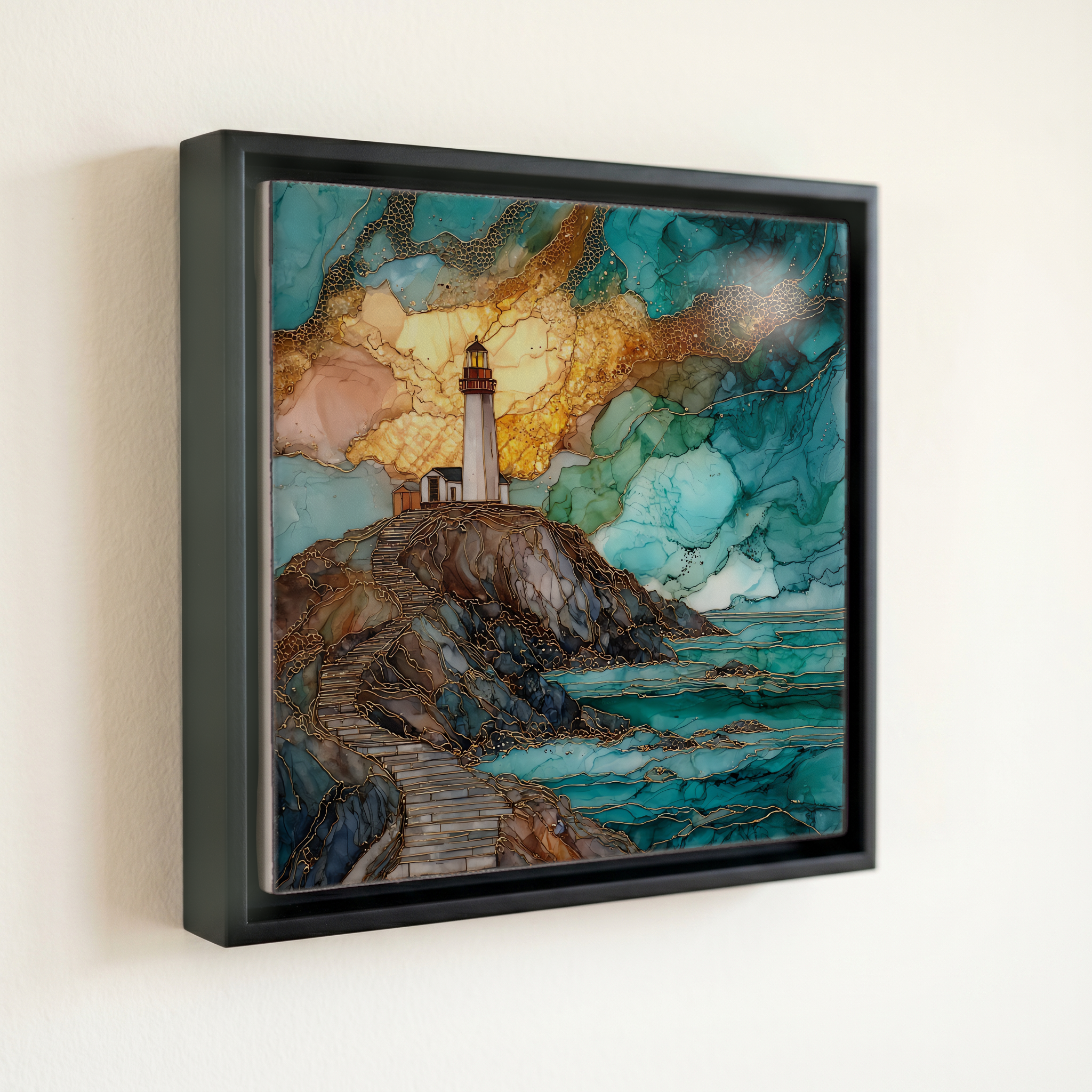
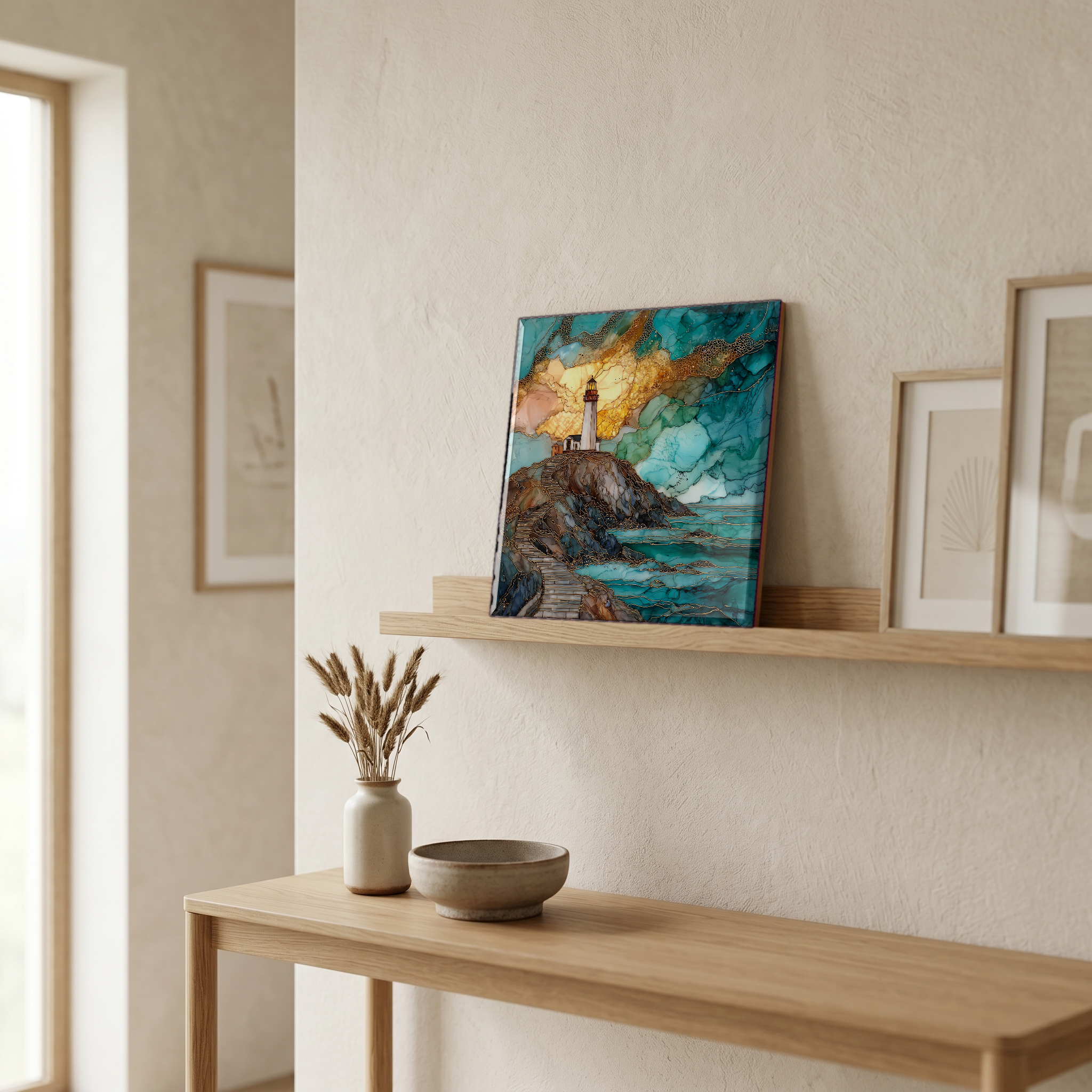
Battery Point Lighthouse, on ceramic.
Each tile is finished by hand in our Knoxville studio. Artwork is slowly infused into the ceramic surface under high heat and pressure, and rests beneath a thin glossy finish. The colour lives in the surface, not on top of it.
Pick any four 4-inch tiles — National Parks you've been to, a Smokies set, the four seasons of one place. $ for a set of , cork-backed, ready to live on the table.

Each tile ships in a kraft box, tied with cream ribbon, with a handwritten note from the studio if you'd like to add one.

Three or five different vistas, hung together — a chapter of places you've been, or want to go.
The place, in three passes.
Battery Point Lighthouse stands on a small rocky islet at the northern edge of Crescent City Harbor in Del Norte County, California, about twenty miles south of the Oregon border. The light was first lit in December 1856, making it one of the earliest lighthouses on the U.S. West Coast. The islet is reachable on foot only at low tide, across a basalt causeway that vanishes twice daily under the Pacific. The lantern room sits above a white Cape Cod keeper's dwelling and was originally fitted with a fourth-order Fresnel lens. The Del Norte County Historical Society operates the site as a museum.
Access to Battery Point Lighthouse depends entirely on the tide. The causeway across to the islet is exposed only when the tide drops below roughly two feet, which happens twice a day on a schedule that shifts with the lunar cycle. The Del Norte County Historical Society opens the museum through the warmer months, weather and tides permitting, and charges a small admission for the climb up to the lantern room. Tour windows last only a few hours per crossing, with times posted at the trailhead in Beachfront Park. Visitors who arrive at high tide can see the lighthouse clearly from shore but cannot cross. There are no scheduled boats.
The Pacific around Battery Point runs cold and active all year. Crescent City sits at a quirk of bathymetry that focuses tsunami waves more sharply than anywhere else on the U.S. West Coast, and on March 28, 1964, a 9.2-magnitude earthquake off Alaska sent a series of waves down the coast that struck the town just before midnight. Eleven people died and much of downtown was destroyed. The lighthouse keepers watched the waves from the islet, which stood high enough to keep them safe. The beam held through the night. The town has been rebuilt and rebuilt; the rock and the light remain where they were.