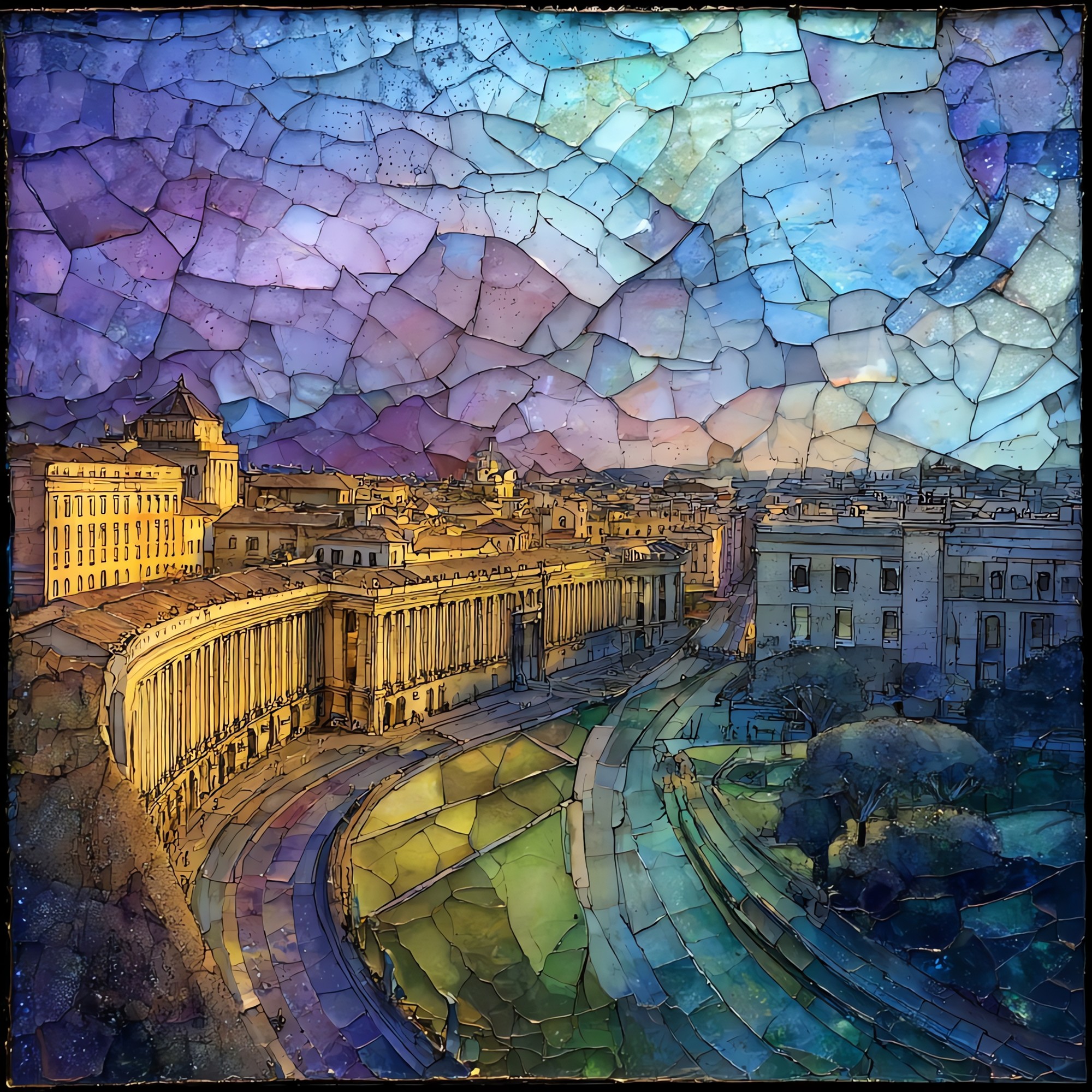
Gallery of Maps
— a country painted along its own walls.
Not only on a wall.
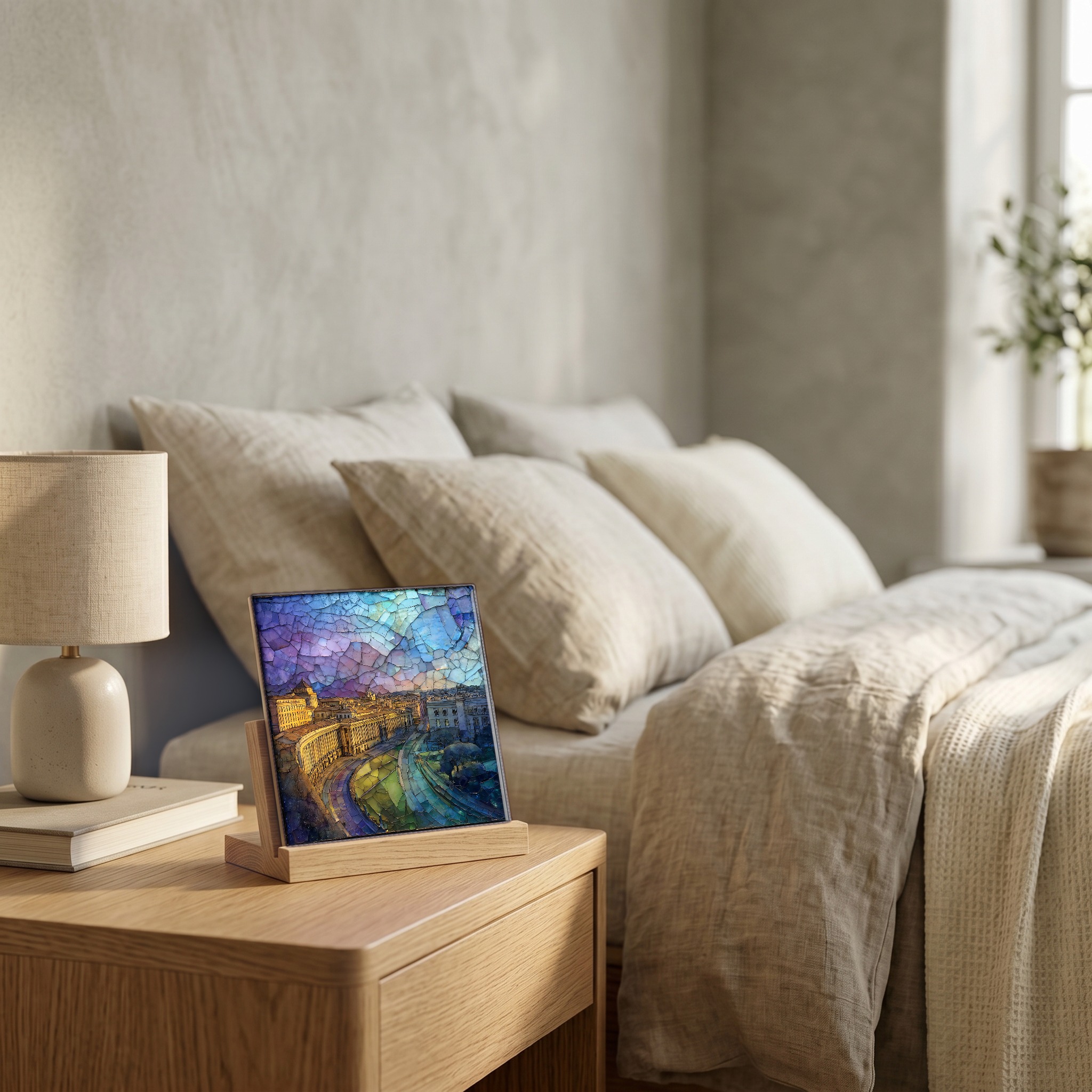
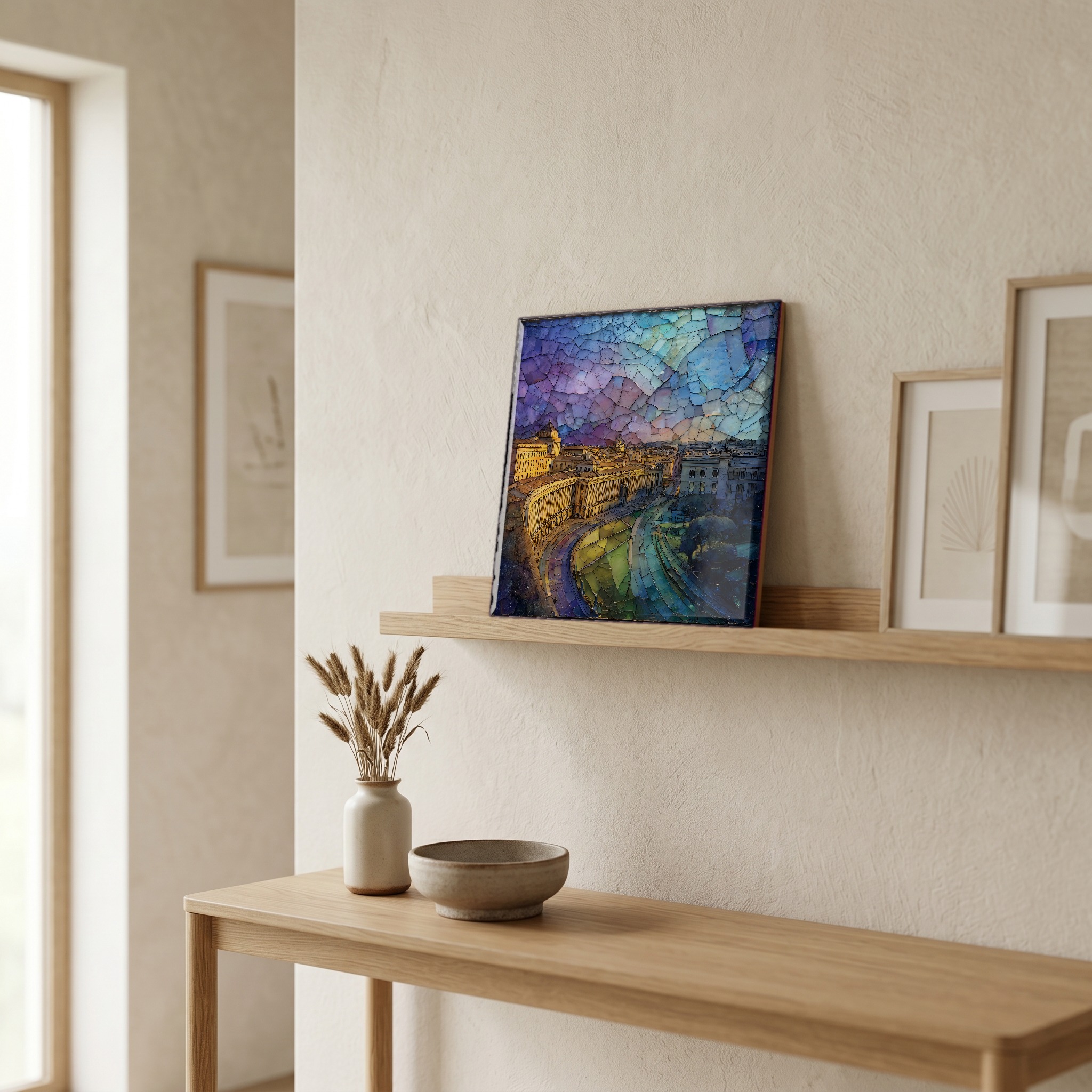
“A hall on the third floor of the Vatican Palace, a hundred and twenty metres long and six wide, with forty painted maps of the Italian peninsula running down both walls. Above them, a gilded barrel vault. Almost everyone who walks toward the Sistine Chapel passes through here, and almost everyone slows down. The maps were painted between 1580 and 1583, surveyed by Ignazio Danti, a Dominican friar from Perugia, before the country we now call Italy existed in name. From one end of the room, Liguria. From the other, Sicily, viewed from the sea.
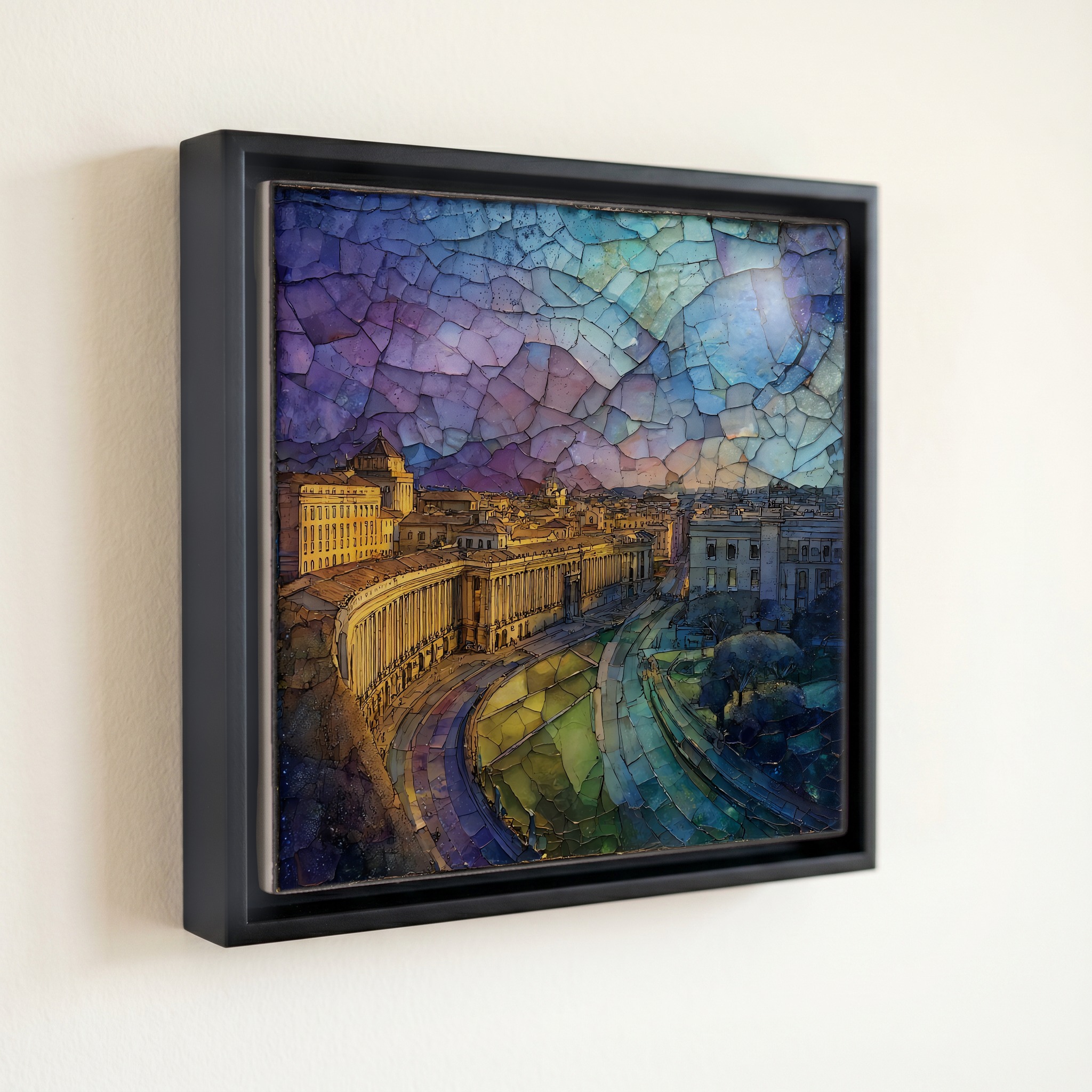
Gallery of Maps, on ceramic.
Each tile is finished by hand in our Knoxville studio. Artwork is slowly infused into the ceramic surface under high heat and pressure, and rests beneath a thin glossy finish. The colour lives in the surface, not on top of it.
Pick any four 4-inch tiles — National Parks you've been to, a Smokies set, the four seasons of one place. $ for a set of , cork-backed, ready to live on the table.
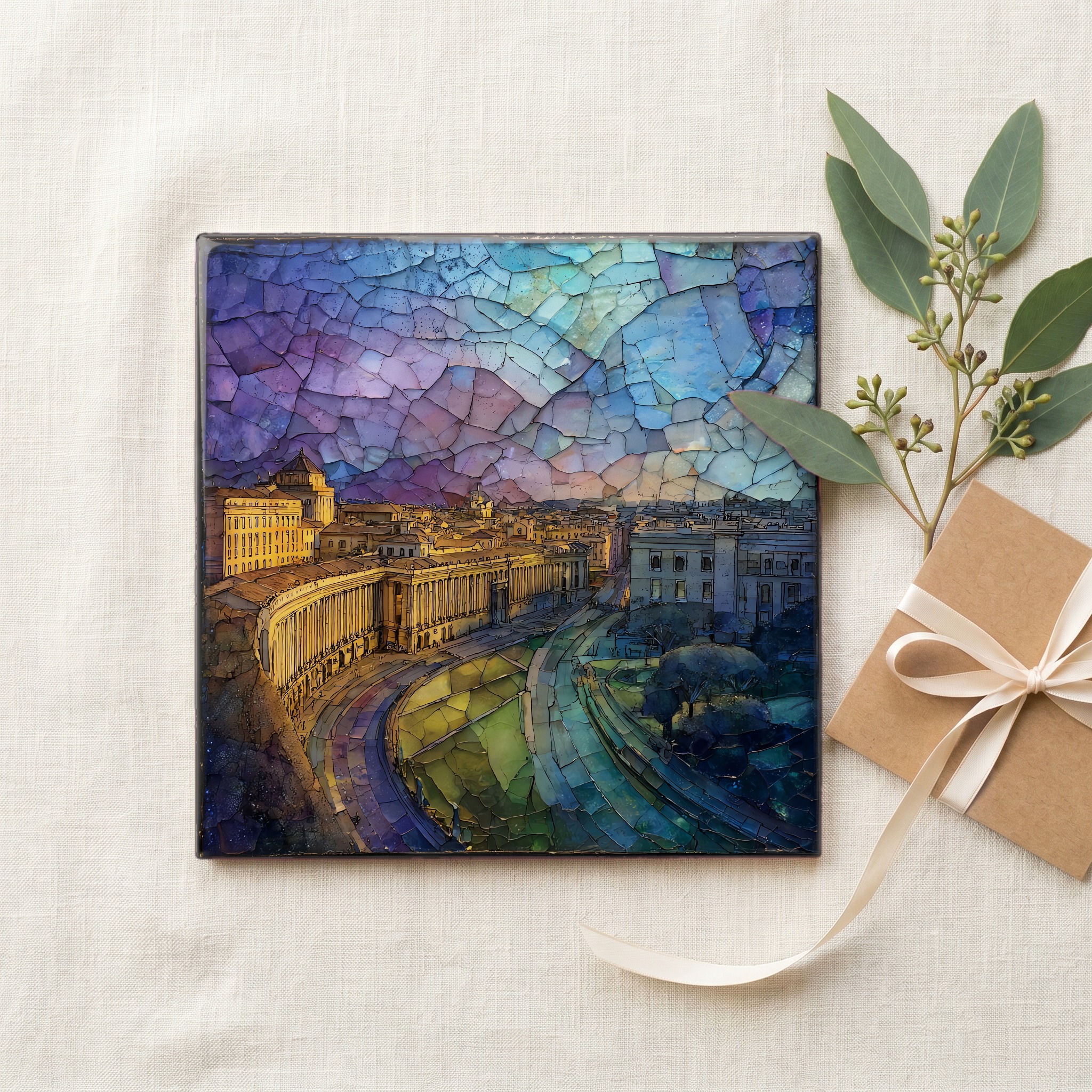
Each tile ships in a kraft box, tied with cream ribbon, with a handwritten note from the studio if you'd like to add one.
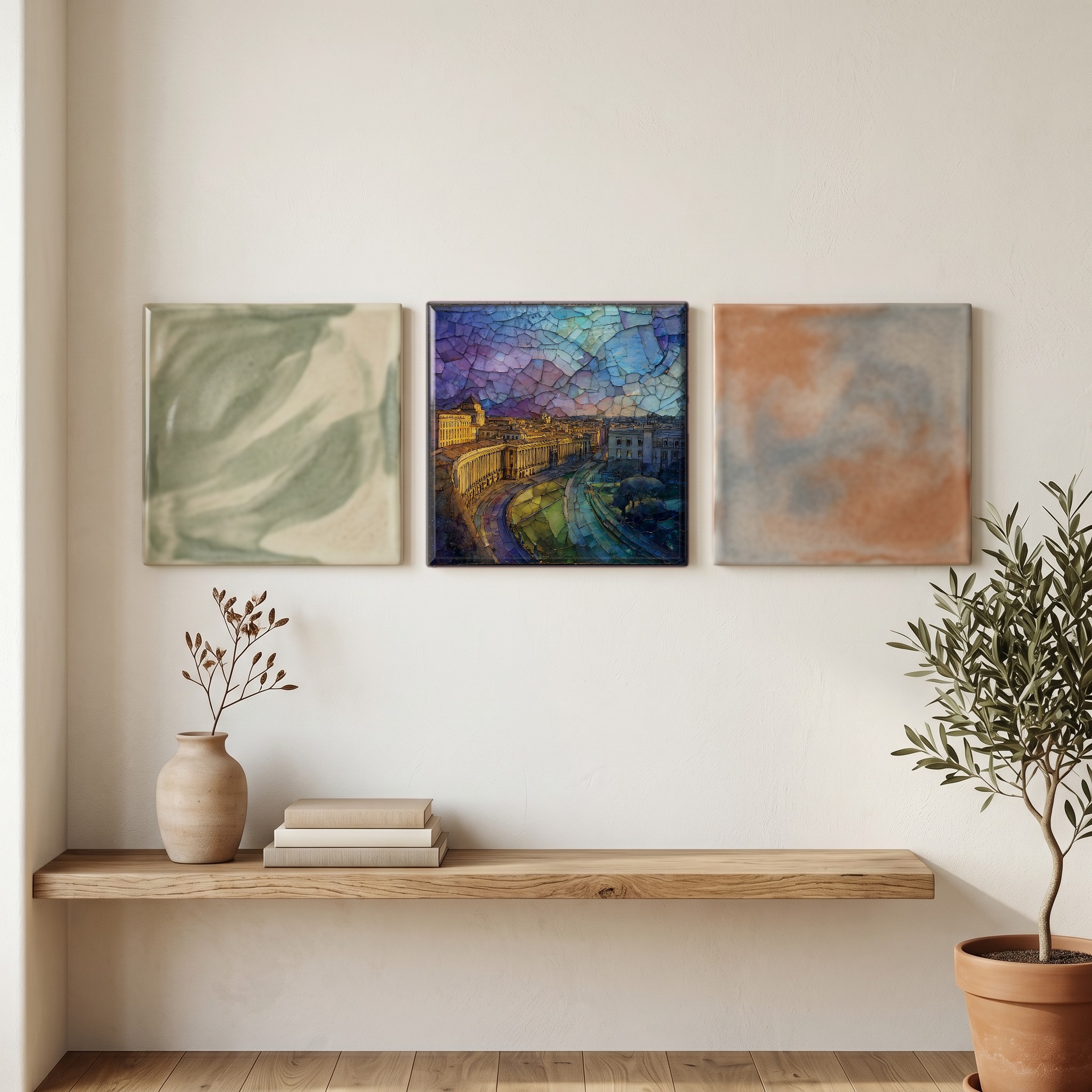
Three or five different vistas, hung together — a chapter of places you've been, or want to go.
The place, in three passes.
The Gallery of Maps occupies a corridor on the third floor of the Belvedere Wing of the Vatican Palace, running 120 metres along the Belvedere Courtyard at the heart of the Vatican Museums. It is one of the longest interiors in the Vatican and forms part of the standard route every visitor walks toward the Sistine Chapel. Pope Gregory XIII commissioned the cycle in the late 1570s, and the frescoes were executed between 1580 and 1583 to designs by the Dominican friar and cosmographer Ignazio Danti of Perugia. The room sits within Vatican City, the 49-hectare sovereign state enclaved within Rome since the Lateran Treaty of 1929.
The room itself is the work. The corridor stretches 120 metres along the Belvedere Courtyard, six metres wide, with a barrel vault rising overhead. Forty large painted panels of the Italian peninsula run the length of both walls, divided by coast. The western wall shows the regions facing the Tyrrhenian and Ligurian Seas; the eastern wall shows the regions facing the Adriatic. The vault above is covered in gilded stucco and frescoed compartments, executed by a workshop that included Cesare Nebbia and Girolamo Muziano. The scenes on the ceiling correspond to the region pictured on the wall directly below, so the gallery reads as one slow conversation between map and saint.
The gallery sits inside the Vatican Museums and shares their access rules. The museums are open Monday to Saturday with timed-entry tickets sold through the official Vatican Museums site; reservations skip the long stand-up queue along the Viale Vaticano. The standard route funnels every visitor down the Gallery of Maps en route to the Raphael Rooms and the Sistine Chapel, so the corridor is rarely quiet during open hours. Early-entry tours arriving before nine in the morning, and the late Friday openings during the warmer months, give the closest thing to a slow walk. Photography without flash is permitted in the gallery; tripods and selfie sticks are not.