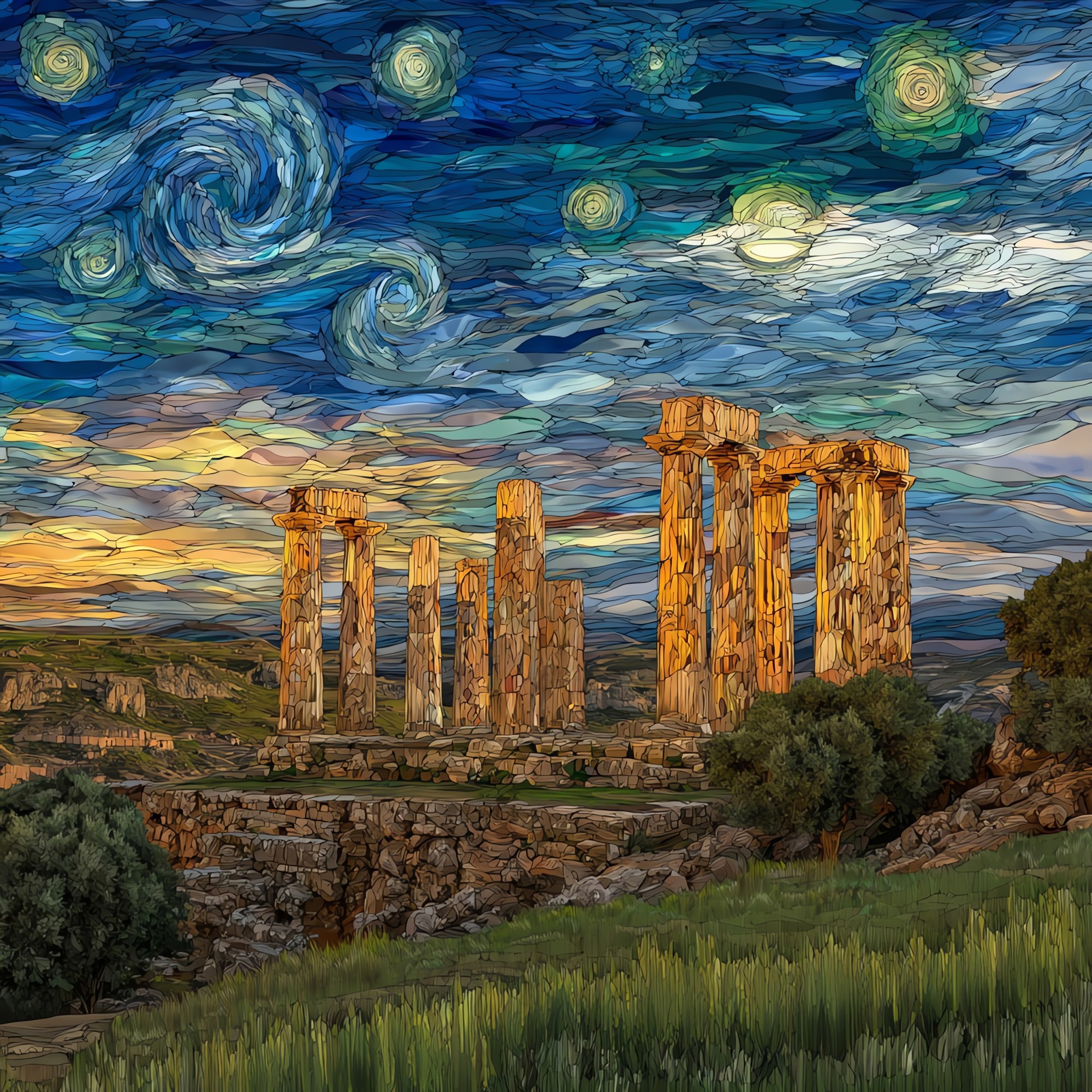
Valley of the Temples
— — stone the wind has been polishing for 2,500 years.
Not only on a wall.
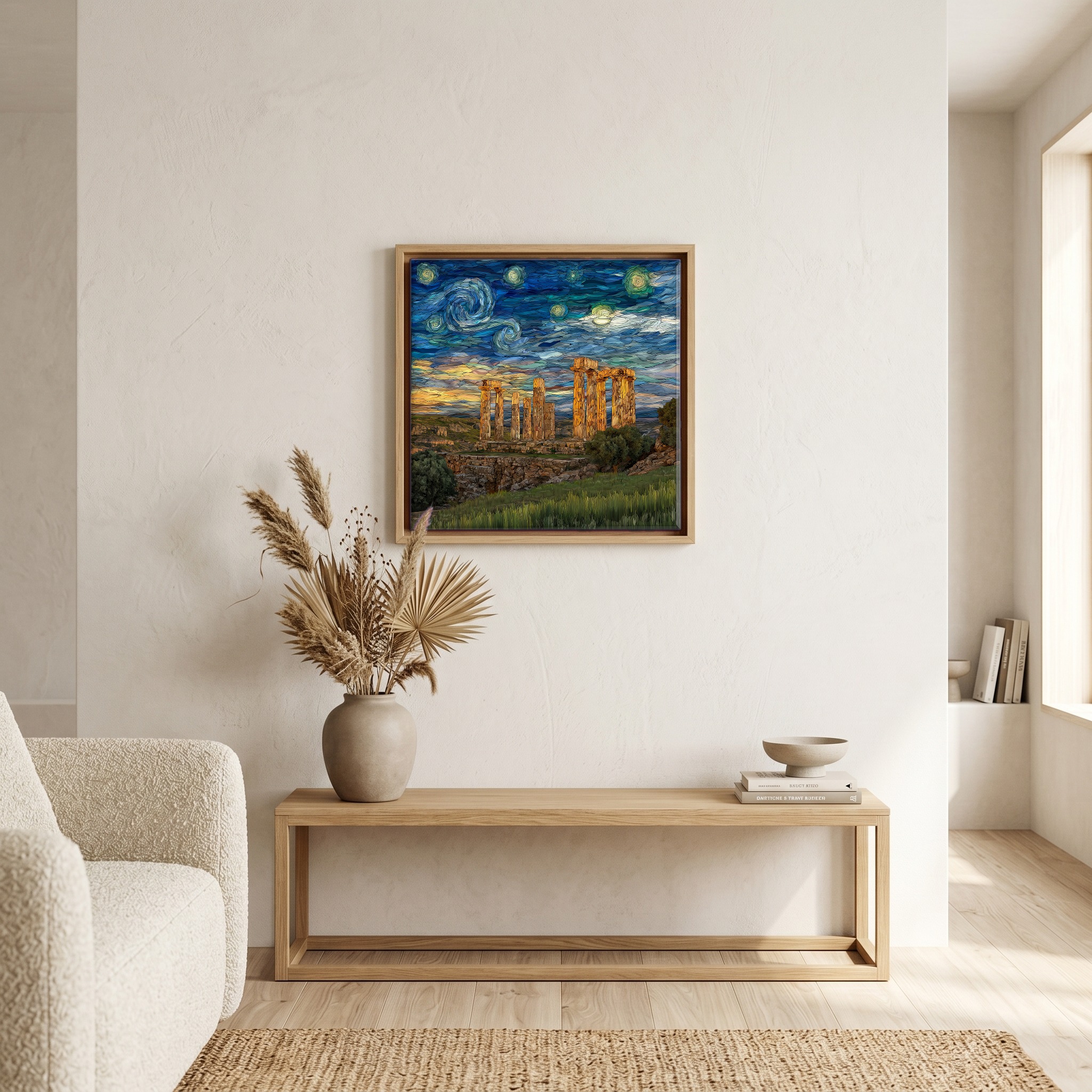
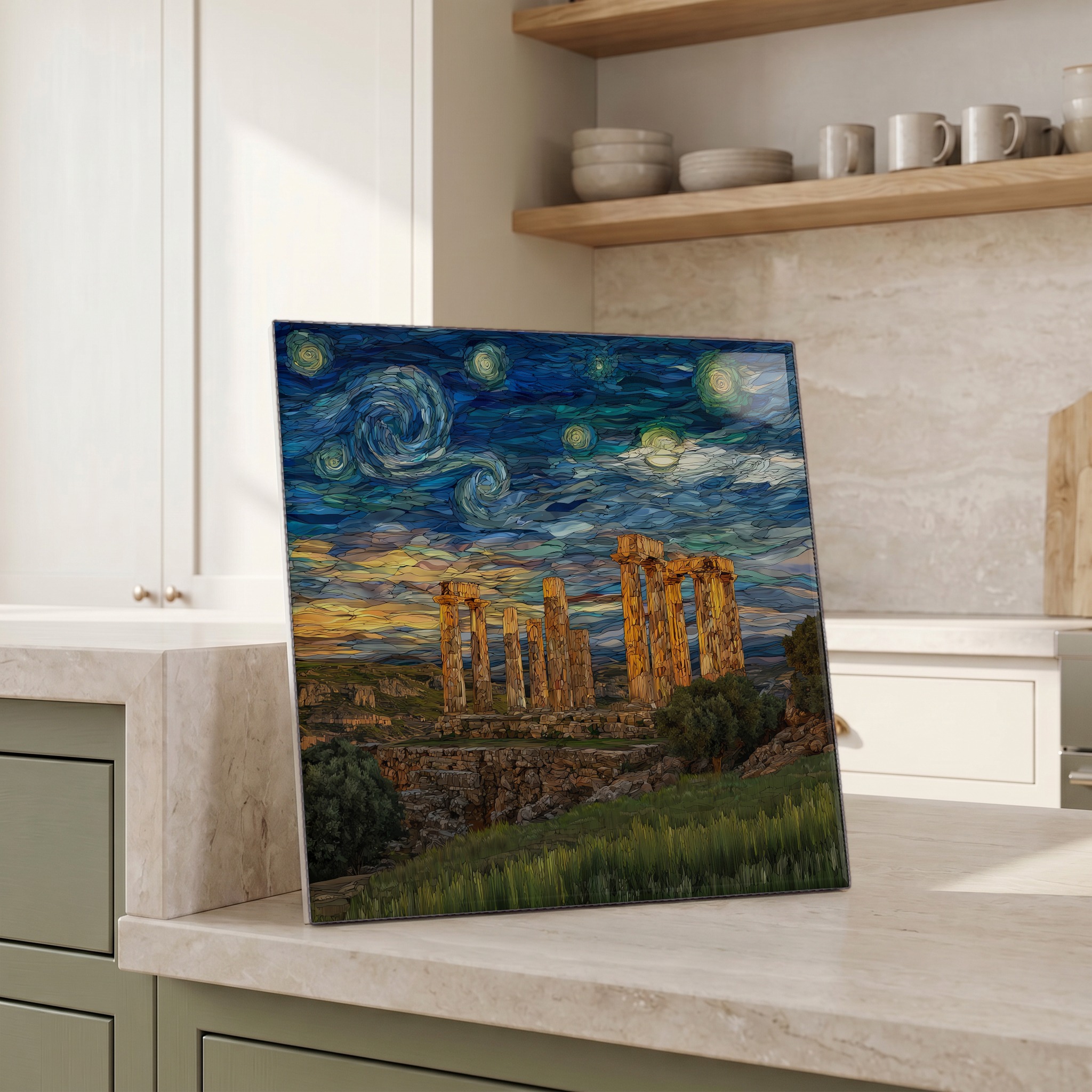
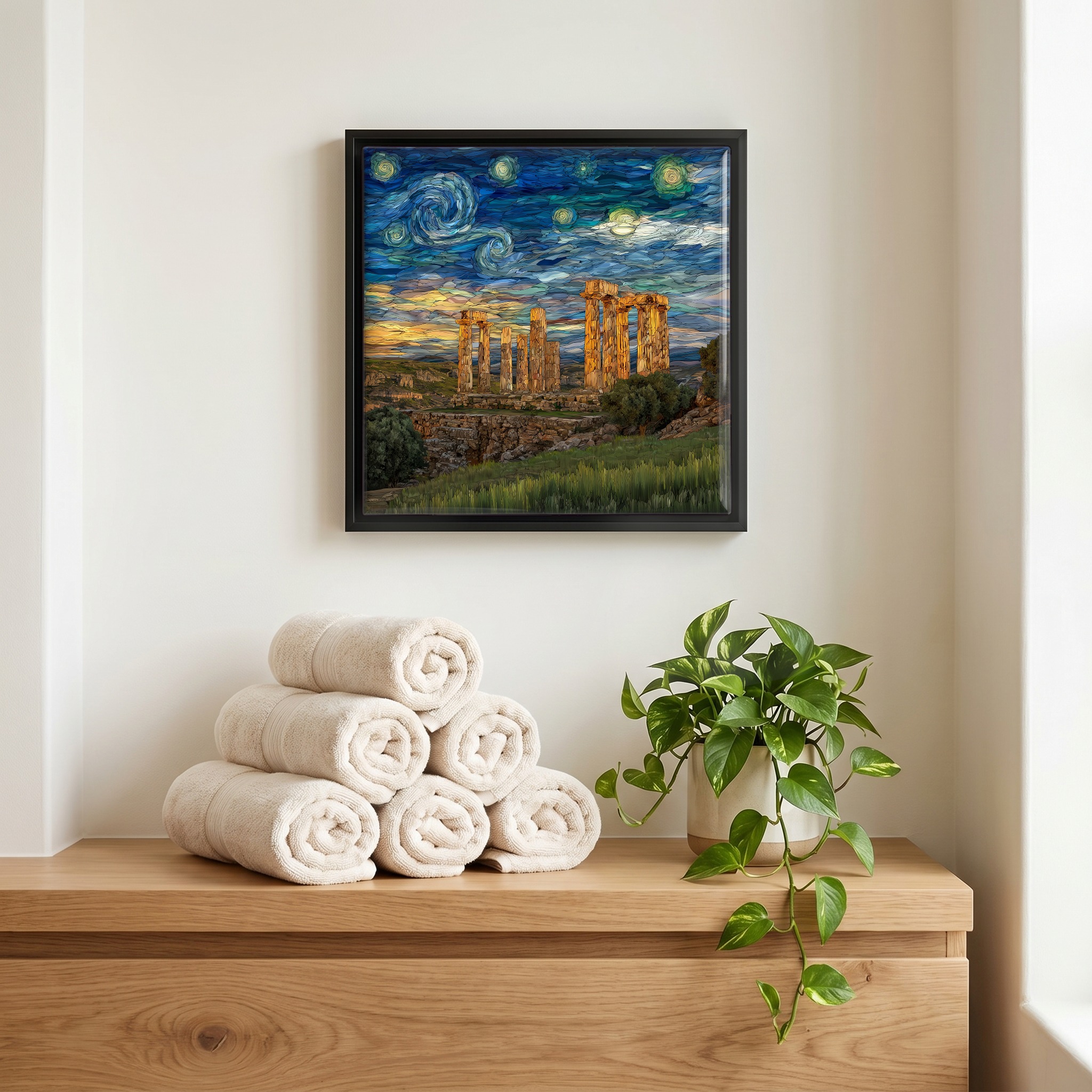
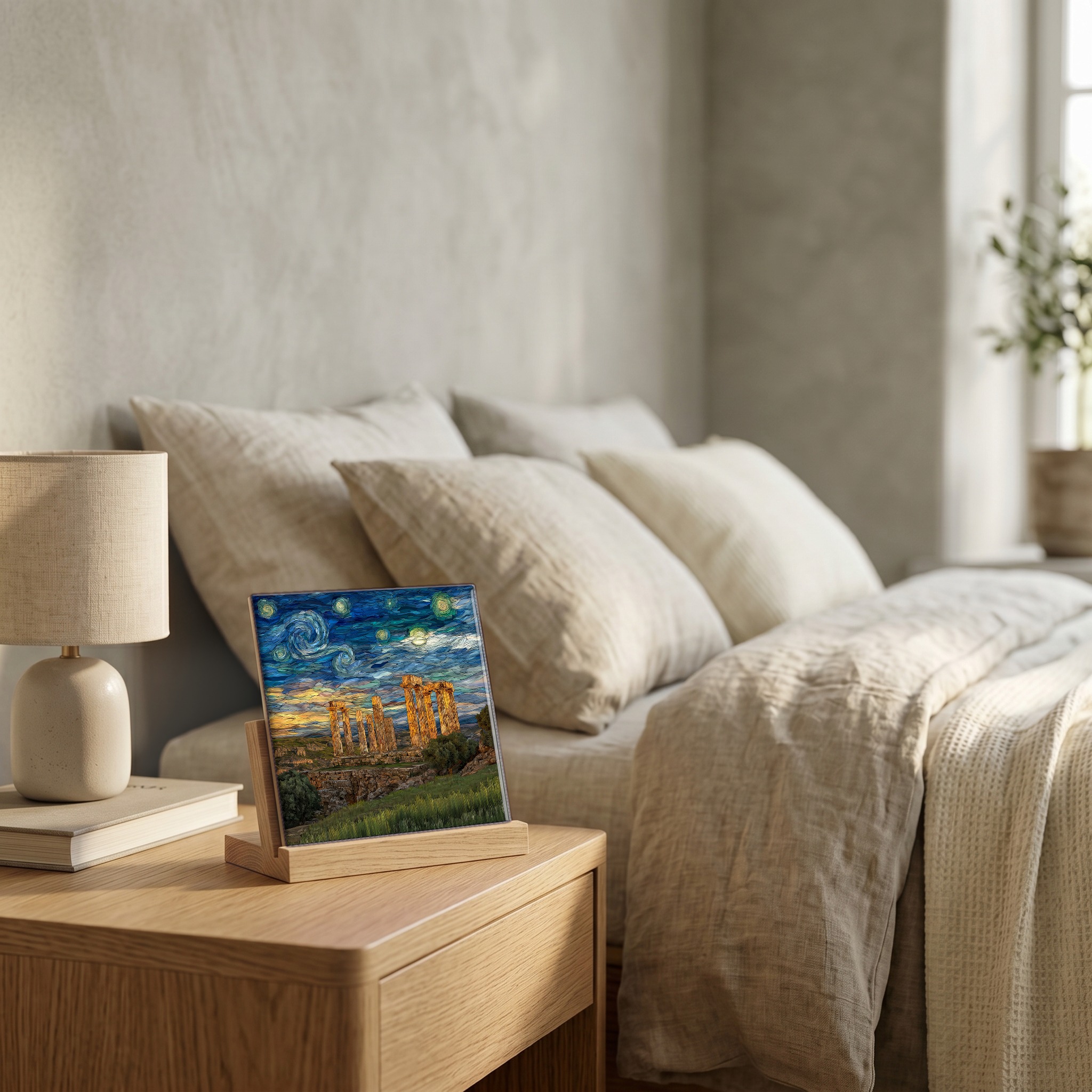
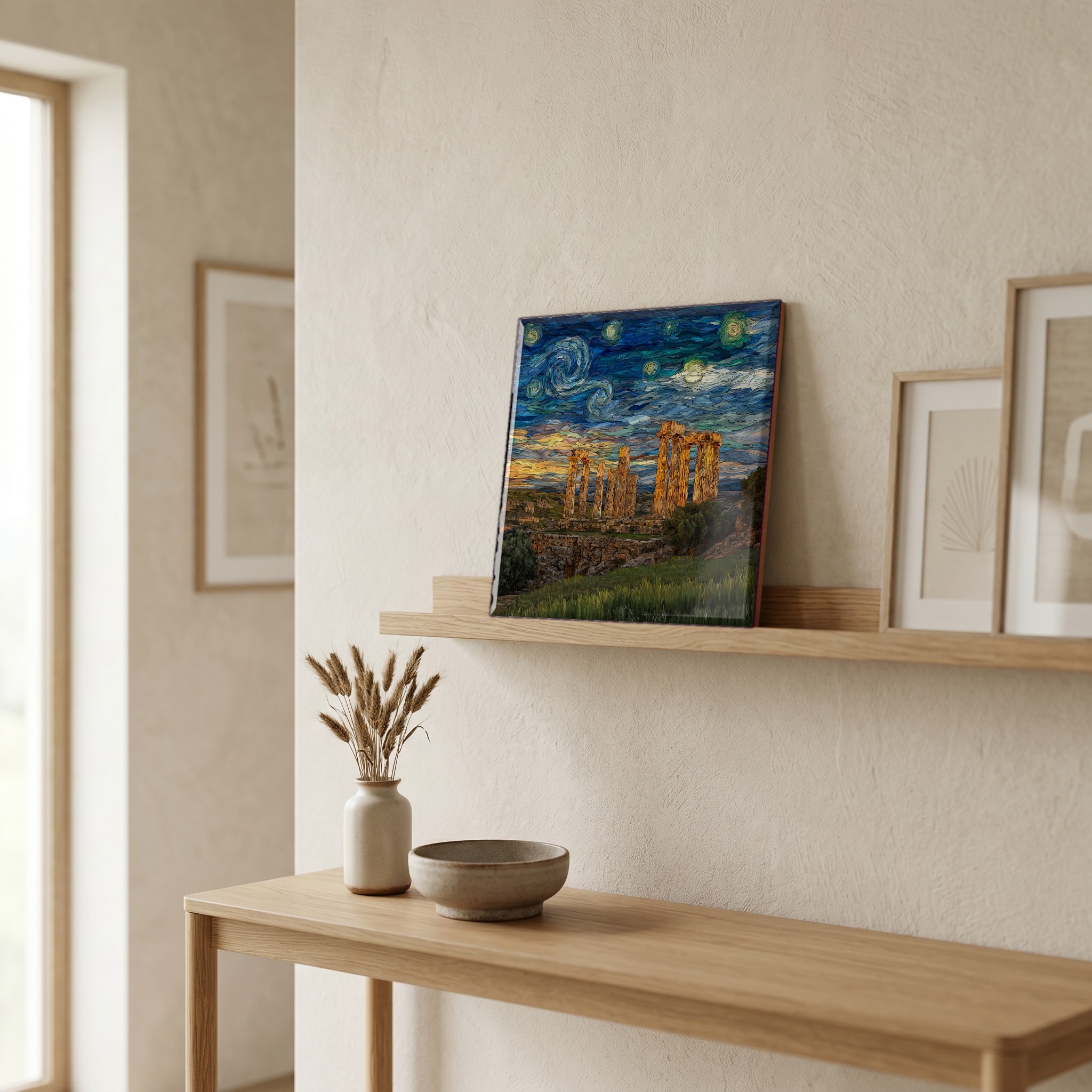
“A ridge above Agrigento, looking south toward the Mediterranean. Eight Doric temples, mostly fifth-century BC, built when this was Akragas, one of the great Greek cities of the western Mediterranean. The Temple of Concordia is still standing because the Christians turned it into a church in the sixth century AD and didn't tear it down. In February the almond trees bloom along the ridge between the columns. By July the stone is the colour of old honey and the cicadas start at noon.
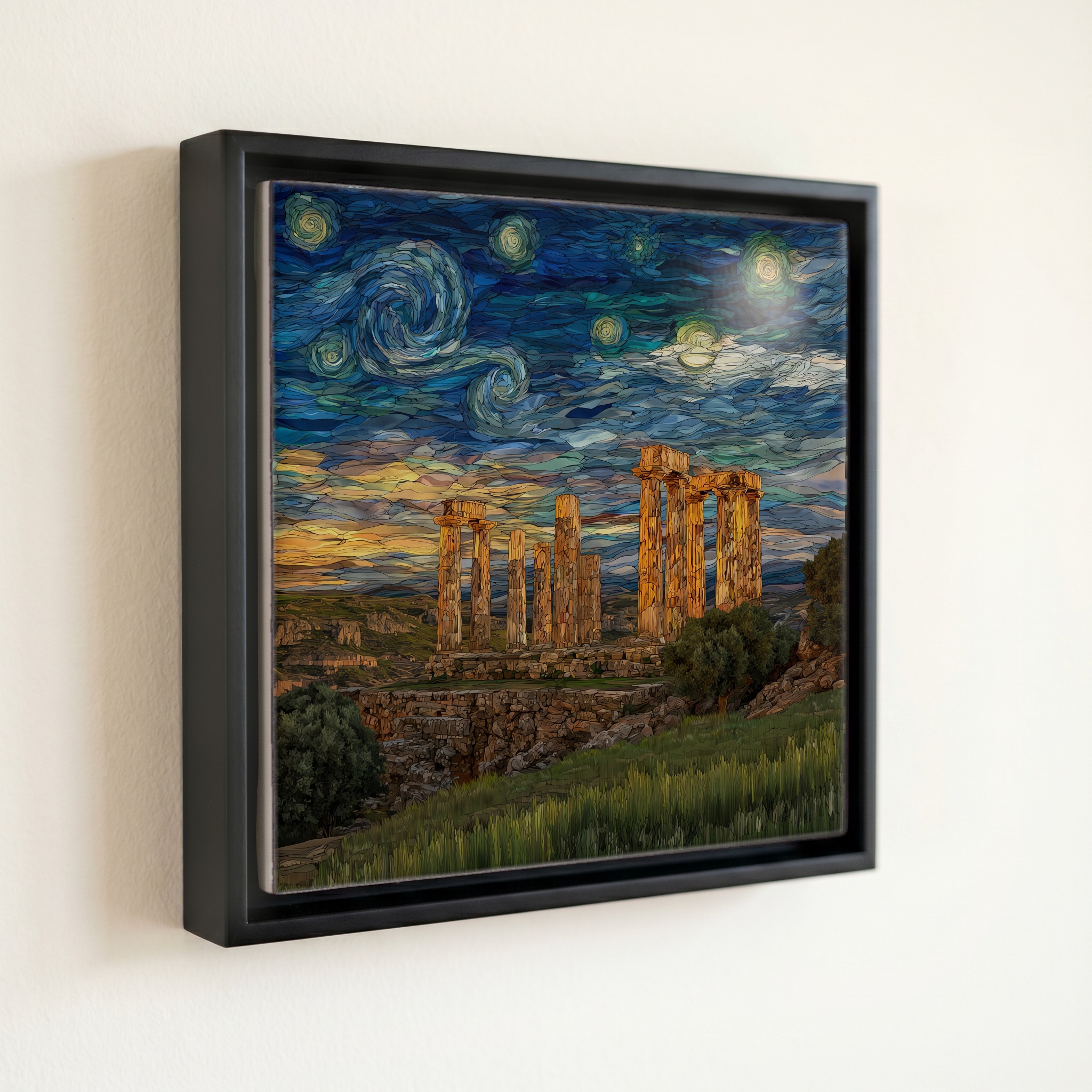
Valley of the Temples, on ceramic.
Each tile is finished by hand in our Knoxville studio. Artwork is slowly infused into the ceramic surface under high heat and pressure, and rests beneath a thin glossy finish. The colour lives in the surface, not on top of it.
Pick any four 4-inch tiles — National Parks you've been to, a Smokies set, the four seasons of one place. $ for a set of , cork-backed, ready to live on the table.
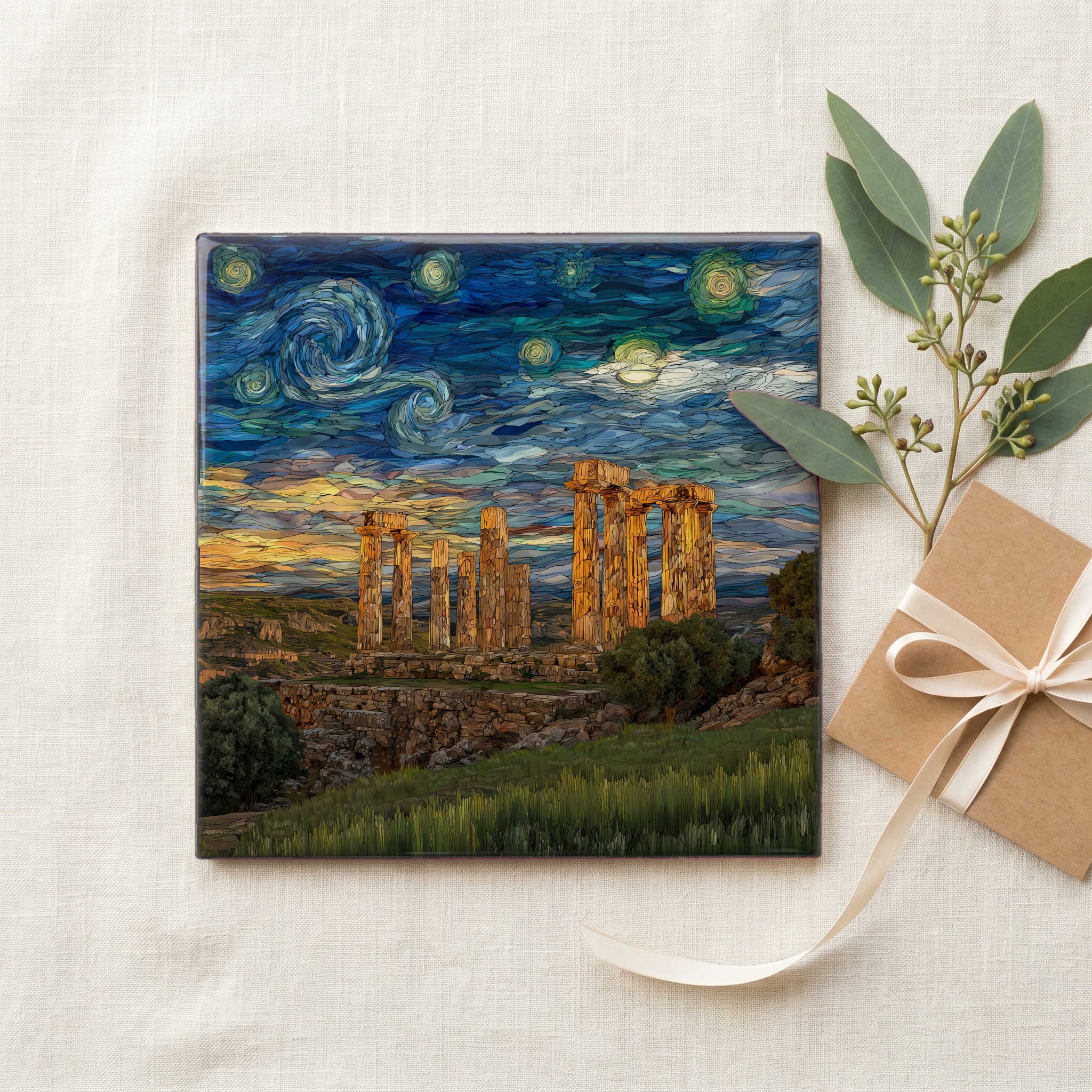
Each tile ships in a kraft box, tied with cream ribbon, with a handwritten note from the studio if you'd like to add one.
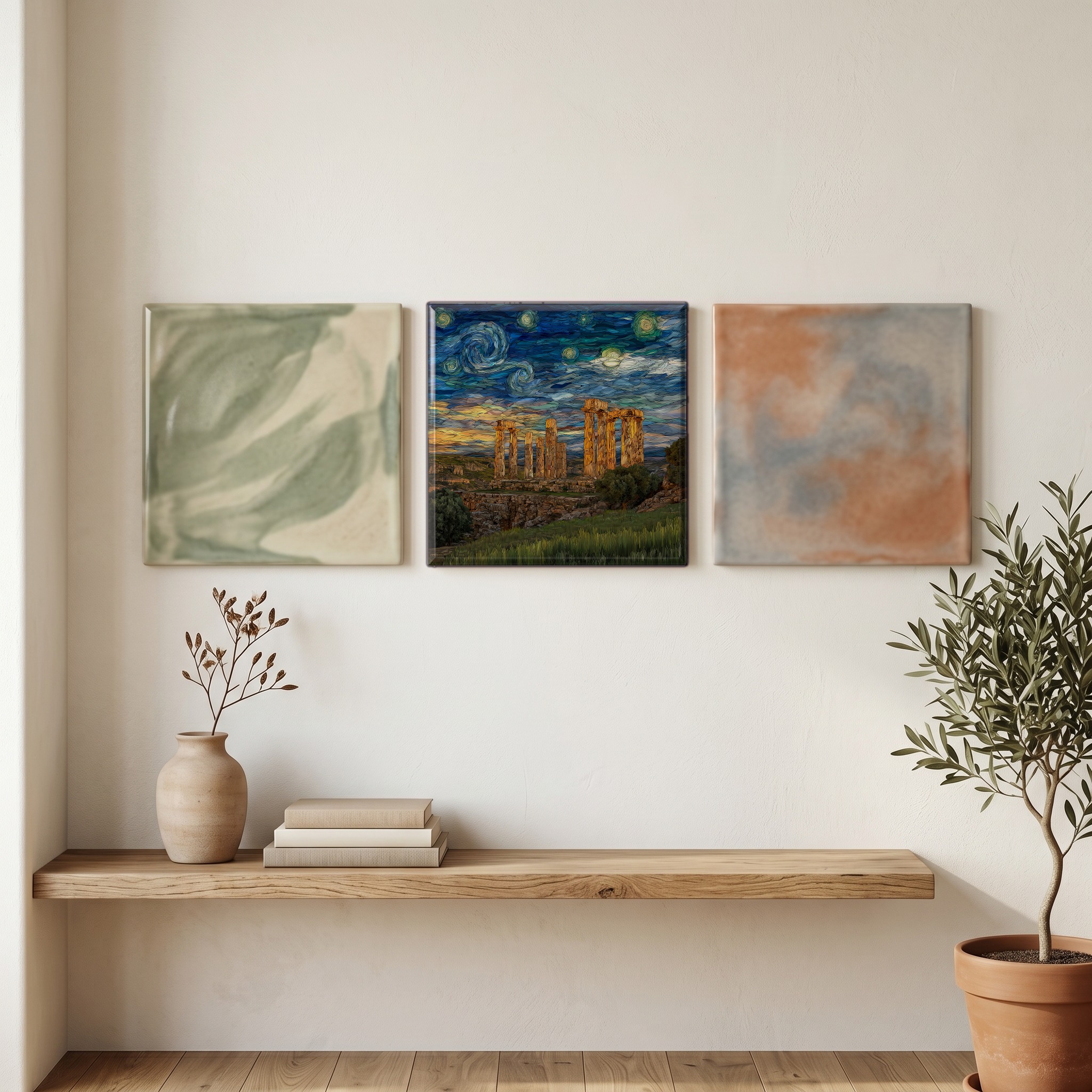
Three or five different vistas, hung together — a chapter of places you've been, or want to go.
The place, in three passes.
The Valley of the Temples sits on a low ridge above the modern city of Agrigento, on the southern coast of Sicily, about three kilometres inland from the Mediterranean. The Italian valle is a long-standing misnomer; the eight major temples line a ridge, not a valley floor. The site covers roughly 1,300 hectares and is one of the largest archaeological parks in Europe, inscribed on the UNESCO World Heritage List in 1997. It is what survives of Akragas, founded around 580 BC by Greek colonists from Gela and Rhodes and, by the fifth century, one of the wealthiest cities of Magna Graecia. The poet Pindar called it the most beautiful city of mortals.
The temples are cut from calcarenite, a soft golden-tan local limestone full of marine fossils, the same stone you can see in the cliffs along Sicily's southern coast. It is the material that gives the Concordia its honey cast in late afternoon. Most of the major structures went up between roughly 510 and 430 BC in the Doric order, the older and severer of the two Greek architectural styles. The Temple of Olympian Zeus, never completed, was designed to be the largest Doric temple in the Greek world; its column drums and the giant atlas-figures called telamons survive in fragments. The Temple of Concordia kept its colonnade because the Christians turned it into a basilica in the sixth century AD, dedicated to Saints Peter and Paul.
The first week of February brings the almond blossom. The trees along the ridge between the temples flower for about two weeks, white and faintly pink, and the city hosts the Sagra del Mandorlo in Fiore, an almond-blossom festival running annually since 1934 with folk-music groups from around the world. April and May are the long Sicilian spring, with warm afternoons, evening light on the stone, and wildflowers in the ruins. July and August are punishing, often above 35°C with little shade between the temples, and most visitors come at opening or stay for the night-time openings, when the columns are floodlit against the dark. The site usually closes around seven in winter, later in summer.