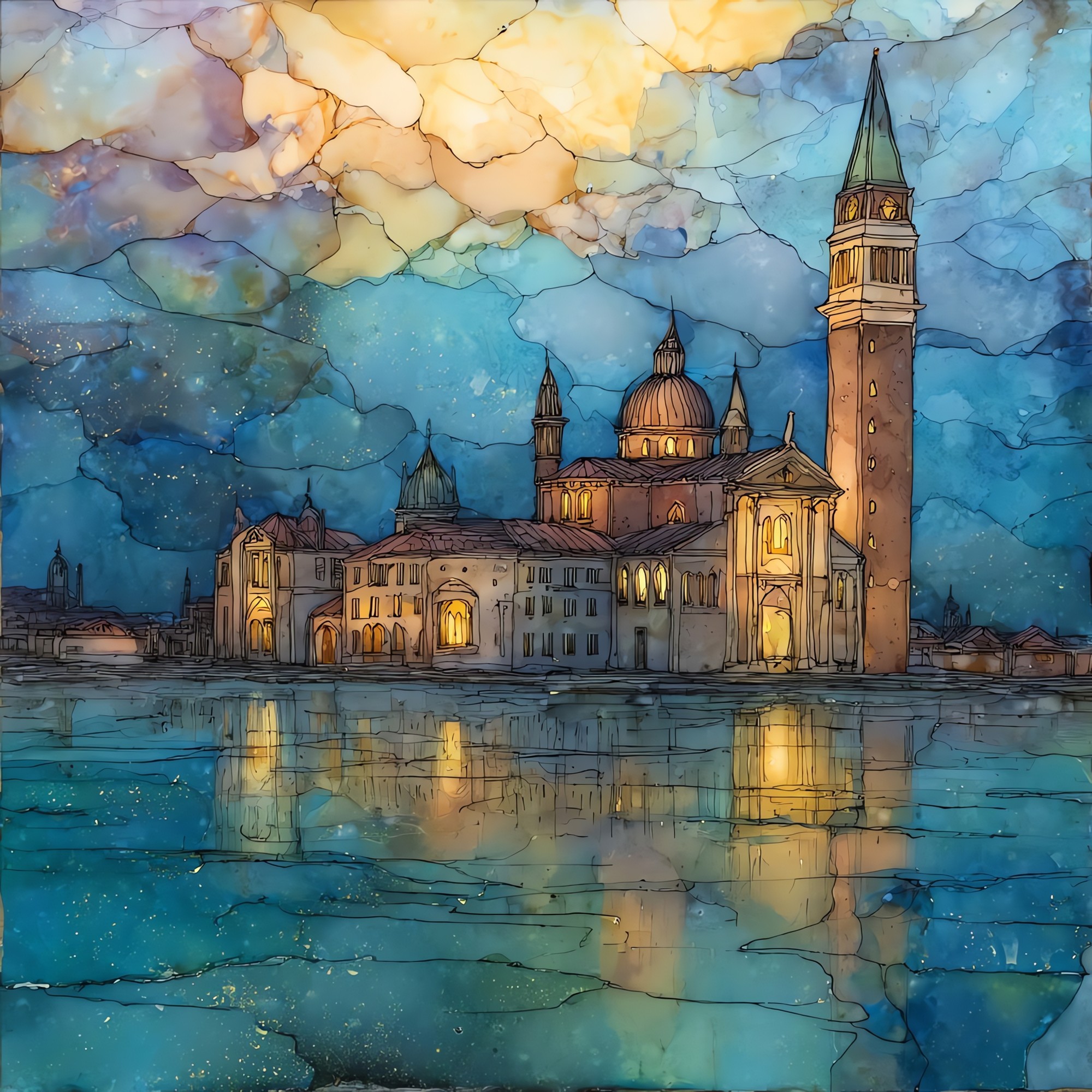
Torcello
— the gold the city left behind.
Not only on a wall.
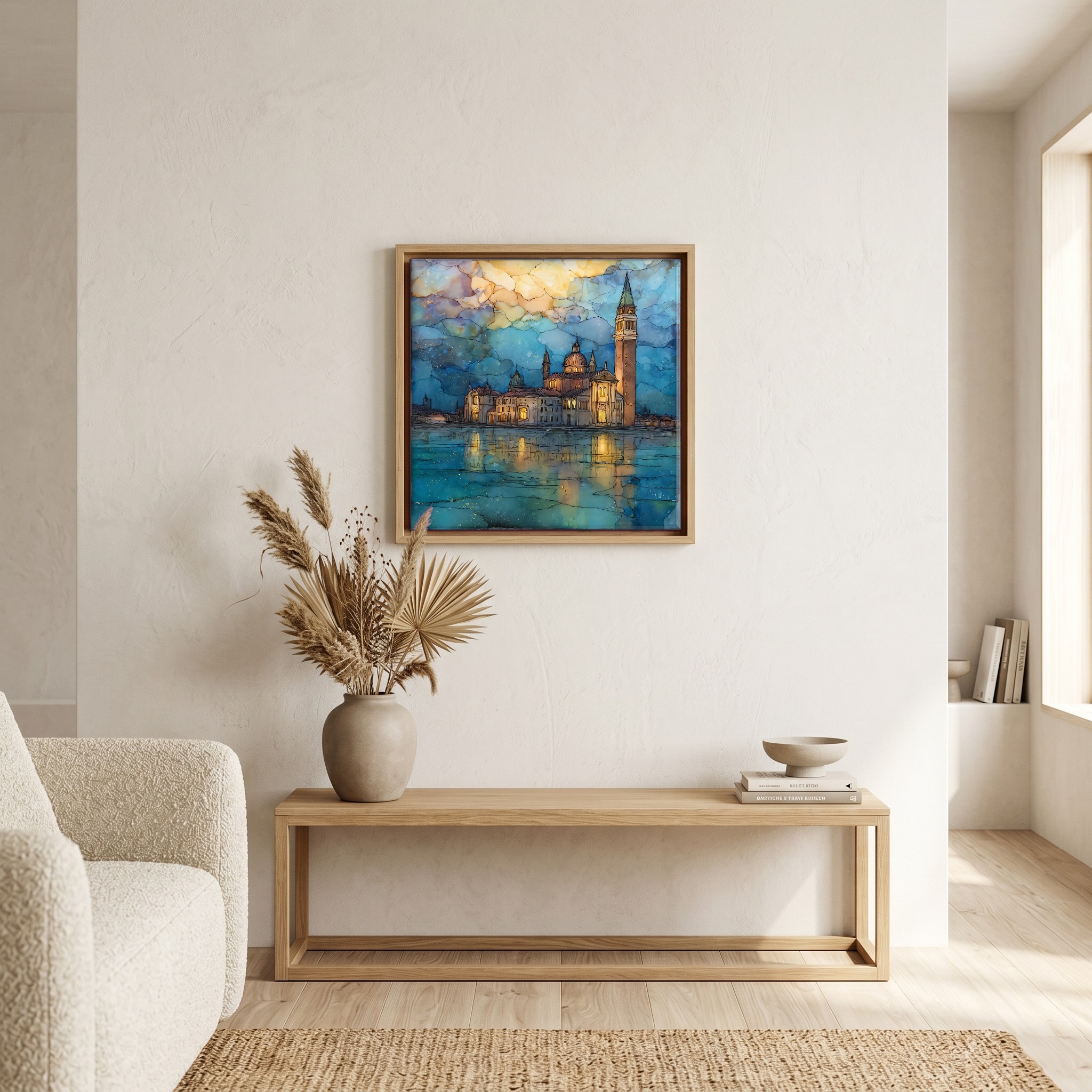
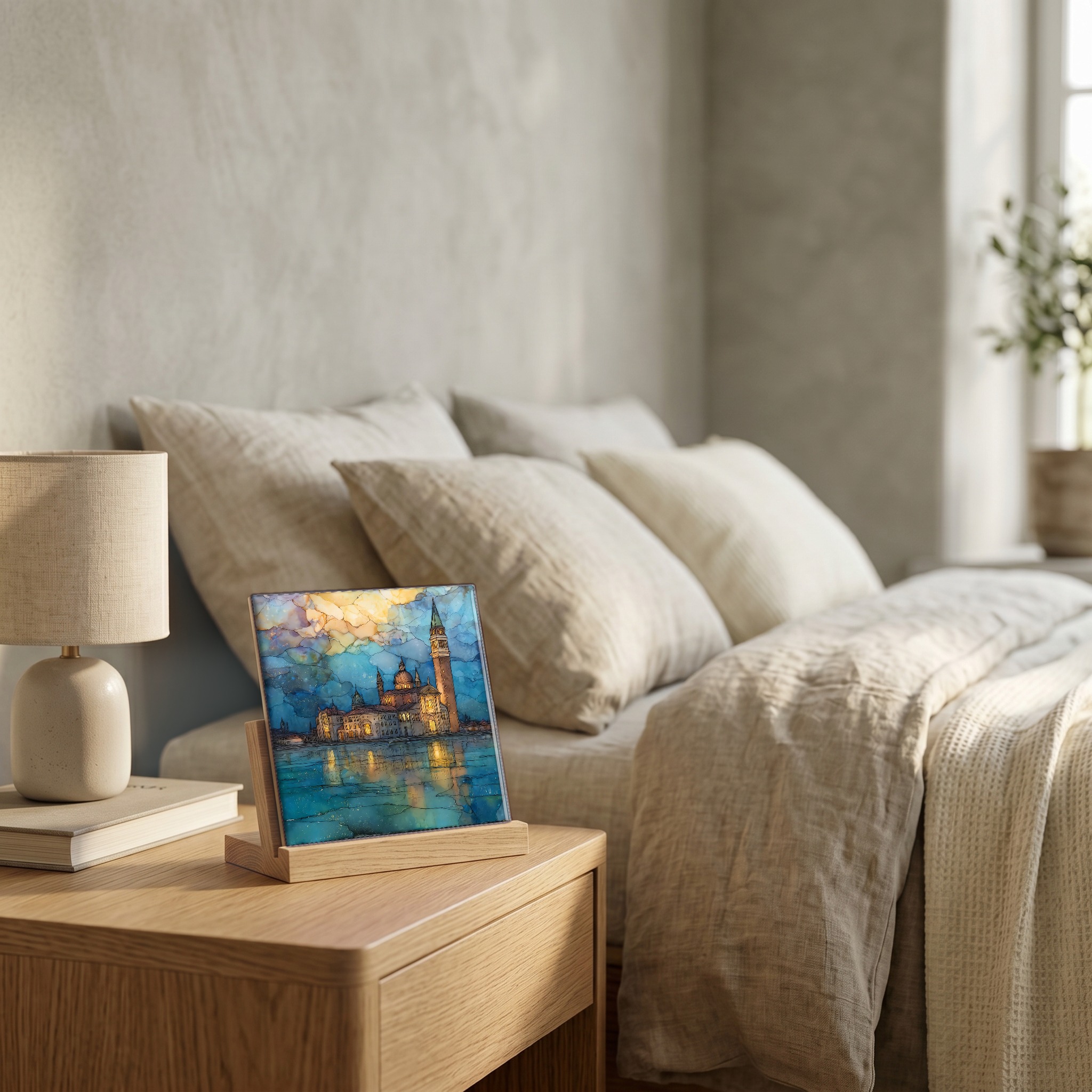
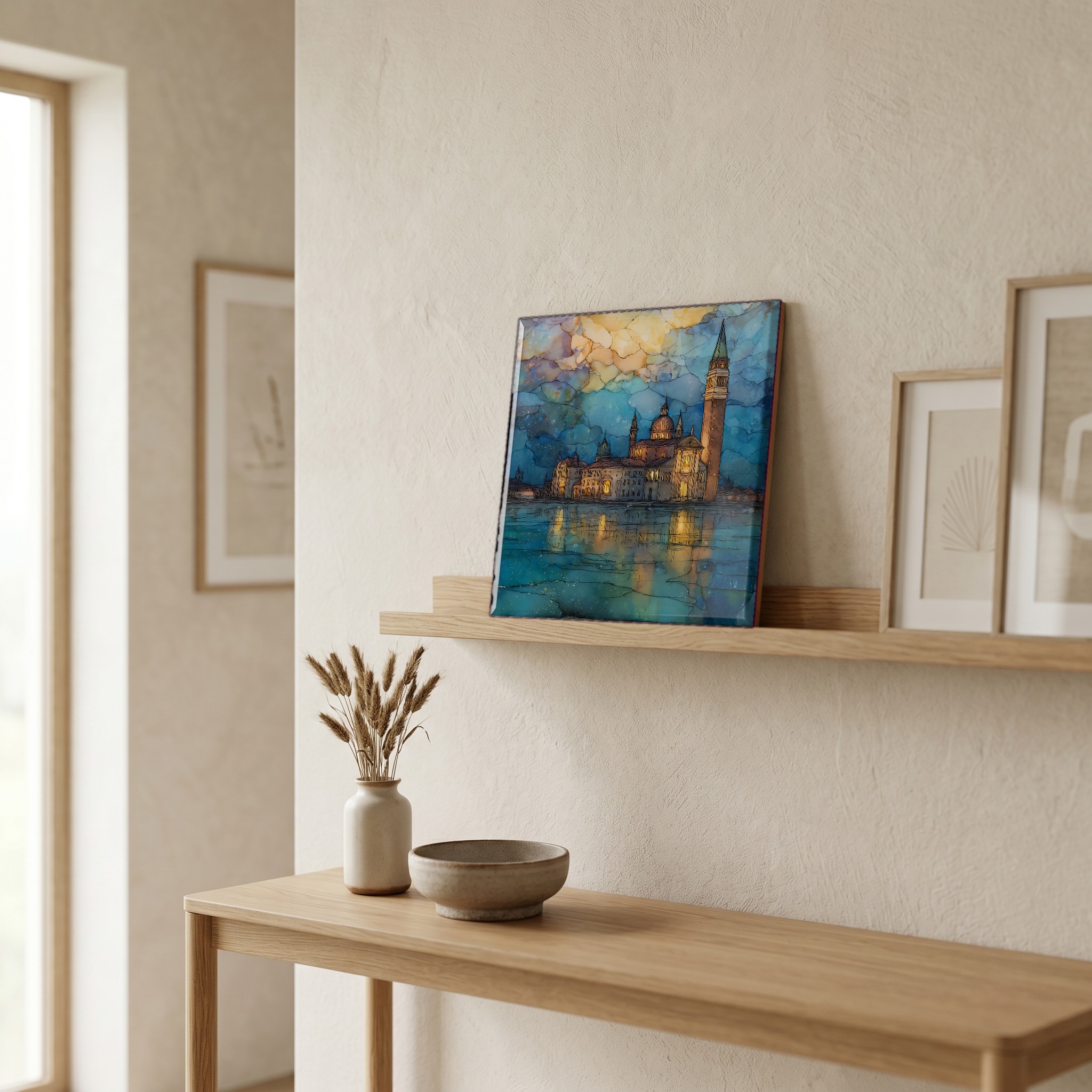
“The island Venice came from. The cathedral was founded in 639, when refugees from Altinum fled the mainland and built on the lagoon's flatlands. At its peak Torcello held twenty thousand people; today fewer than twenty live here. What remains is the Cattedrale di Santa Maria Assunta with its gold-ground mosaics, the brick campanile, a single canal, and the lagoon water that comes up to the path. The vaporetto from Fondamente Nove takes forty-five minutes. The dominant sounds are wind through cypress and the call of lagoon birds.
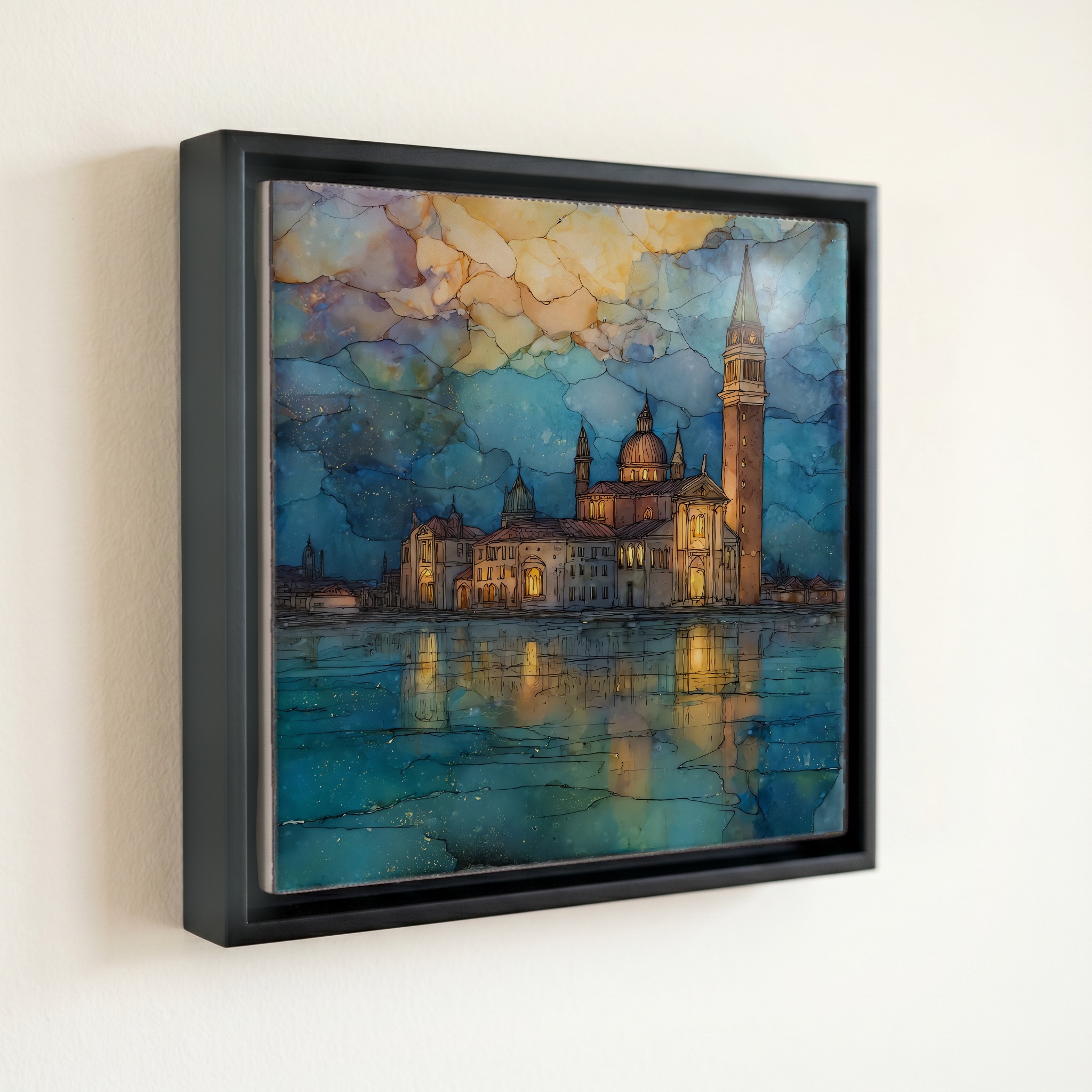
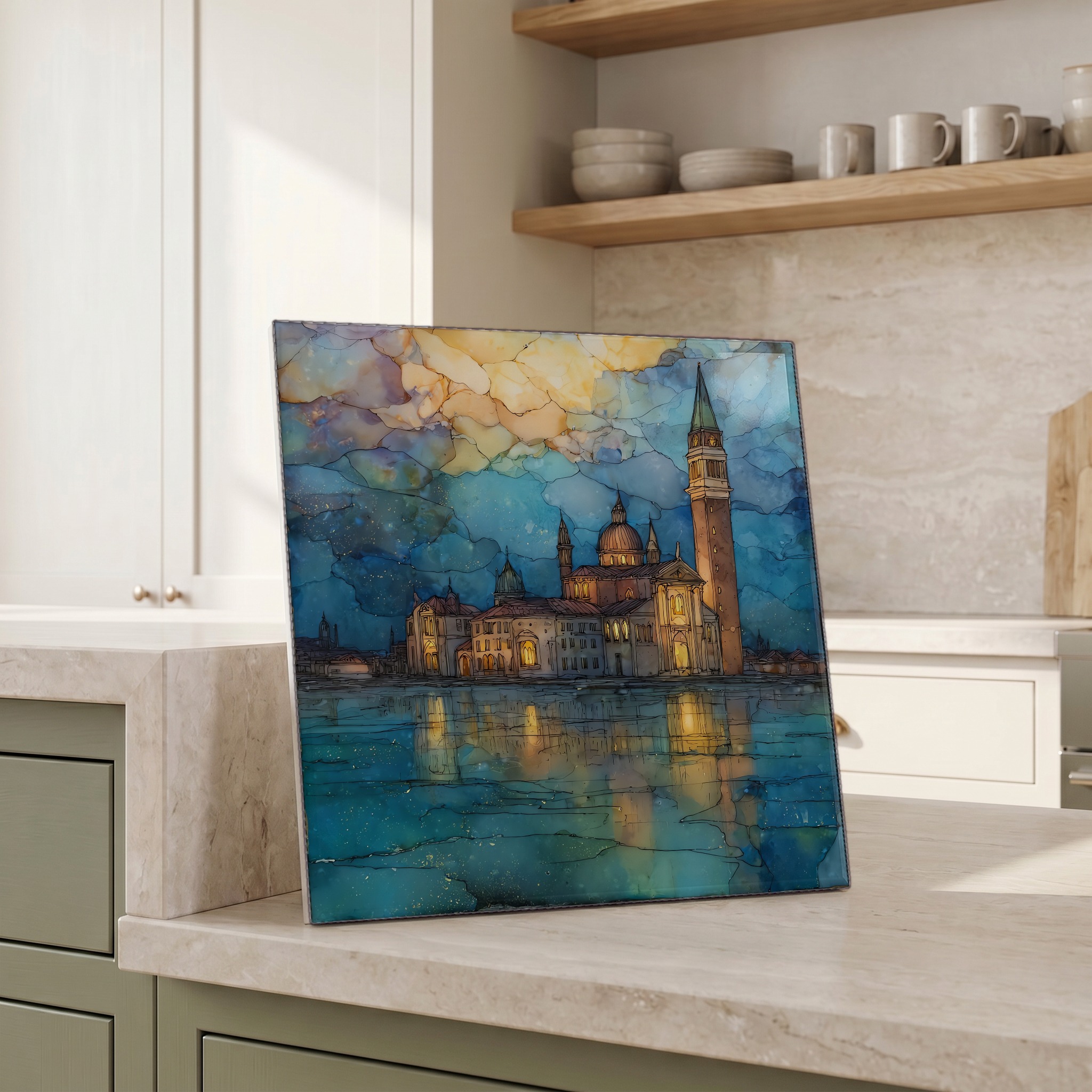
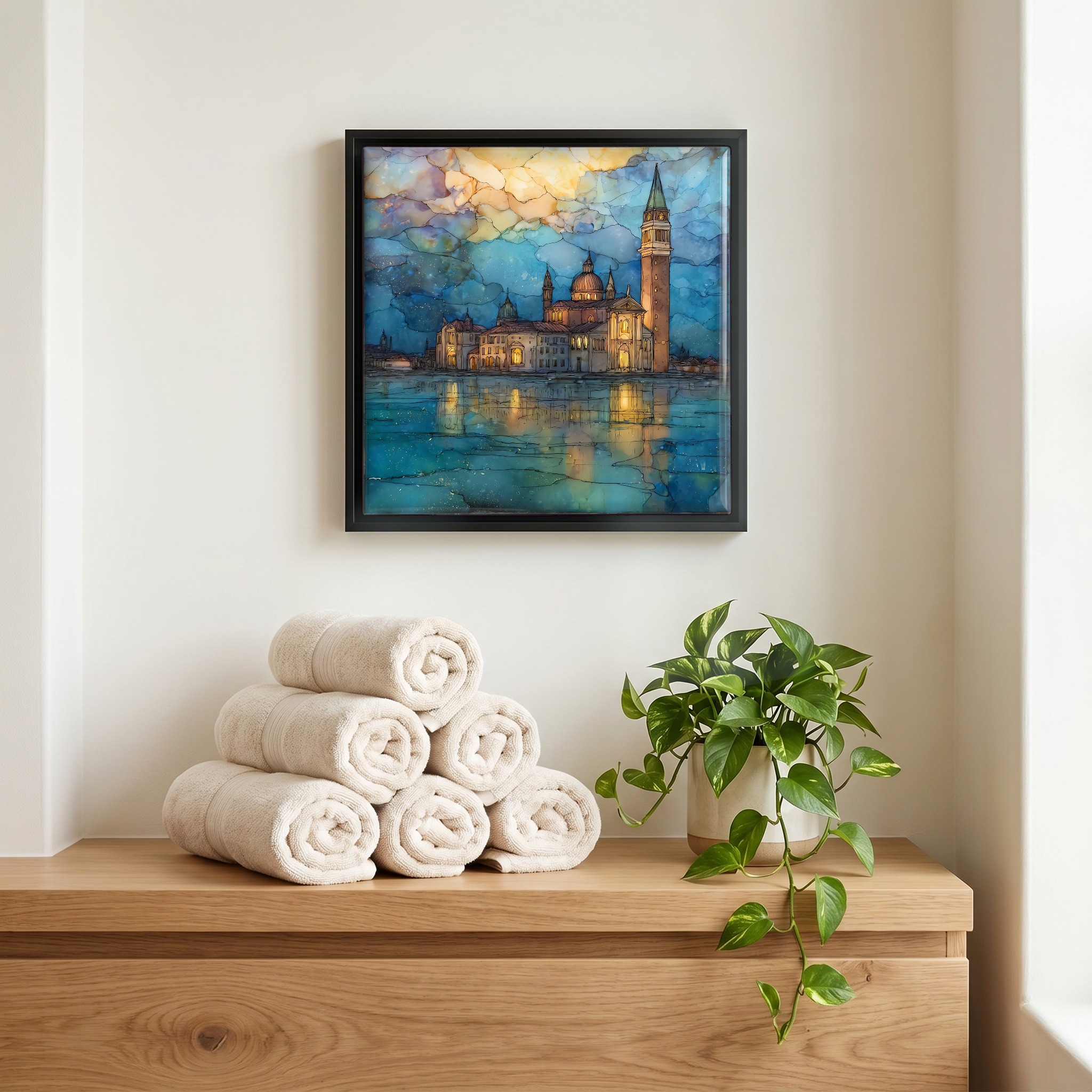
Torcello, on ceramic.
Each tile is finished by hand in our Knoxville studio. Artwork is slowly infused into the ceramic surface under high heat and pressure, and rests beneath a thin glossy finish. The colour lives in the surface, not on top of it.
Pick any four 4-inch tiles — National Parks you've been to, a Smokies set, the four seasons of one place. $ for a set of , cork-backed, ready to live on the table.
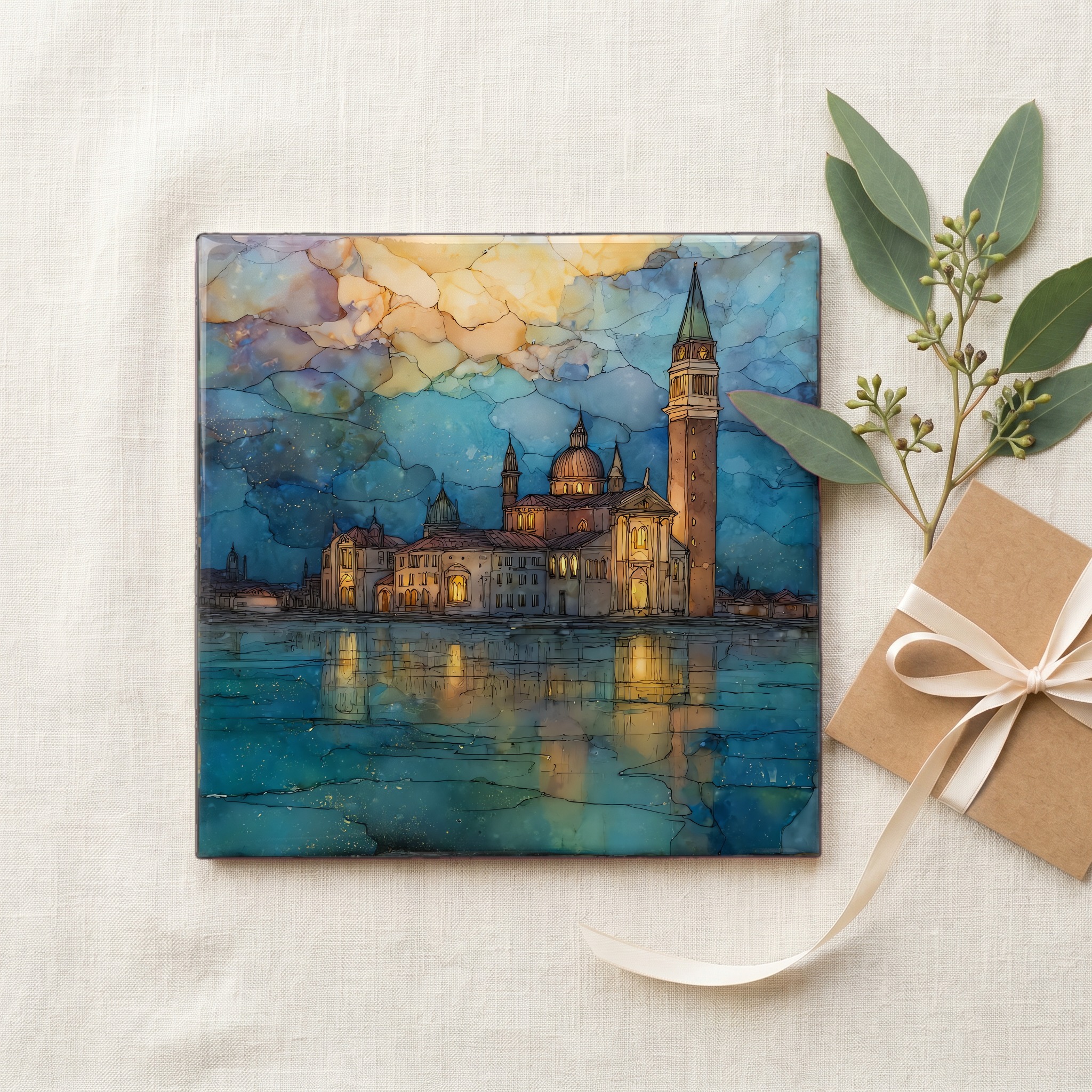
Each tile ships in a kraft box, tied with cream ribbon, with a handwritten note from the studio if you'd like to add one.
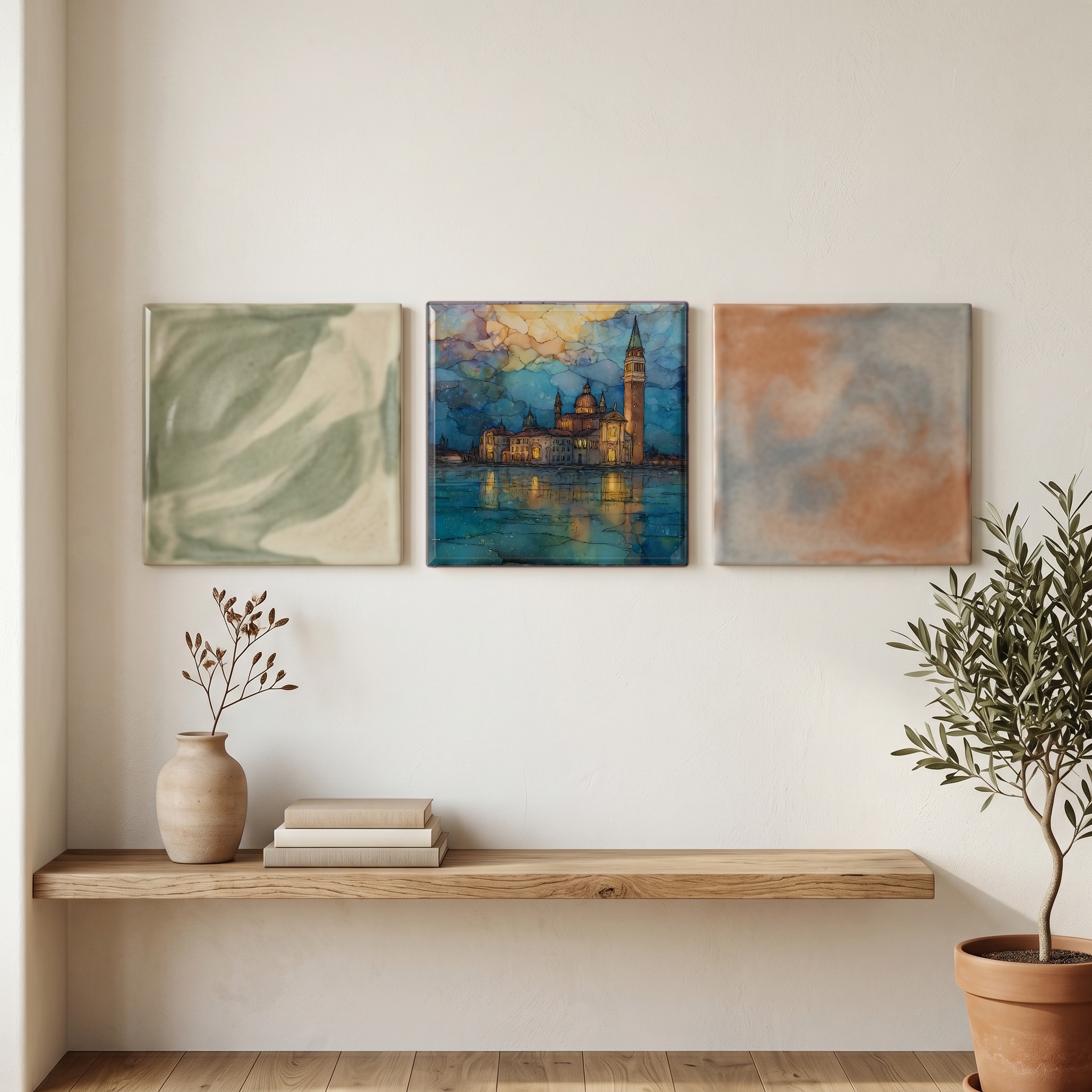
Three or five different vistas, hung together — a chapter of places you've been, or want to go.
The place, in three passes.
Torcello is an island in the northern Venetian Lagoon, about 7 km north of Venice and reachable in roughly 45 minutes from Fondamente Nove on the ACTV line 12 vaporetto. The first known settlement dates to the late 6th and 7th centuries, when refugees from the Roman town of Altinum on the nearby mainland fled the Lombard invasions of 568 and resettled on the lagoon islands. By the early medieval period Torcello was the lagoon's leading commercial centre, with a bishop's seat from at least the 7th century. Malaria from the surrounding marshes and the silting of its harbour drained the population over several centuries; by the late 17th century most residents had moved to Murano, Burano, and the cluster of Rialto islands that became Venice. The resident population today is in the low double digits.
At Torcello's centre stands the Cattedrale di Santa Maria Assunta, founded in 639 and substantially rebuilt around 1008. Its interior holds two of the most consequential Byzantine mosaics in Italy: a tall solitary Virgin and Child on a gold ground in the apse, and a full west-wall Last Judgment composed in horizontal registers, both dated by most scholars to the 12th and 13th centuries with earlier fragments from the 11th. Beside it stands the smaller Greek-cross church of Santa Fosca, completed in the 11th century, its arcaded brick exterior anticipating Venetian Romanesque. The detached brick campanile is climbable for a panorama of the lagoon, Burano's harbour, and on clear days the foothills of the Alps to the north.
Torcello once held an estimated 20,000 residents at its medieval peak, when it rivalled and at times exceeded Venice as the lagoon's commercial centre. The current resident population is in the dozens. The contrast is what most visitors notice first. No piazza of cafes, no Grand Canal traffic, no shopfronts beyond the small Museo Provinciale and the path inland. A single canal runs from the vaporetto landing to the cathedral square. Locanda Cipriani, which Giuseppe Cipriani opened in 1934 and where Ernest Hemingway wrote part of Across the River and Into the Trees in 1948, still serves lunch in a walled garden behind the square. Outside its hedges the island returns to wind, reeds, and the slow shadow of the campanile across the grass.