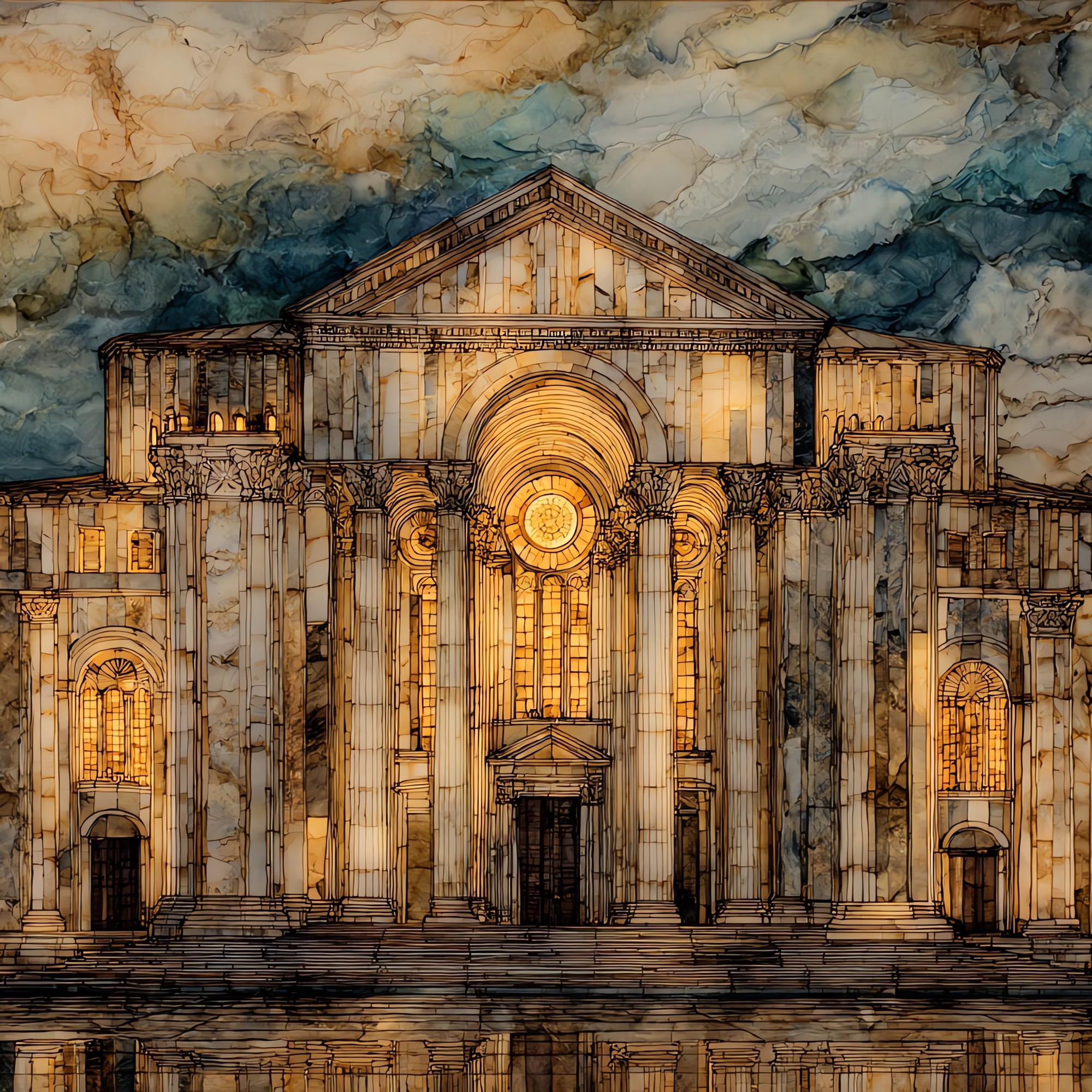
Tempio Malatestiano
— where a Renaissance held its breath.
Not only on a wall.
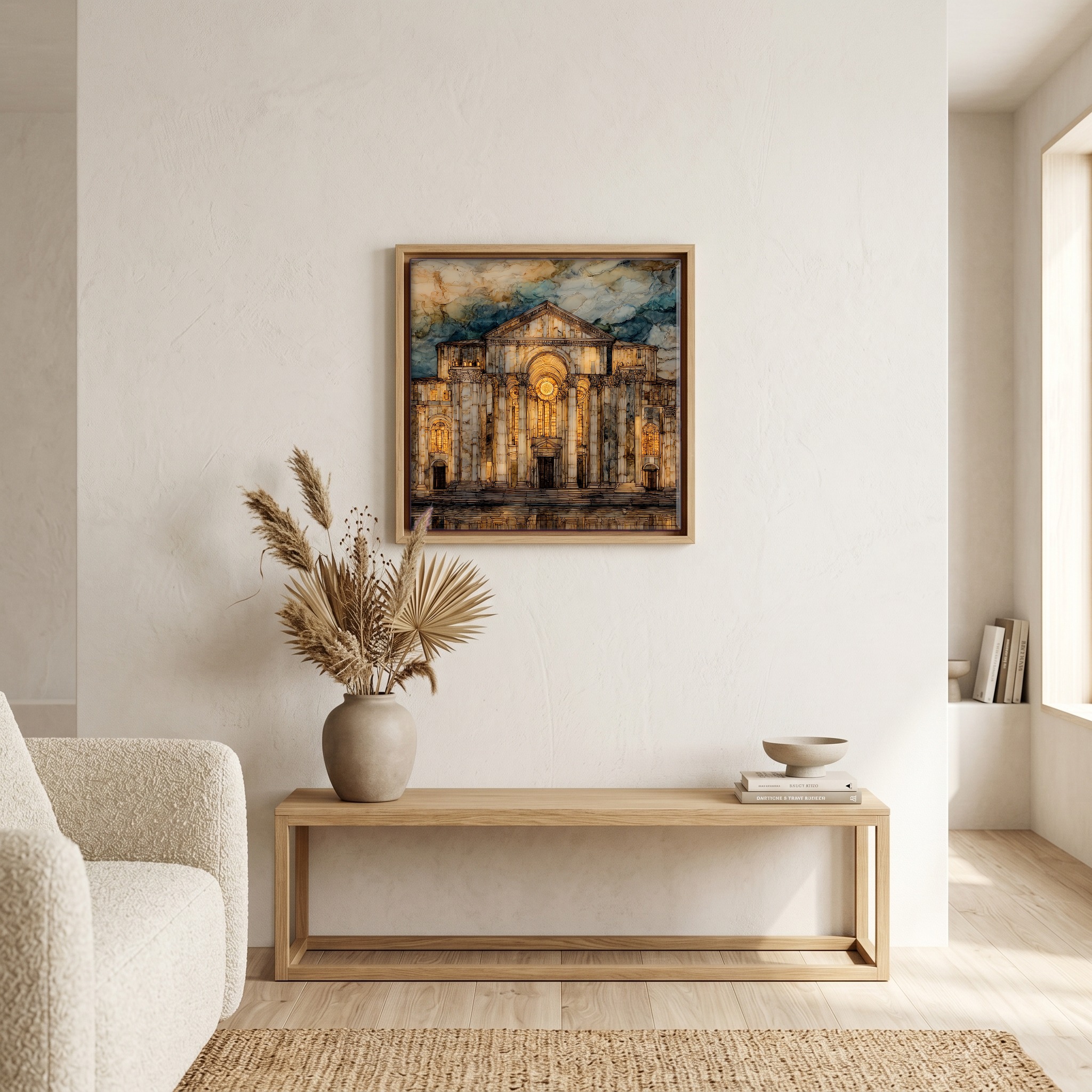
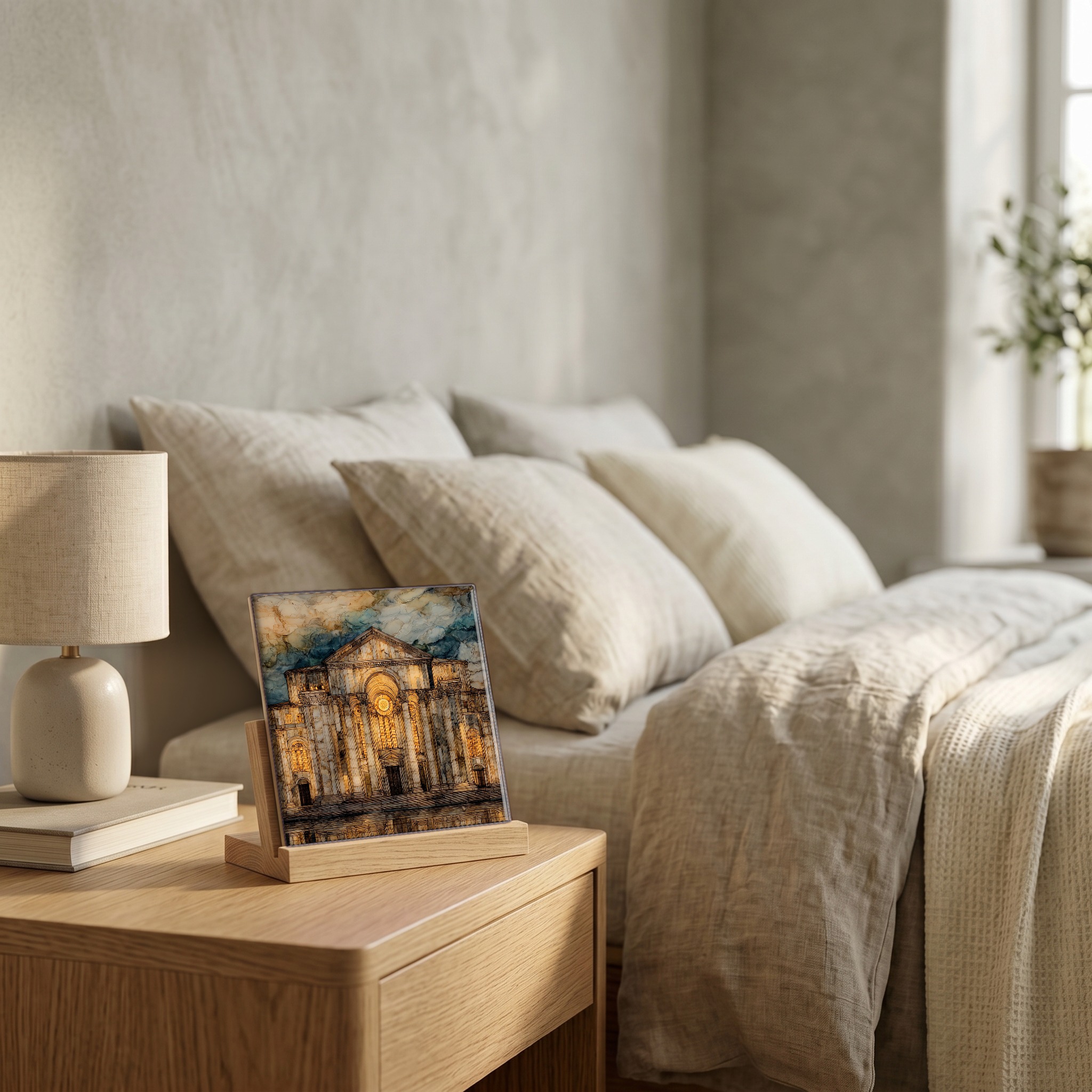
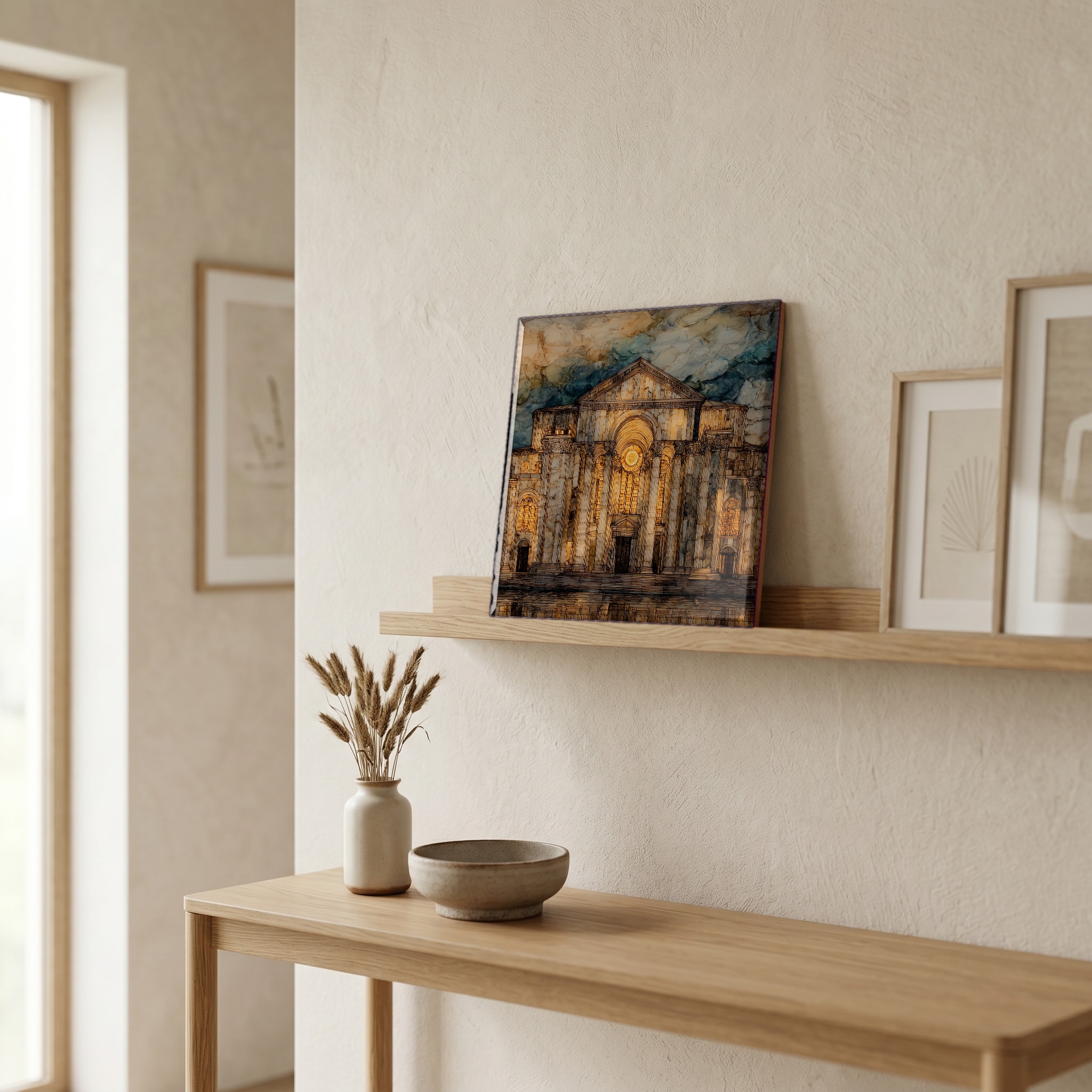
“The church Sigismondo Pandolfo Malatesta turned into a monument to himself. Begun as a 13th-century Franciscan church, taken over in 1450, redesigned by Leon Battista Alberti with a façade of Istrian marble that quotes the Arch of Augustus a few streets away. The work stopped in 1460 when Sigismondo fell out of the Pope's favor, and the dome was never built. What stands is unfinished, mid-thought, the lower register complete and the upper register only sketched in stone. Locals still call it il tempio, the temple, not the cathedral.
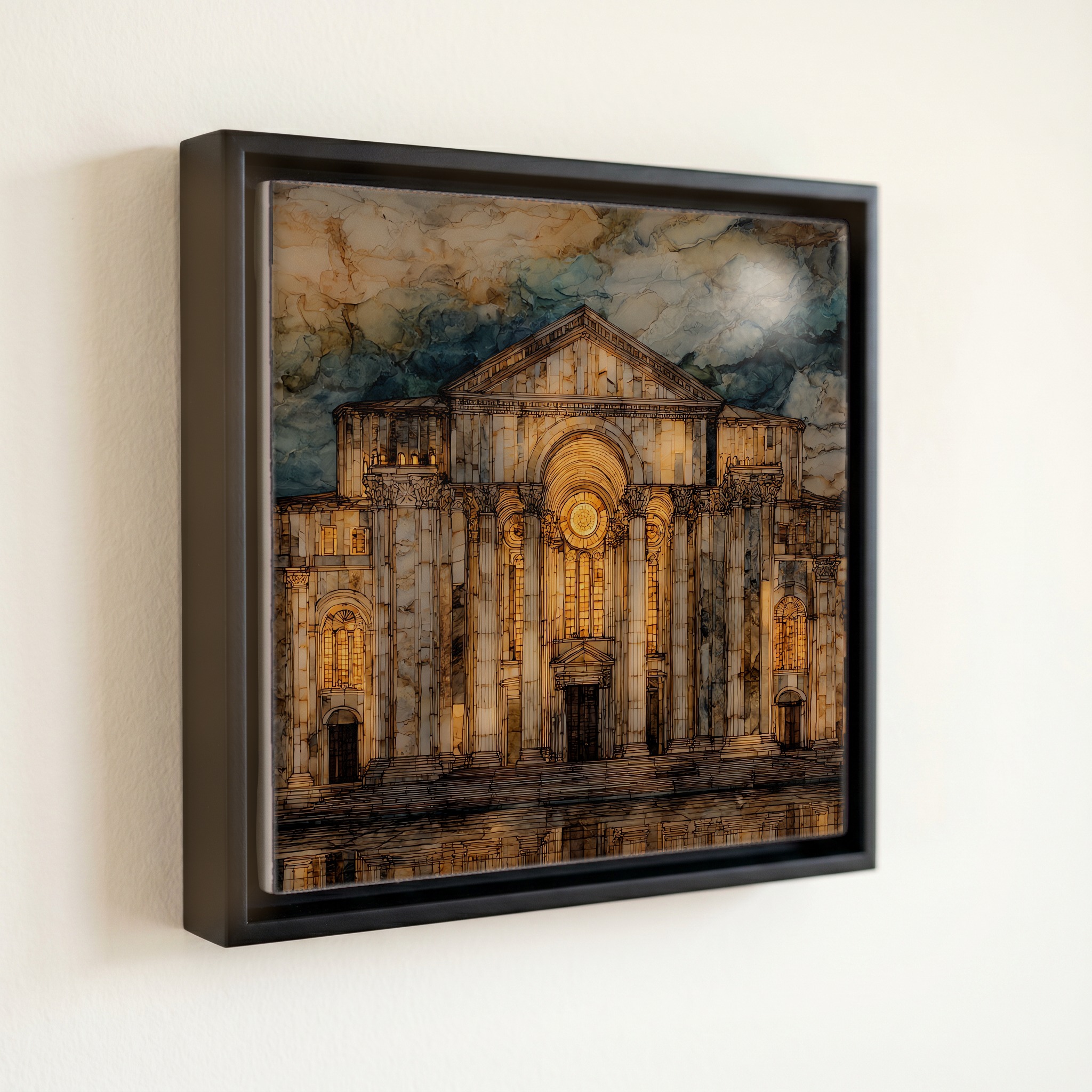
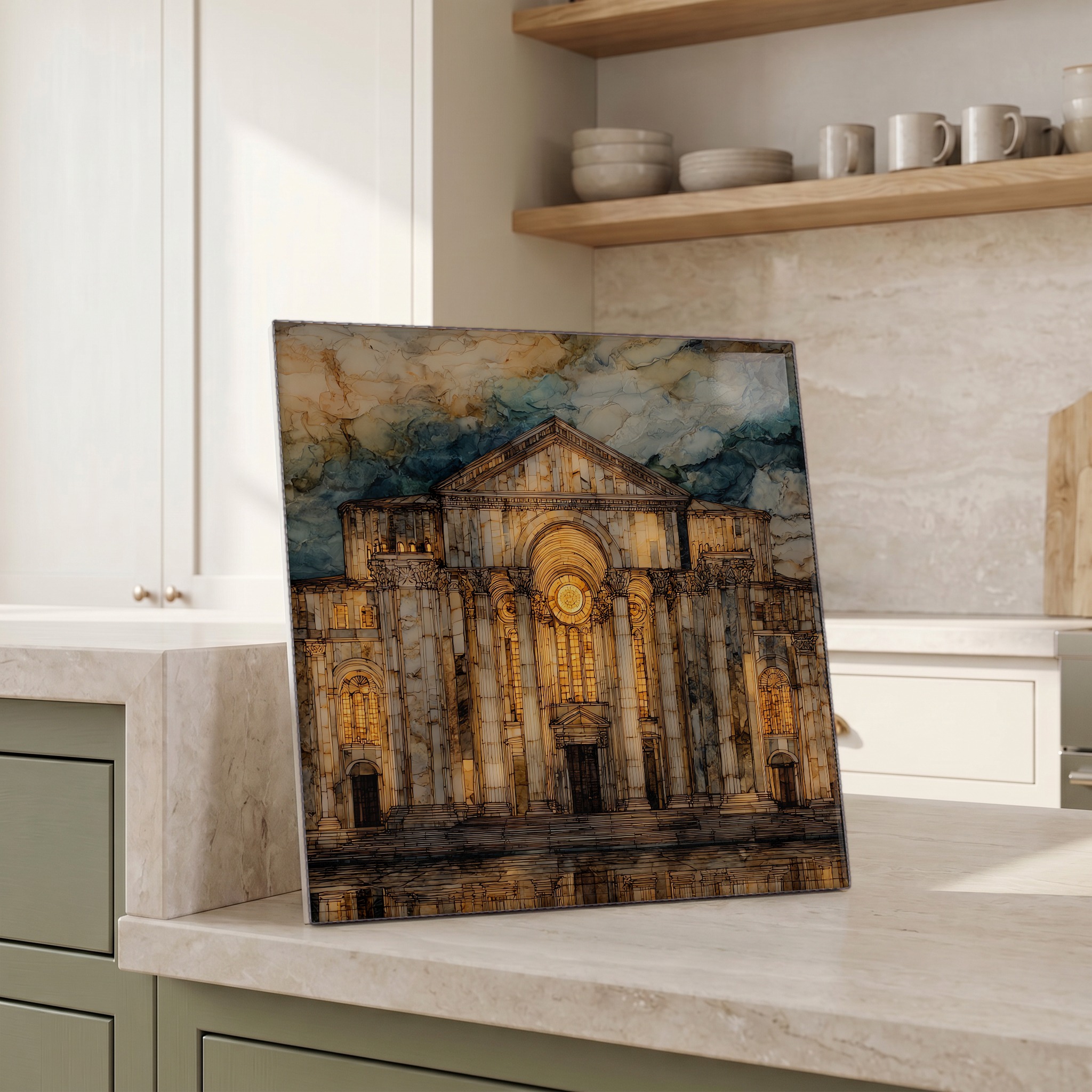
Tempio Malatestiano, on ceramic.
Each tile is finished by hand in our Knoxville studio. Artwork is slowly infused into the ceramic surface under high heat and pressure, and rests beneath a thin glossy finish. The colour lives in the surface, not on top of it.
Pick any four 4-inch tiles — National Parks you've been to, a Smokies set, the four seasons of one place. $ for a set of , cork-backed, ready to live on the table.
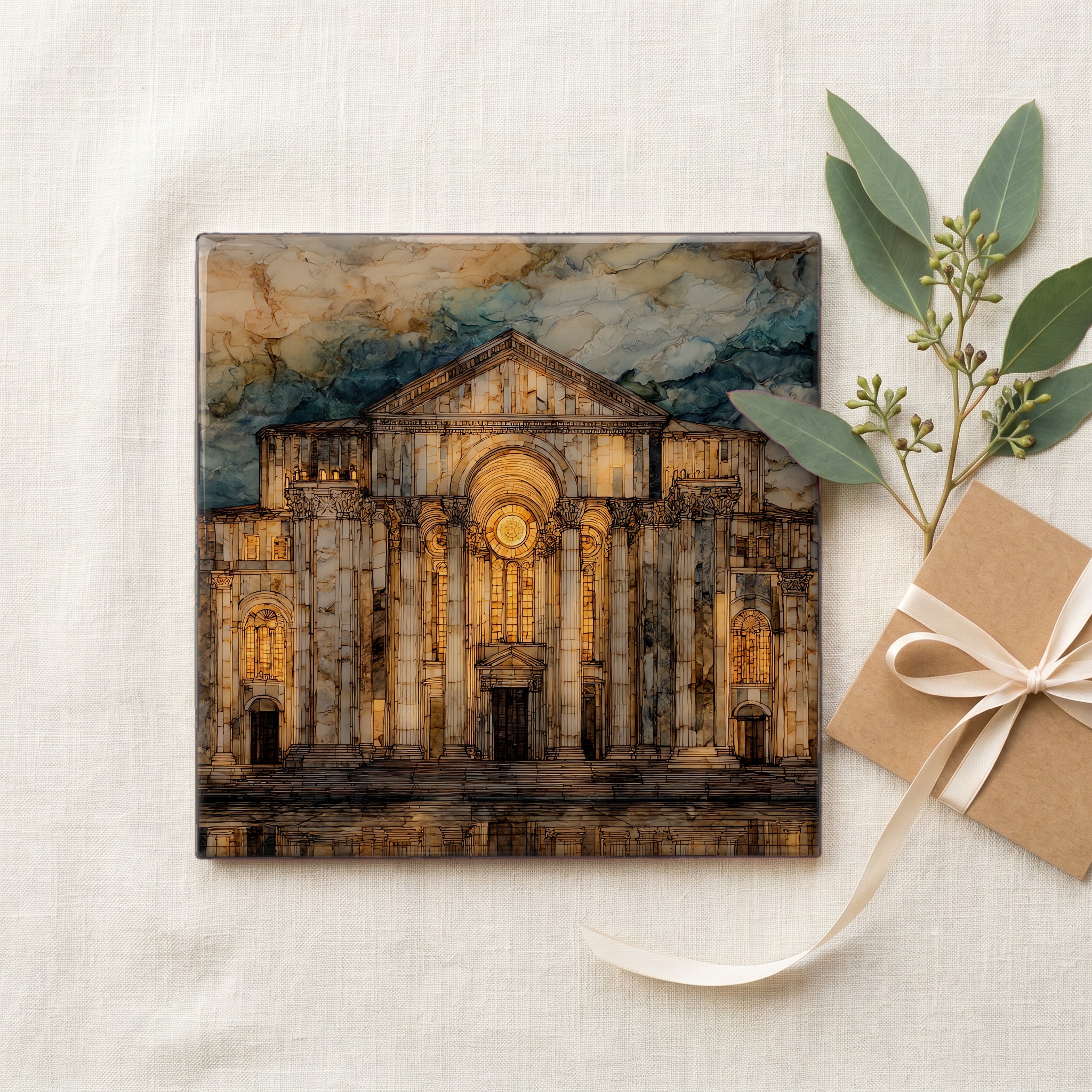
Each tile ships in a kraft box, tied with cream ribbon, with a handwritten note from the studio if you'd like to add one.
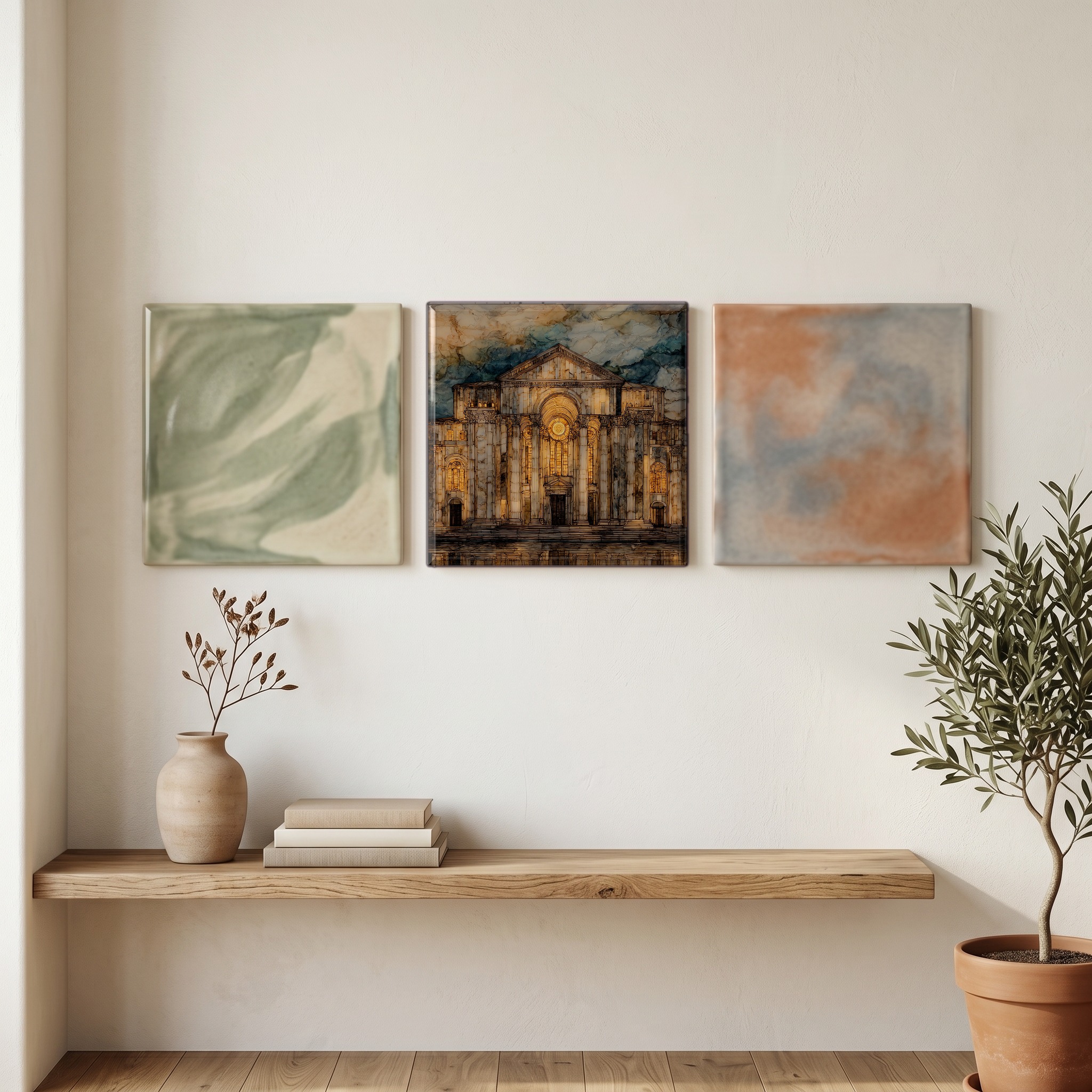
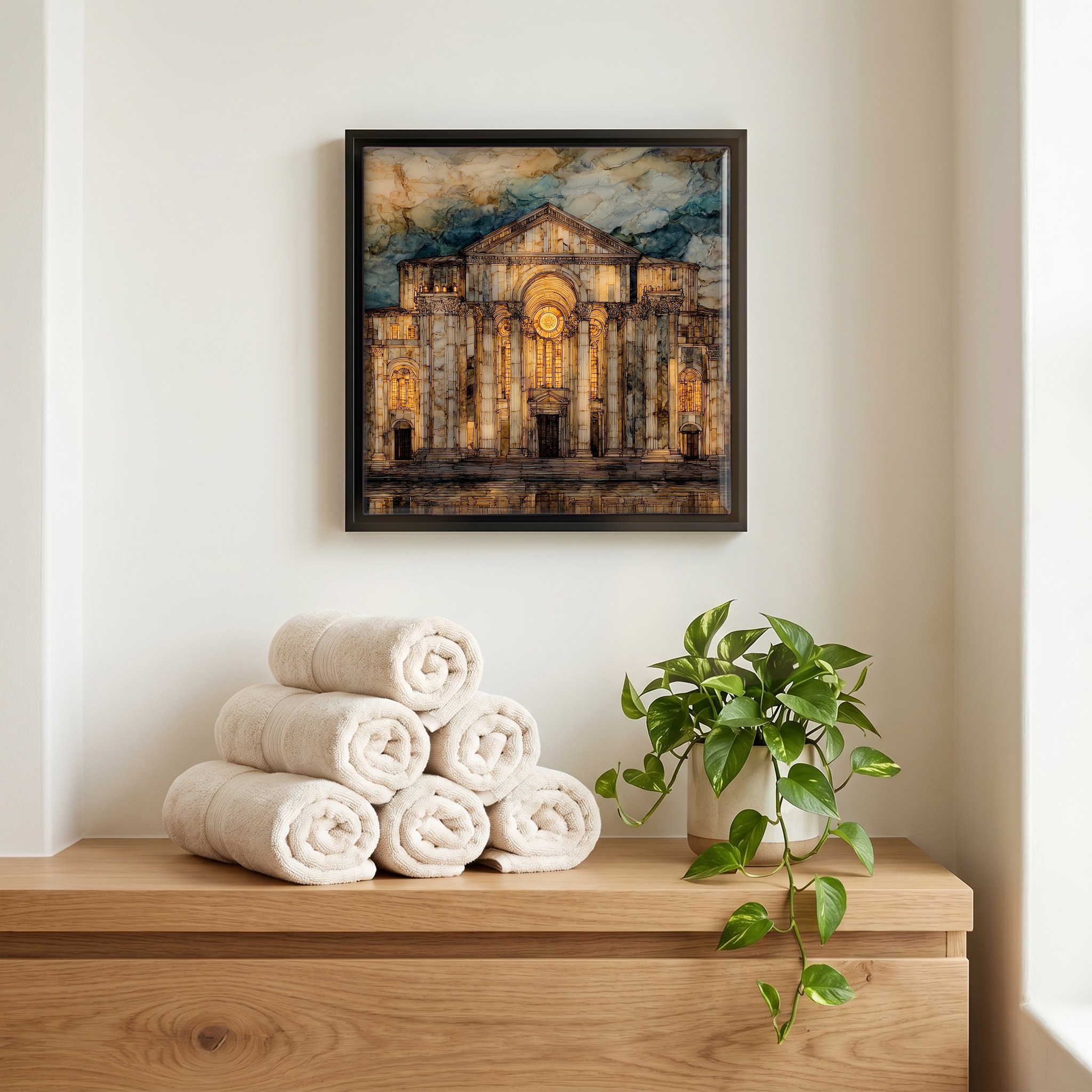
Three or five different vistas, hung together — a chapter of places you've been, or want to go.
The place, in three passes.
Tempio Malatestiano stands on Via IV Novembre in the old center of Rimini, a coastal city on the Adriatic in Italy's Emilia-Romagna region. It is the city's cathedral, but Rimini still calls it il Tempio, the temple. The building rests on the bones of a 13th-century Franciscan church, San Francesco, redrawn beginning in 1450 by Leon Battista Alberti for Sigismondo Pandolfo Malatesta, lord of the city. The exterior is faced with Istrian limestone shipped from across the Adriatic; the round-arched flank and the triumphal-arch façade quote the Arch of Augustus, which still stands two streets south, built in 27 BC. The Tiberius Bridge, almost as old, crosses the Marecchia river a short walk north.
The exterior is unfinished. Alberti's design called for a dome and a continuous upper register over the façade, but construction stopped in 1460 when Sigismondo was excommunicated and stripped of most of his lands by Pope Pius II. The Istrian limestone, the same dense, salt-resistant marble Venice used for the lion of San Marco and the columns of the Piazzetta, was already in place on the lower façade and along the right flank, where seven arcaded sarcophagi hold the tombs of Sigismondo's court scholars. Inside, Agostino di Duccio carved a program of reliefs in Carrara marble: planets, sibyls, putti, and the elephant of the Malatesta crest. Piero della Francesca's 1451 fresco of Sigismondo kneeling before Saint Sigismund still holds its wall.
The Tempio is a working cathedral and free to enter. Doors usually open in the early morning and close around midday for the long Italian lunch, then reopen in the late afternoon until evening Mass; the diocese publishes current hours on the parish site. The building sits on Via IV Novembre, a six-minute walk from Rimini Centrale station and the seafront. The Arch of Augustus, the oldest surviving Roman triumphal arch, stands at the south end of the same street. The Tiberius Bridge, finished in 21 AD and still carrying traffic, crosses the Marecchia at the north end of the old city. The chapel containing the Giotto crucifix is on the right as you enter; a coin in the light-box illuminates Piero's fresco.