Wender·Vista
Sistine Chapel
shown on ceramic, 12-inch tileItaly
inside the Vatican walls, behind St. Peter's

Sistine Chapel

— the inch between two fingers.

Where it lives

Not only on a wall.

A small tile on the nightstand catching the morning. A larger one above the fire. Yours, wherever you spend the slow hours.
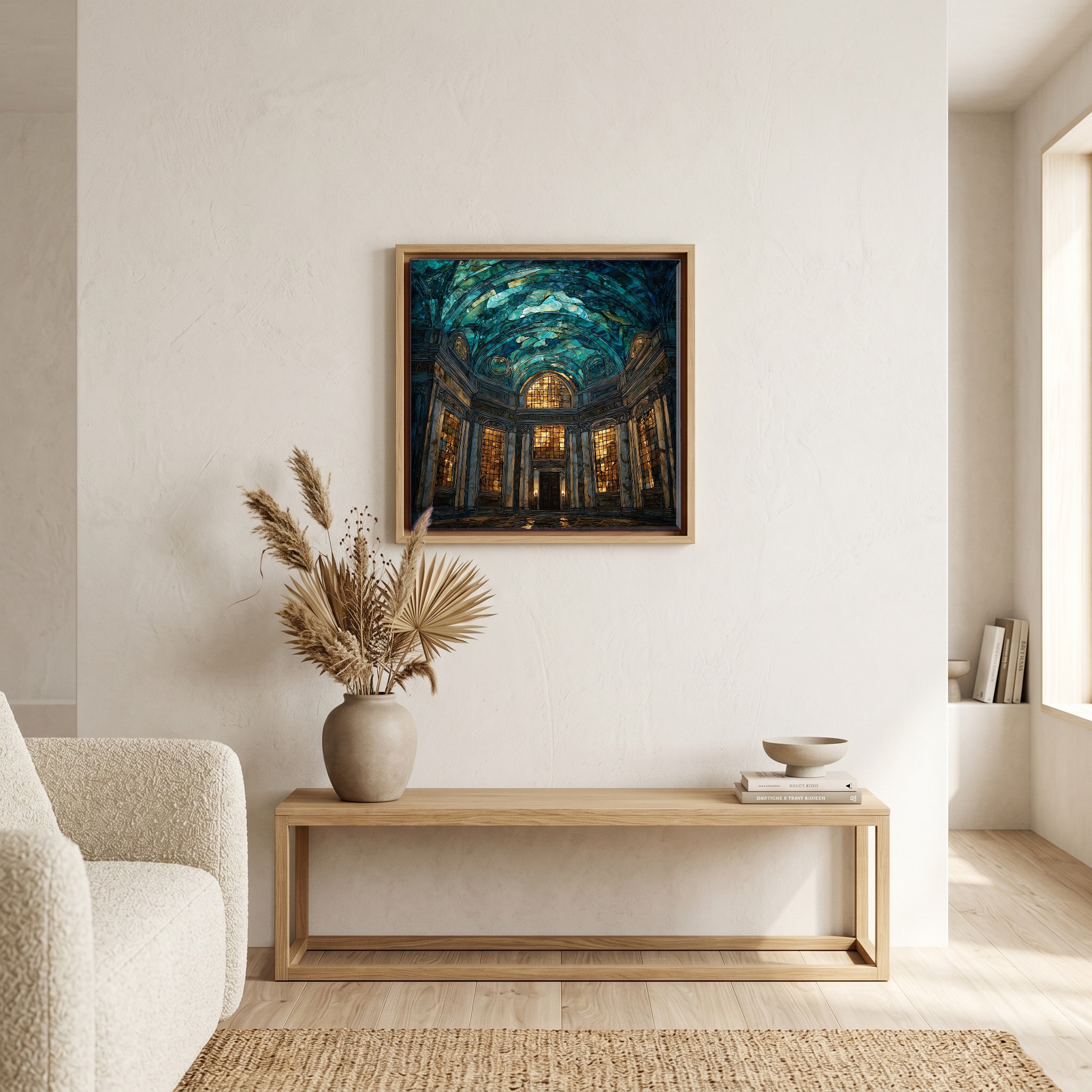
Above the bench, in a warm oak surround.
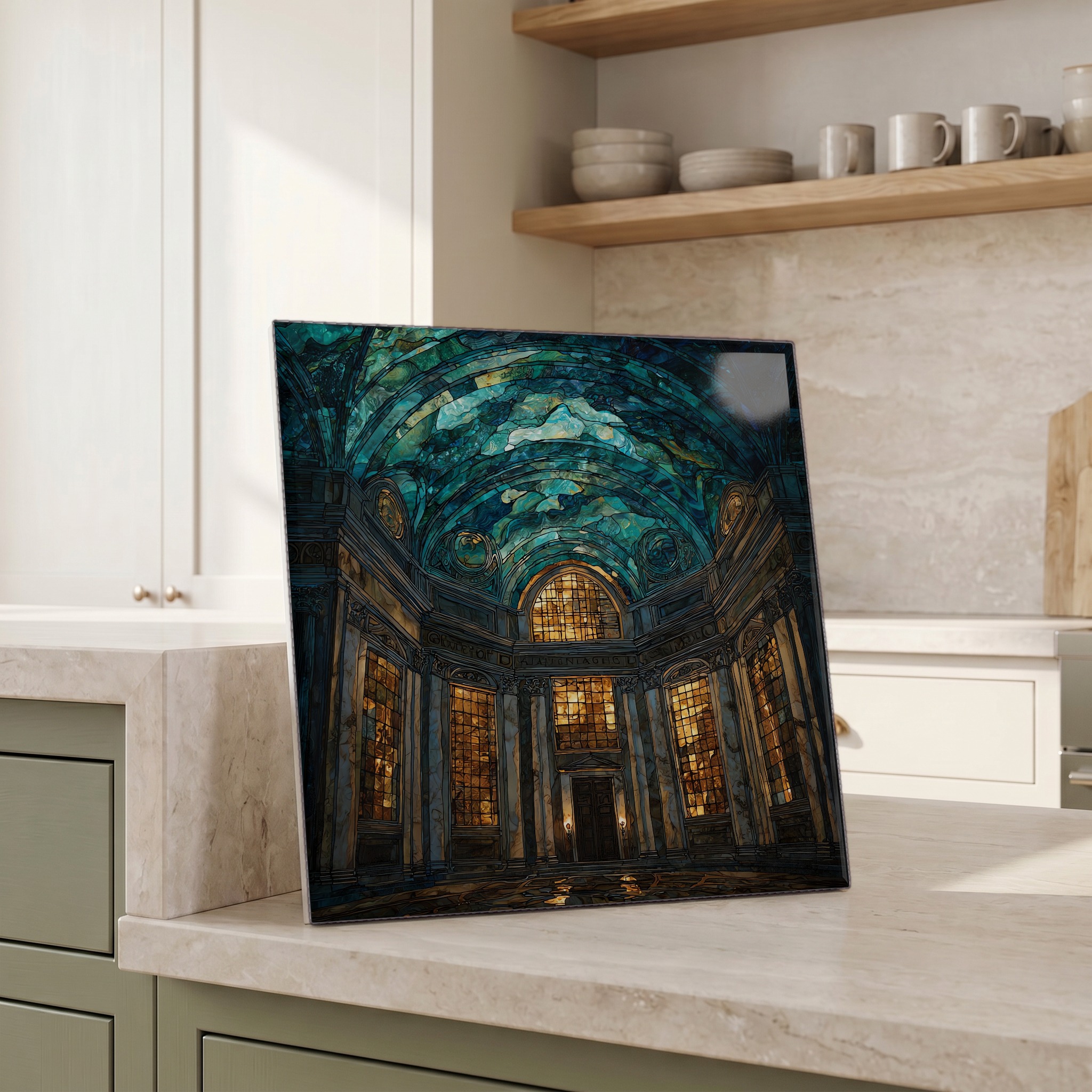
Beside the kettle, propped on the counter.
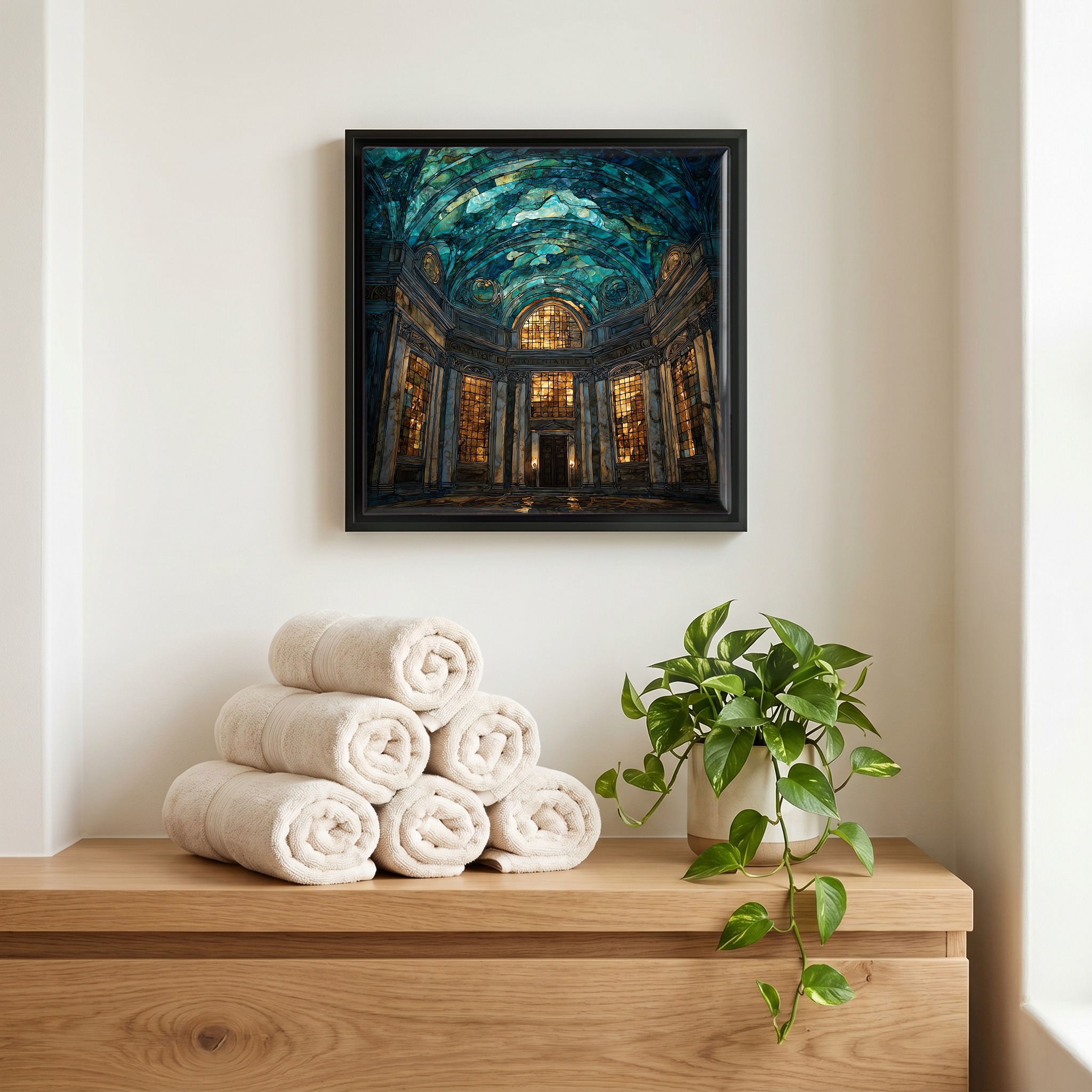
Above the linens, in a slim black surround.
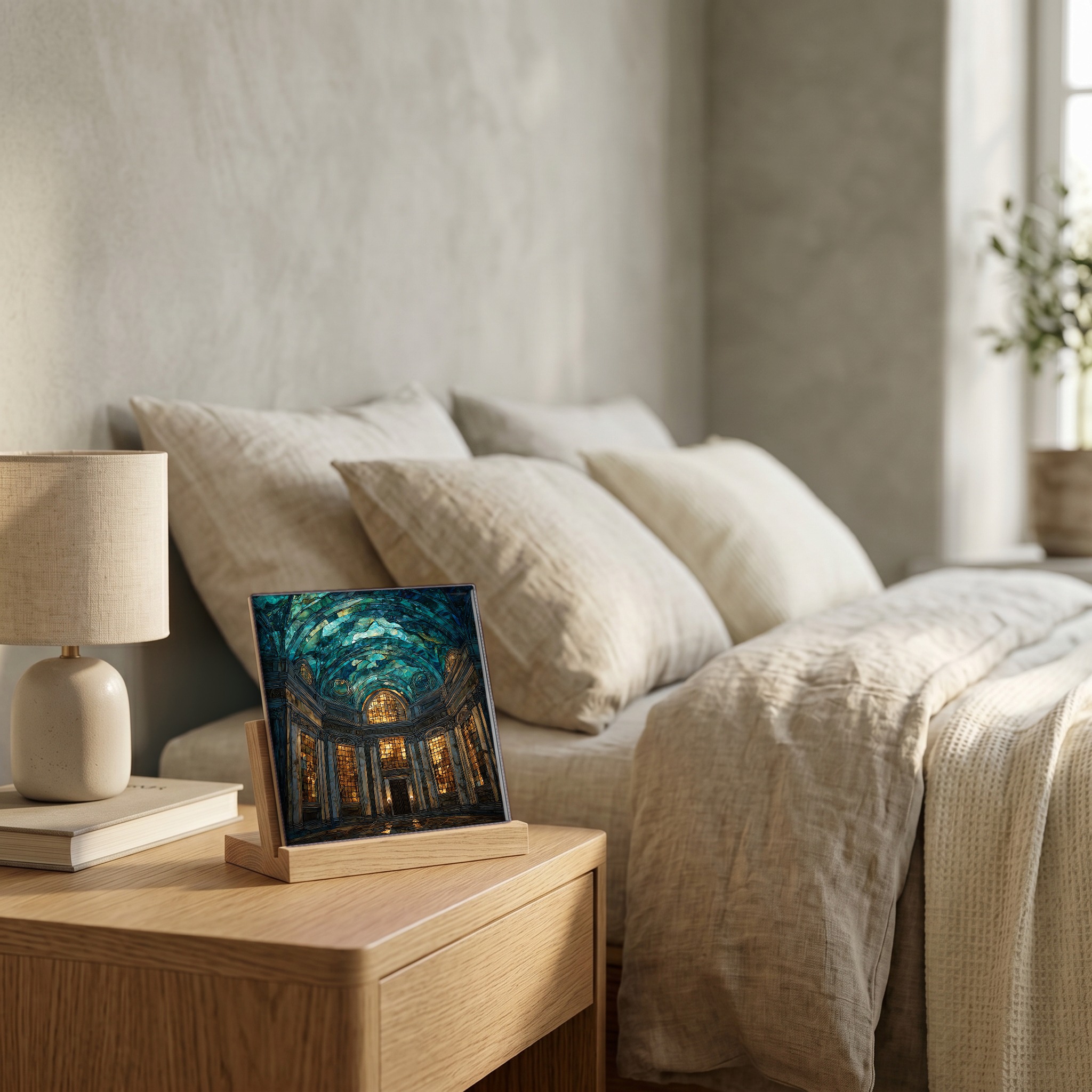
On the nightstand, on a light oak stand.
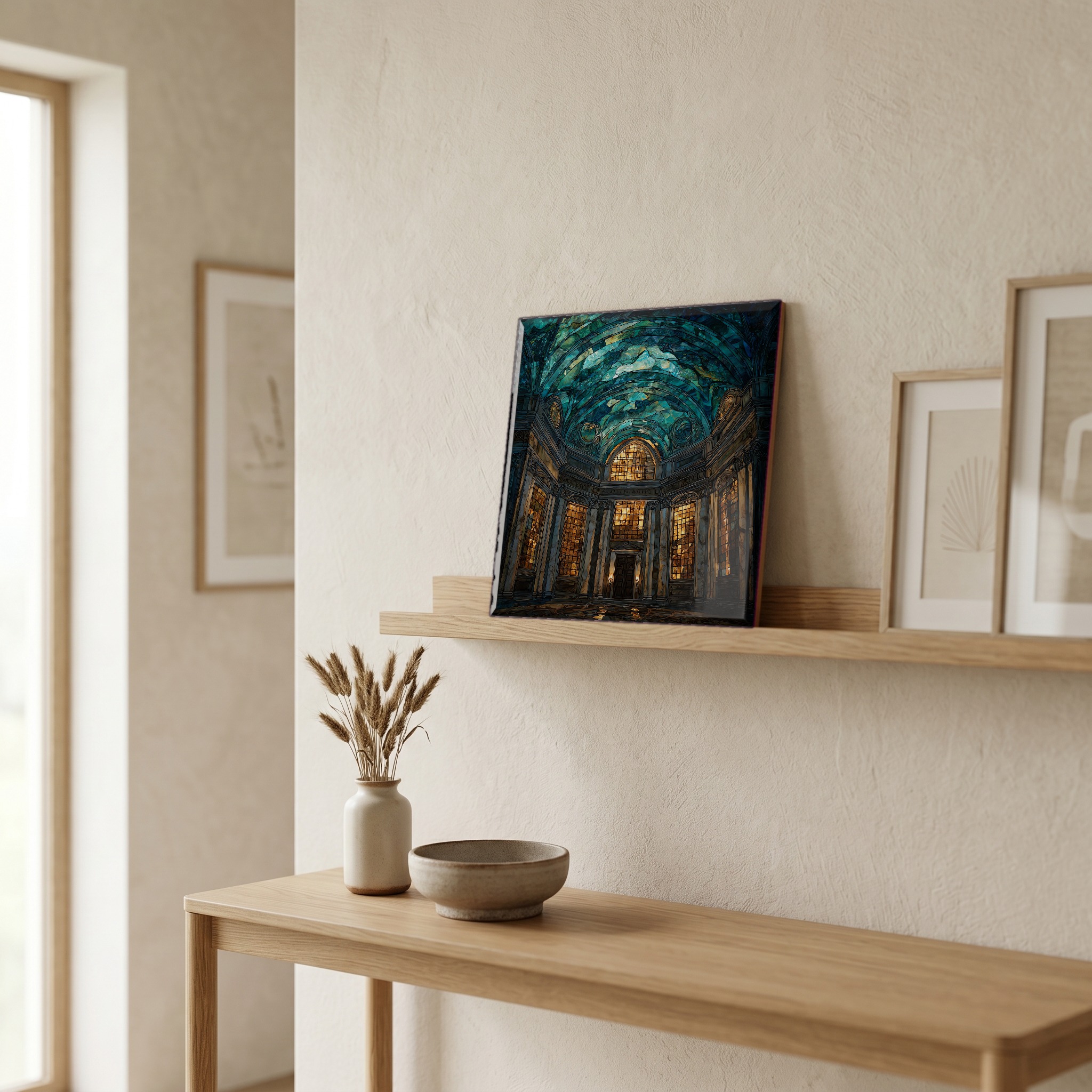
On a picture ledge, where the light comes in.
a note from the studio

The chapel inside the Apostolic Palace, where the College of Cardinals comes to elect a pope. Forty metres long, thirteen wide, the dimensions the Old Testament gives for the Temple of Solomon. The side walls were painted first, in 1481, by Botticelli, Perugino and Ghirlandaio. Then a young sculptor named Michelangelo was pulled off his marble to do the ceiling, and four years later the centre panel was the moment between two hands. The custodians ask for silence. Most people forget to look down at the Cosmatesque floor, older than the paintings above it.
from the studio
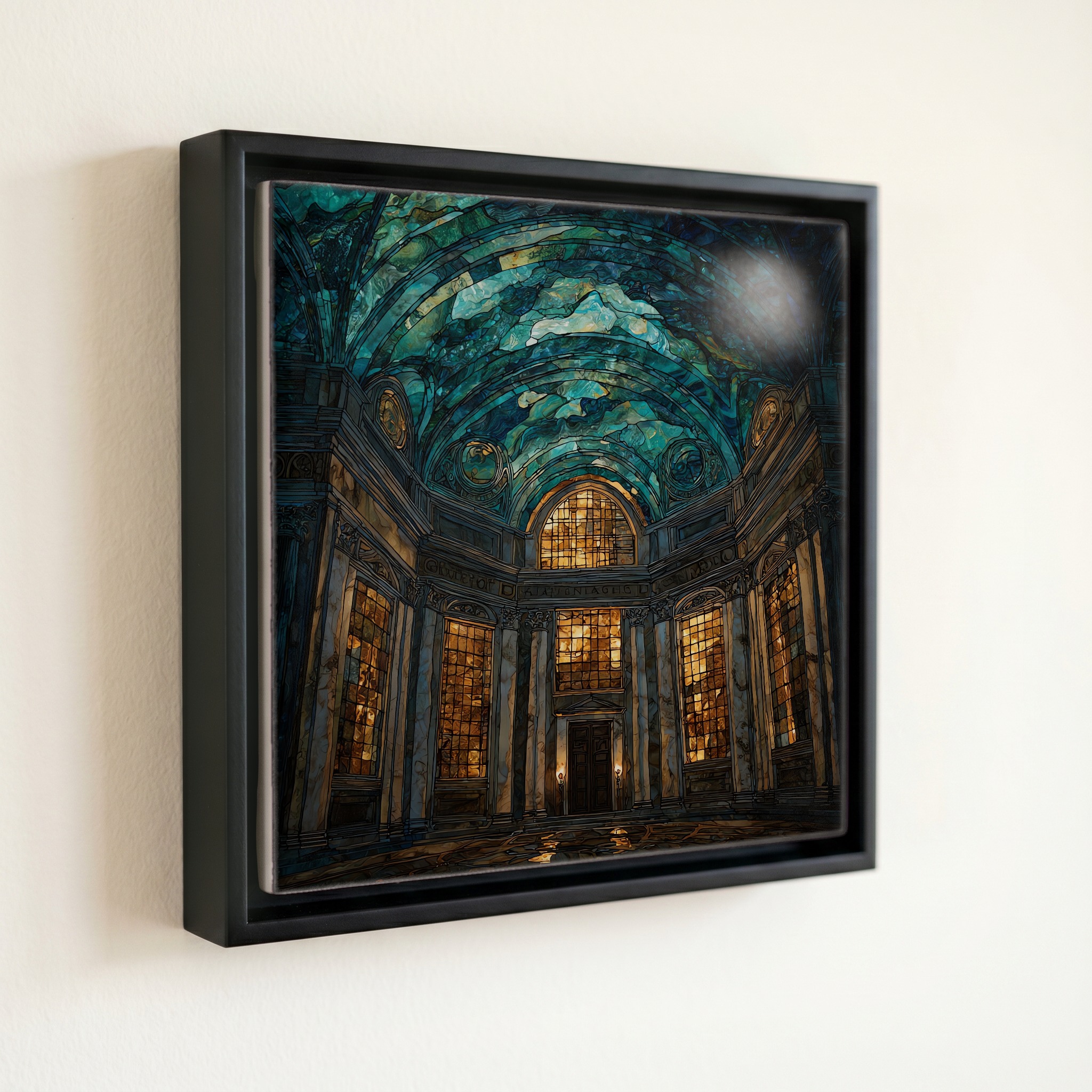
shown in a slim black floating frame · 6 × 6 in
— bring it home

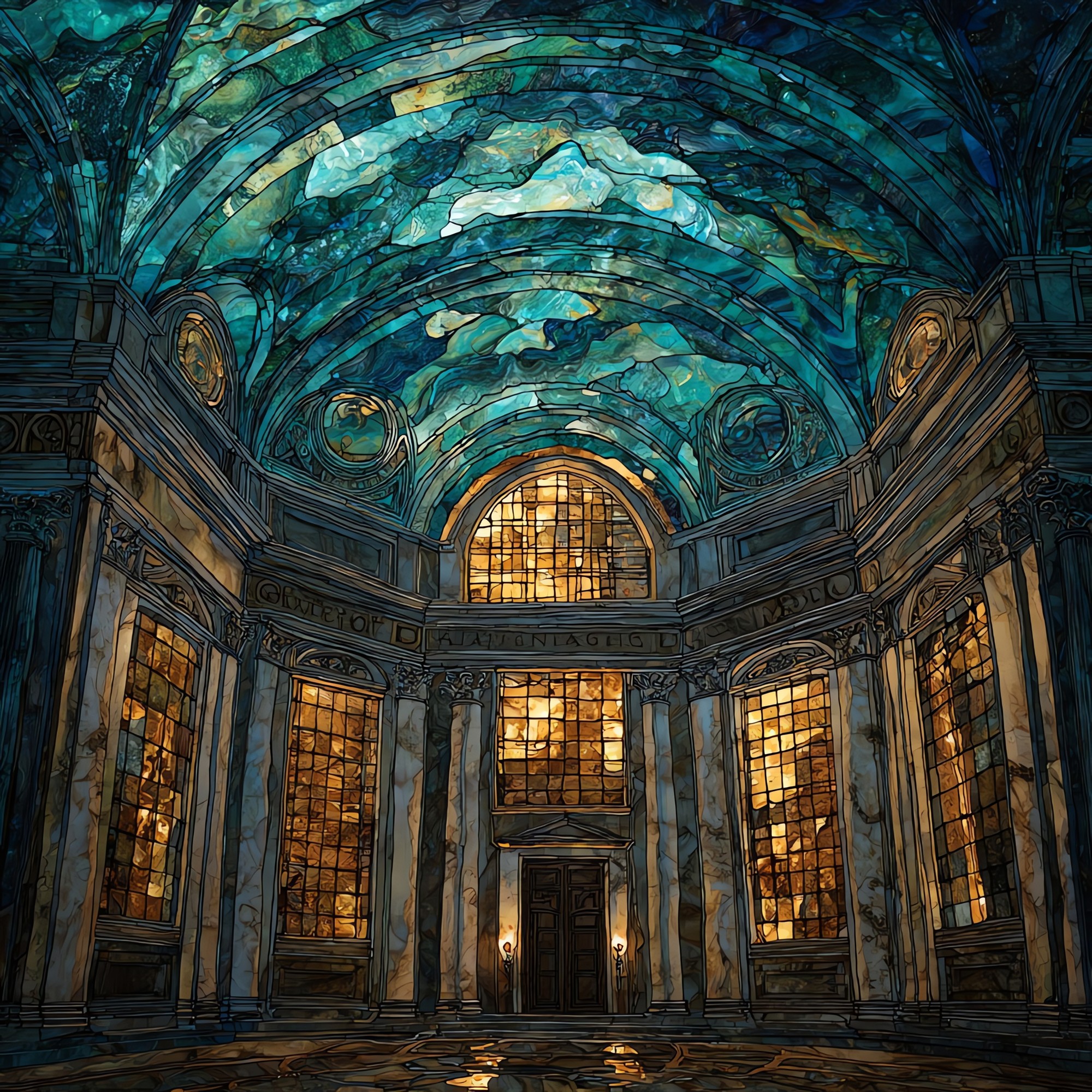
Sistine Chapel, on ceramic.

Each tile is finished by hand in our Knoxville studio. Artwork is slowly infused into the ceramic surface under high heat and pressure, and rests beneath a thin glossy finish. The colour lives in the surface, not on top of it.

What kind of piece?
One tile — square or rectangle.
How big?
the popular one — counter, shelf, nightstand
6 × 6 in · 15 cm · 1.6 lb
Surface finish
A clear glossy finish — the artwork reads as if under resin. Ideal for show-pieces and framed wall art.
How it sits
A hidden cleat — sits ¼″ proud of the wall.
$58
Hand-finished and shipped from our studio at the foot of the Smokies. On your wall in about ten days.
size
6 × 6 in
15 cm
weighs
1.6 lb
solid in the hand
surface
ceramic, hand-finished
art rests beneath a thin glossy finish
from
Knoxville, TN
our family studio, at the foot of the Smokies
— start a Coaster Set

Pick any four 4-inch tiles — National Parks you've been to, a Smokies set, the four seasons of one place. $ for a set of , cork-backed, ready to live on the table.
comes gift-ready
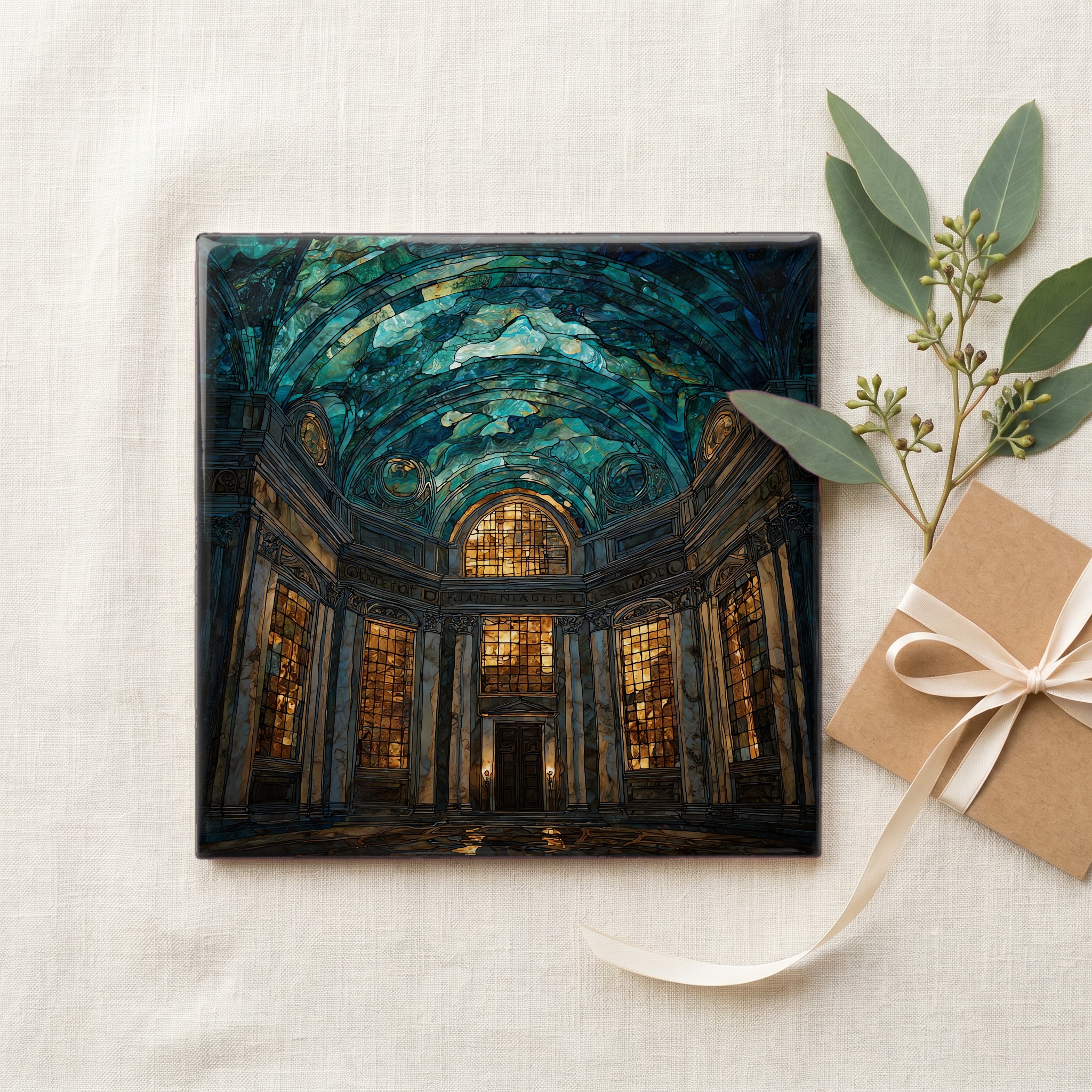
comes gift-ready

Each tile ships in a kraft box, tied with cream ribbon, with a handwritten note from the studio if you'd like to add one.
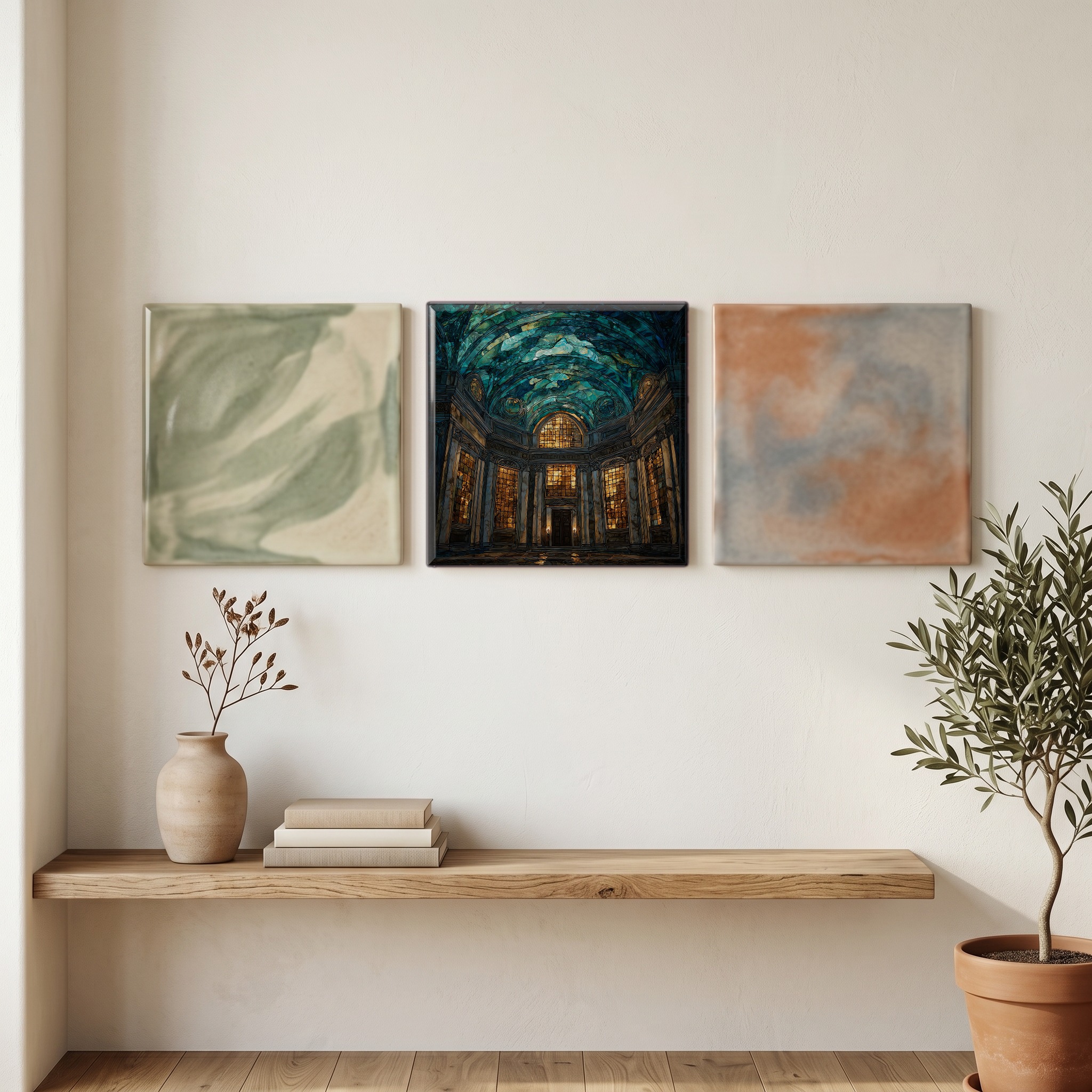
or build a grouping
or build a grouping

Three or five different vistas, hung together — a chapter of places you've been, or want to go.

about Sistine Chapel

The place, in three passes.

A little of what's known, in case you fall down the rabbit hole — or want to go see it yourself.
the place

The chapel sits inside the Apostolic Palace, the official papal residence in Vatican City, a 44-hectare sovereign enclave surrounded on every side by Rome. Most visitors reach it through the Vatican Museums on Viale Vaticano, walking nearly a kilometre of corridors before the doors open into the chapel itself. The brick exterior is plain. The architect, Baccio Pontelli, completed the shell between 1473 and 1481 under Pope Sixtus IV, after whom the chapel is named (Sistine from Sixtus). It remains the place where the College of Cardinals gathers in conclave to elect a new pope, sealed inside until white smoke rises from a copper flue above the roof.

— informed by Wikipedia, Vatican Museums
the stone

The chapel's plan is exact. Forty-point-nine metres long by thirteen-point-four wide by twenty-point-seven high, proportions long believed to mirror those given for the Temple of Solomon in the First Book of Kings. The side walls hold the first frescoes, painted in 1481 by a team that included Sandro Botticelli, Pietro Perugino, Domenico Ghirlandaio and Cosimo Rosselli. Above them, Michelangelo painted the ceiling between 1508 and 1512 for Pope Julius II, the Creation of Adam at the centre. Twenty-four years later he returned to paint the Last Judgment on the altar wall. The Cosmatesque marble floor, interlocking discs of porphyry and serpentine, is older than the paintings it sits beneath.

— informed by Wikipedia, Britannica
the visit

Entry is through the Vatican Museums on Viale Vaticano, with timed tickets booked in advance and a queue that can run long in summer. The Sistine Chapel sits at the end of the museum route, about a kilometre's walk from the entrance. Photography and video are not permitted inside, and the custodians ask periodically for silence. Knees and shoulders must be covered for entry. Standard hours are Monday through Saturday, 9 a.m. to 6 p.m., with last entry at 4 p.m. The museums close on Sundays, except for the last Sunday of each month, when admission is free.

— informed by Vatican Museums
where
Italy · Vatican City, within Rome, Italy
position
41.9029° N · 12.4545° E
the neighborhood

What's nearby.

A handful of named places within an hour's walk or short drive. Some we've already painted; some we will.
at the lake
St. Peter's Basilica
basilica
at the lake
St. Peter's Square
papal square
1 km E
Castel Sant'Angelo
papal fortress
1 km E
Piazza Navona
baroque square
2 km E
Pantheon
Roman temple
2 km E
Trevi Fountain
baroque fountain
N
Sistine Chapel
St. Peter's Basilica
St. Peter's Square
Castel Sant'Angelo
Piazza Navona
Pantheon
Trevi Fountain
common questions

What people ask.

A few questions we get about Sistine Chapel — and about bringing the piece home.
about the place

The chapel is inside the Apostolic Palace in Vatican City, the sovereign enclave surrounded by Rome. Visitors reach it through the Vatican Museums entrance on Viale Vaticano; the chapel is the final room of the museum route, about a kilometre's walk in.

Michelangelo Buonarroti painted the ceiling between 1508 and 1512 for Pope Julius II. The central panel of the Creation of Adam, where God's outstretched hand reaches toward Adam's, is the most reproduced detail in Western art. He returned in 1536 to paint the Last Judgment on the altar wall.

The name comes from Pope Sixtus IV, who commissioned the rebuilding of the chapel between 1473 and 1481. Sistine is the English form of the Italian Sistina, derived from Sisto, the Italian name for Sixtus.

Photography and video are not permitted inside the chapel. The rule dates to a 1980s restoration funded by Nippon TV, which received exclusive image rights in exchange for the work. Custodians enforce the policy and ask visitors to remain quiet.

The Sistine Chapel sits at the end of the museum route, about a kilometre from the entrance. Most visitors take ninety minutes to two hours to walk the full route, though a direct-route ticket and an early-morning entry can cut that in half.

Yes. Since 1492 the College of Cardinals has gathered in the chapel for the papal conclave. They are sealed inside, deliberate beneath Michelangelo's Last Judgment, and burn ballots in a stove whose flue rises above the roof. White smoke signals a new pope; black smoke means another vote.

The chapel was built between 1473 and 1481 under Pope Sixtus IV. The shell was designed by the architect Baccio Pontelli and completed before the side-wall frescoes were painted in 1481 by Botticelli, Perugino, Ghirlandaio and Rosselli.

about the piece in your home

It's been a meaningful gift for many of our customers who carry a memory of the chapel home. The piece doesn't try to reproduce Michelangelo; it lets the room itself rest in stained-glass colour. A Small or Medium with a handwritten note from the studio carries well.

The chapel reads warm in our stained-glass and alcohol-ink language: amber, deep red, ultramarine, gold. It sits naturally in Italianate, Old World, and warm-traditional rooms, and provides a single rich anchor in otherwise minimalist or Japandi interiors.

Warm traditional, sometimes called Italian-villa modern or new traditional, has been one of the strongest interiors movements of the last three years. Deep reds, ambers, and ecclesiastical golds belong squarely in that conversation. The Sistine tile sits comfortably inside it.

For a standard 84-inch sofa, a single Large reads well from across the room. For a presence statement, a 4-tile Mural fits most living-room walls. A 9-tile Mural becomes the focal piece of the room.

Yes, in either the Dura Satin or Matte finish for any room with steam or splashes. The colour is slowly infused into the ceramic surface under high heat and pressure, so moisture and temperature do not affect it.

Microfibre and water. No abrasives, no ammonia-based cleaners. The glossy finish wipes clean in seconds; the Dura Satin and Matte finishes resist fingerprints and need less attention.

Yes. Reid Wender paints every WenderVista in the studio's stained-glass and alcohol-ink visual language. The studio does not license other artists' work and does not reproduce Michelangelo or any other painter's compositions.

if this one stayed with you

A few you might also love.

Hand-picked by the eye that found Sorapis. Same air, same kind of quiet.
— a collection

The Italian Dolomites,
painted slow.

The valleys between Cortina and Val Gardena, the tarns you walk an hour to see, the towers that turn the colour of a banked fire just before dark. Wander the collection by valley, by season, or follow the path Reid walked.

Tre Cime
Braies
Misurina
Sorapis
Cinque Torri
Sassolungo
Marmolada