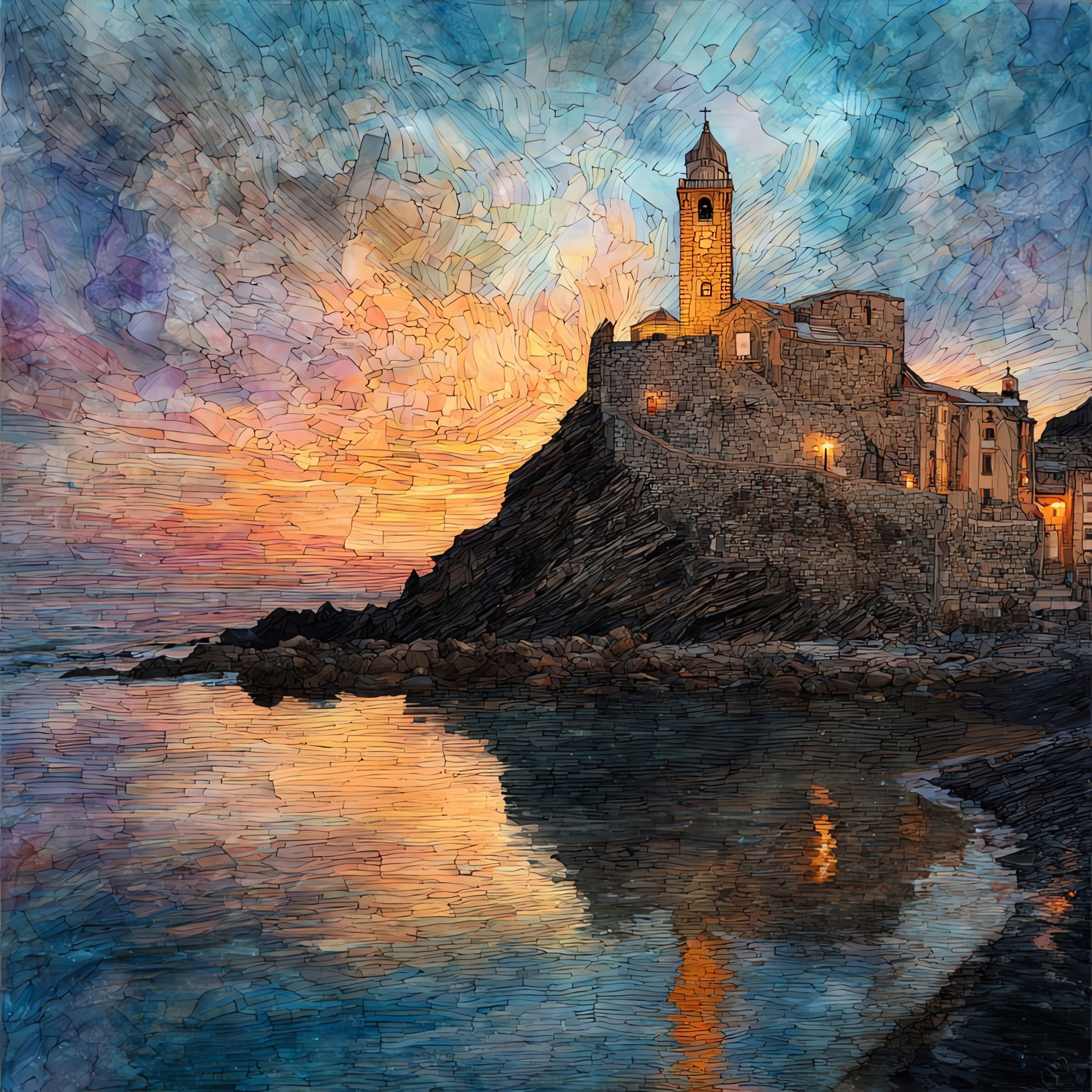
Portovenere
— — the last stone the light leaves before the open sea.
Not only on a wall.
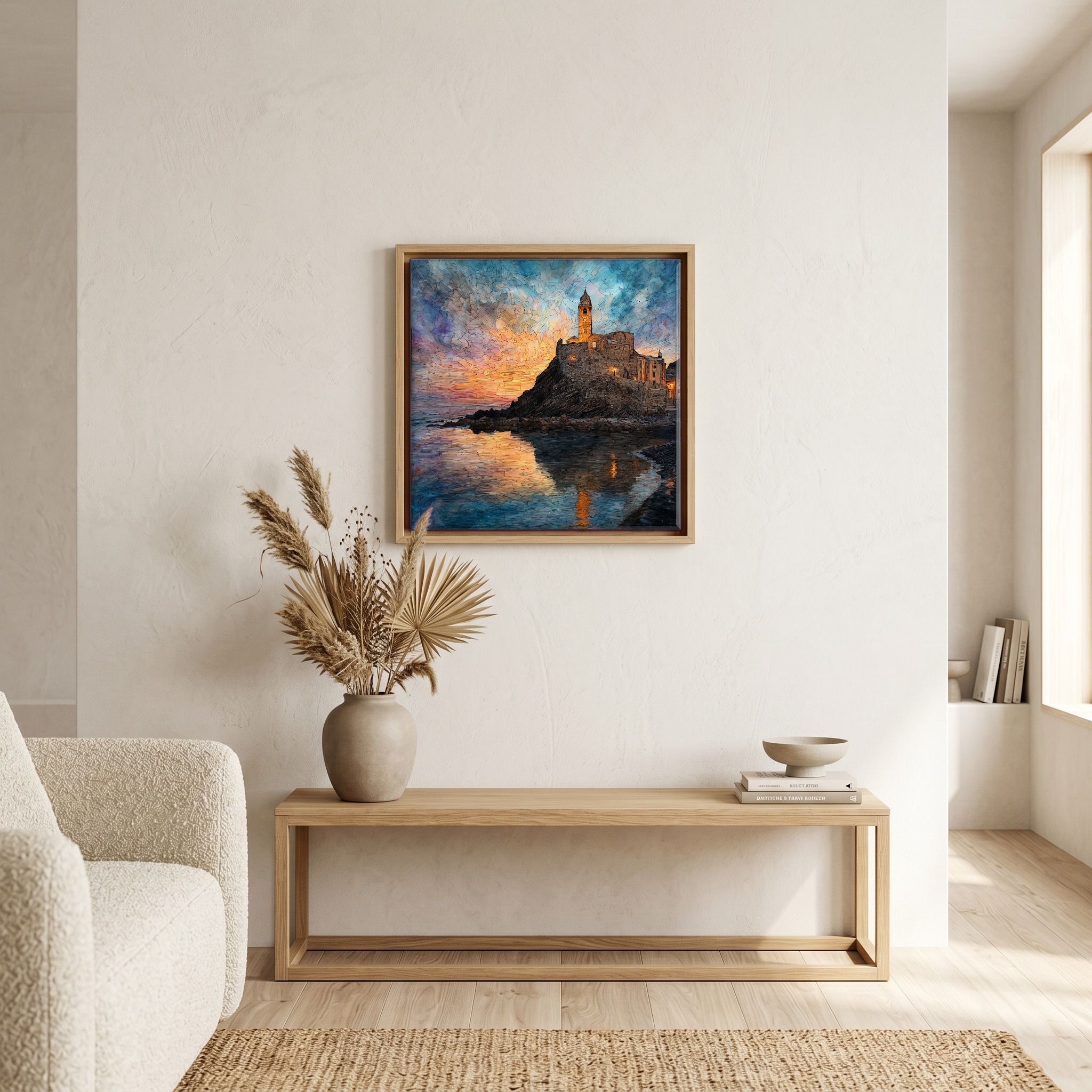
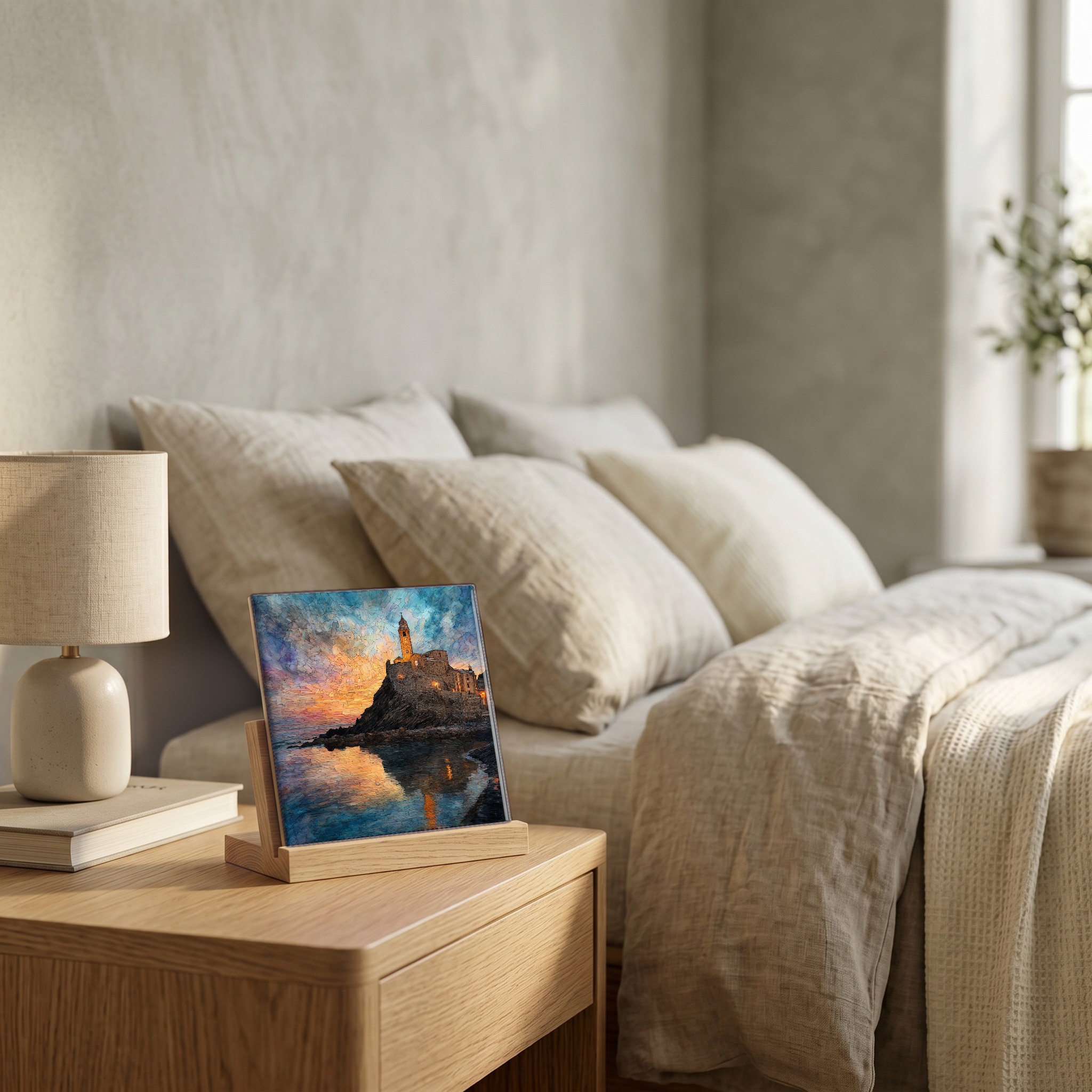
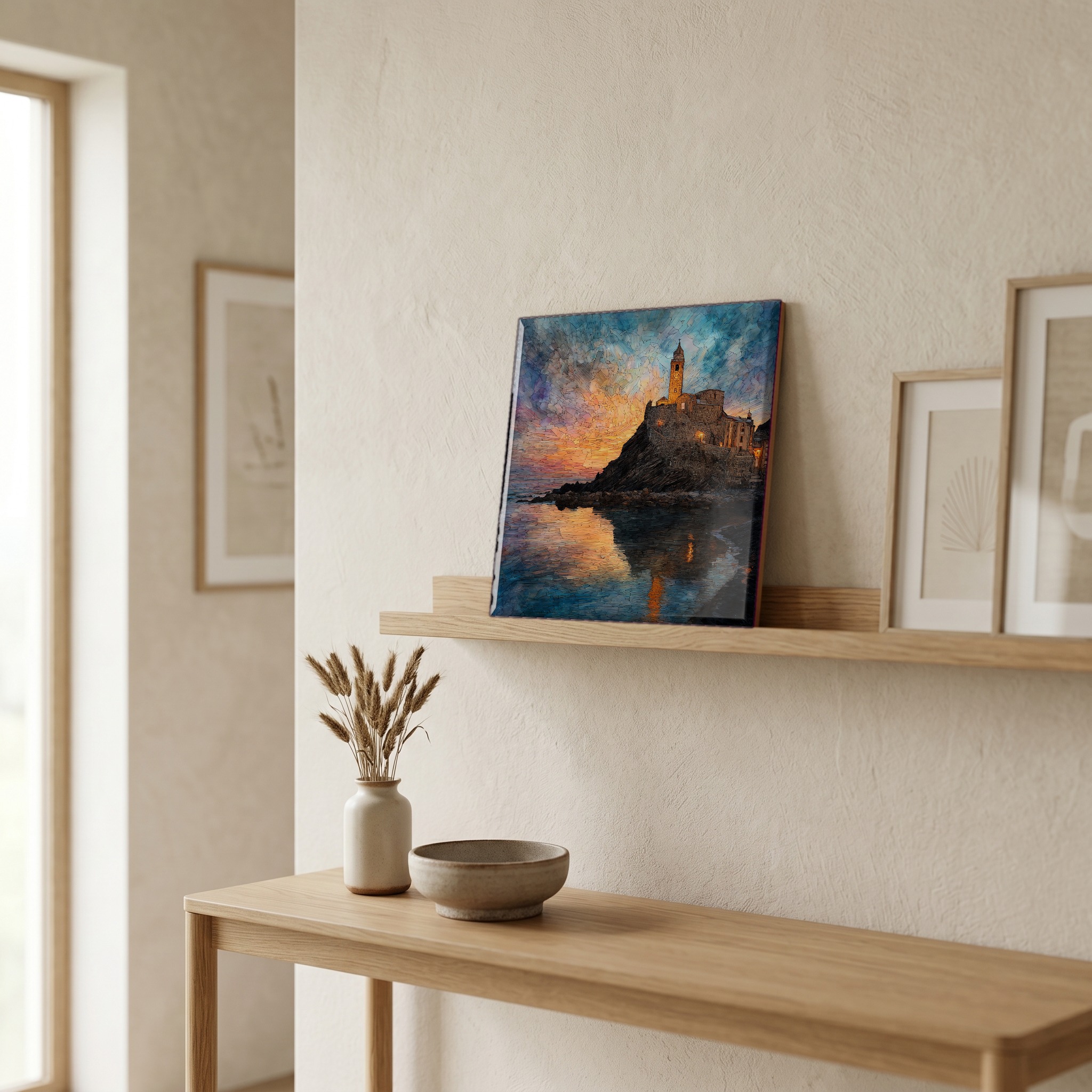
“The town at the western tip of the Gulf of La Spezia, where the Ligurian coast runs out of land. A row of tall, narrow houses stands shoulder to shoulder along the water, and past them the black-and-white church of San Pietro holds the last of the rock above the open sea. The Romans kept a temple to Venus on that point, and the village still carries her name. Byron swam out from the grotto below it. Late in the afternoon the stone goes gold and the boats come in, and there is little to do but watch the light leave the water.
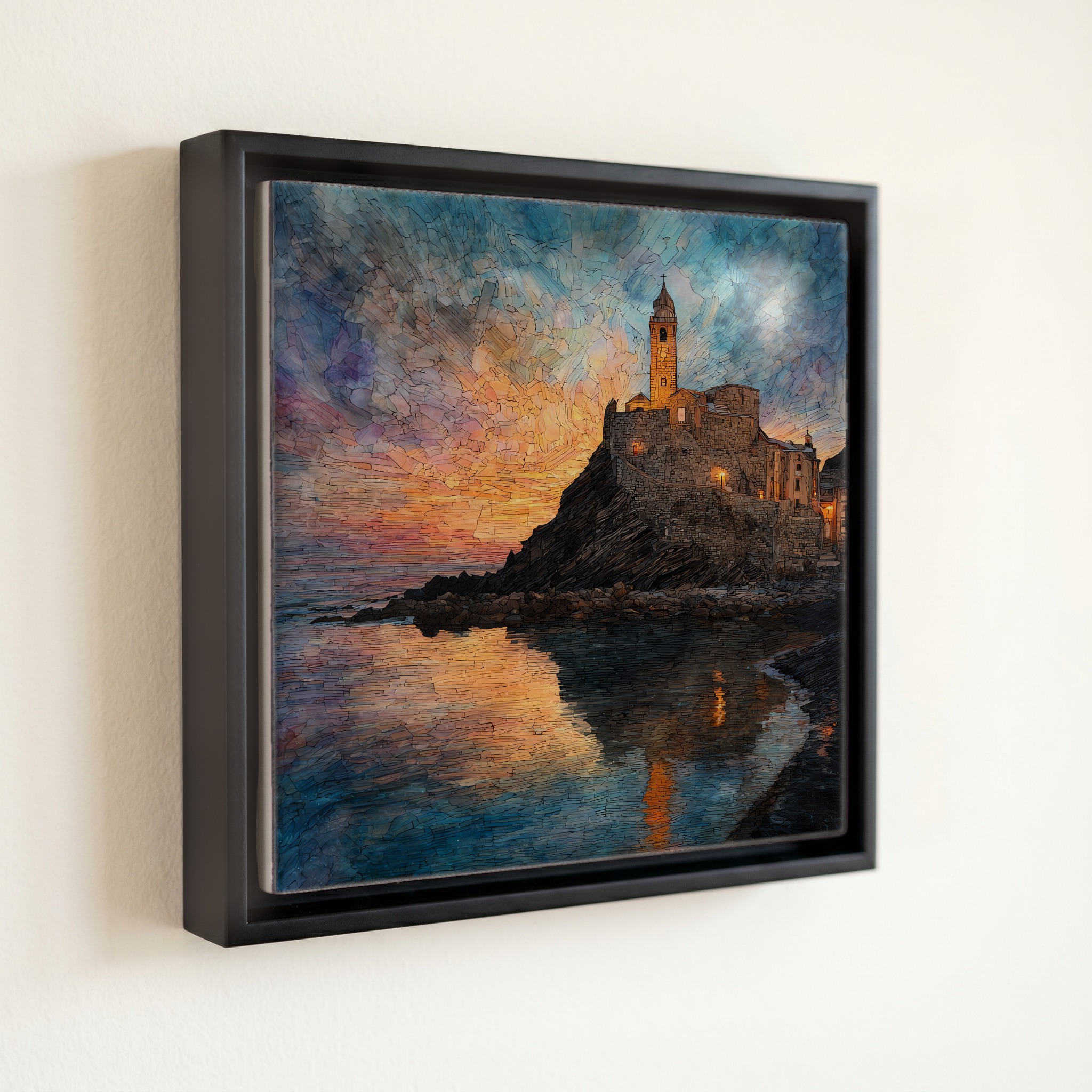
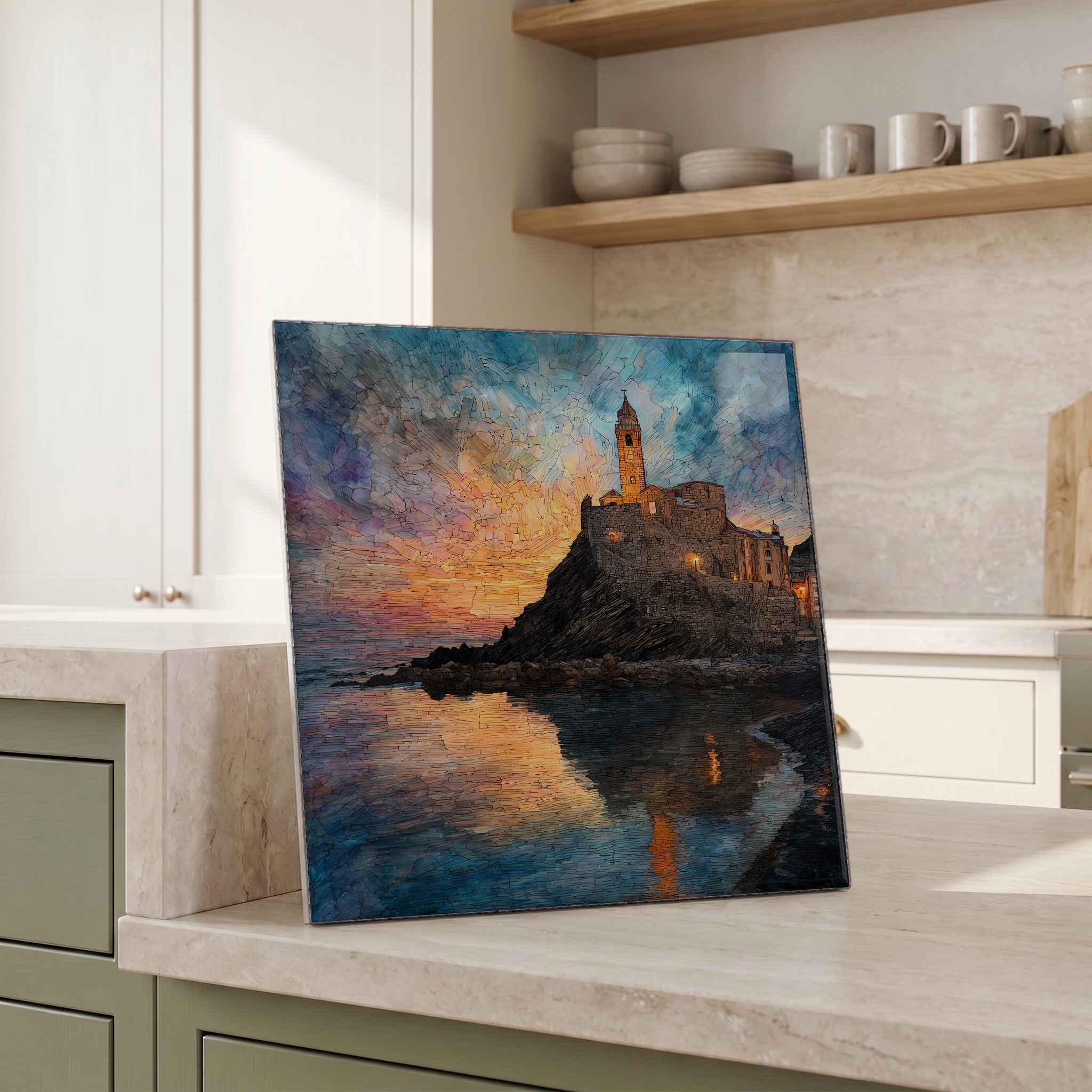
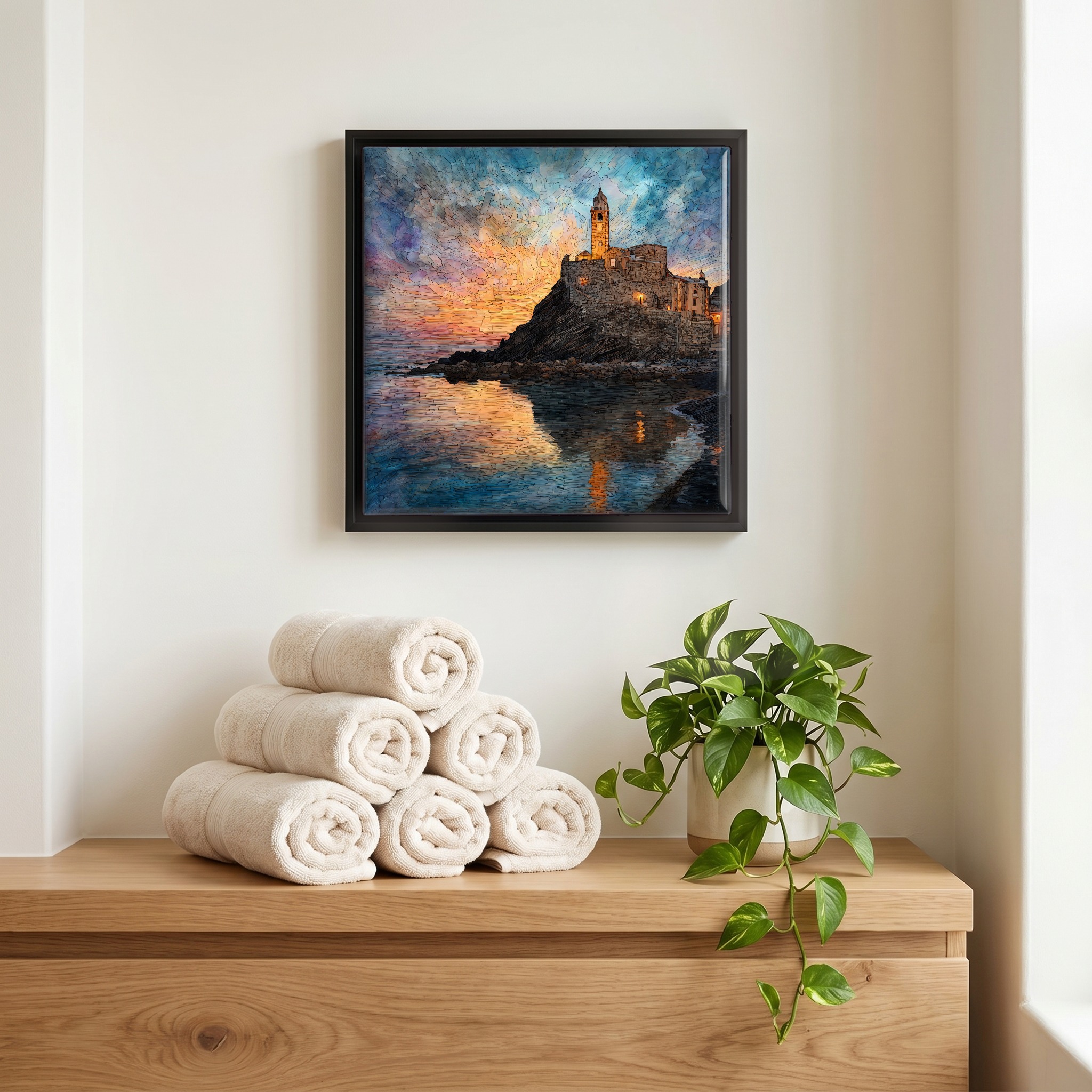
Portovenere, on ceramic.
Each tile is finished by hand in our Knoxville studio. Artwork is slowly infused into the ceramic surface under high heat and pressure, and rests beneath a thin glossy finish. The colour lives in the surface, not on top of it.
Pick any four 4-inch tiles — National Parks you've been to, a Smokies set, the four seasons of one place. $ for a set of , cork-backed, ready to live on the table.
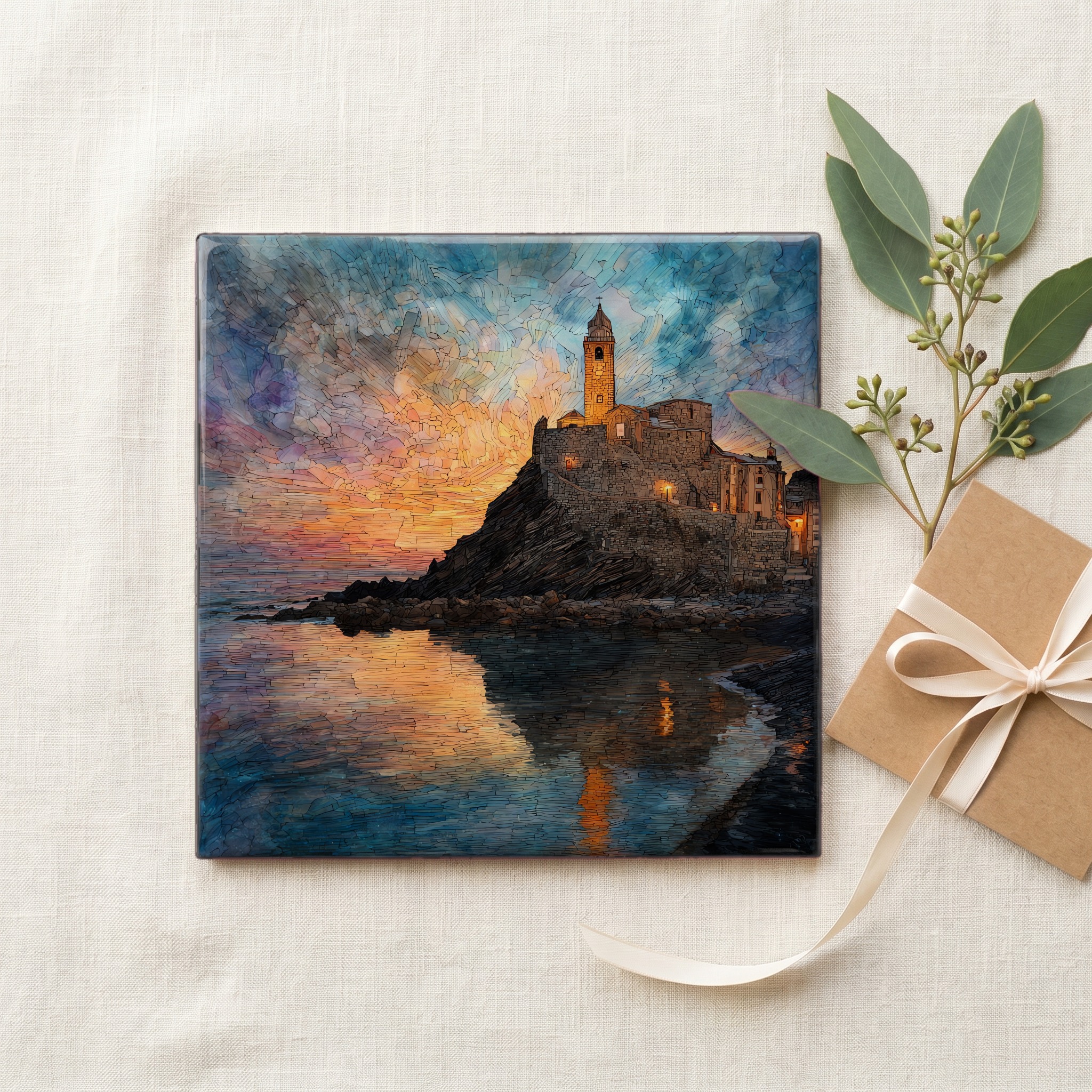
Each tile ships in a kraft box, tied with cream ribbon, with a handwritten note from the studio if you'd like to add one.
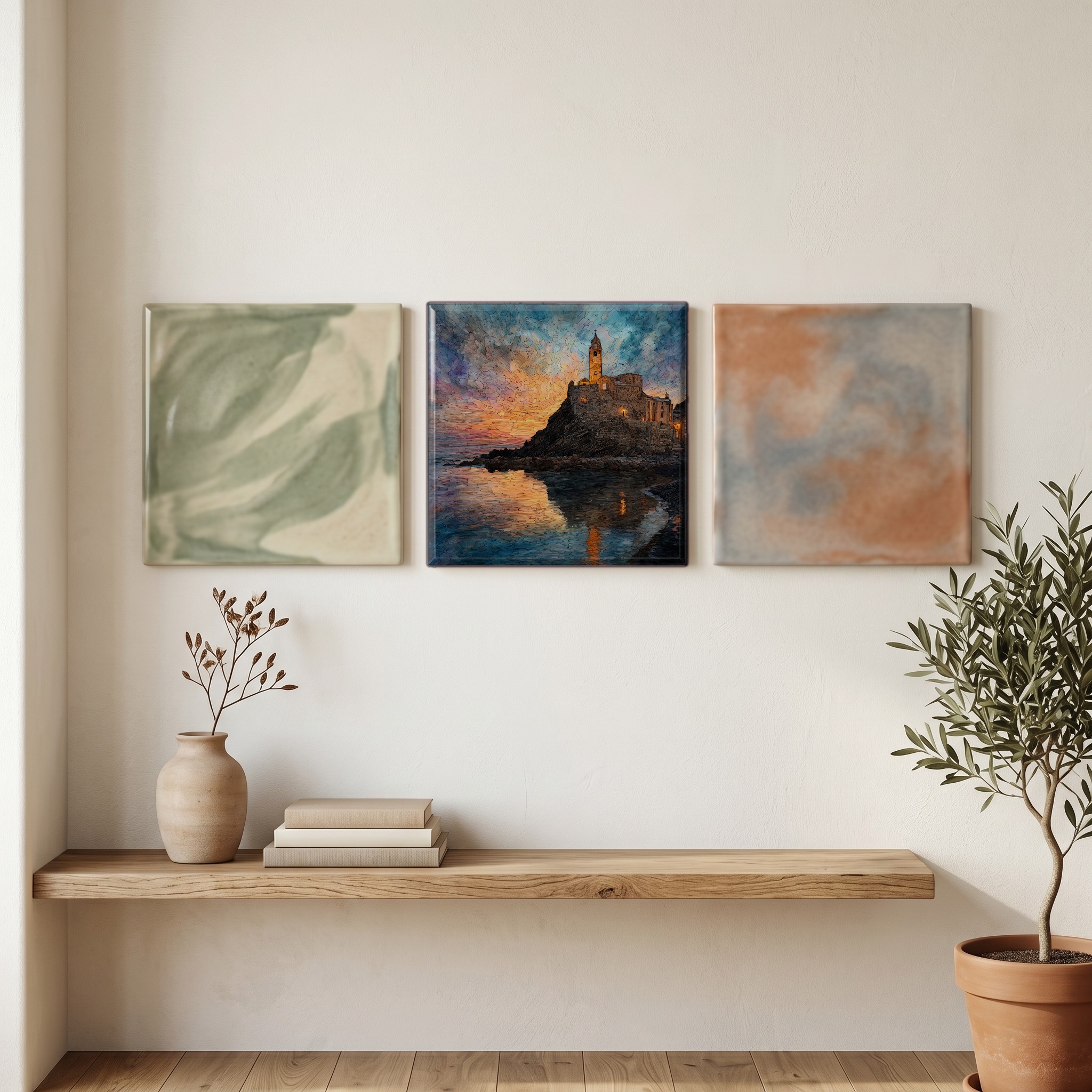
Three or five different vistas, hung together — a chapter of places you've been, or want to go.
The place, in three passes.
Portovenere sits at the western tip of the Gulf of La Spezia, on the Ligurian coast of northern Italy, in the province of La Spezia. It anchors the southern end of the stretch of coast that includes the Cinque Terre, and in 1997 the two were inscribed together on the UNESCO World Heritage list, along with the offshore islands of Palmaria, Tino, and Tinetto. The comune of about 3,200 people gathers around a harbour at the water's edge, with Palmaria lying directly across a narrow strait. Most visitors reach it by road or ferry from La Spezia, roughly twelve kilometres to the northeast, or by boat from the Cinque Terre villages to the north.
The church of San Pietro stands on the rocky point at the end of the village, its flanks banded in black-and-white Carrara marble, the striped Genoese Gothic style that marked the wealth of the Republic of Genoa. It was consecrated in 1198 on the foundations of a fifth-century church, which itself stood where the Romans had kept a temple to Venus; the name Portus Veneris, port of Venus, comes from that shrine. Above the houses, the Doria Castle climbs the hill in tiers of Genoese military stone, its earliest works dating to 1161. Along the water, tall narrow houses stand close together, a wall of dwellings that once doubled as the village's seaward defence.
The bay that opens east of the point is the Golfo dei Poeti, the Gulf of Poets, named for the English Romantics who lived and wrote along its shore. From the Grotta dell'Arpaia, the sea cave below San Pietro now called Byron's Grotto, Lord Byron is said to have swum across the gulf to San Terenzo in 1822 to visit Percy Shelley at Lerici. The water here is open Mediterranean, deeper and more exposed than the sheltered coves of the Cinque Terre to the north, and the narrow strait between the village and Palmaria island runs cold and quick. The promontory takes the full afternoon light off the water.