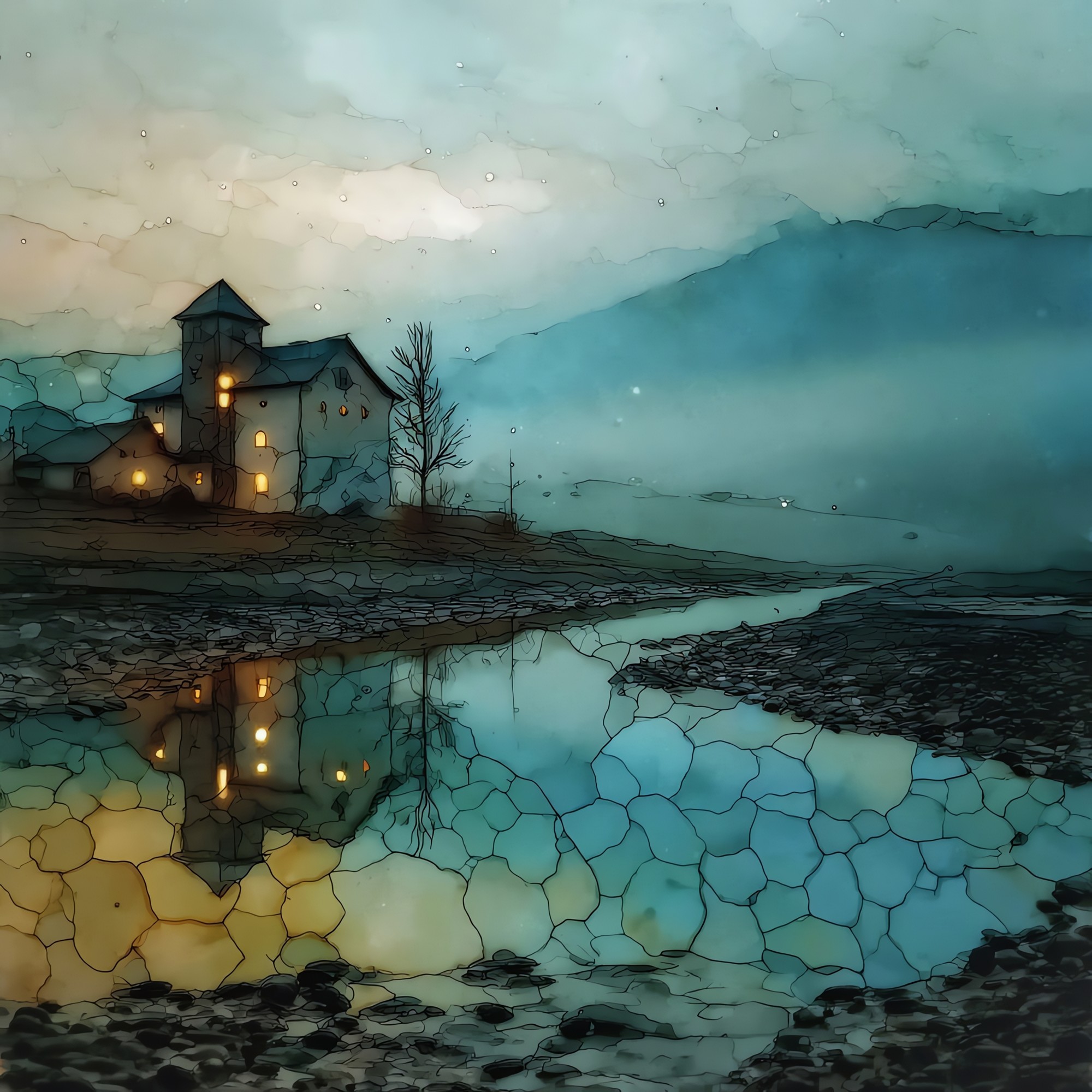
Po River
— the slow water that made the plain.
Not only on a wall.
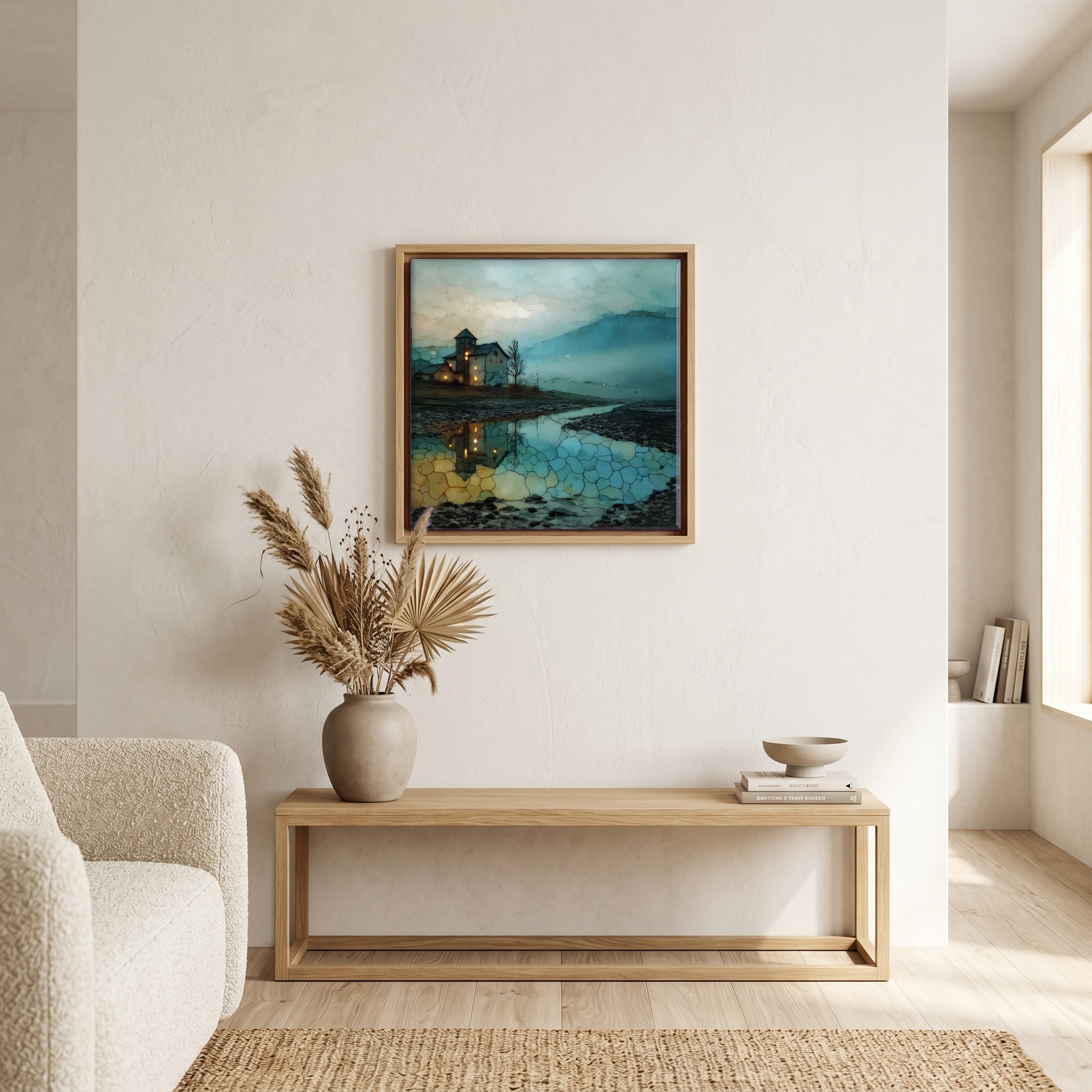
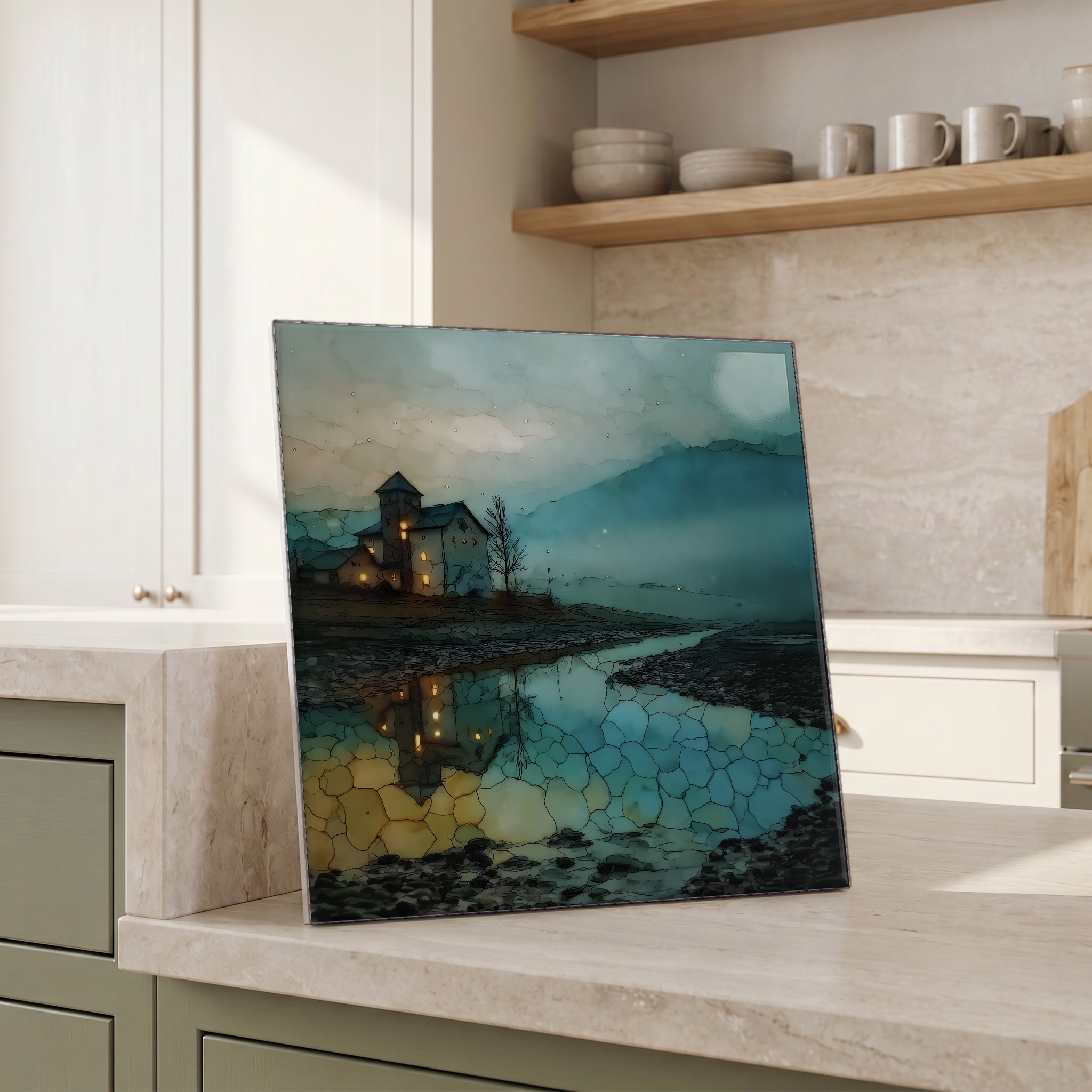
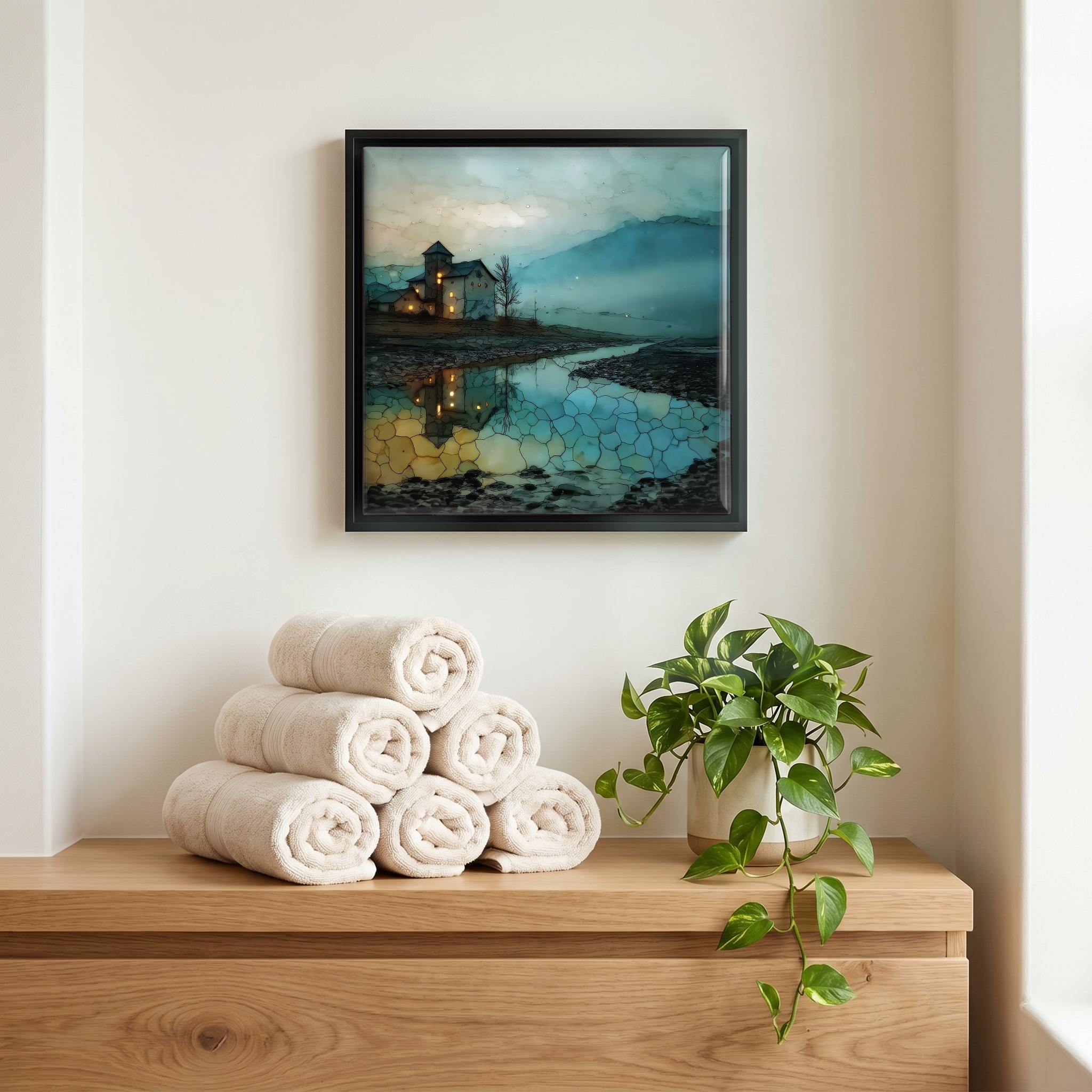

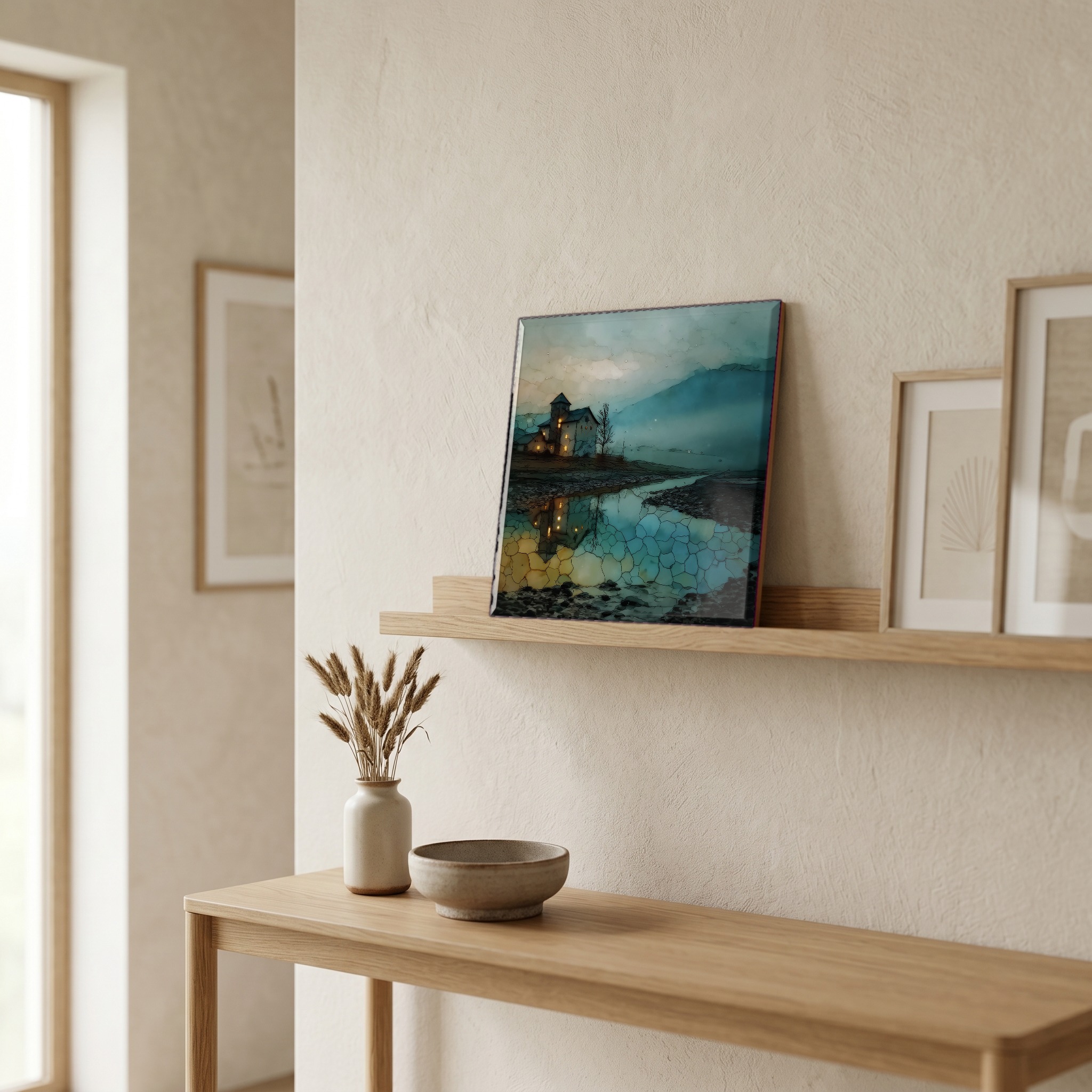
“The longest river in Italy, running 652 kilometres from a spring at the foot of Monte Viso to the braided delta on the Adriatic. The river made the plain. The rice fields north of Milan, the slow towns of Cremona and Piacenza, the long flat country that Verdi grew up in. In winter the fog comes down to the water and stays for days. The delta in spring is one of the great bird places in Europe. The light over the plain is its own light, low and yellow and long.
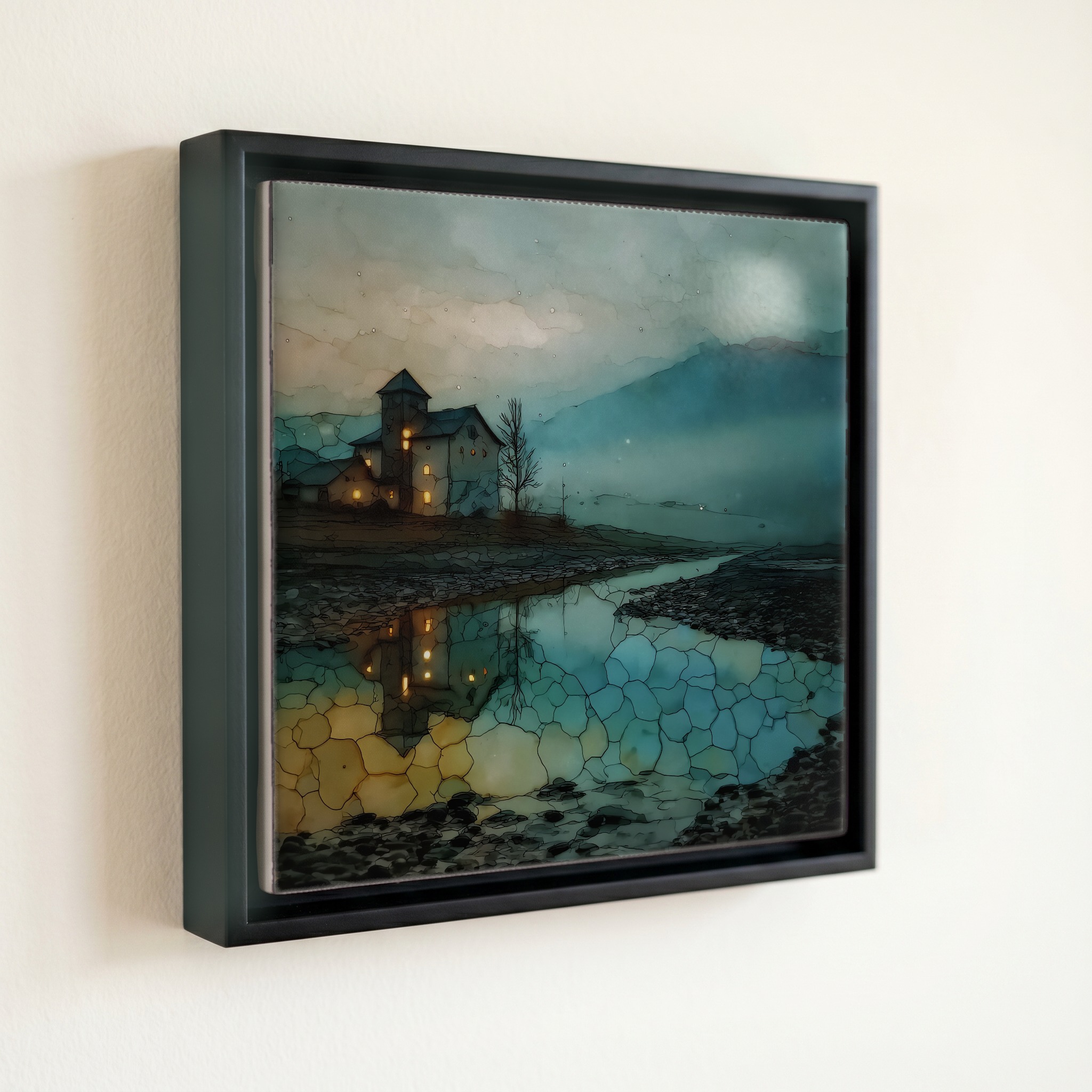
Po River, on ceramic.
Each tile is finished by hand in our Knoxville studio. Artwork is slowly infused into the ceramic surface under high heat and pressure, and rests beneath a thin glossy finish. The colour lives in the surface, not on top of it.
Pick any four 4-inch tiles — National Parks you've been to, a Smokies set, the four seasons of one place. $ for a set of , cork-backed, ready to live on the table.
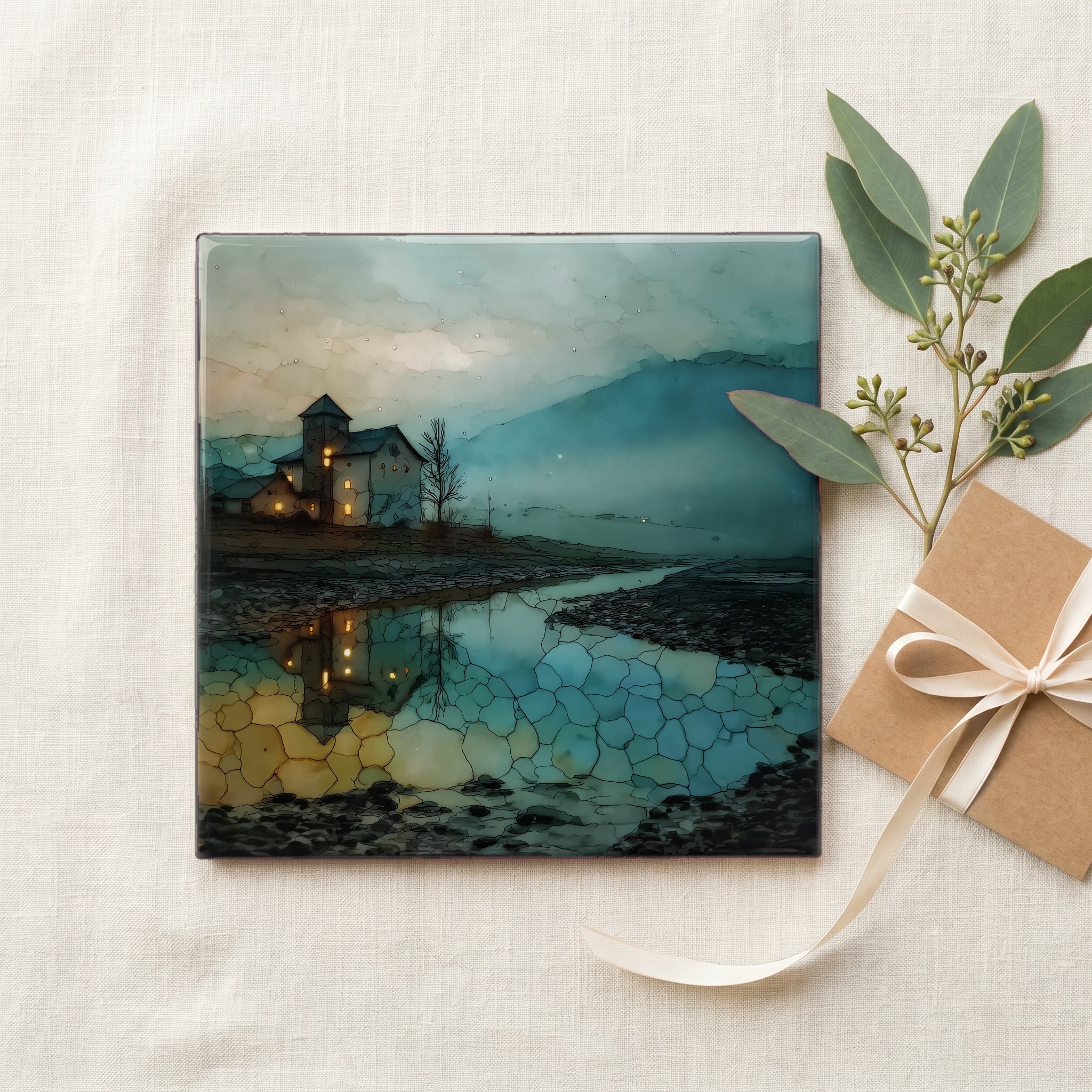
Each tile ships in a kraft box, tied with cream ribbon, with a handwritten note from the studio if you'd like to add one.
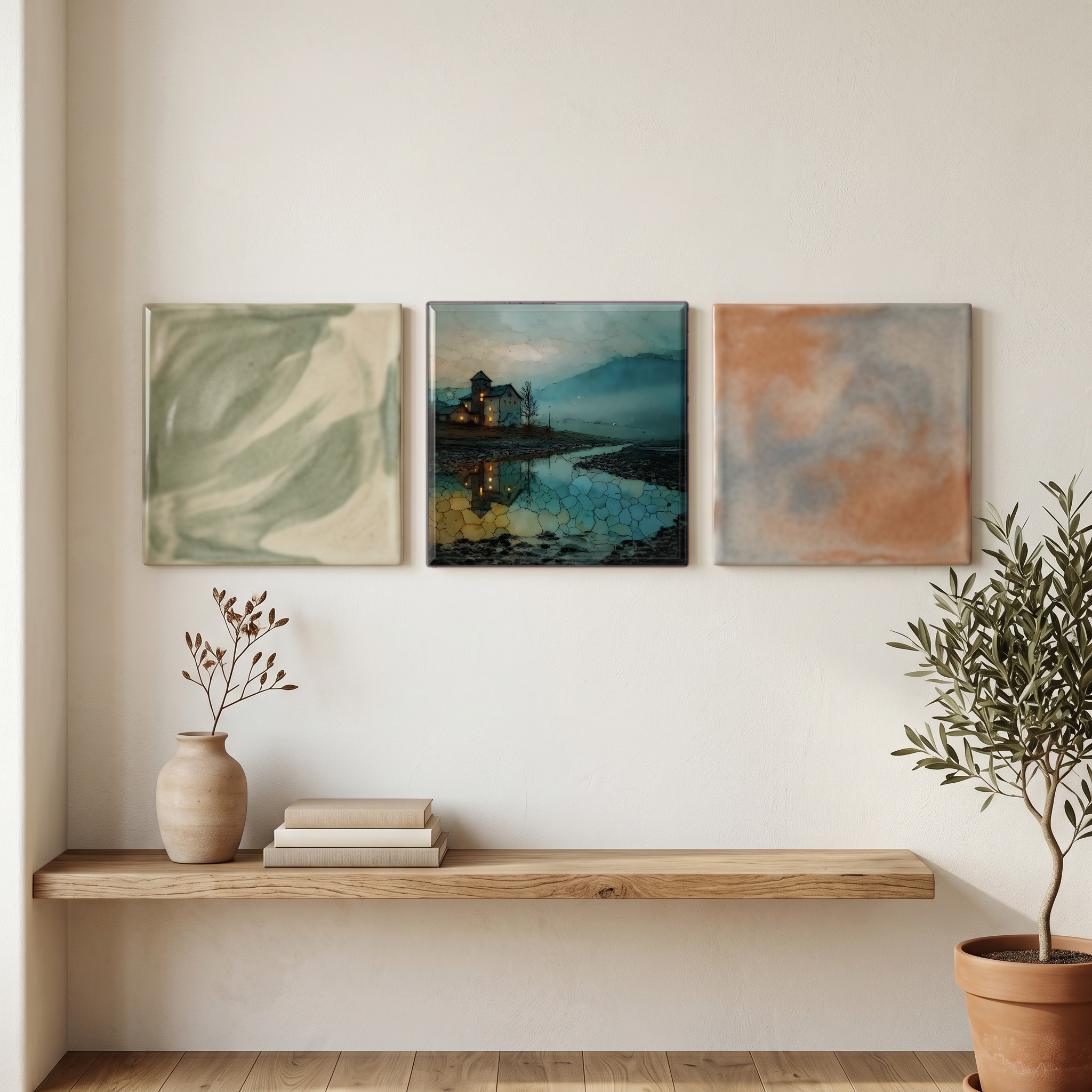
Three or five different vistas, hung together — a chapter of places you've been, or want to go.
The place, in three passes.
The Po rises at Pian del Re, a spring at the foot of Monte Viso in the Cottian Alps, at about 2,020 metres above the village of Crissolo in Piedmont. From there it runs roughly 652 kilometres east across northern Italy through Turin, Piacenza, Cremona, and Ferrara before fanning into a delta on the Adriatic south of Venice. Its basin covers about 74,000 square kilometres, the largest in Italy, and drains most of the Po Valley, the Pianura Padana. The delta, shared with the Adige and other rivers, was added to the UNESCO World Heritage listing for Ferrara and the Po Delta in 1999.
The Po carries an average flow of about 1,540 cubic metres per second to the Adriatic, fed by snowmelt from the Alps and rainfall across the basin. The water is rarely clear: it runs heavy with silt picked up from the long plain, and gives the delta its slow shifting channels and brackish lagoons. The same load of sediment built the Pianura Padana over geological time, and continues to advance the delta seaward by several metres a year. In recent summers the river has run unusually low: the 2022 drought was among the worst on record and exposed wartime relics in the riverbed near Mantua.
The Po Valley is known for its winter fog, the nebbia, which can sit on the river and the surrounding plain for days at a time, lifting briefly at midday and settling again before evening. Spring brings the rice planting north of Pavia, the fields flooded and reflecting sky, and migrant birds to the Po Delta Regional Park: flamingoes, herons, and tens of thousands of waders. Late summer is the hardest season for the river itself, with the lowest flows falling in August. Autumn returns colour to the willows along the banks and the harvest to the rice belts around Vercelli and Novara.