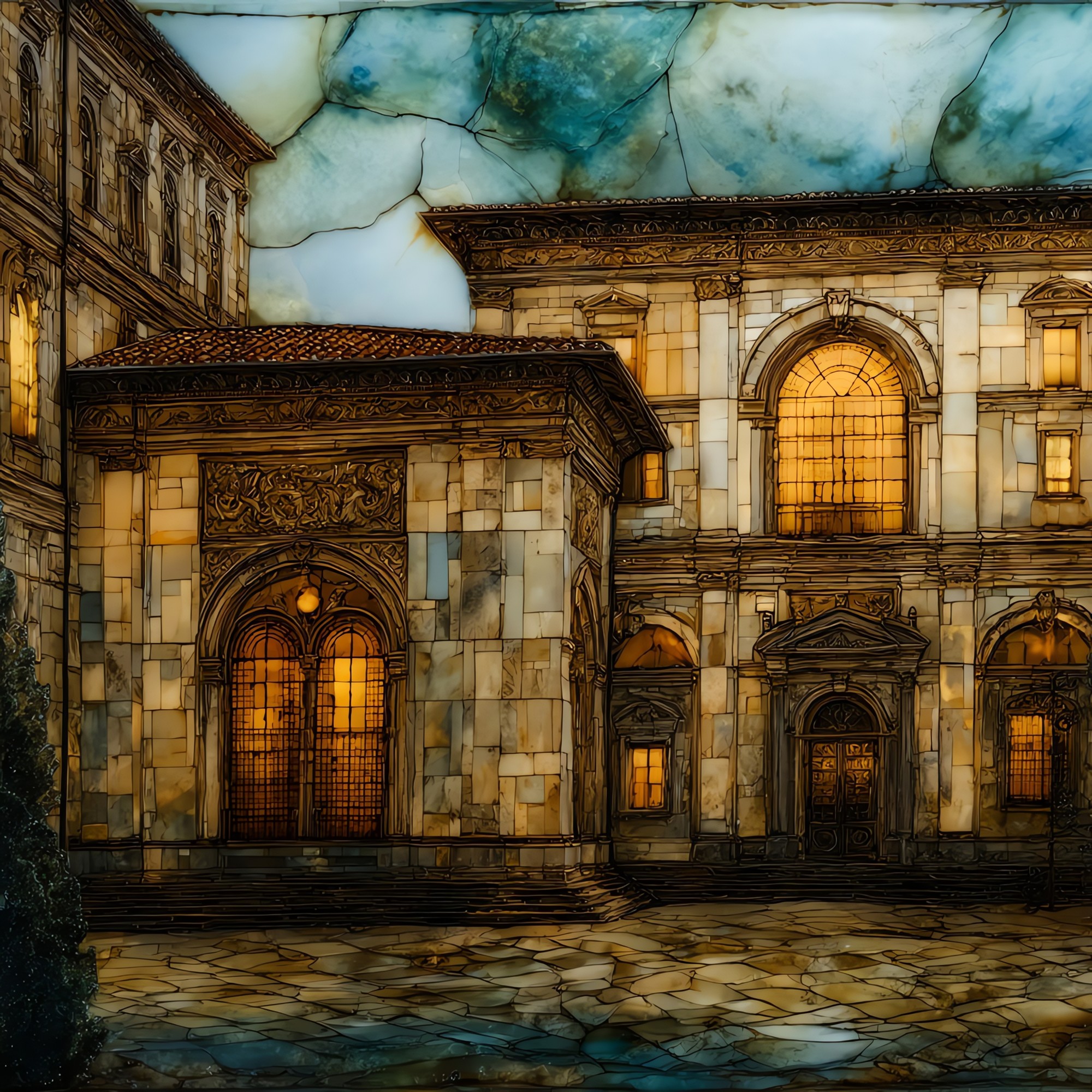
Pitti Palace
— the hour the stone goes amber.
Not only on a wall.
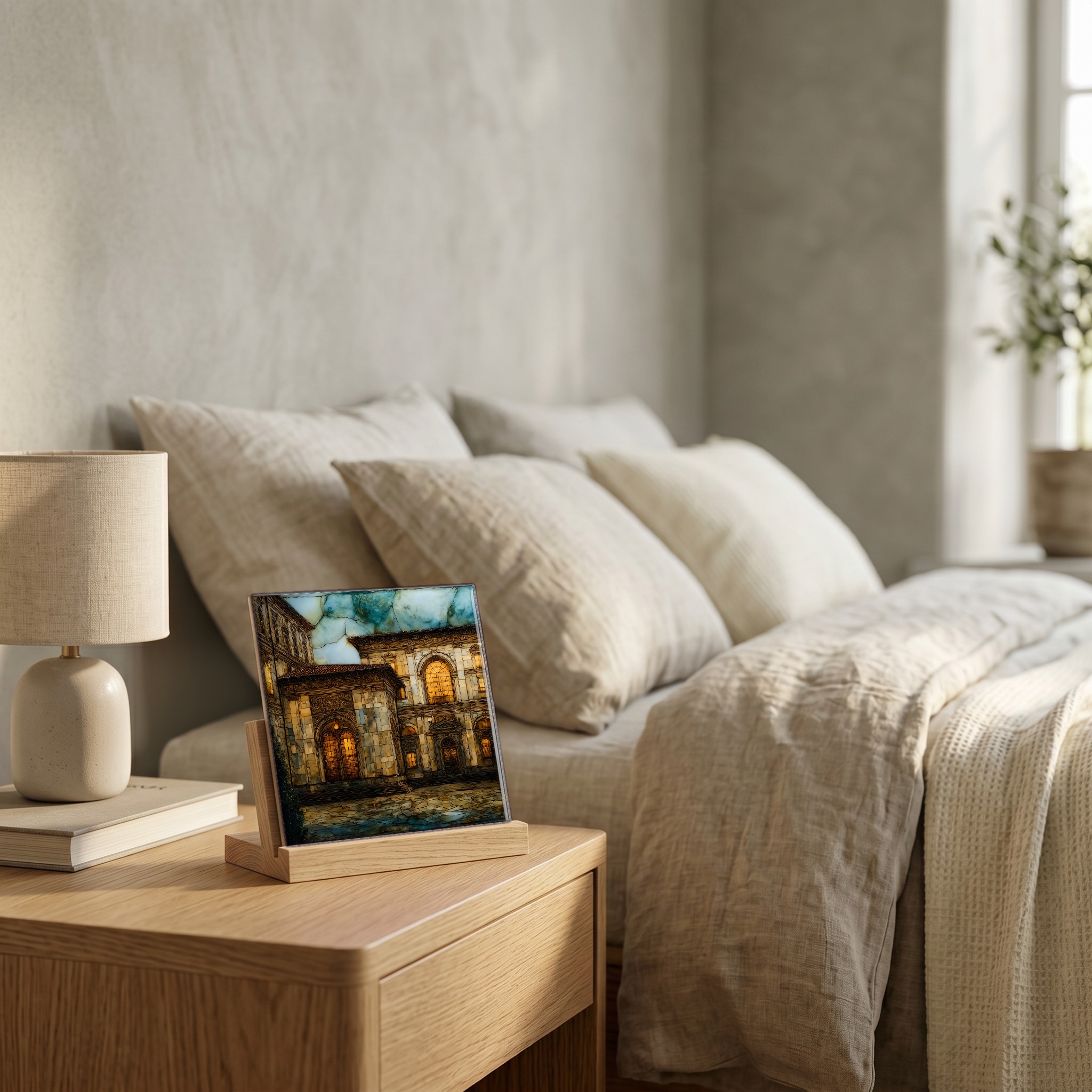
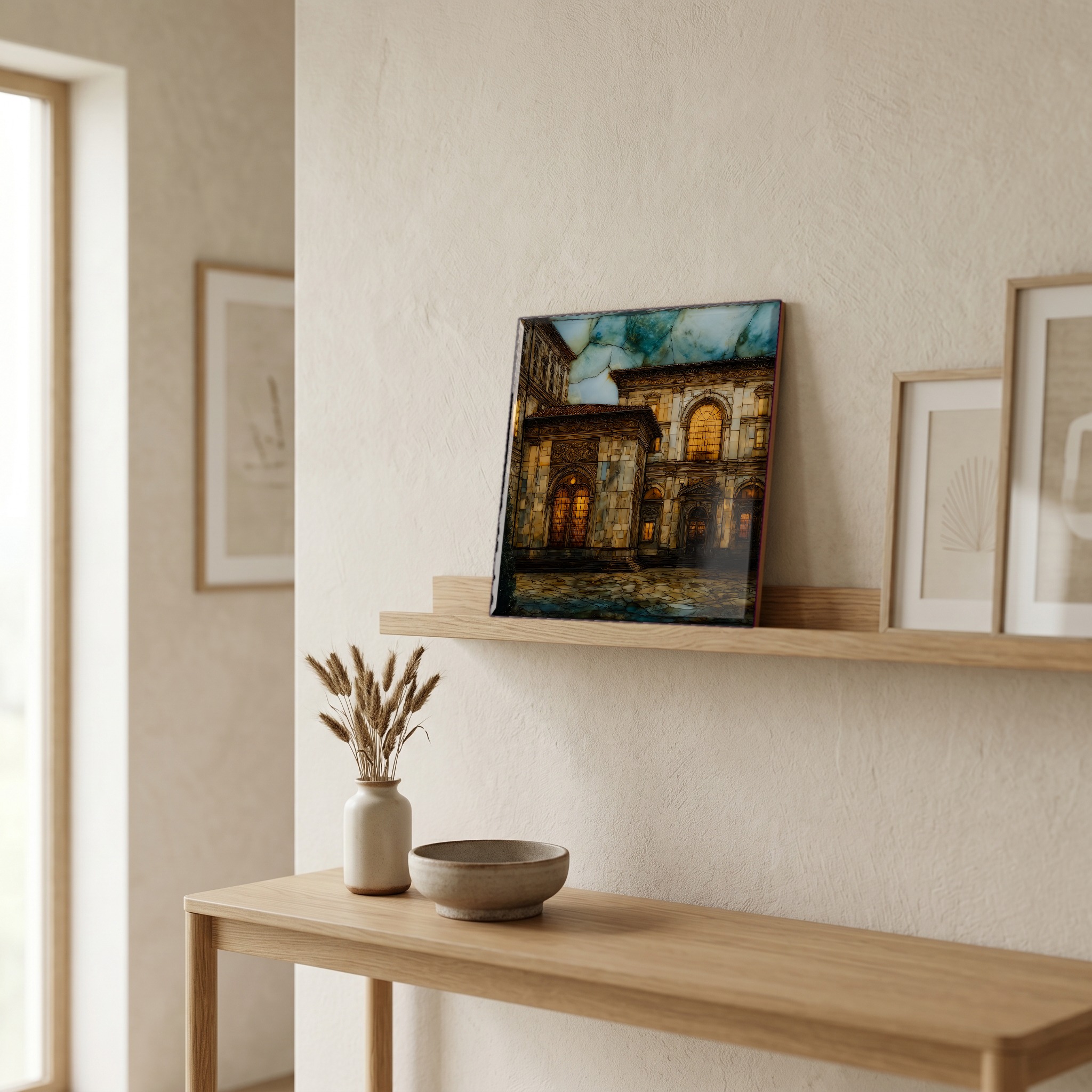
“The biggest palace in Florence, and the one a banker built to rival the Medici, who then bought it out from under his family. It sits on the quiet side of the Arno, the Oltrarno, with the whole green hill of the Boboli Gardens climbing behind it. The front is rough golden stone, course on course, the kind that holds the afternoon and gives it back slowly toward evening. People cross the river for the Raphael rooms and the gardens; the locals walk up the hill at the back, where the city falls away.
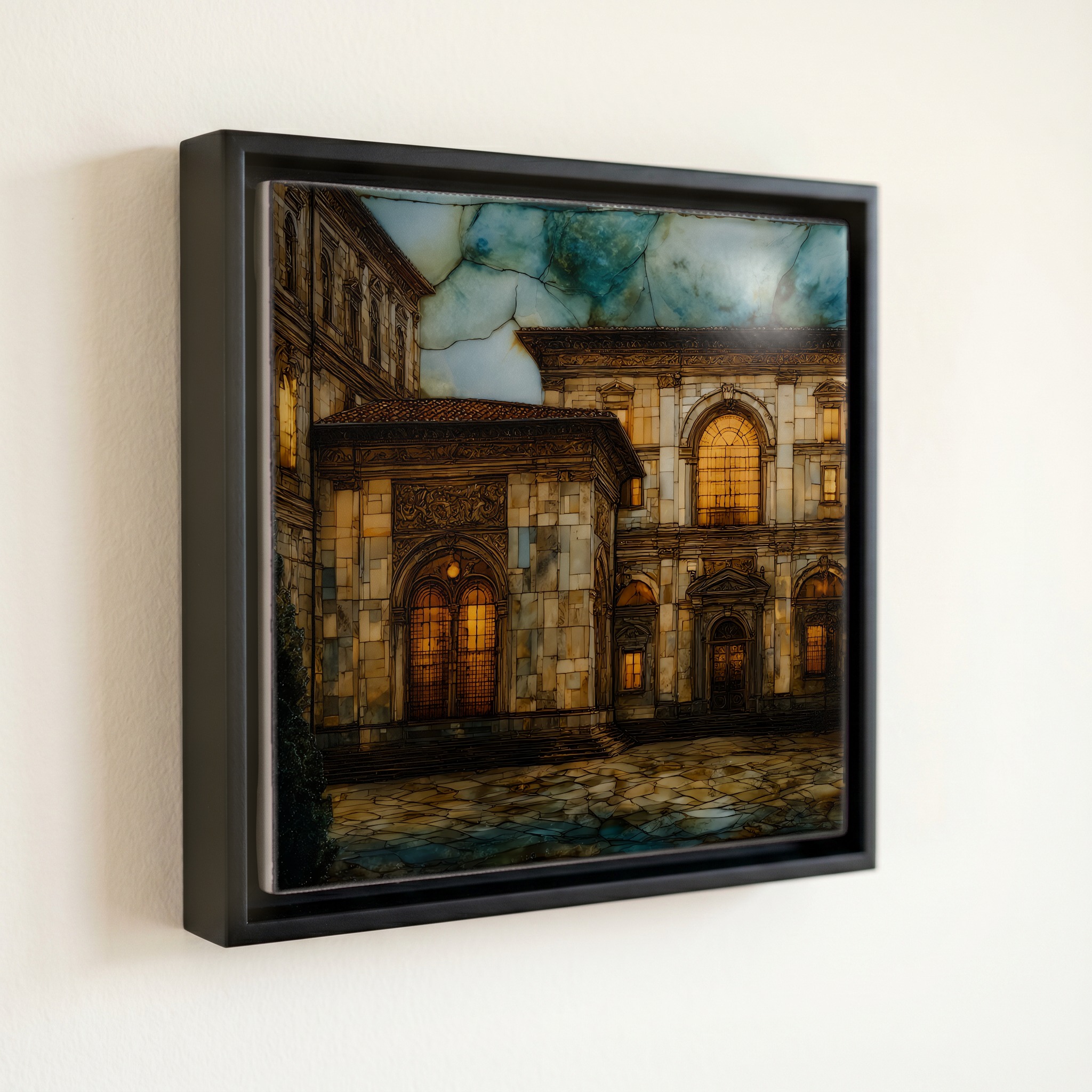
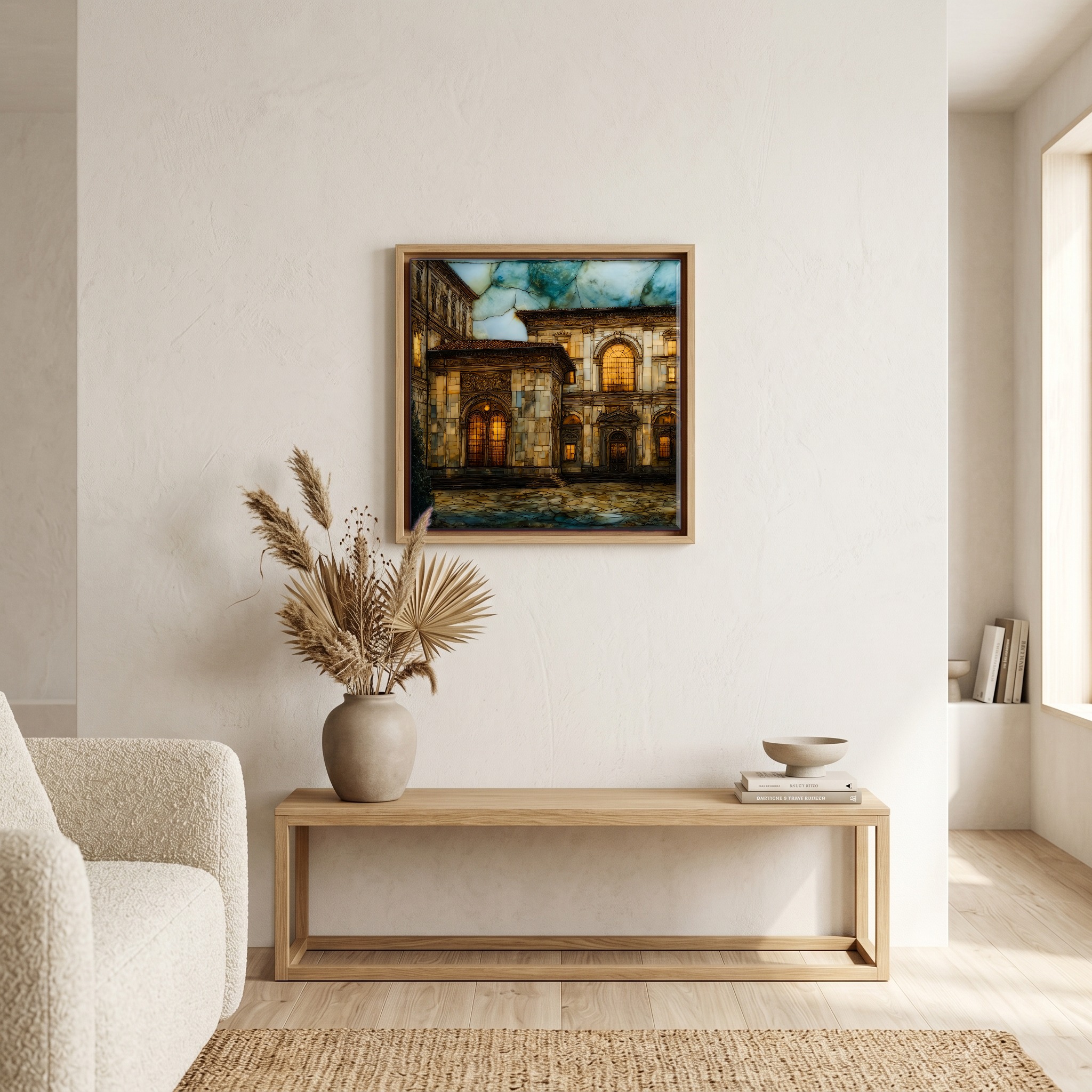
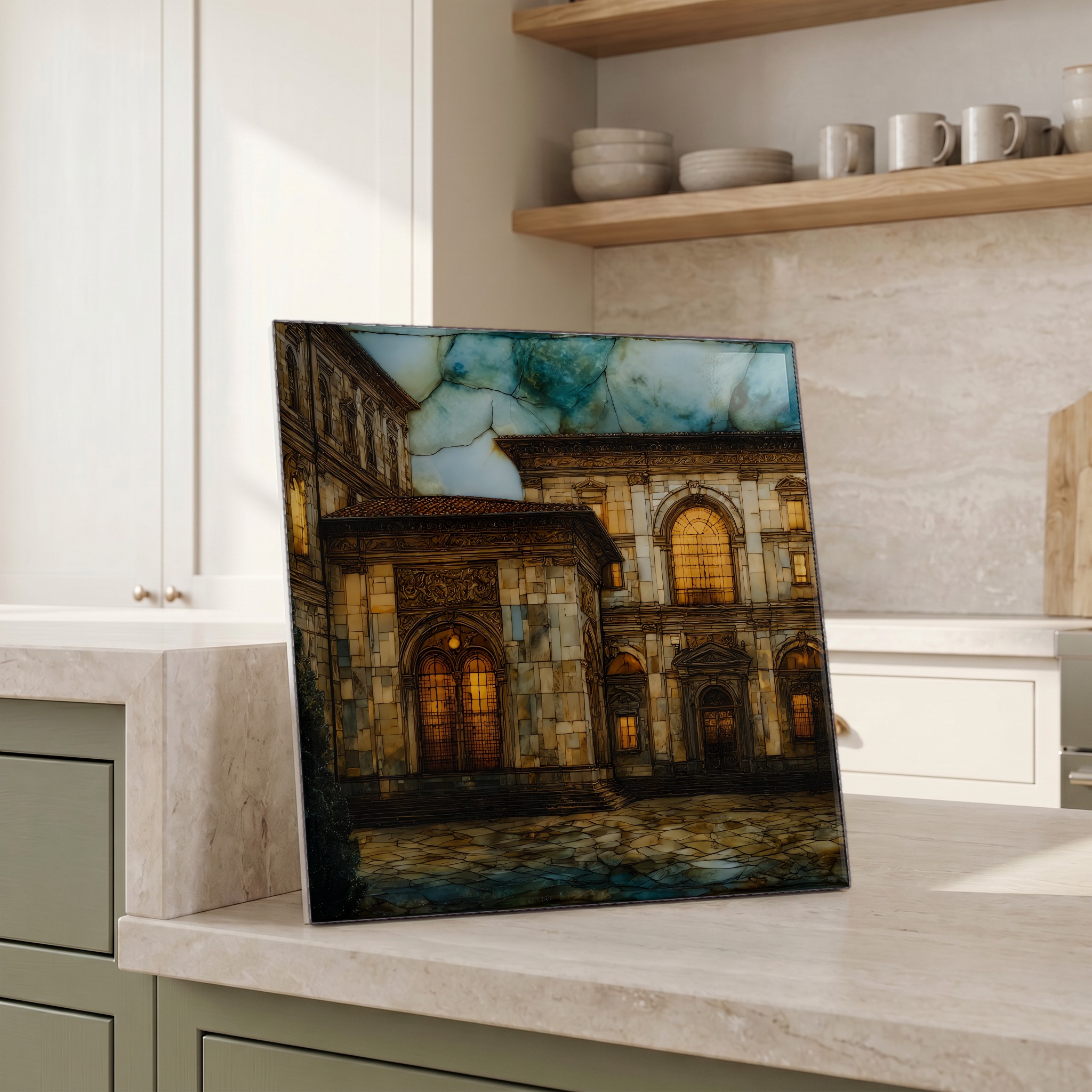
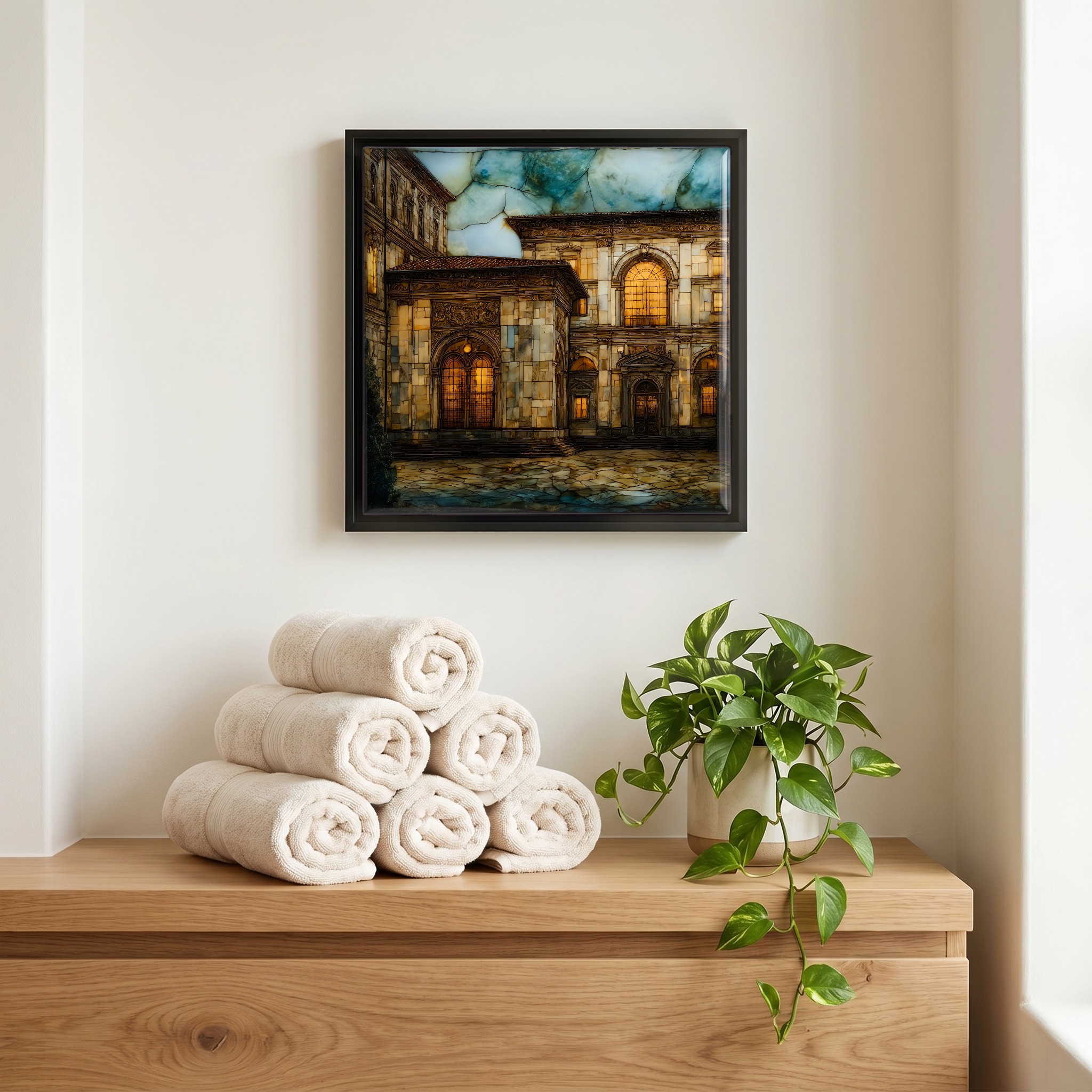
Pitti Palace, on ceramic.
Each tile is finished by hand in our Knoxville studio. Artwork is slowly infused into the ceramic surface under high heat and pressure, and rests beneath a thin glossy finish. The colour lives in the surface, not on top of it.
Pick any four 4-inch tiles — National Parks you've been to, a Smokies set, the four seasons of one place. $ for a set of , cork-backed, ready to live on the table.
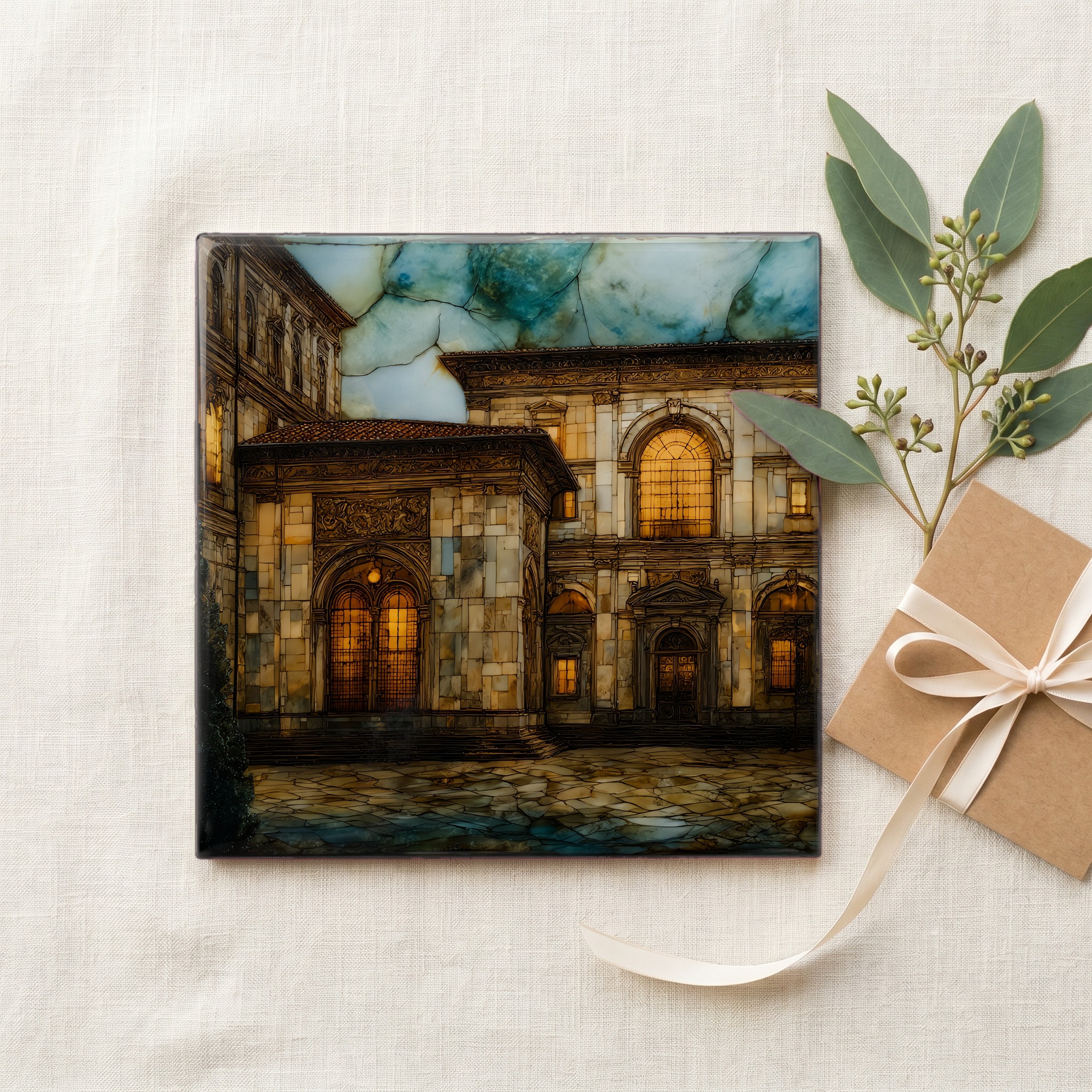
Each tile ships in a kraft box, tied with cream ribbon, with a handwritten note from the studio if you'd like to add one.
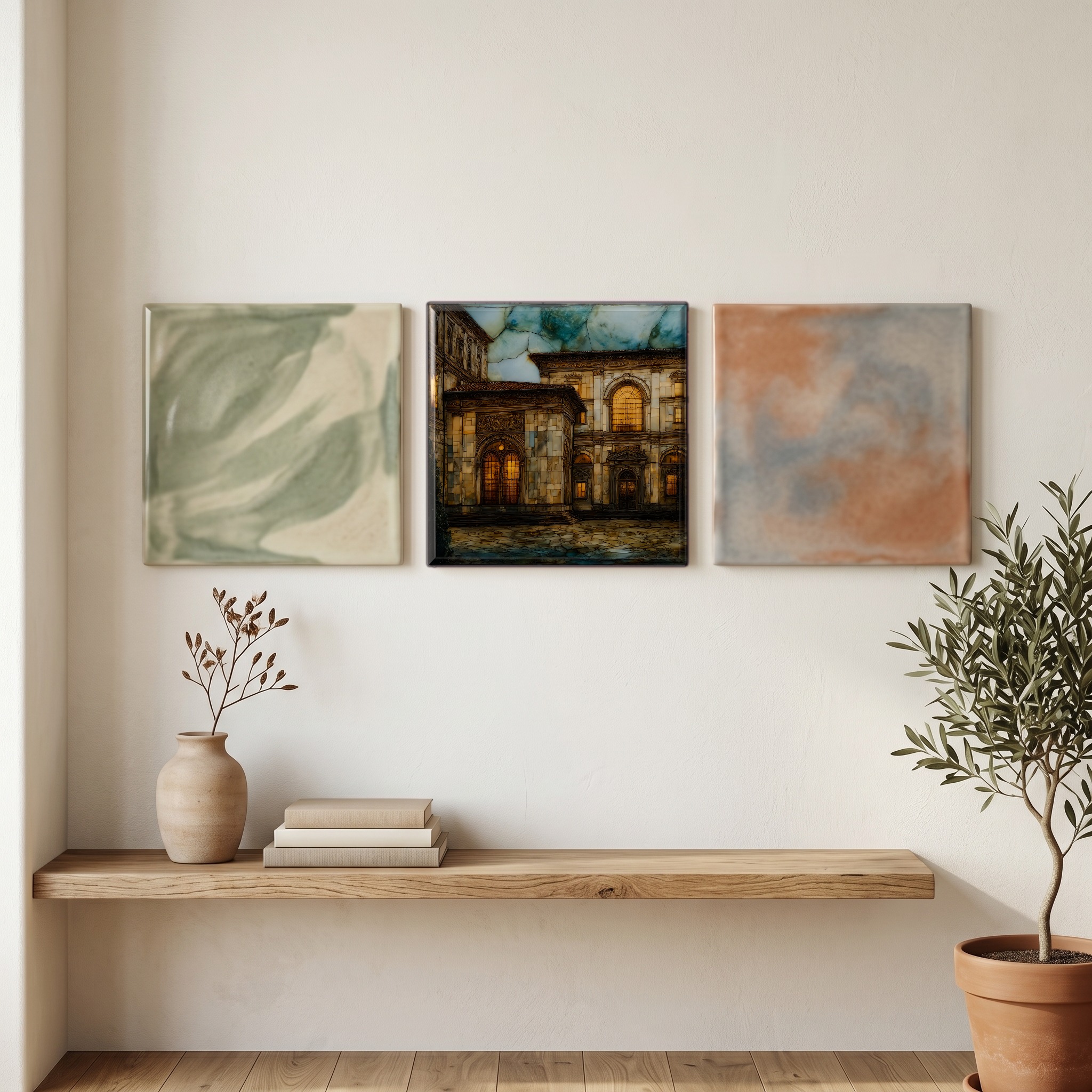
Three or five different vistas, hung together — a chapter of places you've been, or want to go.
The place, in three passes.
Palazzo Pitti stands on the south bank of the Arno in the Oltrarno, the largest palace in Florence, with a facade 205 metres long and 36 metres high at the centre. A Florentine banker, Luca Pitti, began it in 1458, and the architect generally credited is Luca Fancelli. In 1549 Eleonora di Toledo, wife of Cosimo I de' Medici, bought it, and it became the chief residence of the Grand Dukes of Tuscany, later the Habsburg-Lorraine and Savoy rulers. Bartolomeo Ammannati enlarged it between 1558 and 1618. Behind it the Boboli Gardens climb the hill. King Victor Emmanuel III gave the palace to the Italian people in 1919.
The face of the palace is rusticated stone: rough, unpolished blocks of golden Tuscan sandstone laid course on course, three storeys high, broken by three repeated rows of seven arched windows that recall a Roman aqueduct. It is the largest palace in Florence, its facade 205 metres long and 36 metres high at the centre. The rough stonework gives the building a severe, almost fortress-like weight rather than the grace of a villa, which is what Luca Pitti, the banker who began it in 1458, seems to have wanted: a show of stone and money. That same heaviness is what the late-afternoon light works on, warming the stone toward amber as the sun drops over the Arno.
Inside the palace are roughly 140 rooms divided among several museums. The Palatine Gallery, opened in 1828 by Grand Duke Leopold II of Habsburg-Lorraine, hangs Raphael, Titian, and Rubens frame to frame across the walls of the old royal apartments, arranged by eye rather than by date. Alongside it sit the Treasury of the Grand Dukes, the Gallery of Modern Art, and the Museum of Costume and Fashion. Behind the palace the Boboli Gardens climb the hill with their fountains and grottoes, on a separate ticket. The Oltrarno side of the Arno stays quieter than the centre around the Uffizi, even in high summer.