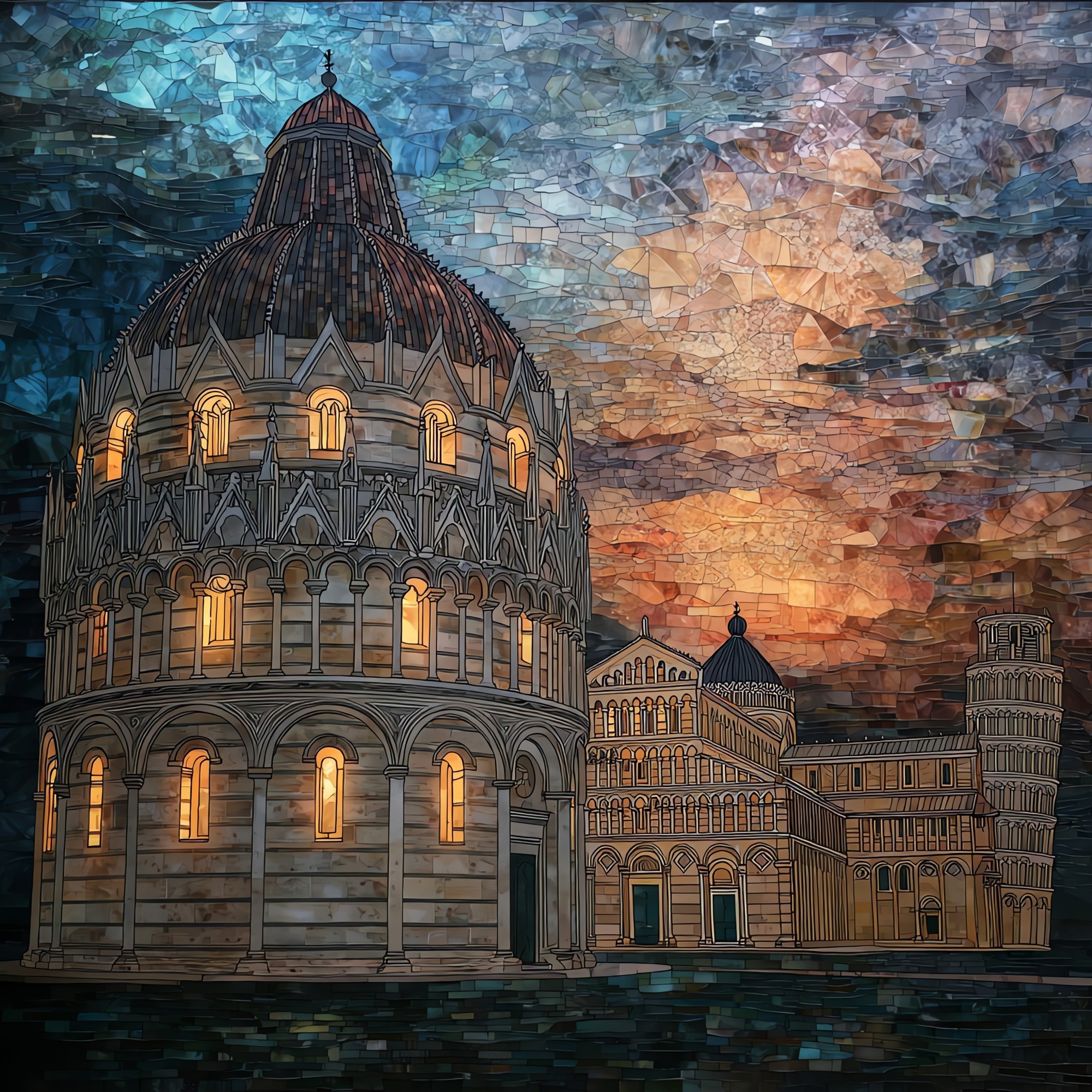
Pisa Baptistery
— a single note the dome keeps for ten seconds.
Not only on a wall.
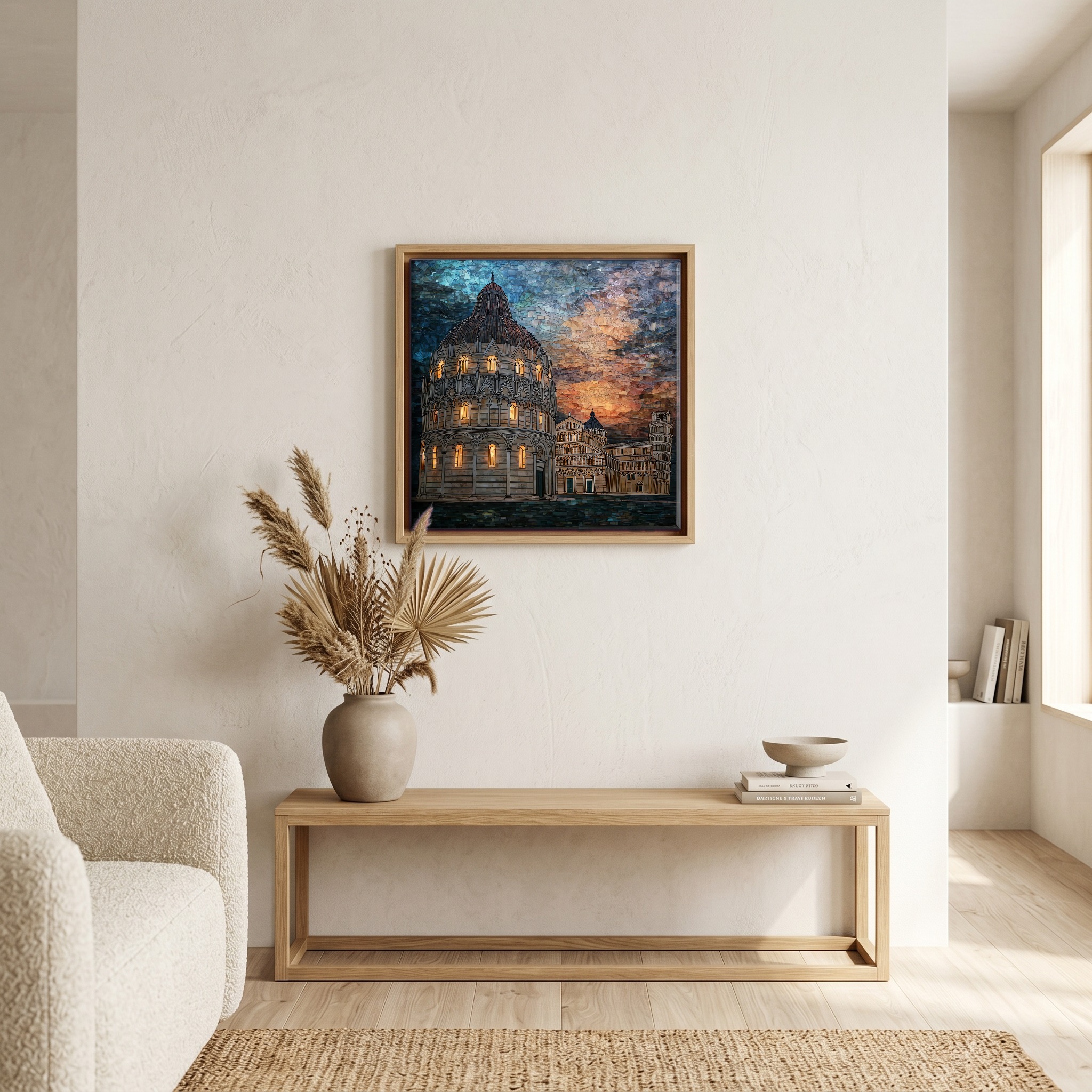
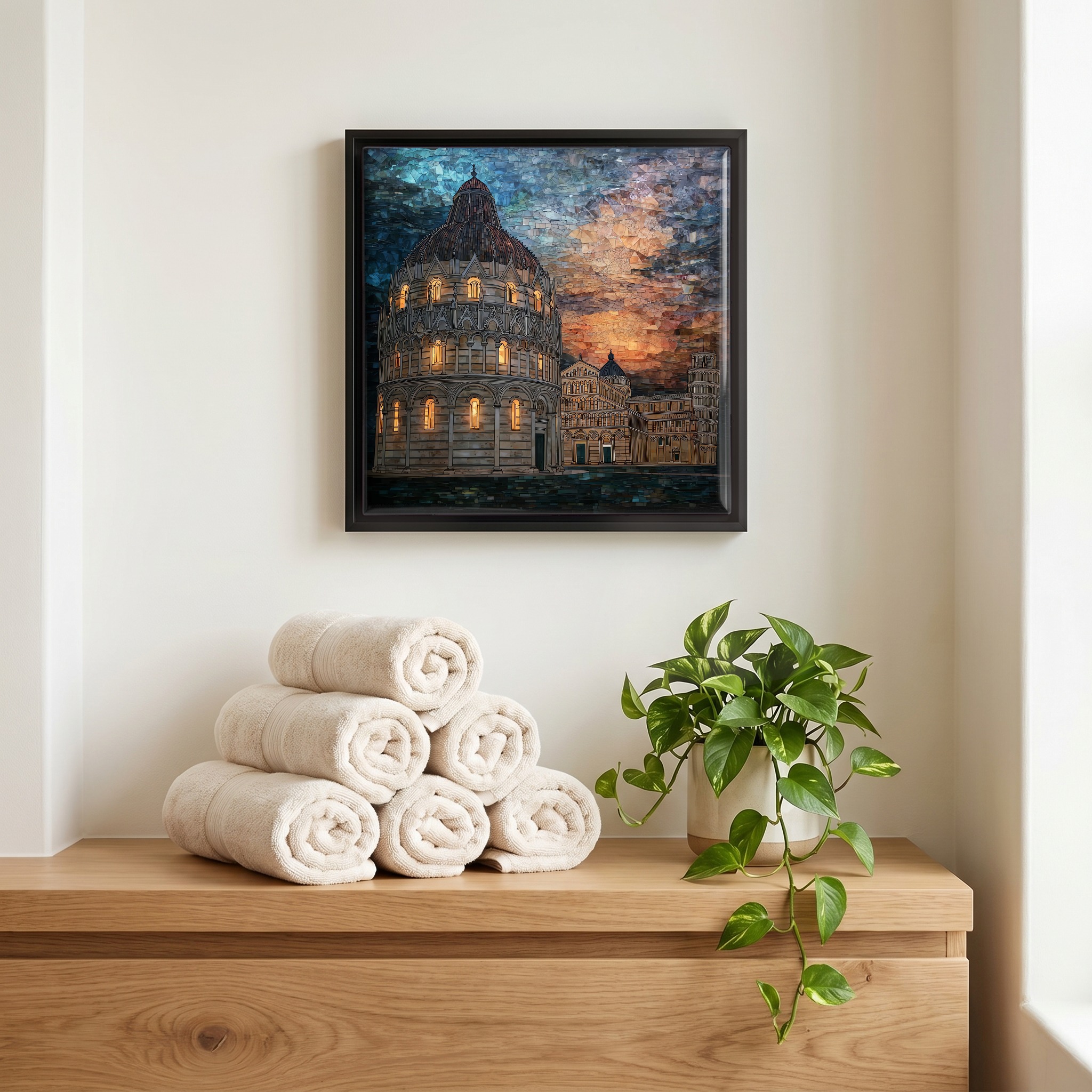
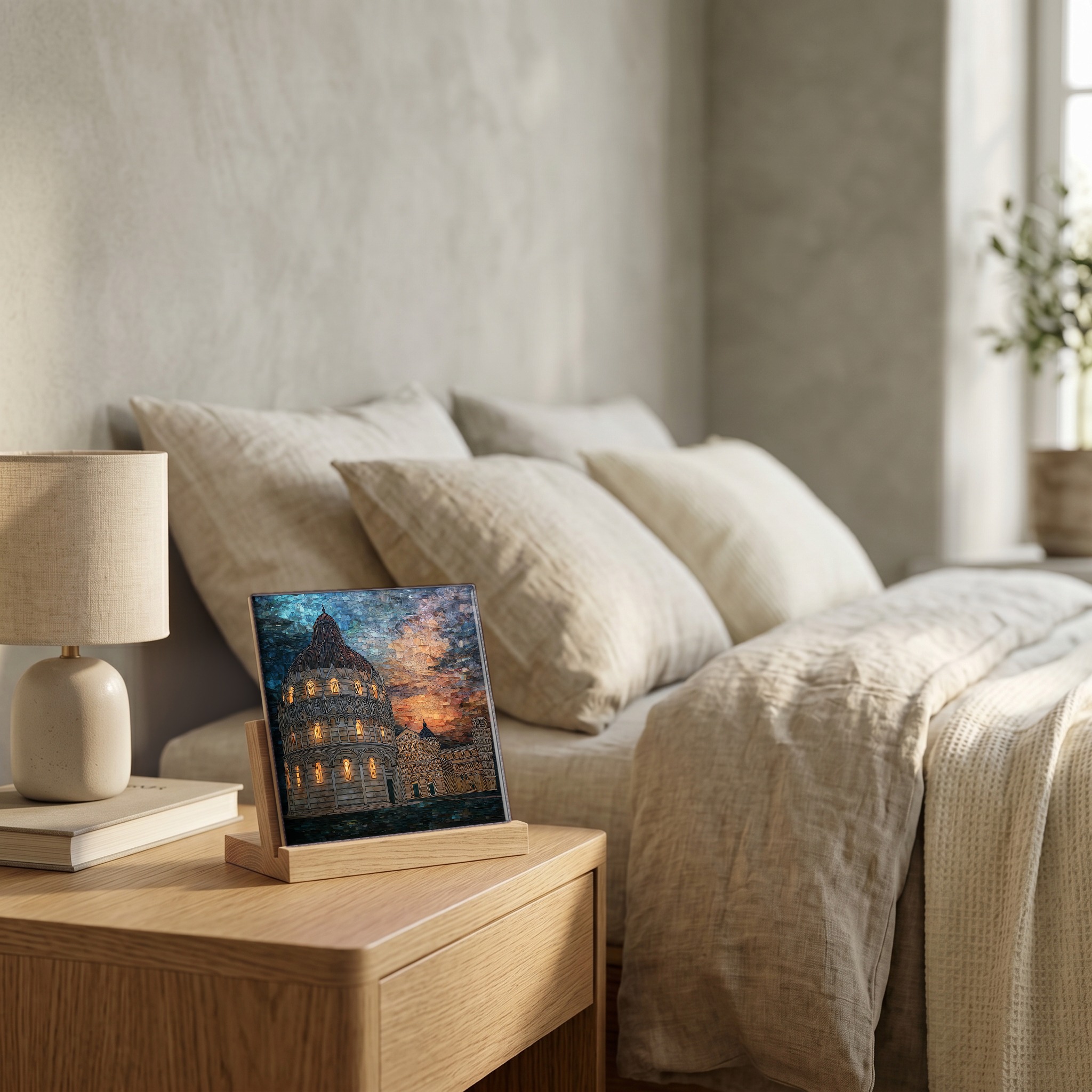
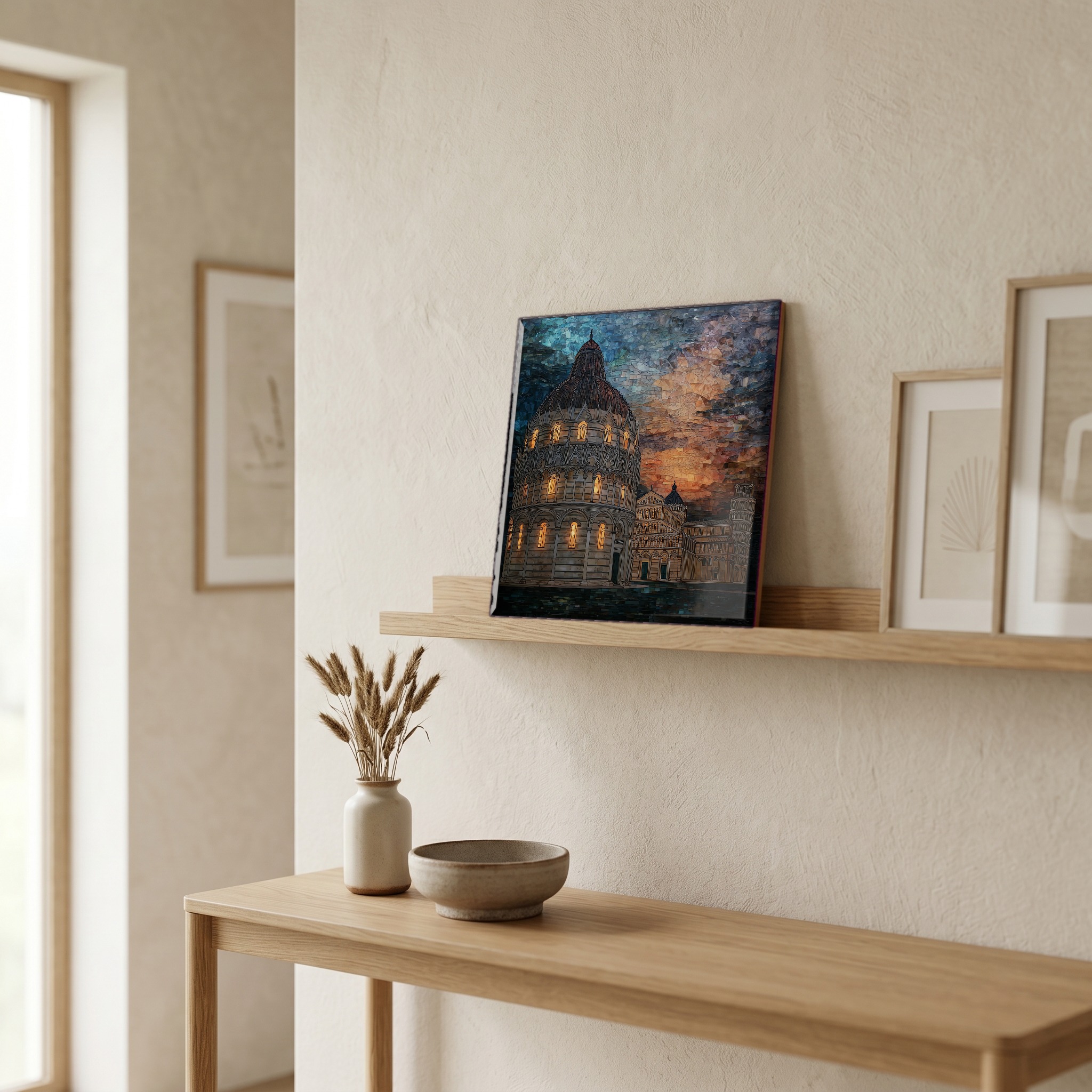
“The largest baptistery in Italy, on the wide green field they call the Square of Miracles. Round, white, two centuries in the making: begun in Romanesque arches in 1152 and finished in Gothic pinnacles in 1363. Inside, every half hour, the custodian sings a single note that the dome holds for almost ten seconds, turning one voice into a chord. People stop talking when it happens. The leaning tower gets the photographs; the baptistery gets the silence afterward.
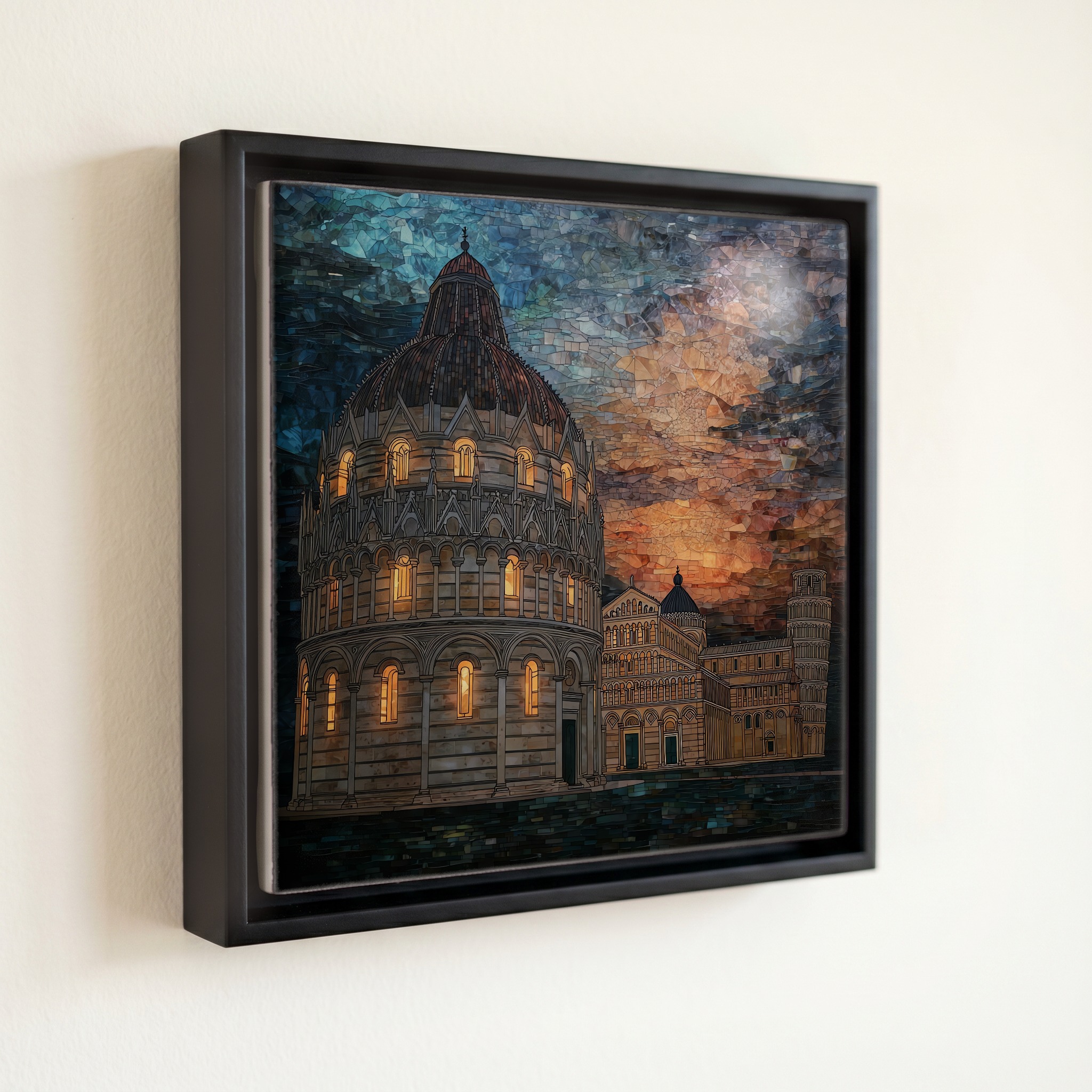
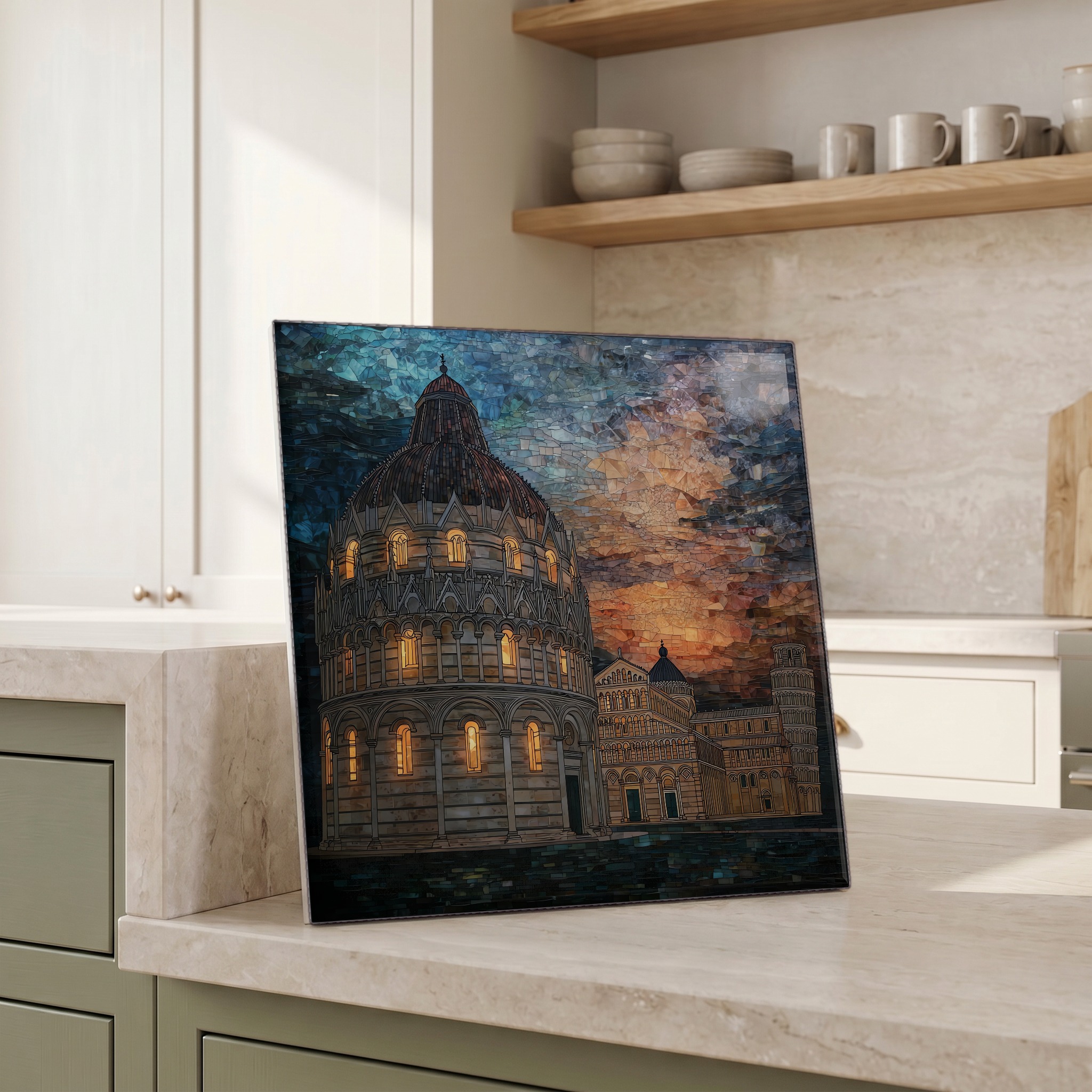
Pisa Baptistery, on ceramic.
Each tile is finished by hand in our Knoxville studio. Artwork is slowly infused into the ceramic surface under high heat and pressure, and rests beneath a thin glossy finish. The colour lives in the surface, not on top of it.
Pick any four 4-inch tiles — National Parks you've been to, a Smokies set, the four seasons of one place. $ for a set of , cork-backed, ready to live on the table.
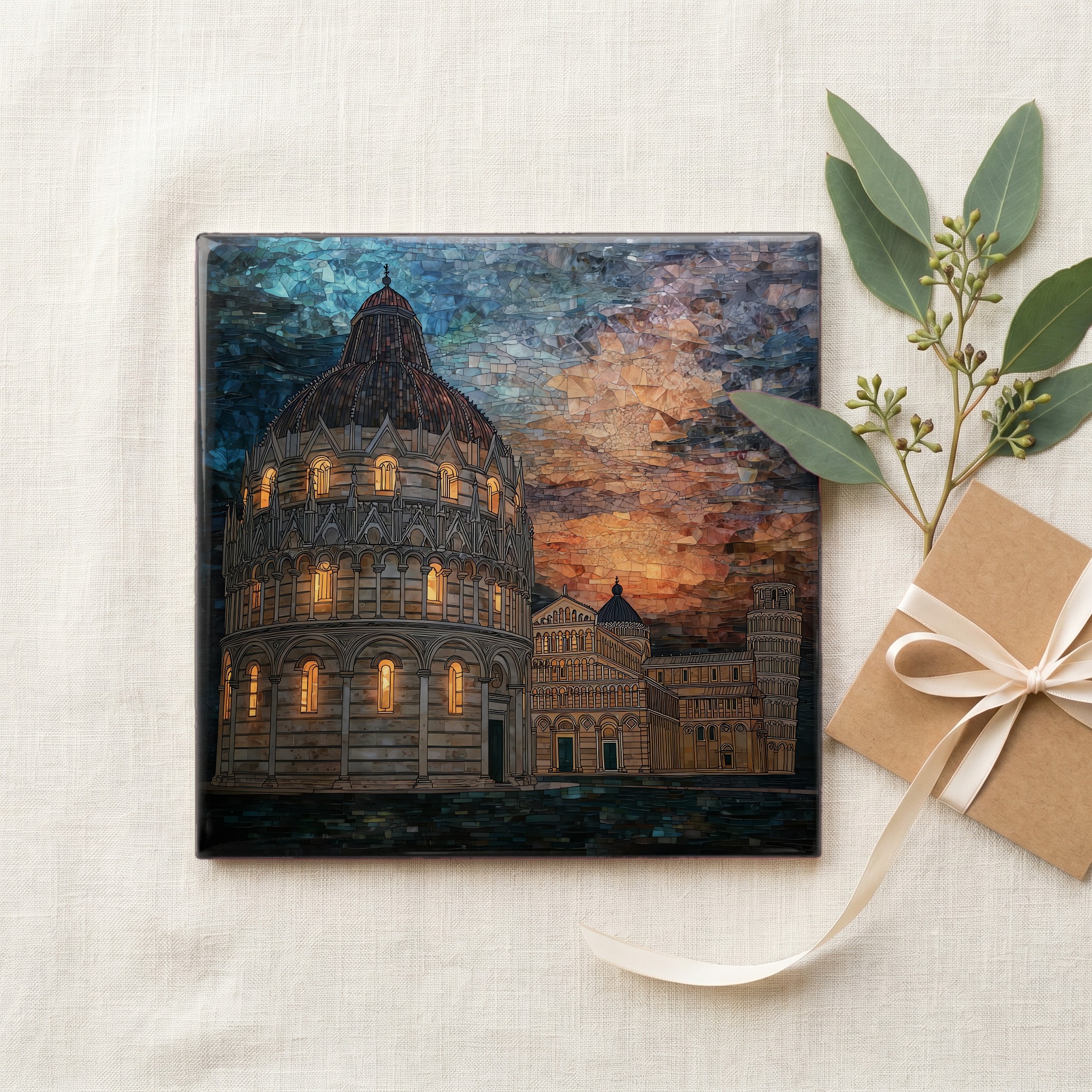
Each tile ships in a kraft box, tied with cream ribbon, with a handwritten note from the studio if you'd like to add one.
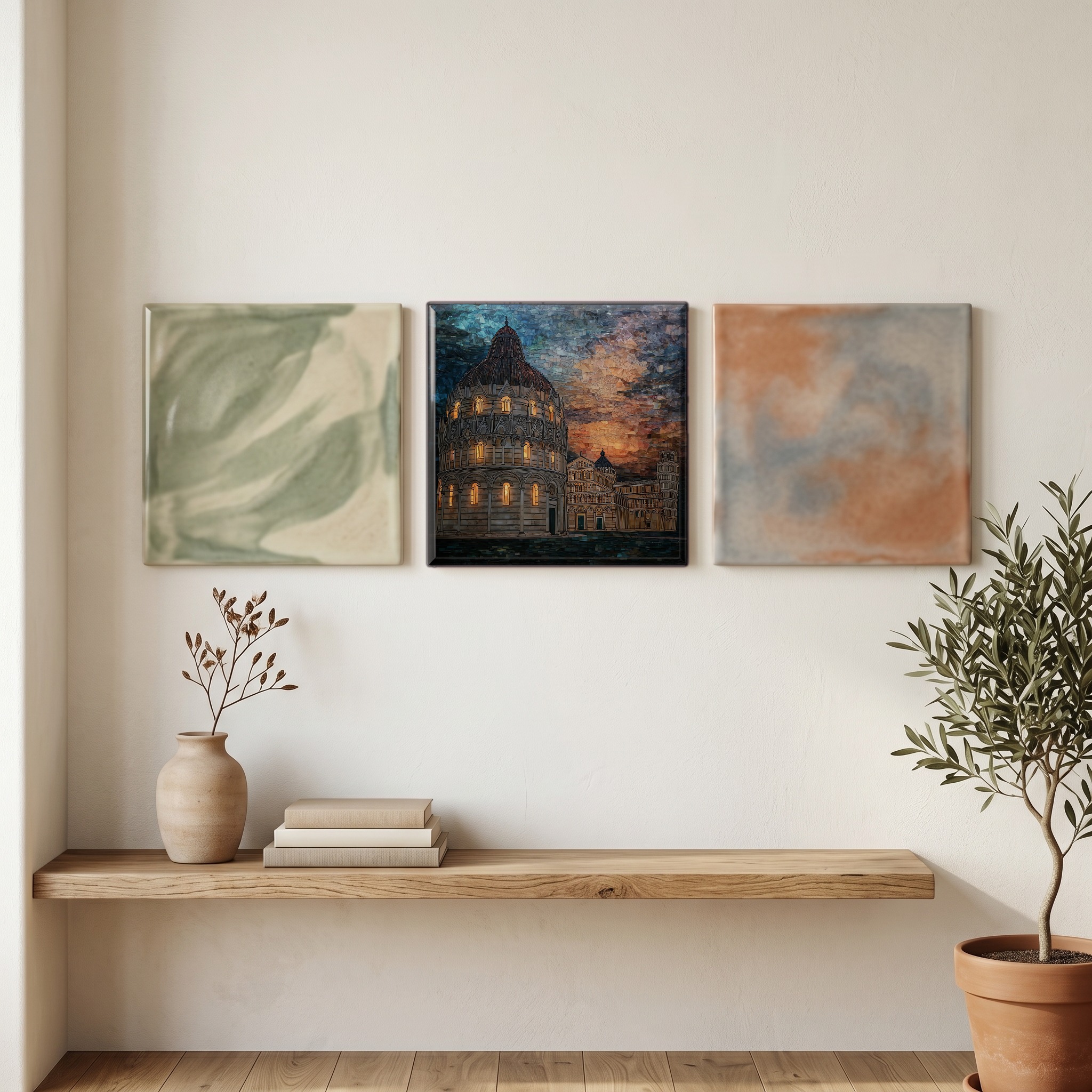
Three or five different vistas, hung together — a chapter of places you've been, or want to go.
The place, in three passes.
The Baptistery of St. John stands on the Piazza dei Miracoli in Pisa, the Tuscan city about 80 kilometres west of Florence near the mouth of the Arno. It is one of four monuments on the grass field UNESCO inscribed in 1987: the Cathedral, the Bell Tower, the Camposanto, and the Baptistery itself. At 54.86 metres tall and 107.24 metres around the base, it is the largest baptistery in Italy. Construction began in 1152 under the Pisan architect Diotisalvi and was completed in 1363, so the building wears two styles: Romanesque arches at the base, Gothic pinnacles overhead. It leans about 0.6 degrees, the same soft Pisan subsoil that tilts the tower.
The exterior is Carrara marble, quarried about 50 kilometres up the Tyrrhenian coast in the Apuan Alps. The lower register is pure Romanesque, with blind arcades and rounded arches set by Diotisalvi's workshop in the twelfth century. Above that, the surface changes hands. Nicola Pisano and his son Giovanni added the Gothic upper ring of pointed gables, pinnacles, and pierced tracery in the late 1200s. Inside, on a hexagonal pulpit of the same white marble completed by Nicola Pisano in 1260, six panels carry scenes from the life of Christ. The pulpit, signed and dated, is considered a turning point in Italian sculpture, the first place the classical body returns after a thousand years.
The Baptistery is open daily, with hours that shift by season, roughly 9 a.m. to 8 p.m. in summer and 10 a.m. to 5 p.m. in winter, managed by the Opera della Primaziale Pisana, the cathedral works office that has cared for the Piazza dei Miracoli for nearly a thousand years. A combined ticket gets you into the Cathedral, the Camposanto, and the Museo dell'Opera del Duomo as well. The acoustic is the thing not to miss. About every half hour a custodian steps to the centre of the floor and sings a few rising notes; the double-shelled dome holds each tone for nearly ten seconds, so the voice meets itself coming back and a chord builds in the air. People stop talking.