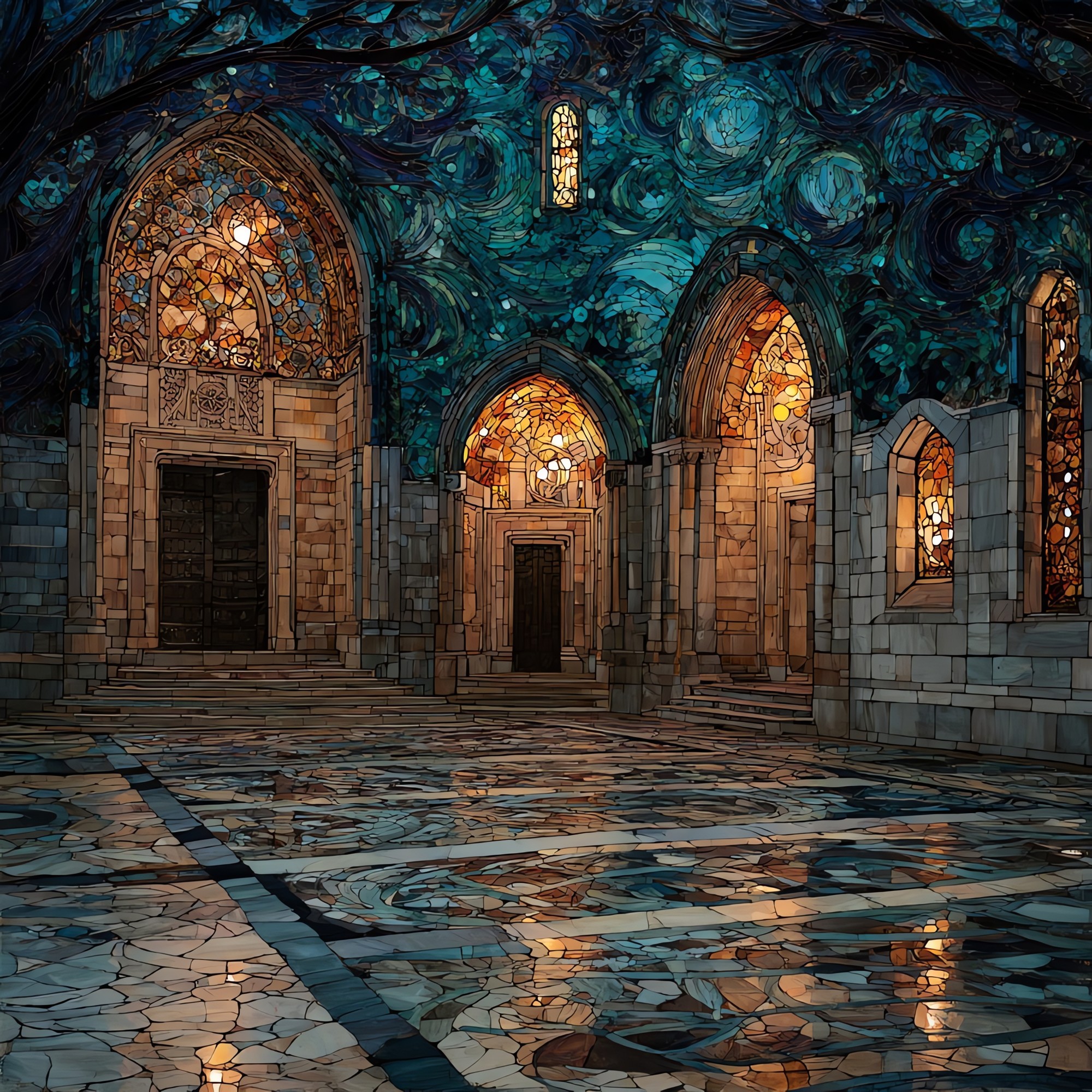
Otranto Cathedral
— the tree that grew across the whole floor.
Not only on a wall.
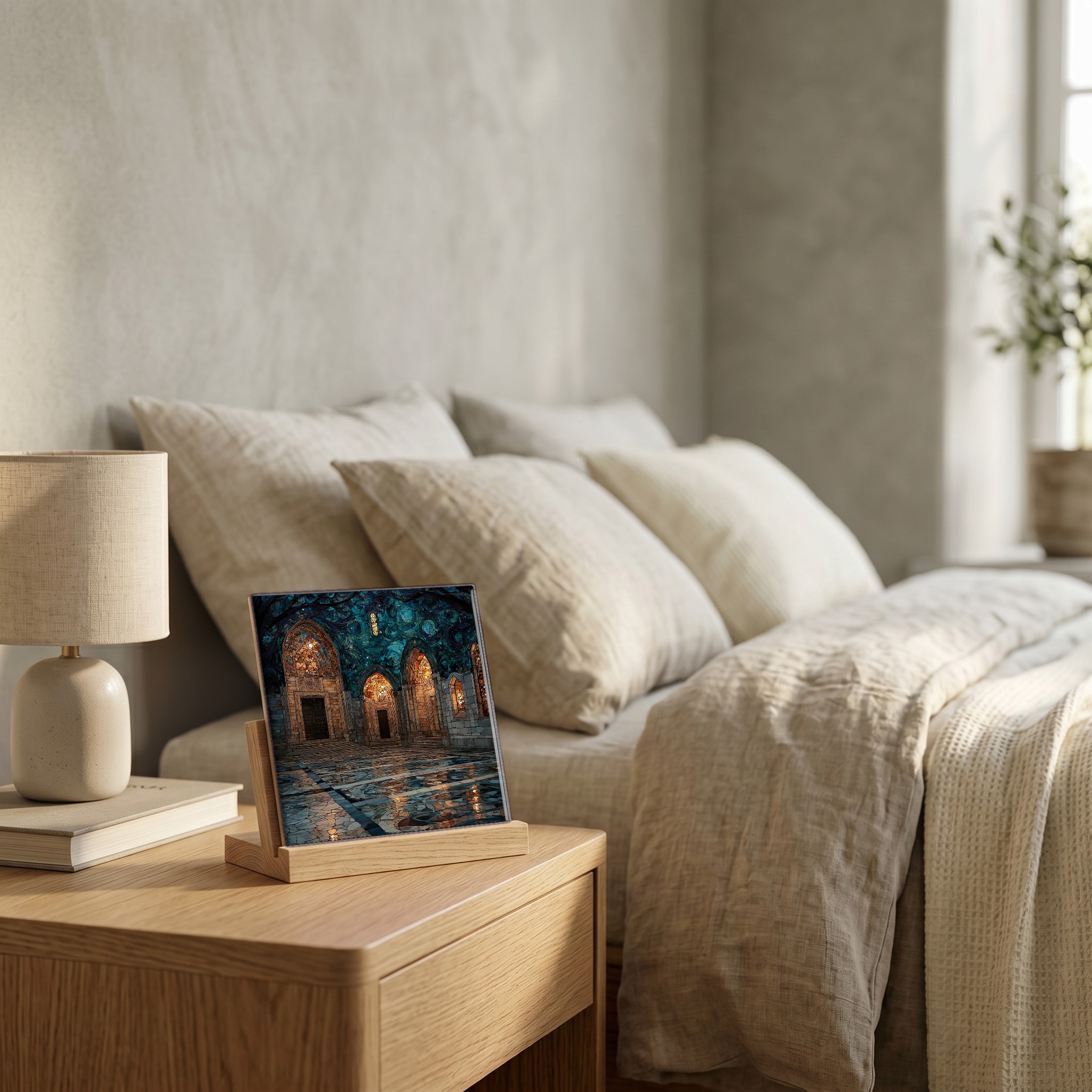
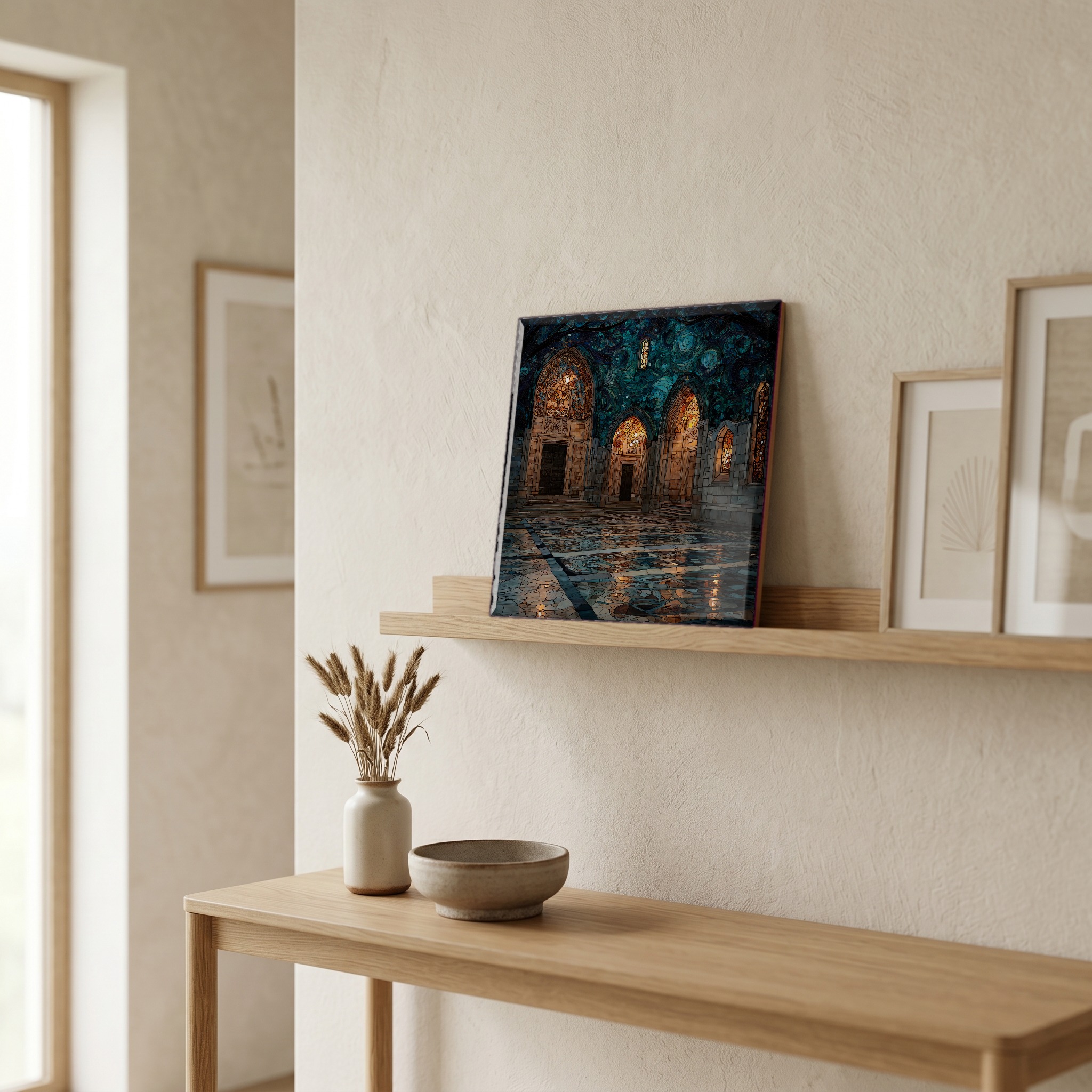
“The whole floor is one drawing. A monk named Pantaleone spent two years laying it down in stone, a tree that climbs the length of the nave with Adam and Noah and King Arthur tucked into its branches. People have walked across it for more than eight hundred years and it is still here, still growing toward the altar. Otranto sits at the far eastern edge of Italy's heel, the first town in the country the morning reaches. Inside, the light comes down through the rose window and the floor holds it.
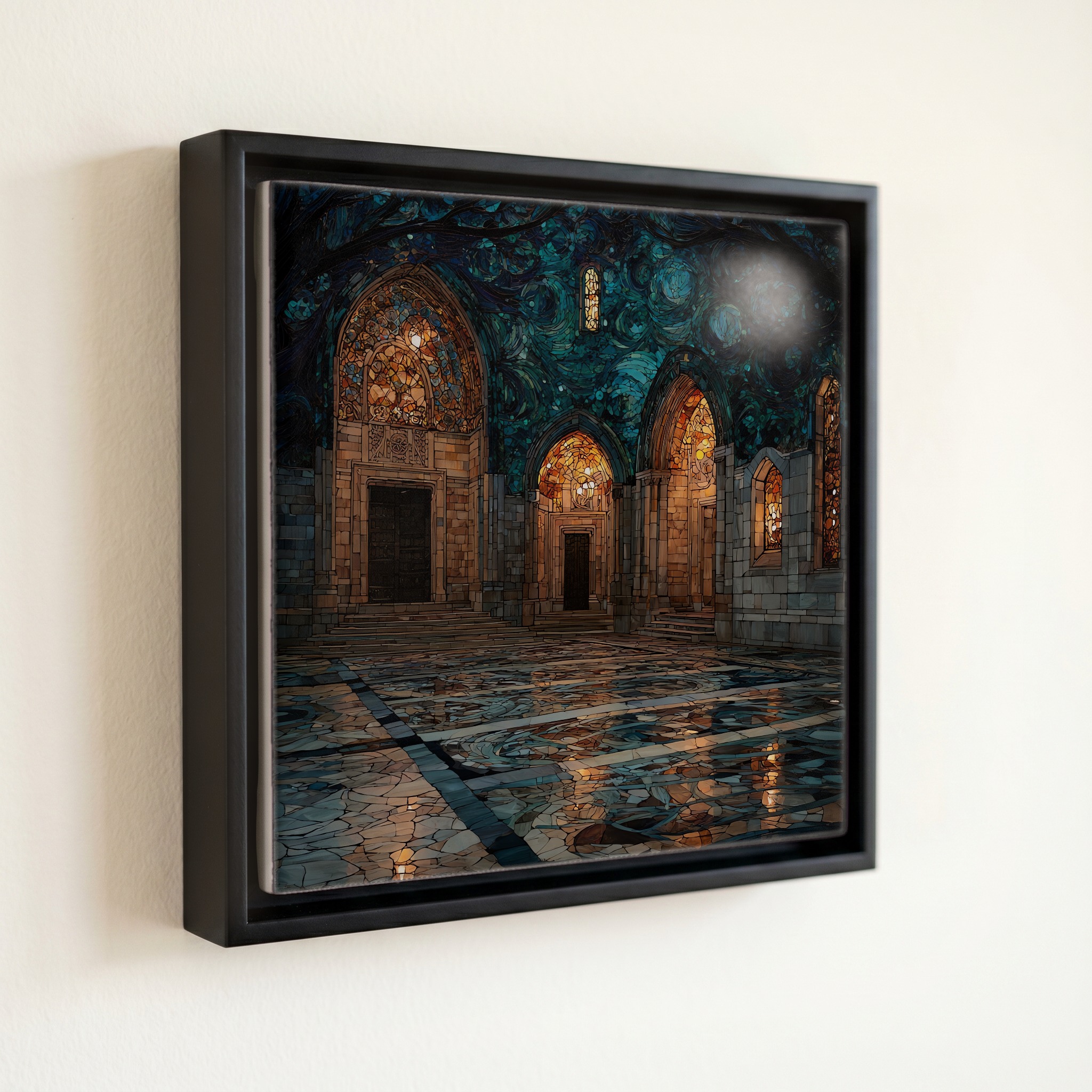
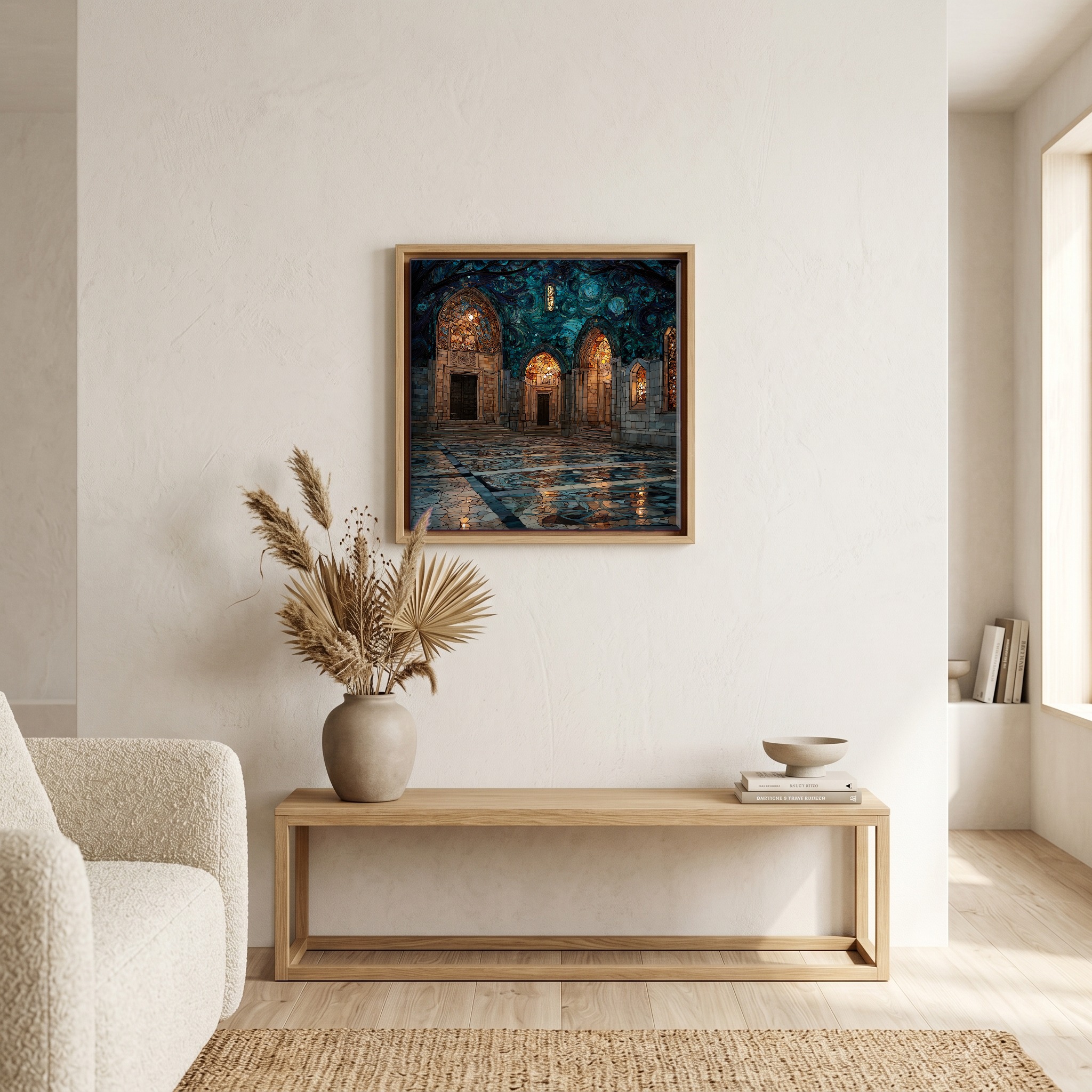
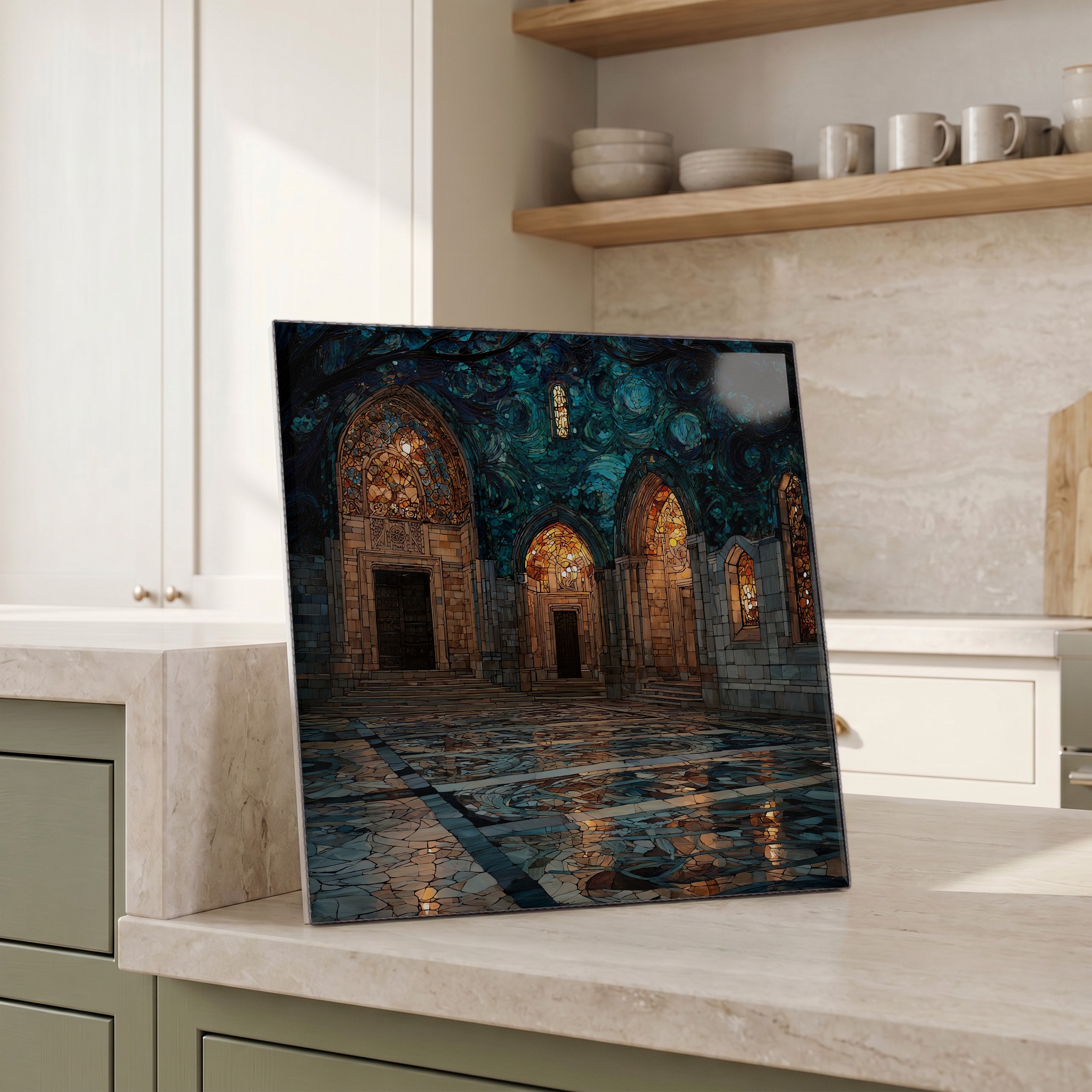
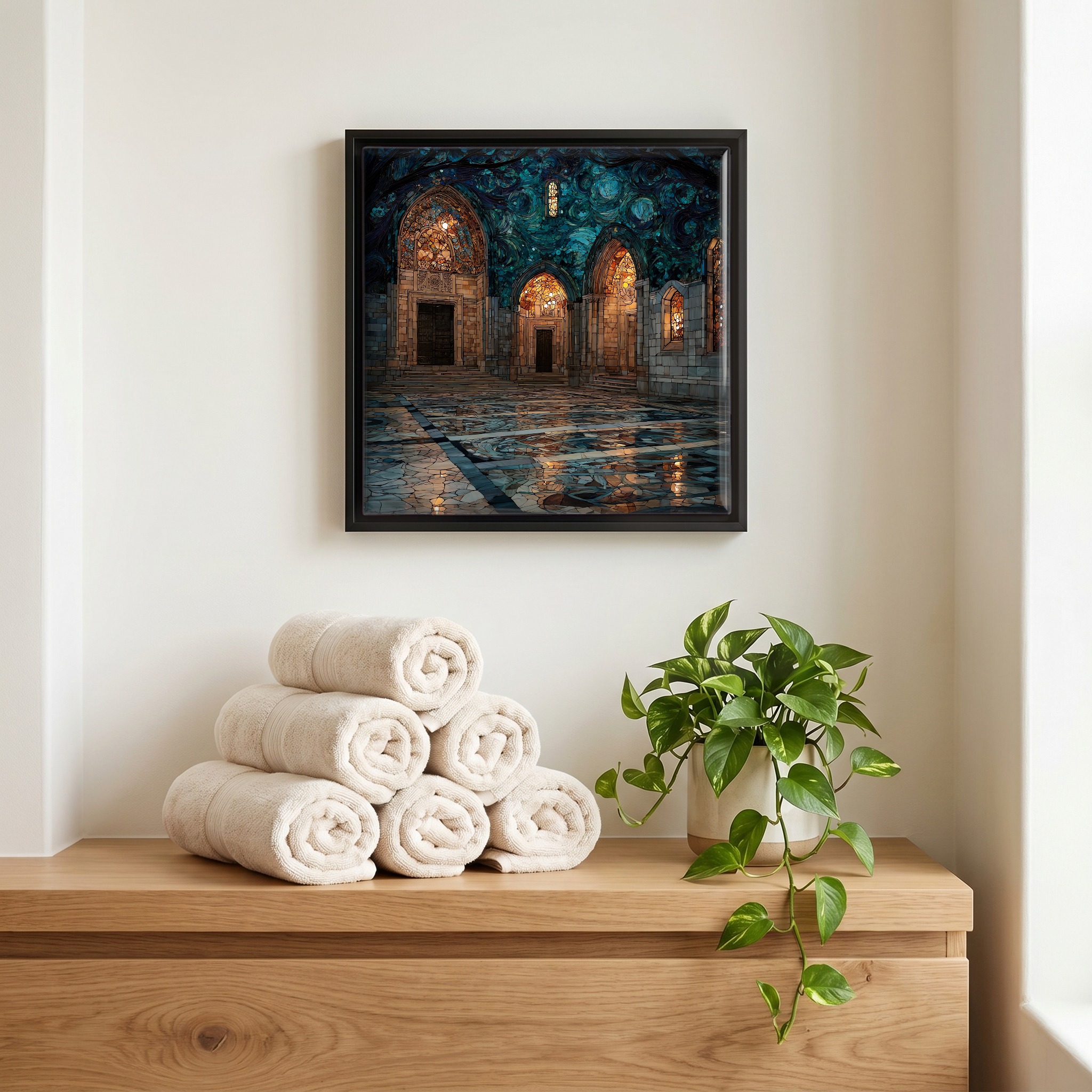
Otranto Cathedral, on ceramic.
Each tile is finished by hand in our Knoxville studio. Artwork is slowly infused into the ceramic surface under high heat and pressure, and rests beneath a thin glossy finish. The colour lives in the surface, not on top of it.
Pick any four 4-inch tiles — National Parks you've been to, a Smokies set, the four seasons of one place. $ for a set of , cork-backed, ready to live on the table.
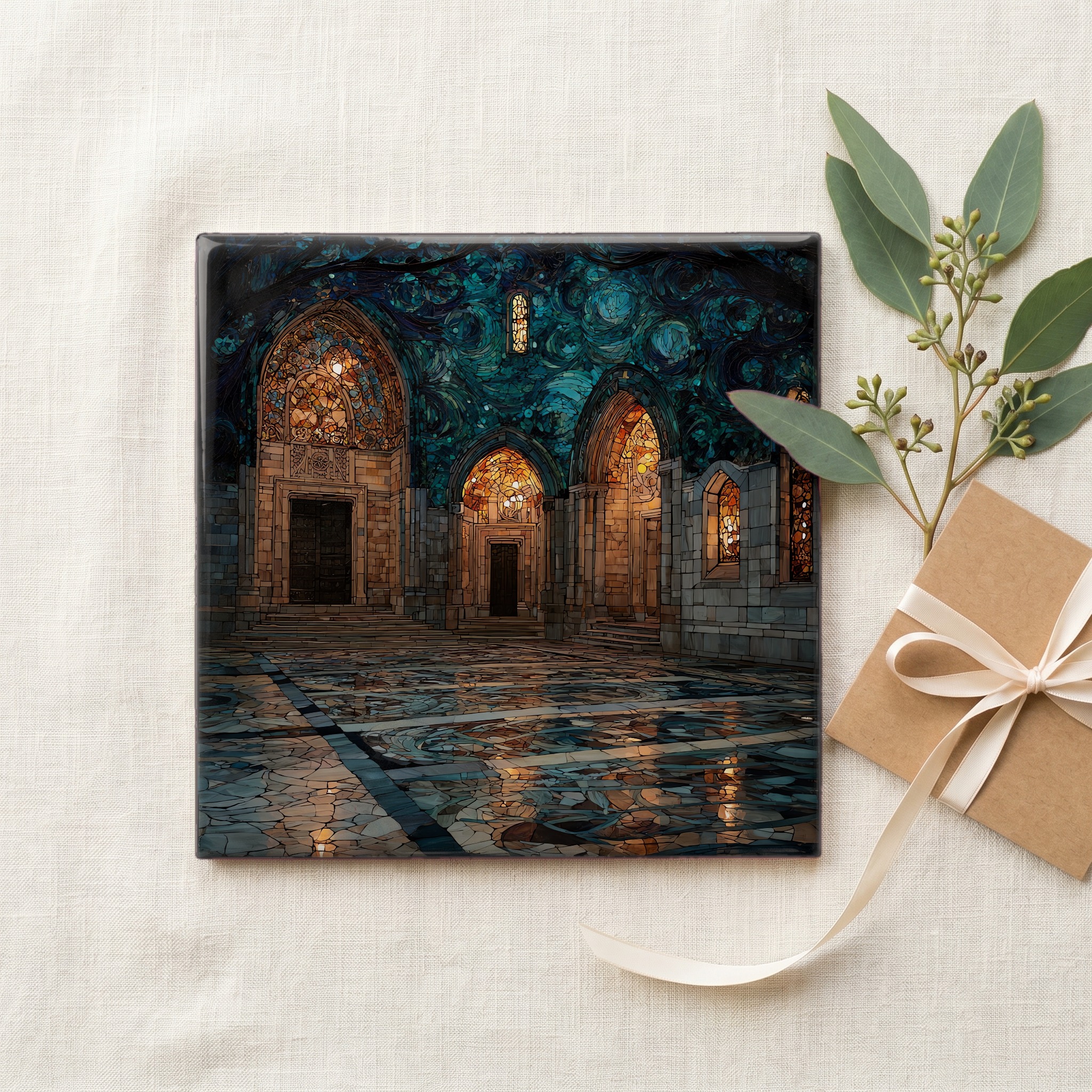
Each tile ships in a kraft box, tied with cream ribbon, with a handwritten note from the studio if you'd like to add one.
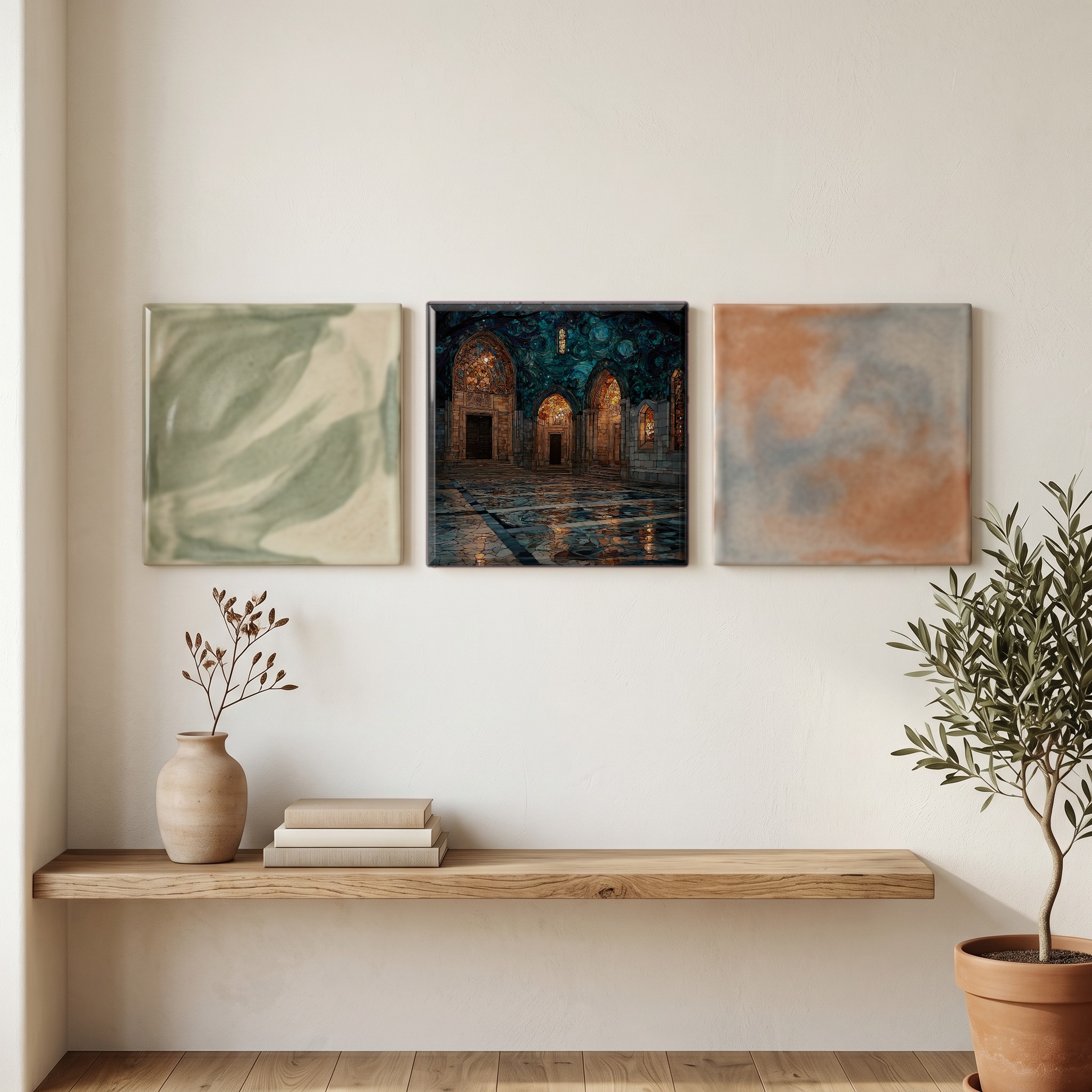
Three or five different vistas, hung together — a chapter of places you've been, or want to go.
The place, in three passes.
Otranto Cathedral stands at the top of the old town of Otranto, the easternmost municipality in Italy, on the Adriatic coast of the Salento peninsula in the province of Lecce, Puglia. Norman bishop William founded it in 1068, and it was consecrated on 1 August 1088 under Pope Urban II. The plan is a three-aisled basilica, fifty-four metres long and twenty-five wide, its nave carried on forty-two monolithic columns of granite and marble taken from older buildings. An eleventh-century crypt of more than seventy columns runs beneath it. The building joins Byzantine, early-Christian, and Romanesque work, with a Gothic rose window set into the facade after 1480.
The floor is the reason people come. Between 1163 and 1165 a monk named Pantaleone laid roughly 600,000 limestone tesserae across nearly the whole church, the only complete Norman-era mosaic floor left in Italy. It reads as one enormous tree, the arbor vitae, rooted at the west door and climbing toward the altar. In its branches and roundels are the months of the year, the labours of the seasons, the Flood with God's hand on Noah, Adam and Eve leaving the garden, and a crowned King Arthur, Rex Arturus, riding a goat. Pantaleone worked for Archbishop Jonathas and was likely trained at the nearby Abbey of San Nicola di Casole.
A side chapel holds the dead of one day. On 14 August 1480, after an Ottoman force under Gedik Ahmed Pasha took the town, the chronicles record that 813 citizens of Otranto were beheaded on the Hill of the Minerva for refusing to give up their faith. Their bones and skulls are set behind glass in seven tall cases around the Chapel of the Martyrs, built early in the sixteenth century to keep them. Pope Clement XIV beatified them in 1771, and Pope Francis declared them saints on 13 May 2013, the Martyrs of Otranto. The room is small and quiet, and it keeps the memory of a single day.