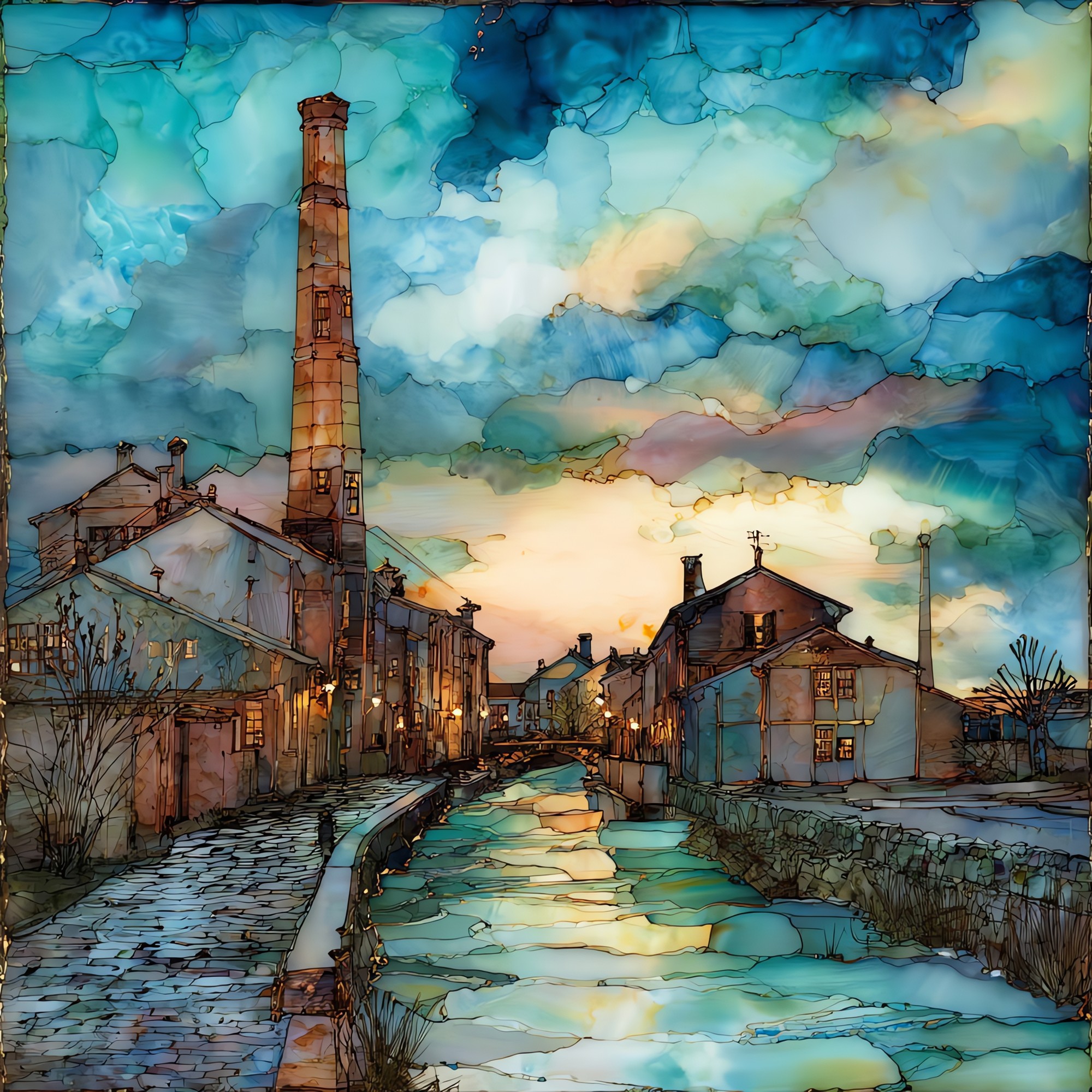
Murano
— the colour fire leaves in glass.
Not only on a wall.
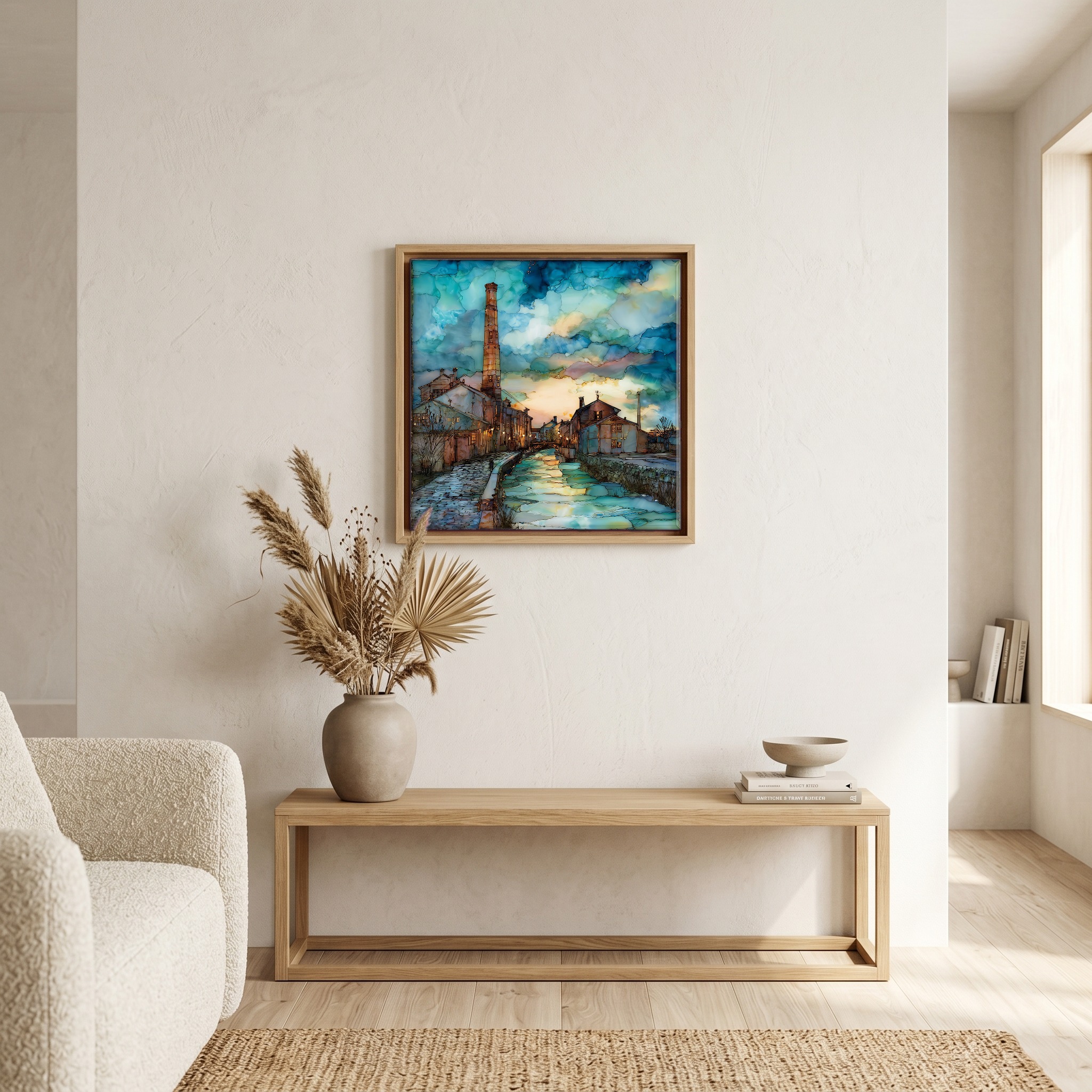
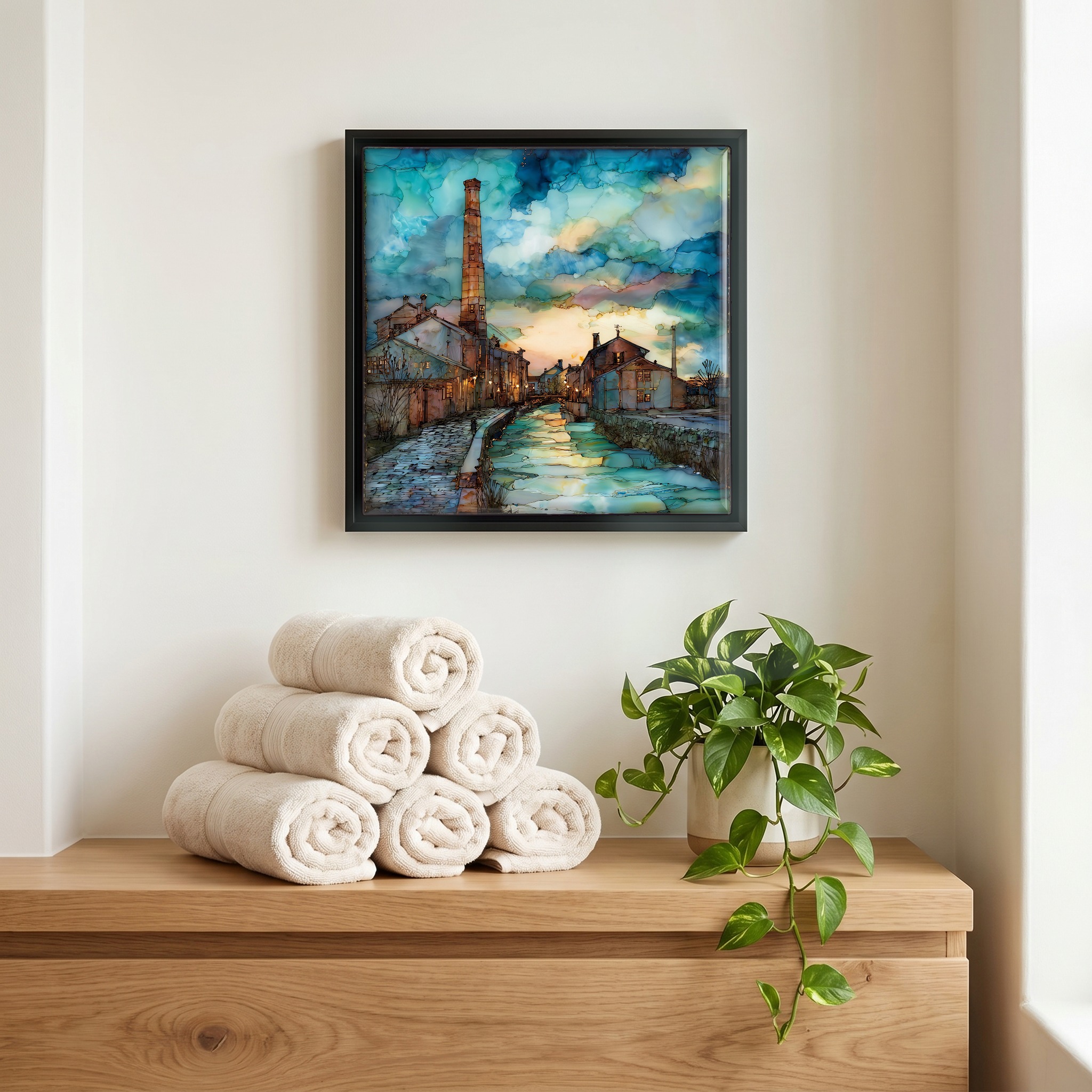
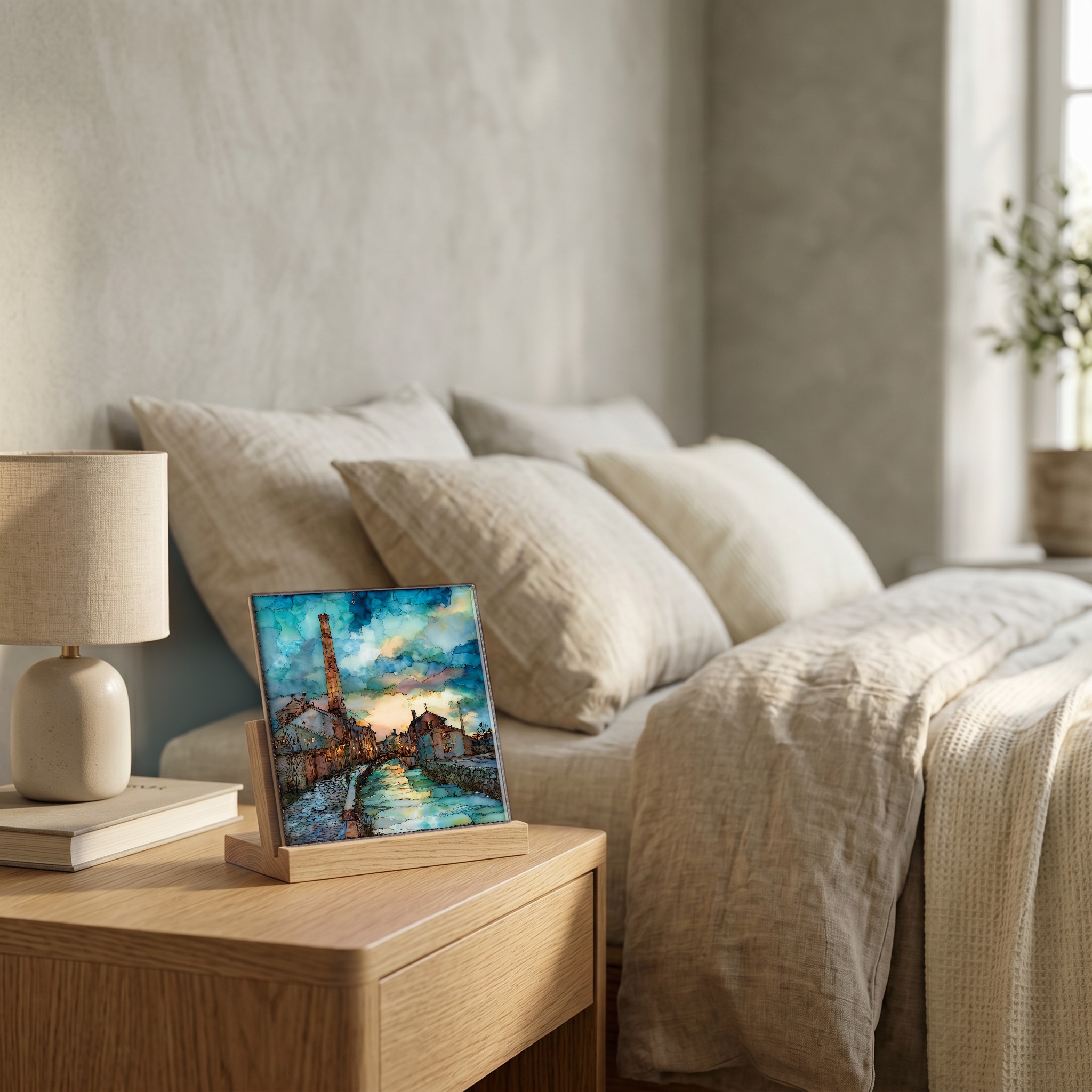
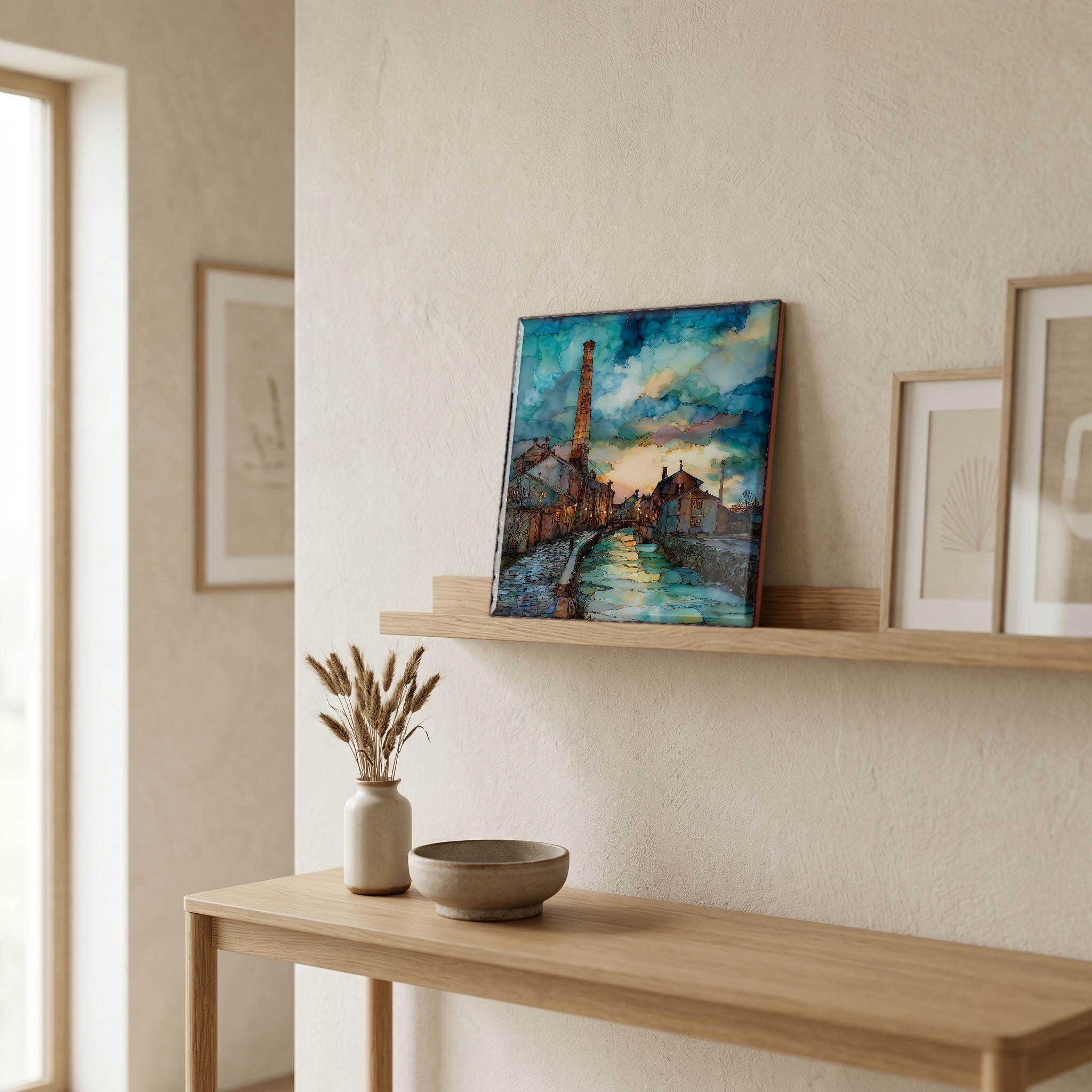
“A scatter of islands a mile north of Venice, joined by bridges across narrow canals. In 1291 the Republic ordered every glassmaker out of the city; the furnaces were burning the wooden palaces down. Seven centuries later the fornaci along the Fondamenta dei Vetrai still pull molten glass at dawn, and the campanile of Santi Maria e Donato still rises above the lagoon water as it has since the twelfth century. The vaporetto from Fondamente Nove takes ten minutes. People come for an afternoon and stay until the light goes orange on the brick.
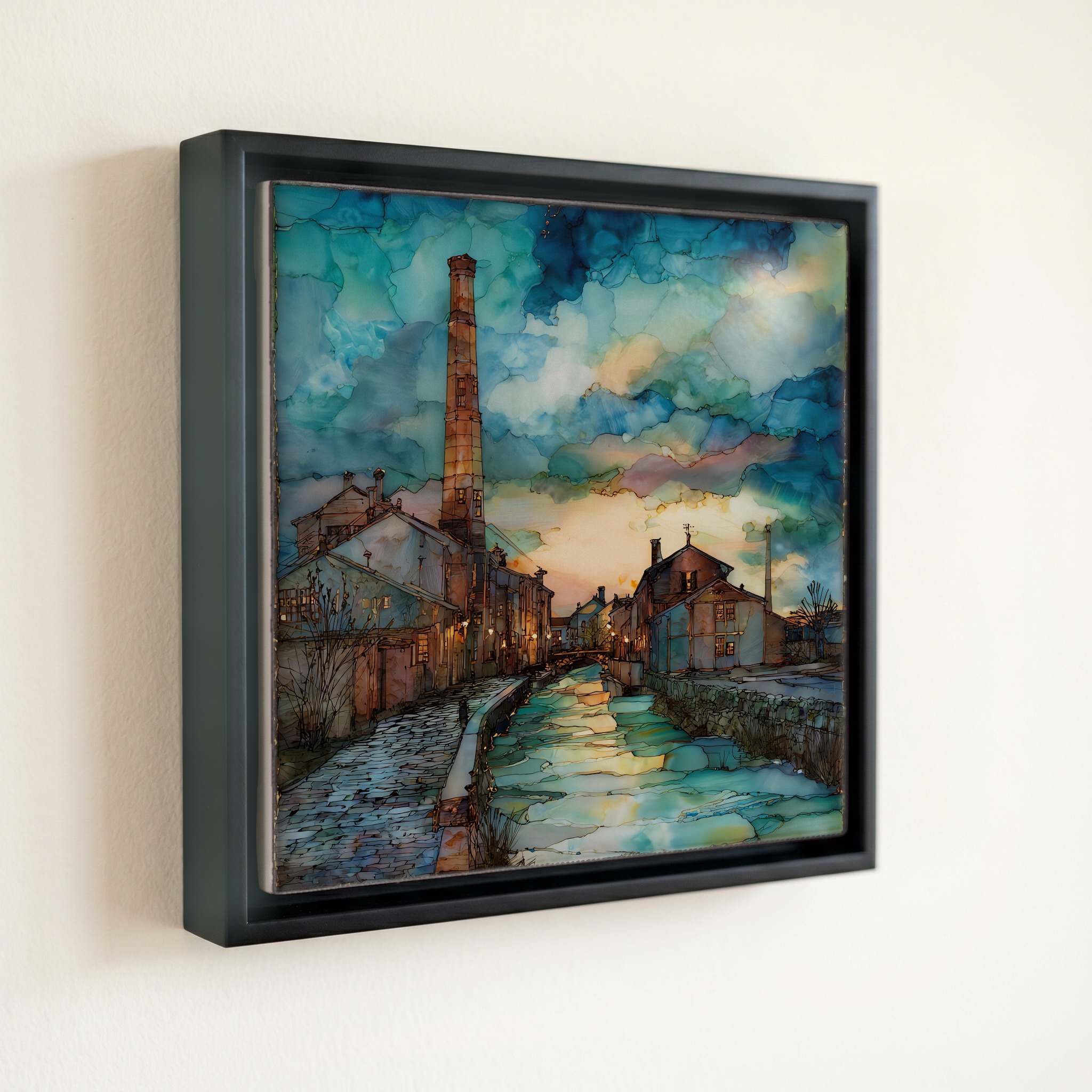
Murano, on ceramic.
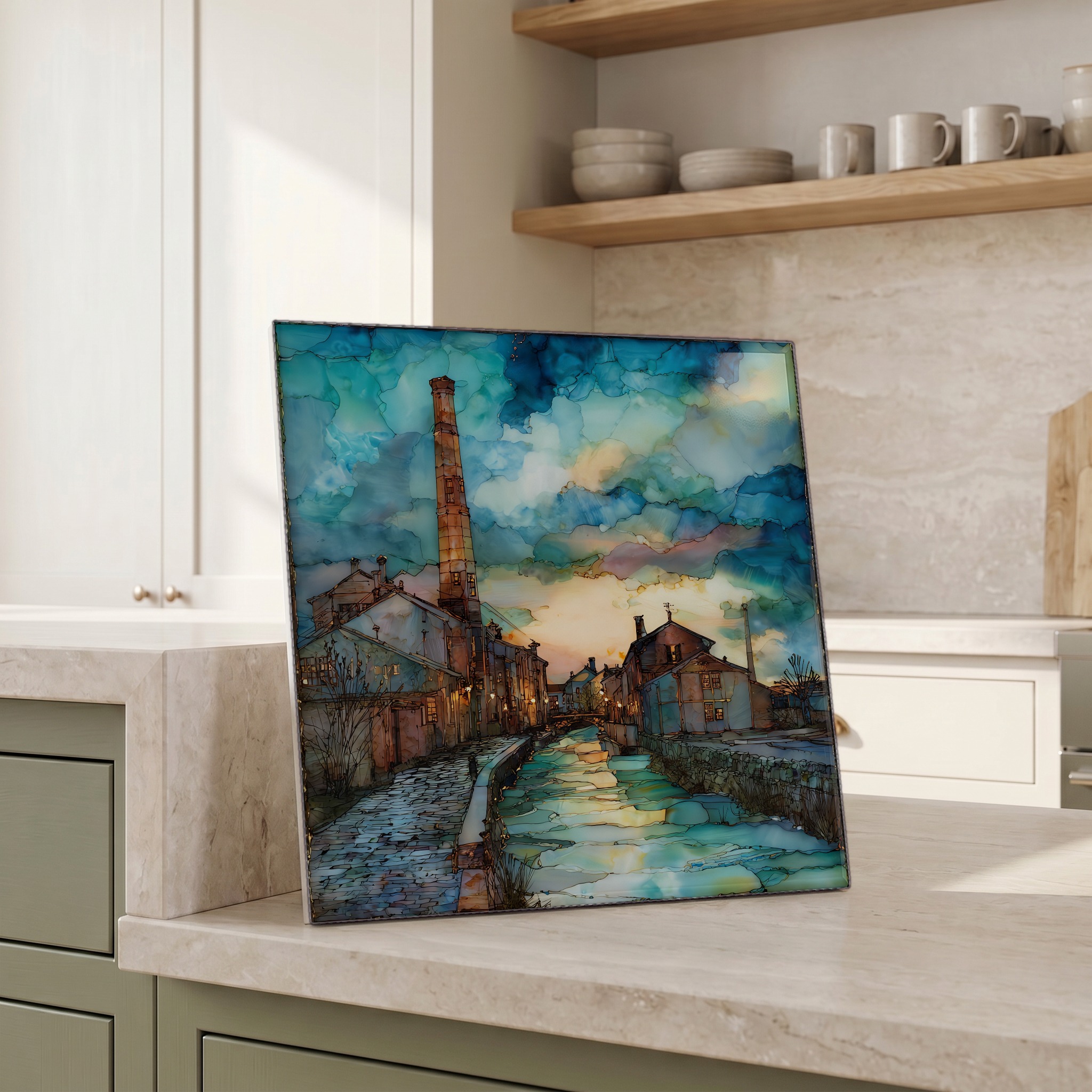
Each tile is finished by hand in our Knoxville studio. Artwork is slowly infused into the ceramic surface under high heat and pressure, and rests beneath a thin glossy finish. The colour lives in the surface, not on top of it.
Pick any four 4-inch tiles — National Parks you've been to, a Smokies set, the four seasons of one place. $ for a set of , cork-backed, ready to live on the table.
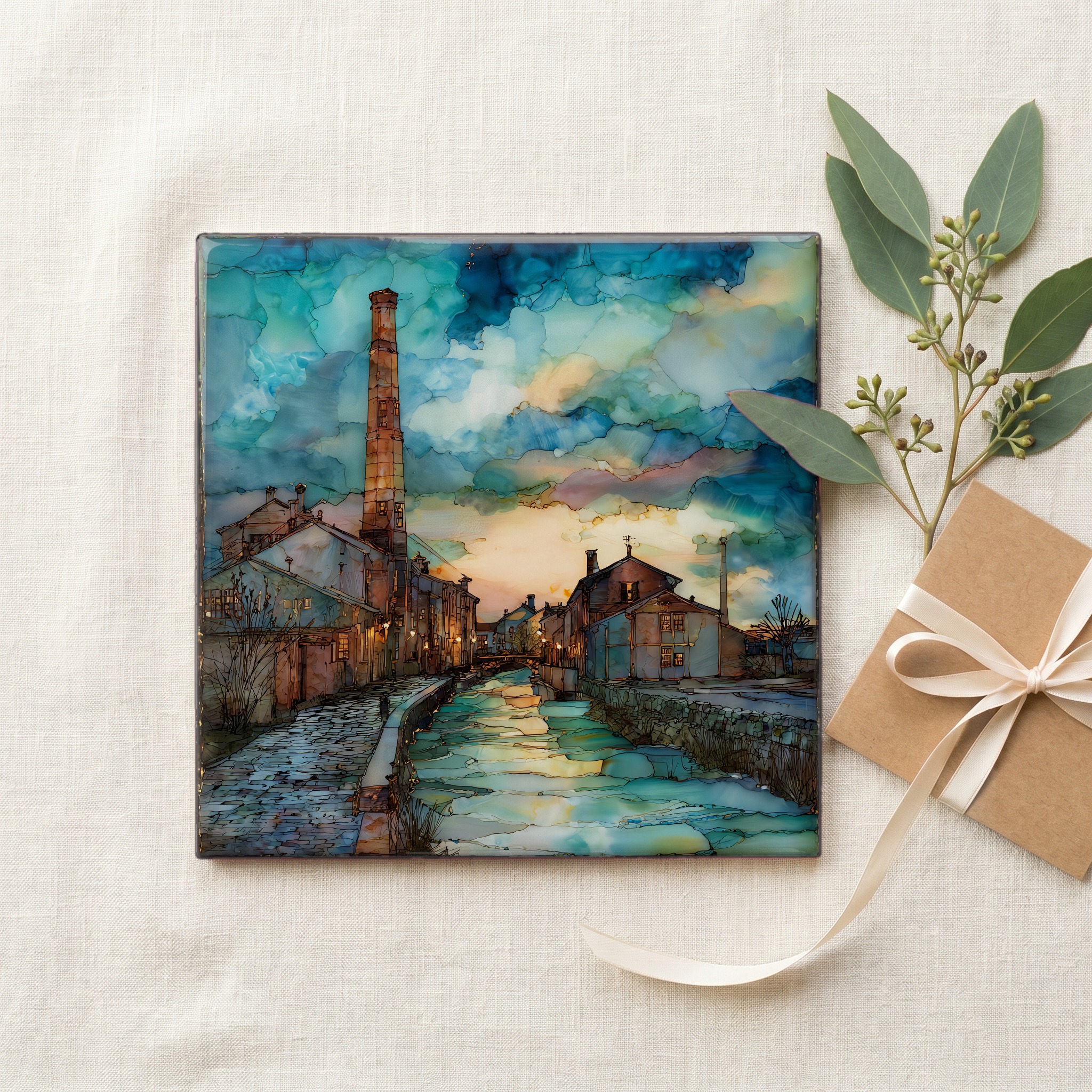
Each tile ships in a kraft box, tied with cream ribbon, with a handwritten note from the studio if you'd like to add one.
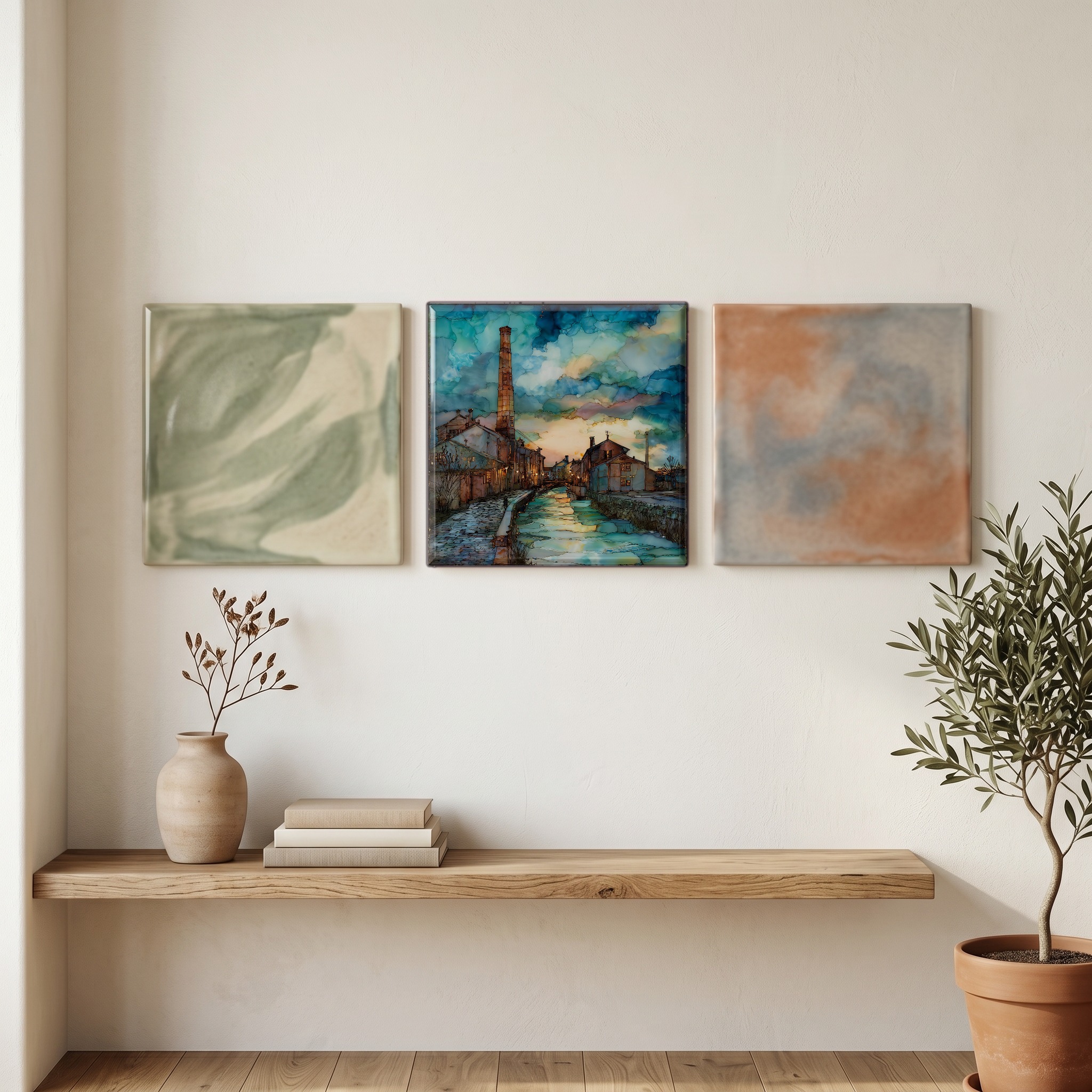
Three or five different vistas, hung together — a chapter of places you've been, or want to go.
The place, in three passes.
Murano is a cluster of seven small islands in the Venetian Lagoon, joined by bridges and divided by narrow canals that mirror Venice in miniature. The islands lie about a mile north of Cannaregio and are administratively part of the Comune di Venezia. The total area is roughly 1.17 square kilometres and the resident population sits around four thousand. Access is by vaporetto: ACTV lines 4.1, 4.2, and 12 cross the lagoon from Fondamente Nove in about ten minutes. The principal waterway, the Canal Grande di Murano, runs through the centre of the islands; near its northern end stands the twelfth-century Basilica dei Santi Maria e Donato, one of the oldest churches in the lagoon.
In 1291 the Maggior Consiglio of the Venetian Republic ordered every glass furnace out of Venice and onto Murano, mostly to keep the wooden city from burning down. The decree had a second effect: it concentrated centuries of technique on one small set of islands. The fornaci of Murano gave Europe lattimo (opaque white glass imitating porcelain), millefiori canes drawn from thousand-flower bundles, aventurine flecked with copper, and the clear cristallo perfected by Angelo Barovier in the fifteenth century. The guild was tightly held: master glassmakers could not leave the Republic, but their daughters were allowed to marry into Venetian nobility. The craft has run without interruption for more than seven hundred years.
The vaporetto from Fondamente Nove reaches Murano Colonna in nine to twelve minutes; lines 4.1 and 4.2 also call at Faro and Museo on their loop around the islands. The Museo del Vetro, housed in the seventeenth-century Palazzo Giustinian since 1861, holds the largest collection of Venetian glass in the world and opens daily except 25 December and 1 January. Working fornaci along the Fondamenta dei Vetrai offer short demonstrations through the day, though serious viewing requires a booked tour; visitors are asked not to film the furnace floor without permission. The Basilica dei Santi Maria e Donato is free to enter outside Mass hours, and the mosaic floor laid in 1140 repays a slow walk.