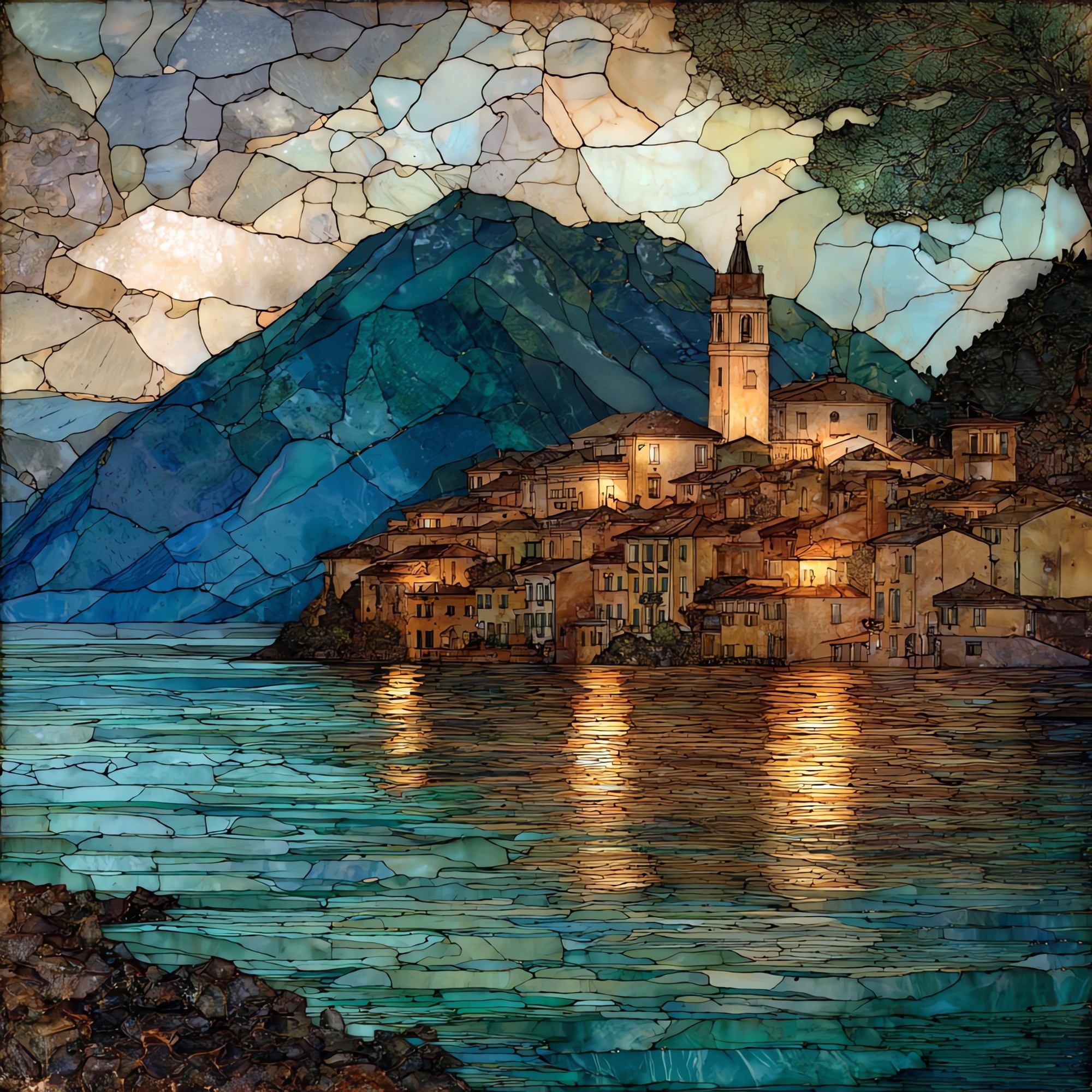
Monte Isola
— the slow walk to where the lake looks small.
Not only on a wall.
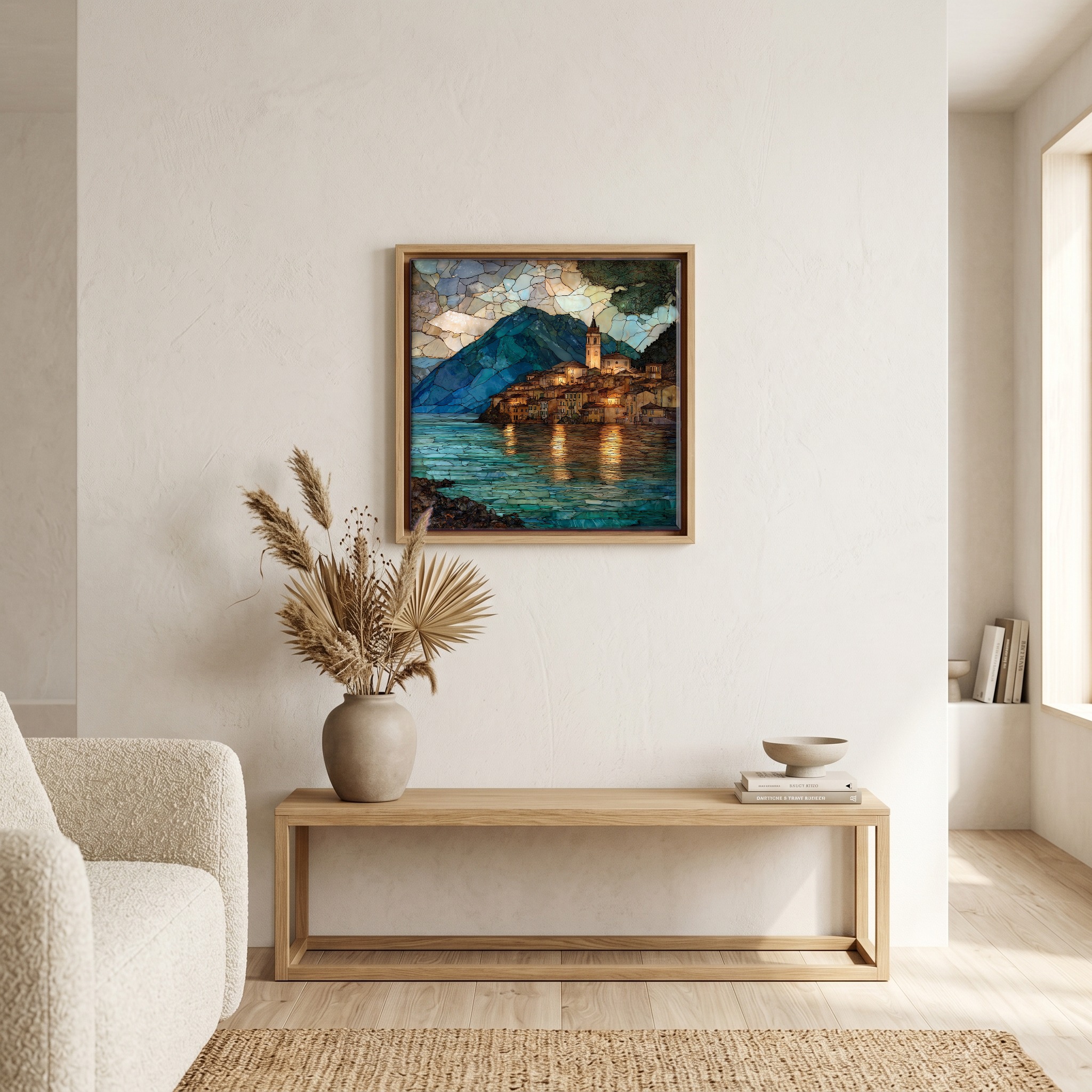
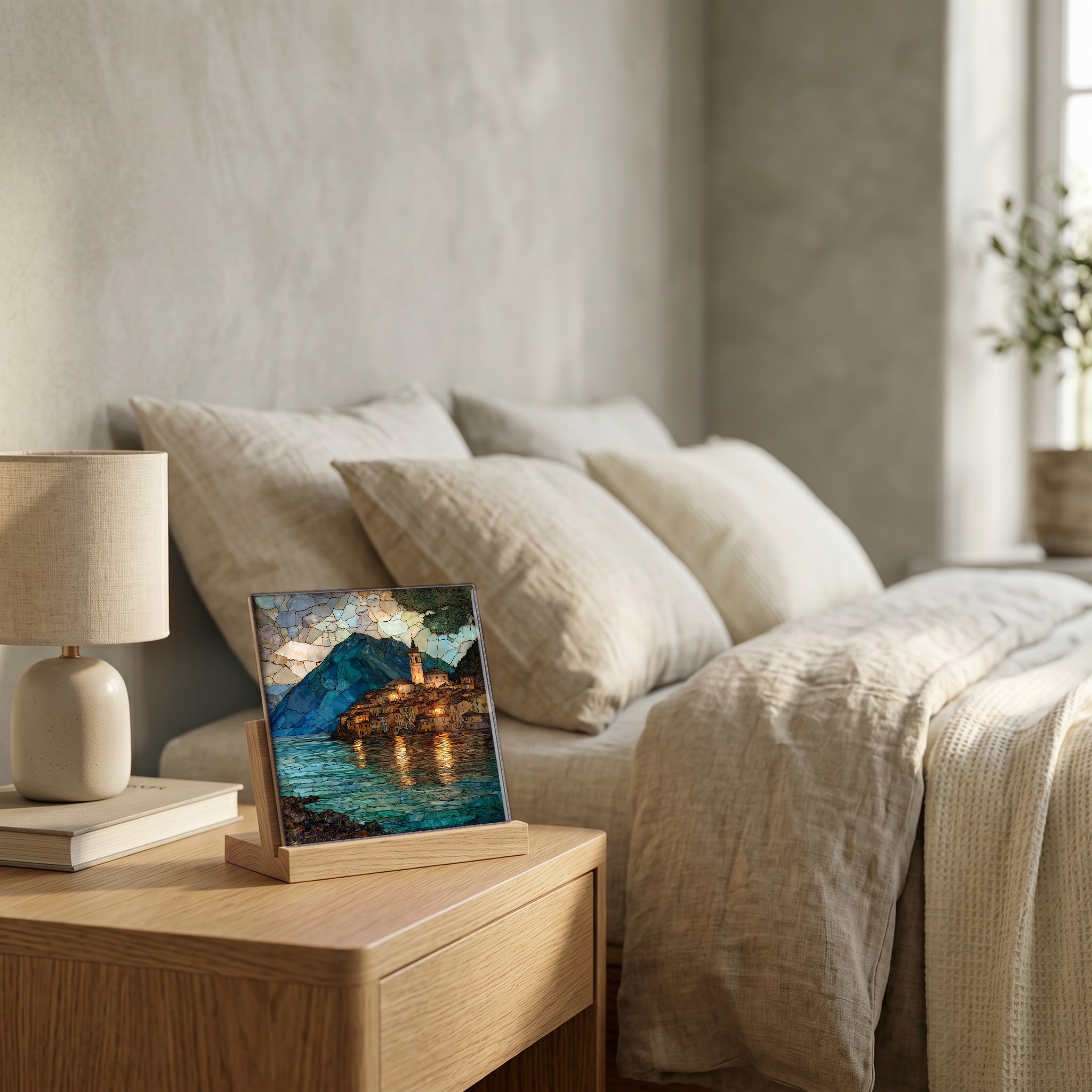
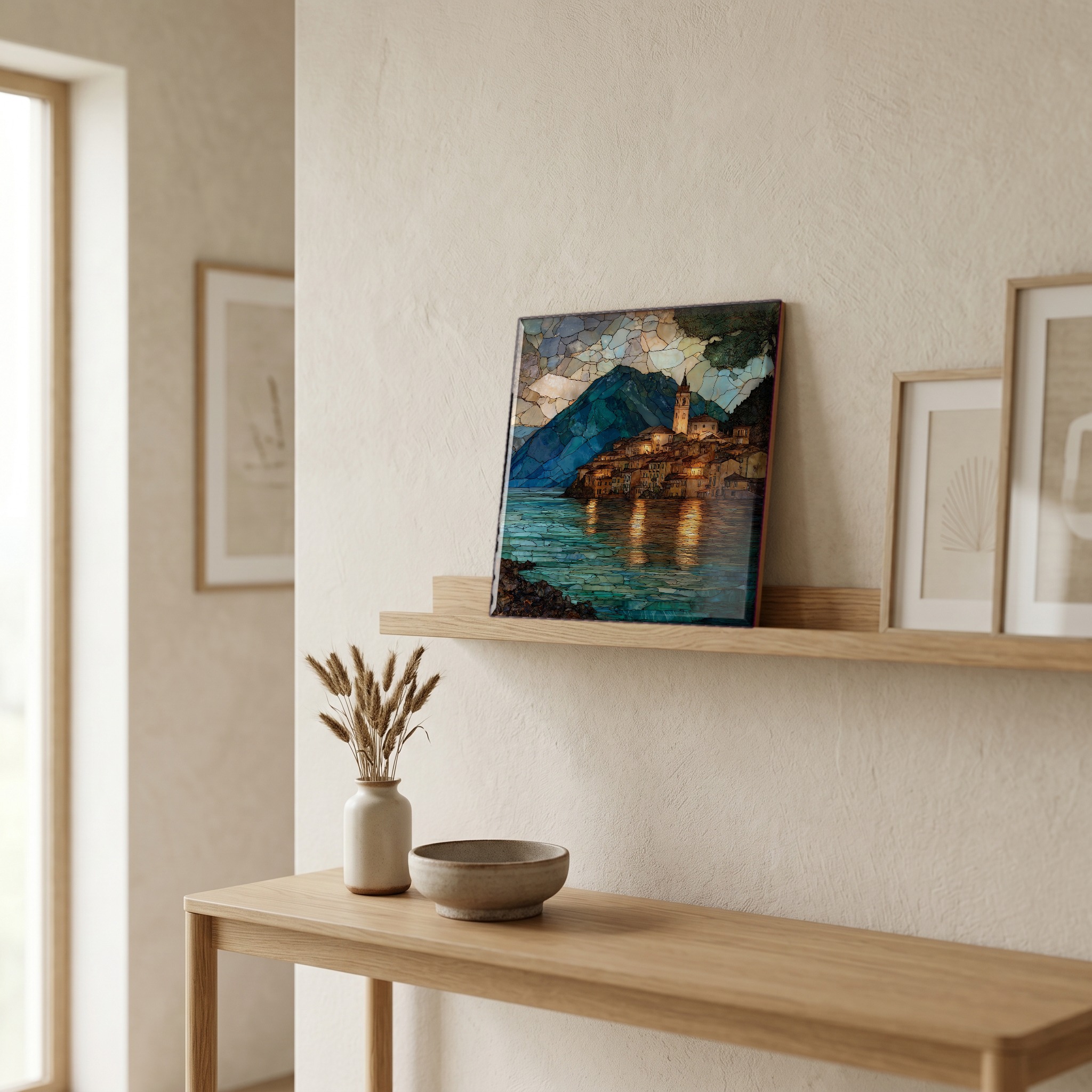
“The largest lake island in southern Europe, about four and a half square kilometres, rising four hundred metres above Lake Iseo. Cars don't run here. The mail comes by ferry from Sulzano, the bread arrives by little boat at Peschiera Maraglio, and people get up the hill by foot or bicycle, or on the small bus that loops the shore. At the summit the Madonna della Ceriola sanctuary has watched the lake since the late fifteenth century. In 2016 Christo wrapped a saffron-yellow walkway around the south end and a million people came. Then the walkway came up. The island stayed.
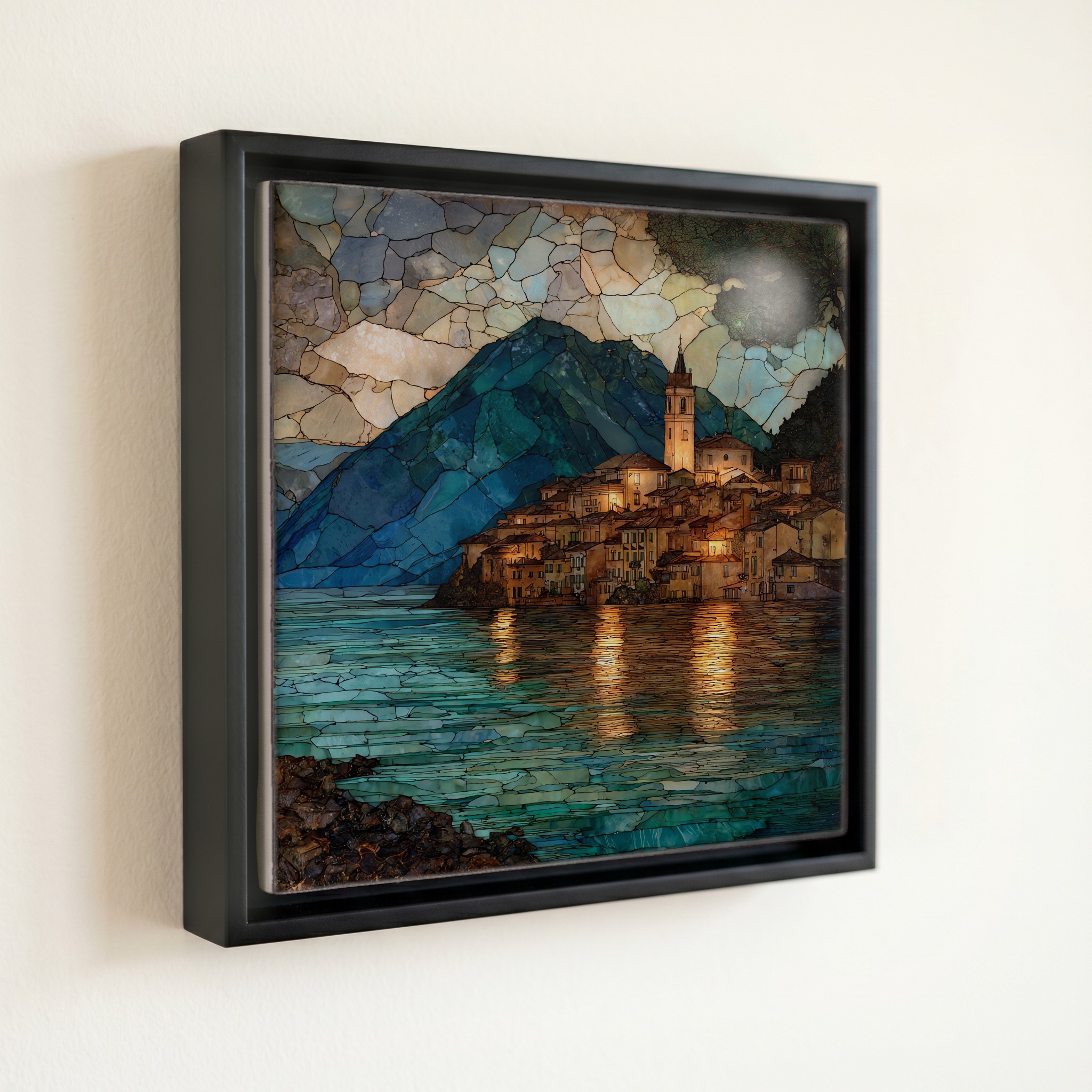
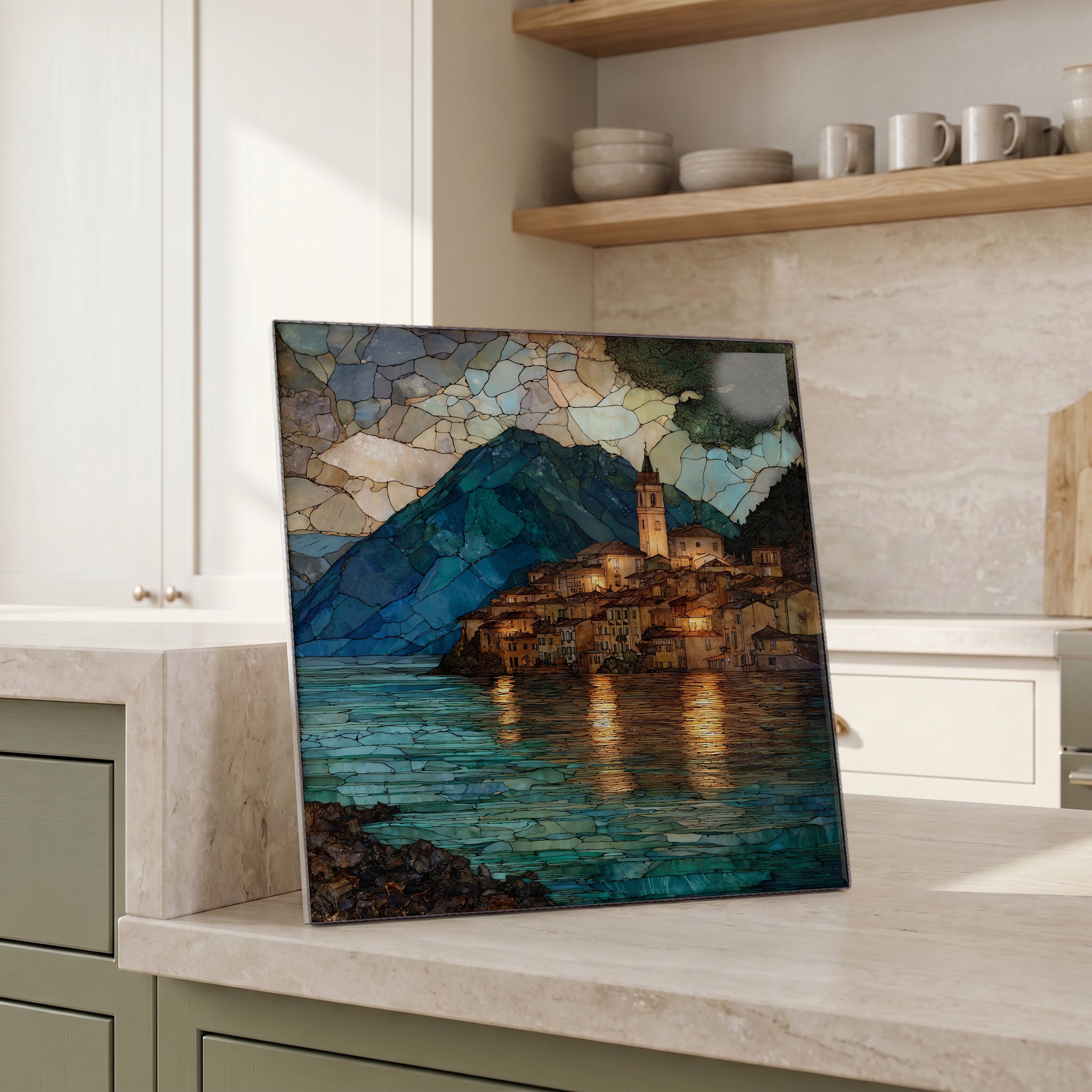
Monte Isola, on ceramic.
Each tile is finished by hand in our Knoxville studio. Artwork is slowly infused into the ceramic surface under high heat and pressure, and rests beneath a thin glossy finish. The colour lives in the surface, not on top of it.
Pick any four 4-inch tiles — National Parks you've been to, a Smokies set, the four seasons of one place. $ for a set of , cork-backed, ready to live on the table.
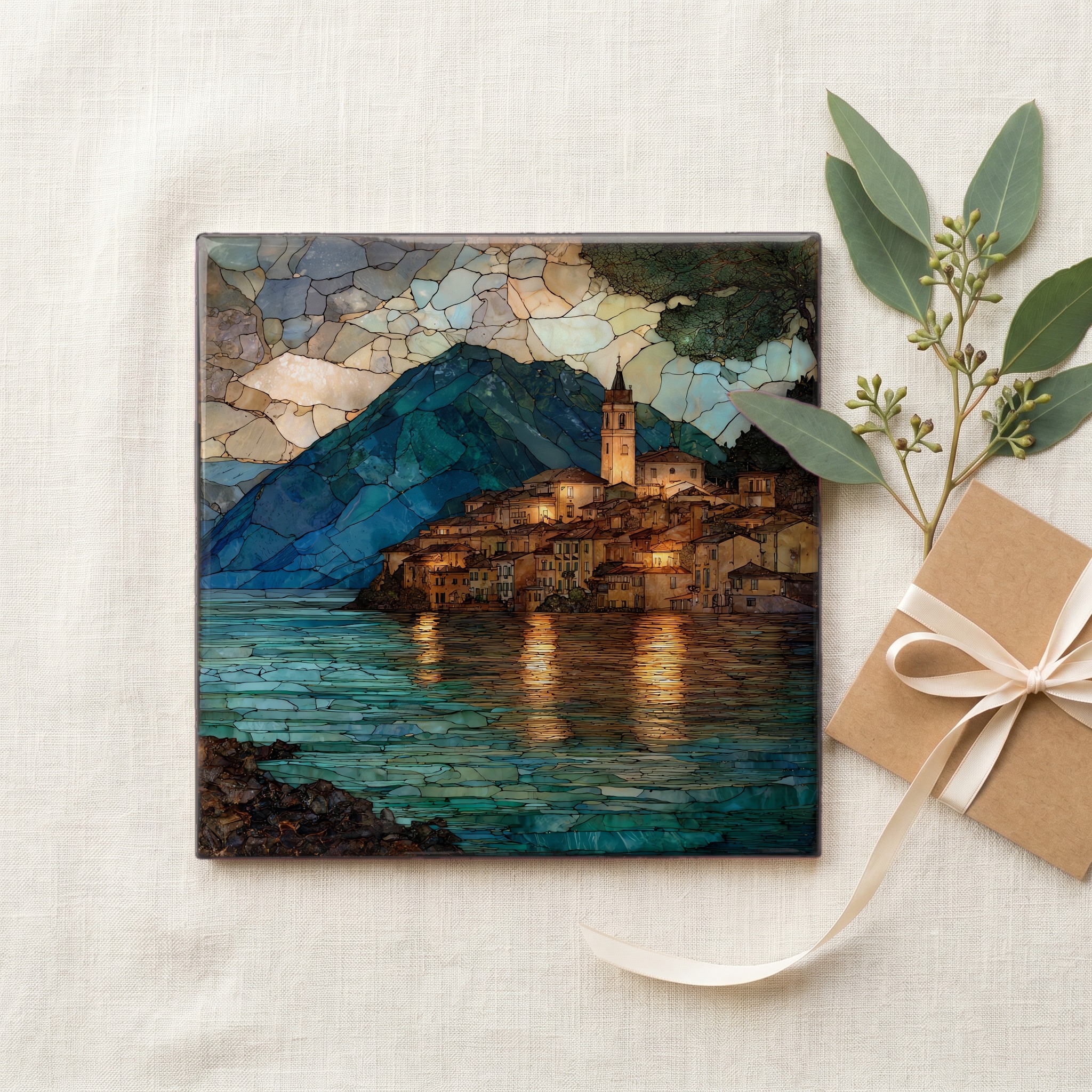
Each tile ships in a kraft box, tied with cream ribbon, with a handwritten note from the studio if you'd like to add one.
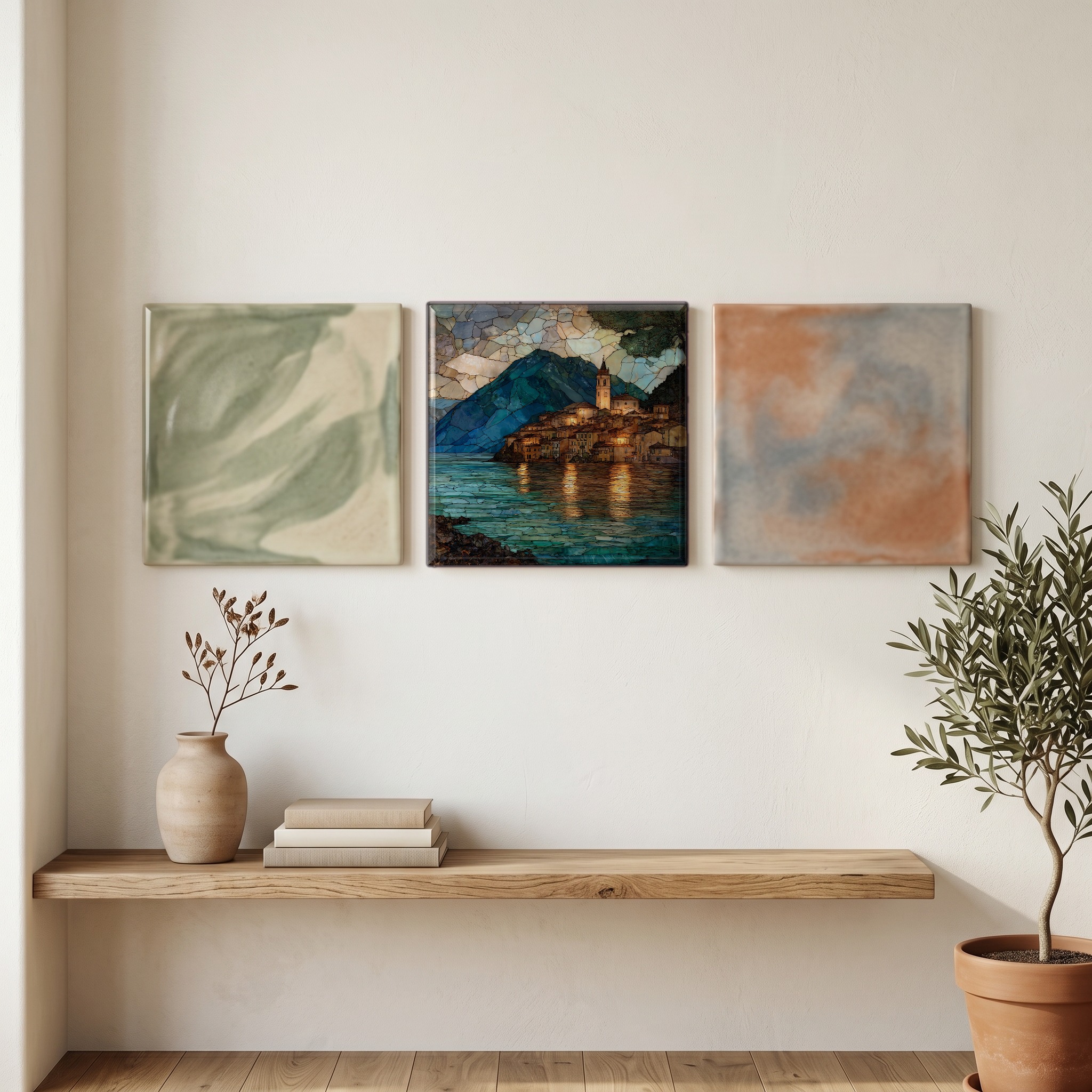
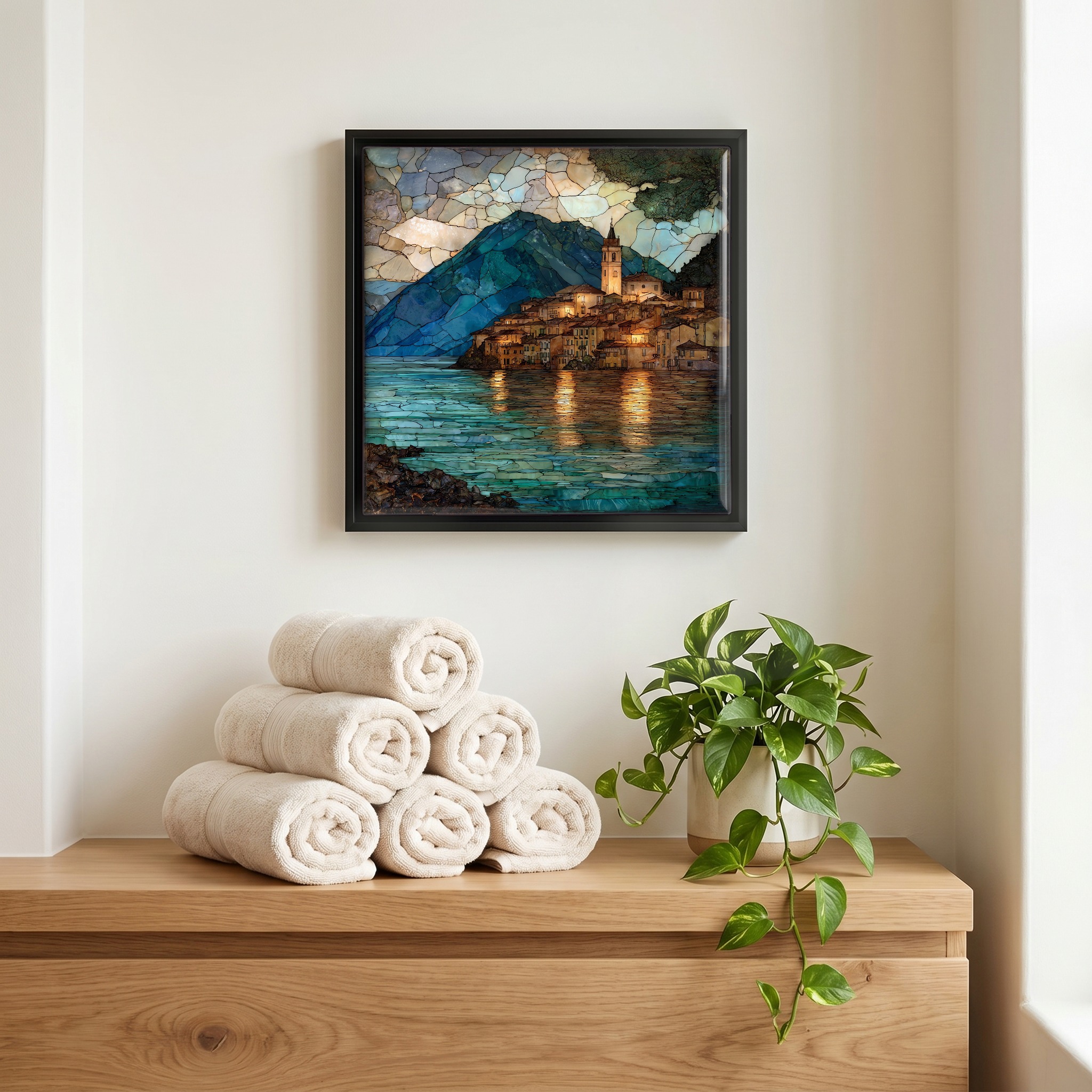
Three or five different vistas, hung together — a chapter of places you've been, or want to go.
The place, in three passes.
Monte Isola sits in the middle of Lake Iseo, in Lombardy, between the provinces of Brescia and Bergamo about ninety kilometres east of Milan. It is the largest lake island in southern Europe, about 4.5 square kilometres of forested ridge rising to roughly 600 metres at its summit, where the Madonna della Ceriola sanctuary has watched the lake since the late fifteenth century. Around 1,800 people live across eleven small frazioni: Peschiera Maraglio, Carzano, Sensole, Siviano and the others, most stacked along the shoreline. Ferries from Sulzano, Sale Marasino and Iseo make the crossing in five to ten minutes. The lake is glacial in origin, the southern end of a corridor that runs north into the Val Camonica and the Adamello range.
Private cars are not allowed on the island. Residents may apply for a permit and are limited to one vehicle each; visitors leave their cars on the mainland and step off the ferry on foot. A single municipal minibus loops the shore road. Most people travel by bicycle or scooter. The silence is not the silence of an empty place. Children meet the ferry at Peschiera Maraglio, fishermen mend nets along the harbour, and the lakeside path is quiet between arrivals. It is the silence of a place that runs on water and footsteps. The Christo and Jeanne-Claude installation of June 2016, The Floating Piers, drew 1.2 million people in sixteen days. When the walkways came up the island returned to its own pace.
The crossing from Sulzano takes about five minutes and runs every twenty minutes most of the year; the route from Iseo, through Peschiera Maraglio, takes closer to fifteen. There is no entry fee and no fixed visiting hour. Most visitors walk the lakeside loop, about nine kilometres around, or rent a bicycle in one of the harbour villages. The climb to the Madonna della Ceriola sanctuary at the summit is roughly ninety minutes on foot from Cure or Siviano, on a paved track through chestnut and olive groves. The church, built in the late fifteenth century on the site of an older shrine, is open daily and asks for nothing. The view it offers stretches from the southern shore of the lake north toward the Adamello.