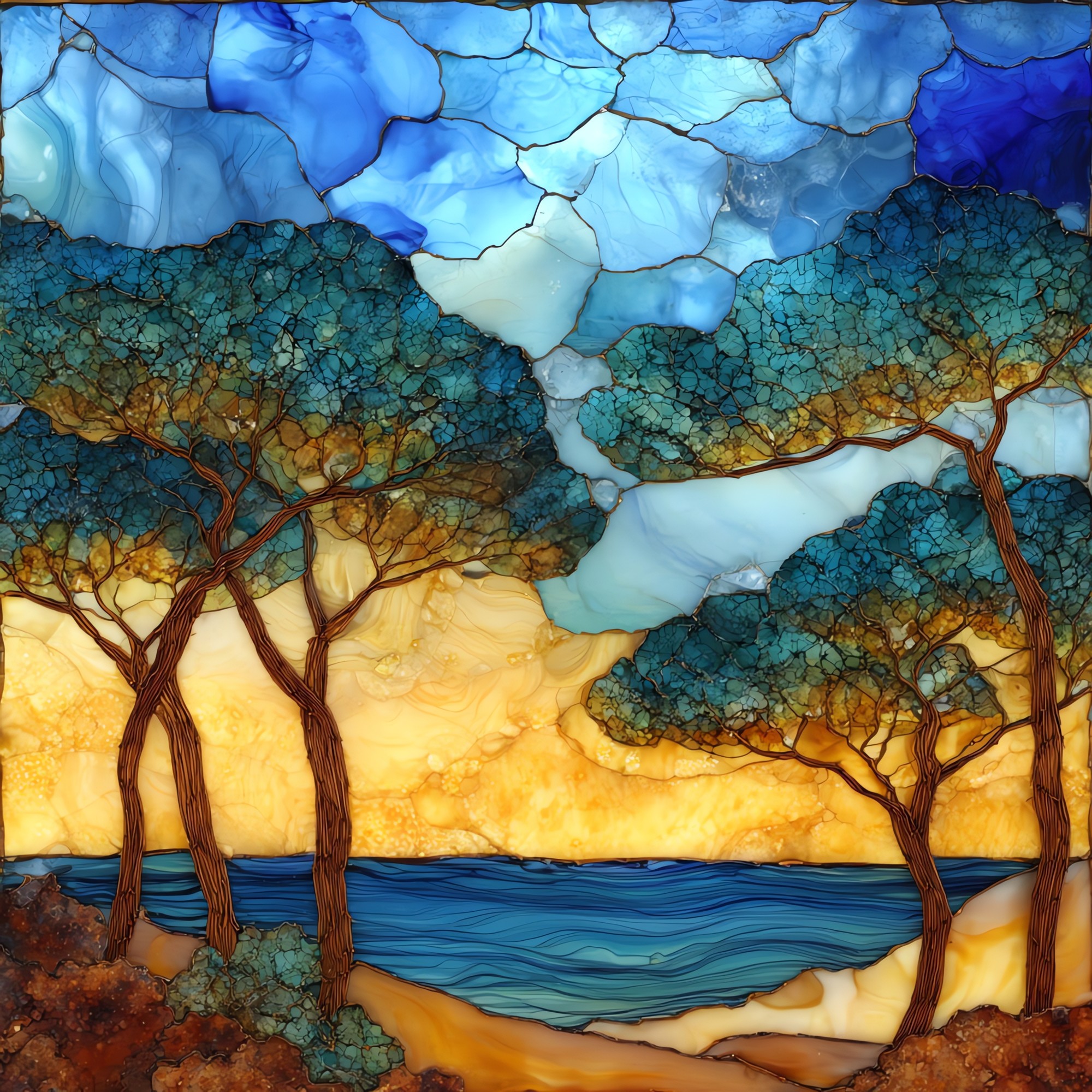
Maremma Coast
— salt, pine, and a tower over an empty sea.
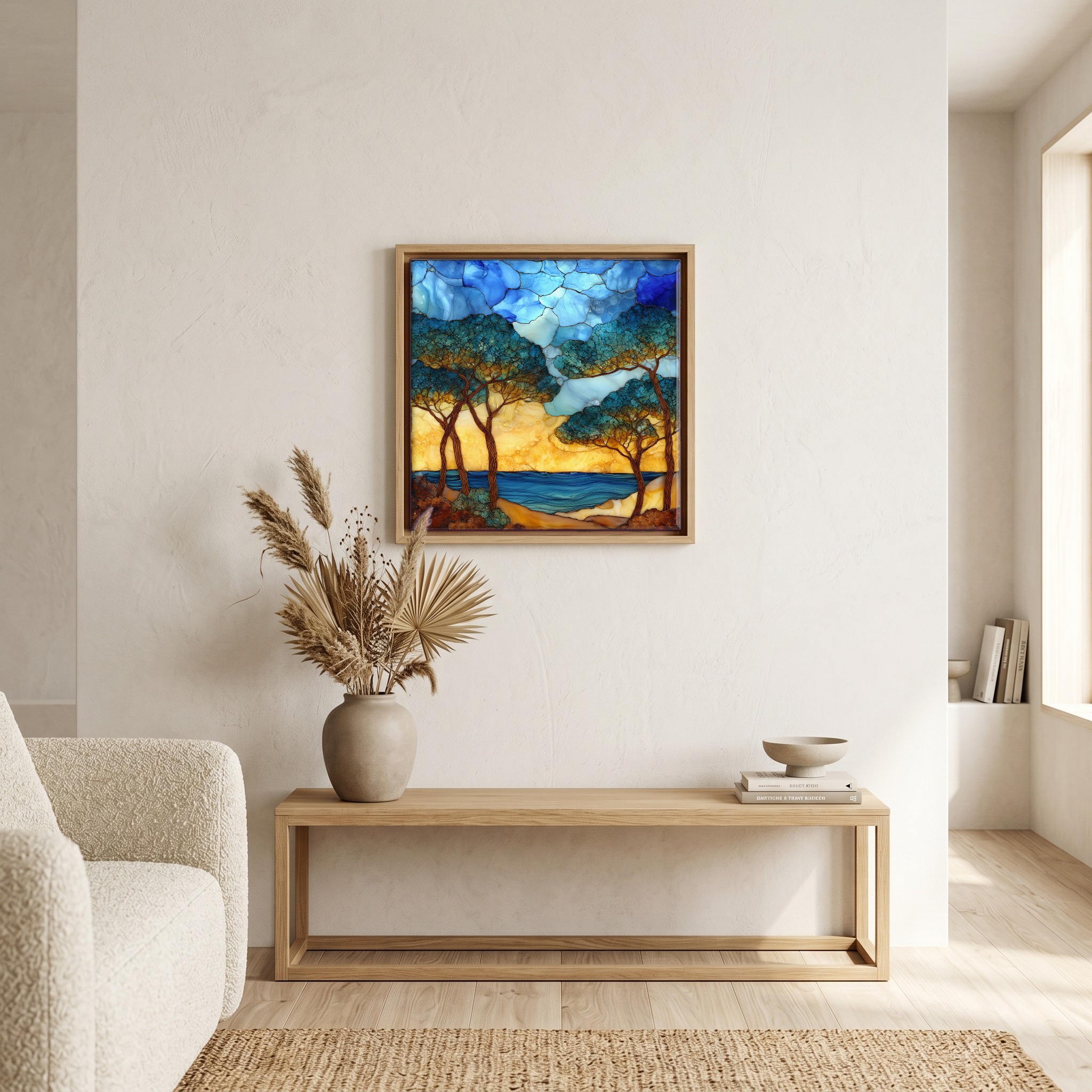
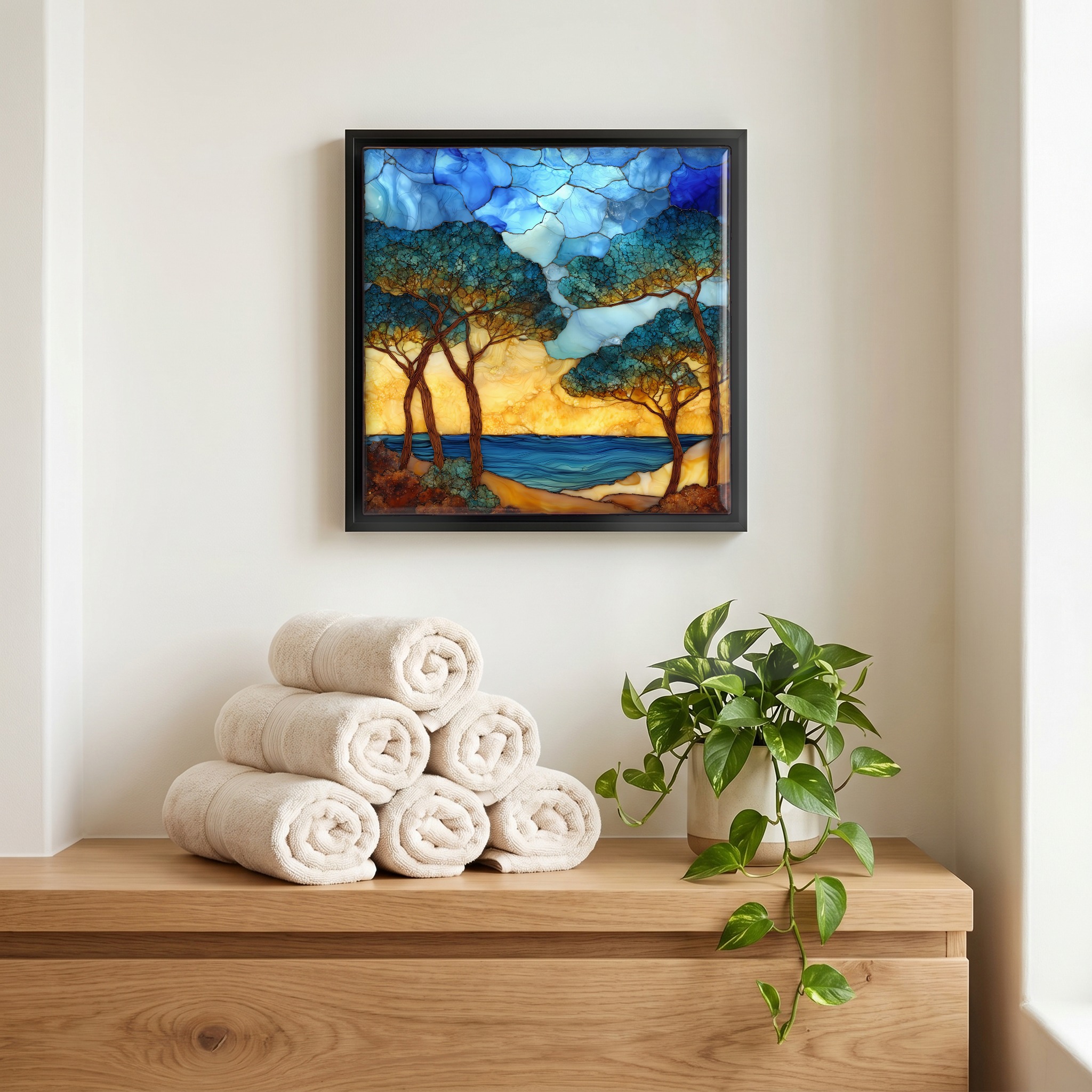
Not only on a wall.
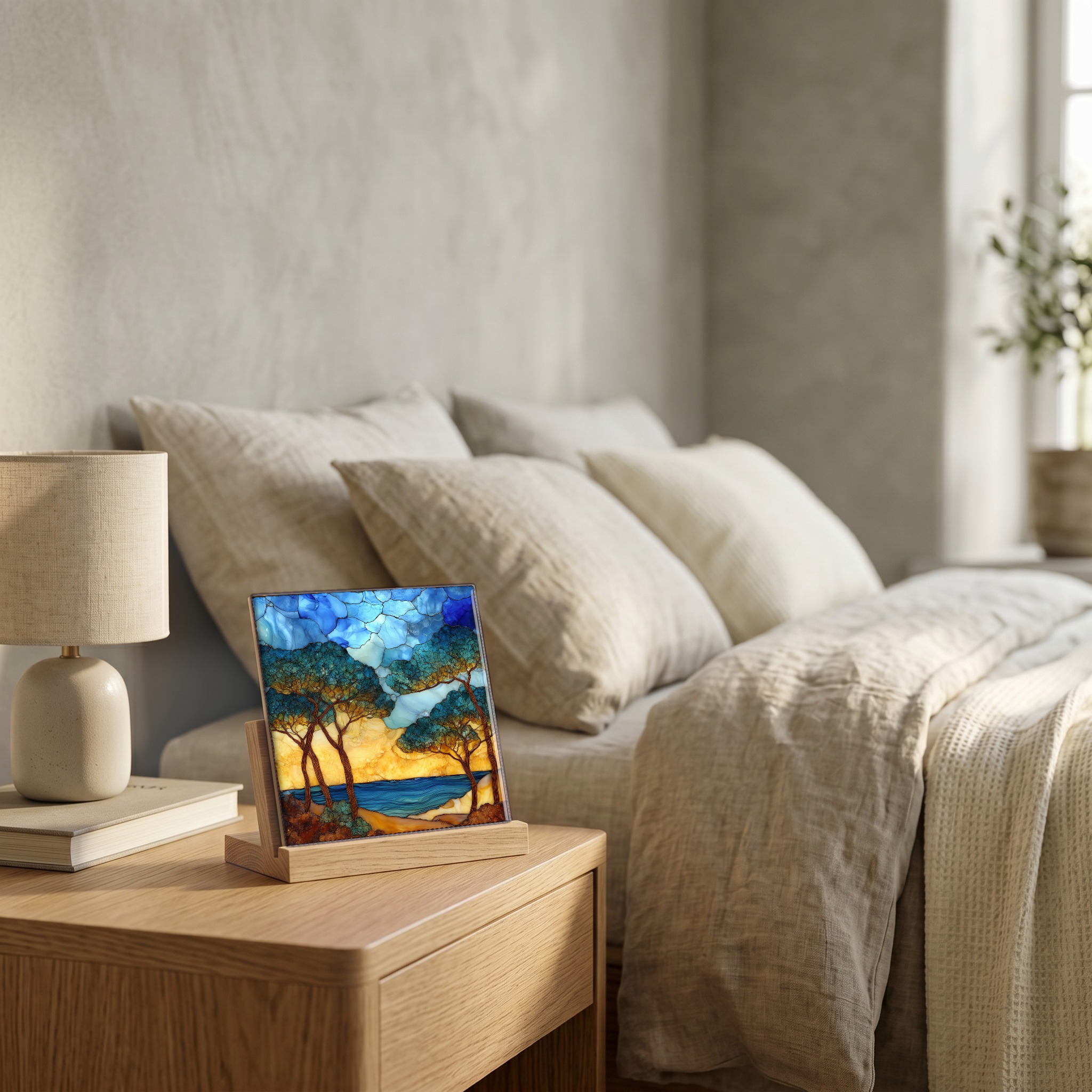
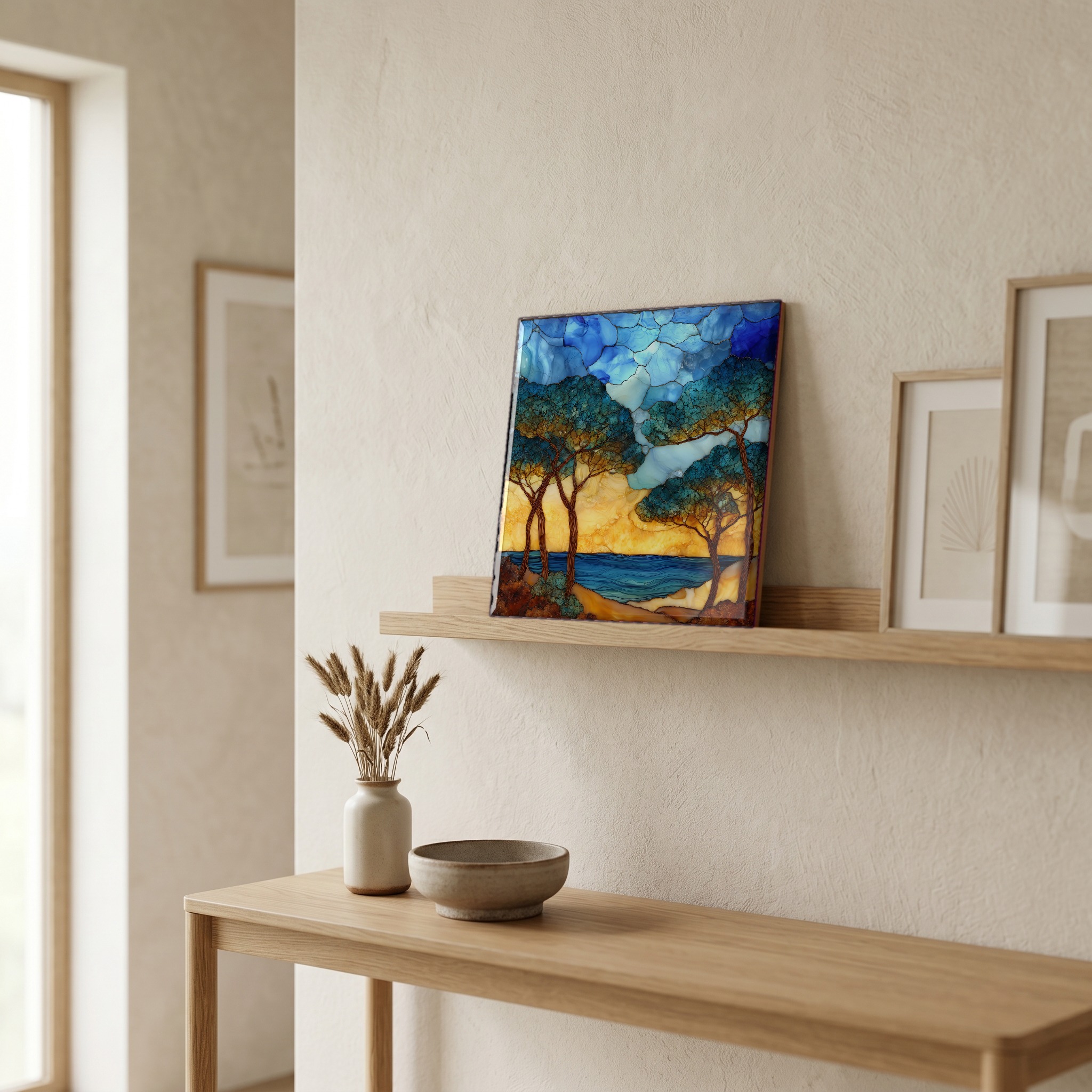
“The last stretch of Tuscan coast no one built on. South of Grosseto, the Uccellina hills drop straight into the Tyrrhenian, and the beaches behind them are reached on foot through umbrella pine and macchia. Long-horned Maremmana cattle still graze the flats, worked by butteri on horseback, the way they have for centuries. Old watchtowers stand along the headlands. The Ombrone finishes here, in marsh full of herons. People who know Tuscany for its hill towns are usually surprised this is Tuscany too.
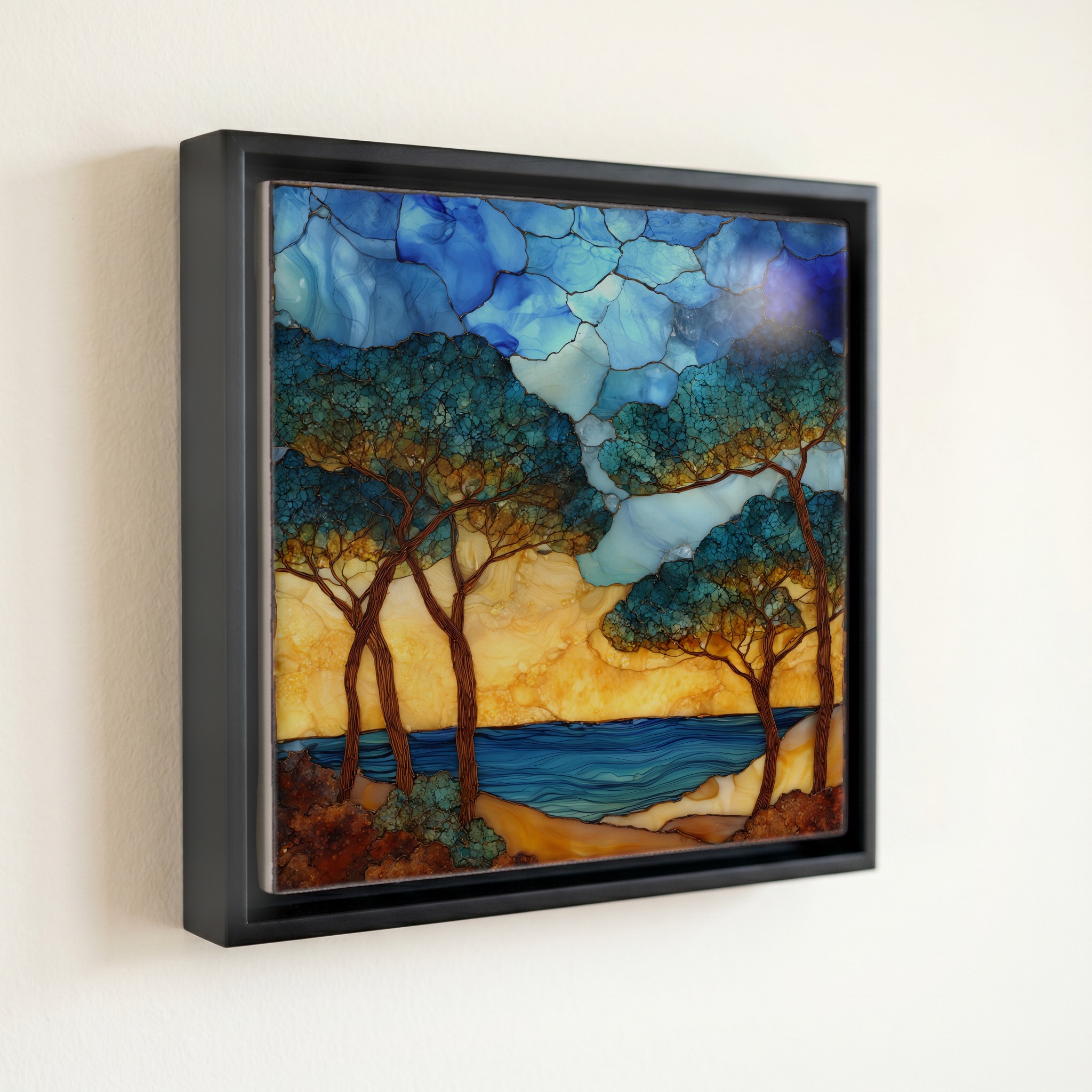
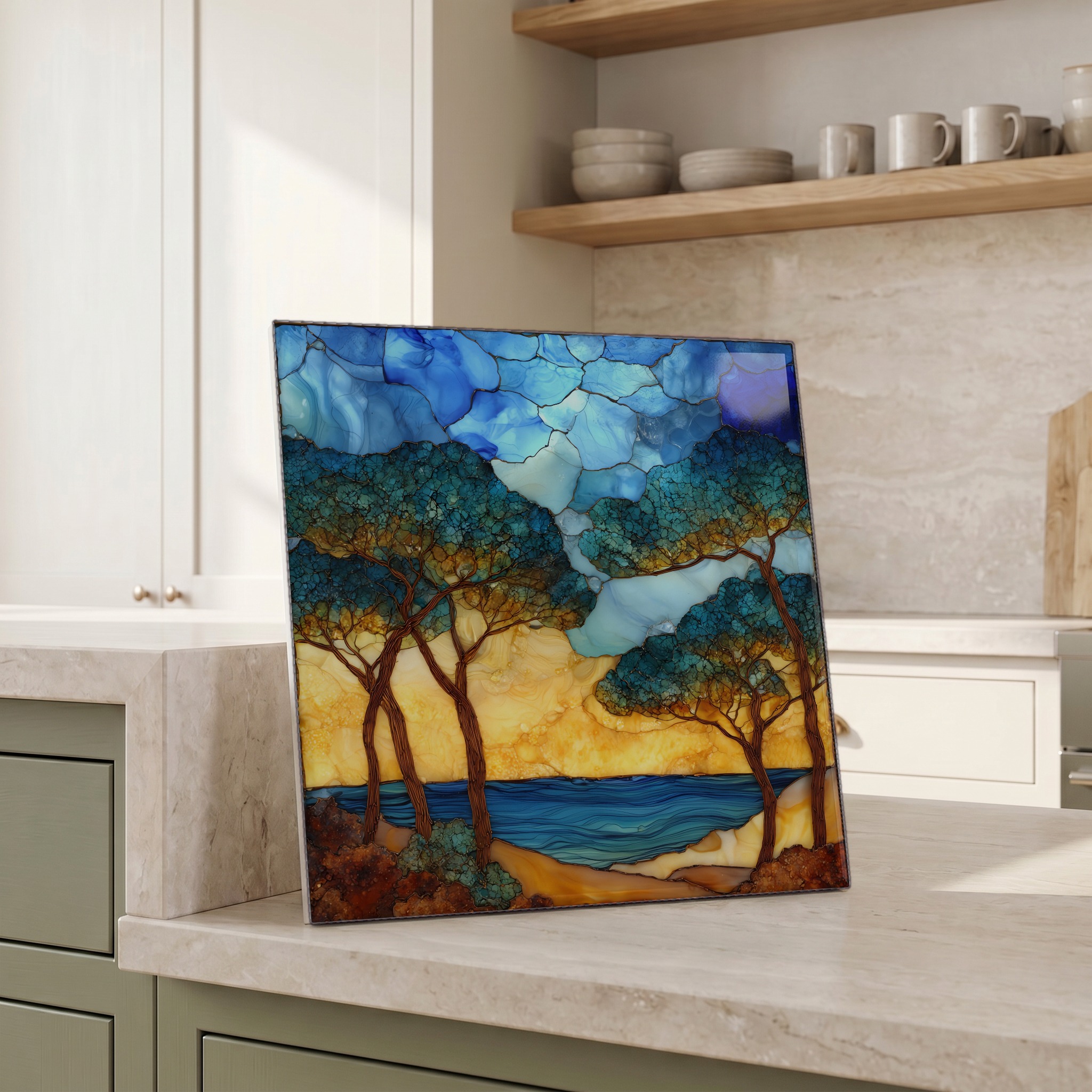
Maremma Coast, on ceramic.
Each tile is finished by hand in our Knoxville studio. Artwork is slowly infused into the ceramic surface under high heat and pressure, and rests beneath a thin glossy finish. The colour lives in the surface, not on top of it.
Pick any four 4-inch tiles — National Parks you've been to, a Smokies set, the four seasons of one place. $ for a set of , cork-backed, ready to live on the table.
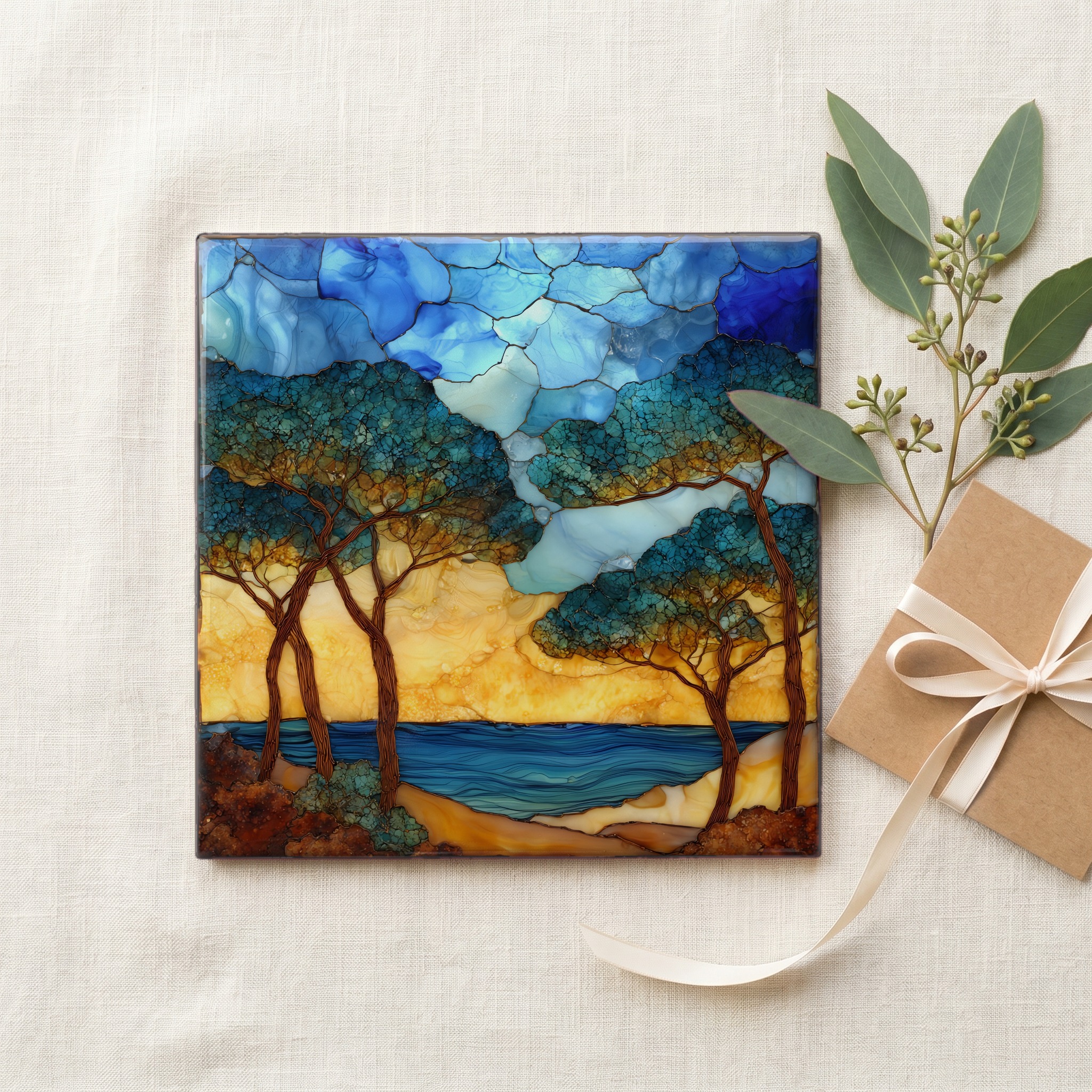
Each tile ships in a kraft box, tied with cream ribbon, with a handwritten note from the studio if you'd like to add one.
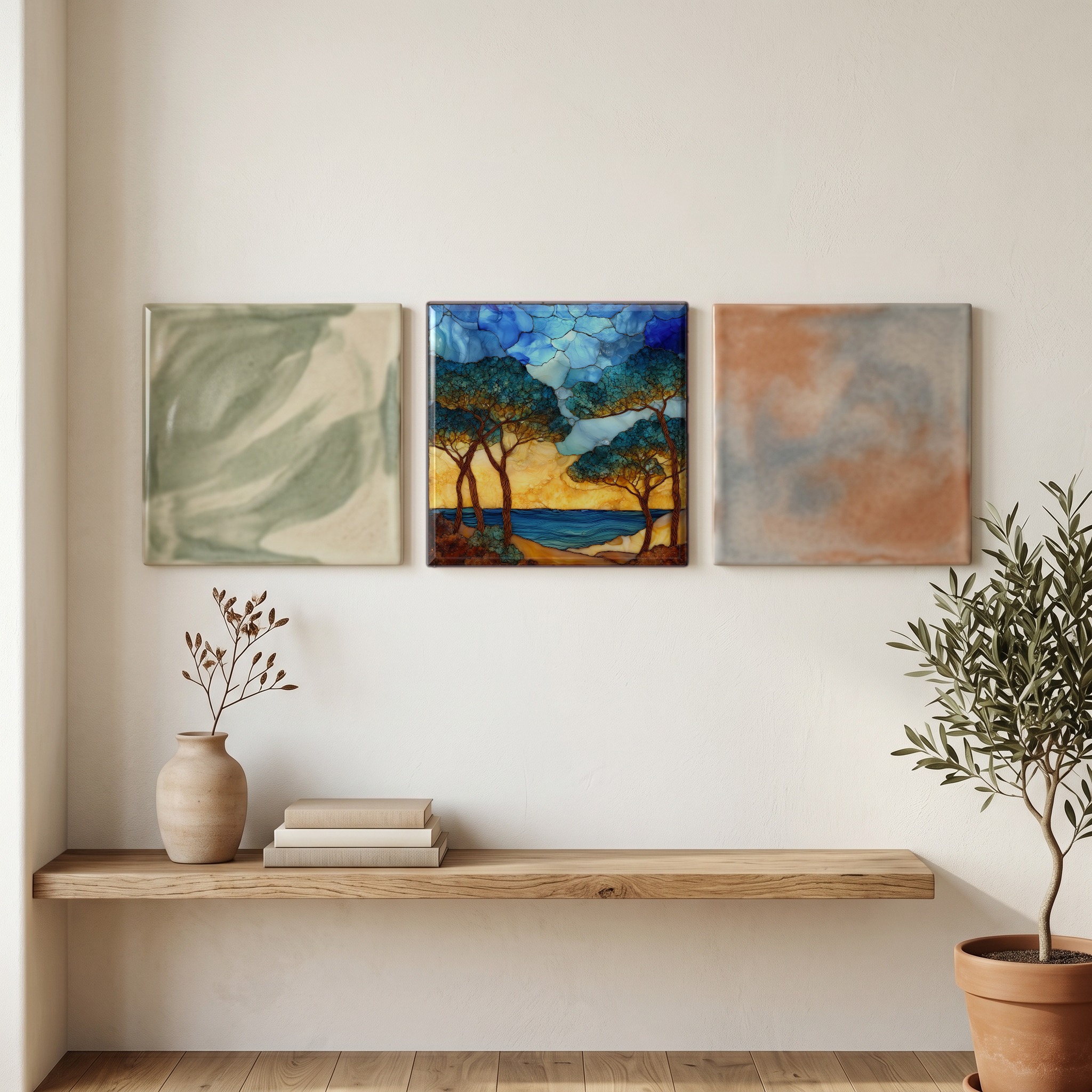
Three or five different vistas, hung together — a chapter of places you've been, or want to go.
The place, in three passes.
The Maremma is the coastal lowland of southern Tuscany, in the Province of Grosseto, running south from the Gulf of Follonica toward the border with Lazio. Its wildest core is protected as the Maremma Regional Park, established in 1975 as Italy's second regional park, covering about 9,000 hectares between Principina a Mare and Talamone. The Uccellina hills rise behind the shore to 417 metres at Poggio Lecci, and the river Ombrone reaches the sea through marshland near the park's centre. For centuries this lowland was malarial swamp; it was fully drained and settled only after the bonifica reclamation works were completed in 1951.
What sets this coast apart is how little of it was ever built. Along the park's roughly 25 kilometres of coast, a band of umbrella pine runs behind the dunes, and behind that the Mediterranean macchia: dense evergreen scrub of myrtle, juniper and rockrose that scents the air after rain. Long-horned Maremmana cattle and semi-wild horses graze the flats, herded by butteri, the mounted cowboys the region has kept for centuries. Roe deer and wild boar move through the brush, and the marsh at the mouth of the Ombrone draws herons and migrating birds. It reads less like a resort coast than like Tuscany before the resorts.
Access to the park's interior is controlled from the village of Alberese, where the visitor centre issues tickets and trail maps. The best-known walk climbs through pine and macchia to the ruined Abbey of San Rabano, founded around the 11th century, and the Torre dell'Uccellina, a 16th-century watchtower set high above the sea. From mid-June through September, when fire risk is high, the southern trails can be reached only by the park's shuttle bus. The coast ends to the south at Talamone, an old Etruscan port beneath a Sienese fortress, with views across to Monte Argentario and the Tuscan Archipelago.