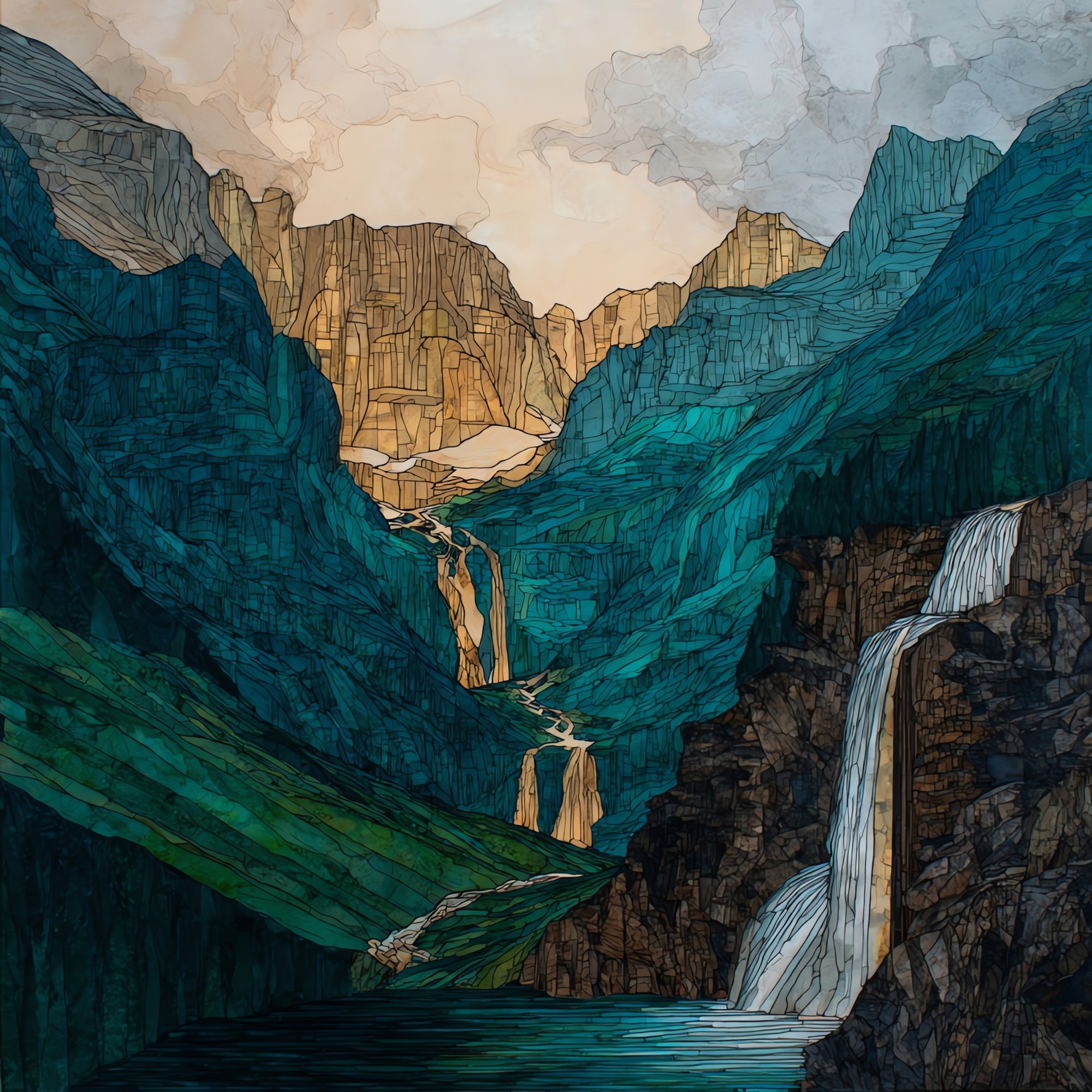
Vallesinella Waterfalls
— the meltwater the rock kept all winter.
Not only on a wall.
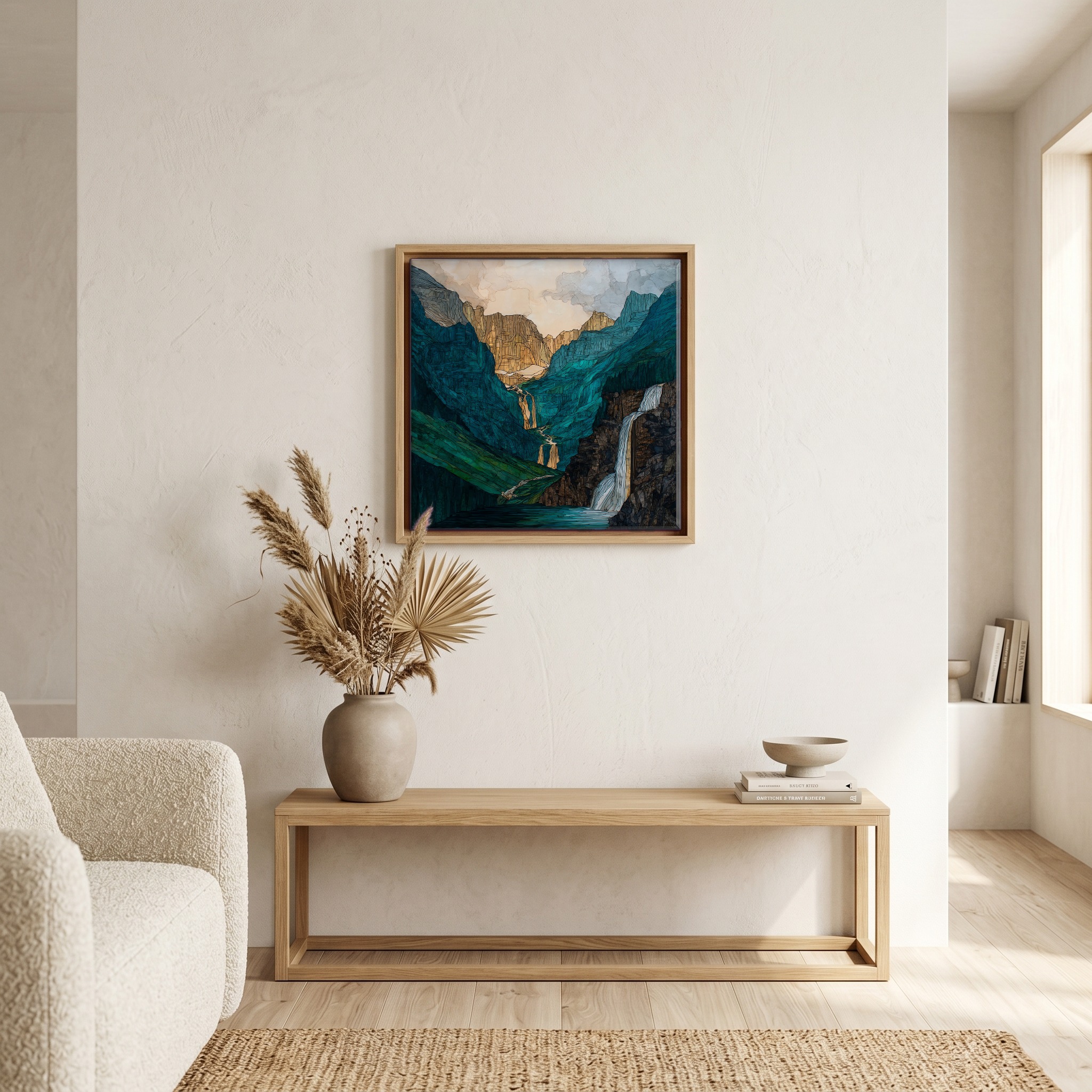
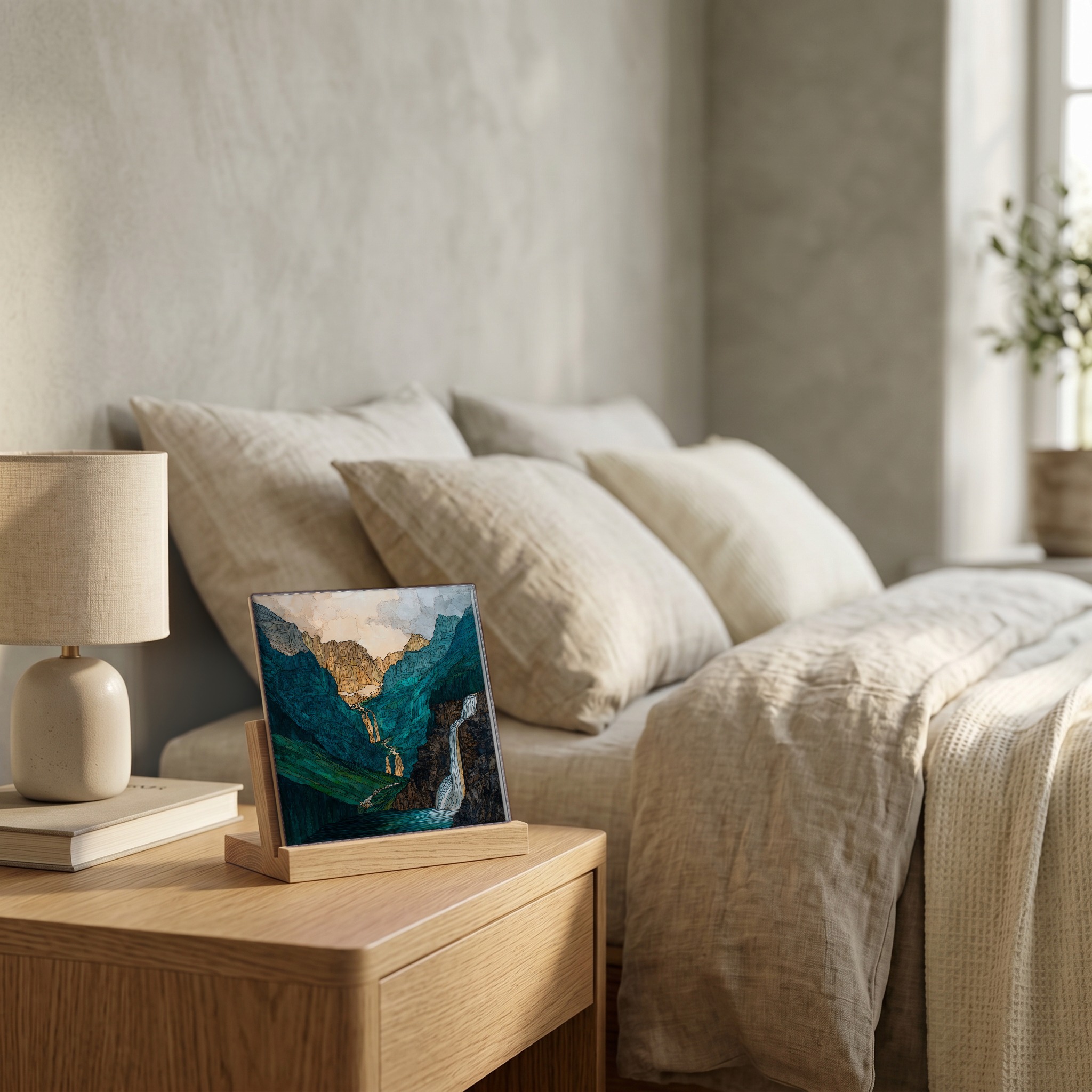
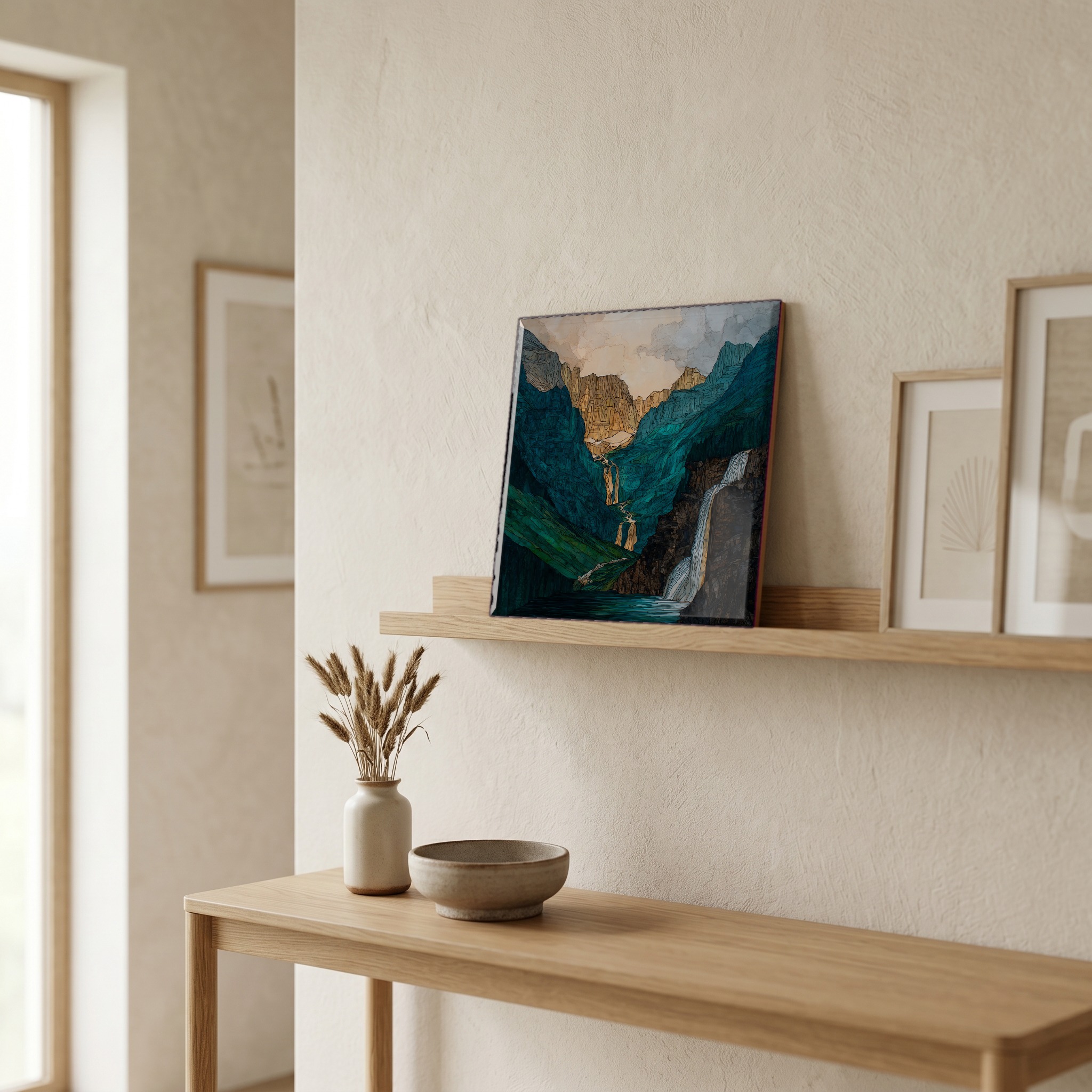
“Three falls on the Sarca di Vallesinella, dropping through beech and white fir below Madonna di Campiglio. The water doesn't run off a peak the way most mountain rivers do. It comes straight out of the rock, pushed up through the limestone by karst springs that fed on last winter's snow. In the thaw it runs heavy and loud; by late summer it quiets, and in a hard cold it can stop altogether, hung in ice. The walk up from the refuge takes about twenty minutes. Most people go quiet on the last stretch, where the spray reaches the path.
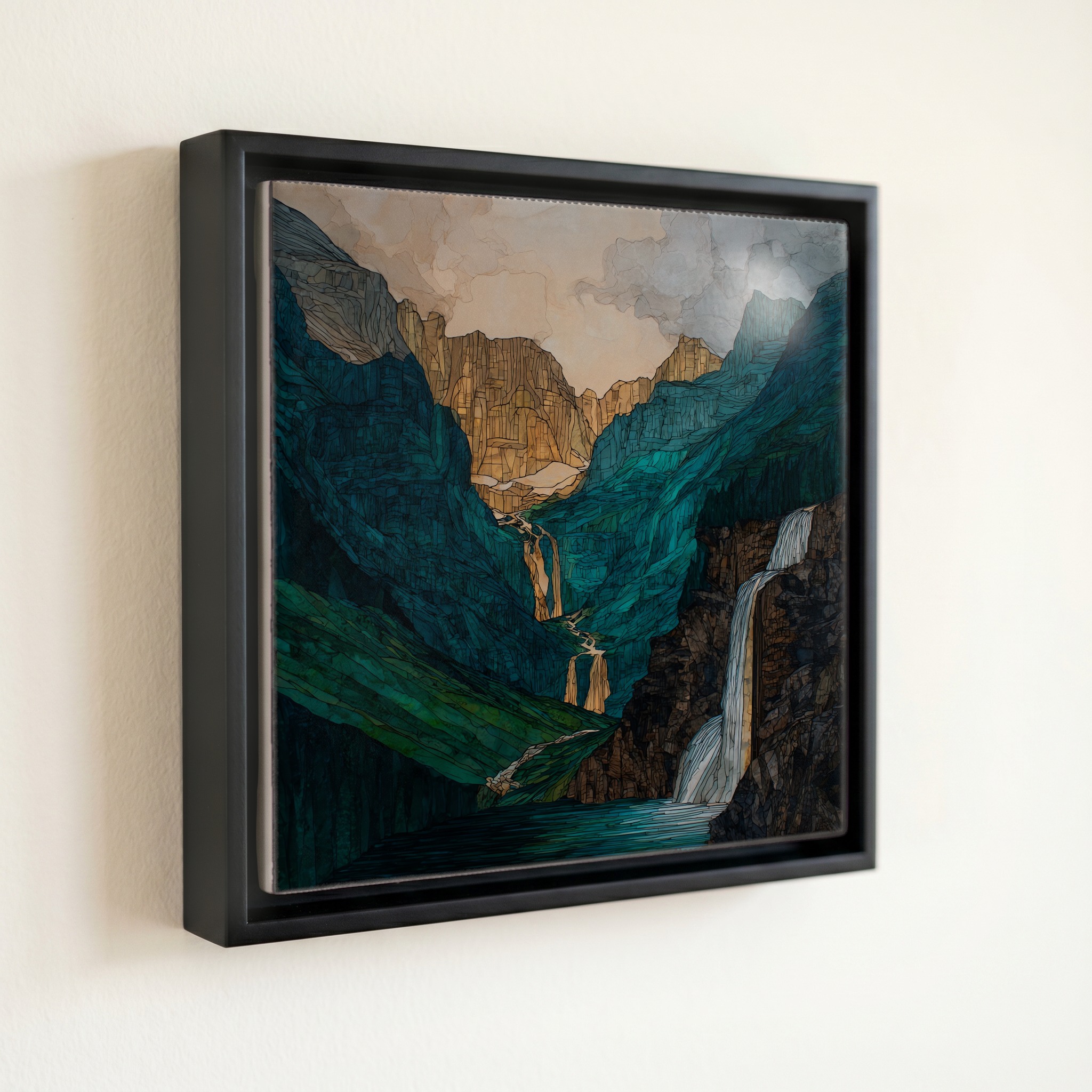
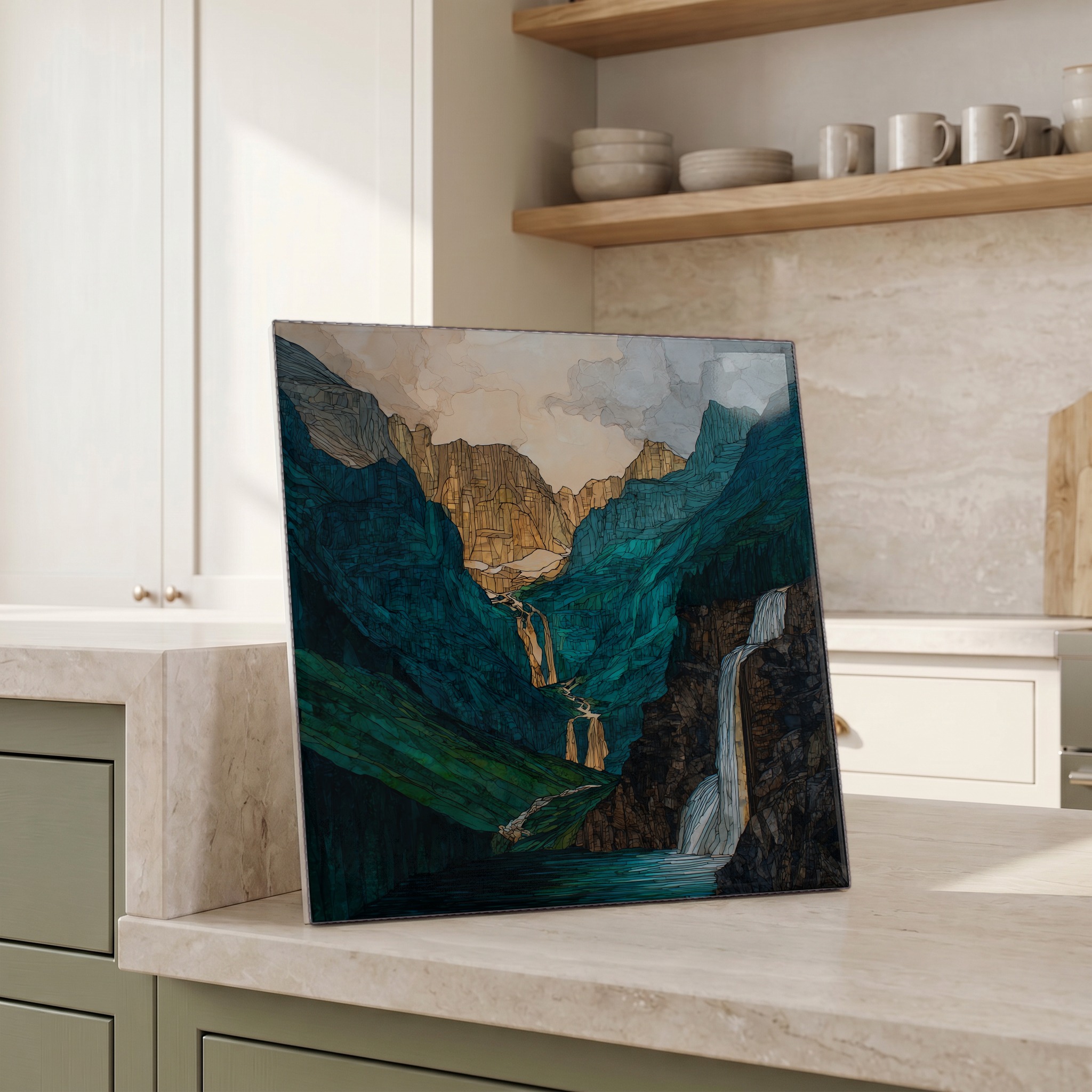
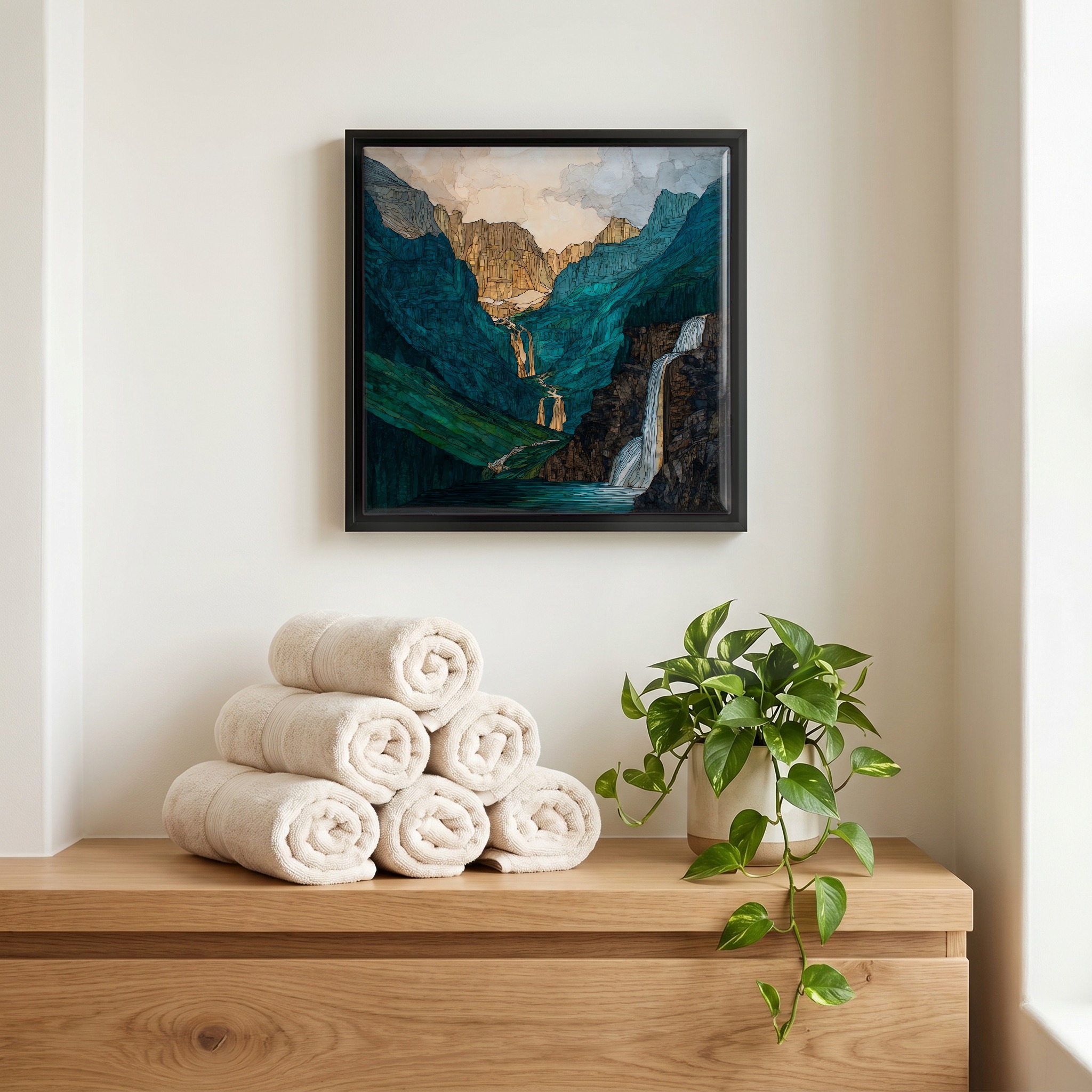
Vallesinella Waterfalls, on ceramic.
Each tile is finished by hand in our Knoxville studio. Artwork is slowly infused into the ceramic surface under high heat and pressure, and rests beneath a thin glossy finish. The colour lives in the surface, not on top of it.
Pick any four 4-inch tiles — National Parks you've been to, a Smokies set, the four seasons of one place. $ for a set of , cork-backed, ready to live on the table.
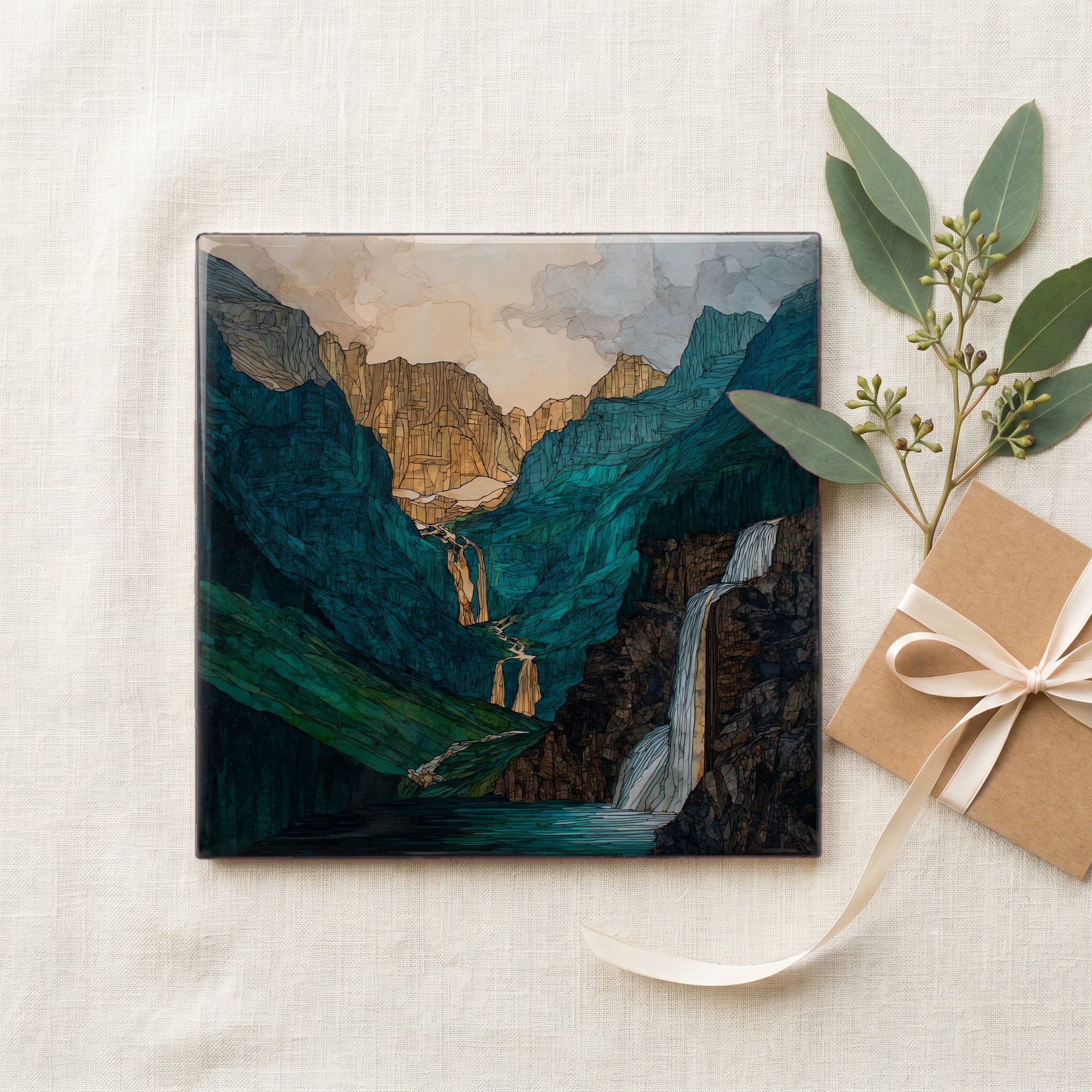
Each tile ships in a kraft box, tied with cream ribbon, with a handwritten note from the studio if you'd like to add one.
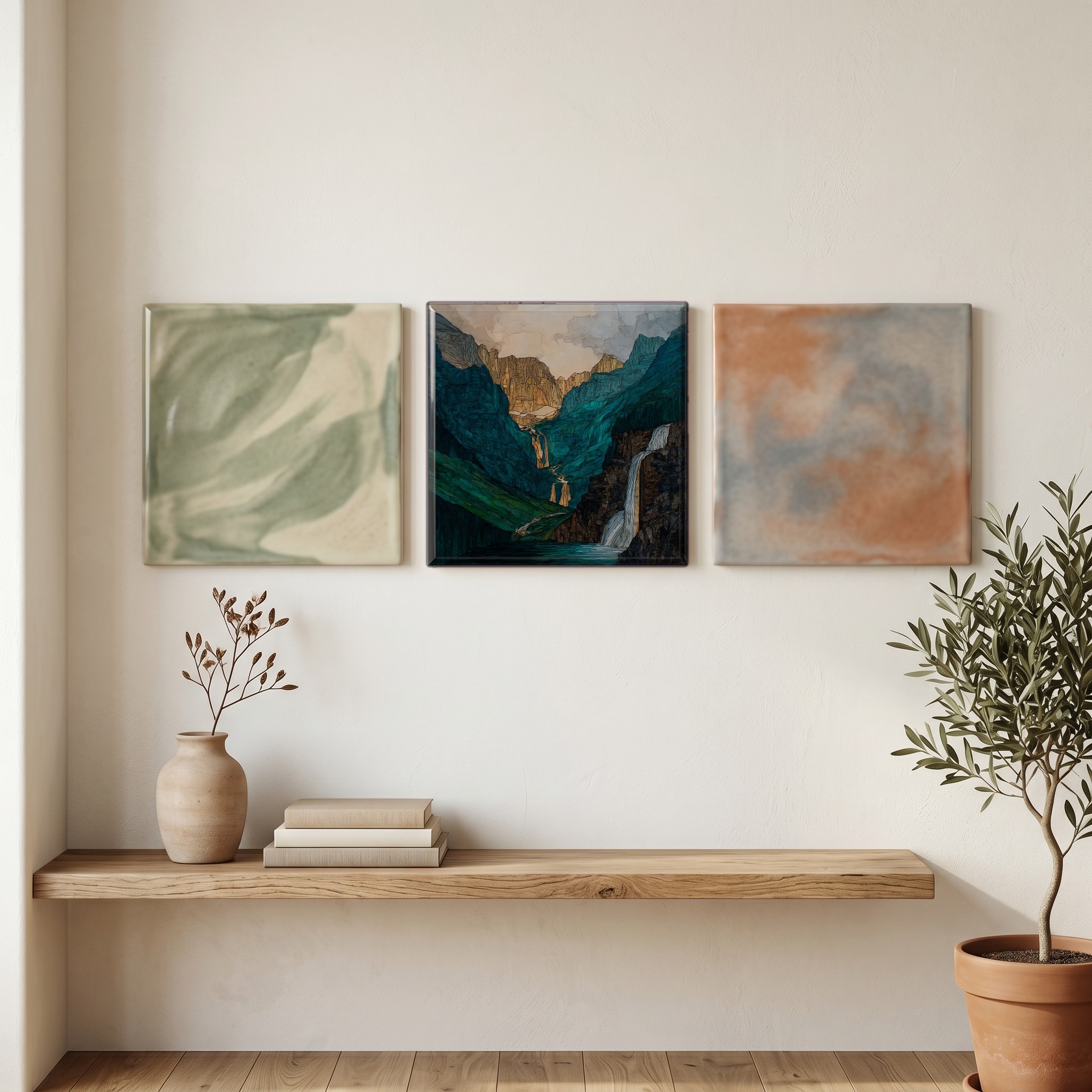
Three or five different vistas, hung together — a chapter of places you've been, or want to go.
The place, in three passes.
Vallesinella sits in the Brenta Dolomites, inside the Parco Naturale Adamello Brenta, the UNESCO geopark that covers much of western Trentino. The three falls drop through a valley reached from Madonna di Campiglio, the resort town at 1,522 metres just to the north; the trailhead at Rifugio Vallesinella sits at about 1,515 metres, and the upper amphitheatre stands near 1,650 metres. The water belongs to the Sarca di Vallesinella, one of the headwater torrents of the Sarca river. Beech and white fir hold the lower slopes to roughly 2,000 metres; above that the forest gives way to mountain pine, rhododendron, and the bare limestone of the Brenta group, with Cima Brenta and Passo Grosté closing the valley to the east.
The falls run on snowmelt the mountain stores and releases slowly. Rain and meltwater sink into the fractured dolomitic limestone of the Brenta group, travel underground through karst channels, and surface again as springs partway down the valley; from there the Sarca di Vallesinella gathers and drops more than 500 metres across the three cascades. This is why the water reads so clear and cold even in August, and why the volume tracks the thaw rather than the day's weather. The same limestone hydrology has cut natural bridges and caves elsewhere in the park, and the upper falls open into a rock amphitheatre that holds the spray as mist. The springs feeding the Cascate Alte run above 1,600 metres.
The falls are at their fullest during the late-spring thaw, roughly May into June, when the karst springs run hardest and the Sarca di Vallesinella is loud the length of the valley. Summer is the easy season: the loop linking the Cascate Alte, the Cascata di Mezzo, and the Cascata di Sotto takes about four hours and suits families, with the Rifugio Vallesinella open for the walk in. By autumn the beech turns and the flow drops; in a hard winter the cascades can freeze in place, hung as columns of ice. The Vallesinella car park is linked to Madonna di Campiglio by the Adamello Brenta park shuttle bus, so most visitors ride the last stretch and then walk up to the falls from the refuge at 1,515 metres.