Wender·Vista
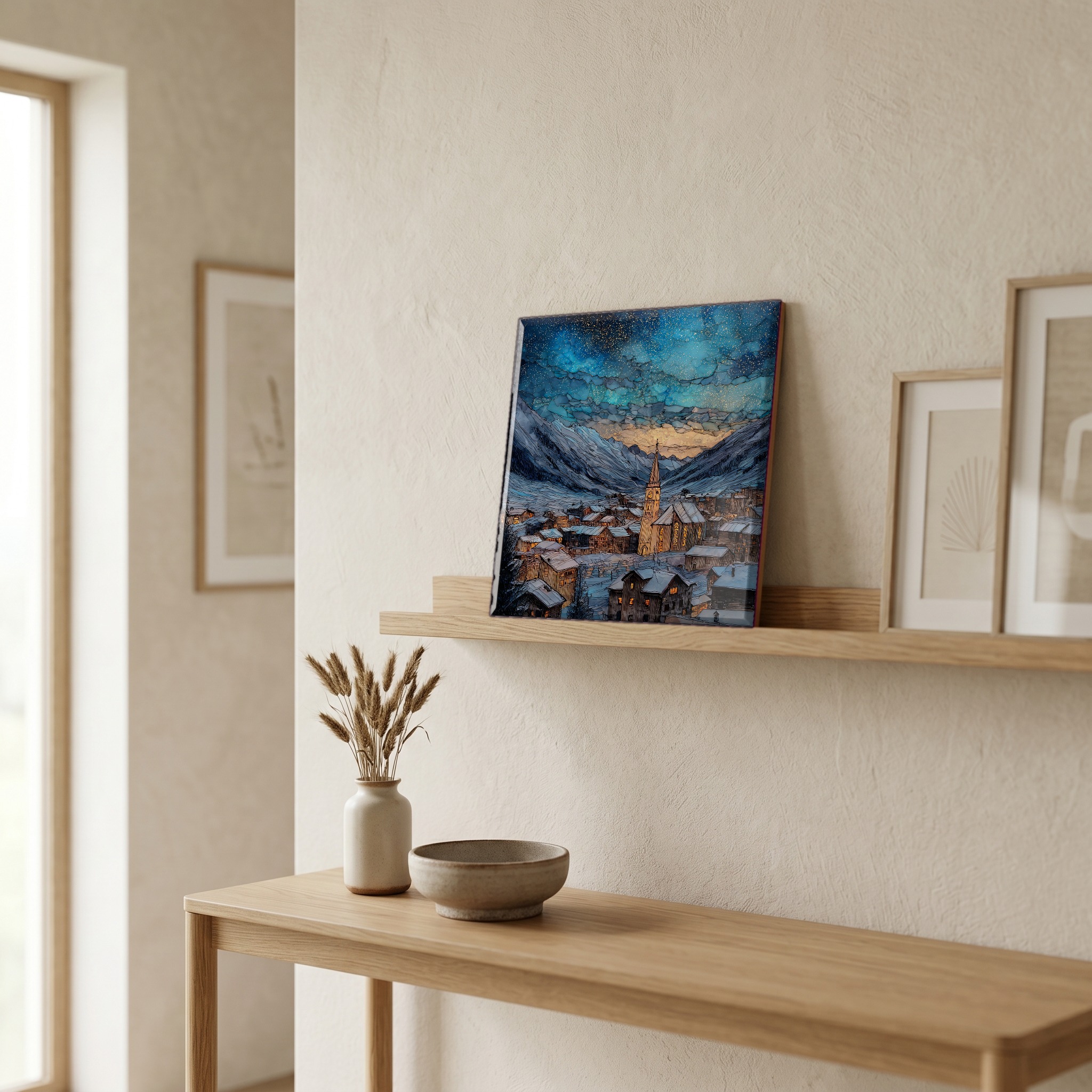
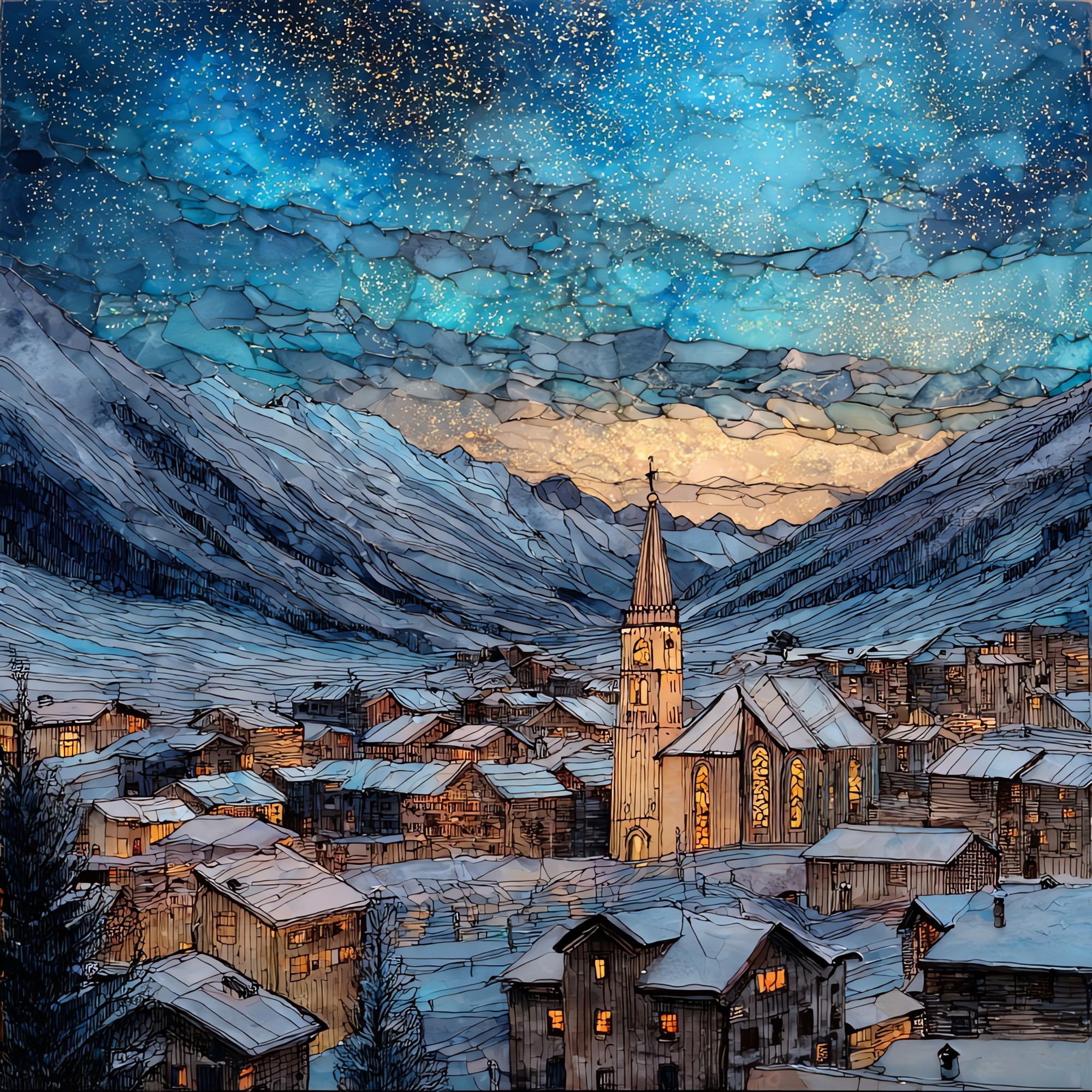
Livigno in Winter
shown on ceramic, 12-inch tileItaly
high in upper Valtellina, near the Swiss border

Livigno in Winter

the blue the cold leaves on the snow.

Where it lives

Not only on a wall.

A small tile on the nightstand catching the morning. A larger one above the fire. Yours, wherever you spend the slow hours.
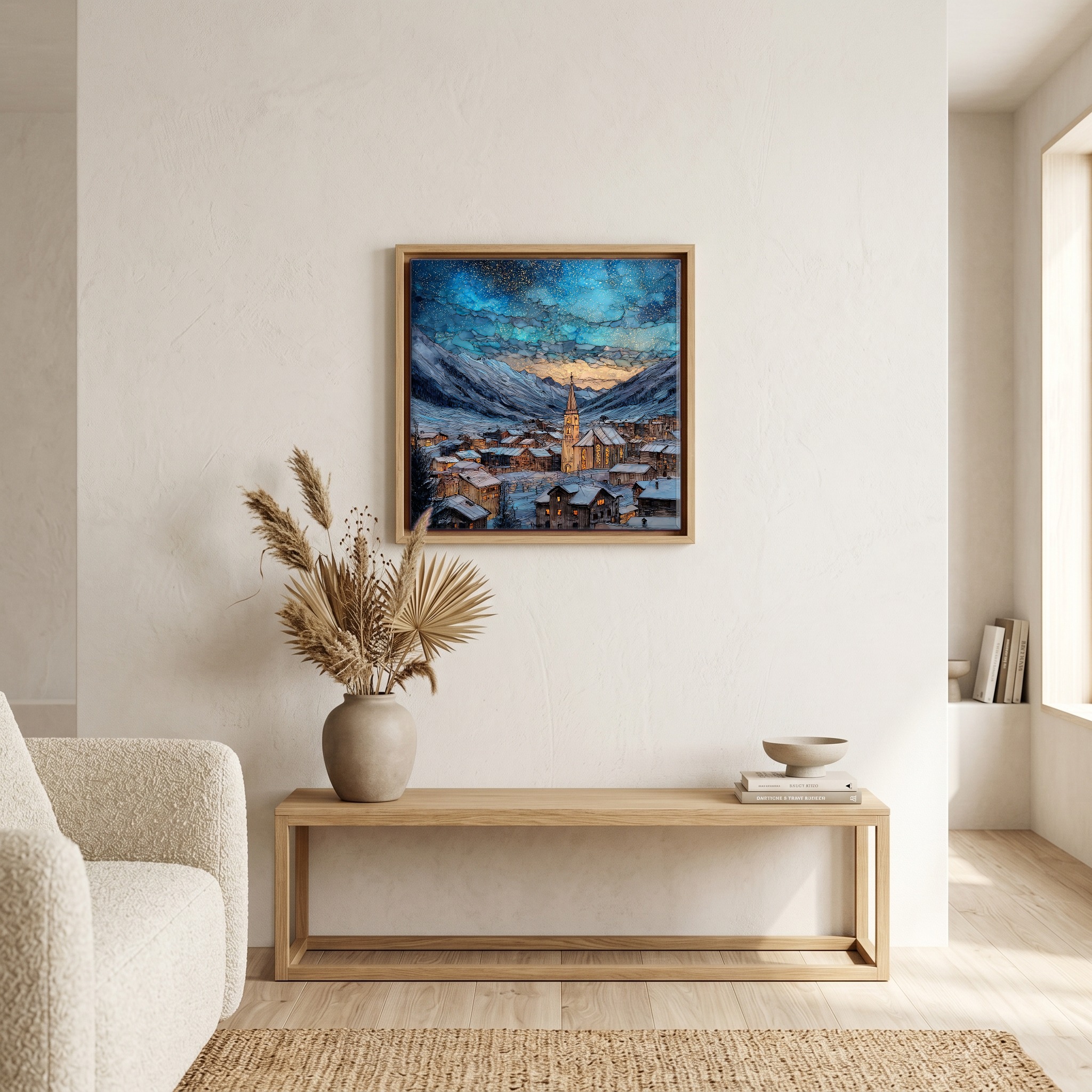
Above the bench, in a warm oak surround.
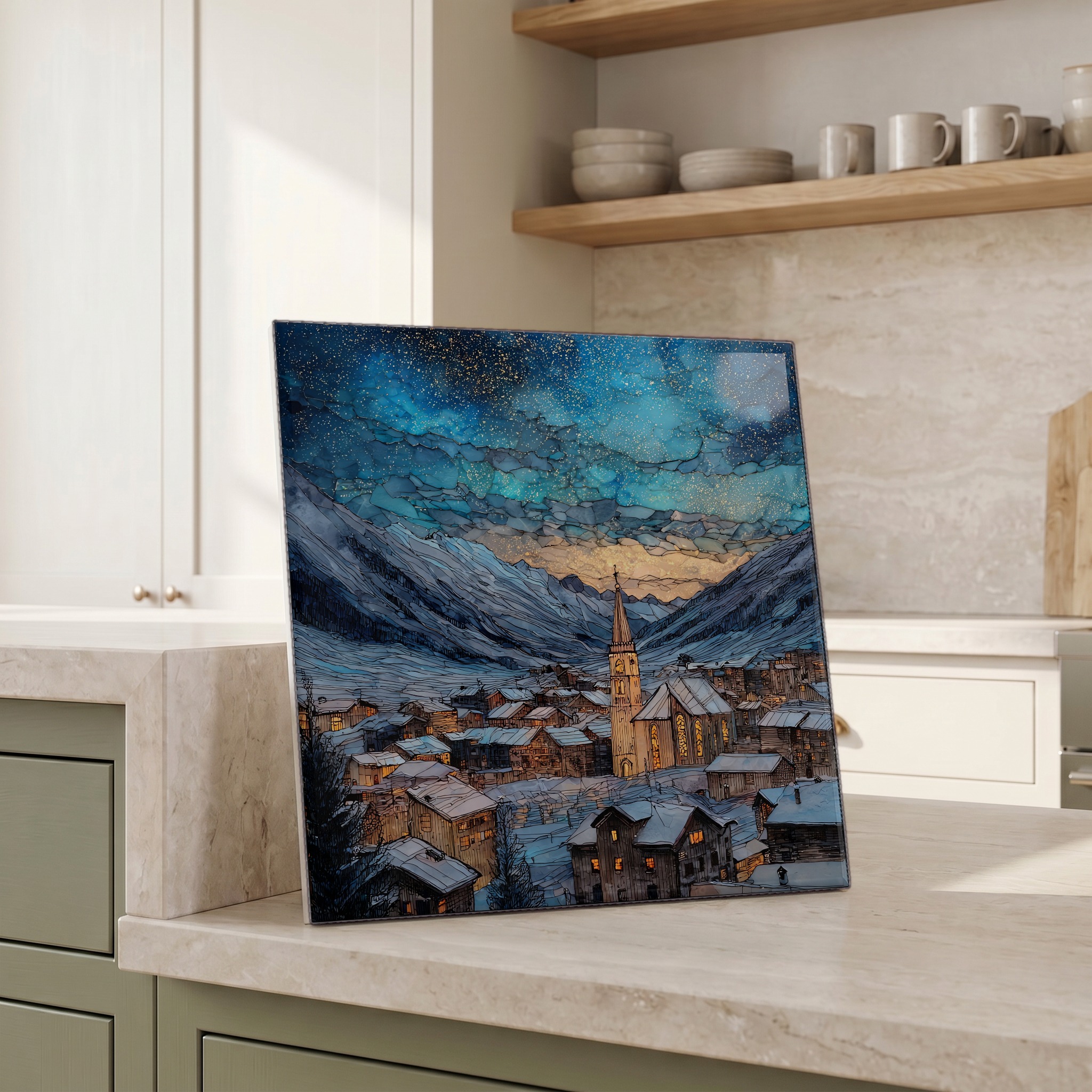
Beside the kettle, propped on the counter.
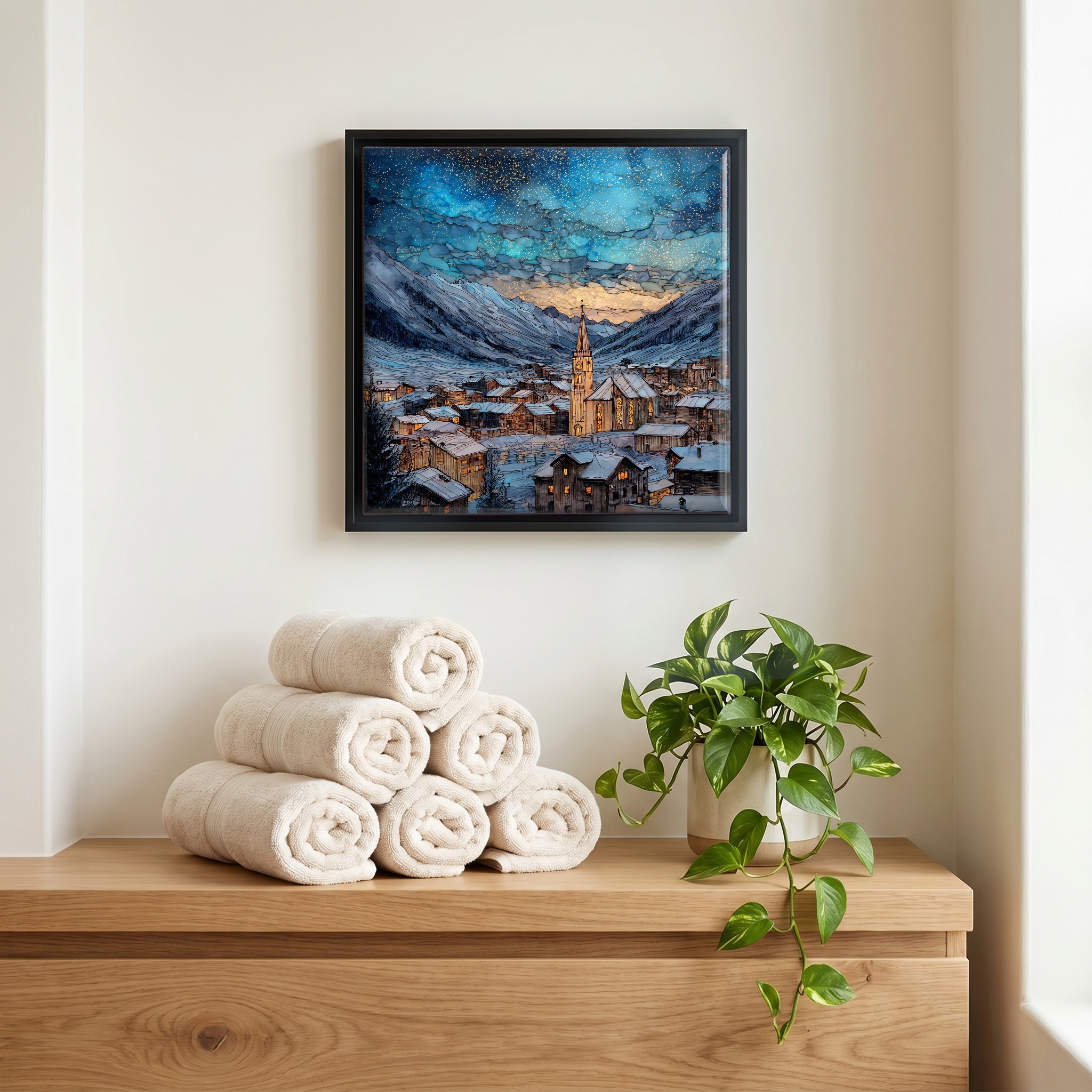
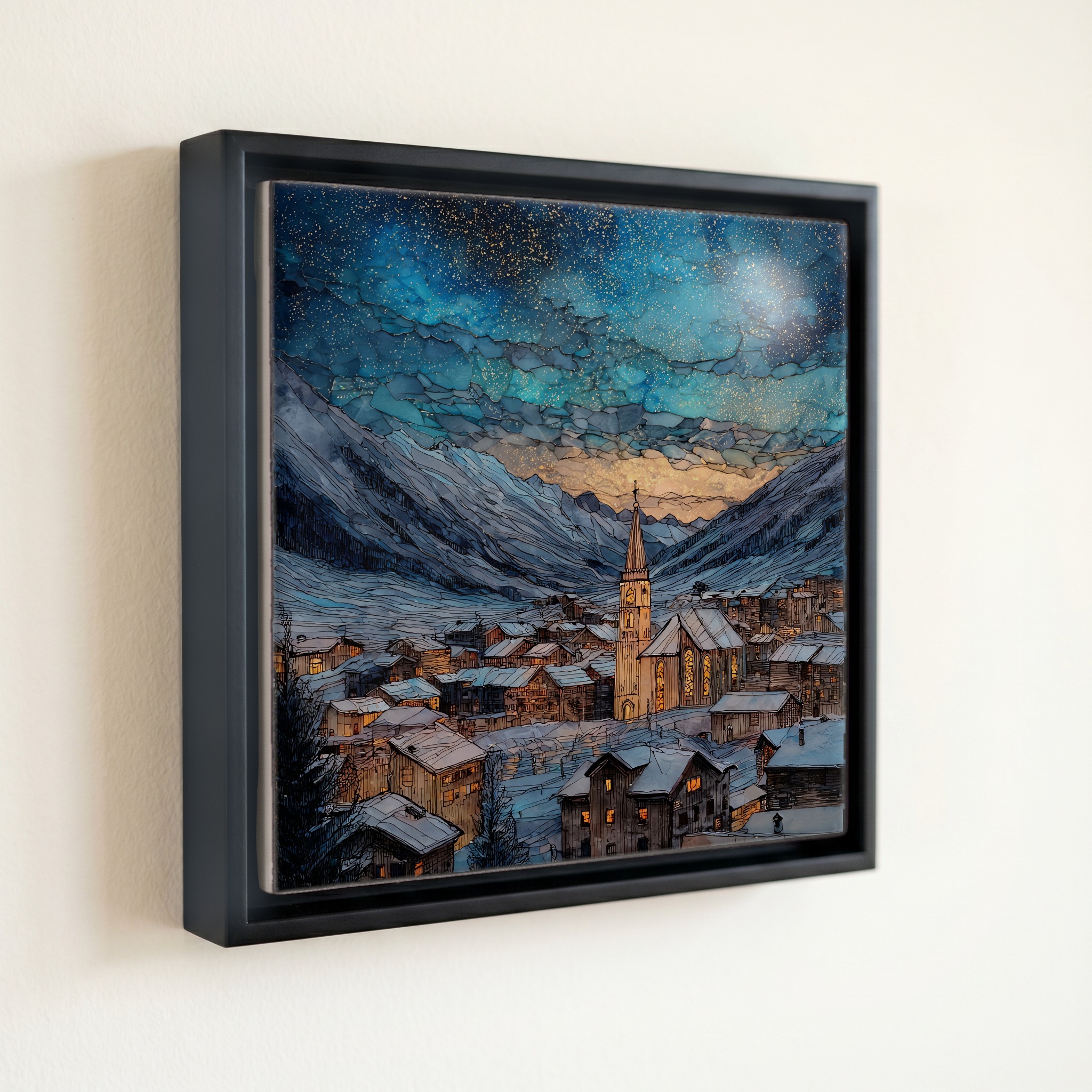
Above the linens, in a slim black surround.
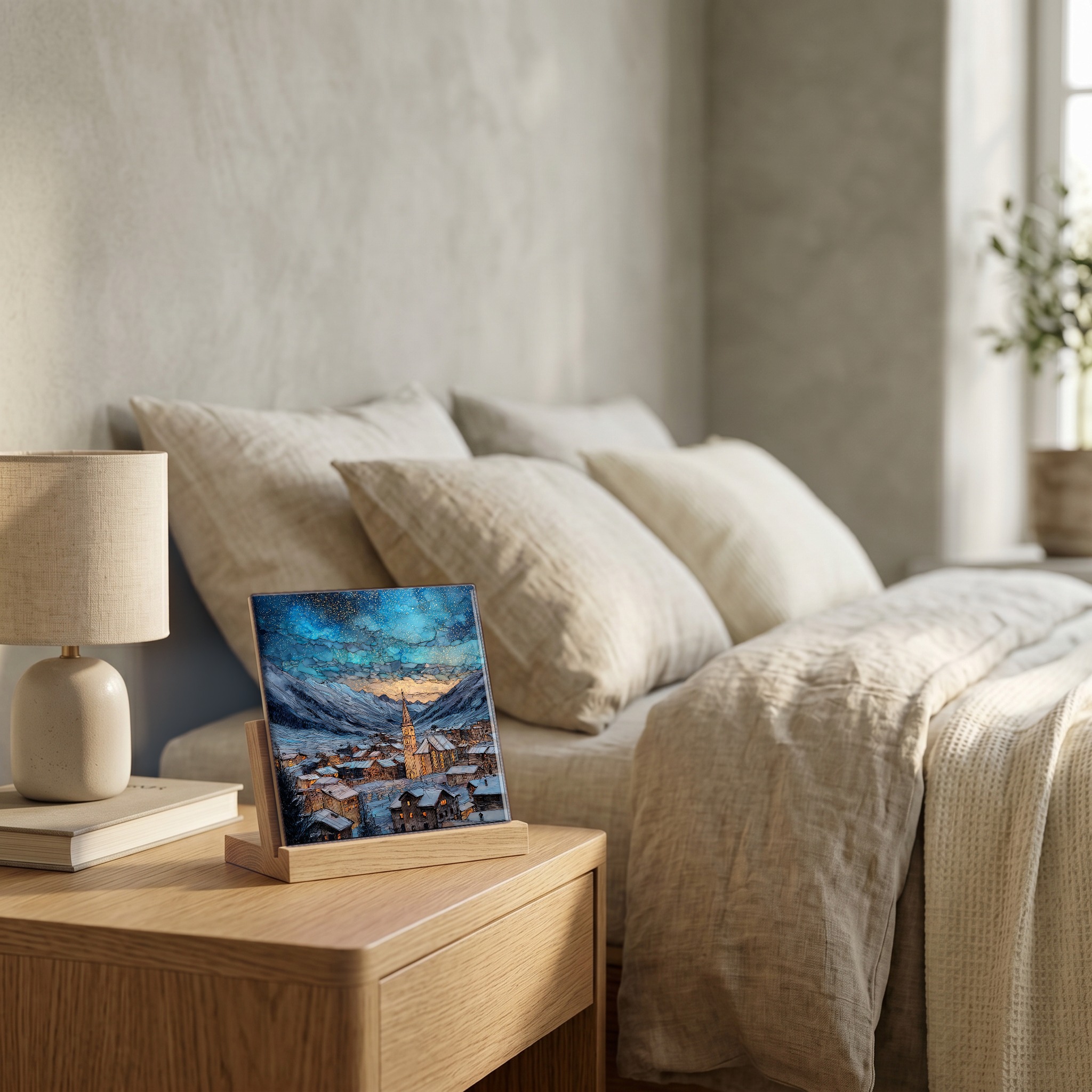
On the nightstand, on a light oak stand.
On a picture ledge, where the light comes in.
a note from the studio

A high duty-free valley town in upper Lombardy, near the Swiss border. The Italians call it Piccolo Tibet for the altitude and the wind. The ski season opens before most others, sometimes by mid-November, and the valley holds the cold longer than the slopes around it. Via Plan runs the length of town. In February 2026 the freestyle and snowboard venues of the Milano Cortina Olympic Winter Games took over the runs at Mottolino; the valley has since gone back to the locals and to the buyers in the duty-free shops on the way home.
from the studio
shown in a slim black floating frame · 6 × 6 in
— bring it home

Livigno in Winter, on ceramic.

Each tile is finished by hand in our Knoxville studio. Artwork is slowly infused into the ceramic surface under high heat and pressure, and rests beneath a thin glossy finish. The colour lives in the surface, not on top of it.

What kind of piece?
One tile — square or rectangle.
How big?
the popular one — counter, shelf, nightstand
6 × 6 in · 15 cm · 1.6 lb
Surface finish
A clear glossy finish — the artwork reads as if under resin. Ideal for show-pieces and framed wall art.
How it sits
A hidden cleat — sits ¼″ proud of the wall.
$58
Hand-finished and shipped from our studio at the foot of the Smokies. On your wall in about ten days.
size
6 × 6 in
15 cm
weighs
1.6 lb
solid in the hand
surface
ceramic, hand-finished
art rests beneath a thin glossy finish
from
Knoxville, TN
our family studio, at the foot of the Smokies
— start a Coaster Set

Pick any four 4-inch tiles — National Parks you've been to, a Smokies set, the four seasons of one place. $ for a set of , cork-backed, ready to live on the table.
comes gift-ready
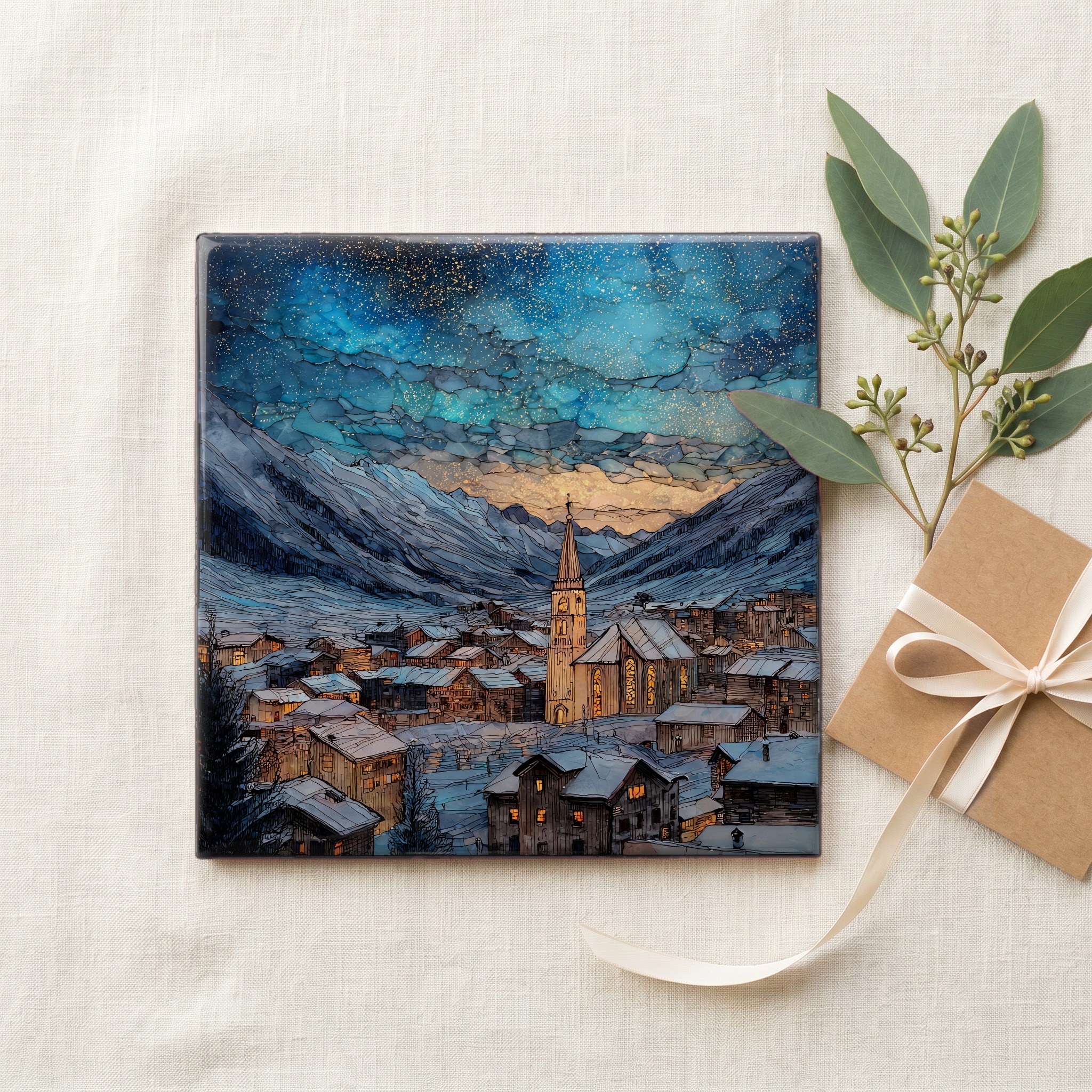
comes gift-ready

Each tile ships in a kraft box, tied with cream ribbon, with a handwritten note from the studio if you'd like to add one.
or build a grouping
or build a grouping

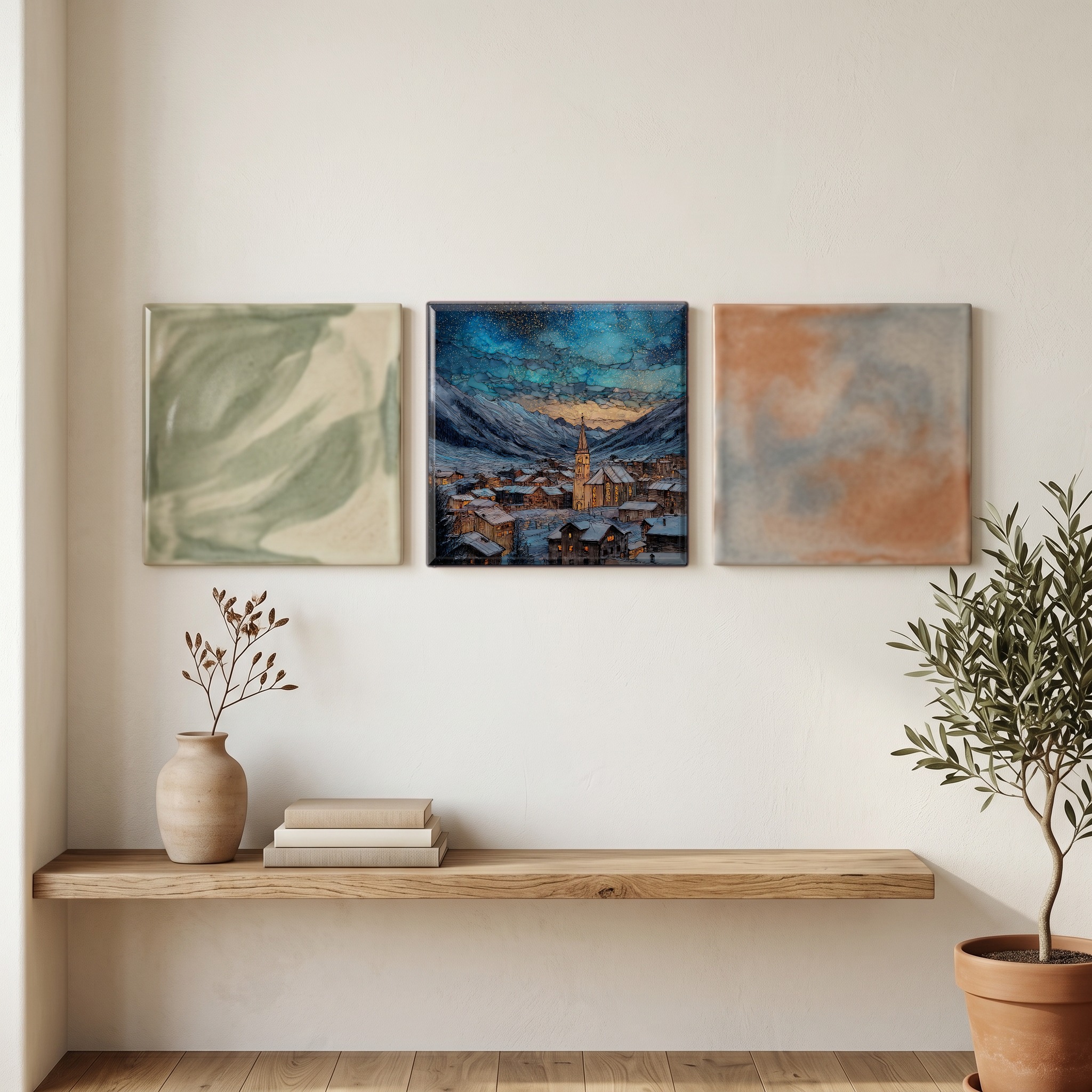
Three or five different vistas, hung together — a chapter of places you've been, or want to go.

about Livigno in Winter

The place, in three passes.

A little of what's known, in case you fall down the rabbit hole — or want to go see it yourself.
the place

Livigno sits at 1,816 metres in the upper Valtellina of Lombardy, a long narrow valley along the Spöl River that runs near the Swiss border. The town is reached over the Forcola di Livigno pass from Switzerland or through the Munt la Schera tunnel under the Bernina range; the road from Bormio crosses the Foscagno pass at 2,291 metres. About 6,000 residents live in the valley, which has held a tax-free status since the early nineteenth century, a relic of how hard it once was to reach in winter. The town stretches roughly seven kilometres end to end along Via Plan, the pedestrian artery.

the air

At 1,816 metres the air sits thin and dry. The locals call Livigno Piccolo Tibet, or Little Tibet, for the altitude and the steady winter wind off the Bernina massif. The valley lies in a meteorological pocket where cold air pools at night and the temperature regularly drops below minus twenty Celsius in January. The dryness keeps the snow light and the slopes powdered well into April. Athletes use Livigno for altitude training in summer, when the air is still thin enough to matter; the Italian national football and cycling teams have run pre-season camps in the valley for decades.

the season

The ski season opens by late November and runs into early May, one of the longest in the Italian Alps. Livigno has roughly 115 kilometres of pisted runs split between the Mottolino and Carosello 3000 lift systems, with summits above 2,900 metres. Cross-country skiers move along a 30-kilometre groomed loop that follows the valley floor. In February 2026 Livigno hosted the snowboard and freestyle skiing events of the Milano Cortina Olympic Winter Games, with venues at Sitas-Tagliede and the Mottolino park. The valley is busiest from late December through early March; April skiing runs quieter, with longer light.

where
Italy · Sondrio, Lombardy
elevation
1,816 m · 5,958 ft
position
46.5333° N · 10.1333° E
the neighborhood

What's nearby.

A handful of named places within an hour's walk or short drive. Some we've already painted; some we will.
8 km N
Lago di Livigno
alpine reservoir
7 km SE
Trepalle
high mountain village
5 km W
Forcola di Livigno
alpine pass
30 km S
Bormio
spa town
N
Livigno in Winter
Lago di Livigno
Trepalle
Forcola di Livigno
Bormio
common questions

What people ask.

A few questions we get about Livigno in Winter — and about bringing the piece home.
about the place

Livigno sits at 1,816 metres in upper Valtellina, the northernmost reach of Lombardy in Italy. The valley lies just south of the Swiss border, between the Bernina and Livigno mountain ranges, reachable via the Foscagno pass from Bormio or the Munt la Schera tunnel from Switzerland.

Livigno has held a special tax-free status since the early nineteenth century, originally granted because the valley was so hard to reach in winter. The exemption survives in modern Italian and EU law, which is why fuel, alcohol, and consumer goods are sold without VAT inside the town limits.

Locals nicknamed Livigno Piccolo Tibet, or Little Tibet, for the high-altitude valley setting, the thin dry air, and the steady winter wind off the Bernina massif. Night temperatures in January routinely fall below minus twenty Celsius.

The ski season at Livigno typically opens by late November and runs into early May, one of the longest in the Italian Alps. The dry altitude air keeps the snow light into spring; the lifts climb above 2,900 metres on both the Mottolino and Carosello 3000 sides.

Livigno hosted the snowboard and freestyle skiing events of the Milano Cortina 2026 Olympic Winter Games in February 2026. The venues were built at Sitas-Tagliede and at the Mottolino park; the valley returned to its regular winter season afterwards.

Livigno is reached by road over the Foscagno pass from Bormio at 2,291 metres, by the Forcola di Livigno pass from the Swiss Engadine, or through the Munt la Schera tunnel under the Bernina range. The nearest airports are Milan Malpensa and Innsbruck, each about three hours by car in good weather.

The town of Livigno stretches roughly seven kilometres along Via Plan, the central pedestrian artery. The valley floor follows the Spöl River north toward the Lago di Livigno reservoir; the cross-country ski loop along the valley runs about 30 kilometres.

about the piece in your home

It's been a meaningful gift for our customers with ties to the valley. The piece carries the cold blue of the high Alps without putting any single lift name on the wall. A Small or Medium in glossy finish reads well in a hallway or ski-house entry, with a handwritten note from the studio.

The blues, cold whites, and stained-glass linework move well with Alpine-modern, Scandinavian, and jewel-tone interiors. The artwork holds against a wood-clad wall in a chalet, or a pale plastered wall in a city flat. It tends not to suit warm-tone Tuscan or earth-toned bohemian rooms.

Alpine-modern leans on warm wood, soft wool, and a small number of strong colour anchors. A Large or Mural of Livigno gives the room its cold-blue centre, the visual counterweight that lets the wood and wool stay quiet. It works above a stone fireplace or a low credenza.

For a standard three-seat sofa, a single Large reads at the right scale; a 4-tile Mural fits an eight-foot wall and a 9-tile Mural anchors a great room. Above a console table, a Medium or a Triptych on the wall behind it sits comfortably.

Yes. For damp rooms or splash zones, the Dura Satin or Matte finish is the right choice; both are scratch-resistant and built for vertical installation. The Glossy finish is best kept to dry display walls and framed pieces.

A soft microfibre cloth with plain water is enough. The colour is slowly infused into the ceramic surface under high heat and pressure, so it does not lift with cleaning. Avoid abrasive pads and bleach-based sprays; they are not needed and will dull the finish over time.

Yes. Every Livigno piece comes from the studio's own atlas of places, hand-finished in Knoxville, Tennessee. The image is not licensed from a stock source or another artist; the valley as you see it here was painted in our distinctive stained-glass and alcohol-ink visual language by Reid Wender.

if this one stayed with you

A few you might also love.

Hand-picked by the eye that found Sorapis. Same air, same kind of quiet.
— a collection

The Italian Dolomites,
painted slow.

The valleys between Cortina and Val Gardena, the tarns you walk an hour to see, the towers that turn the colour of a banked fire just before dark. Wander the collection by valley, by season, or follow the path Reid walked.

Tre Cime
Braies
Misurina
Sorapis
Cinque Torri
Sassolungo
Marmolada