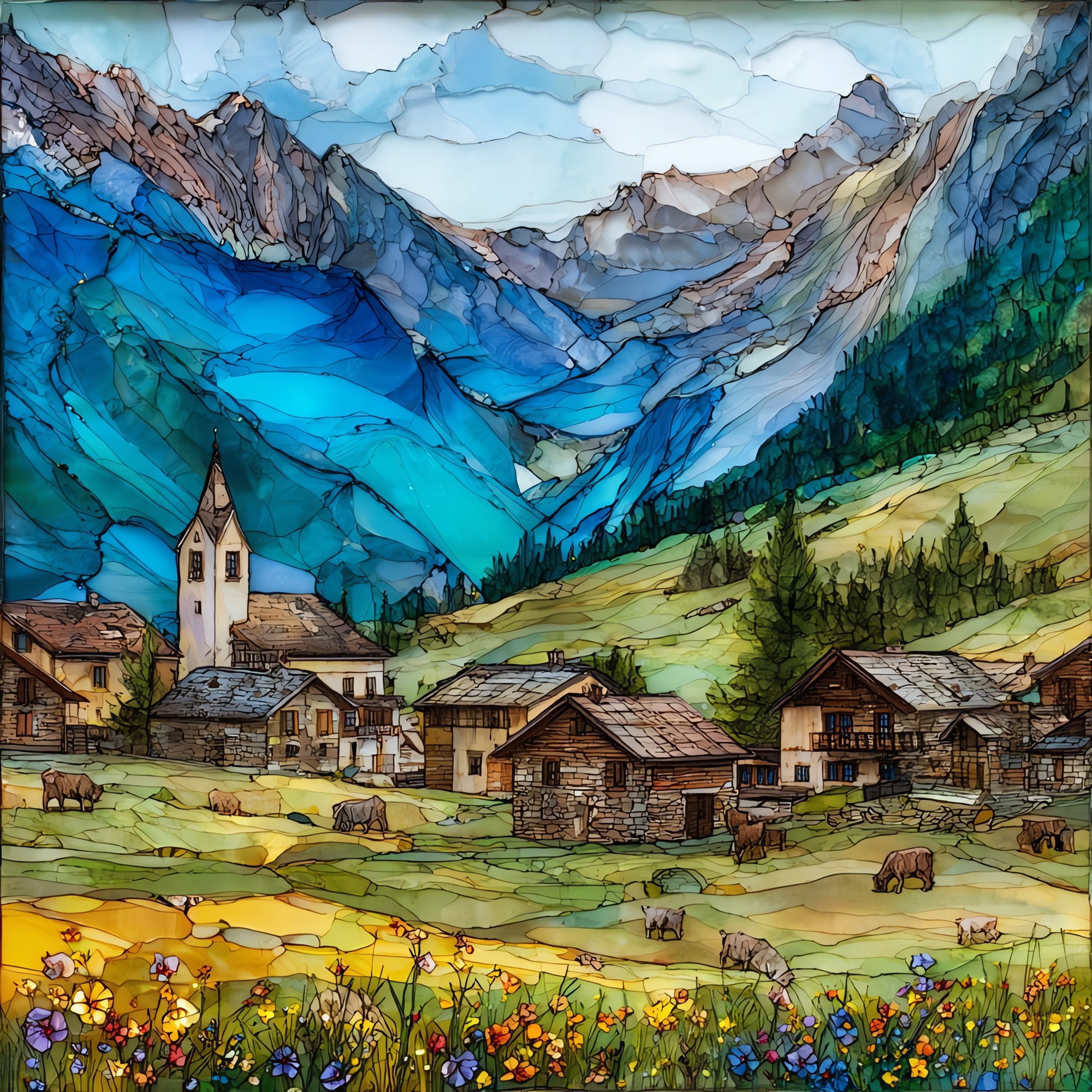
Livigno in Summer
— the few green weeks between two long winters.
Not only on a wall.
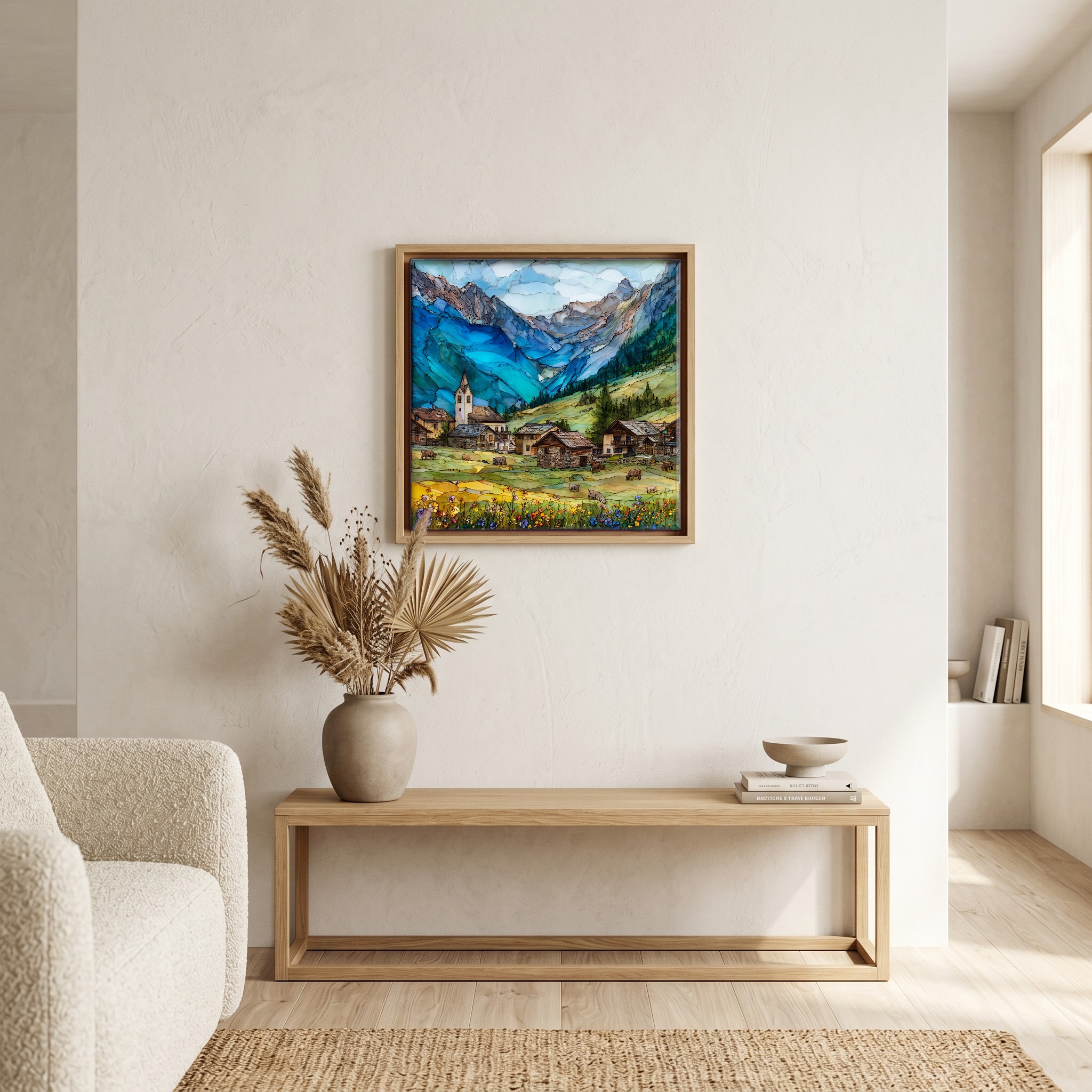
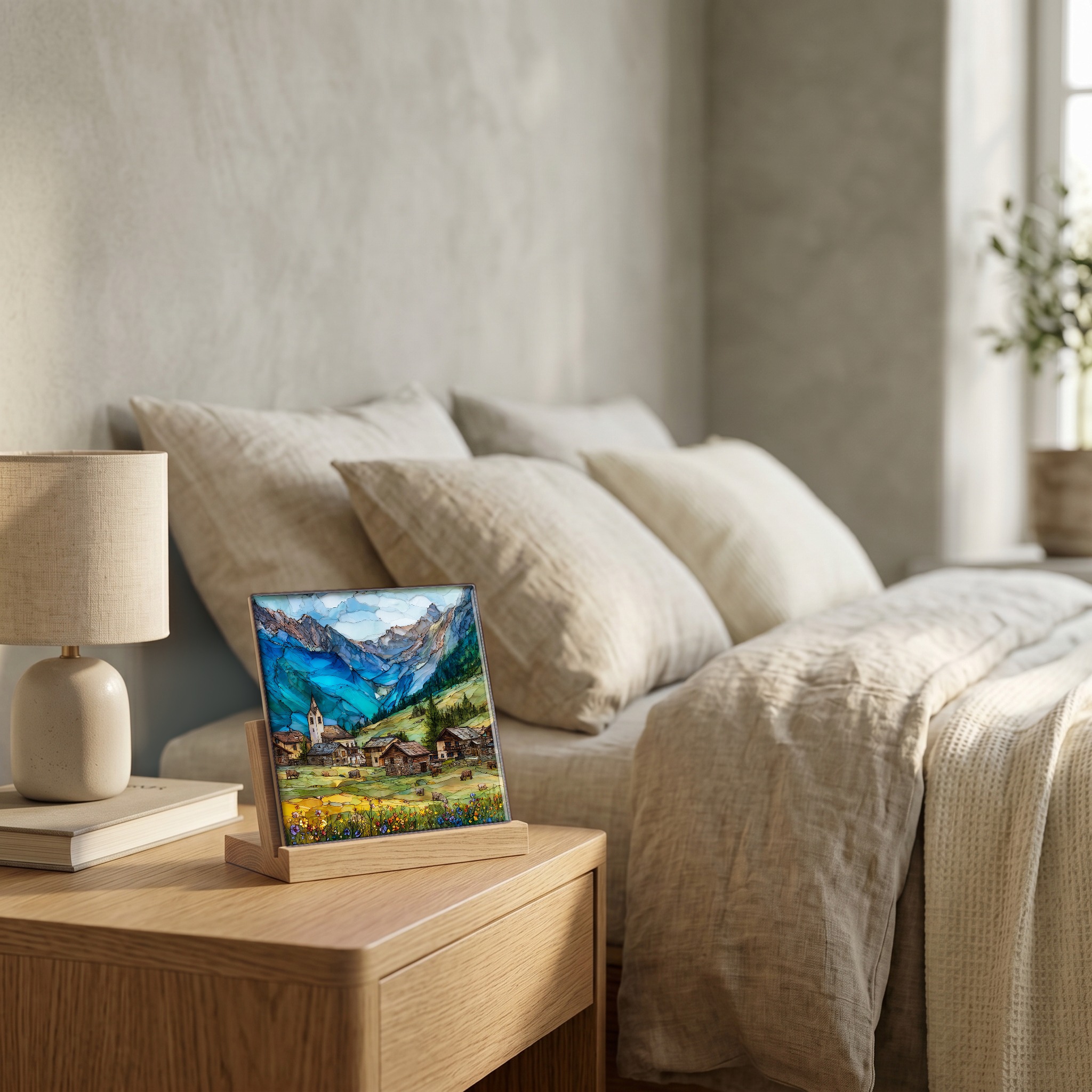
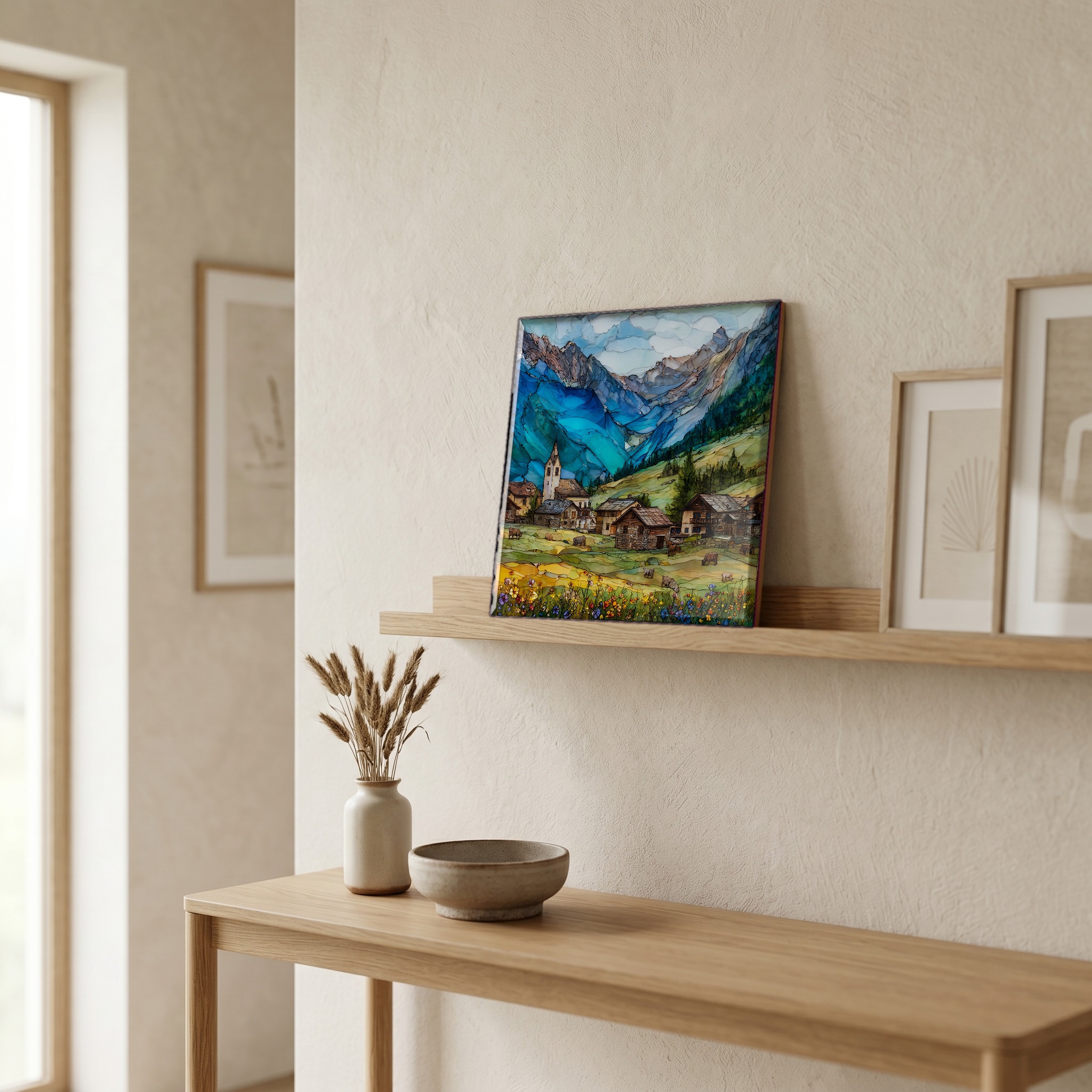
“A long valley closed off by mountains on every side, so high and so far back that it earned the name Little Tibet. In summer the snow that defines the place is gone, the passes open, and the slopes that carry the winter give over to walkers and bikes. The valley fills for a few months, then empties again. It is a place that spends most of the year as one thing and a short stretch of it as another. The green does not last long up here, which is most of why people come up for it.
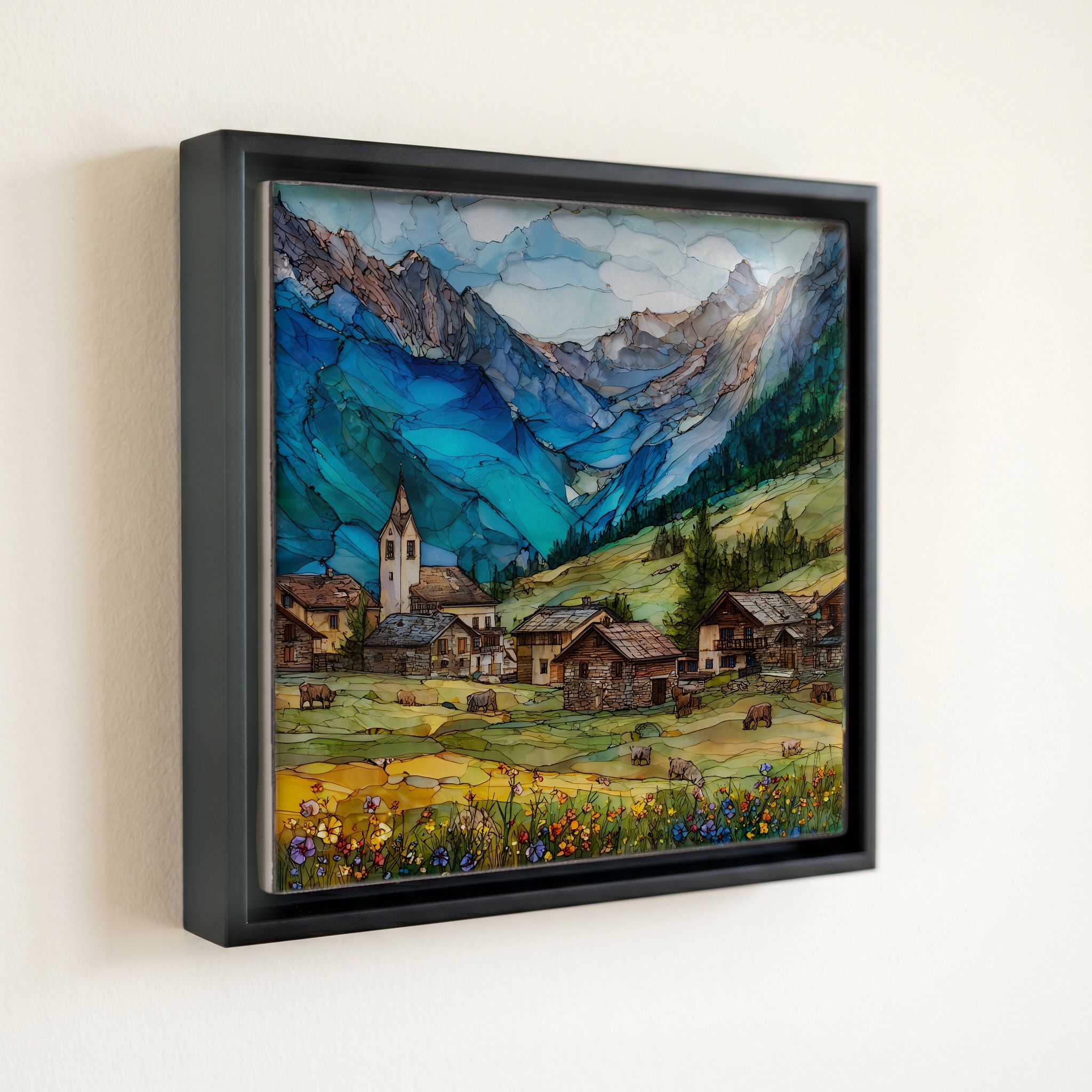
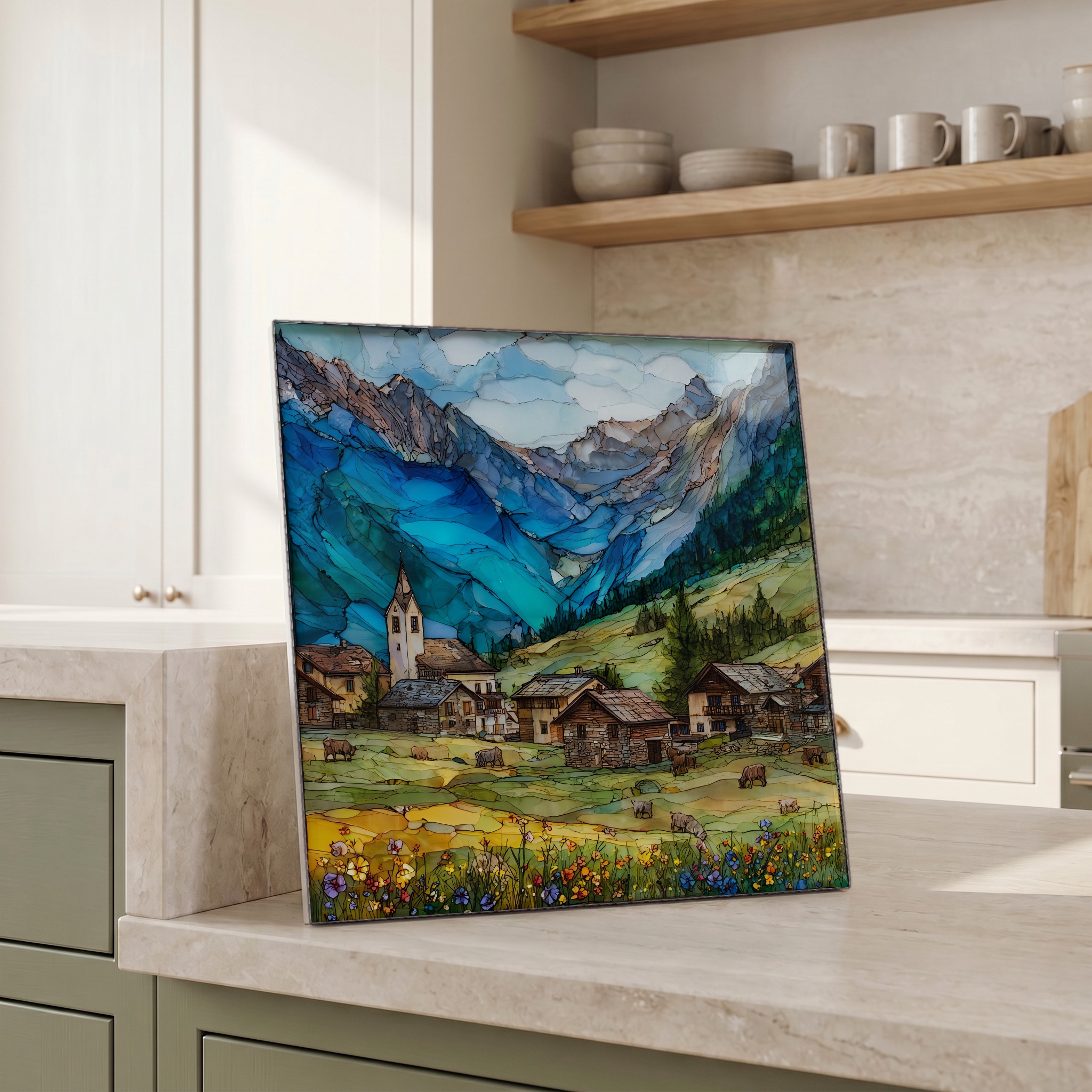
Livigno in Summer, on ceramic.
Each tile is finished by hand in our Knoxville studio. Artwork is slowly infused into the ceramic surface under high heat and pressure, and rests beneath a thin glossy finish. The colour lives in the surface, not on top of it.
Pick any four 4-inch tiles — National Parks you've been to, a Smokies set, the four seasons of one place. $ for a set of , cork-backed, ready to live on the table.
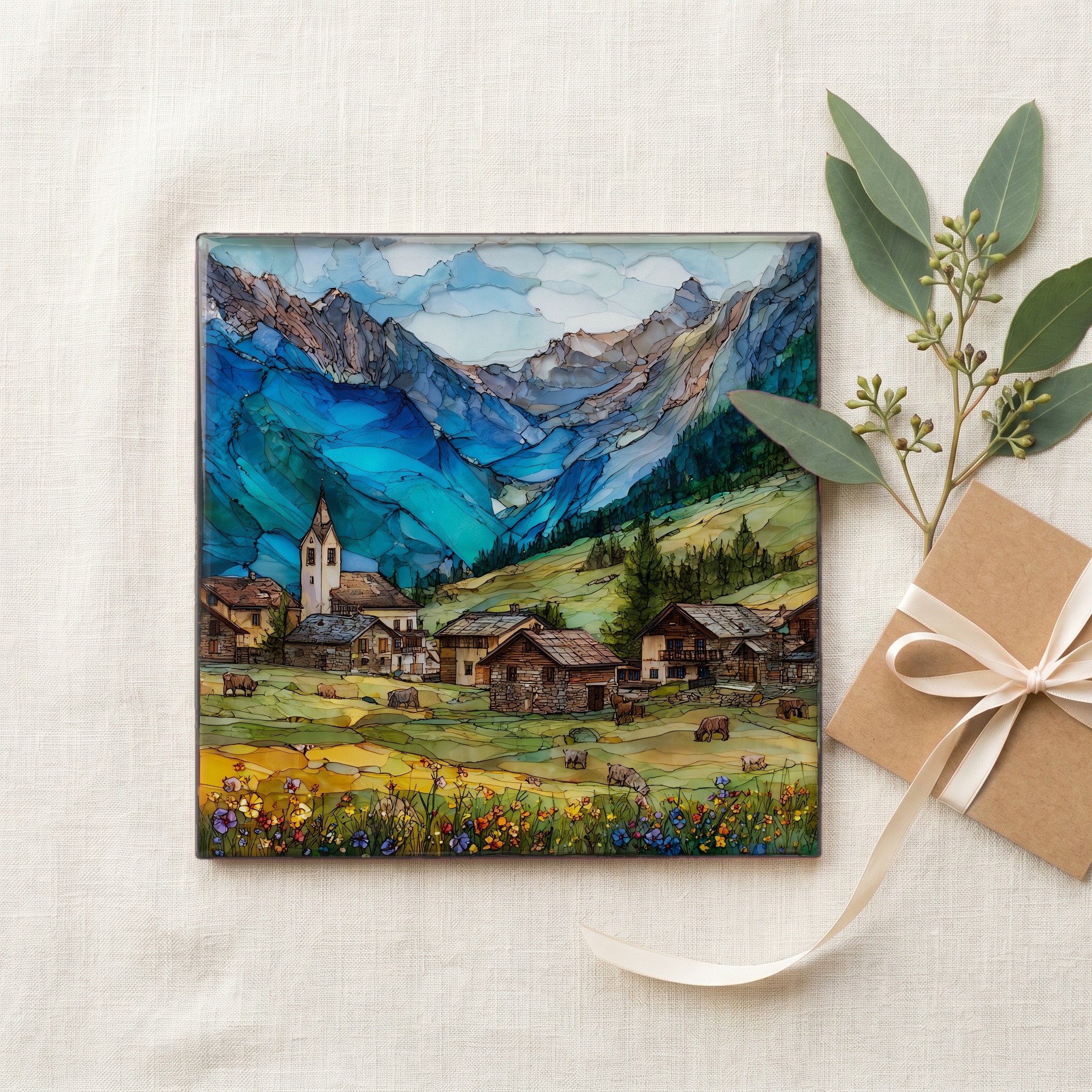
Each tile ships in a kraft box, tied with cream ribbon, with a handwritten note from the studio if you'd like to add one.
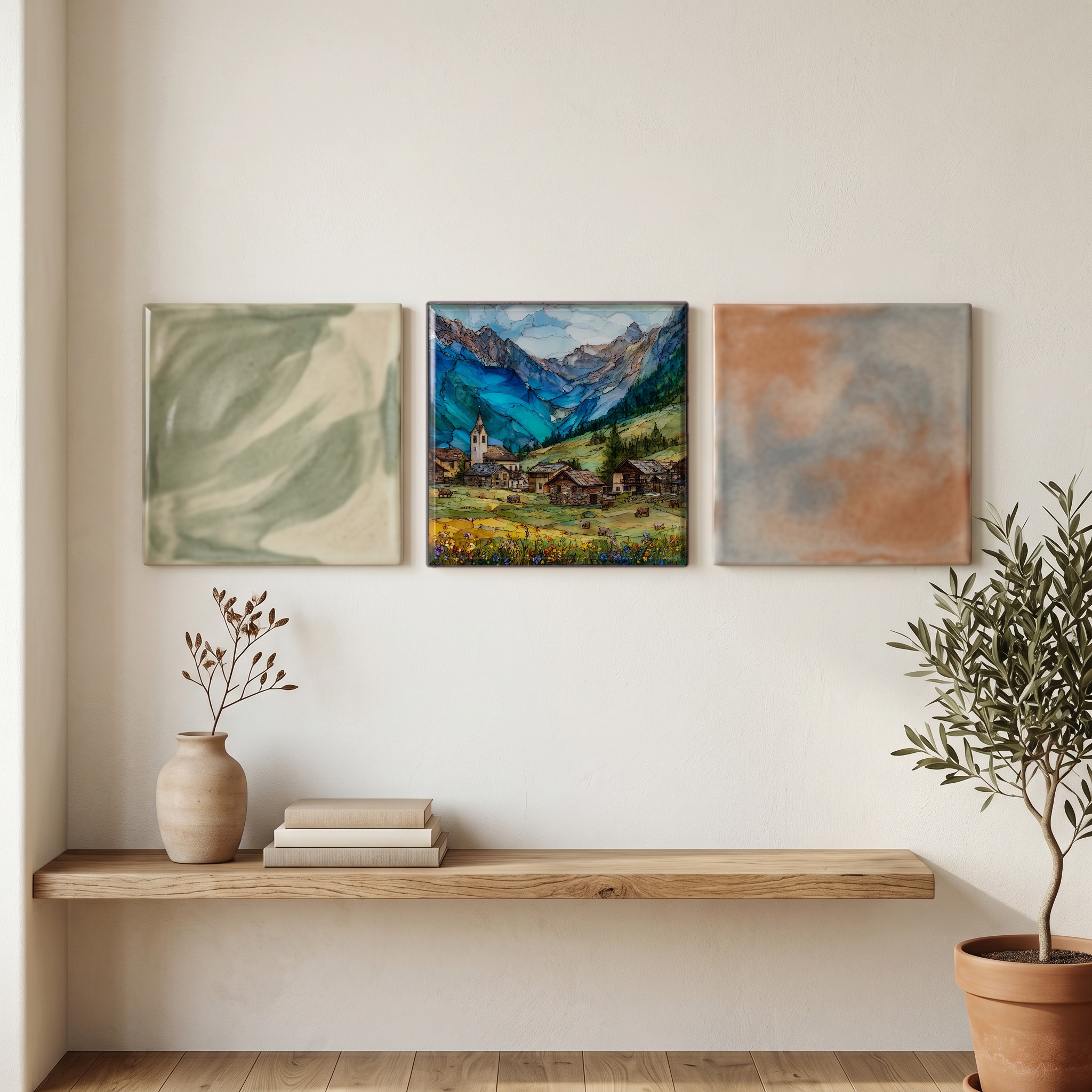
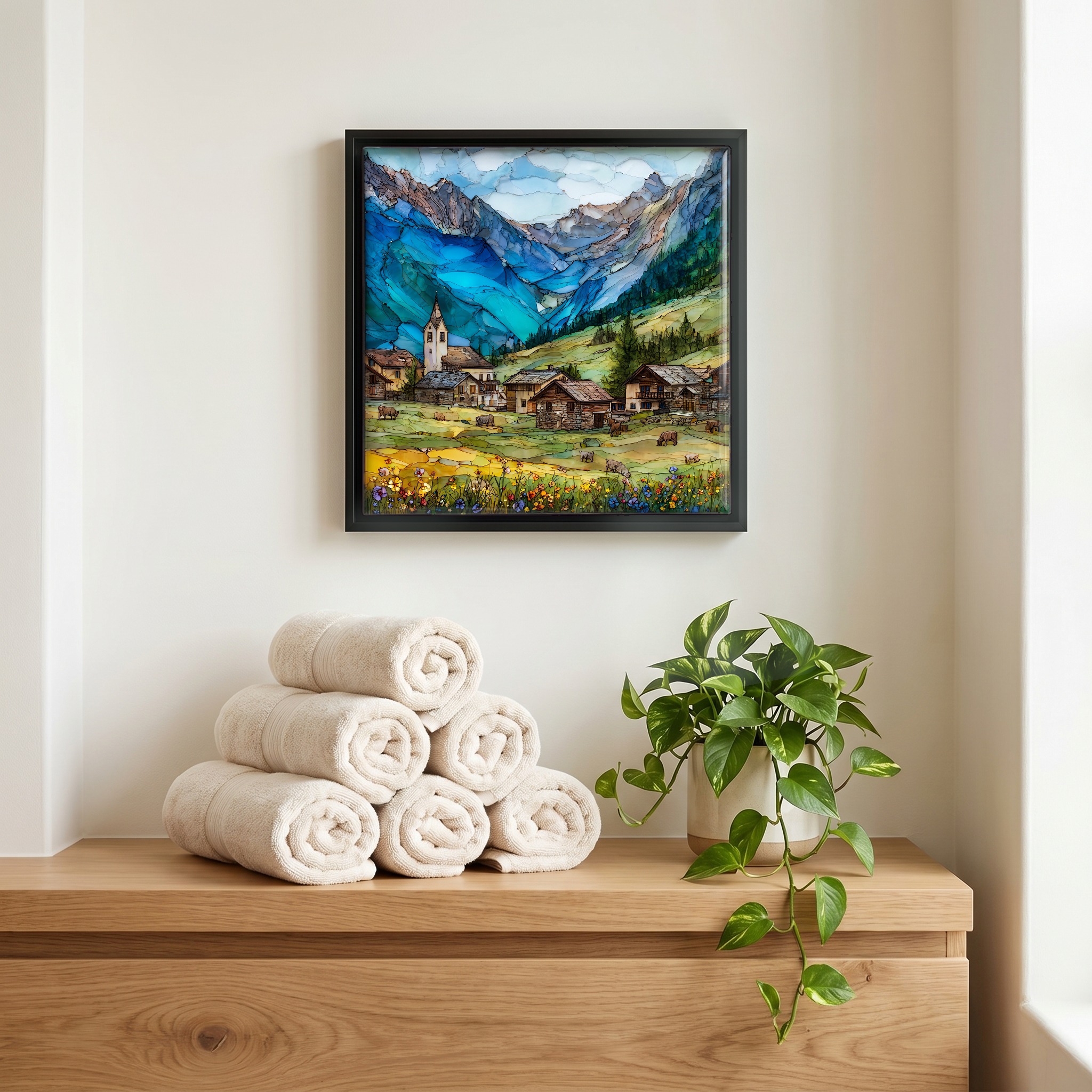
Three or five different vistas, hung together — a chapter of places you've been, or want to go.
The place, in three passes.
Livigno is a comune in the Province of Sondrio, in Lombardy, in the far north of Italy, with its valley floor at 1,816 metres (5,958 feet), among the highest permanently inhabited places in the Alps. Three roads reach it, each over a high pass: the Foscagno Pass at 2,291 metres from the Italian side, the Forcola di Livigno at 2,315 metres toward Switzerland, open only in summer, and the Munt la Schera tunnel from the Swiss Engadin, which stays open through winter. The Spol, known locally as the Aqua Granda, runs the length of the valley into the Lago di Livigno reservoir, completed in 1968. Bormio lies to the south; St. Moritz is just over the border.
The valley earned the nickname Little Tibet for its height and its isolation: walled in on every side, snowbound and cut off for much of the year, with thin clear air and long winters. Trepalle, a frazione on the road above the town, is often called the highest inhabited parish in Europe. That remoteness shaped the local economy as much as the climate. Livigno has been a duty-free zone, exempt from Italian VAT, since the Austrian Empire granted the relief around 1840, a concession later kept by the Kingdom of Italy and by the European Community. The altitude also keeps the summer short and the light hard and clear, the way it stays at the top of the Alps.
Summer in Livigno is brief and busy. Once the snow clears, usually from June into September, the slopes that hold the winter give over to walking and riding: roughly 1,500 kilometres of marked hiking trails and a far larger network of GPS-tracked bike routes, with downhill parks at Mottolino and Carosello 3000. The Forcola di Livigno pass into Switzerland opens only for these months. The same terrain carries a second identity in the cold: the Livigno Snow Park hosted the freestyle skiing and snowboard events, the halfpipe, slopestyle and big air, at the Milano Cortina 2026 Winter Games. By late autumn the high passes close and the valley goes back under snow.