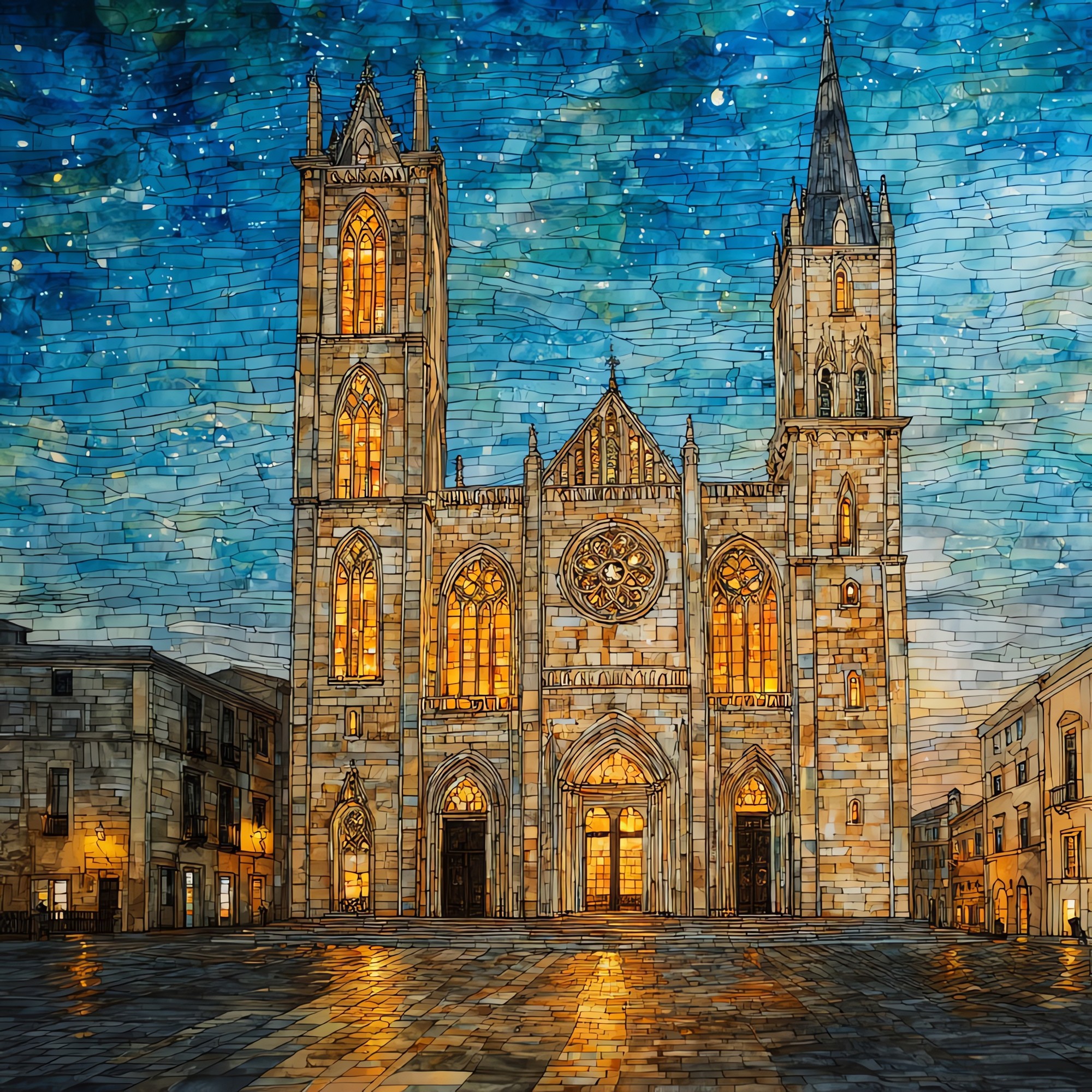
Lecce Cathedral
— — honey stone, holding the light long after dark.
Not only on a wall.
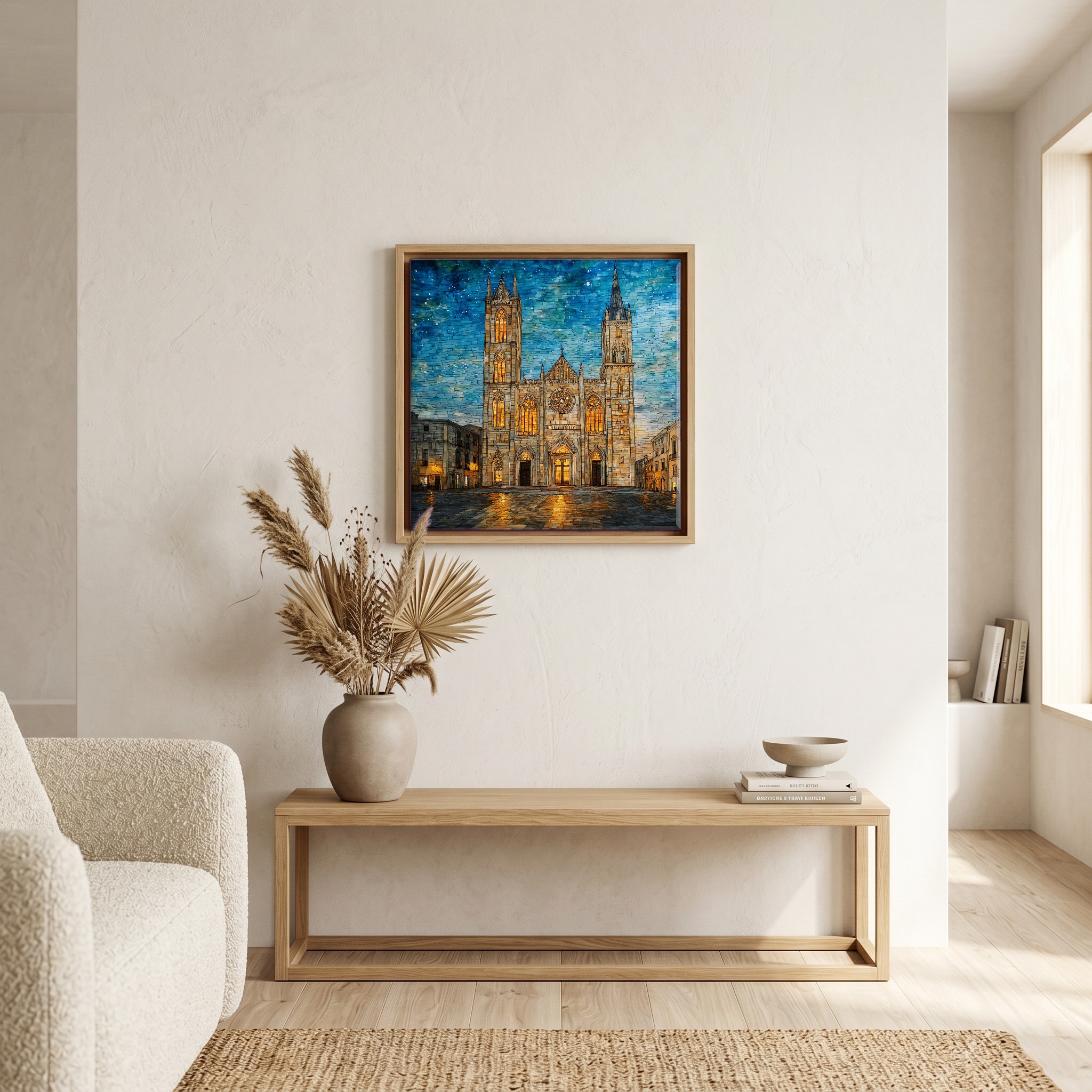
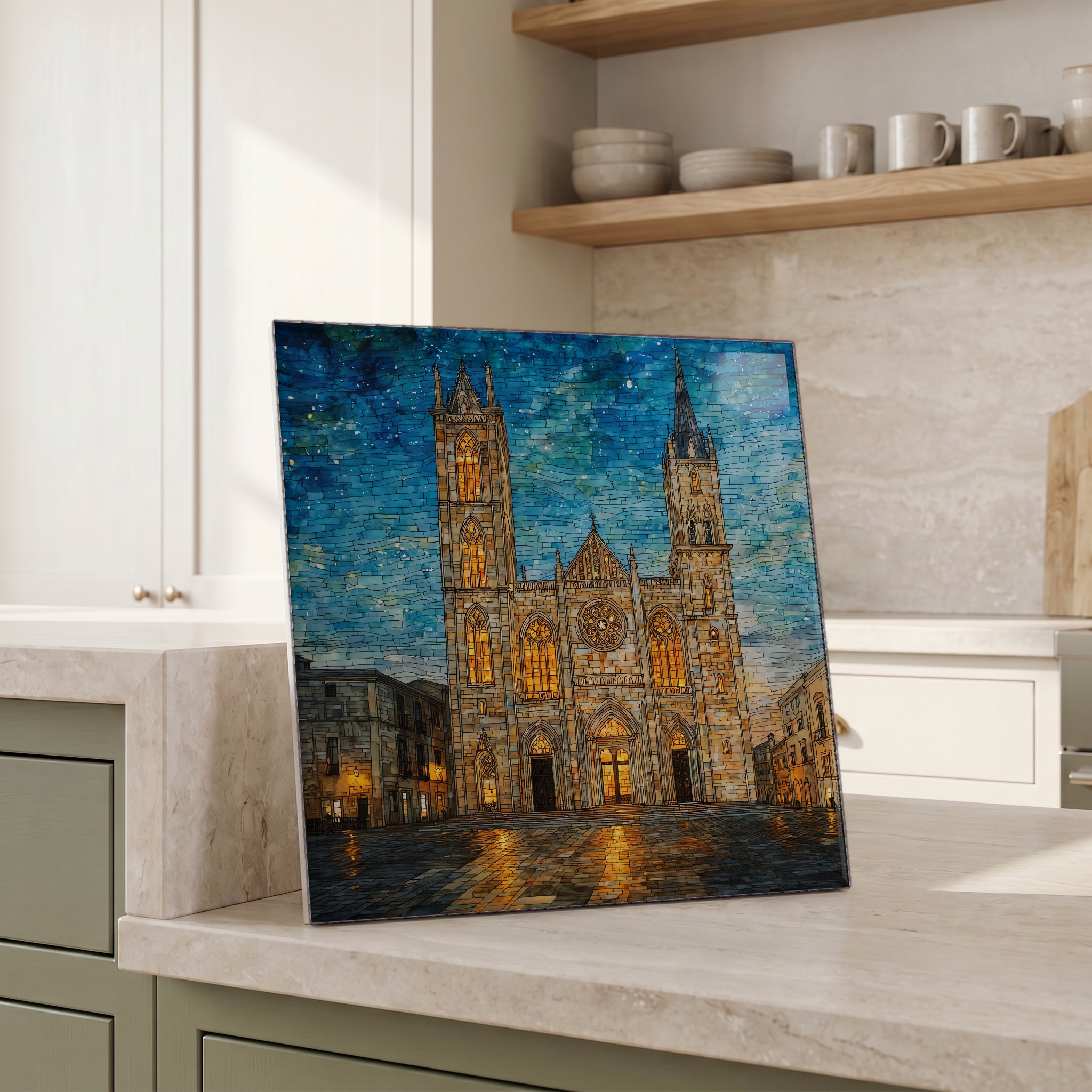
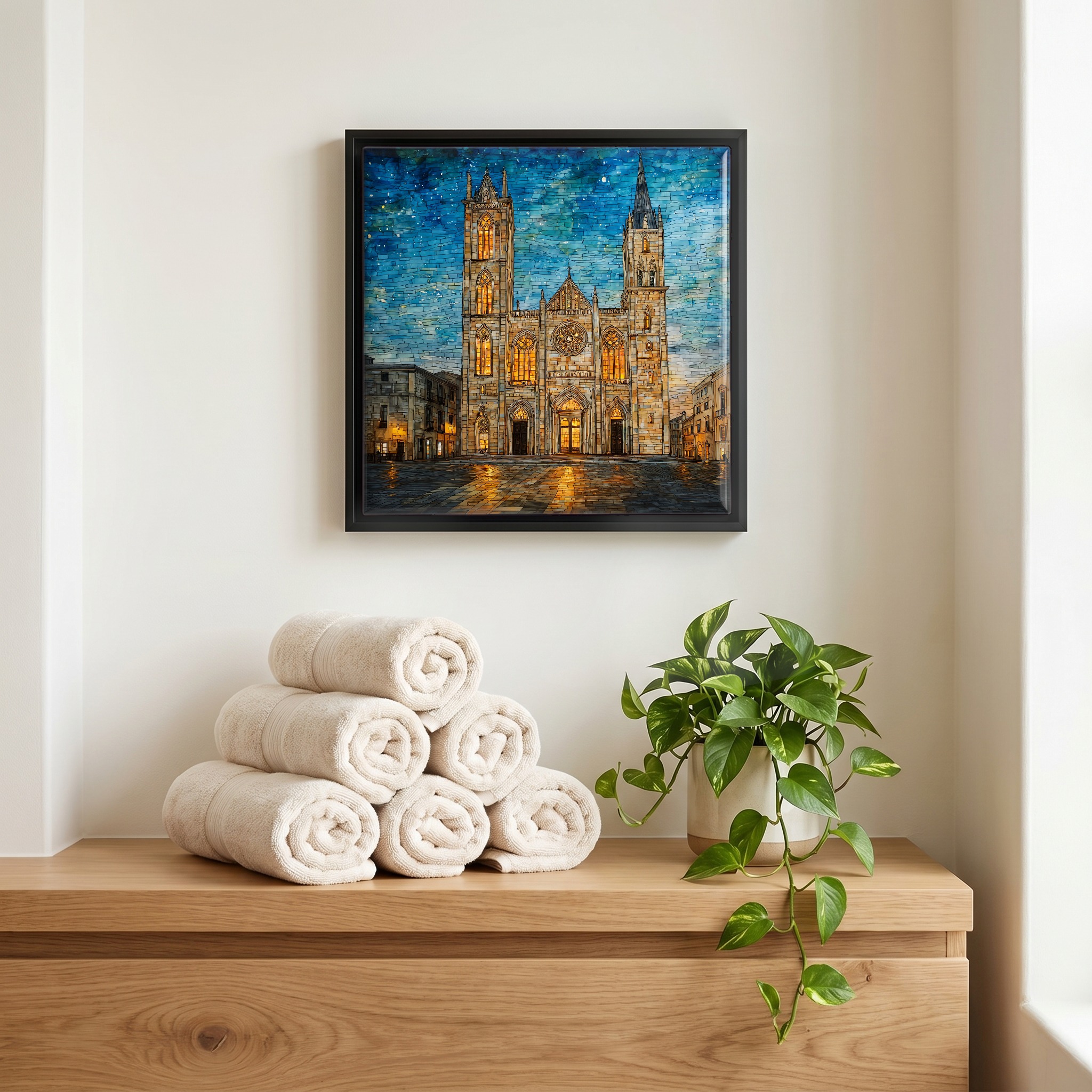
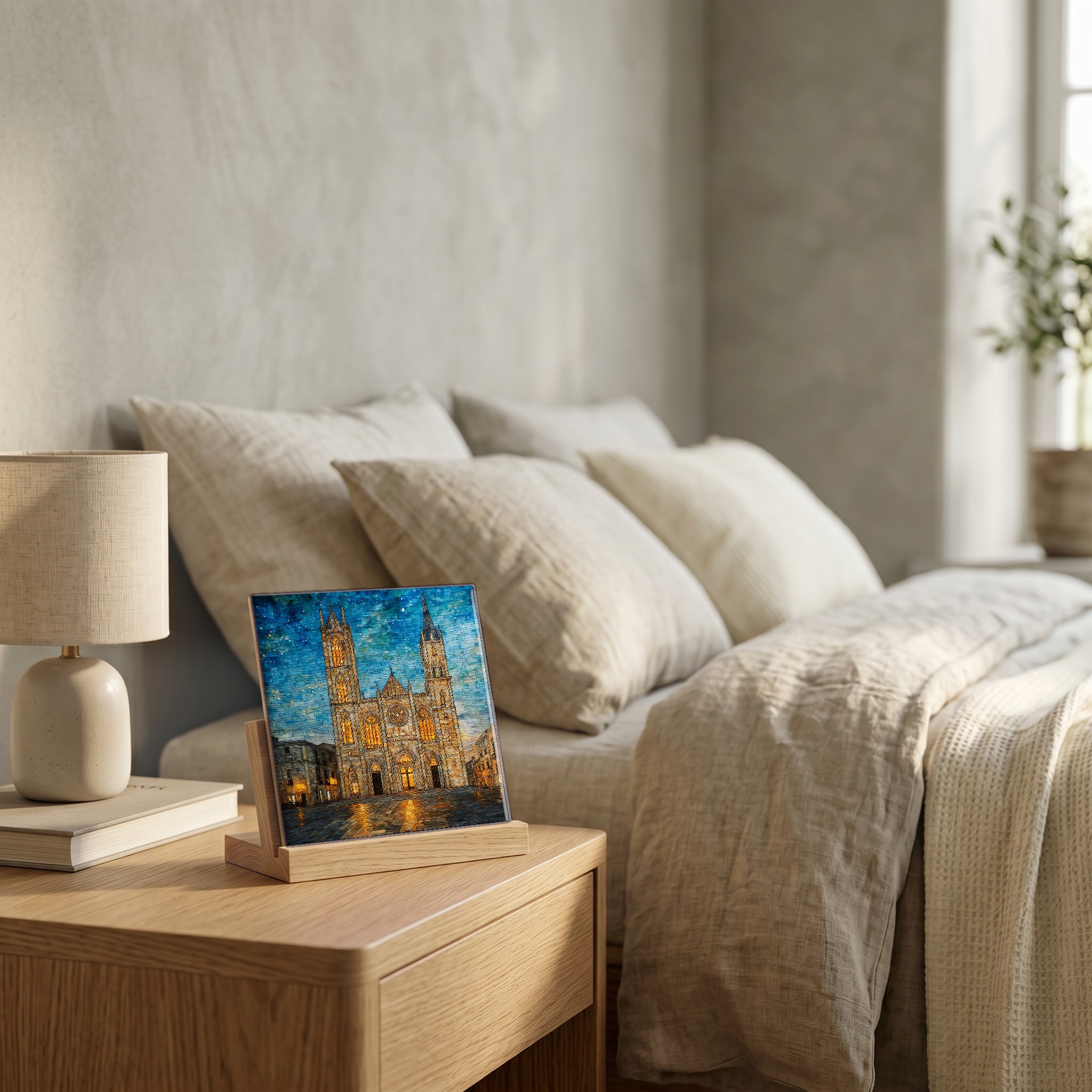
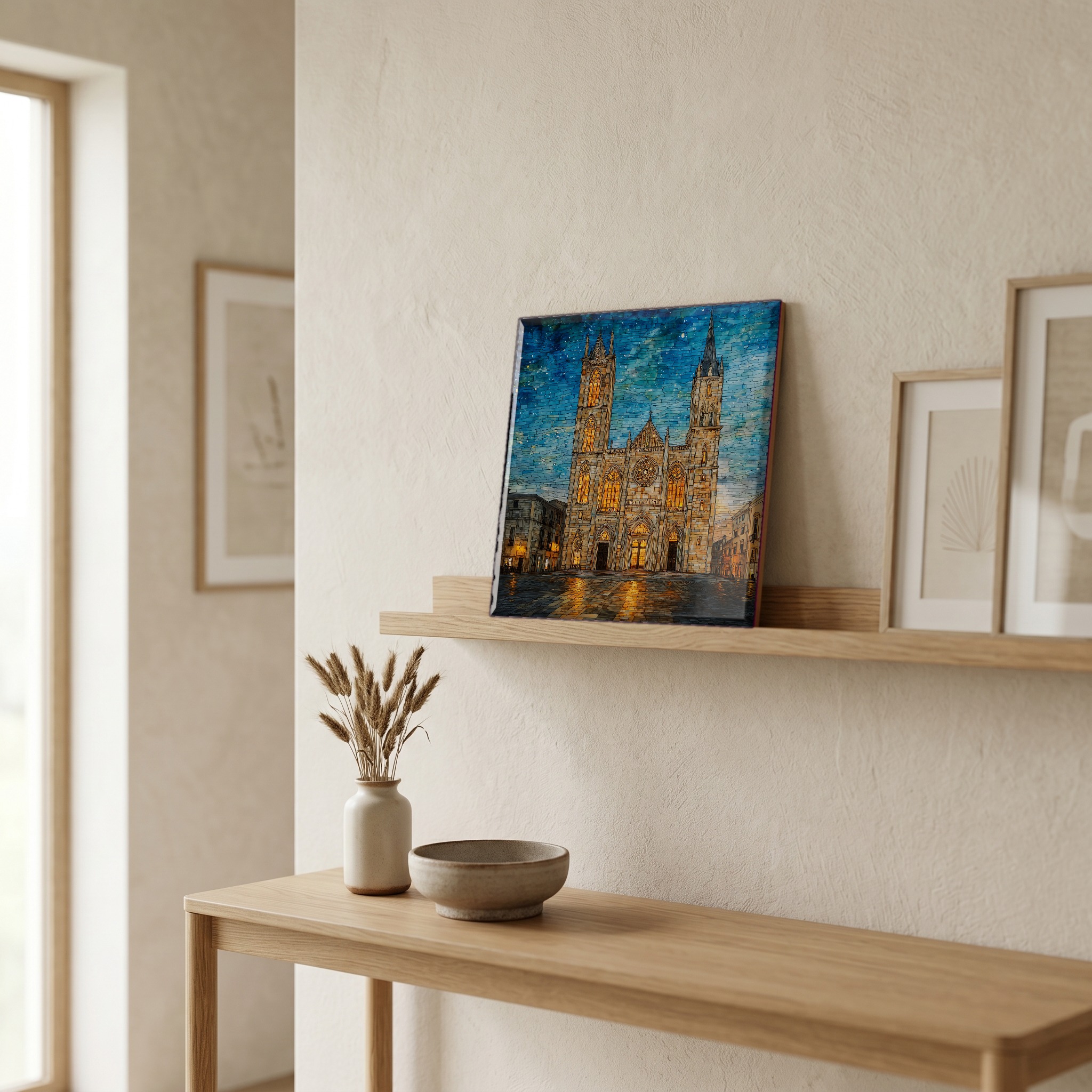
“The Duomo at the closed end of Piazza del Duomo, in the old centre of Lecce. The square has only one narrow opening, between the Bishop's Palace and the seminary; most visitors miss it twice. The local stone is pietra leccese, a soft cream-gold limestone quarried just outside the city. It carves like wood and hardens in the sun. After dark the floodlit façades take on the colour of warm bread. The bell tower beside the cathedral was built by the same architect. The Salento peninsula has hotter summers than most of Italy, and quieter ones.
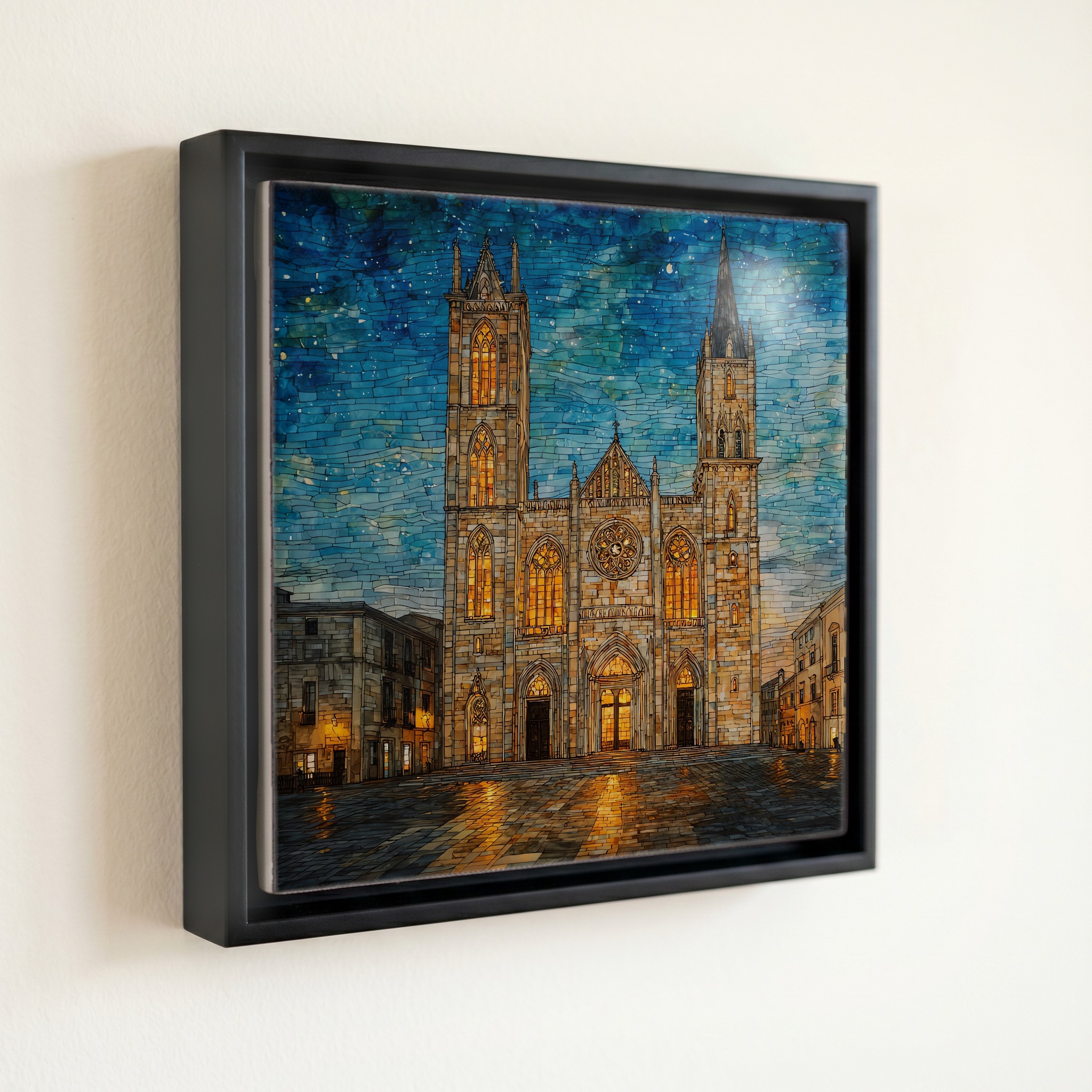
Lecce Cathedral, on ceramic.
Each tile is finished by hand in our Knoxville studio. Artwork is slowly infused into the ceramic surface under high heat and pressure, and rests beneath a thin glossy finish. The colour lives in the surface, not on top of it.
Pick any four 4-inch tiles — National Parks you've been to, a Smokies set, the four seasons of one place. $ for a set of , cork-backed, ready to live on the table.
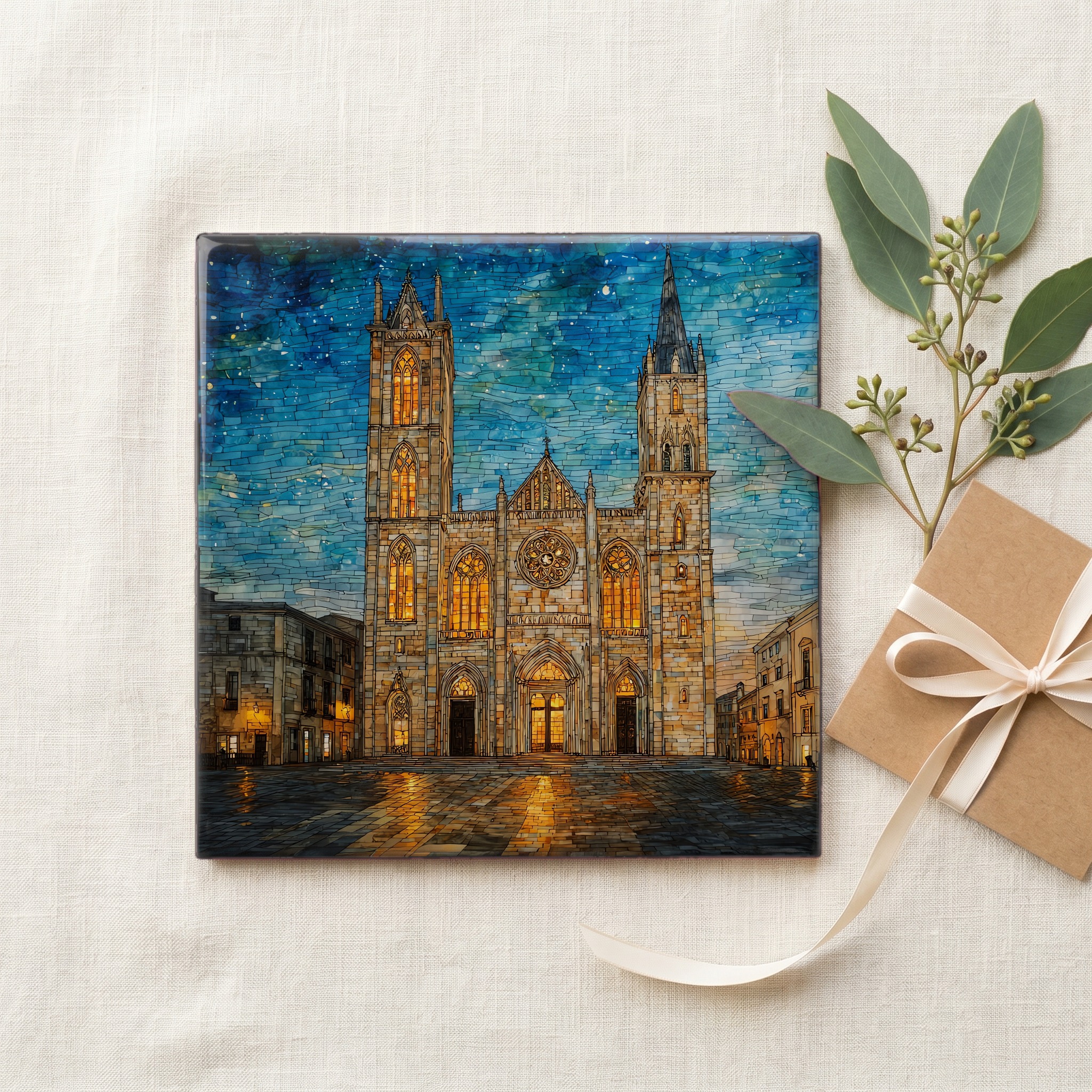
Each tile ships in a kraft box, tied with cream ribbon, with a handwritten note from the studio if you'd like to add one.
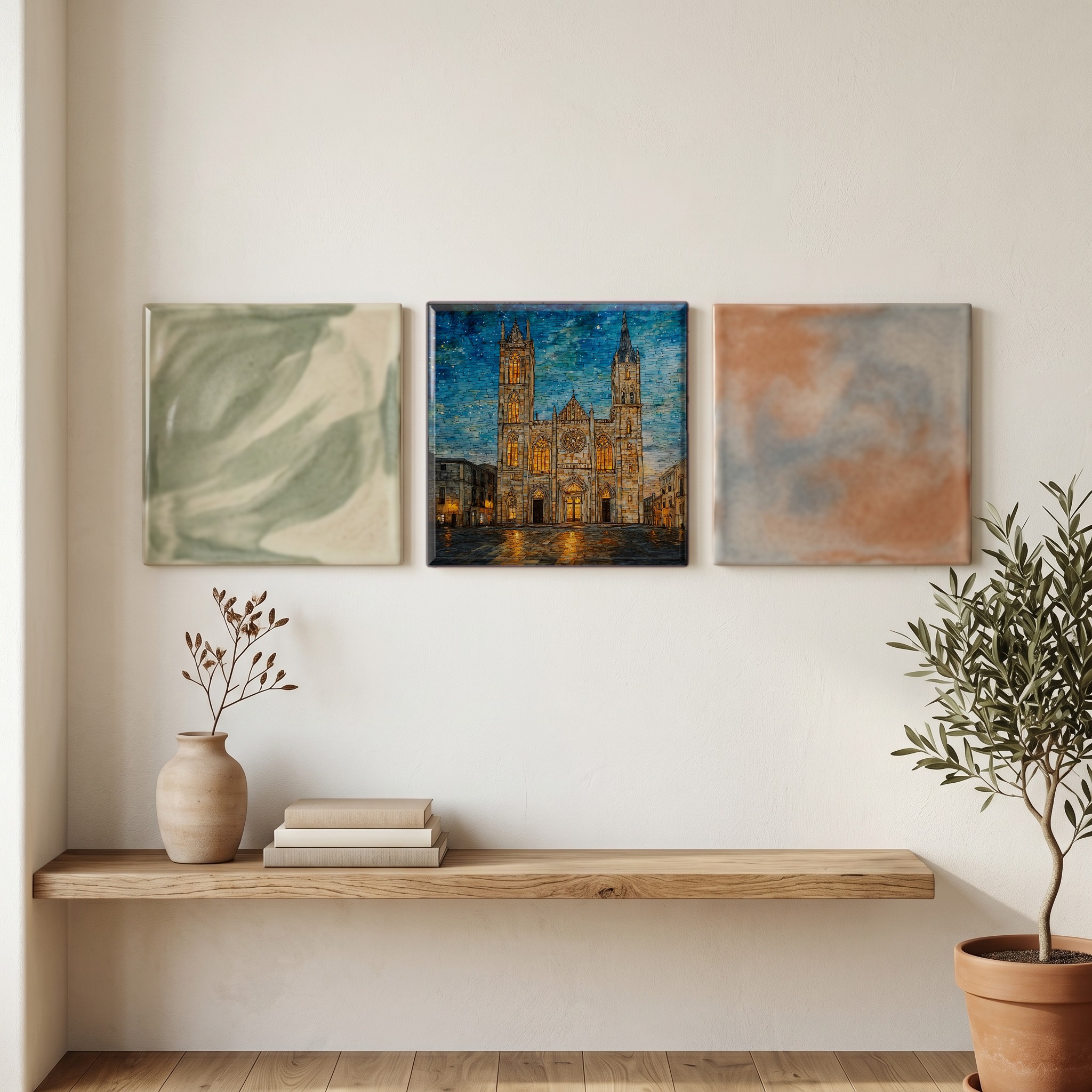
Three or five different vistas, hung together — a chapter of places you've been, or want to go.
The place, in three passes.
Lecce sits on the Salento peninsula, the heel of Italy's boot, about 40 kilometres from the Adriatic and 25 kilometres from the Ionian coast. The cathedral, formally the Cattedrale di Maria Santissima Assunta, stands at the closed end of Piazza del Duomo, one of the few enclosed cathedral squares in Italy, entered through a single narrow opening between the Bishop's Palace and the seminary. The current building was reconstructed between 1659 and 1670 by Giuseppe Zimbalo, the Lecce-born architect who shaped much of the city's baroque centre. The bell tower beside it stands about seventy metres tall and dates to the same period. The square also holds the Bishop's Palace and the Seminary, both seventeenth-century.
The pale gold of the cathedral is pietra leccese, a soft limestone quarried from the surrounding Salento plain. The stone is soft enough to carve with hand tools, almost like wood when freshly cut, then hardens with exposure to air and sun. That working quality is what made the Lecce baroque possible: deeply undercut figures, twisted columns, dense foliage and saints carved across the façades of nearly every church in the old centre. Giuseppe Zimbalo and his contemporaries pushed the style further than the stonework in Rome or Naples allowed. The same stone gave the city its nickname, the Florence of the South. In direct sun the surface reads almost white; in late afternoon it warms to honey.
Pietra leccese reacts to light in a way no other Italian baroque material does. The grain is fine and slightly porous, so the surface absorbs and softens incoming light rather than throwing it back. Through the middle of the day the cathedral reads as a pale cream; by late afternoon the carving falls into deep relief and the colour shifts toward warm honey. After dark the floodlights on Piazza del Duomo take the façades to the colour of fresh-baked bread, and the closed square holds that light without scattering it down the surrounding streets. Photographers working in Lecce tend to plan for the hour before sunset and the first hour after dark, when the stone gives back the day's heat.