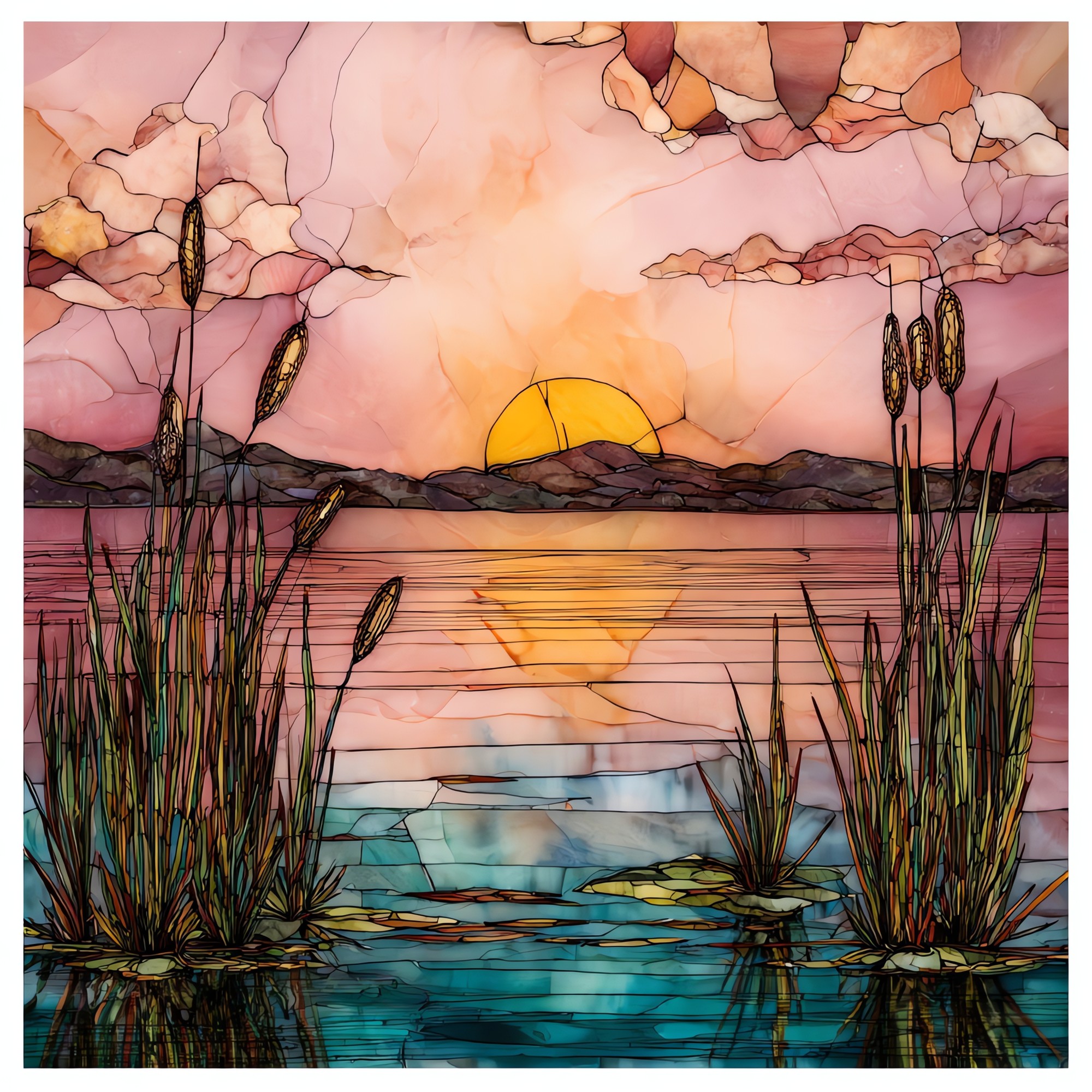
Lake Trasimeno
— — the flat silver the wind hasn't found yet.
Not only on a wall.
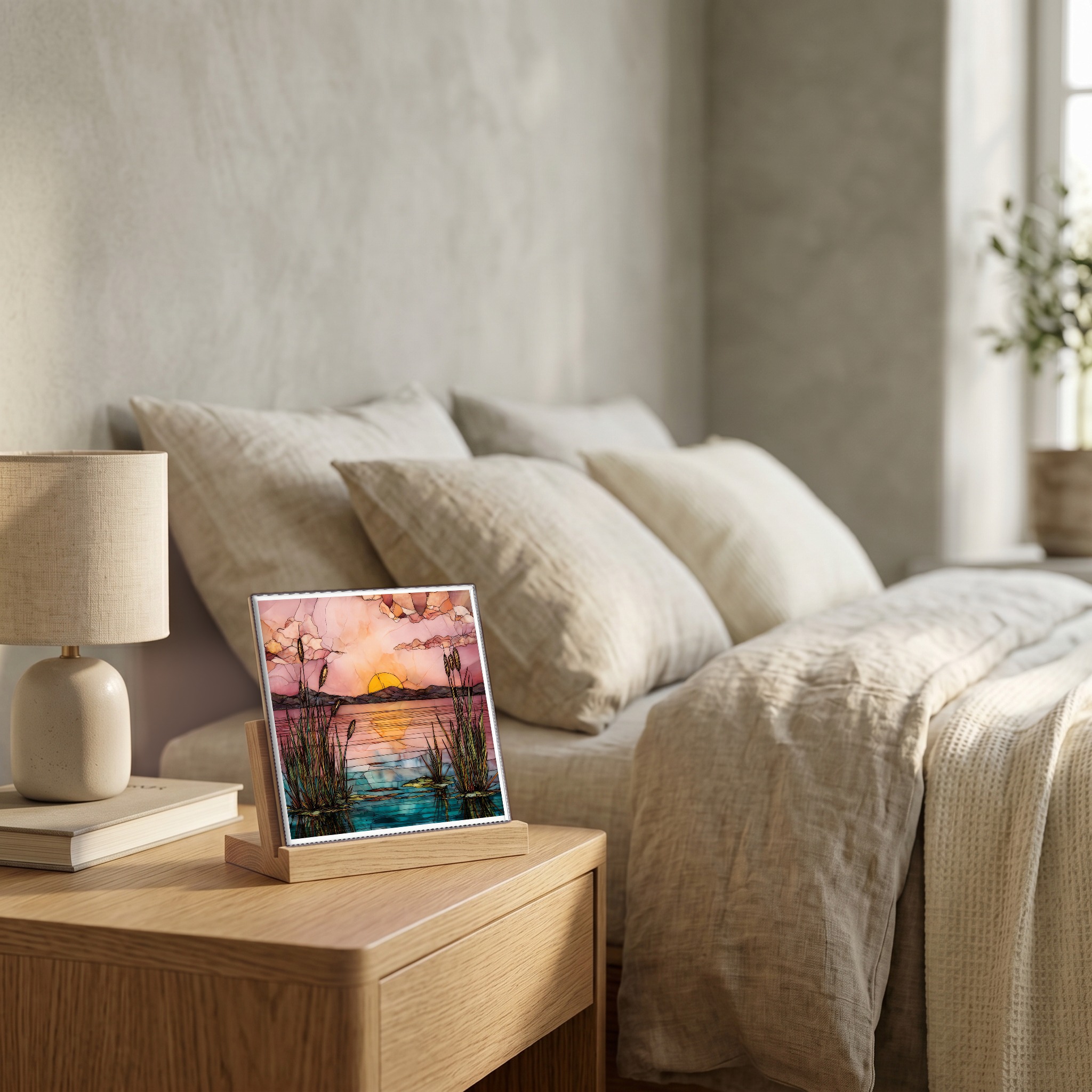
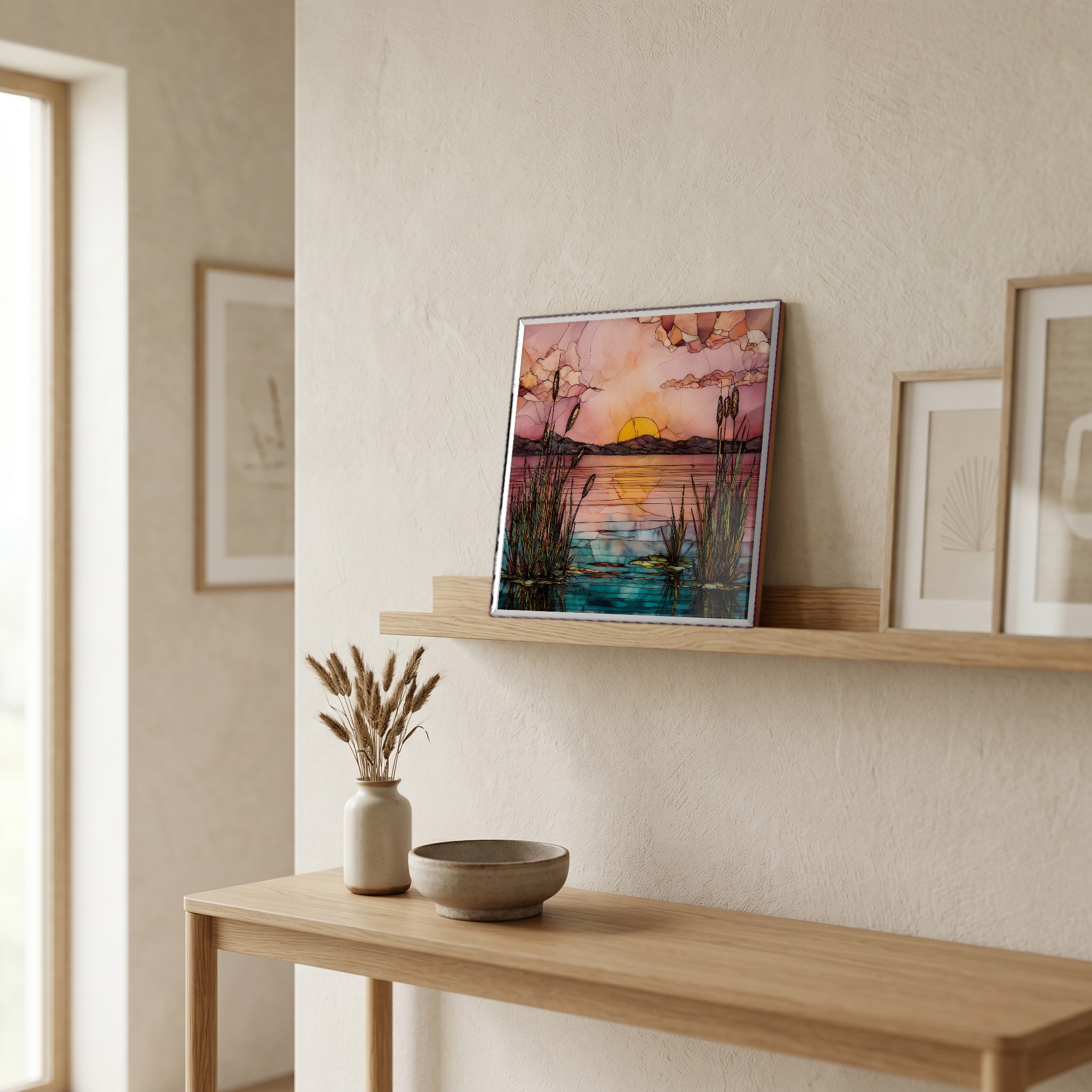
“The largest lake on the Italian peninsula, set low in the Umbrian hills west of Perugia. It is wide and very shallow, barely six metres at its deepest, so the whole of it seems to lie flat and hold the sky. Three islands rest on the water; only one, Isola Maggiore, still has people living on it. On the north shore, near Tuoro, Hannibal once used the morning fog off this lake to hide an army. The fishing boats still go out before the haze lifts. It is a quieter Italy than the postcards usually show.
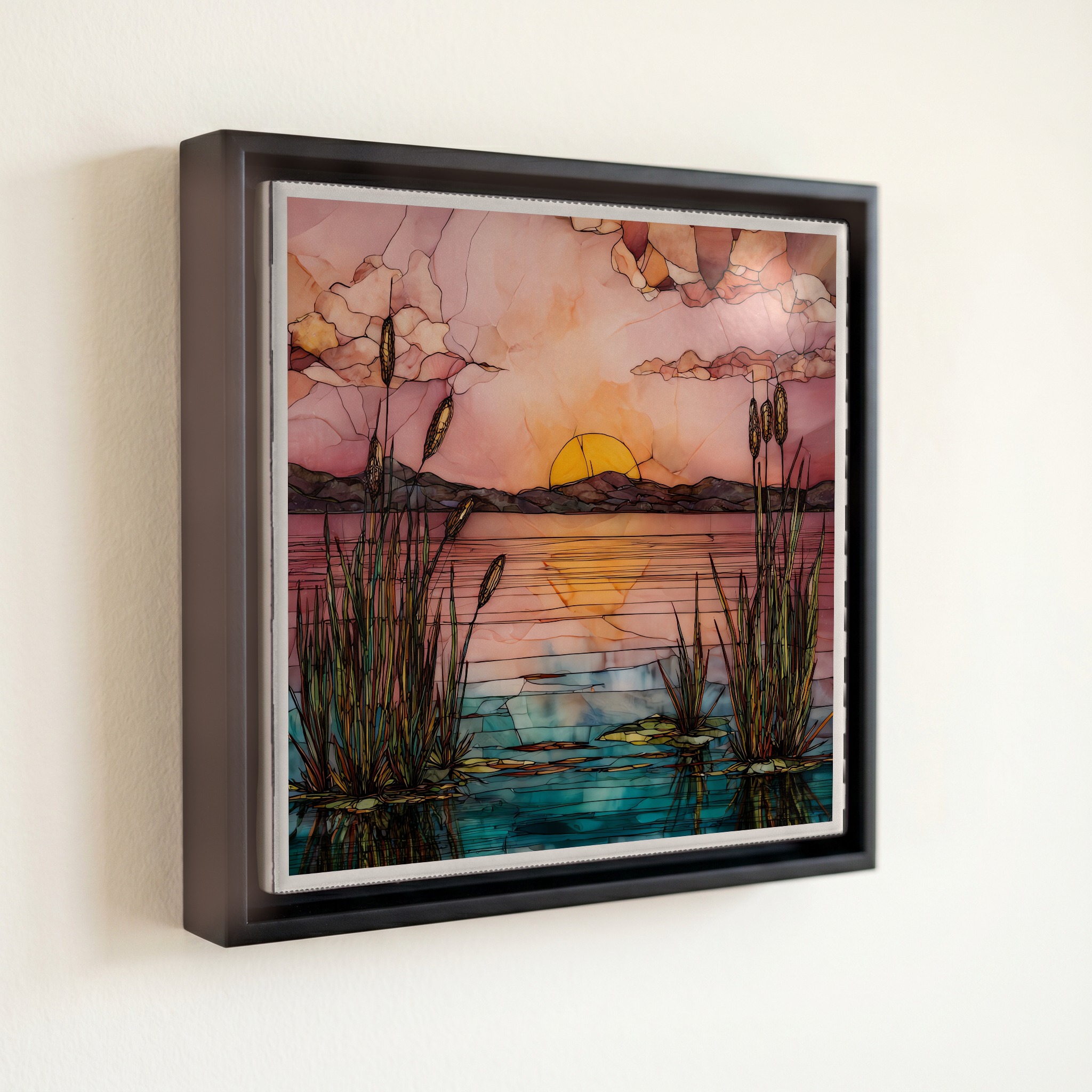
Lake Trasimeno, on ceramic.
Each tile is finished by hand in our Knoxville studio. Artwork is slowly infused into the ceramic surface under high heat and pressure, and rests beneath a thin glossy finish. The colour lives in the surface, not on top of it.
Pick any four 4-inch tiles — National Parks you've been to, a Smokies set, the four seasons of one place. $ for a set of , cork-backed, ready to live on the table.

Each tile ships in a kraft box, tied with cream ribbon, with a handwritten note from the studio if you'd like to add one.
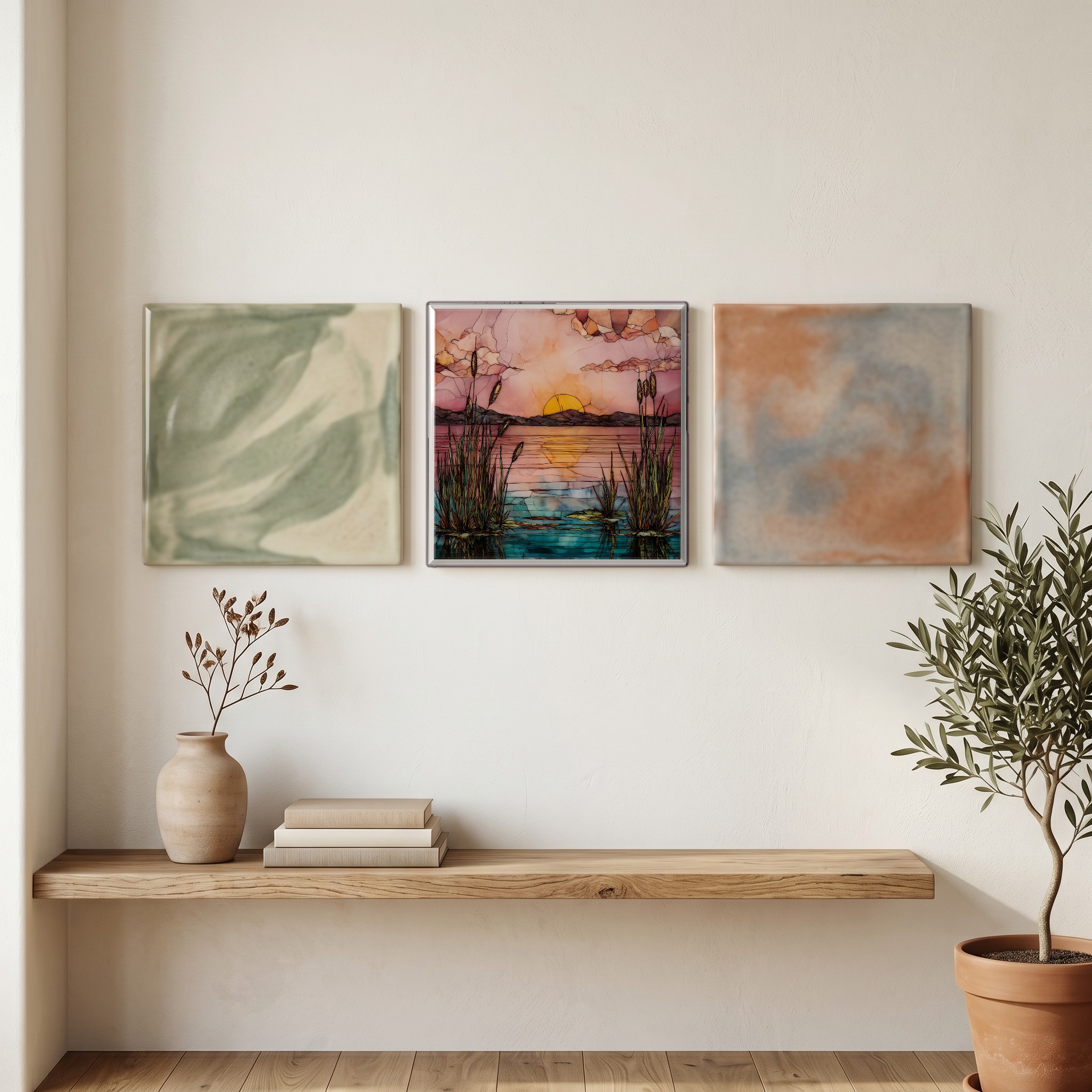
Three or five different vistas, hung together — a chapter of places you've been, or want to go.
The place, in three passes.
Lake Trasimeno lies at about 258 metres above sea level in Umbria, central Italy, around 16 kilometres west of Perugia. At roughly 128 square kilometres it is the largest lake on the Italian peninsula and the fourth largest in the country, after Garda, Maggiore and Como. Low hills ring a wide, open basin holding three islands: Isola Polvese, the largest at about a square kilometre; Isola Maggiore, the only one still inhabited; and the uninhabited Isola Minore. Towns sit around the shore, among them Castiglione del Lago on its western promontory and Tuoro on the north, near where Hannibal destroyed a Roman army in 217 BC. Since 1995 the lake and its shores have made up the Parco Regionale del Lago Trasimeno.
Trasimeno is shallow, and that shapes everything about it. The lake averages only four to five metres deep and reaches barely six, spread across a basin so broad that the whole surface seems to lie flat and pale, holding the sky rather than any colour of its own. It is endorheic, with no natural outlet; the Romans cut a drainage tunnel through the surrounding hills, later restored in the Renaissance, to keep the level in check, and the shoreline still moves with the rains. Nineteen species of fish live in the water, most of them introduced over the years, and local families fish for pike, carp, tench and eel as they have for centuries. On a still morning, before the wind, the lake reads as a sheet of silver.
The three islands are the quietest part of the lake. Isola Maggiore, the only one still inhabited, holds around thirty residents and a row of old fishermen's houses below a fourteenth-century friary. By tradition, Saint Francis of Assisi came here in 1211 to keep the forty days of Lent alone, sheltering in the brush with only half a loaf of bread; a convent was raised in 1328 to mark the retreat. Isola Polvese, the largest at about a square kilometre, is now a green park held by the Province of Perugia, with a ruined castle above the trees. Isola Minore, the smallest, has no one on it at all. Boats run out from Tuoro, Passignano and San Feliciano, and once you are on the water the shore noise falls away.