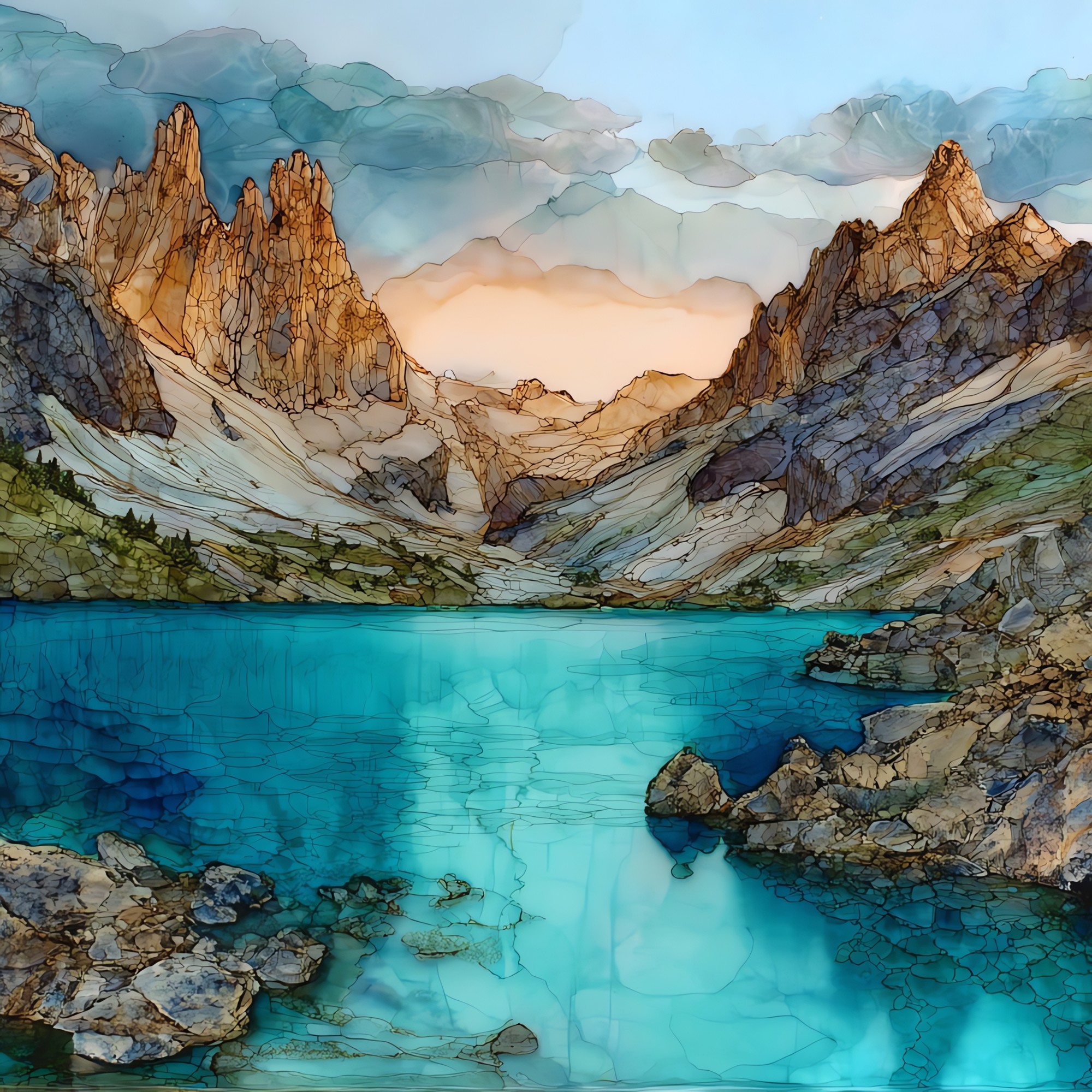
Lake Sorapis in Summer
— — a turquoise the snow gives back in July.
Not only on a wall.
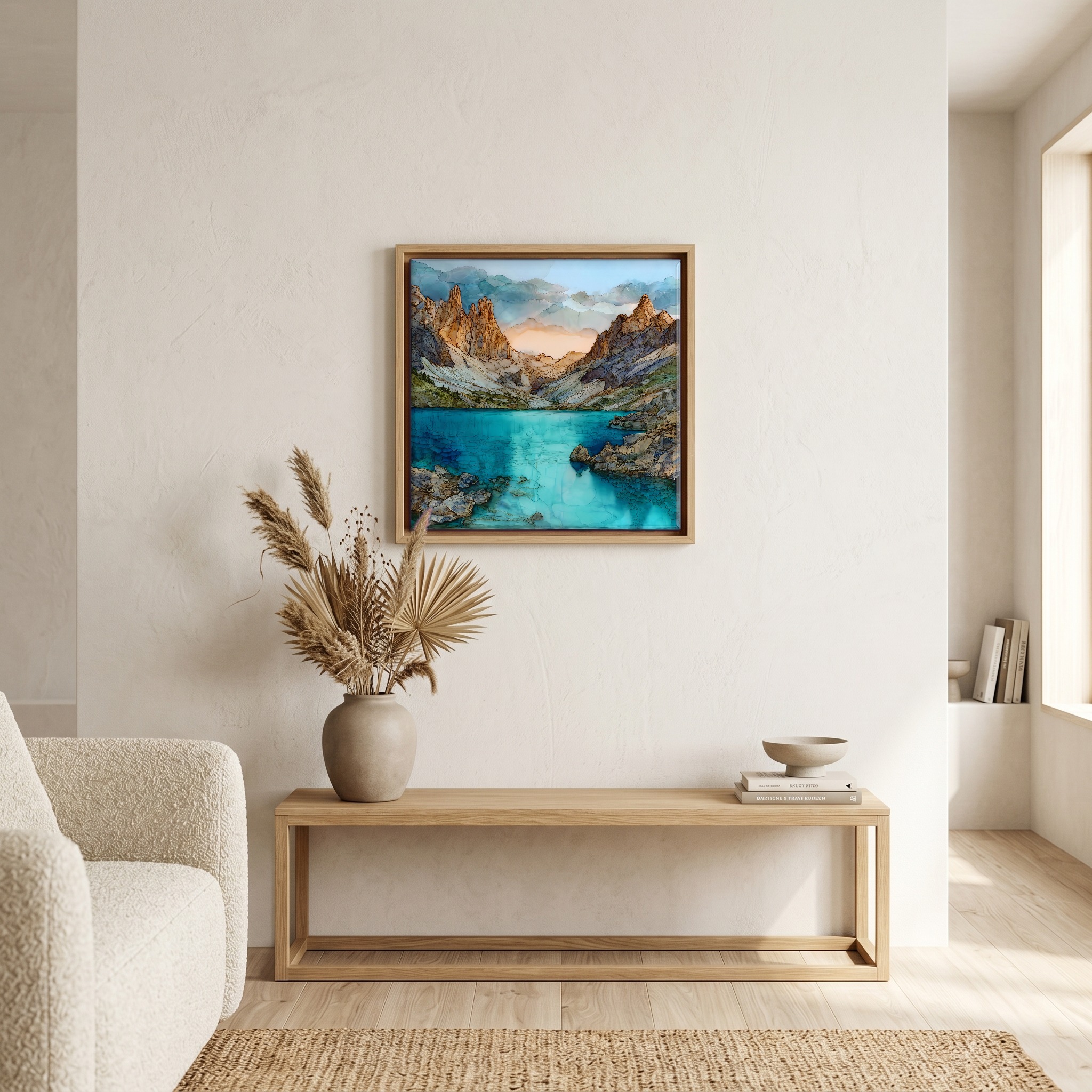
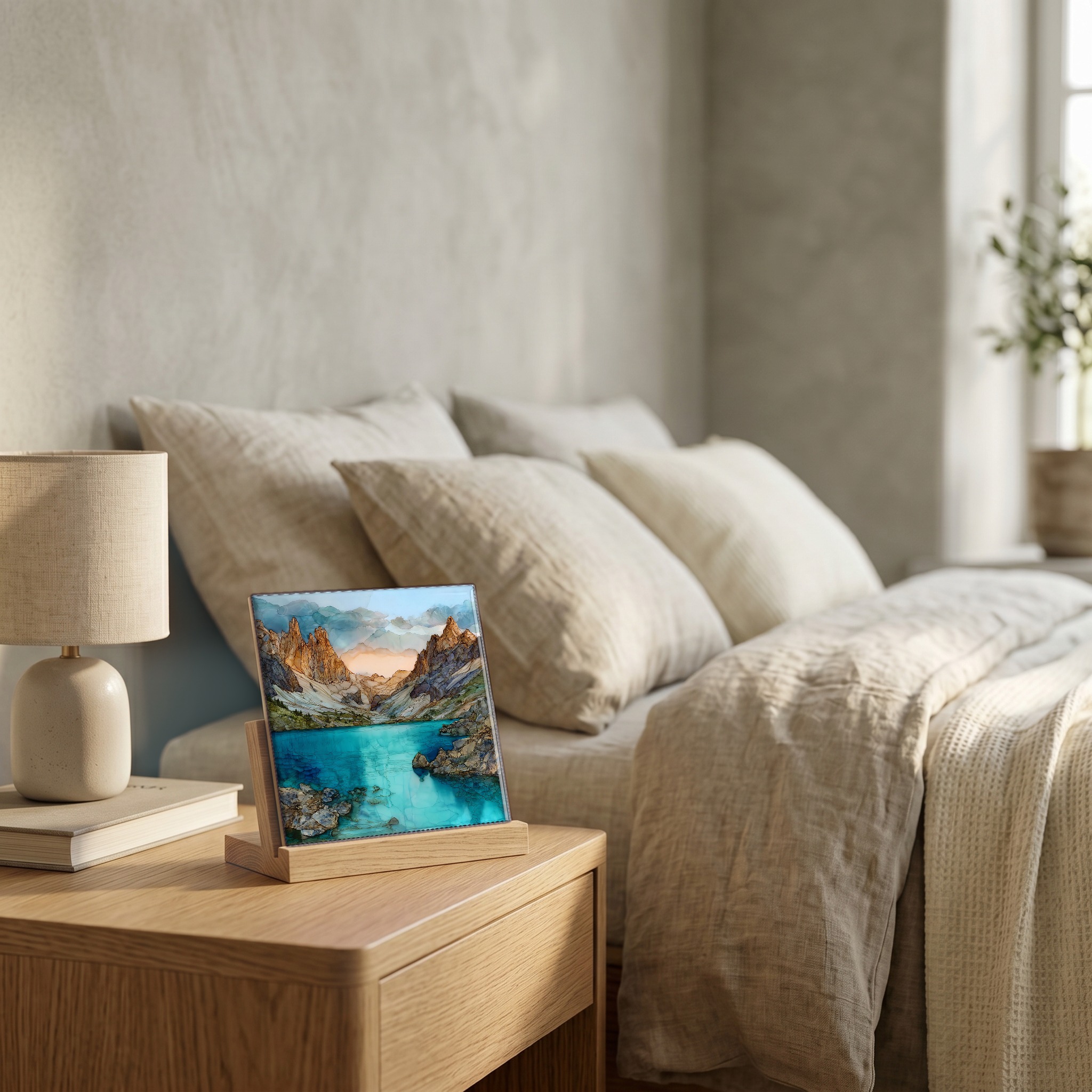
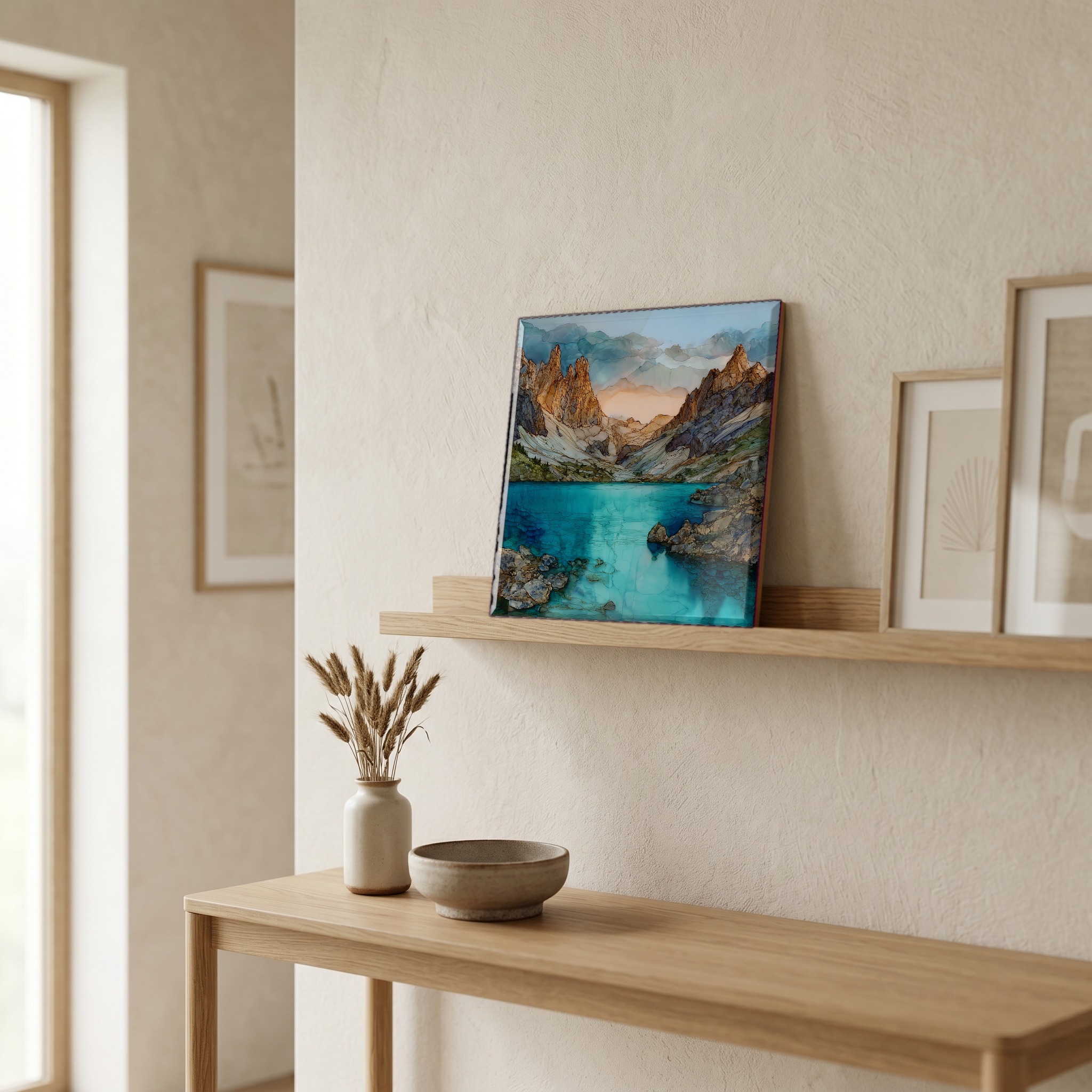
“A small lake in the Italian Dolomites at the foot of Monte Sorapis. In summer the colour reaches its peak as the glacier above sheds rock flour into the water for a few months at a time. Trail 215 climbs out of Passo Tre Croci through pine and limestone scree, with cables on the exposed sections and Rifugio Vandelli at the lake. Most walkers turn up in the late morning; the colour holds best when the high cloud moves through and the surface stills.
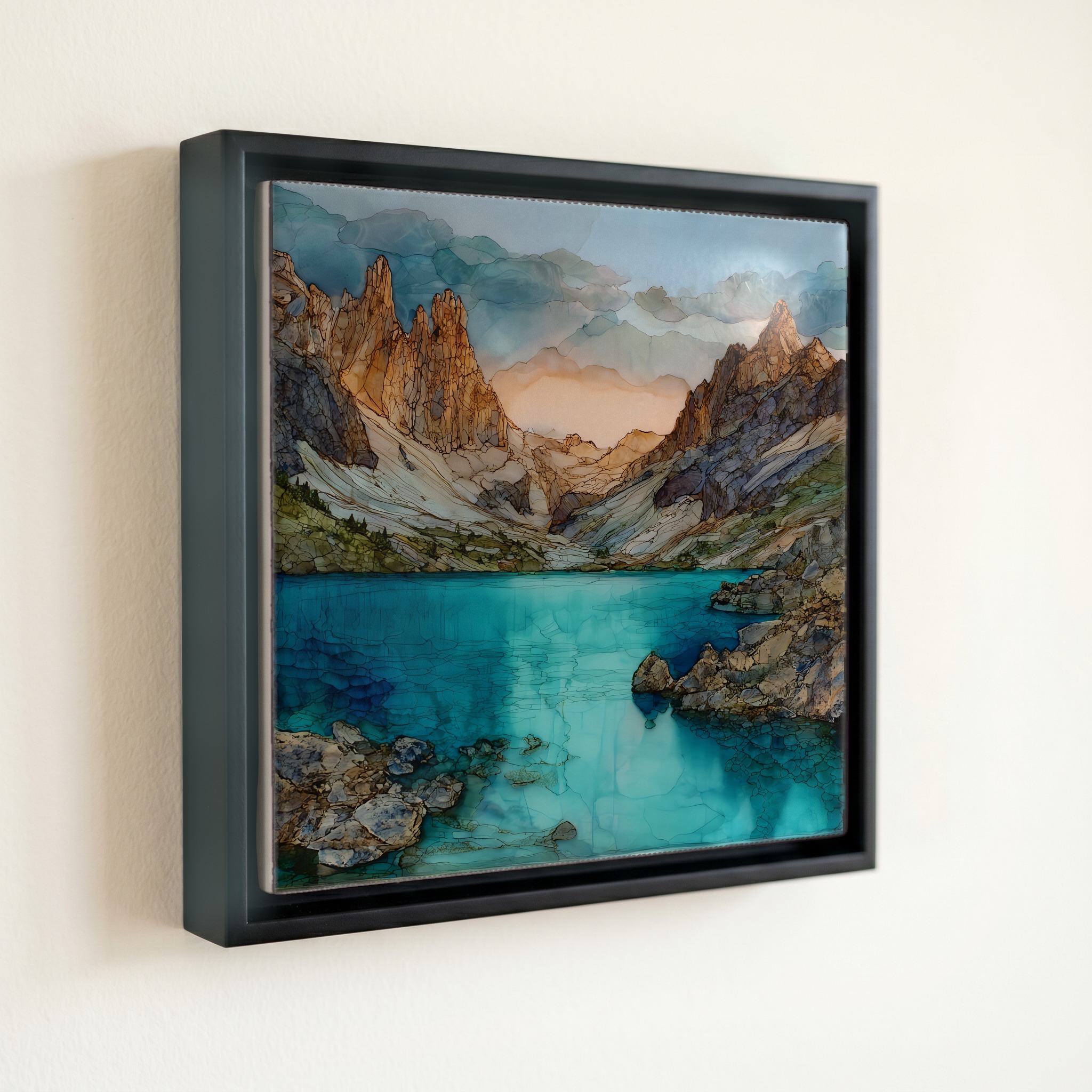
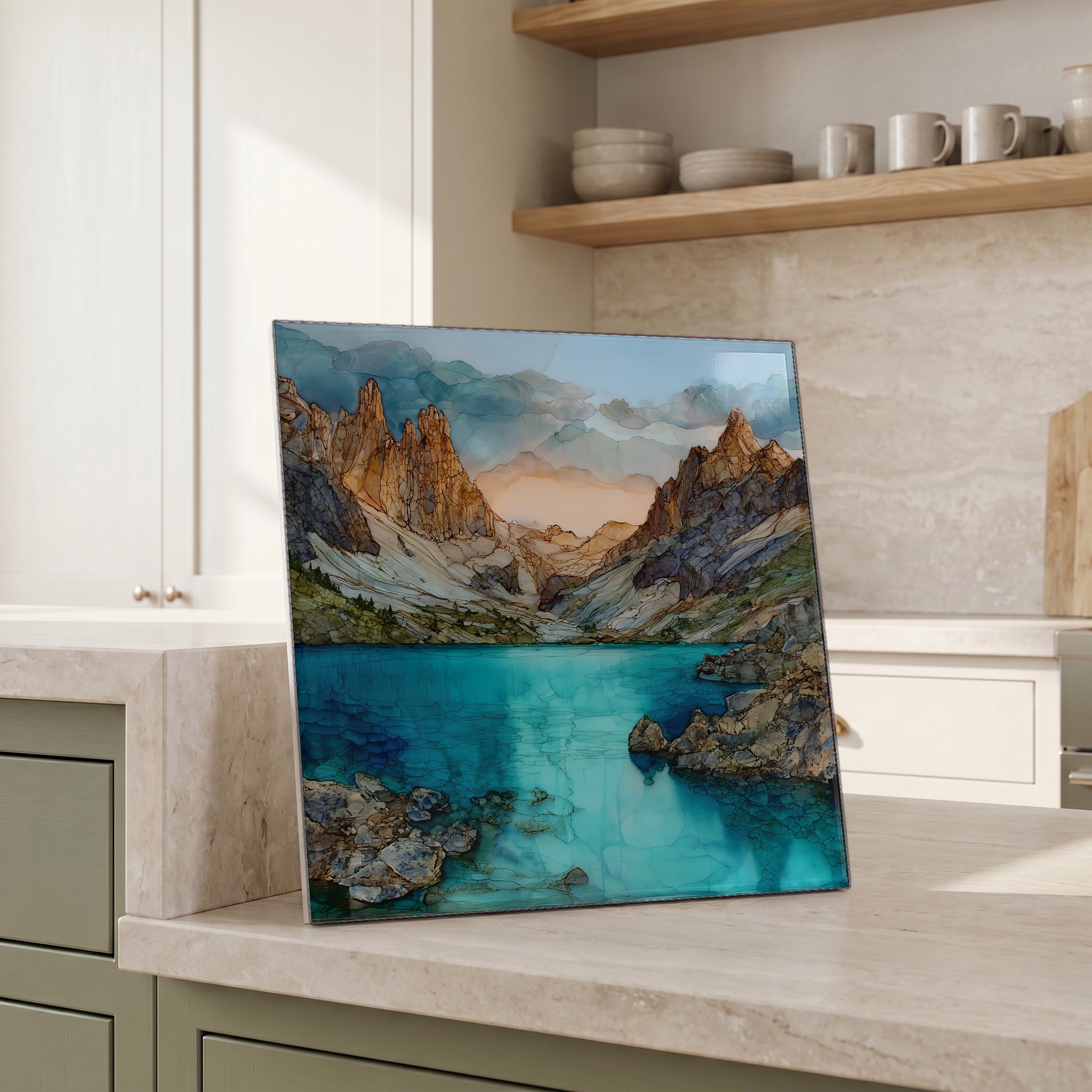
Lake Sorapis in Summer, on ceramic.
Each tile is finished by hand in our Knoxville studio. Artwork is slowly infused into the ceramic surface under high heat and pressure, and rests beneath a thin glossy finish. The colour lives in the surface, not on top of it.
Pick any four 4-inch tiles — National Parks you've been to, a Smokies set, the four seasons of one place. $ for a set of , cork-backed, ready to live on the table.
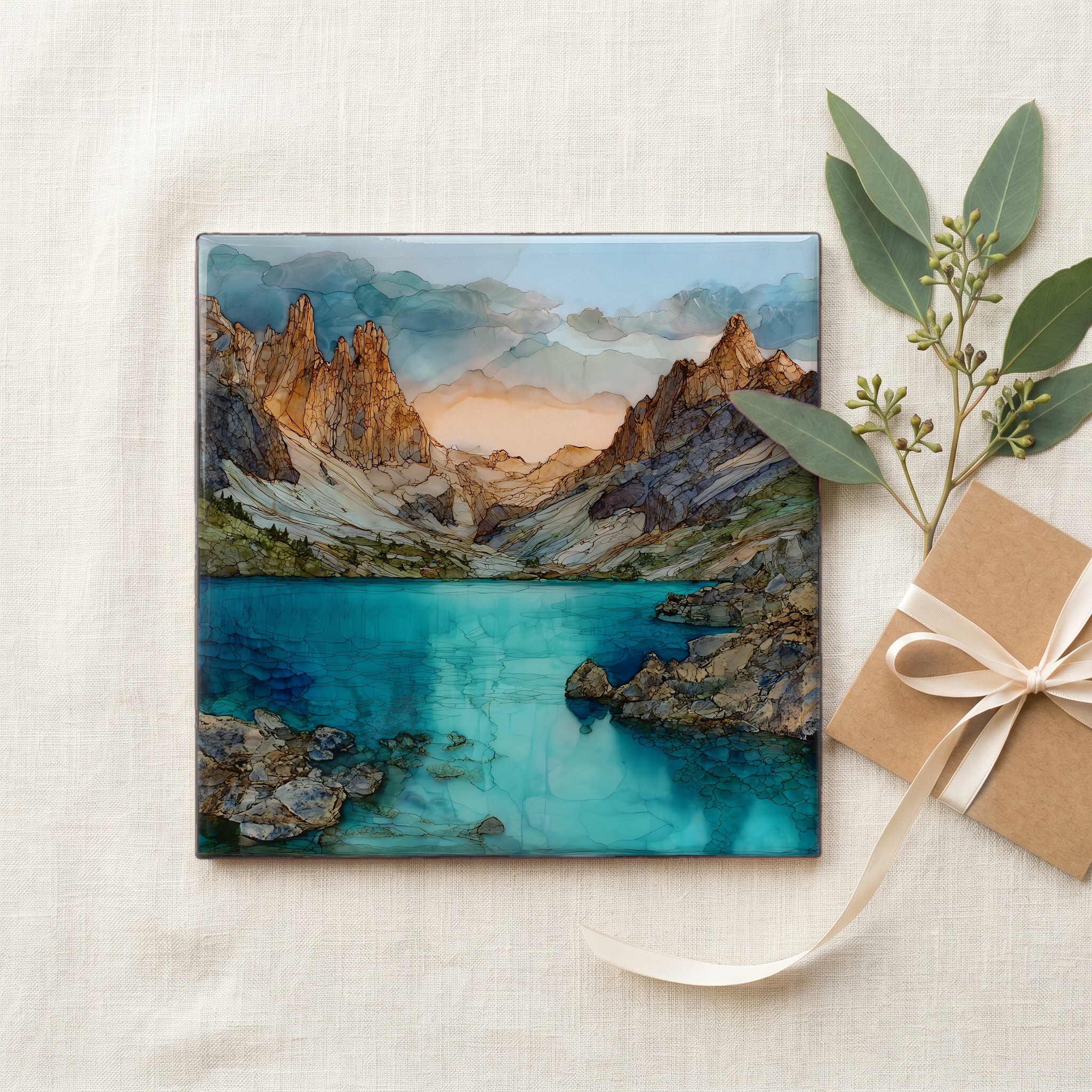
Each tile ships in a kraft box, tied with cream ribbon, with a handwritten note from the studio if you'd like to add one.
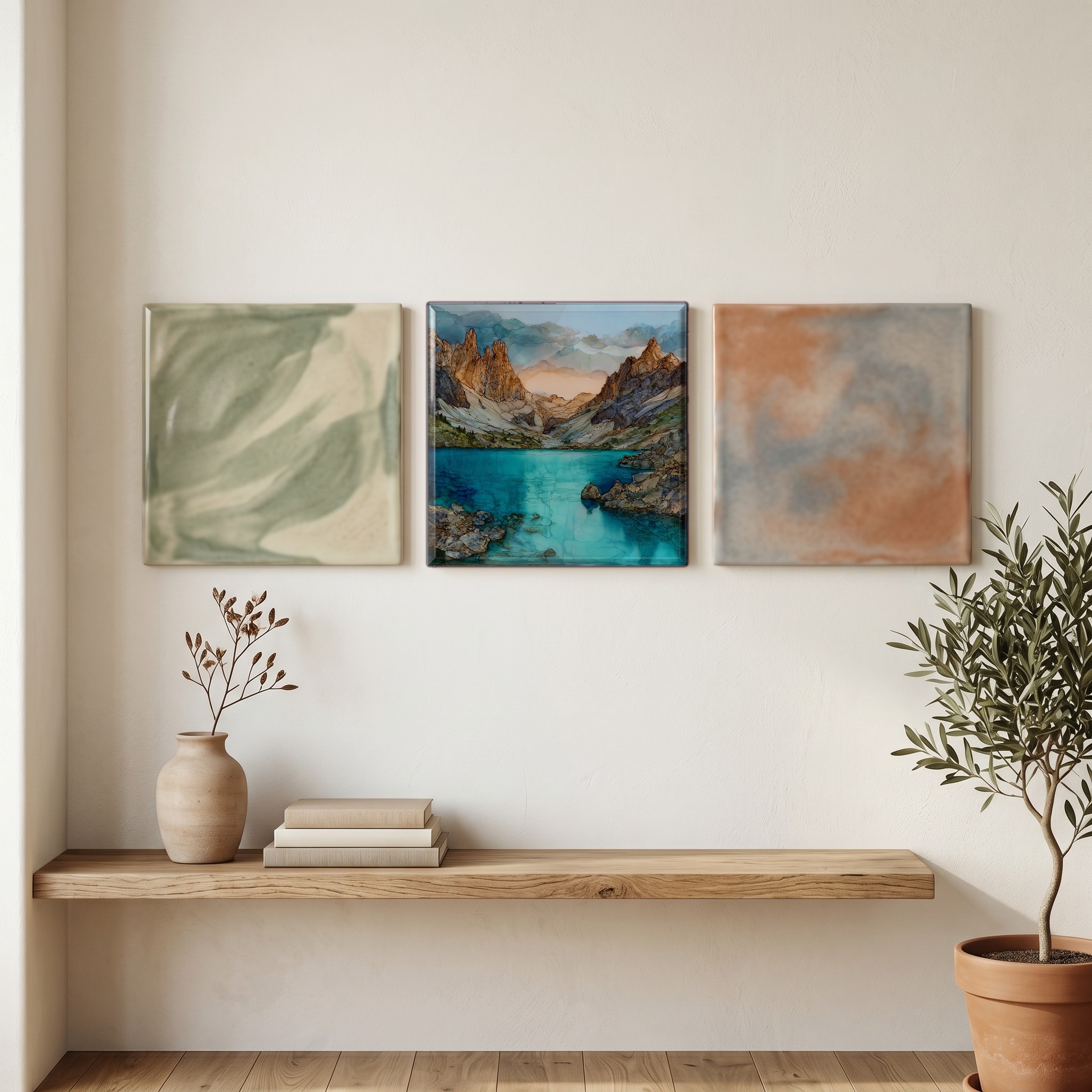
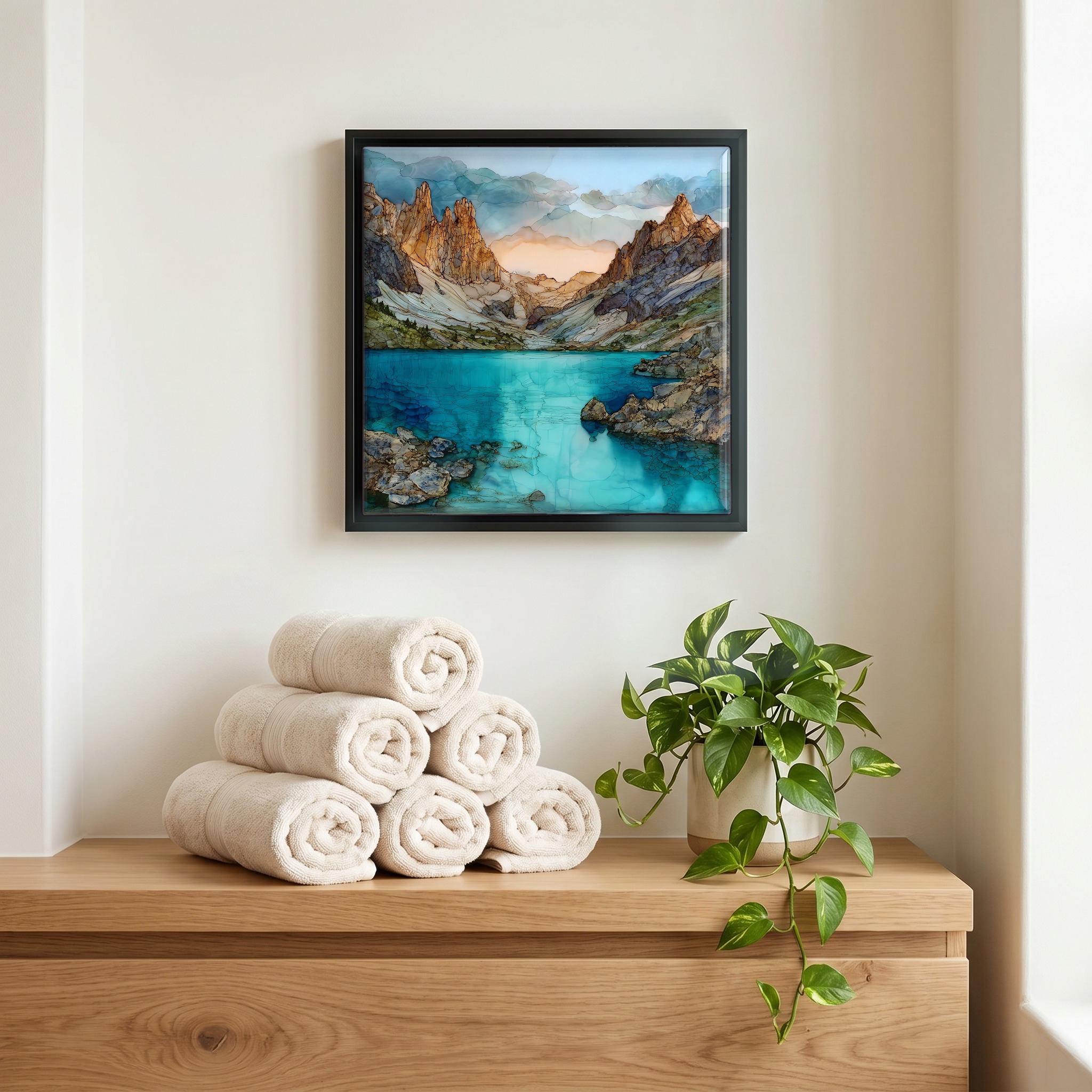
Three or five different vistas, hung together — a chapter of places you've been, or want to go.
The place, in three passes.
Lago di Sorapis sits at about 1,925 m in the Dolomites of northern Italy, in the Province of Belluno within the Veneto region. The lake is held in a glacial basin below Monte Sorapis, whose summit reaches 3,205 m and gives the lake its name. The shortest approach is Trail 215 from Passo Tre Croci, the pass that climbs above Cortina d'Ampezzo on the road to Misurina. The walk in is about six kilometres each way and includes short cabled traverses where the path crosses exposed rock. Rifugio Vandelli stands at the lake. The wider range was inscribed as a UNESCO World Heritage Site in 2009 for its geology and landscape.
The milky turquoise comes from rock flour, extremely fine particles of dolomitic limestone ground by the Sorapis Glacier above the basin. Meltwater carries the particles into the lake, where they scatter the shorter blue and green wavelengths of light and reflect them back at the surface. The same physics colours Moraine Lake in Alberta and Lake Pukaki in New Zealand, both fed by glacial silt at similar concentrations. The colour is at its most saturated through July and August, when meltwater volume is highest and the suspended particles are densest. It softens by late September as the source slows and the silt begins to settle. After fresh rain the upper inflow runs cloudier and the central basin turns almost opaque.
The trail to Lago di Sorapis opens in mid-June most years and remains passable through the first heavy snow, typically in October. Peak walking season runs from late June to early September, with July and August carrying the most foot traffic on Trail 215 from Passo Tre Croci. Afternoon thunderstorms are common from mid-July onward and most parties try to be back at the pass by three in the afternoon. Rifugio Vandelli, beside the lake, is open through the summer season for meals and overnight stays and closes for winter. In the cold months the basin freezes over and snow buries the access trail. The colour fades each autumn as the glacier above stops feeding silt into the inflow.