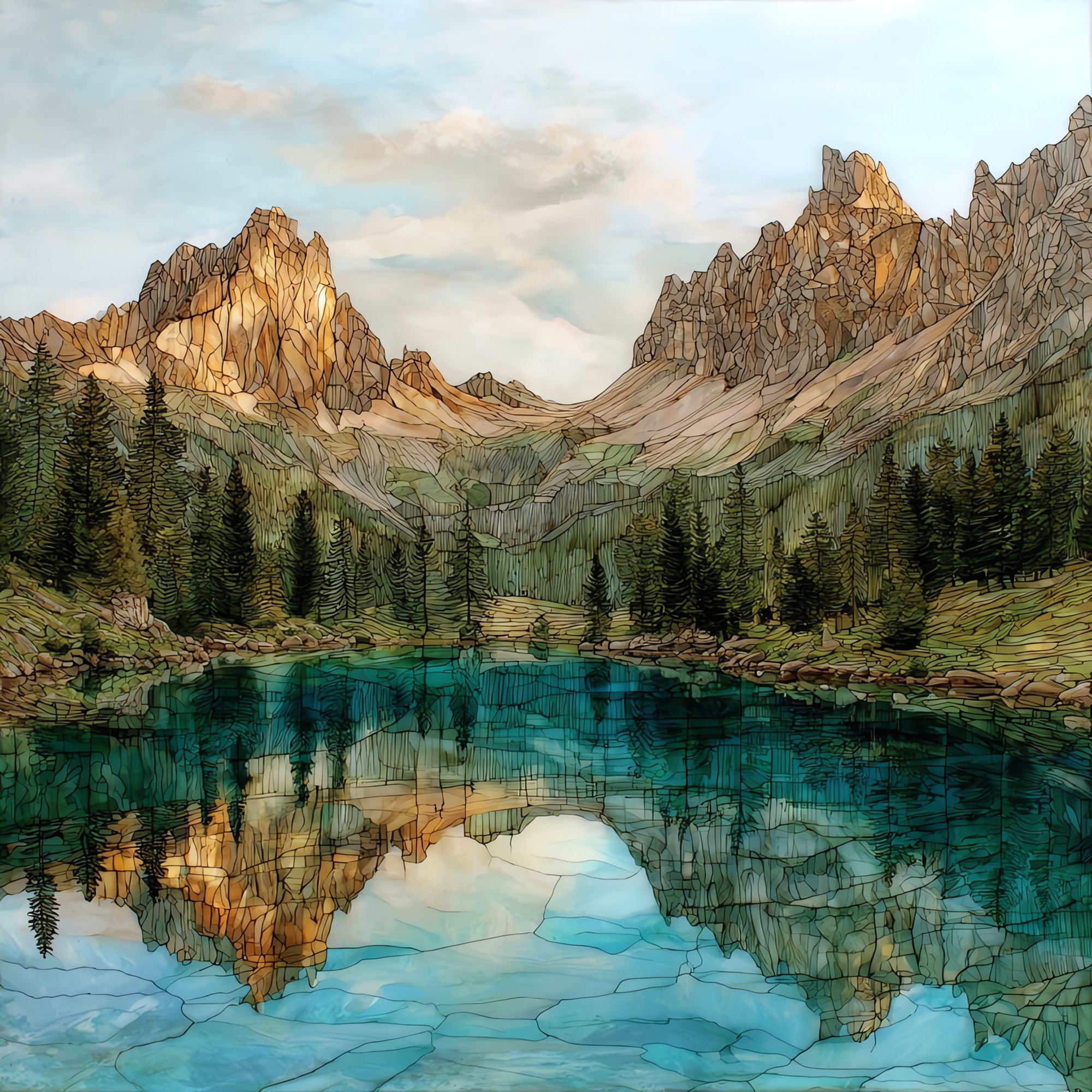
Lake Misurina in Summer
— the morning the mountains lie still on the water.
Not only on a wall.
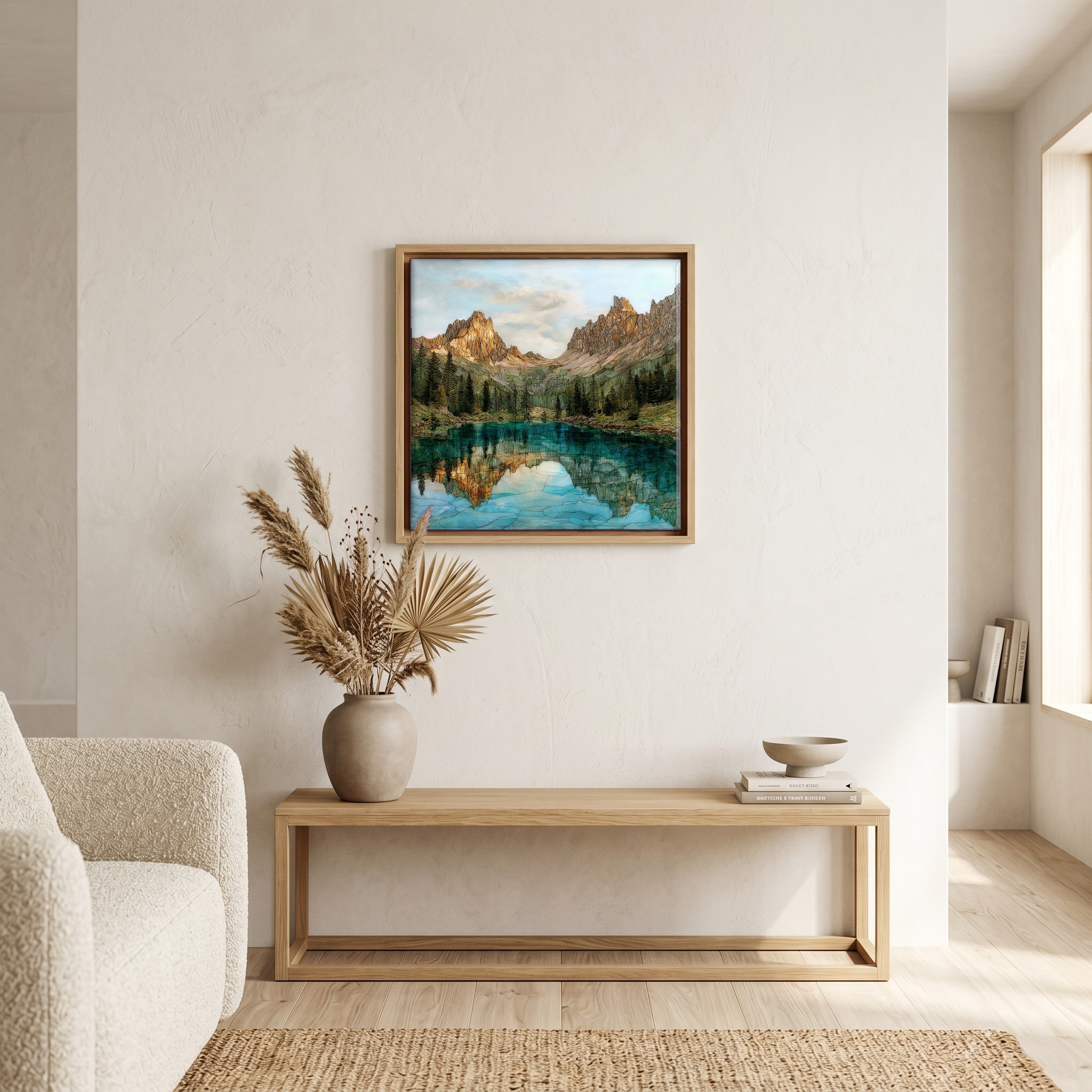
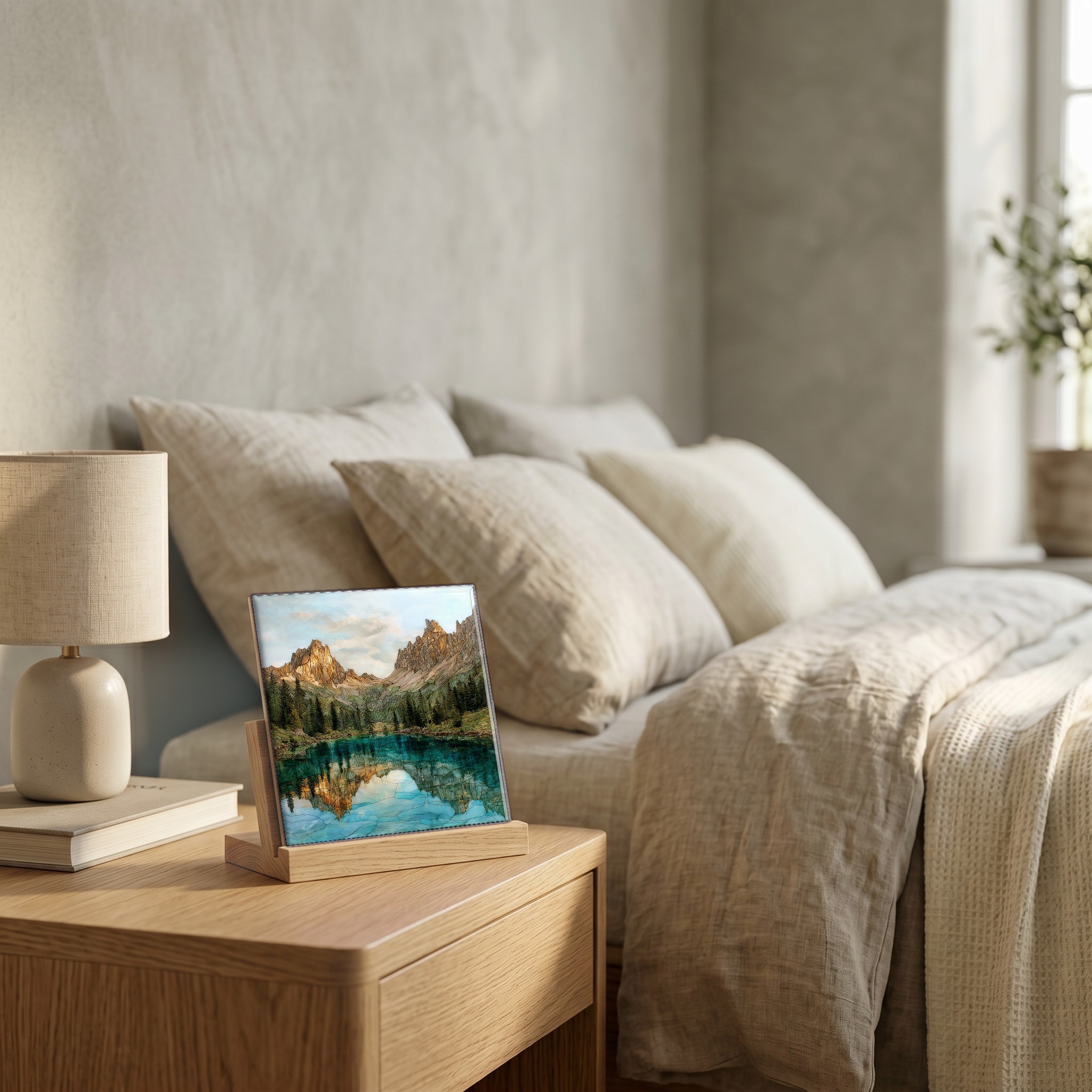
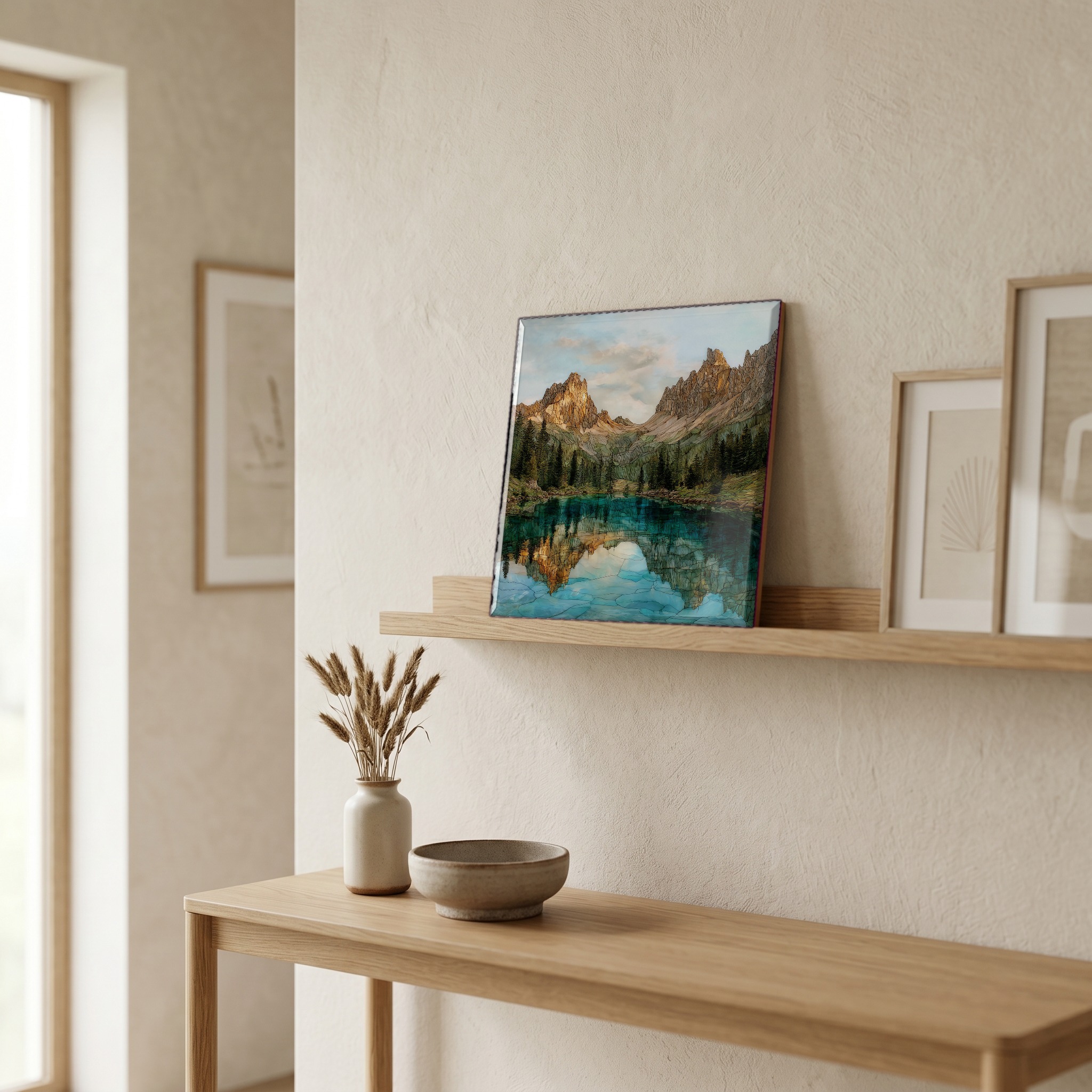
“A still mountain tarn northeast of Cortina d'Ampezzo, ringed by the Sorapiss and Monte Cristallo massifs. In summer the ice that once carried Olympic speed skaters is long gone, and the water flattens enough to hold the whole range upside down. A clinic in the Grand Hotel on the far shore has sent children with asthma up here for the mountain air since the 1950s. Cars pull off along the road, and most people walk the loop, about two and a half kilometres, stopping where the reflection is best.
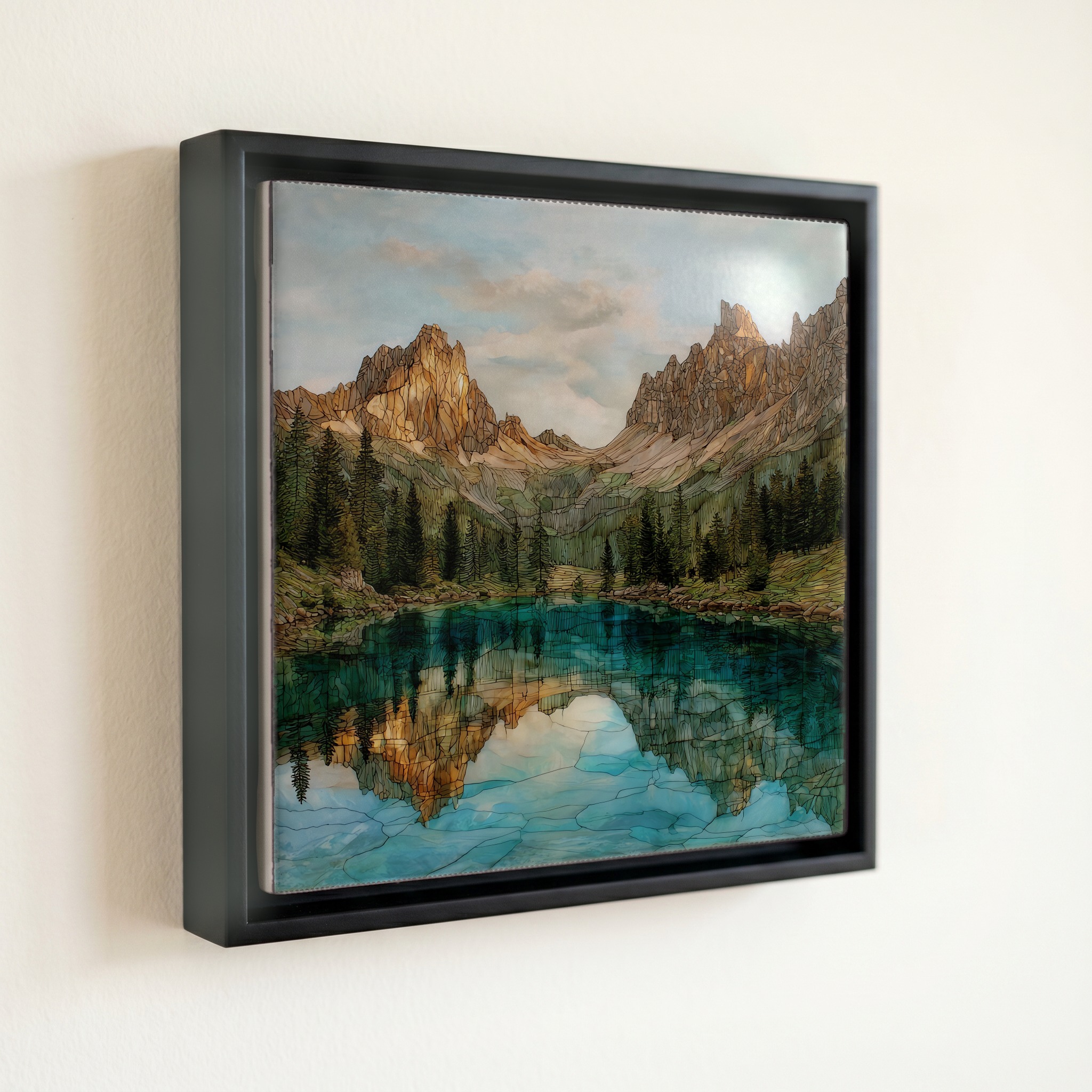
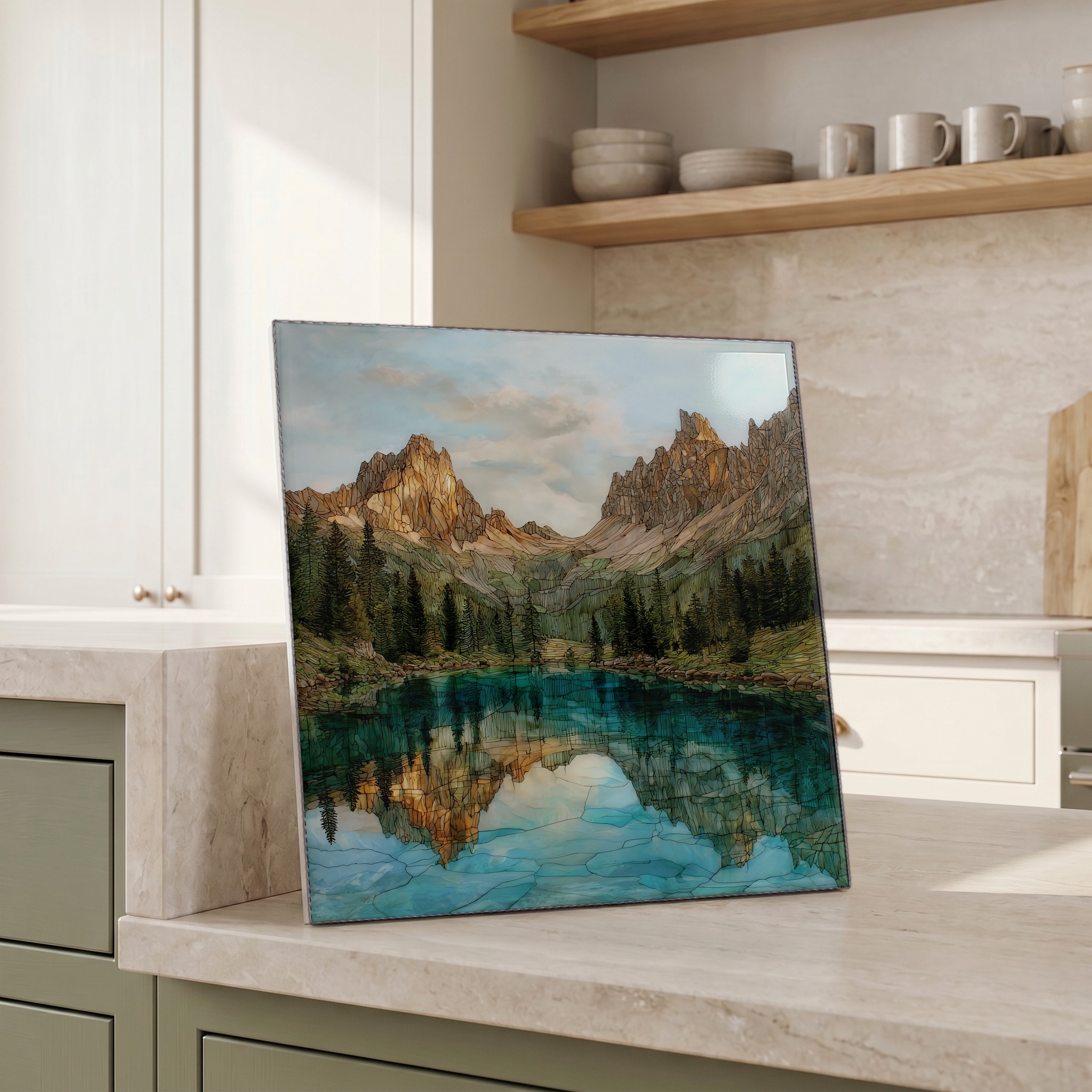
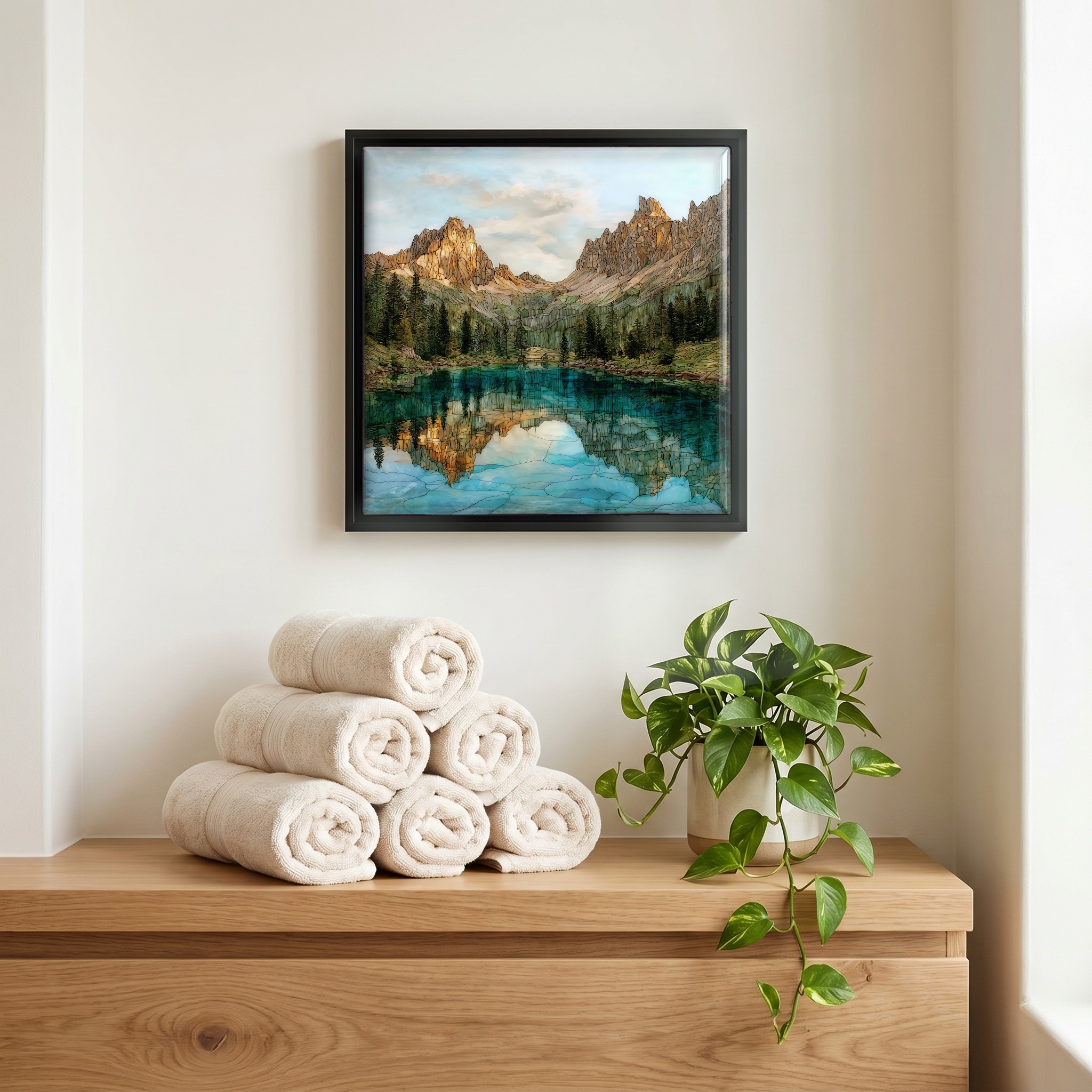
Lake Misurina in Summer, on ceramic.
Each tile is finished by hand in our Knoxville studio. Artwork is slowly infused into the ceramic surface under high heat and pressure, and rests beneath a thin glossy finish. The colour lives in the surface, not on top of it.
Pick any four 4-inch tiles — National Parks you've been to, a Smokies set, the four seasons of one place. $ for a set of , cork-backed, ready to live on the table.

Each tile ships in a kraft box, tied with cream ribbon, with a handwritten note from the studio if you'd like to add one.
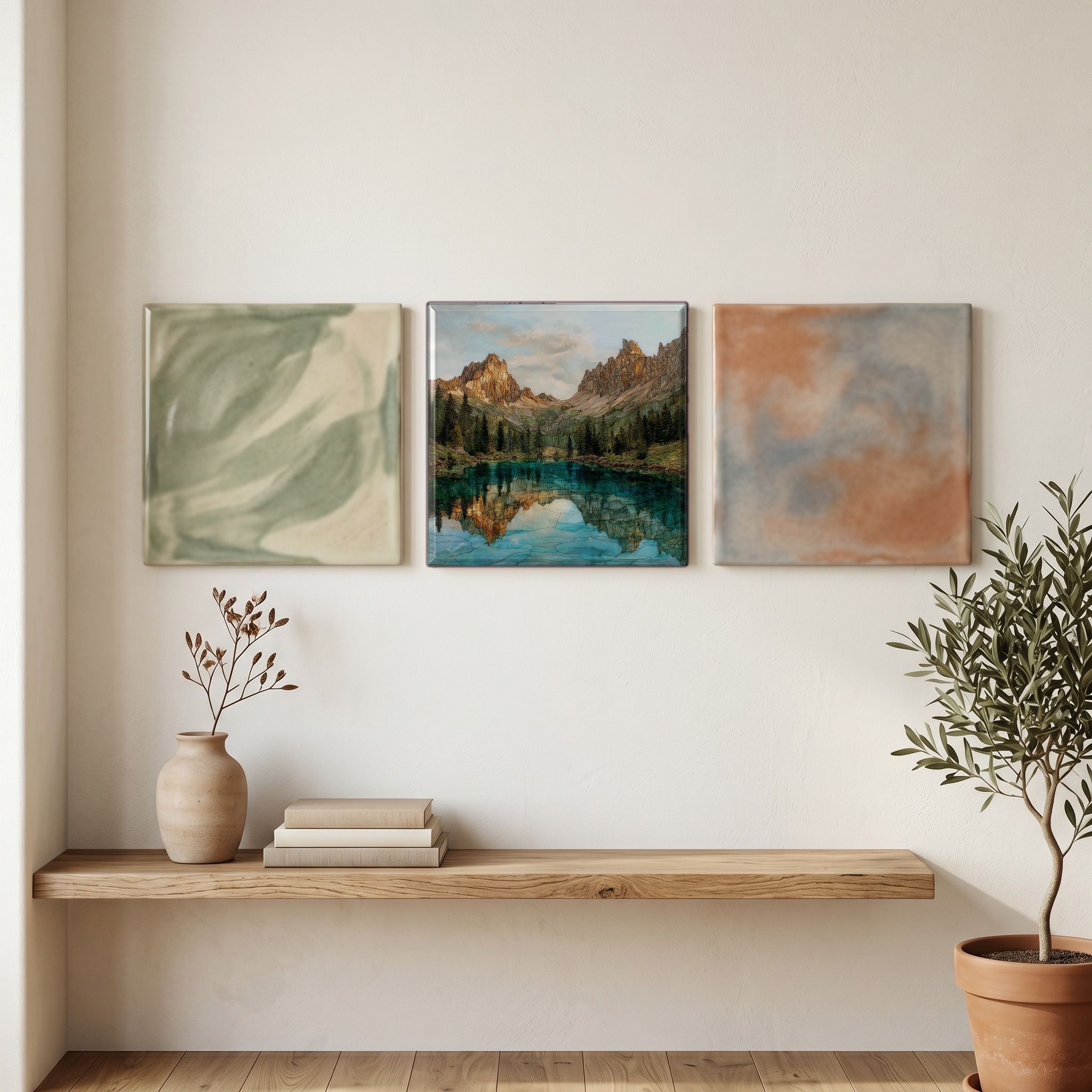
Three or five different vistas, hung together — a chapter of places you've been, or want to go.
The place, in three passes.
Lake Misurina sits at 1,754 metres near Auronzo di Cadore, in the Province of Belluno in Italy's Veneto region, and is the largest natural lake of the Cadore. It lies in the eastern Dolomites, in a bowl below the Sorapiss and Monte Cristallo massifs, with the Tre Cime di Lavaredo a few kilometres north and the jagged spires of the Cadini di Misurina rising straight above the eastern shore. The lake is small and shallow: a perimeter of about 2.6 kilometres and a maximum depth of roughly 5 metres. A paved road from Cortina d'Ampezzo runs to the water's edge, and a level path circles it, which makes Misurina one of the few high Dolomite lakes reached without a climb.
The air at Misurina is the reason the lake has a clinic on its shore. Since the 1950s a centre housed in the Grand Hotel Misurina has treated childhood asthma here, the only one of its kind in Italy, drawing on a mountain climate that is dry and low in pollen at this altitude. The basin sits in a ring of peaks that shelters it from wind, and the thin air at 1,754 metres is treated as part of the cure rather than a backdrop to it. Children come for weeks at a time, and the village around the water has grown up around that fact as much as around the view.
Summer is when the lake is most easily met. The road from Cortina d'Ampezzo stays open, the shore path is dry, and the snow has cleared off the surrounding peaks by July. The water, no more than five metres deep, is cold for swimming but warm enough to sit beside, and on a still morning it flattens to a clean mirror of the Sorapiss and Cristallo. The contrast with winter is sharp: in January 1956 this same surface, frozen hard, hosted the speed-skating events of the Cortina d'Ampezzo Winter Olympics, the last time those races were ever held on natural ice. By summer the ice is a story the village tells, and the lake belongs to the reflection.