Wender·Vista
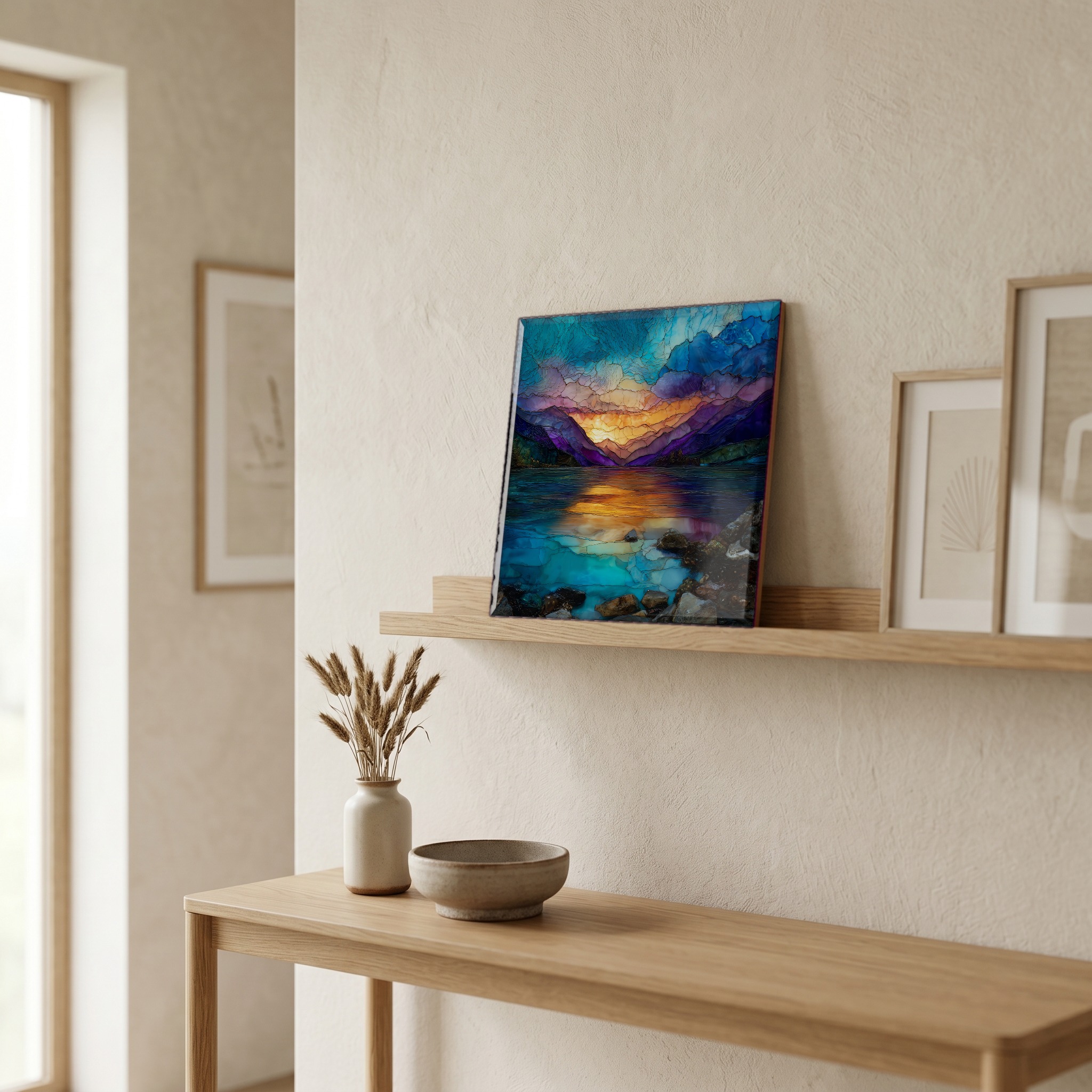
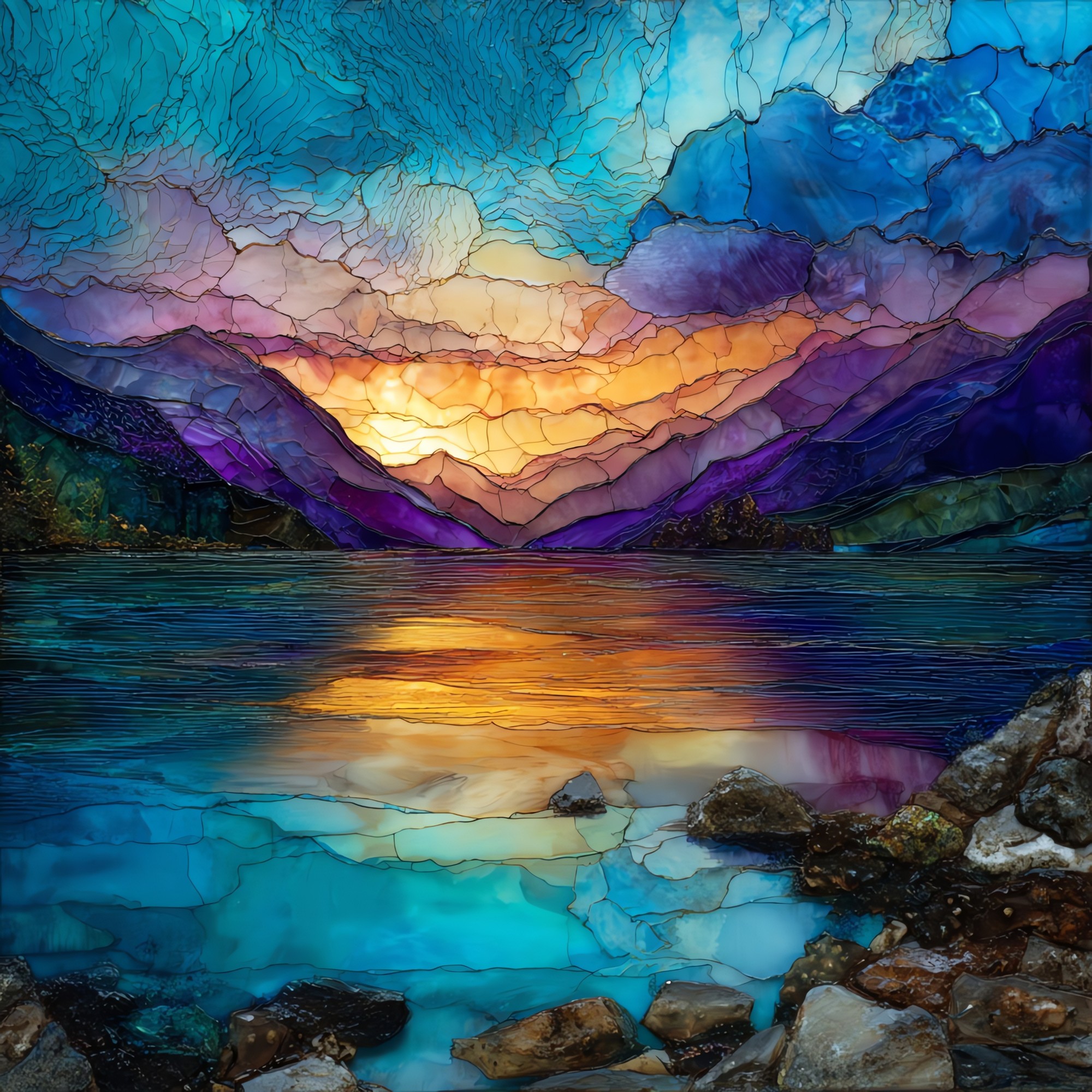
Lake Idro
shown on ceramic, 12-inch tileItaly
in Lombardy's Valle Sabbia, west of Lake Garda

Lake Idro

a deep blue the famous lakes forgot.

Where it lives

Not only on a wall.

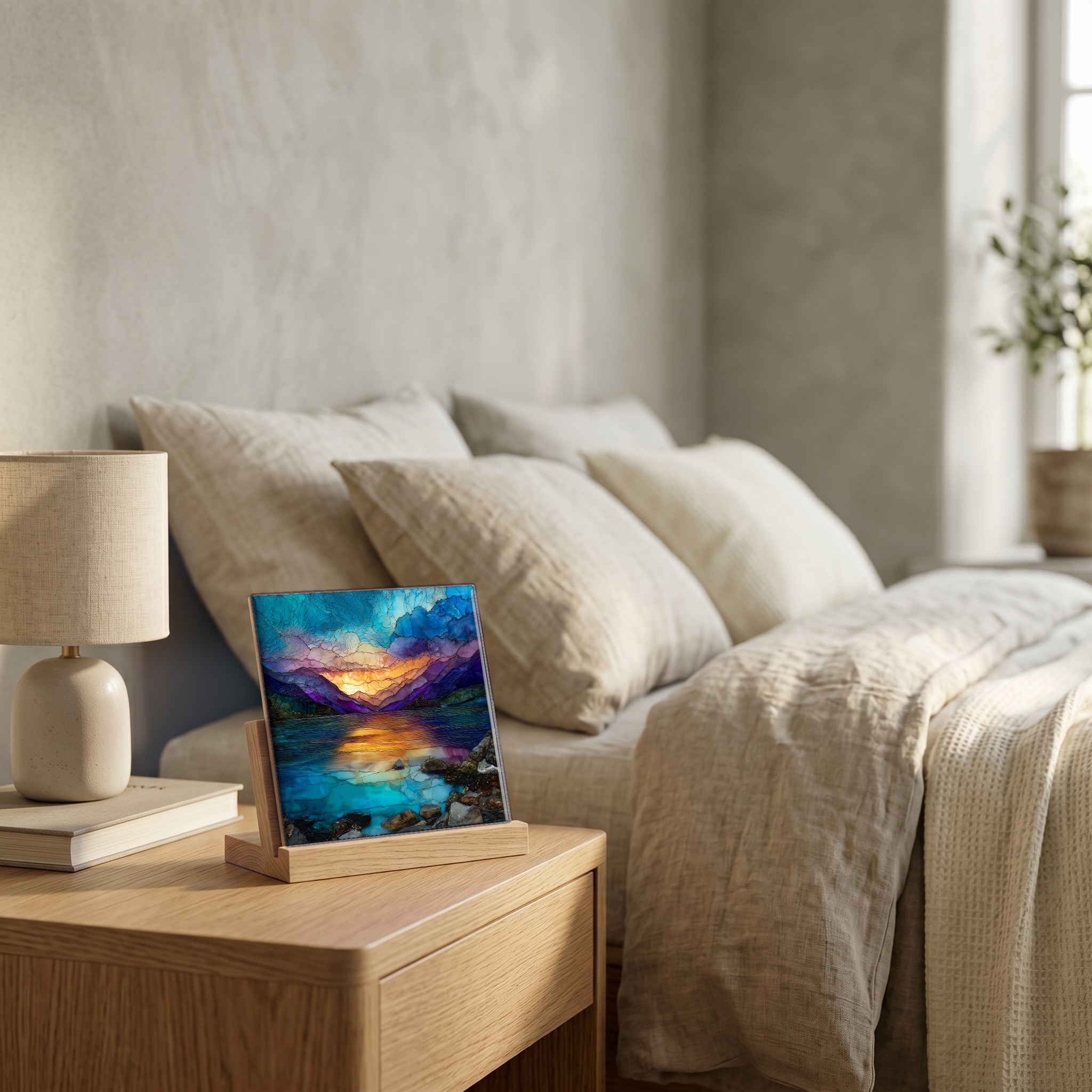
A small tile on the nightstand catching the morning. A larger one above the fire. Yours, wherever you spend the slow hours.
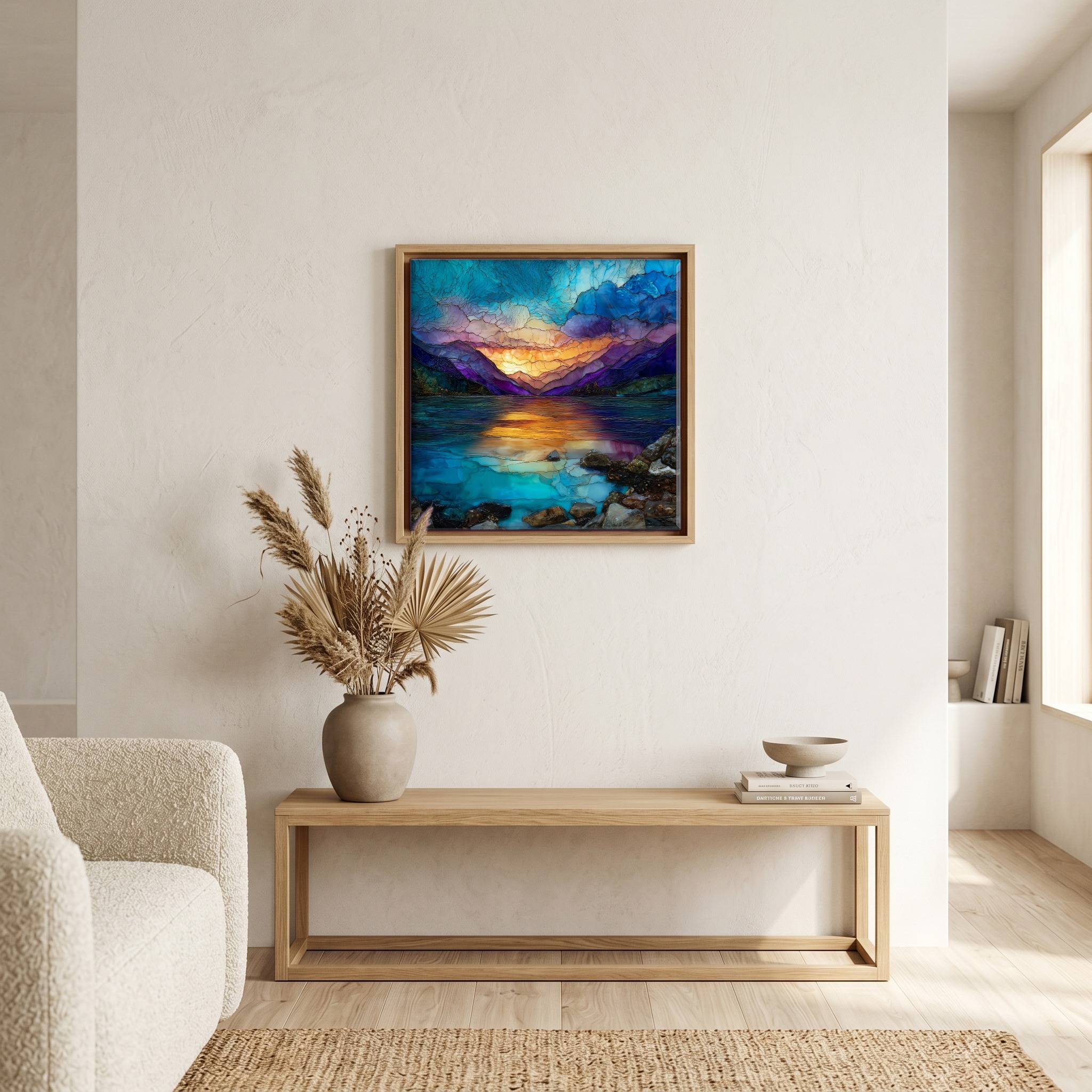
Above the bench, in a warm oak surround.
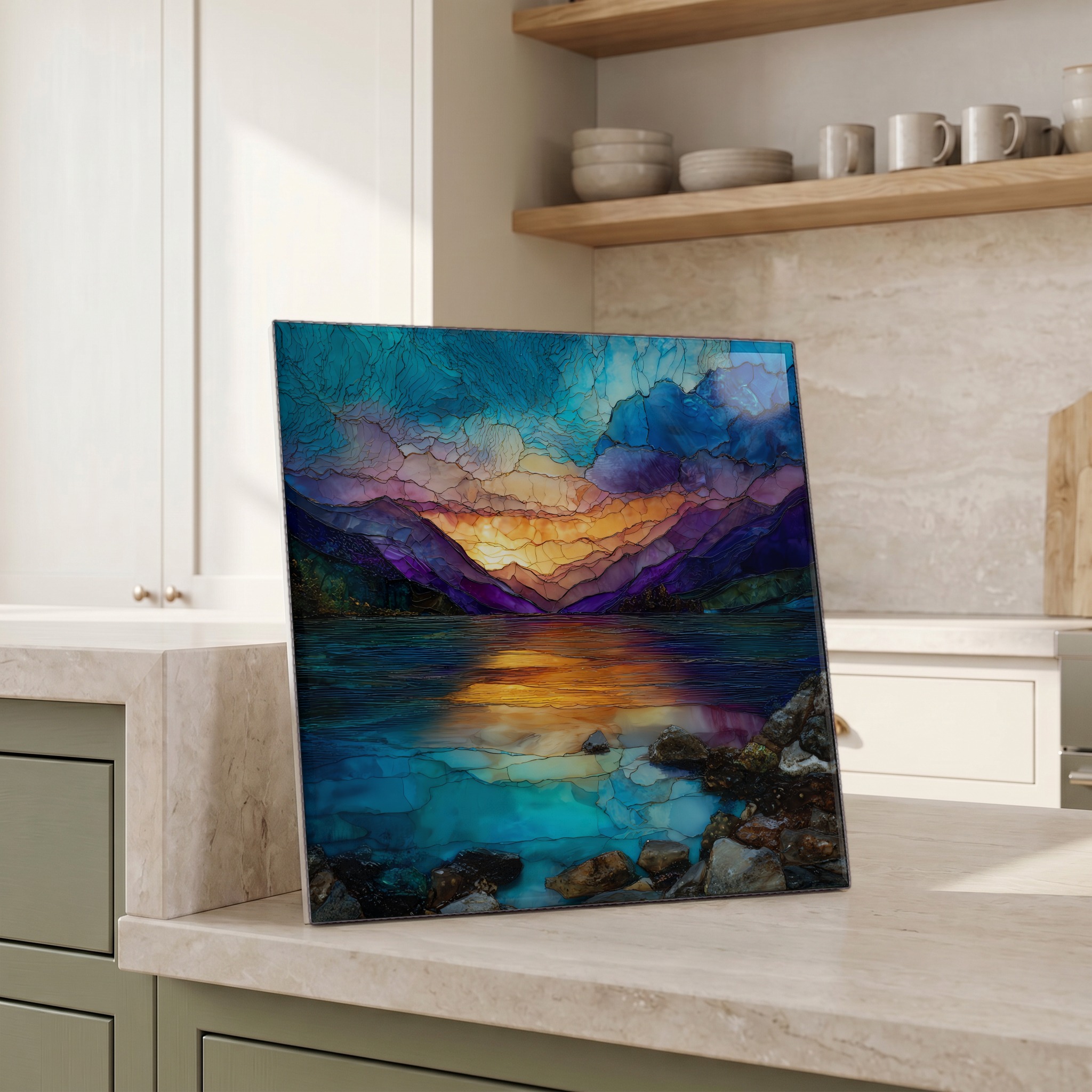
Beside the kettle, propped on the counter.
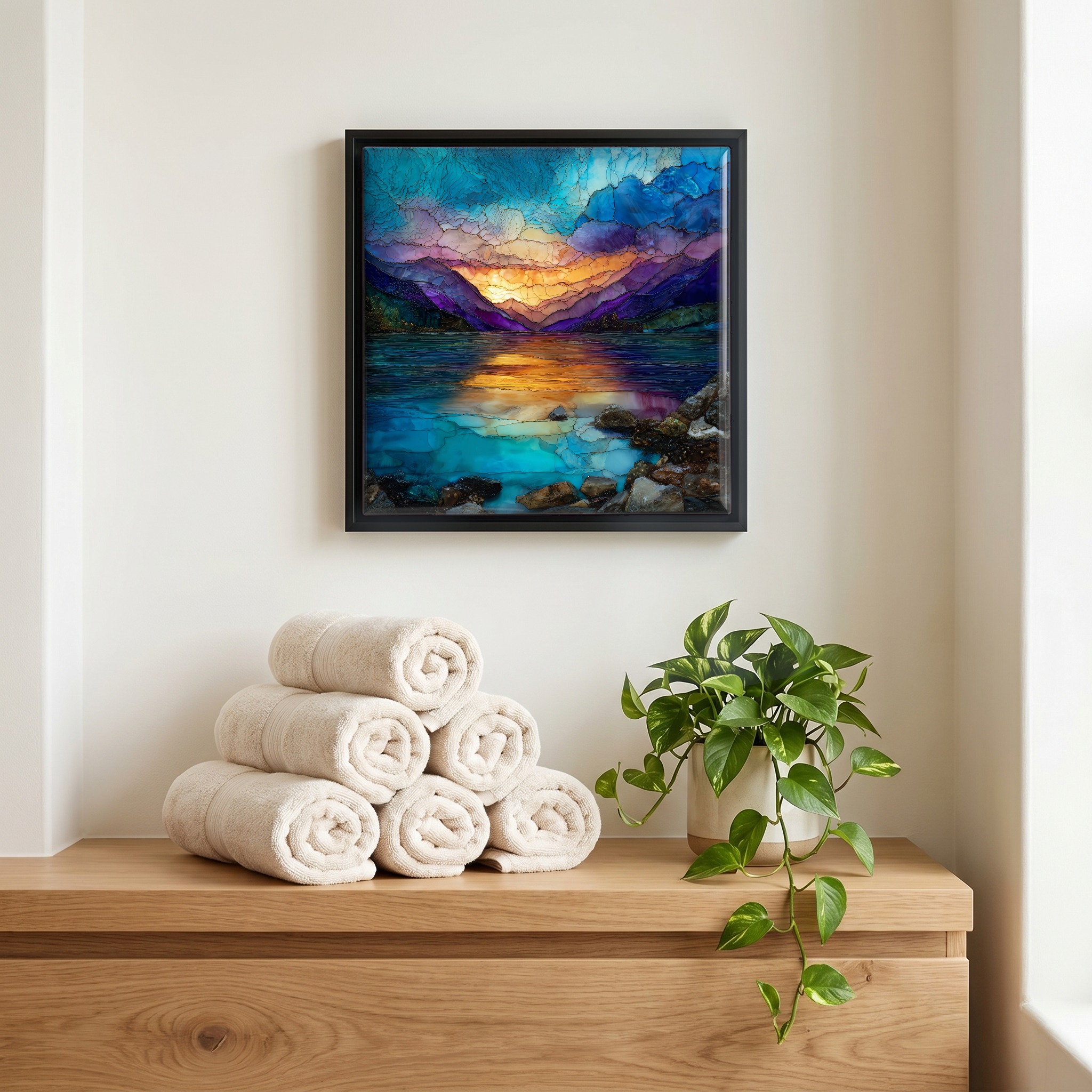
Above the linens, in a slim black surround.
On the nightstand, on a light oak stand.
On a picture ledge, where the light comes in.
a note from the studio

West of Lake Garda by a half-hour drive, in a glacial valley between the Brescia pre-Alps and the Trentino edge. The Chiese river runs through it. Above the eastern shore, the Rocca d'Anfo cuts into the cliff, Venetian work that Napoleon enlarged into one of Europe's largest fortresses. The lake is deep and quiet. The ora del Caffaro wind comes down the valley most afternoons, enough for small sails. Chestnut woods on the slopes. A handful of villages spaced along the water. Quieter than Garda and Como, by a wide margin.
from the studio
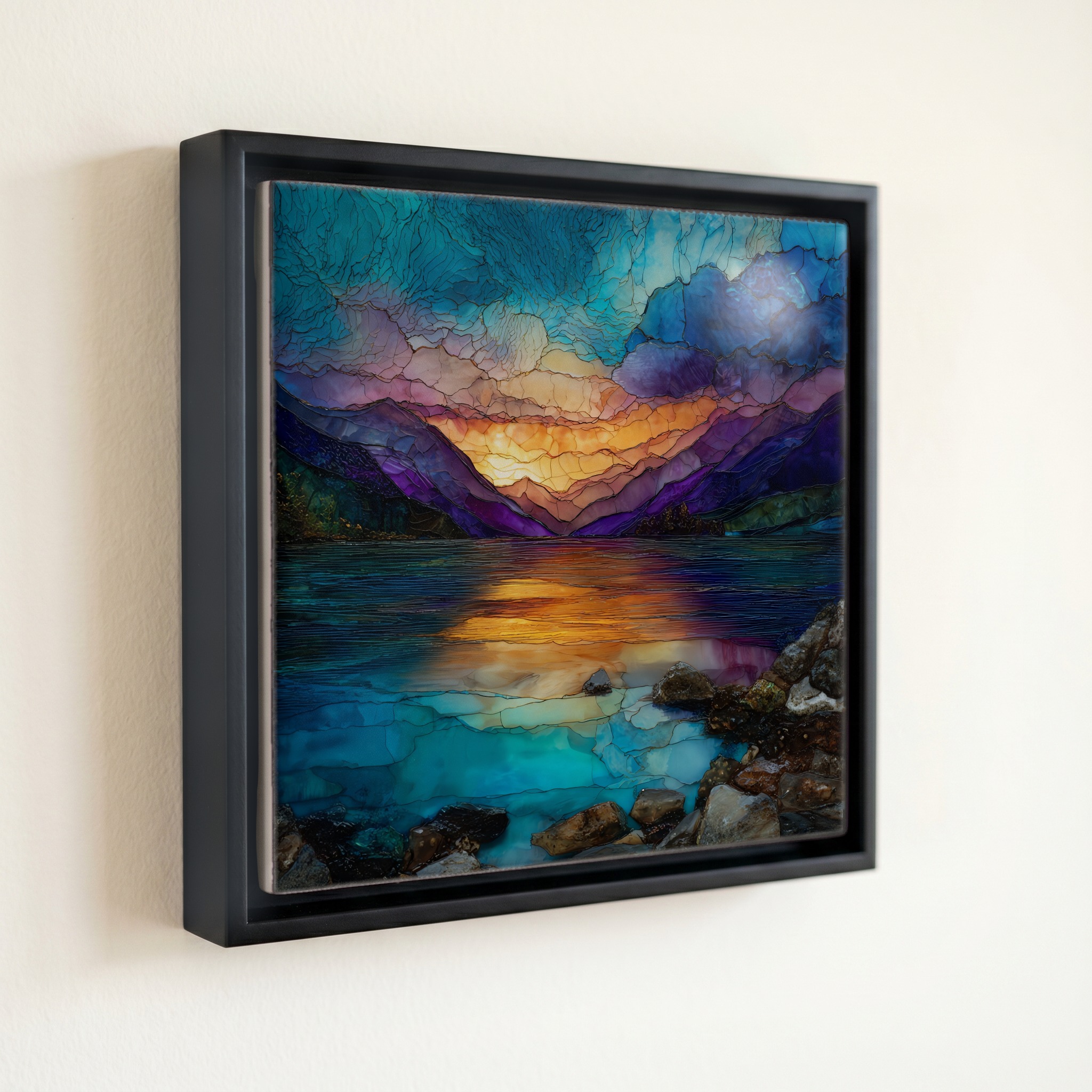
shown in a slim black floating frame · 6 × 6 in
— bring it home

Lake Idro, on ceramic.

Each tile is finished by hand in our Knoxville studio. Artwork is slowly infused into the ceramic surface under high heat and pressure, and rests beneath a thin glossy finish. The colour lives in the surface, not on top of it.

What kind of piece?
One tile — square or rectangle.
How big?
the popular one — counter, shelf, nightstand
6 × 6 in · 15 cm · 1.6 lb
Surface finish
A clear glossy finish — the artwork reads as if under resin. Ideal for show-pieces and framed wall art.
How it sits
A hidden cleat — sits ¼″ proud of the wall.
$58
Hand-finished and shipped from our studio at the foot of the Smokies. On your wall in about ten days.
size
6 × 6 in
15 cm
weighs
1.6 lb
solid in the hand
surface
ceramic, hand-finished
art rests beneath a thin glossy finish
from
Knoxville, TN
our family studio, at the foot of the Smokies
— start a Coaster Set

Pick any four 4-inch tiles — National Parks you've been to, a Smokies set, the four seasons of one place. $ for a set of , cork-backed, ready to live on the table.

comes gift-ready
comes gift-ready

Each tile ships in a kraft box, tied with cream ribbon, with a handwritten note from the studio if you'd like to add one.
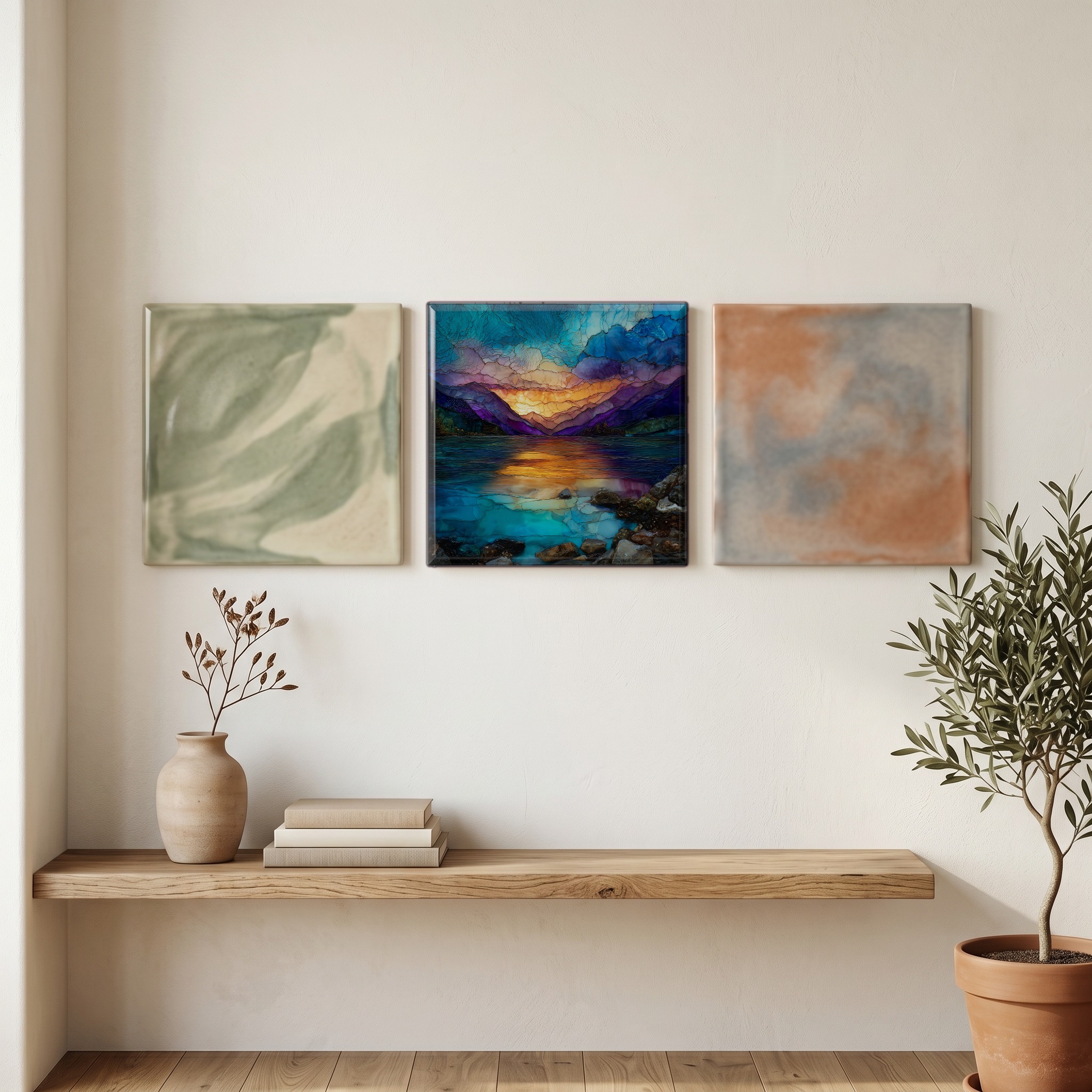
or build a grouping
or build a grouping

Three or five different vistas, hung together — a chapter of places you've been, or want to go.

about Lake Idro

The place, in three passes.

A little of what's known, in case you fall down the rabbit hole — or want to go see it yourself.
the place

Lake Idro sits in the Valle Sabbia of Lombardy, between the Province of Brescia and the western edge of Trentino. The lake is about 11 km long and 2 km wide, with a maximum depth of around 122 m. Surface elevation runs at 368 m above sea level, which makes it one of the higher pre-Alpine lakes in Italy. The Chiese river enters from the north and exits at the southern end, where the village of Idro gives the lake its name. Brescia is about 40 km to the southwest; Lake Garda lies a half-hour drive to the east. The surrounding ridges of the Brescia pre-Alps, including Monte Stino above the western shore, hold chestnut forests above the water.

the stone

Above the eastern shore at Anfo, the Rocca d'Anfo is carved into the cliff face. The fortified complex was begun by the Venetian Republic in the mid-15th century and enlarged by Napoleon's engineers in the early 1800s. The structure climbs several hundred metres of cliff above the lake, from the lakeside Batteria Statuto to the high observatories. Italian sources describe it as one of the largest Napoleonic forts in Europe still standing in its original landscape. Garibaldi's volunteers held it in 1866 during the Third War of Italian Independence, and Italian forces used it through the First World War. The site was decommissioned in the 1970s and now opens to the public as a guided-tour visit managed by the Comune di Anfo.

the water

The Chiese river enters Lake Idro at the northern end near Ponte Caffaro and exits at the southern end through a regulated outflow built in the early 20th century for hydroelectric and irrigation use. The lake reaches a maximum depth of about 122 m and holds roughly 685 million cubic metres of water. Water level varies seasonally because the lake operates as a working reservoir: drawdowns of several metres are normal in summer when downstream farms in the Brescia plain need water. The deep blue colour comes from the depth and the limestone-rich catchment that drains in from Monte Stino and the Trentino ridges. Brown trout, perch, and pike live in the lake, along with the locally distinctive carpione del lago.

— informed by Wikipedia — Lake Idro
where
Italy · Brescia, Lombardy
elevation
368 m · 1,207 ft
position
45.7667° N · 10.5000° E
the neighborhood

What's nearby.

A handful of named places within an hour's walk or short drive. Some we've already painted; some we will.
8 km E
Rocca d'Anfo
Napoleonic fortress
8 km N
Bagolino
mountain village
30 km E
Lake Garda
pre-Alpine lake
40 km SW
Brescia
historic city
45 km W
Lake Iseo
pre-Alpine lake
N
Lake Idro
Rocca d'Anfo
Bagolino
Lake Garda
Brescia
Lake Iseo
common questions

What people ask.

A few questions we get about Lake Idro — and about bringing the piece home.
about the place

Lake Idro lies in northern Italy, in the Valle Sabbia of Lombardy's Province of Brescia. The eastern shore borders the Province of Trento. Brescia city is about 40 km to the southwest, and Lake Garda is a half-hour drive to the east.

The lake reaches a maximum depth of around 122 m and holds roughly 685 million cubic metres of water. Surface elevation sits at 368 m above sea level, which makes Idro one of the higher pre-Alpine lakes in northern Italy.

The Rocca d'Anfo is a fortified complex carved into the cliff above the lake's eastern shore. Begun by the Venetian Republic in the mid-15th century and enlarged by Napoleon's engineers in the early 1800s, it is among the largest Napoleonic forts in Europe still standing in its original landscape.

Lake Idro operates as a working reservoir. Outflow at the south end has been regulated since the early 20th century to supply hydroelectric stations and irrigation for farms in the Brescia plain, so summer drawdowns of several metres are normal.

Late May through September is the main season, with the warmest swimming temperatures in July and August. The ora del Caffaro, a steady afternoon wind from the north, makes summer afternoons the working window for small sailboats and windsurfers.

The three main settlements are Idro at the south end, which gives the lake its name, Anfo on the eastern shore beneath the Rocca, and Ponte Caffaro at the northern inflow. Anfo and Idro are in Lombardy; the eastern shore at Bondone is in Trentino.

about the piece in your home

Yes, especially for someone who knows Lombardy beyond Garda and Como. Idro draws Brescia families and northern-Italian regulars more than international visitors, so the piece reads as a knowing choice. A Small or Medium with a handwritten note from the studio carries well.

The deep blues, stone-greys, and chestnut-greens in the piece sit well with Italian-modern, jewel-tone Maximalist, and alpine-modern interiors. The stained-glass painting style reads as art rather than photography, so the work pairs with warm woods and aged plaster more than glass-and-chrome rooms.

Italian-modern, yes. The palette draws from natural lake water and pre-Alpine stone, which sits beside warm-wood and travertine surfaces that designers are using now. For coastal-modern the piece reads a touch deep; lighter-water vistas in the WenderVista catalog would be a closer fit.

A single Large anchors most consoles and the wall above a chair. For a standard sofa wall a 4-tile Mural reads cleanly; a 9-tile Mural fills a wider room and treats the wall as a single painted scene.

Yes, in the Dura Satin or Matte finish. The colour is slowly infused into the ceramic surface under high heat and pressure, so the surface holds up to steam and splash. The Glossy finish is intended for dry wall installations.

A microfibre cloth and warm water handle daily care. For build-up, a drop of dish soap on a damp cloth is enough. Skip abrasive sponges, ammonia, or bleach; they wear the surface over time.

Yes. Every WenderVista piece is curated by Reid Wender and produced only by Wender Studios in Knoxville, Tennessee. No licensing, no third-party reproduction. Each tile is hand-finished in-house before it ships.

if this one stayed with you

A few you might also love.

Hand-picked by the eye that found Sorapis. Same air, same kind of quiet.
— a collection

The Italian Dolomites,
painted slow.

The valleys between Cortina and Val Gardena, the tarns you walk an hour to see, the towers that turn the colour of a banked fire just before dark. Wander the collection by valley, by season, or follow the path Reid walked.

Tre Cime
Braies
Misurina
Sorapis
Cinque Torri
Sassolungo
Marmolada