
Lake Anterselva in Winter
— the colour the cold leaves behind.
Not only on a wall.
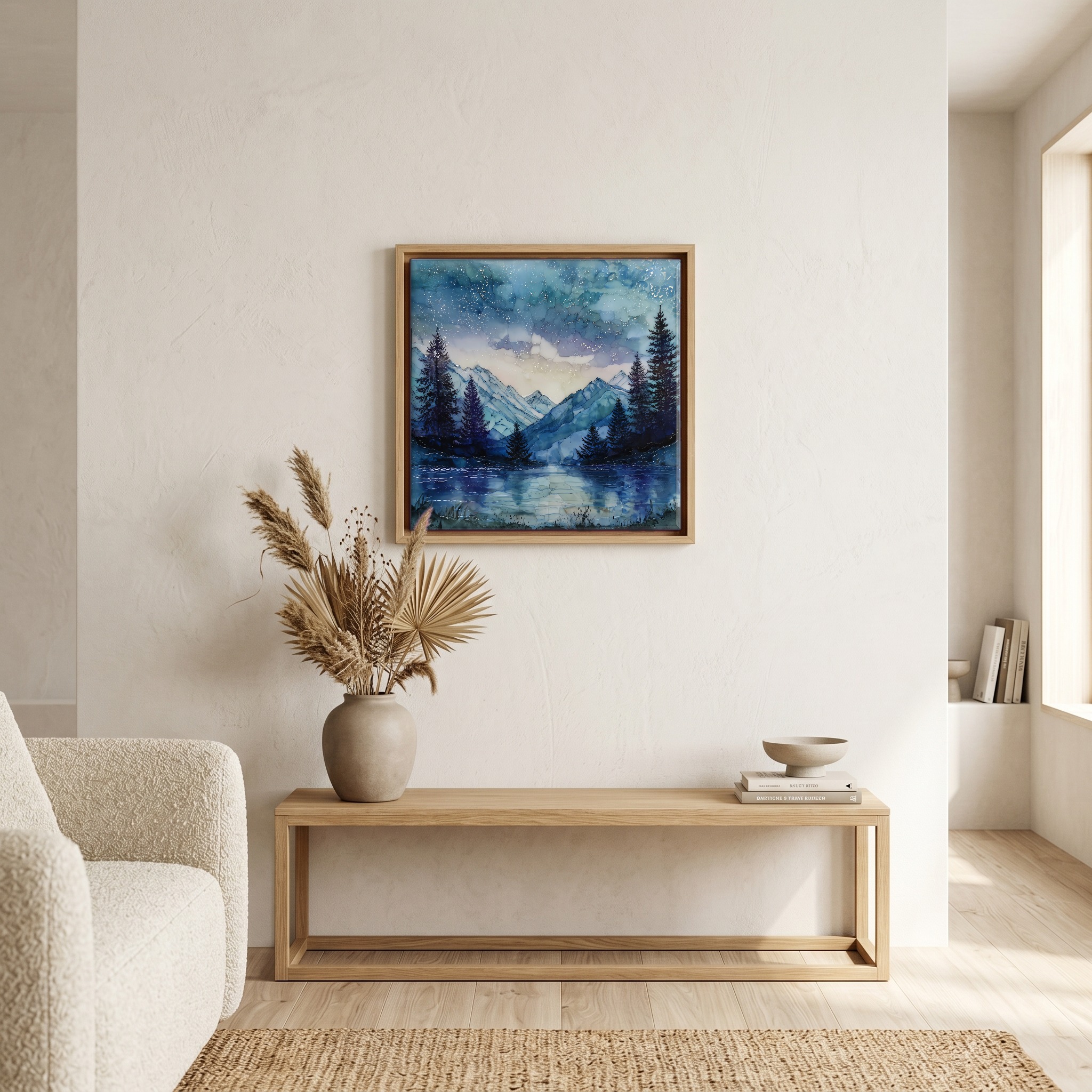

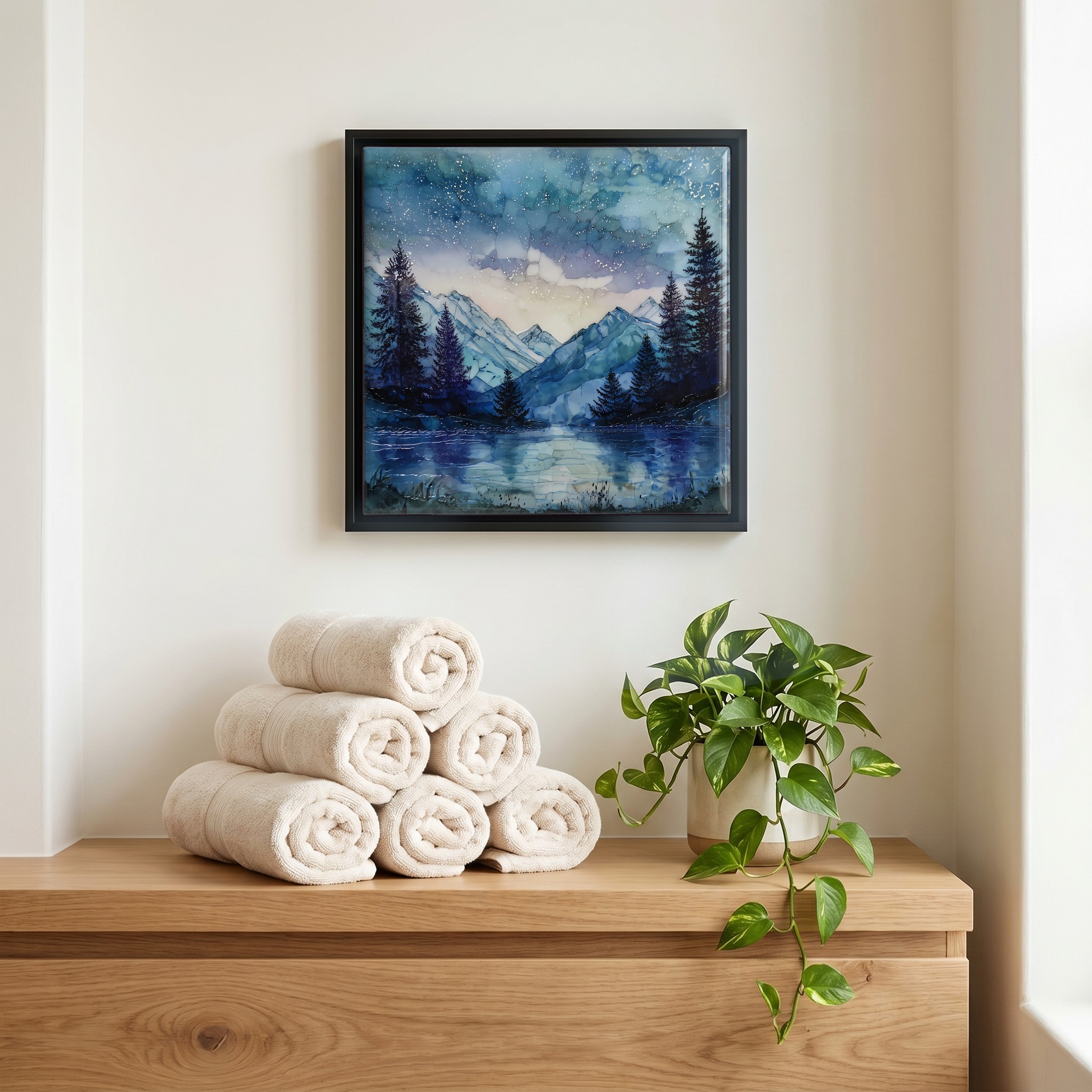
“The lake freezes by mid-December and holds through March. The biathlon arena three kilometres down the valley fills with cowbells and floodlights for the World Cup; the lake itself stays out of all that. Cross-country tracks loop the shore through larch and spruce, marked but rarely crowded. Above the lake, the Rieserferner Group sits up white against the sky, the range that anchors the view from Brunico on a clear day. The valley road climbs just past the lake to the Staller Sattel, closed once the snow comes. The eight minutes after sunset are when the blue goes everywhere.
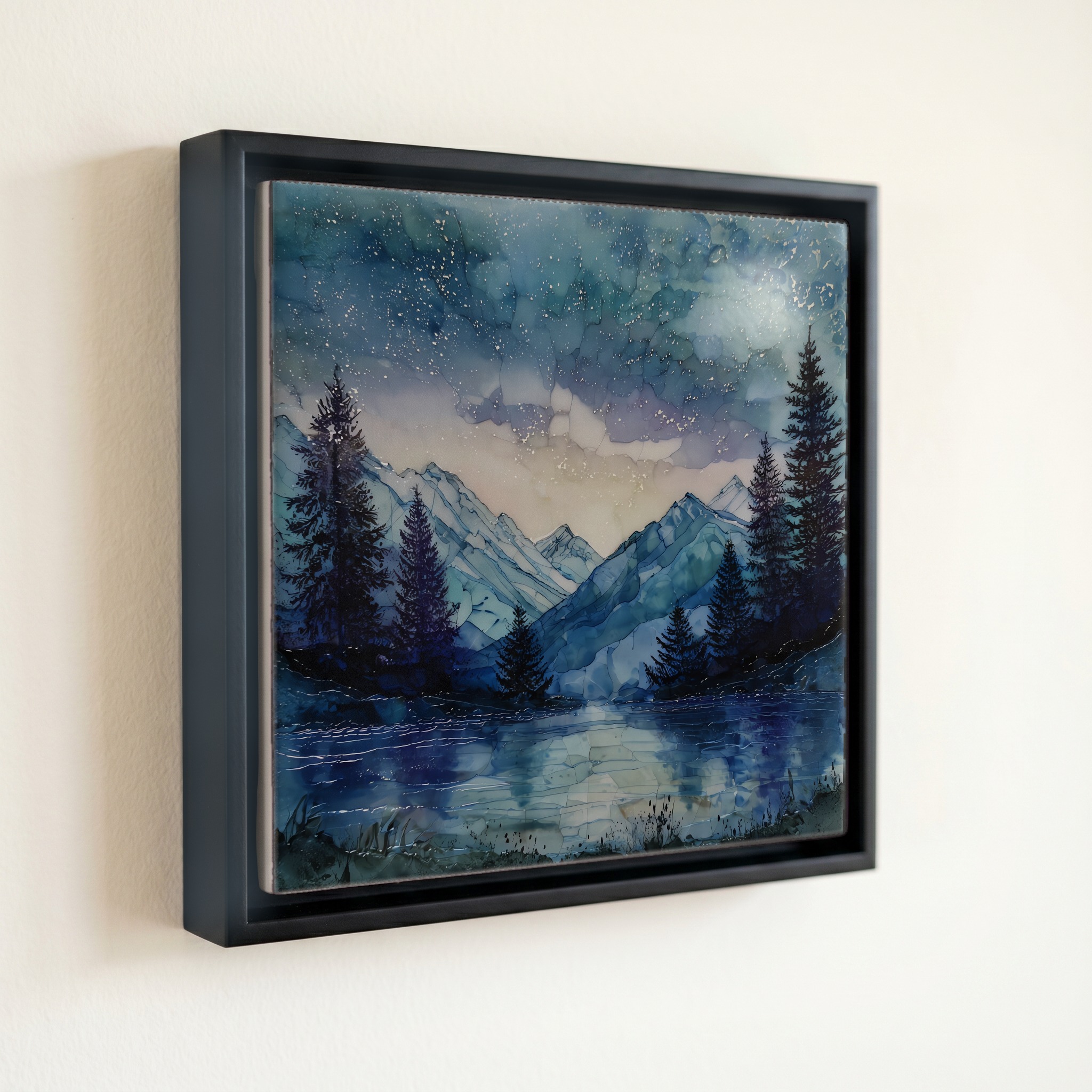
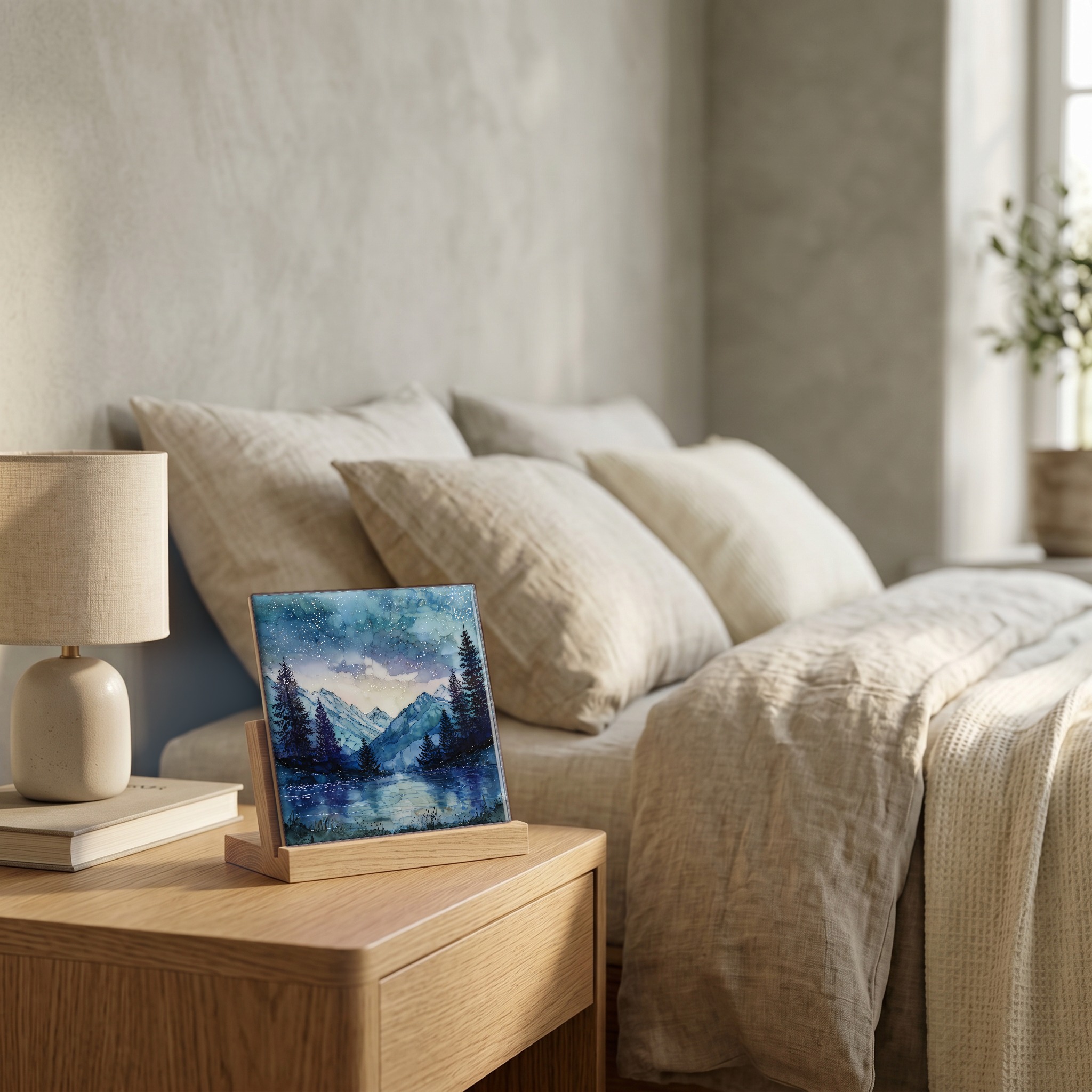
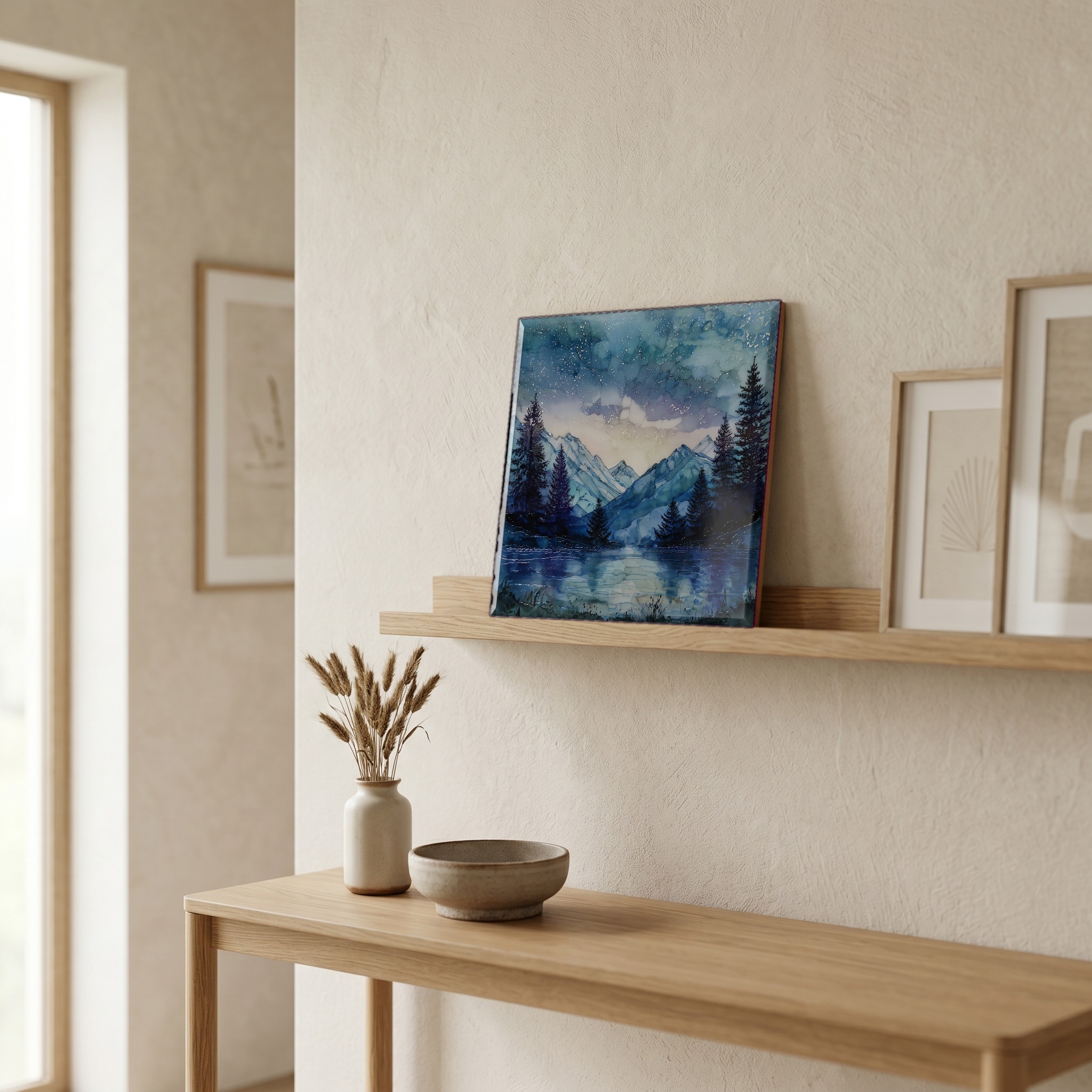
Lake Anterselva in Winter, on ceramic.
Each tile is finished by hand in our Knoxville studio. Artwork is slowly infused into the ceramic surface under high heat and pressure, and rests beneath a thin glossy finish. The colour lives in the surface, not on top of it.
Pick any four 4-inch tiles — National Parks you've been to, a Smokies set, the four seasons of one place. $ for a set of , cork-backed, ready to live on the table.

Each tile ships in a kraft box, tied with cream ribbon, with a handwritten note from the studio if you'd like to add one.

Three or five different vistas, hung together — a chapter of places you've been, or want to go.
The place, in three passes.
Lake Anterselva (Antholzer See in German, Lago di Anterselva in Italian) sits at 1,642 metres (5,387 feet) in the Antholz Valley, a side branch off the Val Pusteria in South Tyrol. It is the third-largest natural lake in the province, about 44 hectares of water held against the western flank of the Rieserferner Group. The lake and the valley above it form the southern gateway of the Naturpark Rieserferner-Ahrn, a 31,505-hectare alpine reserve that runs north into Austrian Tyrol at the Staller Sattel pass. Brunico is the nearest market town, an hour's drive west; Bolzano lies roughly seventy kilometres further on. The lake belongs to the municipality of Rasen-Antholz.
The lake usually freezes solid by mid-December and stays under ice until the second half of March. The cycle is reliable enough that the Antholz cross-country trail network, about thirty kilometres of marked Loipen, anchors itself around the shore as soon as the snow sets. Daylight at this latitude in January runs roughly nine hours, with the sun clearing the eastern ridge late and dropping behind the Rieserferner Group well before five. The blue hour is long here. Spring melt comes slowly: the ice retreats from the shallow north end first, then opens through April; by June the lake is liquid again and the high pasture above it has reopened.
What sets winter at Anterselva apart is the gap between the loudest sport in alpine Italy and the quietest water. The Sudtirol Arena, three kilometres down the valley at the Antholz-Obertal site, hosts the IBU Biathlon World Cup every January and will host the biathlon events of the 2026 Winter Olympics. Race days bring cowbells and the volley of small-bore rifles on the range. At the lake itself, the air does the opposite. The valley road climbs above the lake only as far as the Staller Sattel, a 2,052-metre pass that closes when the snow comes; through traffic to Austria stops here. What is left is a frozen surface, a larch ring, and the ridge.