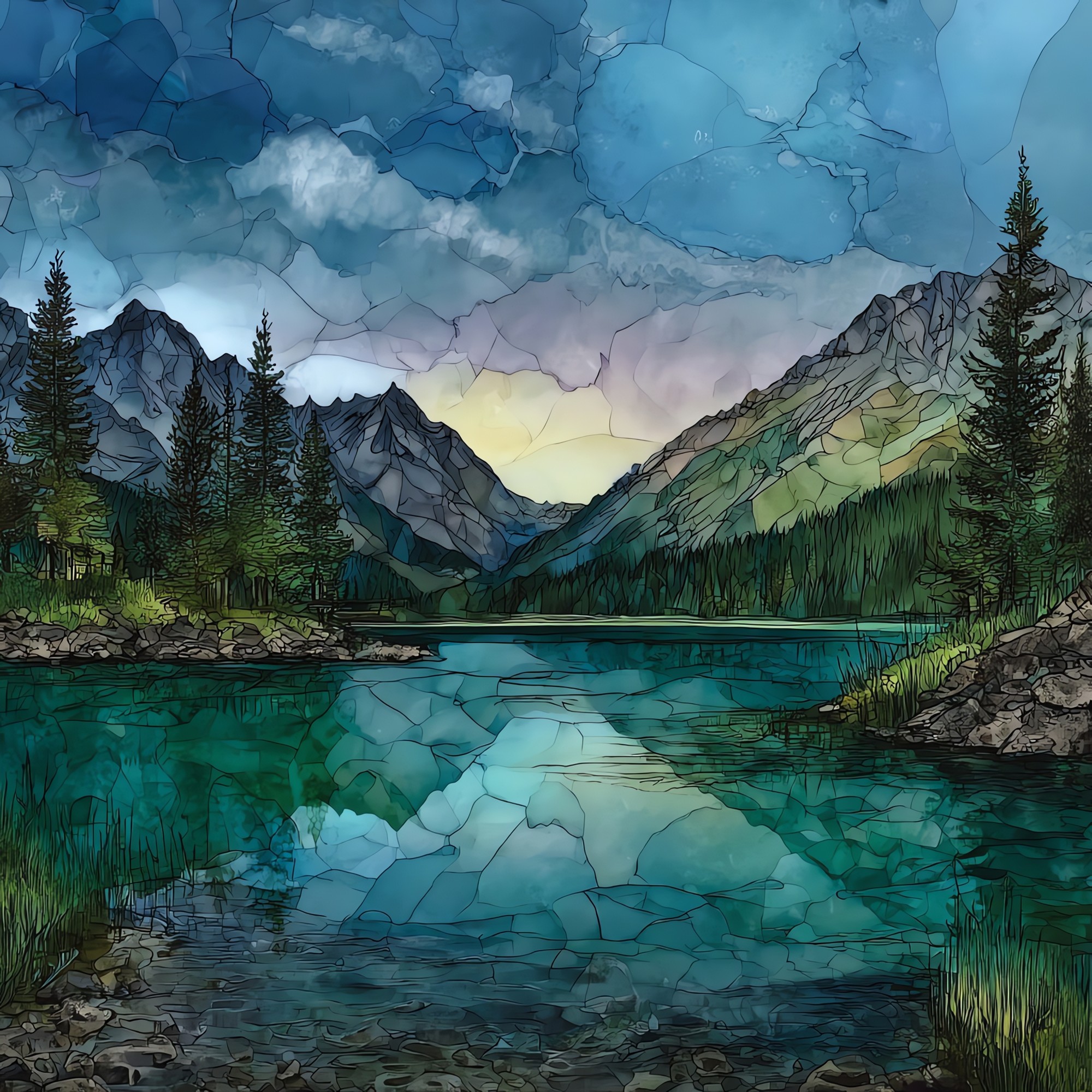
Lake Anterselva Antholzer See
— the eight minutes after the sun is gone.
Not only on a wall.
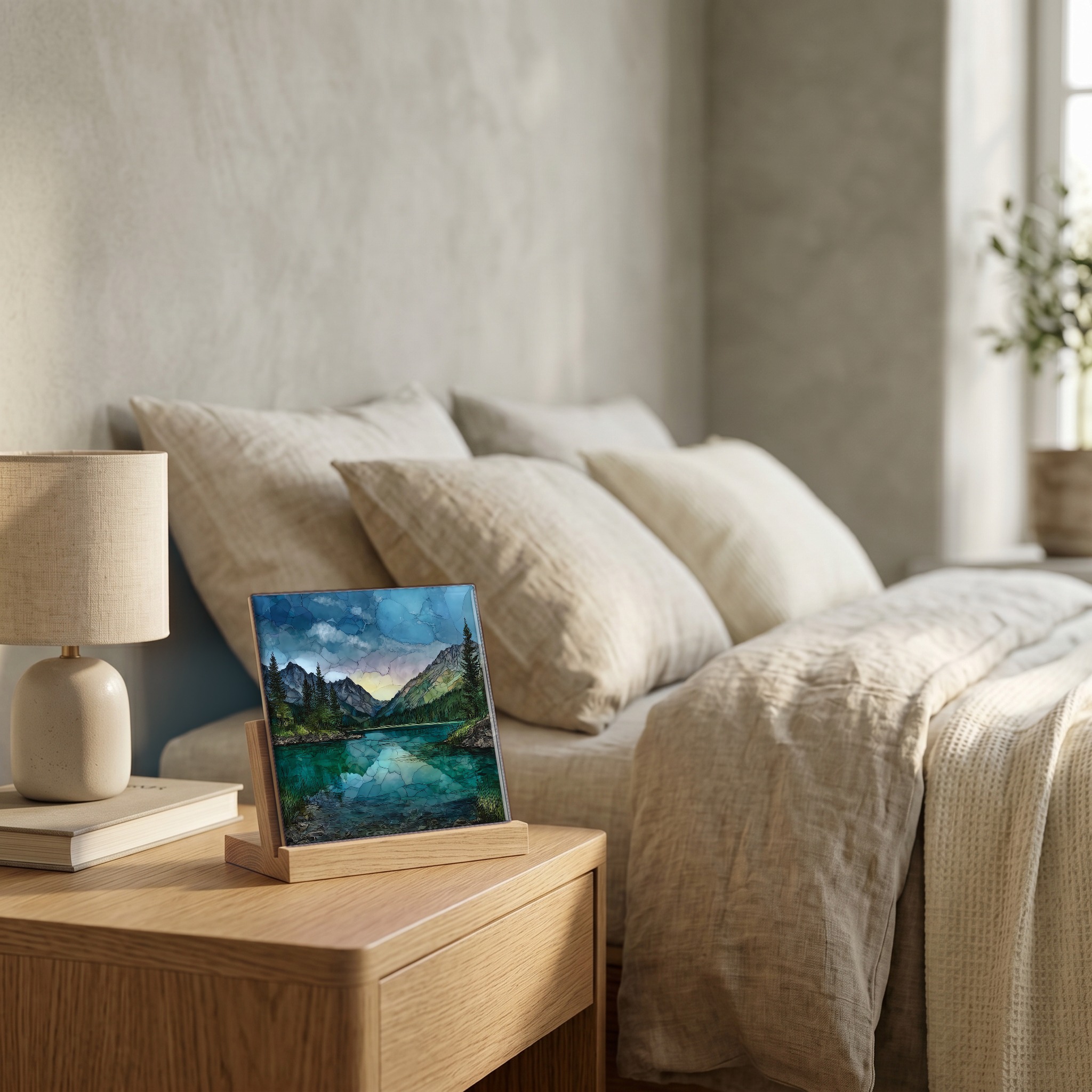
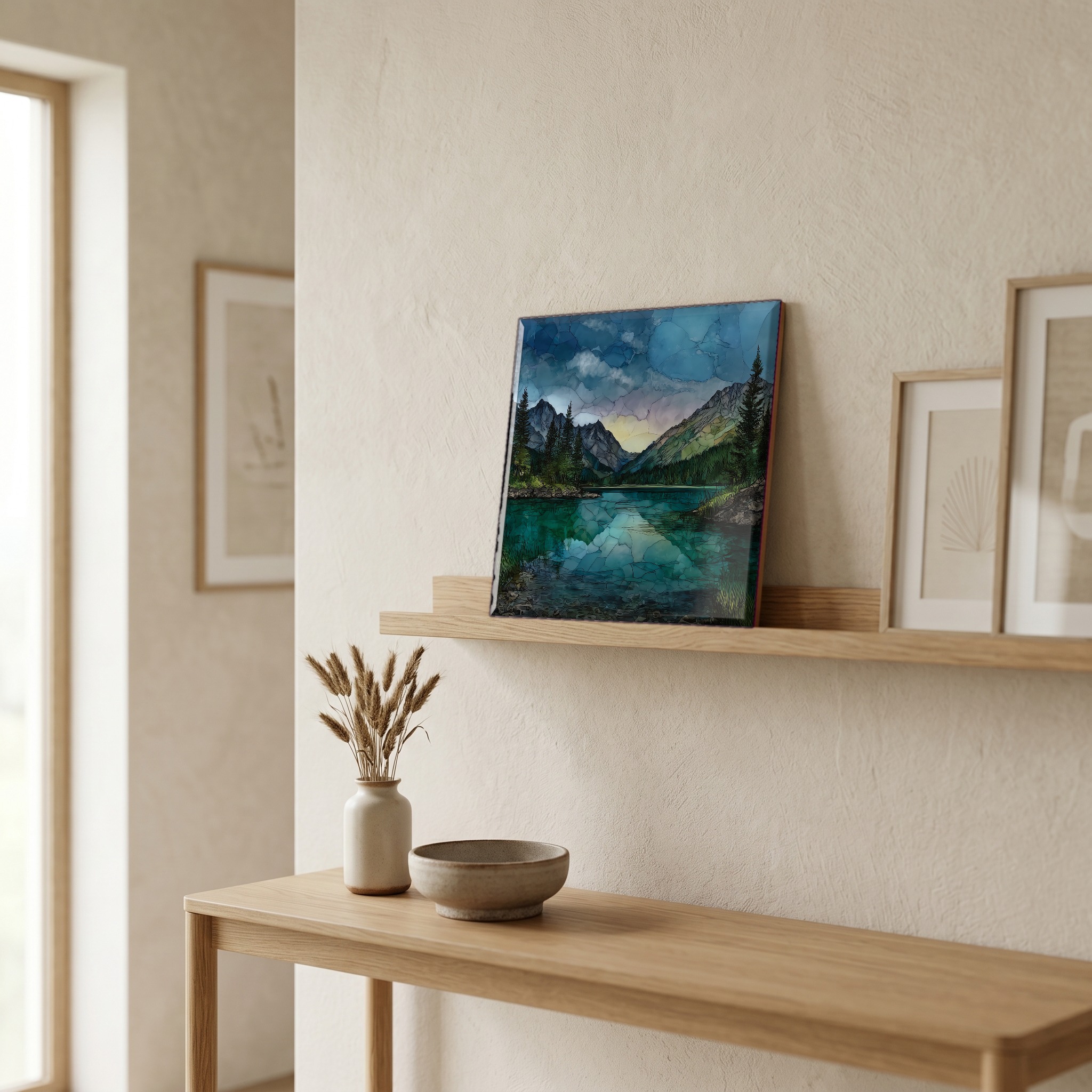
“The third-largest natural lake in South Tyrol, held at the head of the Antholz valley below the Staller Saddle, where Italy gives way to Austria. A landslide closed the valley here long ago and the water has stayed ever since, deep and dark under the Rieserferner peaks. In summer a level path circles the shore, larch shade on one side and cold water on the other. The valley below is known for its biathlon arena; the lake above it belongs to the people who drive the last stretch for the quiet. By midwinter the whole surface is ice.
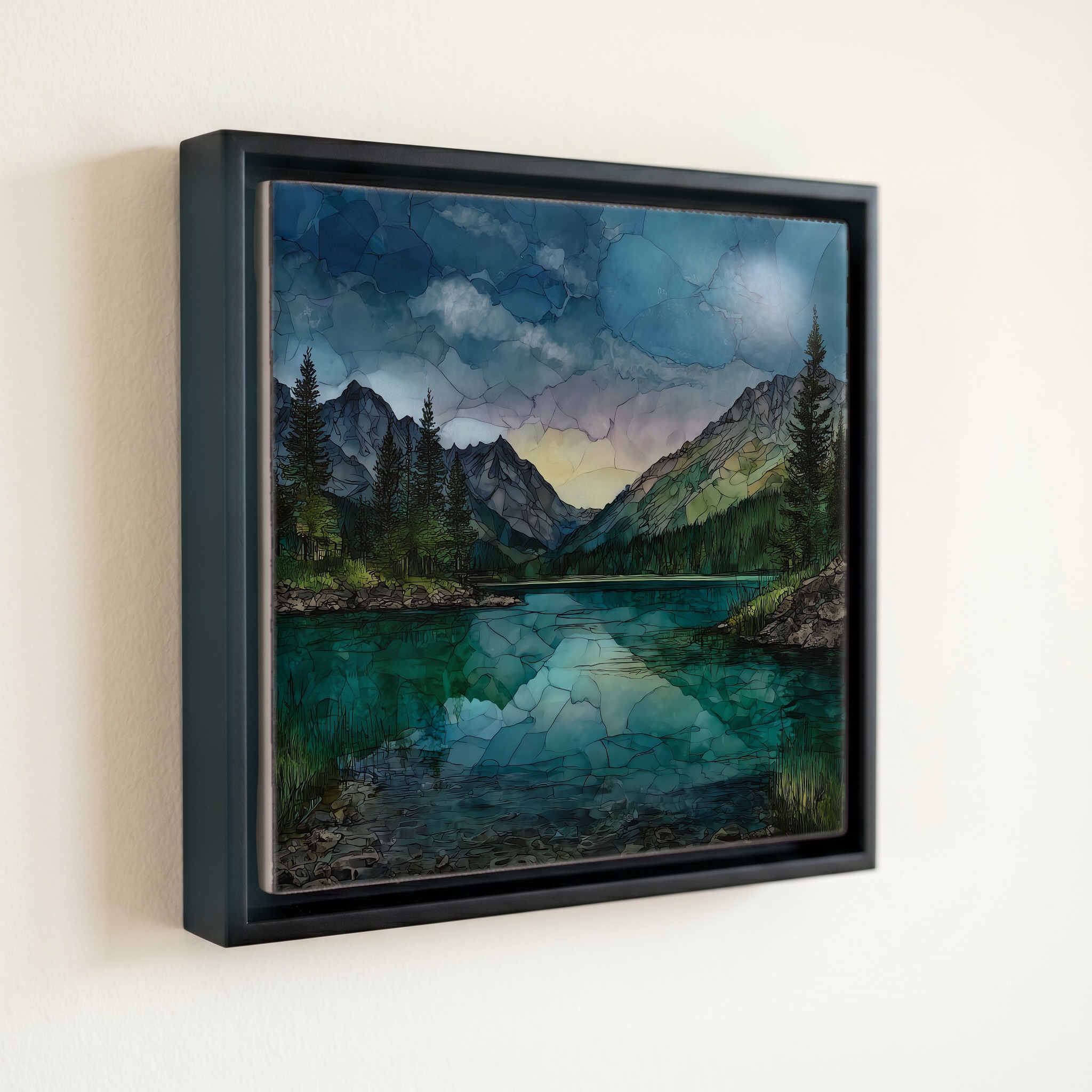
Lake Anterselva Antholzer See, on ceramic.
Each tile is finished by hand in our Knoxville studio. Artwork is slowly infused into the ceramic surface under high heat and pressure, and rests beneath a thin glossy finish. The colour lives in the surface, not on top of it.
Pick any four 4-inch tiles — National Parks you've been to, a Smokies set, the four seasons of one place. $ for a set of , cork-backed, ready to live on the table.

Each tile ships in a kraft box, tied with cream ribbon, with a handwritten note from the studio if you'd like to add one.
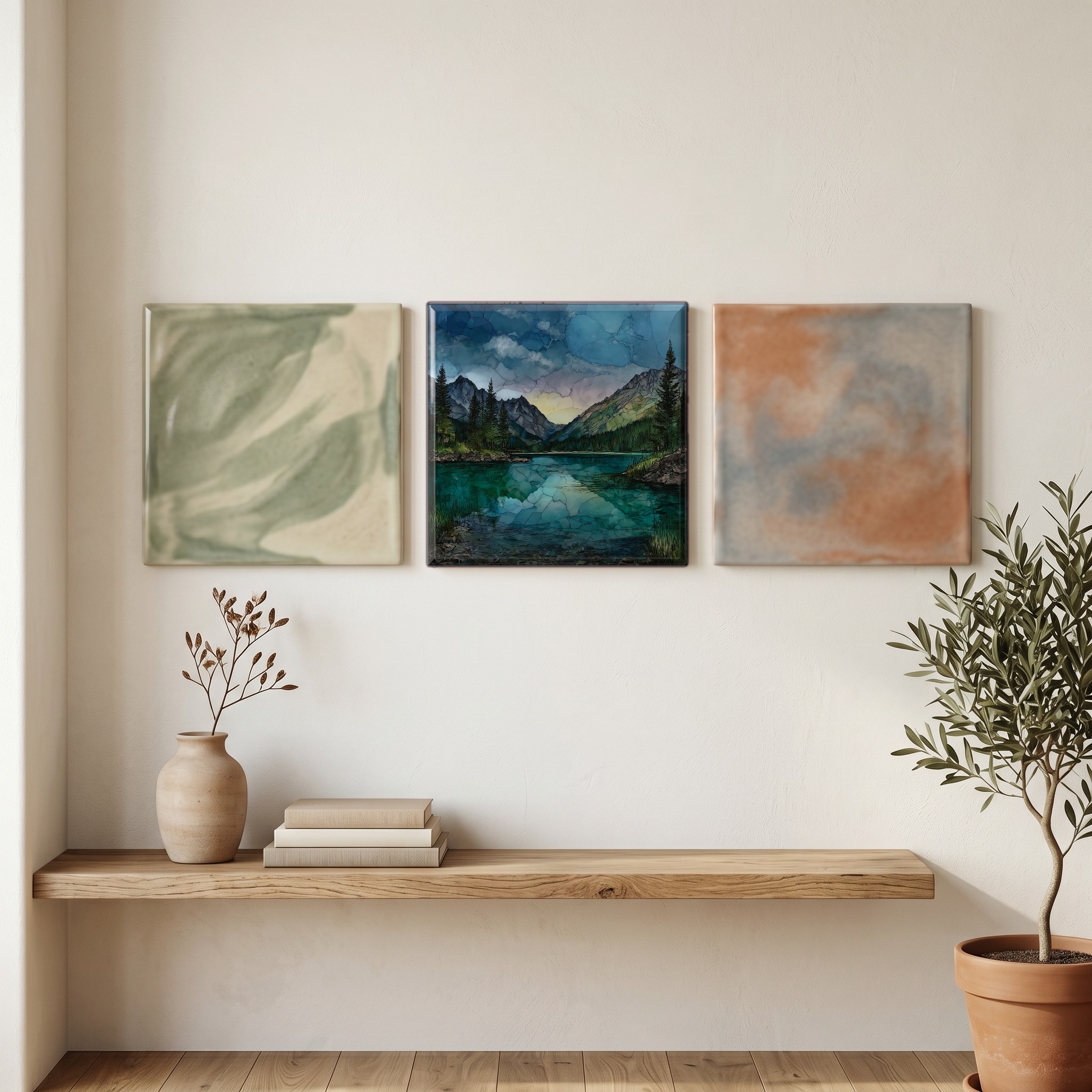
Three or five different vistas, hung together — a chapter of places you've been, or want to go.
The place, in three passes.
Lake Anterselva, the Antholzer See in German, lies at 1,642 metres at the head of the Antholz valley, a side valley that runs north off the Puster valley in South Tyrol, northern Italy, close to the Austrian border. It belongs to the municipality of Rasen-Antholz and sits inside the Rieserferner-Ahrn Nature Park, which holds more glaciers than any of South Tyrol's seven nature parks. At about 44 hectares and 38 metres deep, it is the third-largest natural lake in the province. The valley road climbs past the lake to the Staller Saddle, a high pass that drops into the Defereggen valley in East Tyrol. A level path of roughly 2.7 kilometres rings the shore, with the peaks of the Rieserferner group closing the view to the north.
The lake was most likely formed when a landslide closed the valley and dammed its outflow, leaving a basin that filled and never drained. It reaches 38 metres at its deepest and is fed by streams running off the Rieserferner group above it. The water is cold and dark rather than glacial turquoise; there is no rock flour here to scatter the light as it does at Sorapis or Lake Pukaki, so the surface reads as deep green and slate under the peaks. A local legend tells it another way: three hard-hearted farmsteads, it says, were drowned overnight after their owners sent a beggar away with mouldy bread. By the depth of winter the lake freezes over almost completely.
Summer is the open season at the lake. By about June the shore path is clear of snow and the larches around the basin hold their green into autumn; the loop around the water is level and easy, which is why it fills with families on warm weekends. The Staller Saddle road above the lake is single-lane along its top stretch and runs one direction at a time on a timed cycle, and it closes through the winter. The valley itself is best known for the Suedtirol Arena Alto Adige, one of the world's leading biathlon and cross-country centres, which hosted the biathlon events of the Milano Cortina 2026 Winter Olympics in February 2026. Most of the crowd that fills the valley for the racing never climbs the last few kilometres to the lake under its ice.