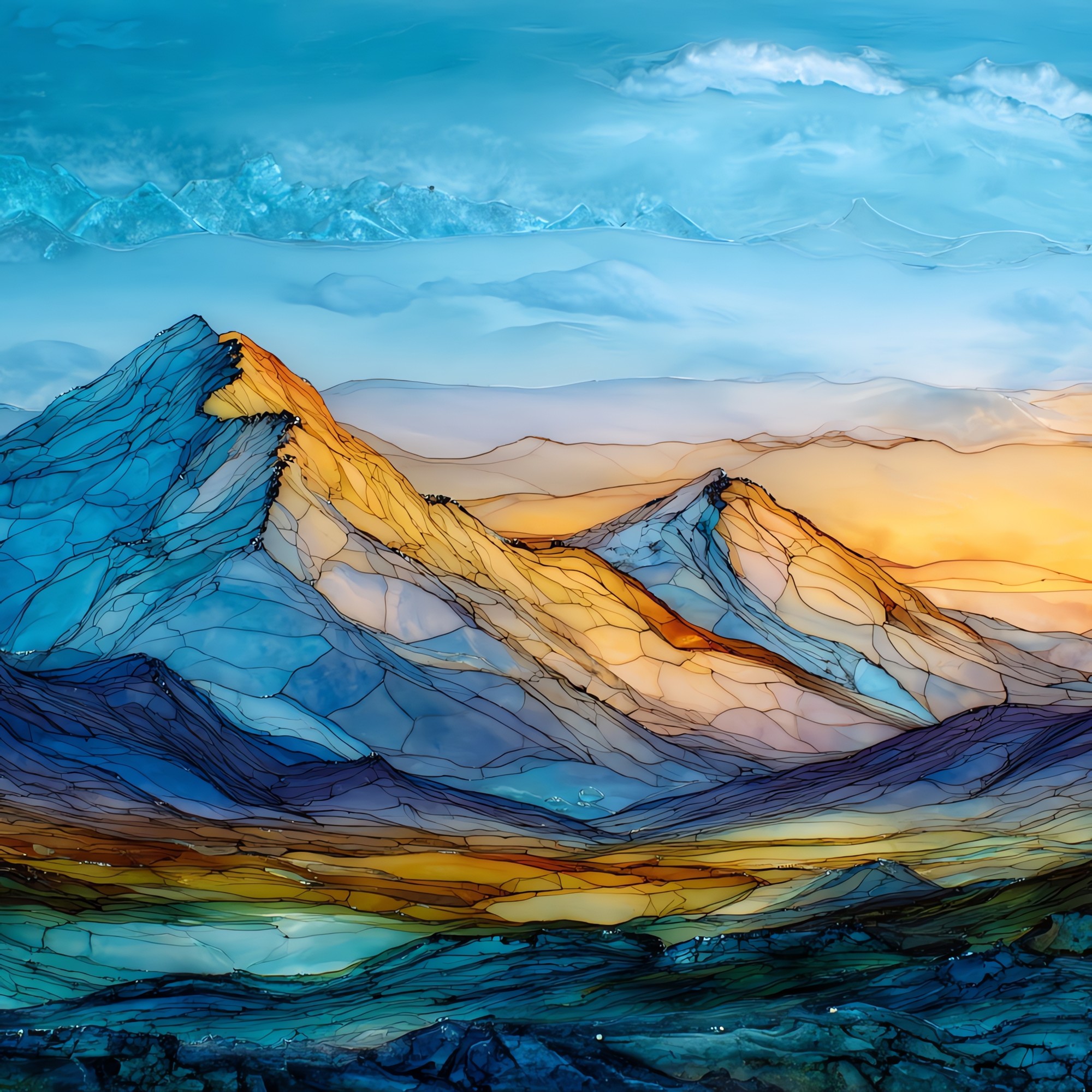
Gran Sasso
— the last snow the south keeps.
Not only on a wall.
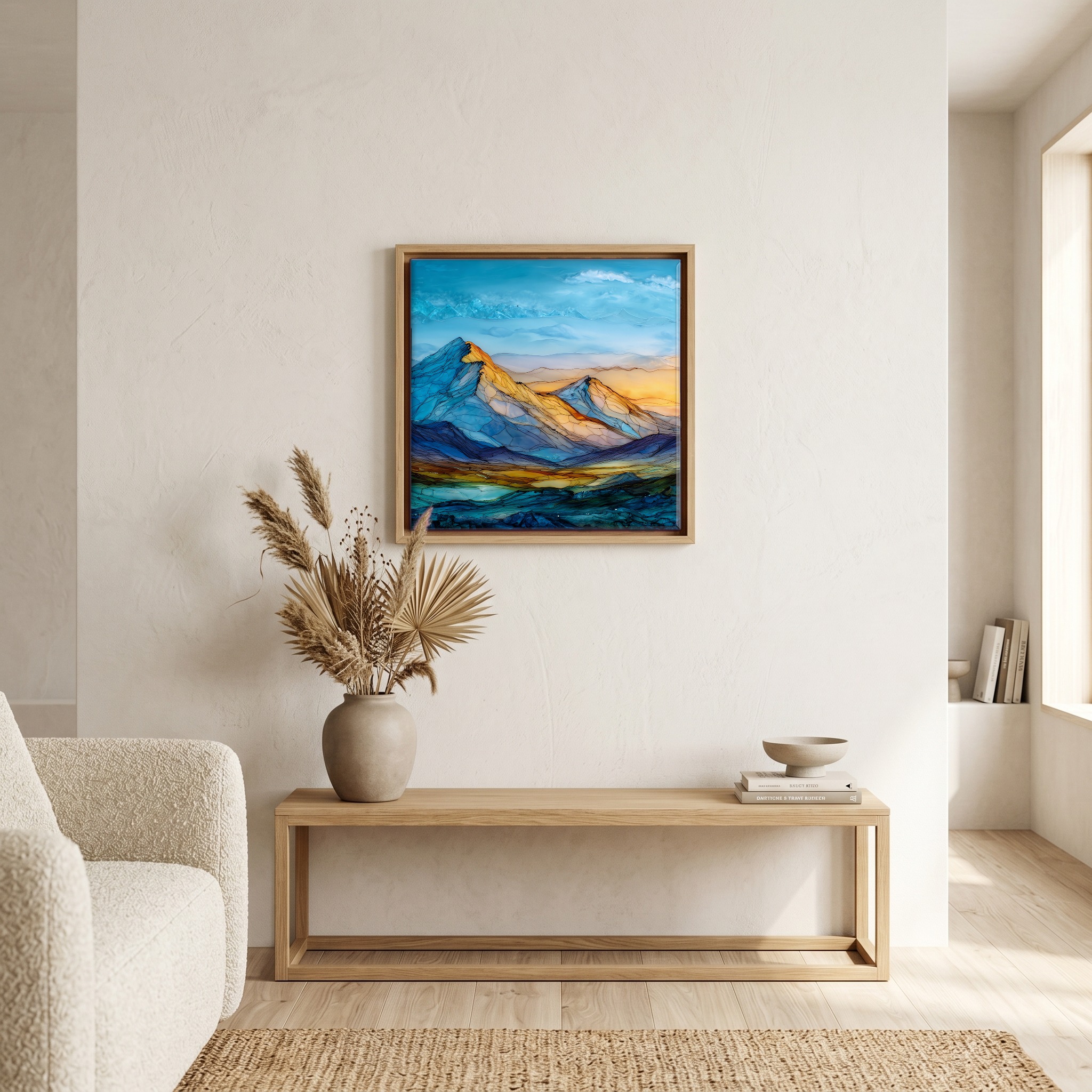
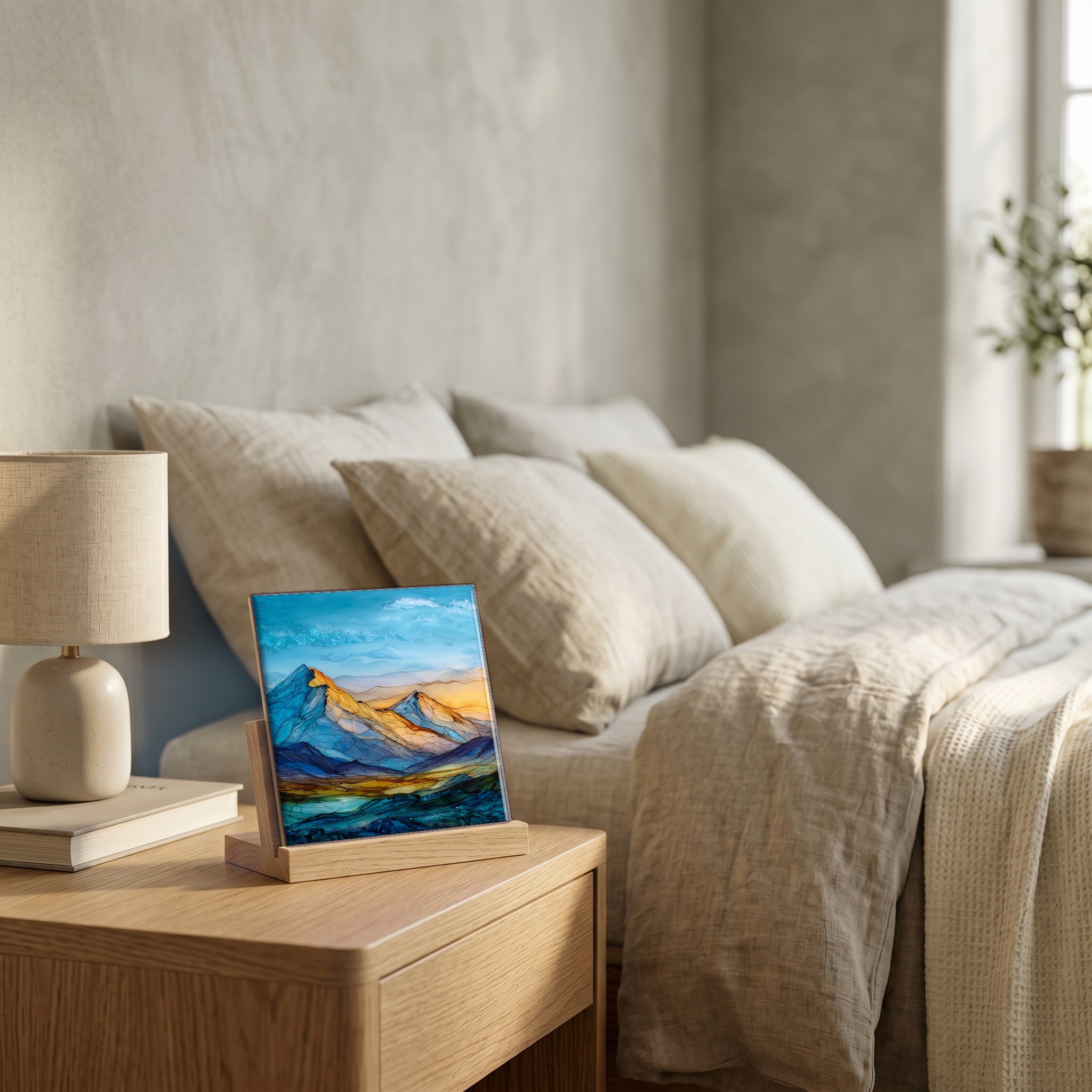
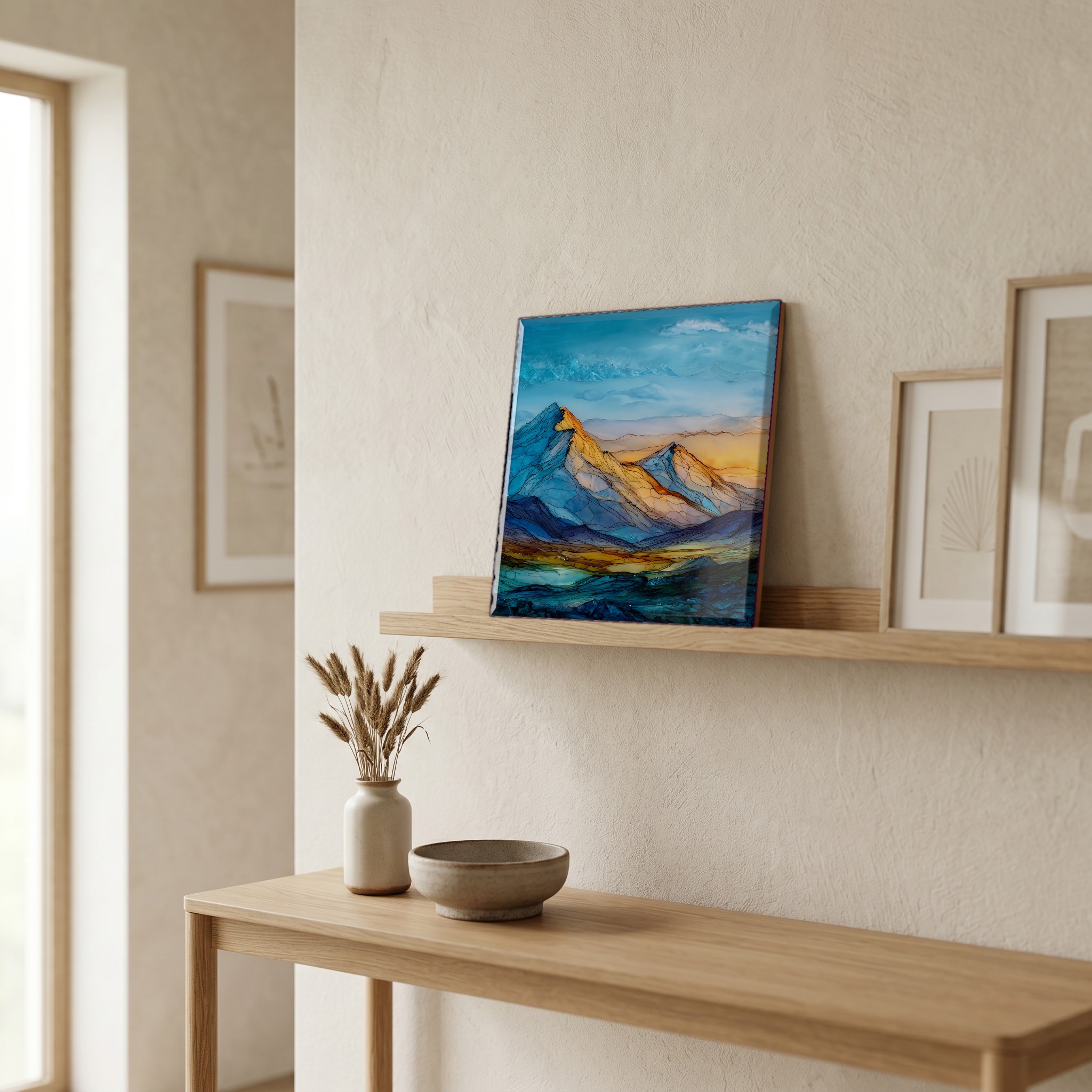
“The highest stone in the Apennines, two hours east of Rome and a world away from it. Below the summit a plateau opens out: Campo Imperatore, wide and pale, the kind of high ground that goes quiet in a way mountains rarely manage. A cable car climbs to it from the valley floor. In the north-facing hollow under the peak, the last glacier of the Italian south has thinned to a seam of ice under the rubble. People drive up for the light on the limestone and stay longer than they meant to.
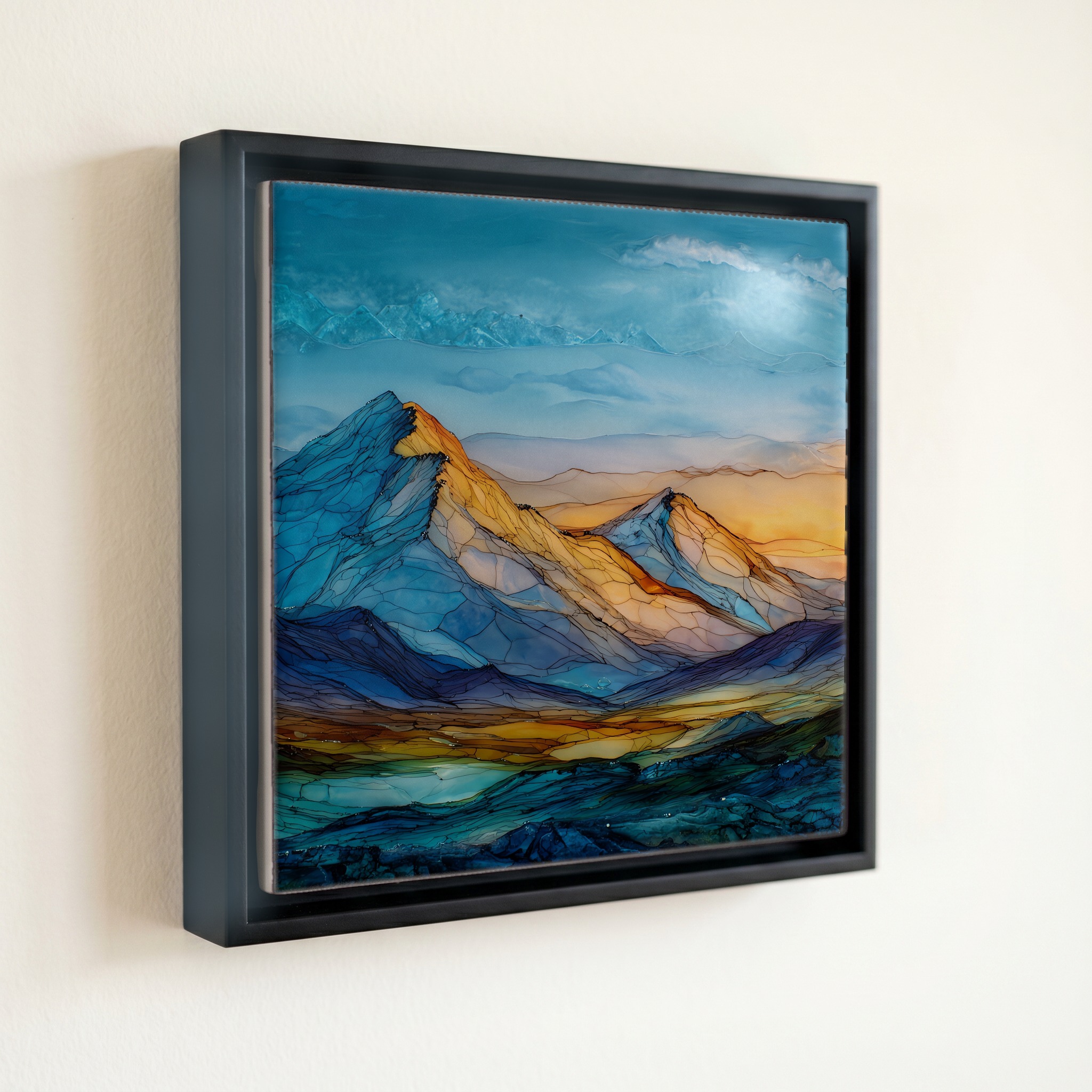
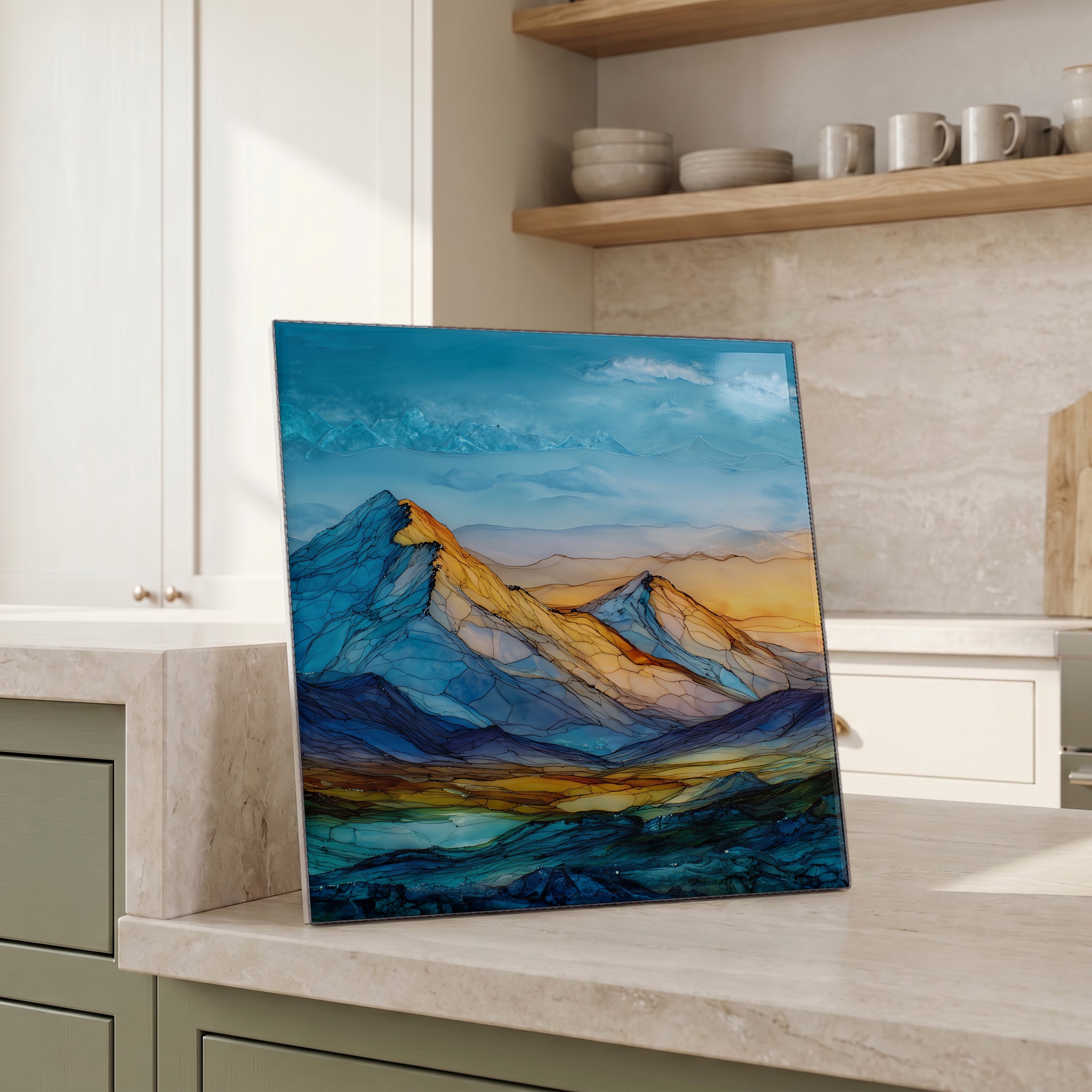
Gran Sasso, on ceramic.
Each tile is finished by hand in our Knoxville studio. Artwork is slowly infused into the ceramic surface under high heat and pressure, and rests beneath a thin glossy finish. The colour lives in the surface, not on top of it.
Pick any four 4-inch tiles — National Parks you've been to, a Smokies set, the four seasons of one place. $ for a set of , cork-backed, ready to live on the table.
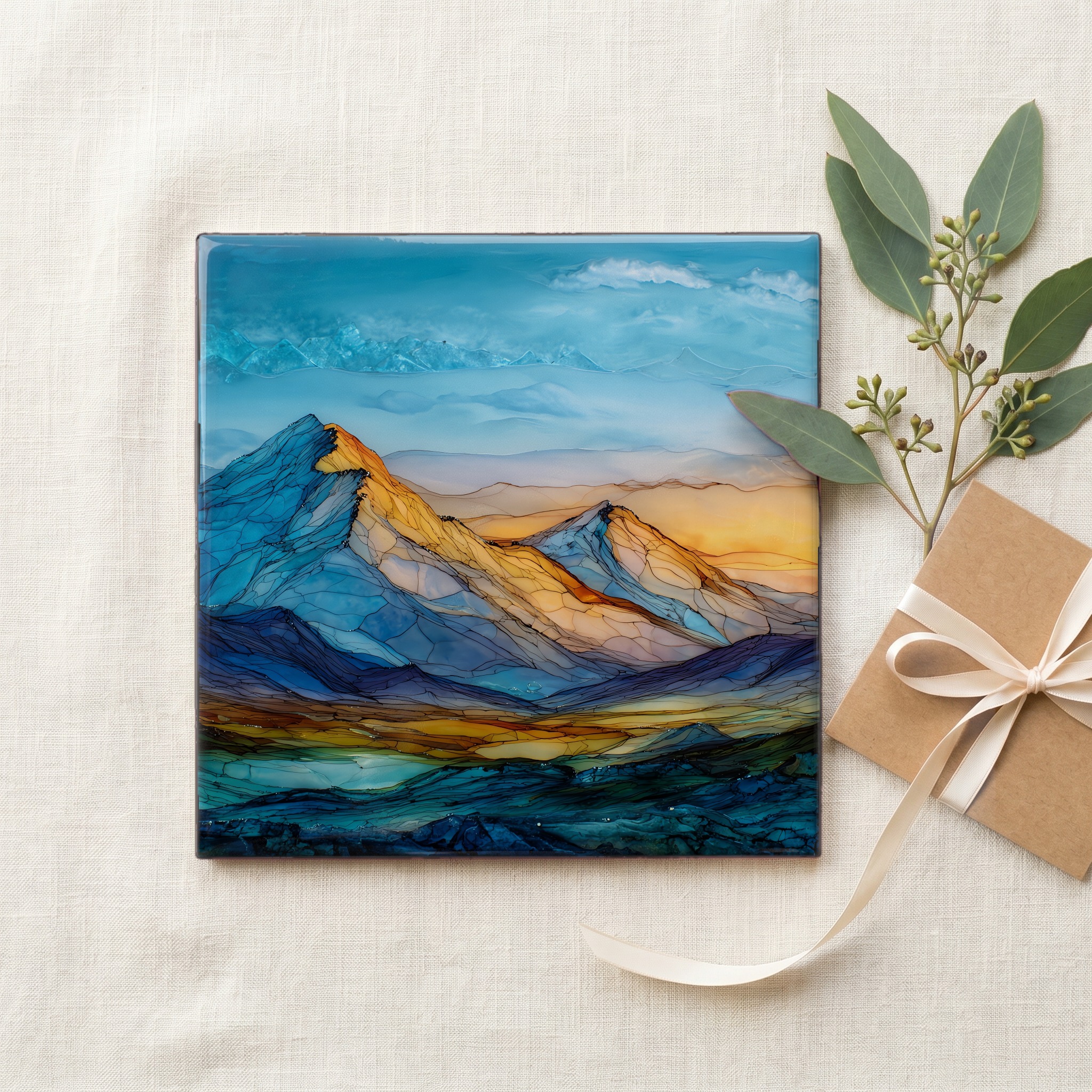
Each tile ships in a kraft box, tied with cream ribbon, with a handwritten note from the studio if you'd like to add one.
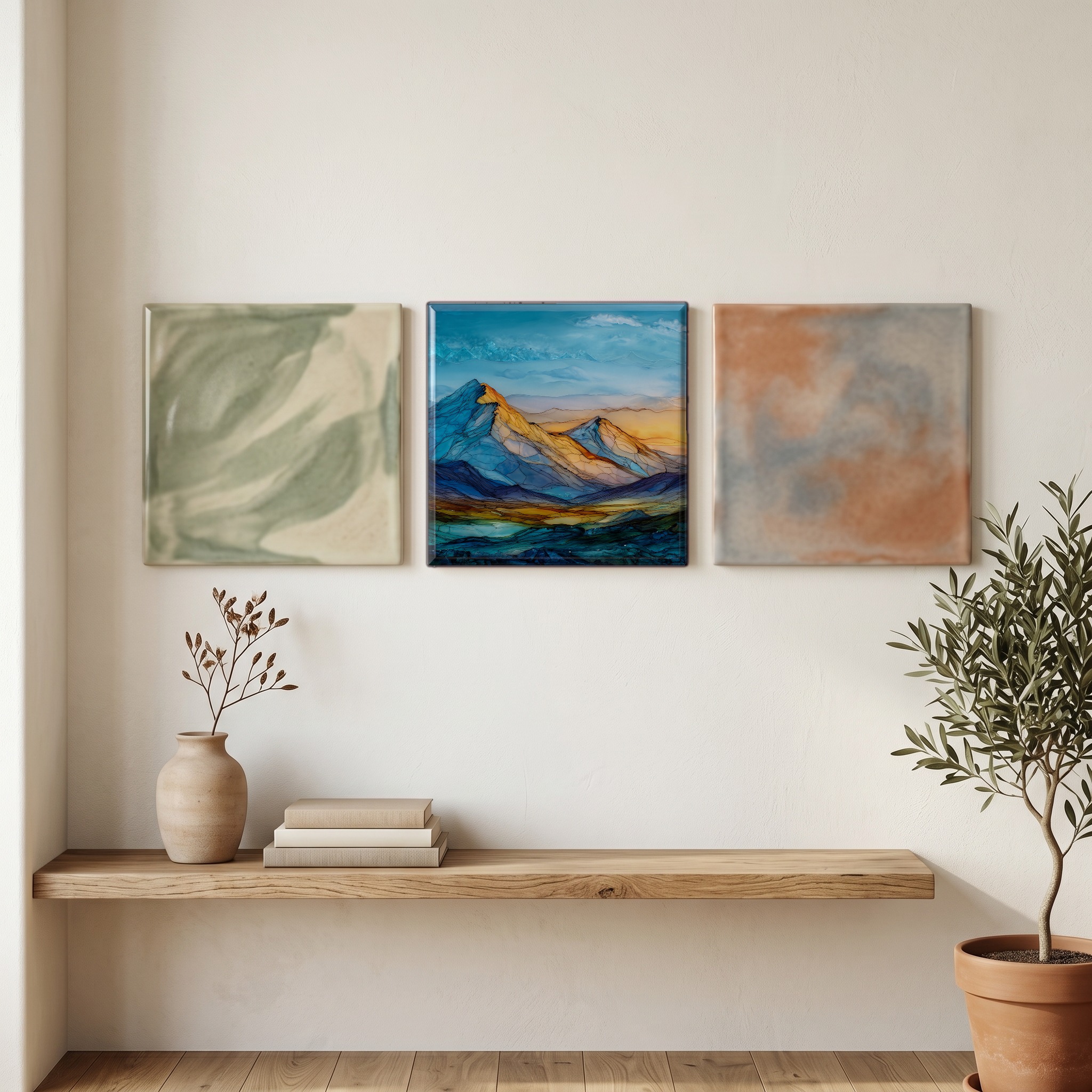
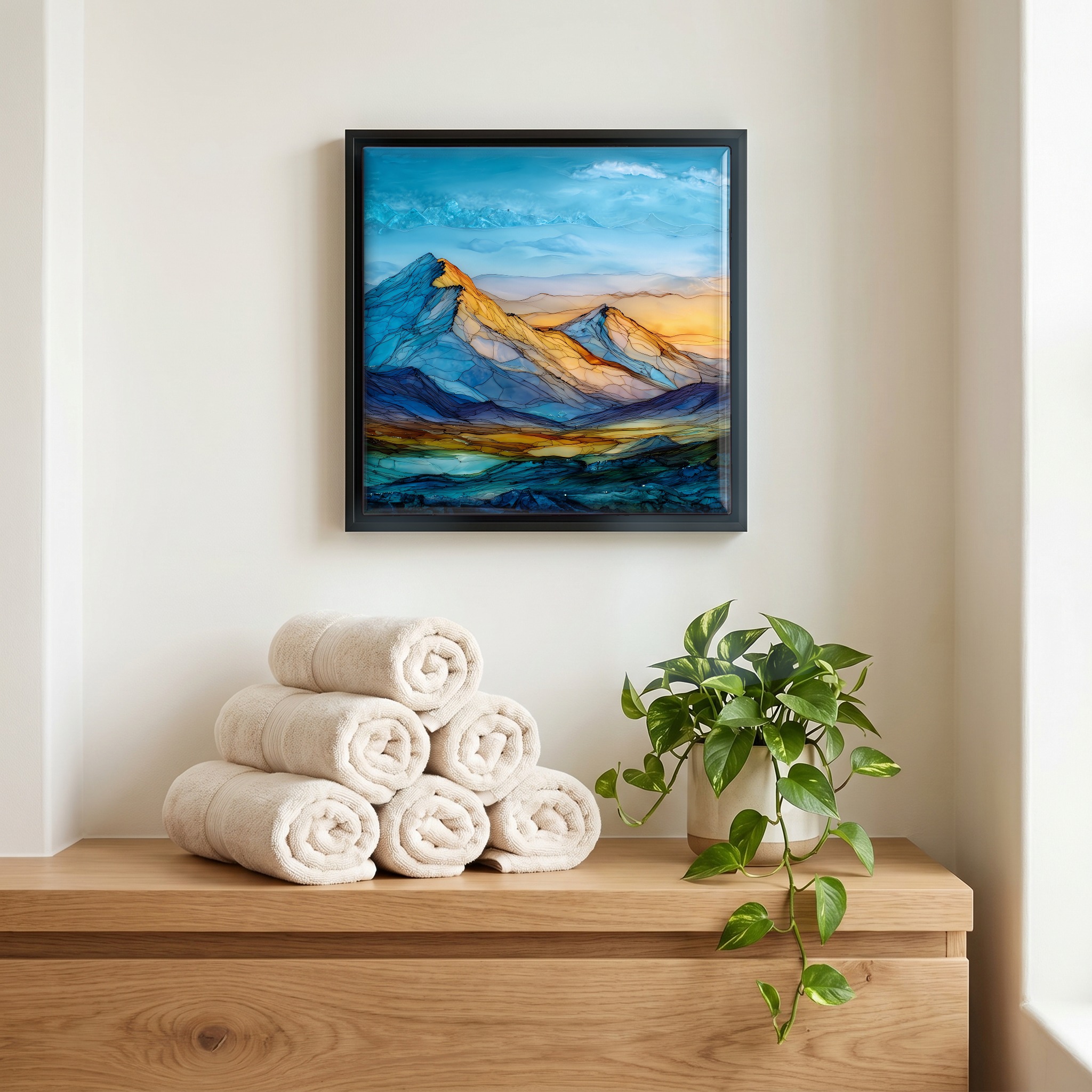
Three or five different vistas, hung together — a chapter of places you've been, or want to go.
The place, in three passes.
Gran Sasso d'Italia is the high massif at the centre of the Apennine range, in the Abruzzo region of central Italy. Its summit, Corno Grande, reaches 2,912 metres, the highest point in the Apennines; the Bolognese captain Francesco De Marchi recorded the first ascent in 1573. The massif runs roughly 35 kilometres from west to east and sits inside the Gran Sasso e Monti della Laga National Park, established in 1991 and, at around 2,000 square kilometres, one of the largest protected areas in Italy. L'Aquila lies on its southern flank, and Rome is about two hours west by road. A cable car from Fonte Cerreto carries visitors up to the plateau of Campo Imperatore.
Above the tree line the mountain opens onto Campo Imperatore, a high pasture plateau that runs about 27 kilometres long at elevations between 1,500 and 1,900 metres, bare enough that it is often likened to a Tibetan steppe. In a north-facing hollow just under Corno Grande lies the Calderone, for most of the last century the southernmost glacier in Europe. It has retreated sharply: surveys downgraded it from glacier status in 2019, and a 2022 expedition found only about 25 metres of ice left, much of it buried under rock debris. The snow that gathers in that shaded basin is, in effect, the last the Italian peninsula keeps.
The same isolation that draws climbers has twice made the mountain useful to people who wanted to be unreachable. In 1943 the deposed Benito Mussolini was held at the Hotel Campo Imperatore, reachable only by cable car, until a German glider raid on 12 September carried him off the mountain. Eighty years on, the quiet is engineered rather than political: beneath roughly 1,400 metres of rock, alongside the ten-kilometre Traforo del Gran Sasso road tunnel, the INFN runs the Laboratori Nazionali del Gran Sasso, the largest underground physics laboratory in the world. The rock overhead screens out almost all cosmic radiation, leaving a stillness no surface site can match.