Wender·Vista
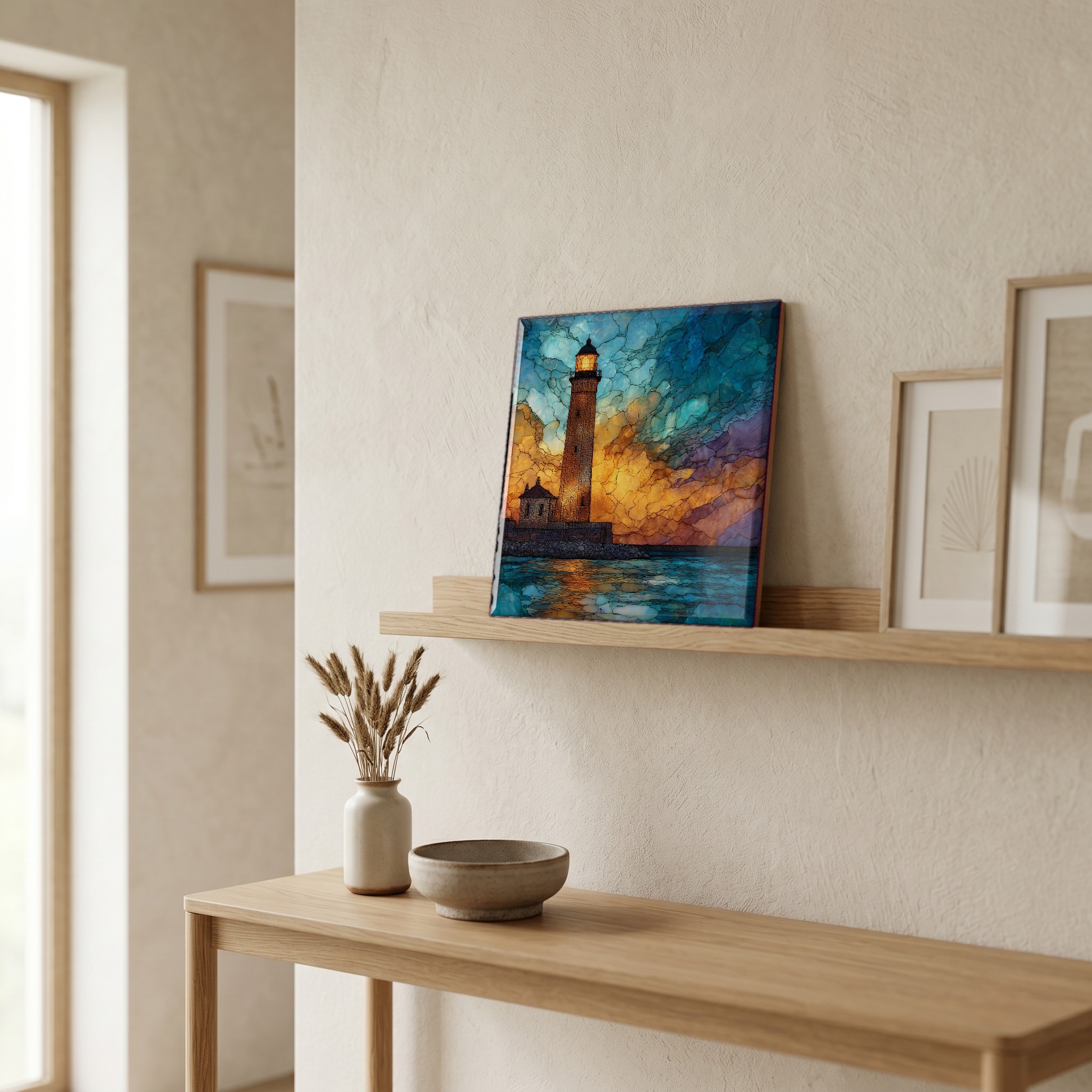
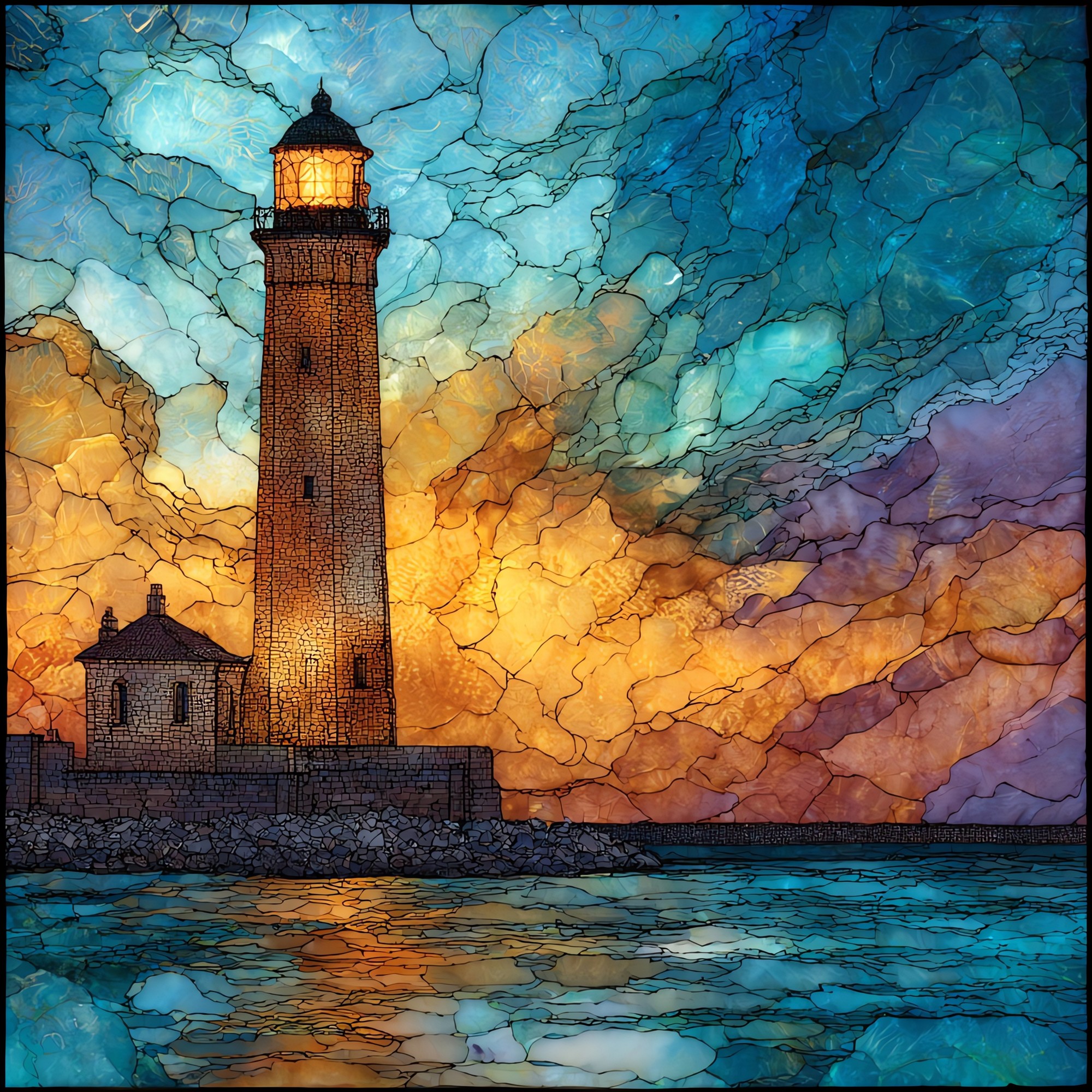
Genoa Harbor
shown on ceramic, 12-inch tileItaly
on Italy's Ligurian coast, west of the Cinque Terre

Genoa Harbor

— the lantern still burning at the harbour mouth.

Where it lives

Not only on a wall.

A small tile on the nightstand catching the morning. A larger one above the fire. Yours, wherever you spend the slow hours.
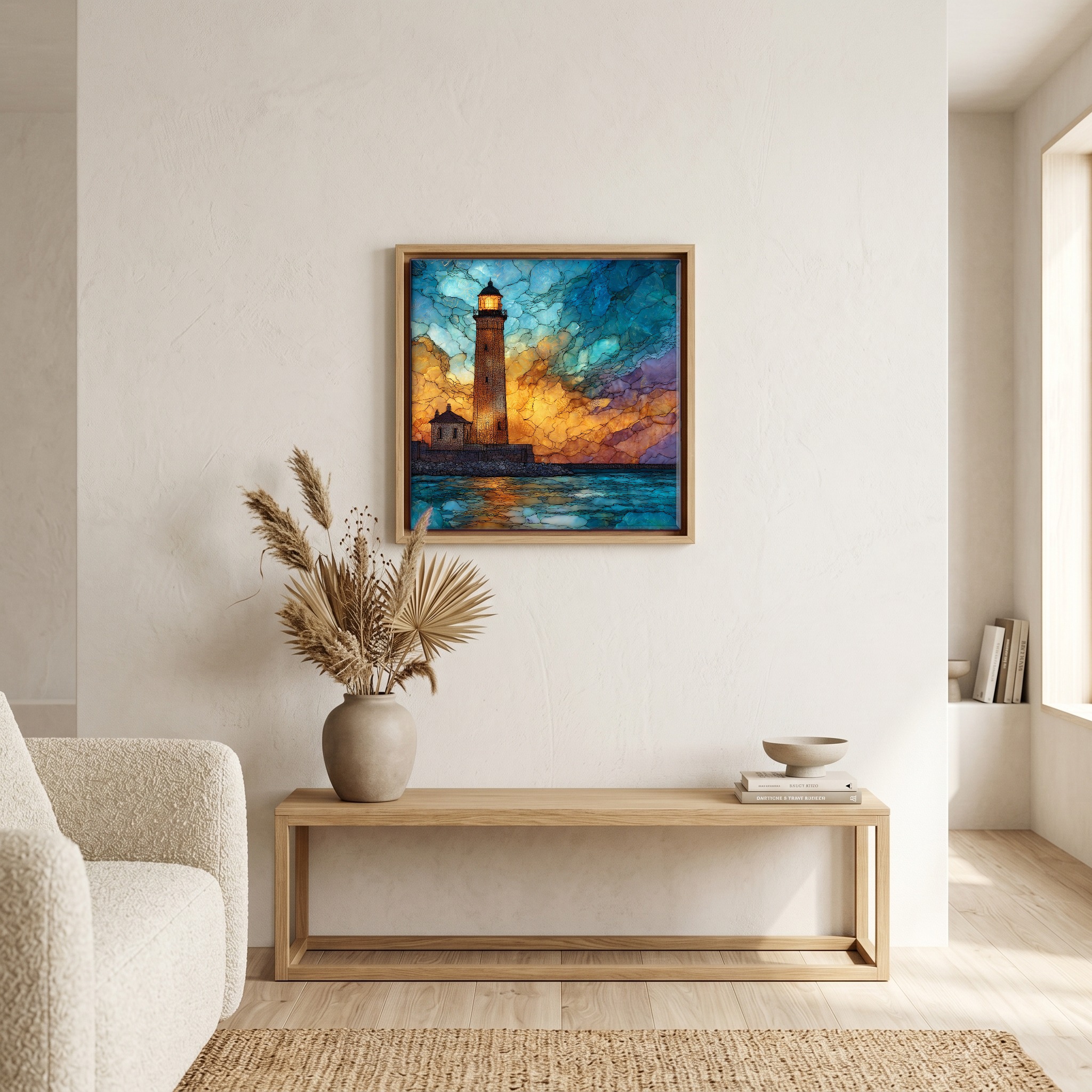
Above the bench, in a warm oak surround.
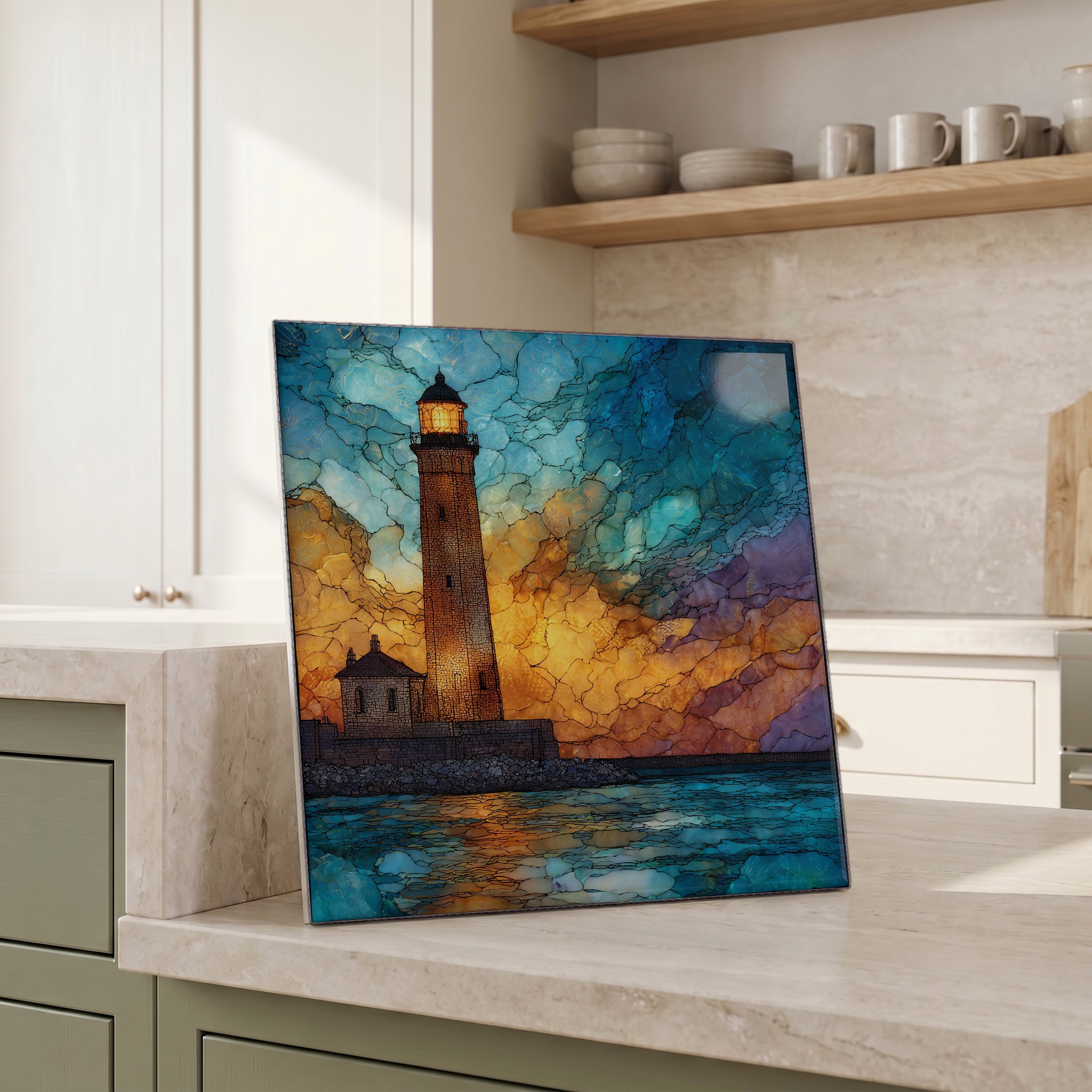
Beside the kettle, propped on the counter.
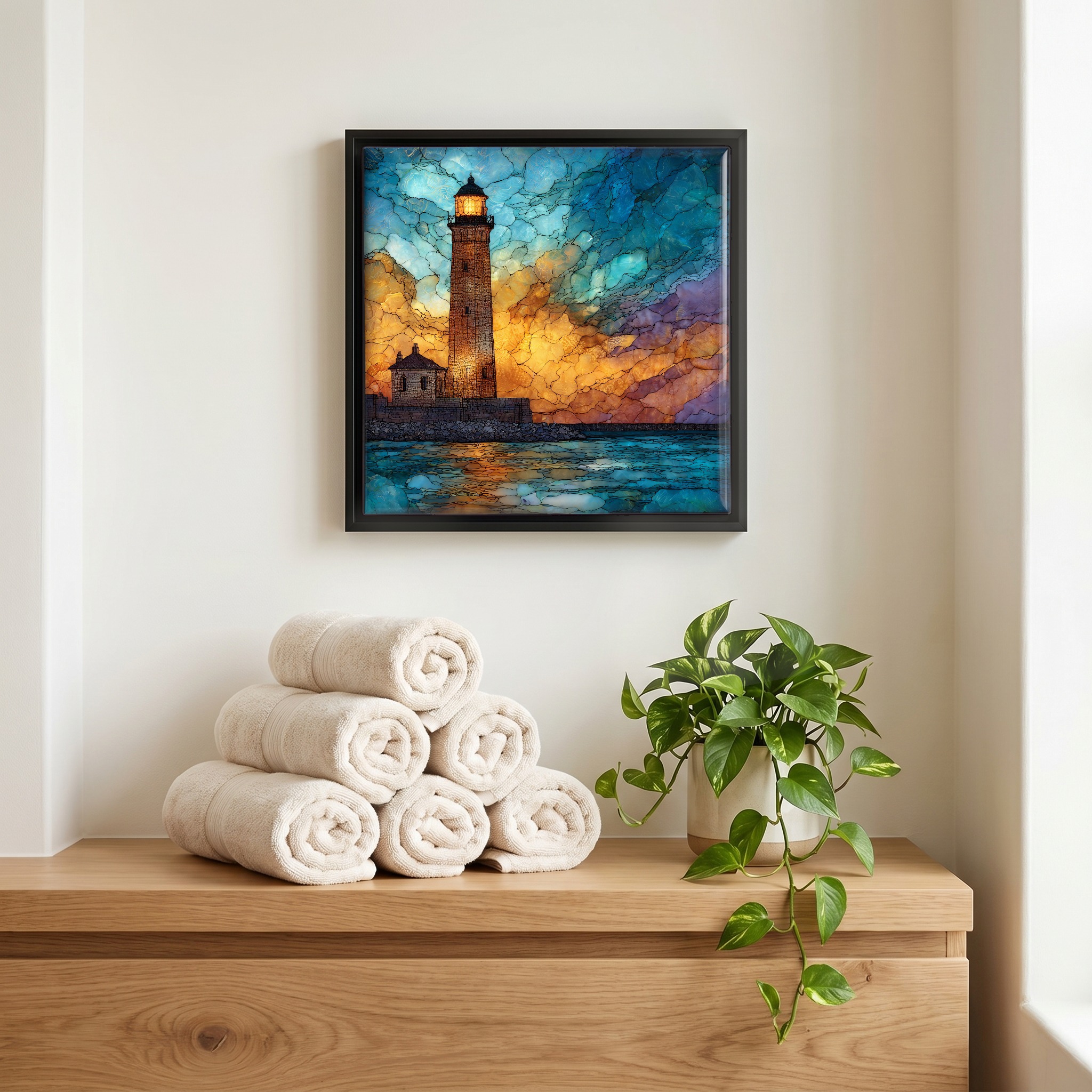
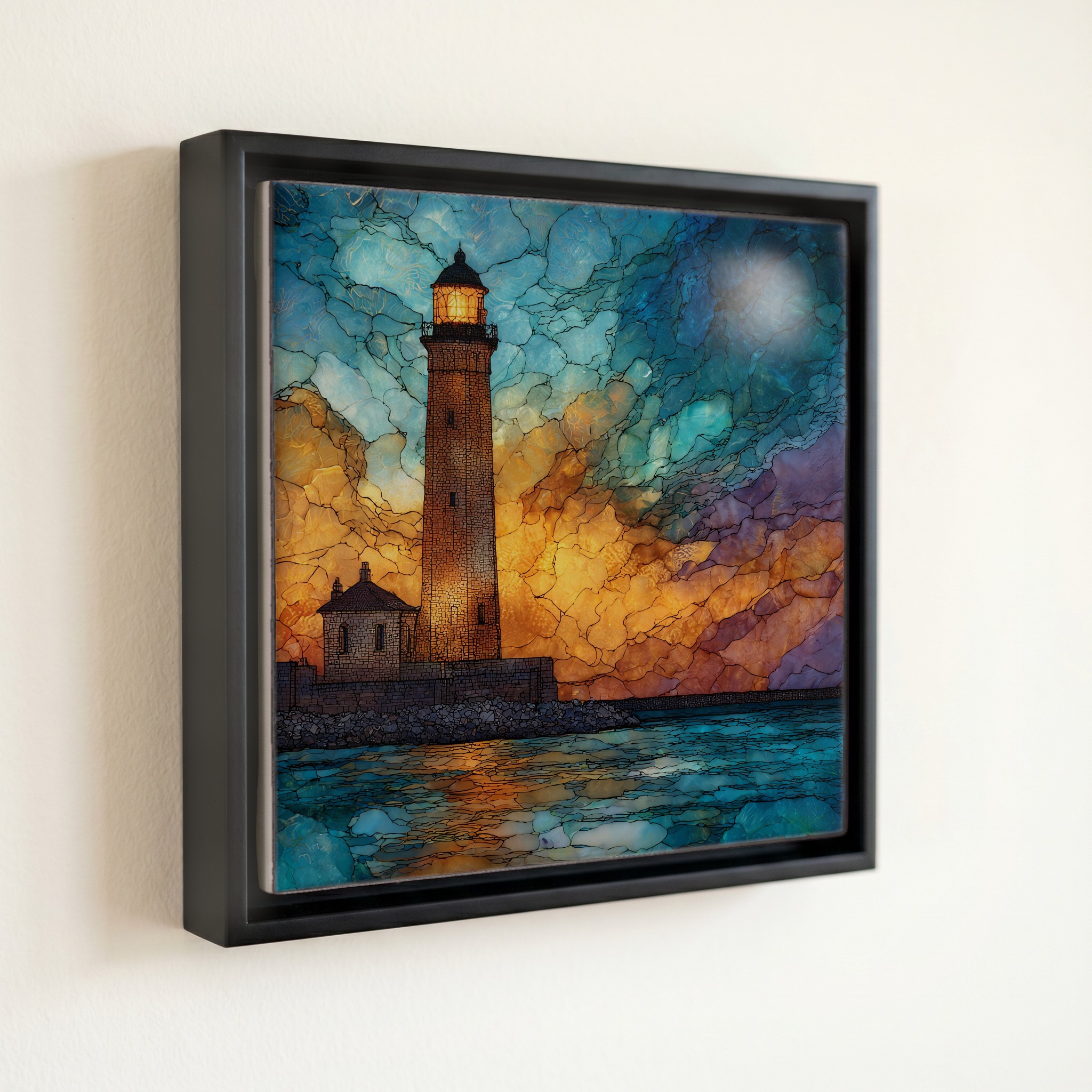
Above the linens, in a slim black surround.
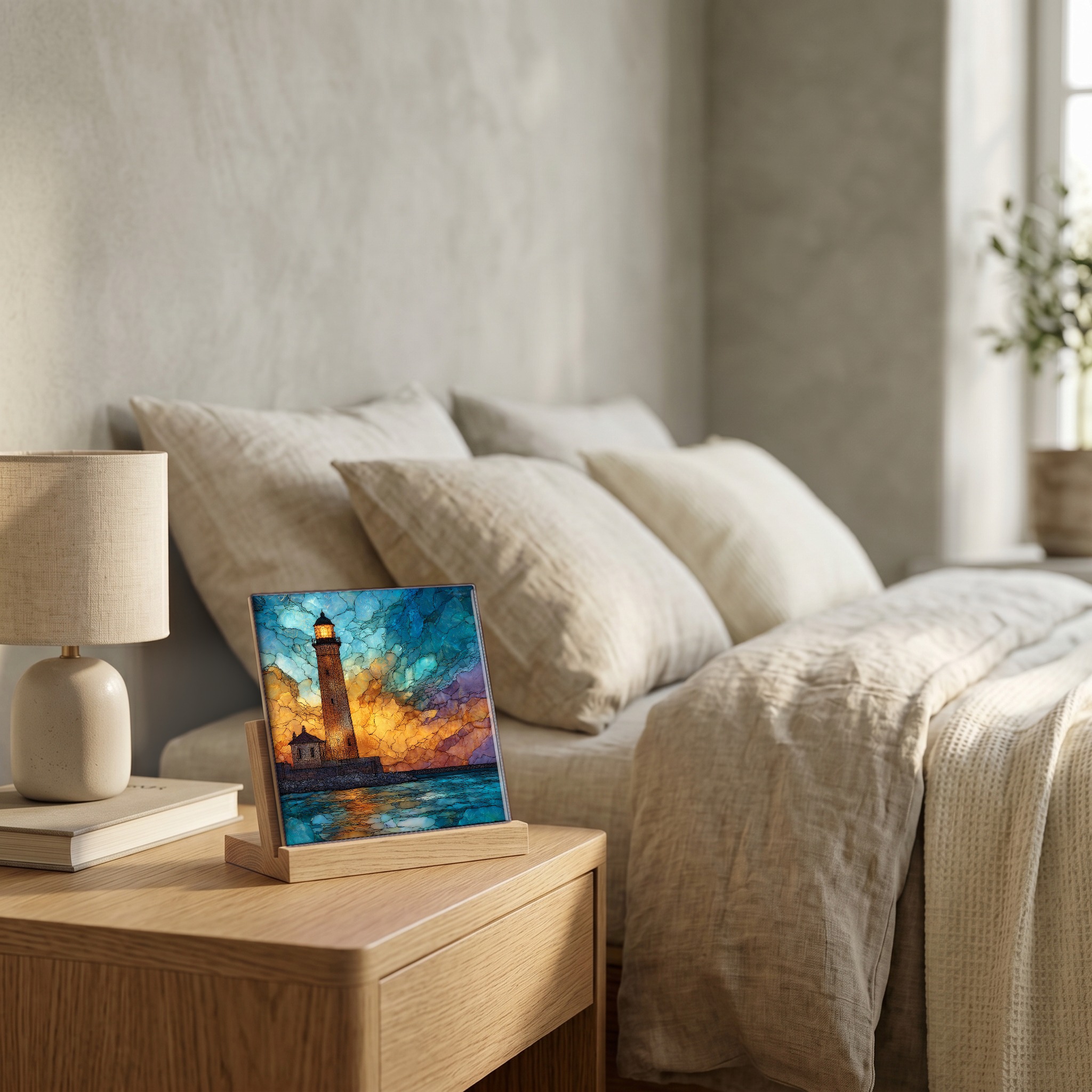
On the nightstand, on a light oak stand.
On a picture ledge, where the light comes in.
a note from the studio

Genoa runs straight down a slope into the Ligurian Sea. The harbour is the floor of the city; narrow streets, the caruggi, climb the hill behind it, and the Lanterna has stood at the western edge of the port since 1543. The current tower replaced a medieval one first lit in 1128. A working port and a museum at once. Renzo Piano, born here, gave the old basin its modern face for the quincentenary in 1992. There are mornings the light off the water is so bright the city above the harbour reads almost white.
from the studio
shown in a slim black floating frame · 6 × 6 in
— bring it home

Genoa Harbor, on ceramic.

Each tile is finished by hand in our Knoxville studio. Artwork is slowly infused into the ceramic surface under high heat and pressure, and rests beneath a thin glossy finish. The colour lives in the surface, not on top of it.

What kind of piece?
One tile — square or rectangle.
How big?
the popular one — counter, shelf, nightstand
6 × 6 in · 15 cm · 1.6 lb
Surface finish
A clear glossy finish — the artwork reads as if under resin. Ideal for show-pieces and framed wall art.
How it sits
A hidden cleat — sits ¼″ proud of the wall.
$58
Hand-finished and shipped from our studio at the foot of the Smokies. On your wall in about ten days.
size
6 × 6 in
15 cm
weighs
1.6 lb
solid in the hand
surface
ceramic, hand-finished
art rests beneath a thin glossy finish
from
Knoxville, TN
our family studio, at the foot of the Smokies
— start a Coaster Set

Pick any four 4-inch tiles — National Parks you've been to, a Smokies set, the four seasons of one place. $ for a set of , cork-backed, ready to live on the table.
comes gift-ready
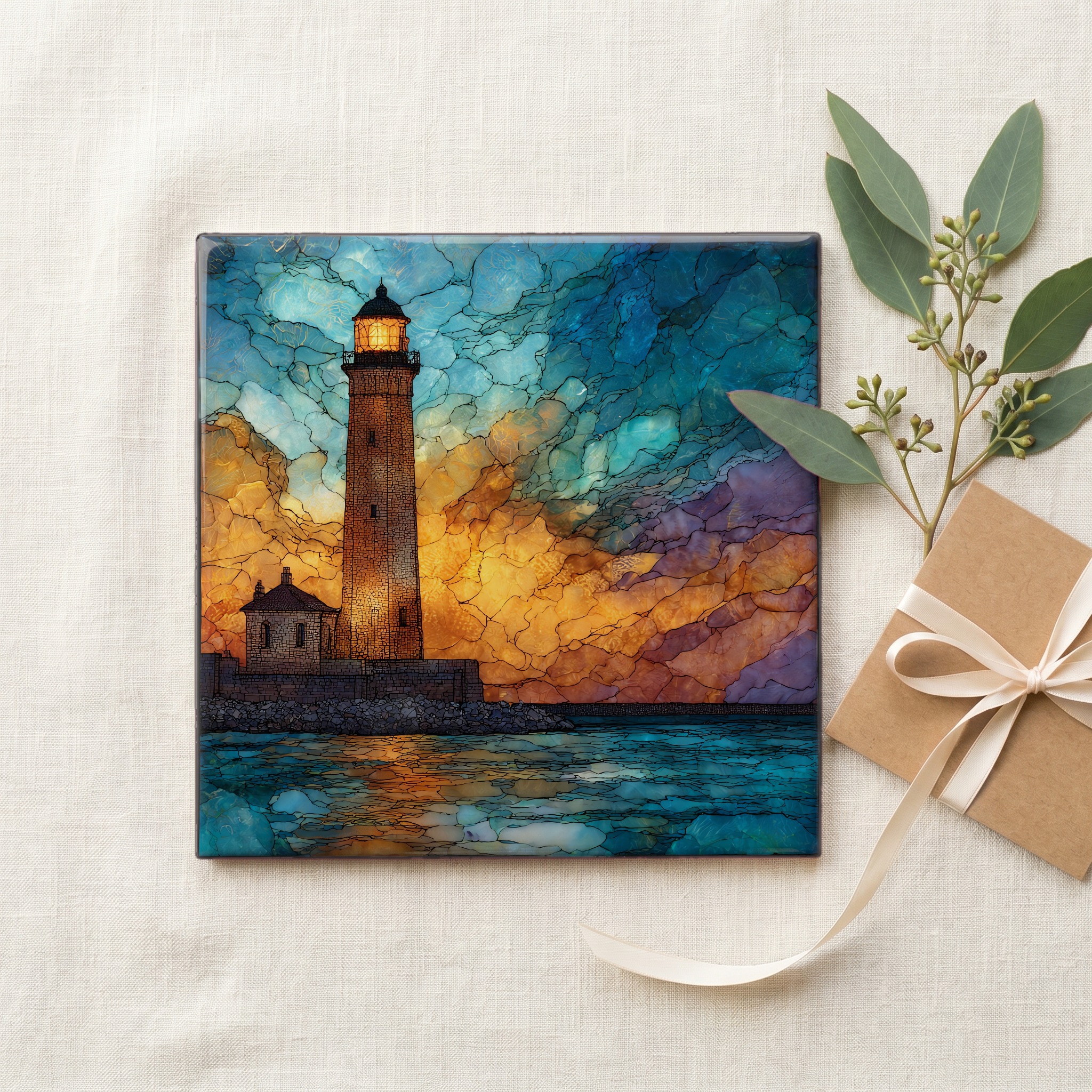
comes gift-ready

Each tile ships in a kraft box, tied with cream ribbon, with a handwritten note from the studio if you'd like to add one.
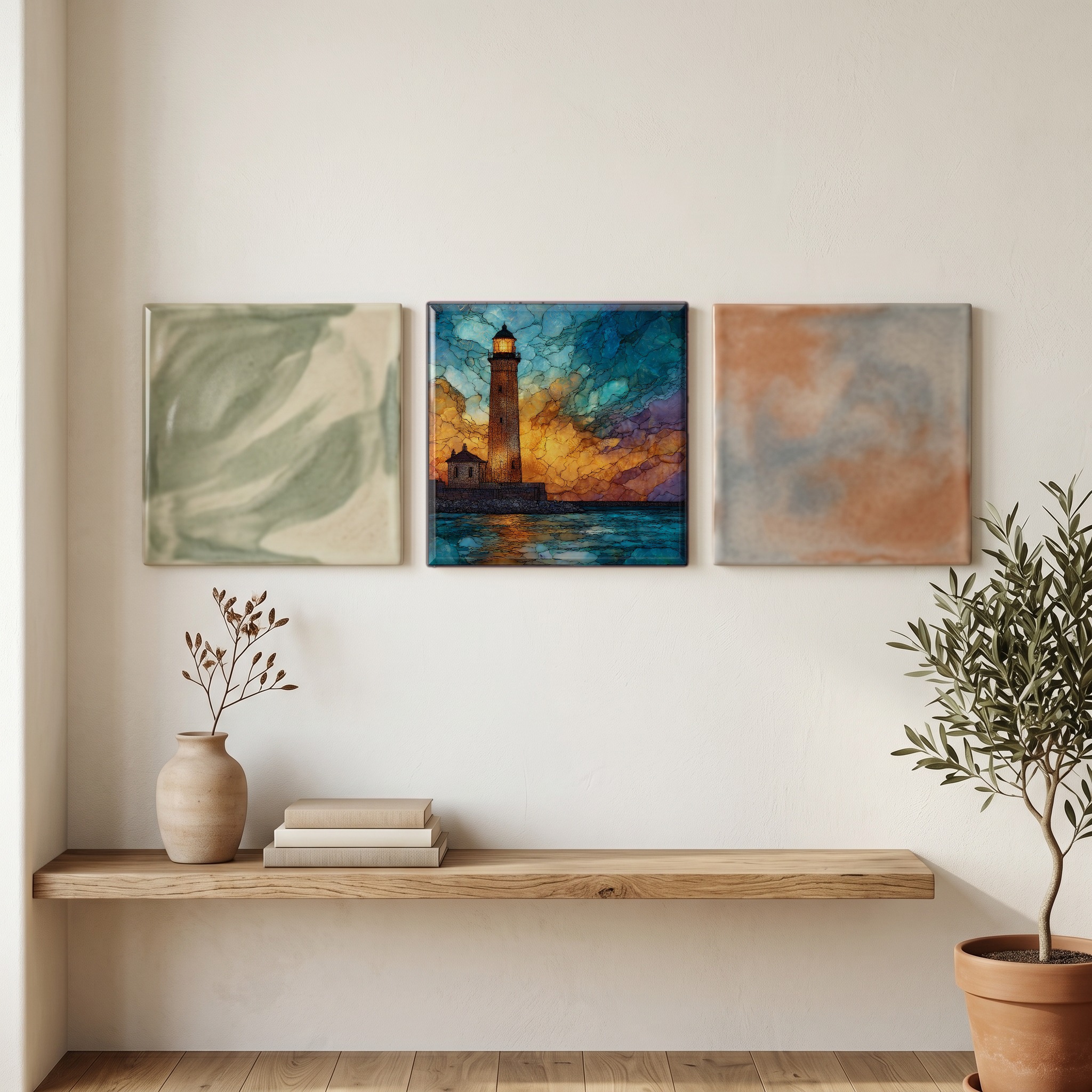
or build a grouping
or build a grouping

Three or five different vistas, hung together — a chapter of places you've been, or want to go.

about Genoa Harbor

The place, in three passes.

A little of what's known, in case you fall down the rabbit hole — or want to go see it yourself.
the place

Genoa is the capital of Italy's Liguria region and one of the country's largest ports, sitting on the Ligurian Sea where the Apennines fall away into the Mediterranean. The Old Port, the Porto Antico, has been the city's working waterfront for over a thousand years and served as the home base of the medieval Republic of Genoa, the maritime power that ran the western Mediterranean alongside Venice. In 1992, Genoa-born architect Renzo Piano oversaw a reconstruction marking five hundred years since Christopher Columbus's first voyage, opening the harbour back to the city. Today the port is reachable by air via Cristoforo Colombo Airport, by train from Milan in about ninety minutes, and by sea from Sardinia, Sicily, Corsica, and Tunisia.

the stone

The Lanterna, the city's lighthouse on the Capo di Faro promontory, is the western marker of the harbour and one of the oldest working lighthouses in the world. The current tower, built in 1543 to replace a structure first lit in 1128, stands 77 metres tall on a 40-metre cliff, so its light burns roughly 117 metres above the sea. The masonry is local stone. For centuries it has been the first sight of home for Genoese sailors returning from the trading posts in the Levant, the Black Sea, and the western Mediterranean. The Lanterna appears on the city flag and on the harbour-mouth horizon of most paintings of Genoa since the seventeenth century.

the light

The Gulf of Genoa opens westward into the Ligurian Sea, so afternoons end with the sun setting straight into the water at the harbour mouth, behind the Lanterna. The light on the harbour is the silver-blue of the western Mediterranean reflected off limestone and sea. The Ligurian Apennines rise close behind the city, throwing the old quarter into shade by mid-afternoon while the breakwater and the boats stay lit. Painters of the Genoese school, including Bernardo Strozzi (1581-1644) and Alessandro Magnasco (1667-1749), worked with this light. The same long western exposure is why the harbour features in many of the marine paintings held in the Palazzi dei Rolli along Via Garibaldi.

where
Italy · Genoa, Liguria
elevation
0 m · 0 ft
position
44.4090° N · 8.9265° E
the neighborhood

What's nearby.

A handful of named places within an hour's walk or short drive. Some we've already painted; some we will.
1 km W
Lanterna di Genova
historic lighthouse
at the lake
Acquario di Genova
aquarium and Renzo Piano complex
1 km N
Via Garibaldi
UNESCO street of Renaissance palazzi
5 km E
Boccadasse
fishing-village neighbourhood
35 km SE
Portofino
Ligurian harbour village
N
Genoa Harbor
Lanterna di Genova
Acquario di Genova
Via Garibaldi
Boccadasse
Portofino
common questions

What people ask.

A few questions we get about Genoa Harbor — and about bringing the piece home.
about the place

Genoa Harbor sits on the Ligurian Sea in northwestern Italy, at the foot of the Ligurian Apennines and the southern edge of the Liguria region. The harbour is the floor of the medieval city and stretches from the Lanterna lighthouse in the west to the eastern breakwater.

The Lanterna, first lit in 1128 and rebuilt in 1543, is one of the oldest working lighthouses in the world and the visual signature of Genoa. It stands 77 metres tall on a 40-metre cliff at the western edge of the port and appears on the city flag.

Renzo Piano, the Italian architect born in Genoa in 1937, redesigned the Old Port for the 1992 Columbus quincentenary. His interventions include the panoramic Bigo lift, the Biosfera greenhouse, and the layout that reopened the harbour to the city after a century of warehouses cut it off.

Christopher Columbus was born in Genoa in 1451, and the Porto Antico's modern face was built for the 1992 Genoa Expo marking five hundred years since his first voyage. The Casa di Colombo, the house associated with his childhood, still stands a short walk from the harbour.

Genoa is reachable by train from Milan in about ninety minutes, from Rome in roughly four hours, and from Nice in three. Cristoforo Colombo Airport sits seven kilometres west of the harbour. Ferries run from the port to Sardinia, Sicily, Corsica, and Tunisia.

The Porto Antico holds the Aquarium of Genoa, the largest in Italy, the Galata Maritime Museum, and Renzo Piano's Biosfera and Bigo. The Lanterna stands above the western breakwater. Behind the harbour the caruggi, Genoa's narrow medieval alleys, climb the hill into the old town.

May and June, or September and early October, give Genoa its warmest light without August's humidity and cruise-ship crowds. The Mediterranean climate is mild from late spring through autumn. Winter is wet but rarely freezing, and the working harbour stays open through every season.

about the piece in your home

Genoa has one of Italy's largest emigrant diasporas, particularly to Argentina, Uruguay, and the Americas. The Porto Antico and the Lanterna are the strongest visual claims to home for the Genoese. A Small in Glossy with a handwritten note from the studio carries well.

The piece reads jewel-toned and painterly. It sits well with Mediterranean-modern interiors, Italian heritage rooms with warm woods and terracotta tones, and coastal-modern spaces that lean into blue and ochre rather than white and sand. It can also anchor a maximalist gallery wall.

Coastal-modern is moving toward warmer Mediterranean palettes and away from the cool grey-and-white Hamptons look. The painted blues, terracottas, and dark Lanterna silhouette read as Italian-coast rather than New England. The Medium and the Large work as the anchor piece in that direction.

Above a standard sofa, a single Large reads as a stand-alone painting; a 4-tile Mural fills the space behind a deeper sectional, and a 9-tile Mural carries a long wall. Above a console, the Medium or a 4-tile Mural are the natural fits.

Yes. For kitchens, backsplashes, and bathrooms, choose the Dura Satin or Matte finish rather than the Glossy. Both are scratch-resistant, and the colour lives in the ceramic surface, so steam and water exposure do not affect the artwork over time.

A soft microfibre cloth and warm water are enough. The colour is slowly infused into the ceramic surface under high heat and pressure, beneath a thin clear finish, so there is no painted layer to lift. Avoid abrasive scouring pads and acidic cleaners.

Yes. The Genoa Harbor piece is part of WenderVista, Wender Studios' line of place portraits, and is not licensed from anywhere else. Reid Wender, the studio's curator, chose Genoa for the atlas and oversaw the painting through the studio's visual program.

if this one stayed with you

A few you might also love.

Hand-picked by the eye that found Sorapis. Same air, same kind of quiet.
— a collection

The Italian Dolomites,
painted slow.

The valleys between Cortina and Val Gardena, the tarns you walk an hour to see, the towers that turn the colour of a banked fire just before dark. Wander the collection by valley, by season, or follow the path Reid walked.

Tre Cime
Braies
Misurina
Sorapis
Cinque Torri
Sassolungo
Marmolada