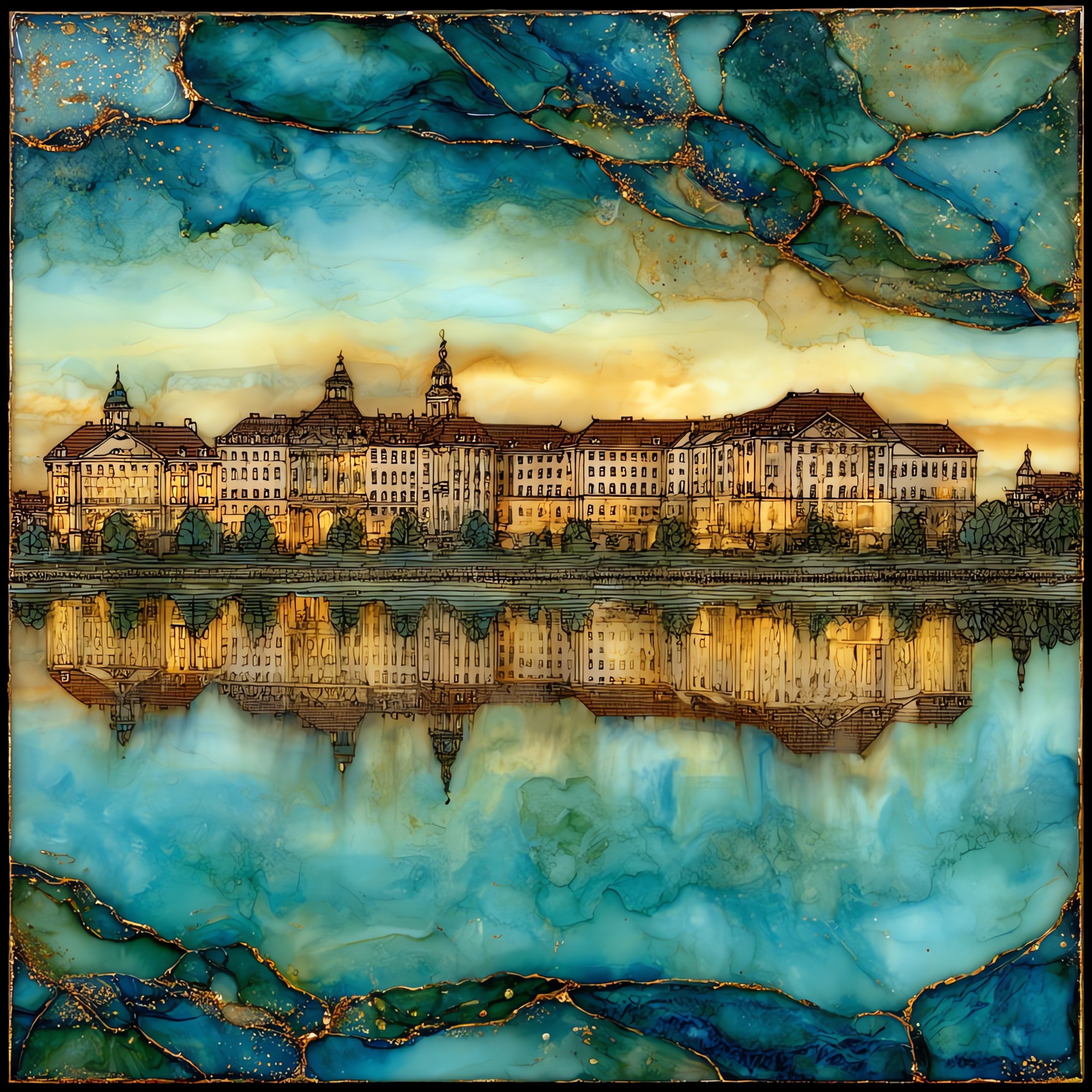
Ducal Palace of Mantua
— — a city behind one door.
Not only on a wall.
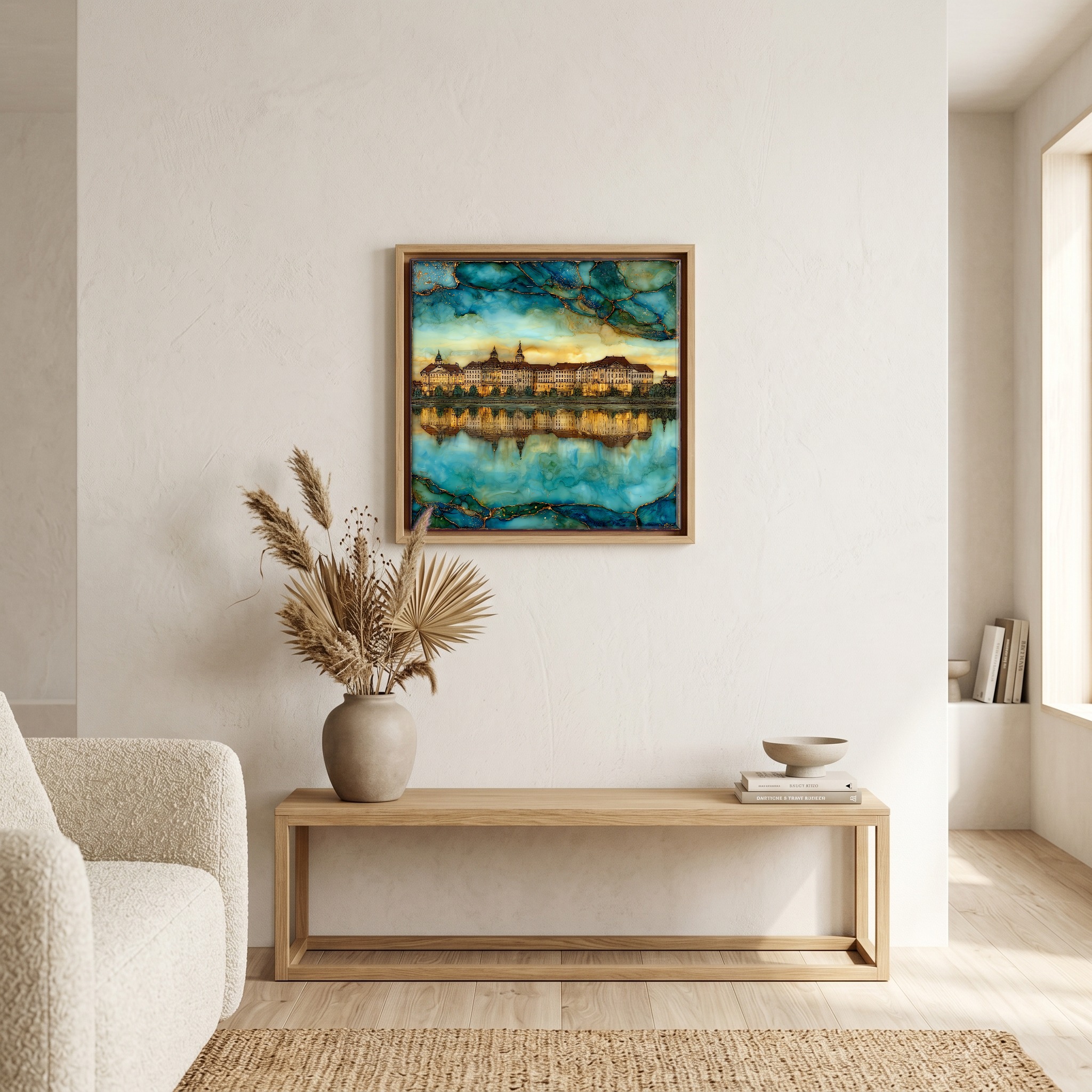
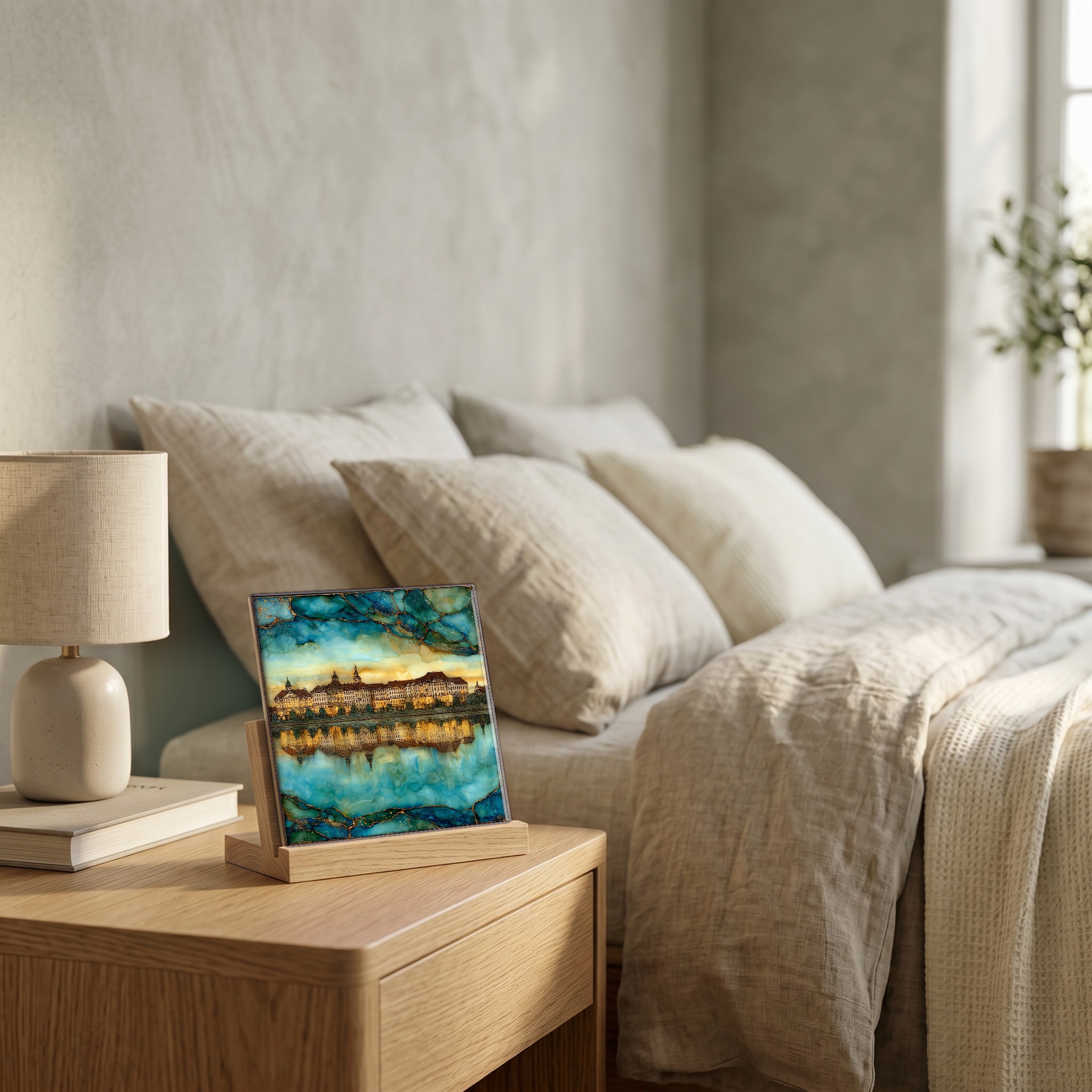
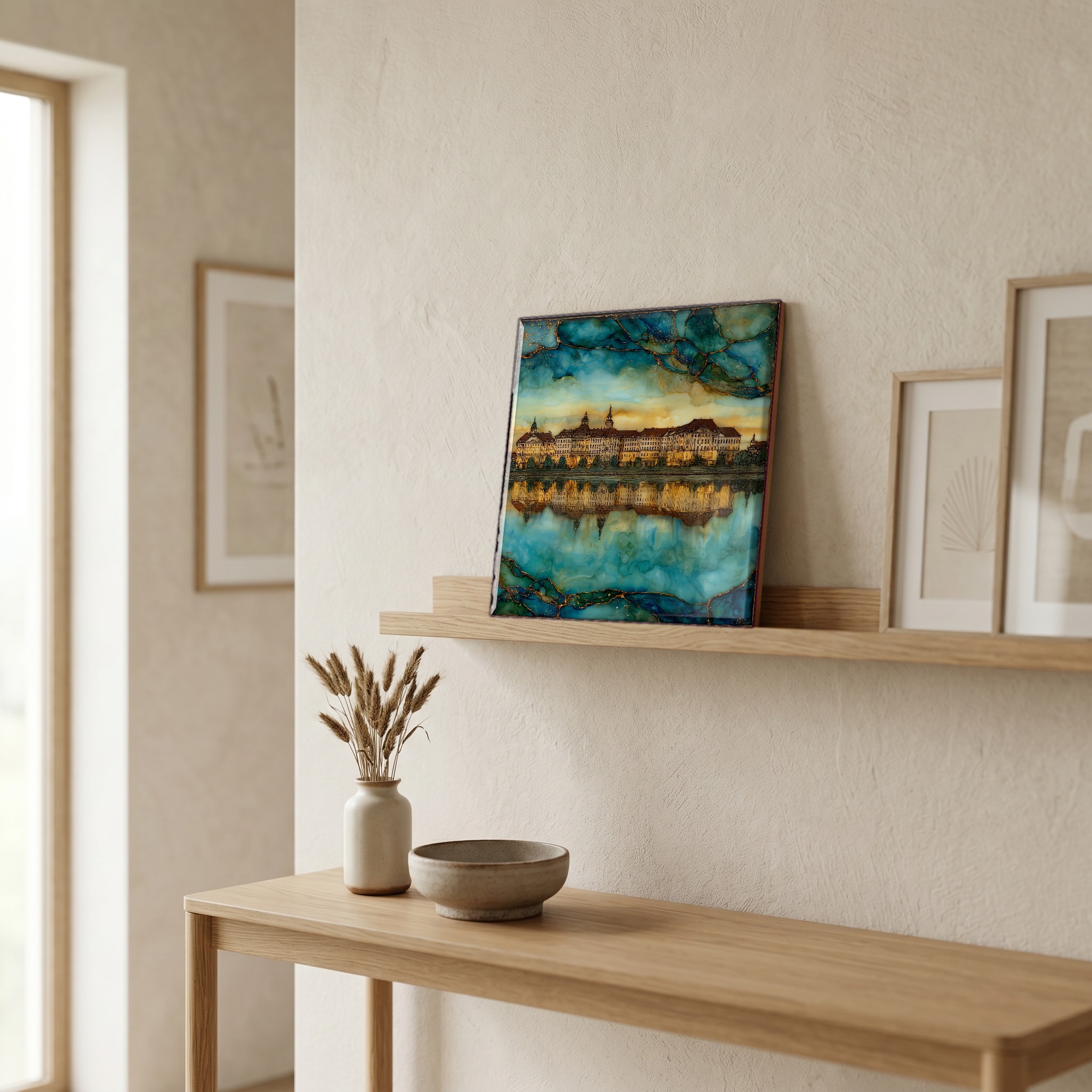
“A complex more than a single palace: five hundred rooms, twelve courtyards, a chapel, and the gardens of four centuries of Gonzaga rule, all behind one door on Piazza Sordello. Inside the Castello di San Giorgio at the far end is the room Andrea Mantegna spent nine years painting, the Camera degli Sposi, with the oculus that pretends the ceiling is open to the sky. Locals call the whole thing the reggia. The three small lakes formed by the Mincio sit behind the walls, holding the fog through most mornings in winter.
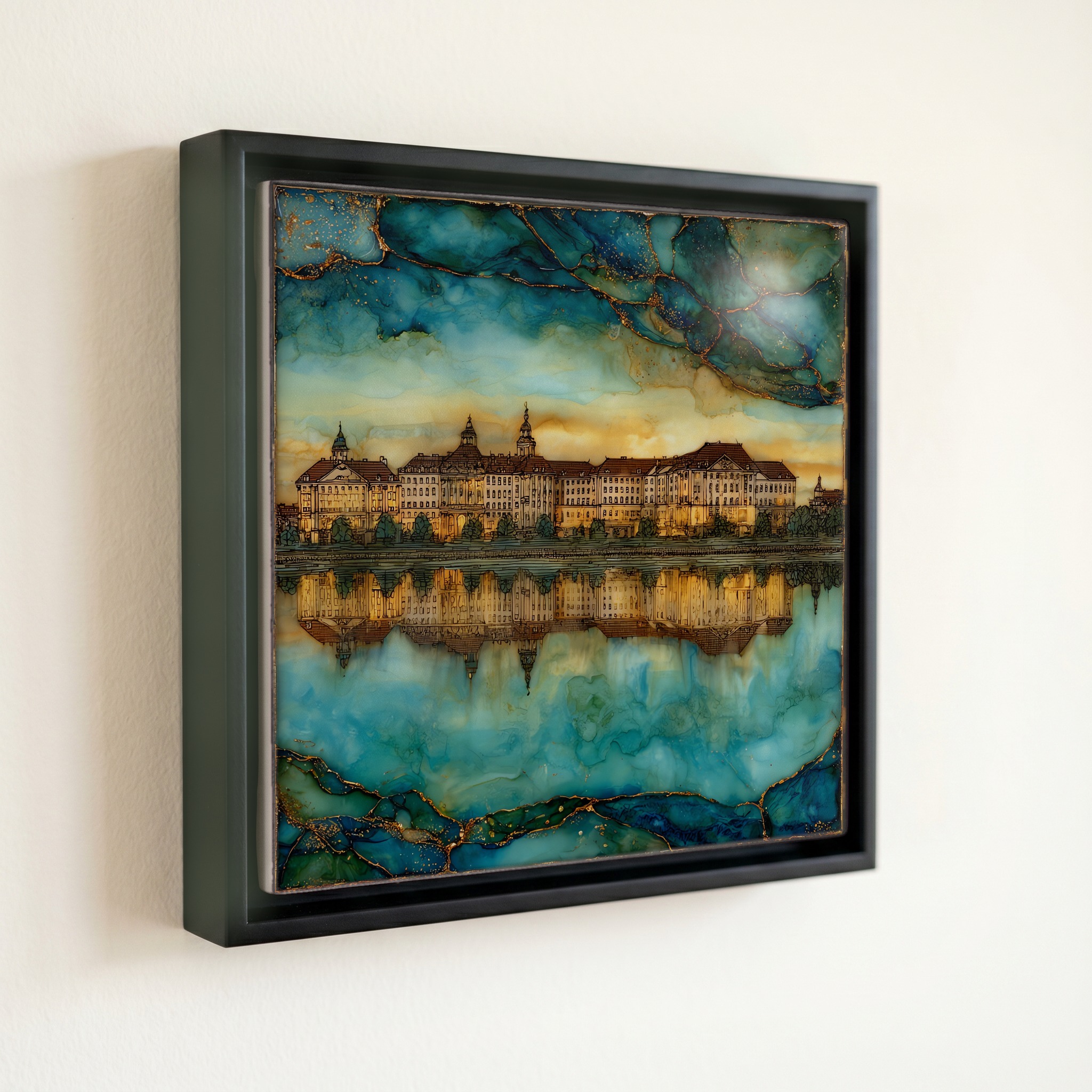
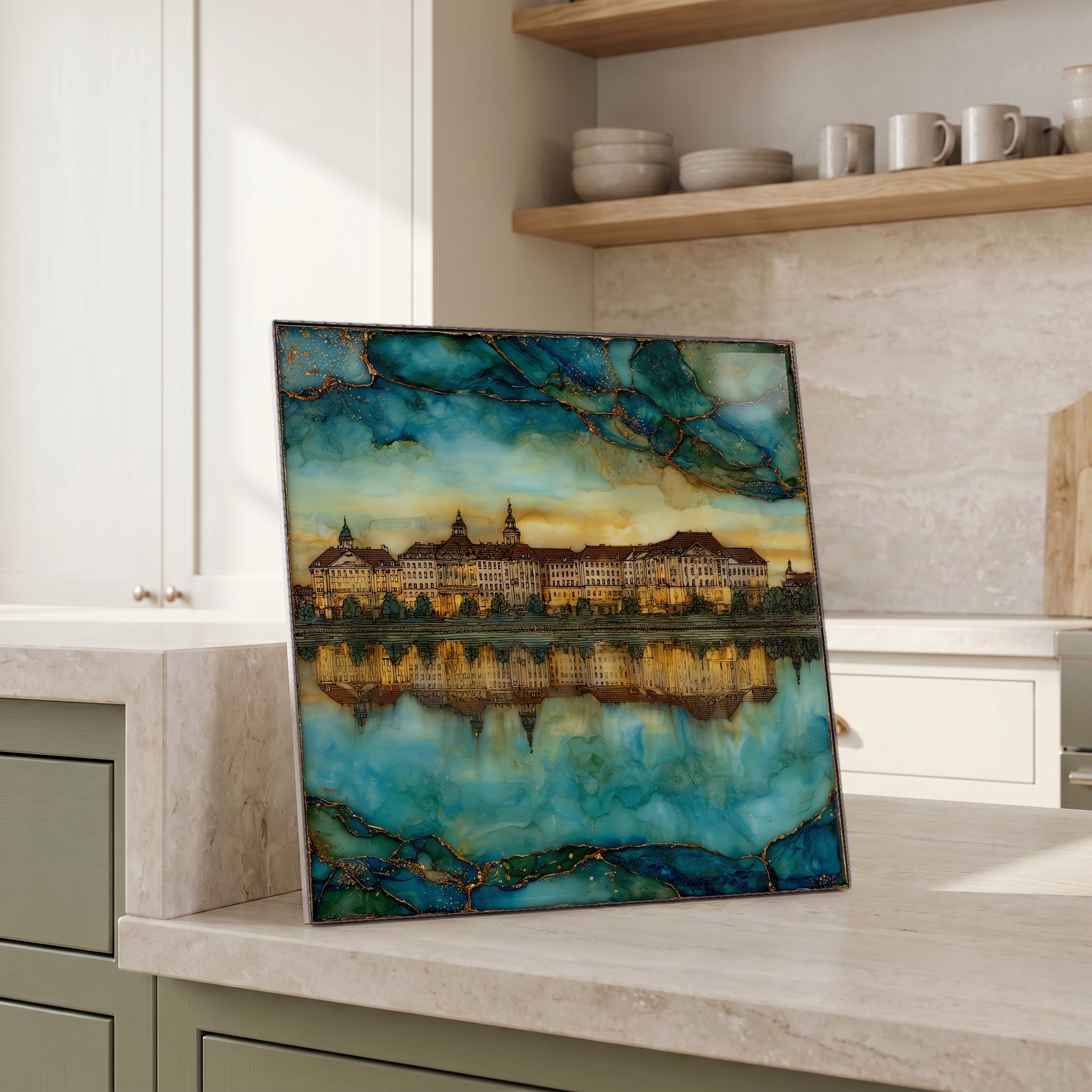
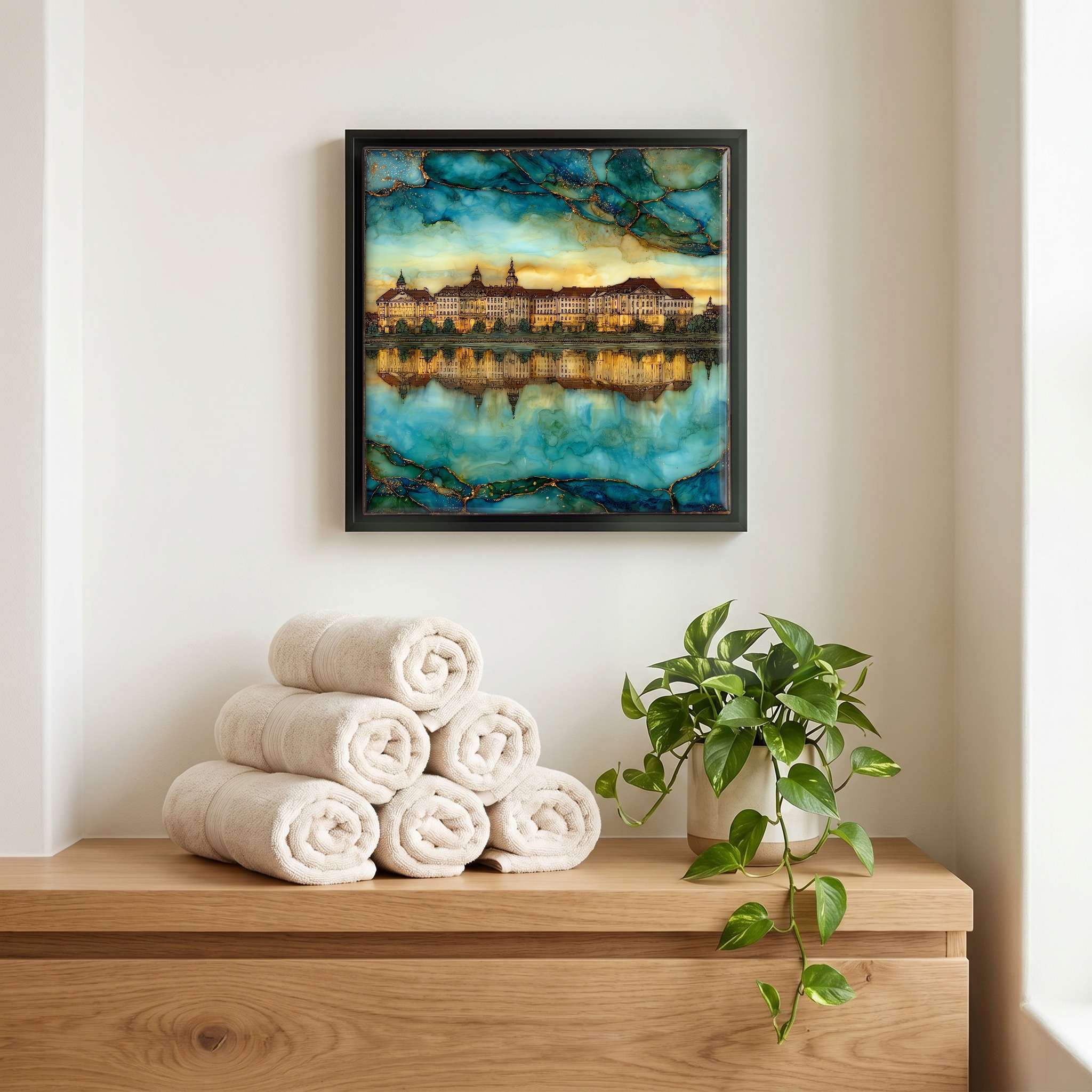
Ducal Palace of Mantua, on ceramic.
Each tile is finished by hand in our Knoxville studio. Artwork is slowly infused into the ceramic surface under high heat and pressure, and rests beneath a thin glossy finish. The colour lives in the surface, not on top of it.
Pick any four 4-inch tiles — National Parks you've been to, a Smokies set, the four seasons of one place. $ for a set of , cork-backed, ready to live on the table.
Each tile ships in a kraft box, tied with cream ribbon, with a handwritten note from the studio if you'd like to add one.
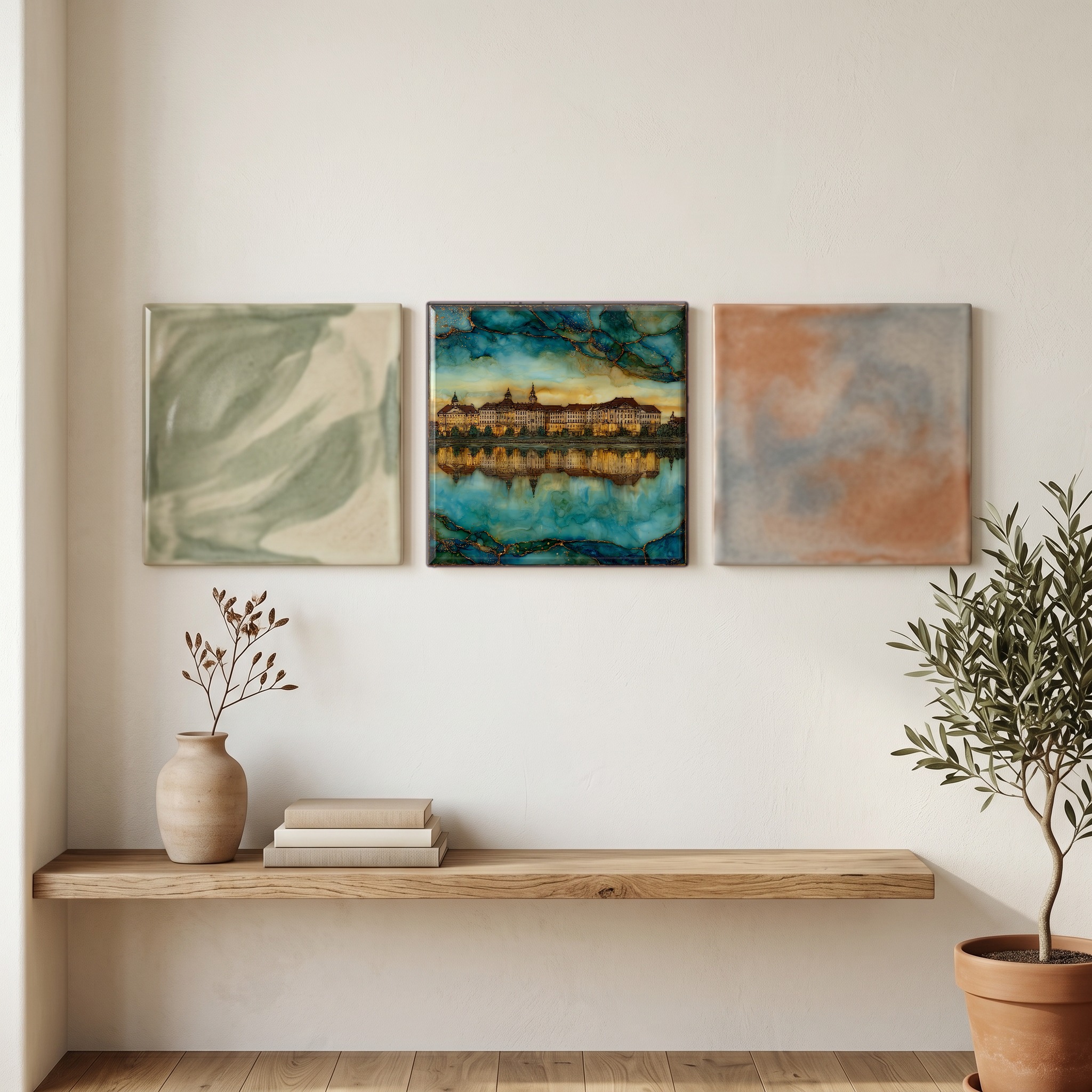
Three or five different vistas, hung together — a chapter of places you've been, or want to go.
The place, in three passes.
The Palazzo Ducale of Mantua is a complex of buildings, gardens, and courtyards on Piazza Sordello in the historic center of Mantua, Lombardy, in the Po Valley about 150 km southeast of Milan. The complex was the residence of the Gonzaga family, who ruled Mantua as marquises and then dukes from 1328 to 1707. The reggia accumulated as one Gonzaga generation after another built outward and inward, until it spanned roughly 34,000 square meters and around 500 rooms. By that count, it is the second-largest palace complex in Europe after the Vatican. The city of Mantua itself was inscribed on the UNESCO World Heritage List in 2008, paired with the nearby town of Sabbioneta.
The complex grew through six centuries by absorbing earlier buildings rather than replacing them. At its eastern edge stands the Castello di San Giorgio, a square brick fortress completed around 1406 by Bartolino da Novara for the marquis Francesco I Gonzaga. On its second floor is the Camera Picta, known as the Camera degli Sposi, the room Andrea Mantegna painted in fresco between 1465 and 1474 for Ludovico III Gonzaga. The ceiling carries the first true illusionistic oculus in Western painting: a circular opening that appears to look up through the dome to a balustrade with putti, peacocks, and a planter teetering at the rim. The walls hold portraits of the Gonzaga court arranged as if the visitor had walked in on them.
Palazzo Ducale di Mantova is a state museum administered by the Italian Ministry of Culture. Entry is at the Piazza Sordello side, and the ticket includes the Castello di San Giorgio and the Camera degli Sposi. The standard route covers fewer than fifty of the five hundred rooms; the rest open only for special exhibitions or scholar access. The museum is closed Mondays, and the day ticket is around 15 euros. Mantua sits on the regional rail line about forty minutes from Verona Porta Nuova and roughly two hours from Milano Centrale via Cremona. The station is a short walk across the old city to Piazza Sordello. Mornings between October and March bring fog off the lakes that often hides the upper floors entirely.