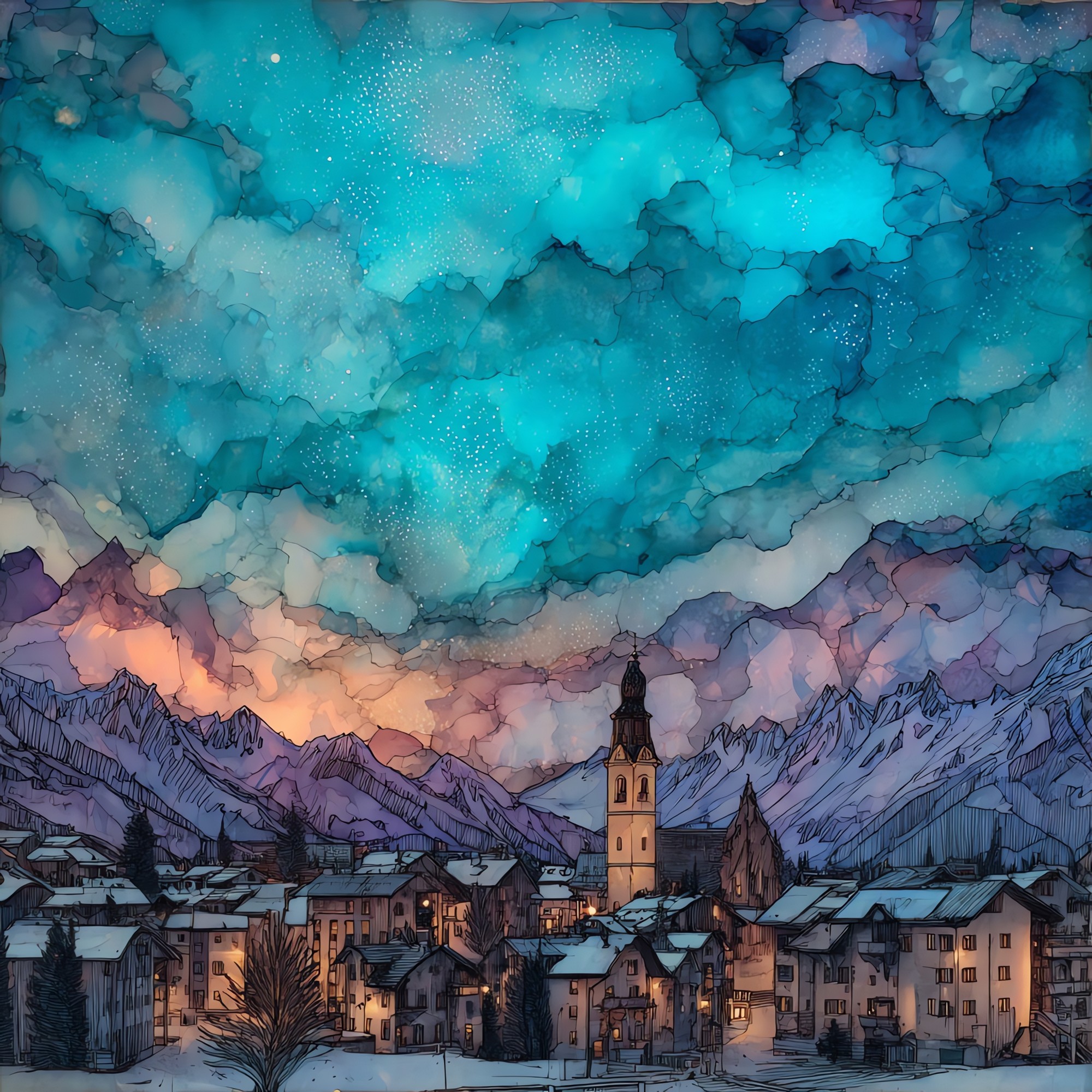
Cortina d'Ampezzo
— — the hour the pale rock turns to rose.
Not only on a wall.
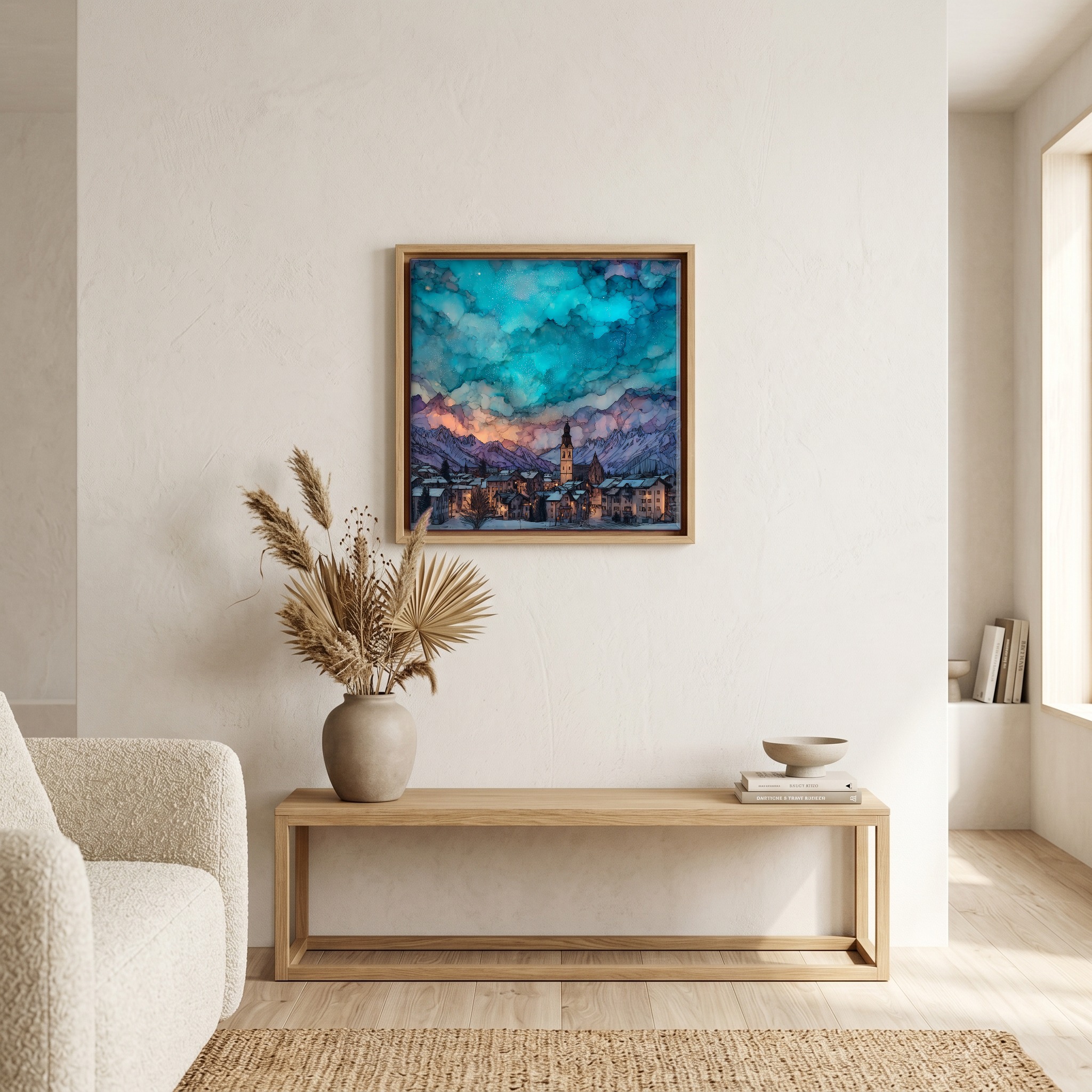
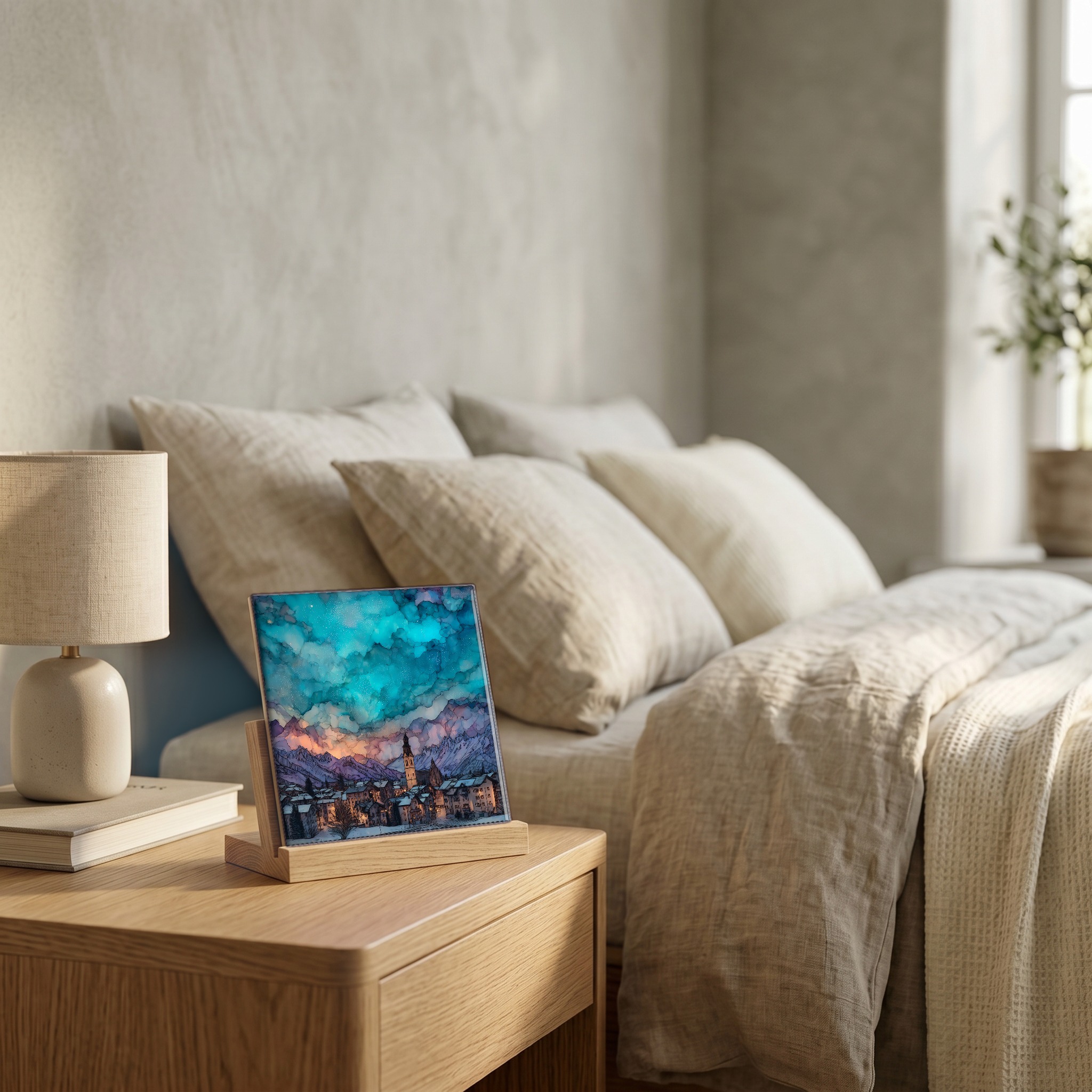
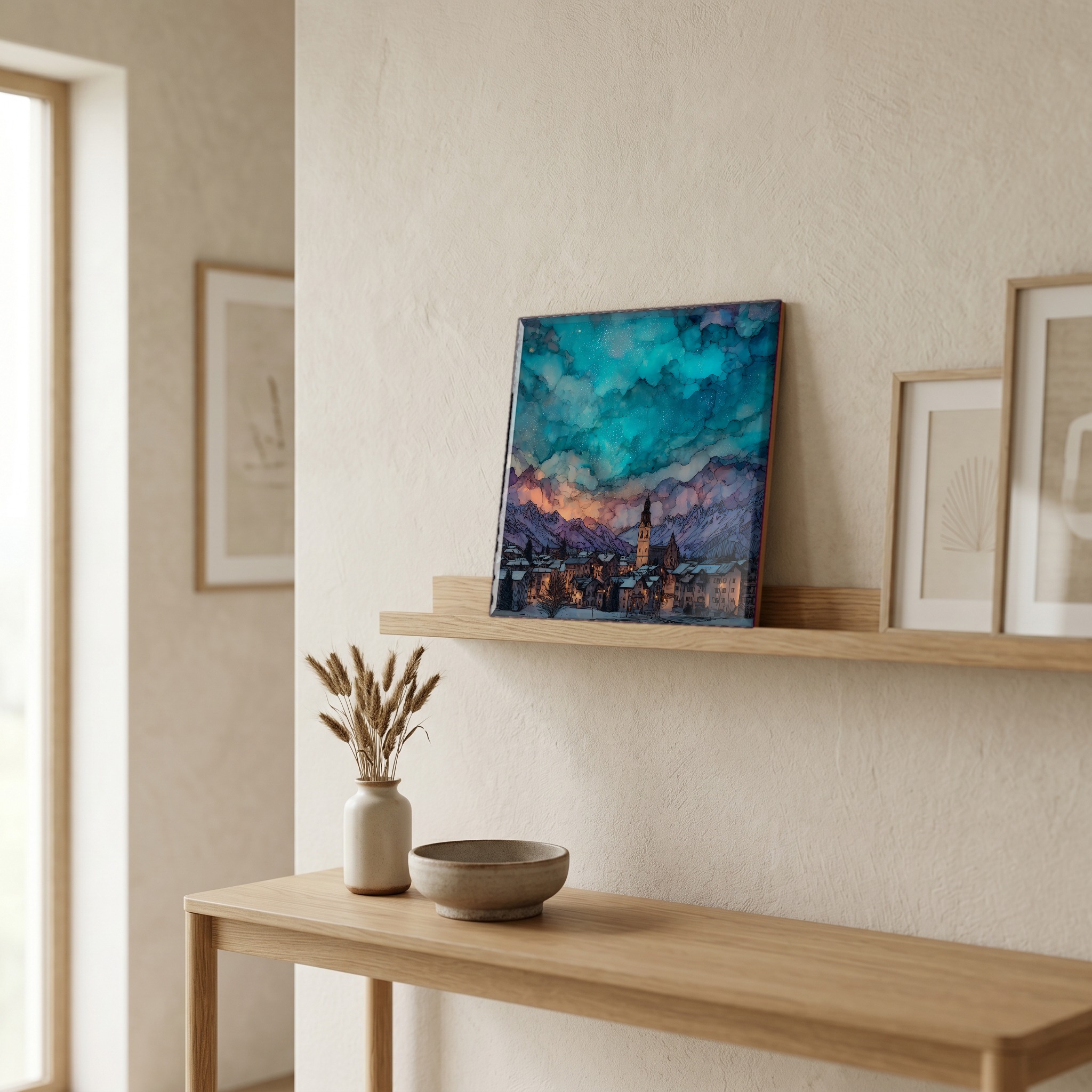
“The town in the bowl of the Ampezzo valley, with the Tofane on one side and Cristallo on the other. Corso Italia is closed to cars, so the loudest sound on a winter evening is boots on cobbles and the bell in the campanile. The peaks are pale limestone, the same rock as Cinque Torri and the Sorapiss group above the lake. For an hour at dusk the grey turns rose, then violet, then lets go. The people who come back every year time their walk for it.
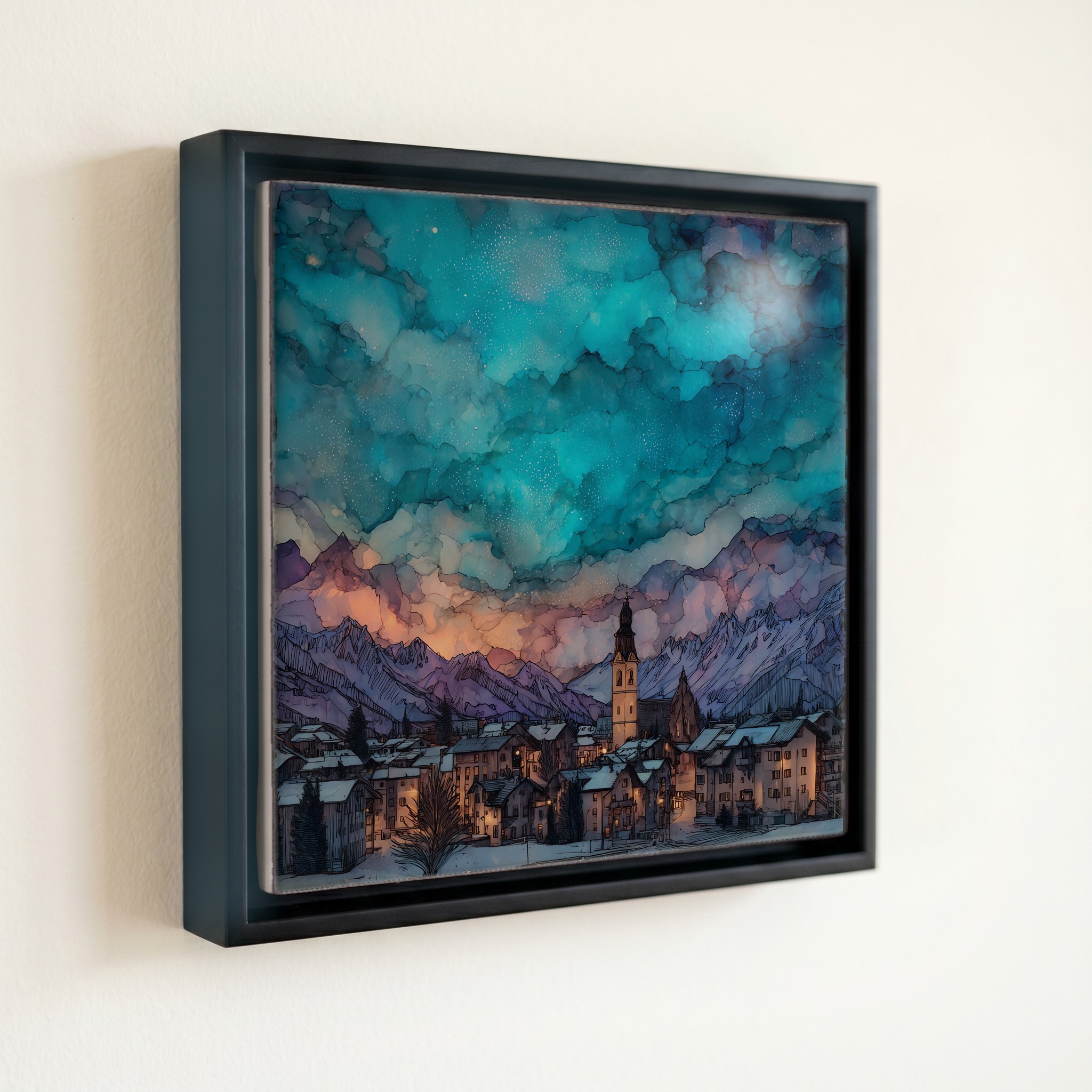
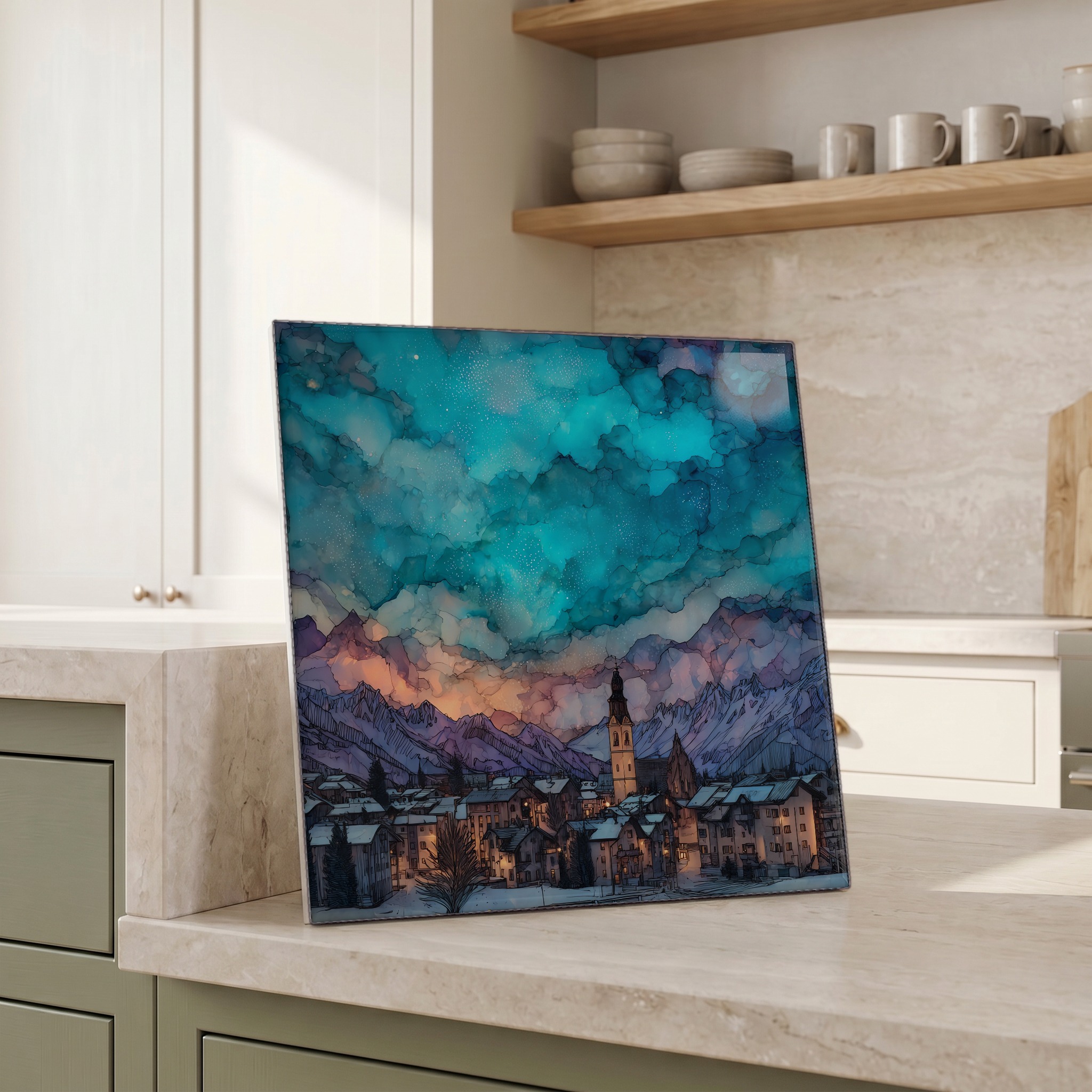
Cortina d'Ampezzo, on ceramic.
Each tile is finished by hand in our Knoxville studio. Artwork is slowly infused into the ceramic surface under high heat and pressure, and rests beneath a thin glossy finish. The colour lives in the surface, not on top of it.
Pick any four 4-inch tiles — National Parks you've been to, a Smokies set, the four seasons of one place. $ for a set of , cork-backed, ready to live on the table.
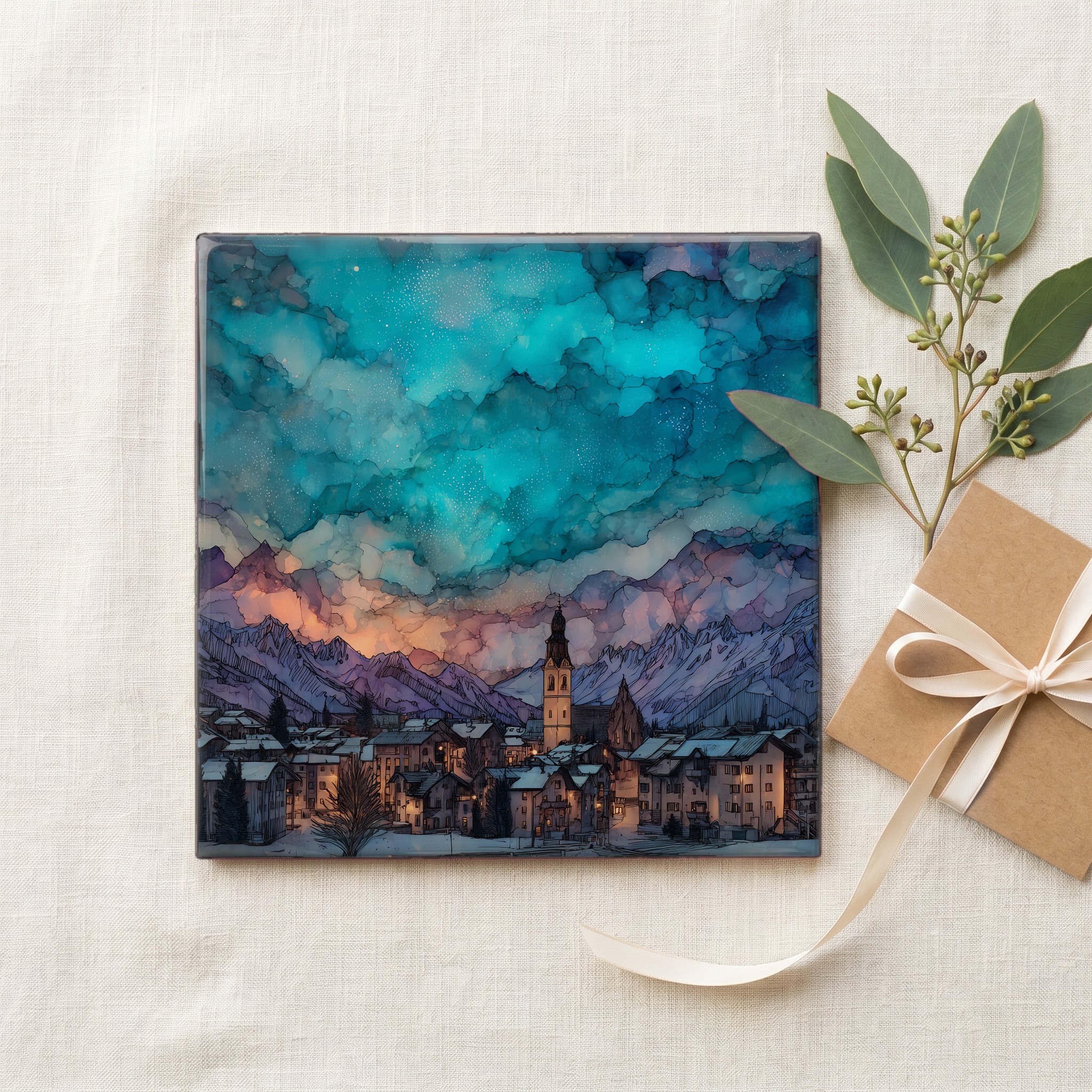
Each tile ships in a kraft box, tied with cream ribbon, with a handwritten note from the studio if you'd like to add one.
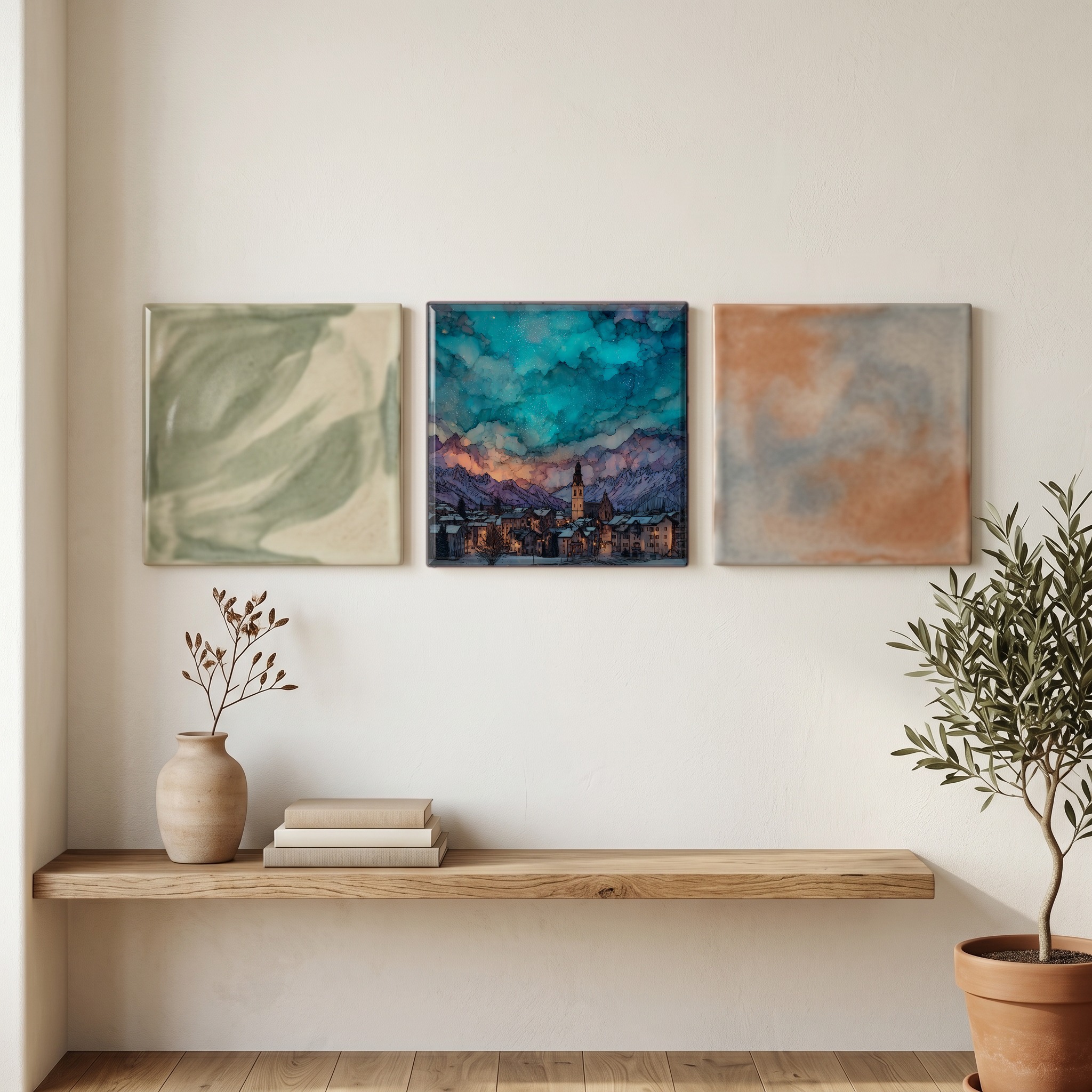
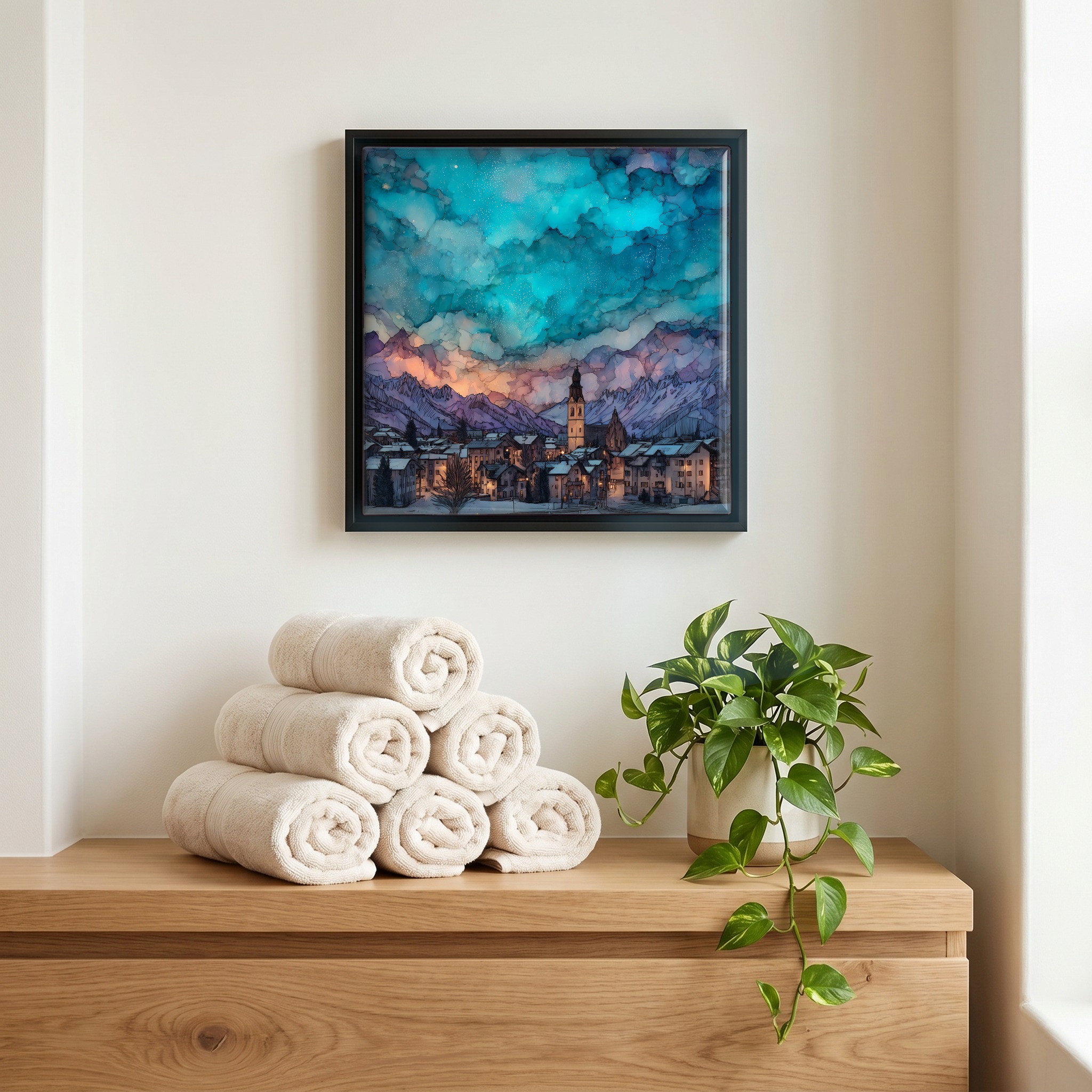
Three or five different vistas, hung together — a chapter of places you've been, or want to go.
The place, in three passes.
Cortina d'Ampezzo sits at 1,224 metres in the Ampezzo valley, in the Province of Belluno in Italy's Veneto region, with the Boite river running through the centre. The resident population is about 5,396, though it multiplies through the ski season. Pale limestone groups ring the town on every side: the Tofane to the west, Cristallo to the northeast, the Sorapiss and Faloria to the east, Pomagagnon to the north, Cinque Torri to the south. The cobbled Corso Italia at the centre is closed to cars. Cortina hosted the Winter Olympics in 1956, the first Games carried on television, and co-hosted them again with Milan in 2026.
The mountains around Cortina are Dolomite, a pale carbonate rock named for the 18th-century French geologist Déodat Gratet de Dolomieu, who first described it. The wider range was inscribed as a UNESCO World Heritage Site in 2009, recognised across nine separate mountain systems for both its geology and its form. The highest peak above the town is Tofana di Mezzo at 3,244 metres, reached by the Freccia nel Cielo cable car in three stages from the valley floor. It is the rock's near-white colour, close to the shade of bone, that lets the evening light do what it does here.
At dawn and again at dusk, the pale peaks turn rose, then deepen toward violet before the colour drains away. The local Ladin word for it is enrosadira, roughly 'turning pink'. It comes from the low angle of the sun: long red wavelengths strike the carbonate rock while the sky overhead has already gone blue, and the mountains hold the warm colour for ten or fifteen minutes after the valley itself has gone dark. The same light crosses the Sorapiss group and Cinque Torri nearby, all of it the same rock catching the last of the day.