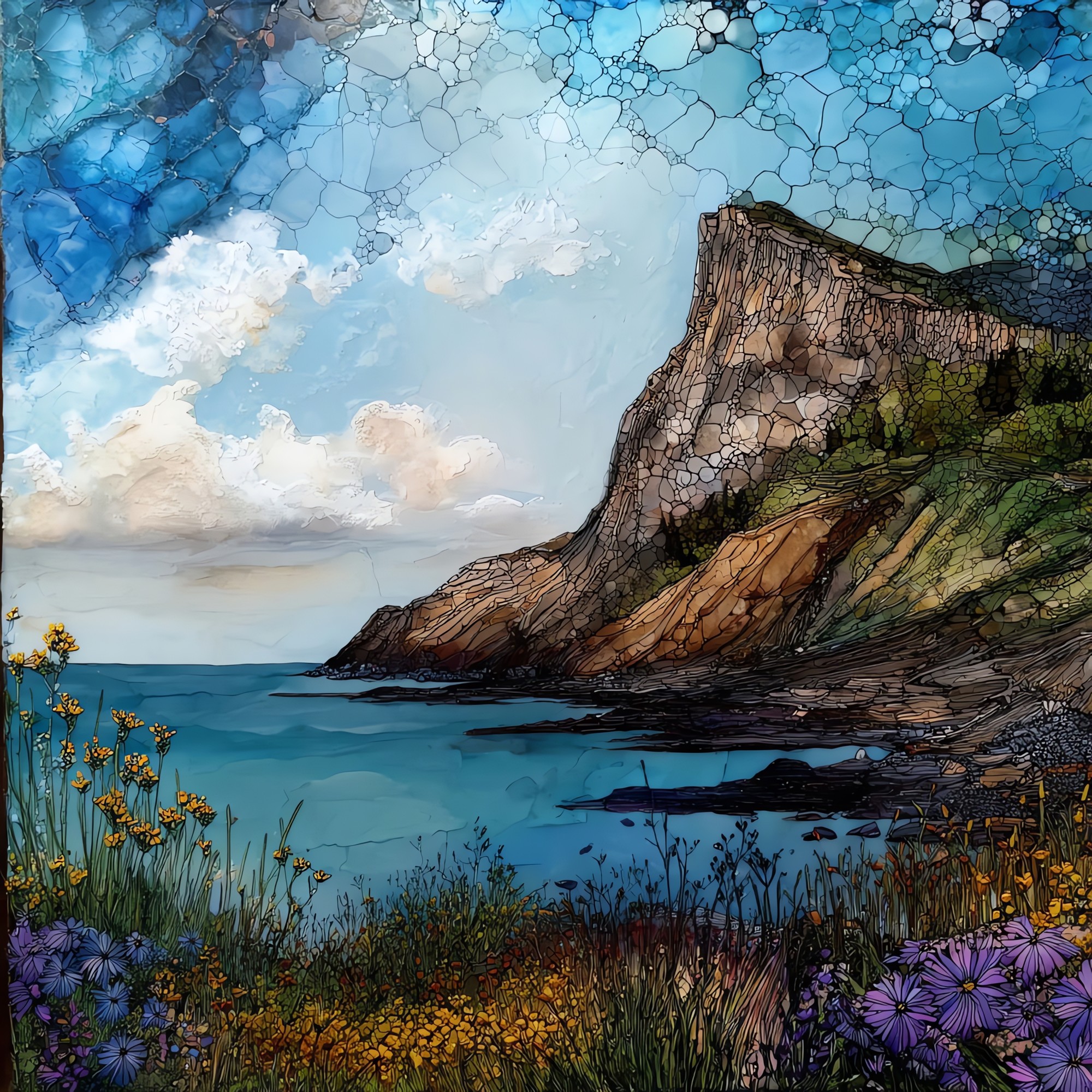
Conero Riviera
— white cliff, green water, no road down.
Not only on a wall.
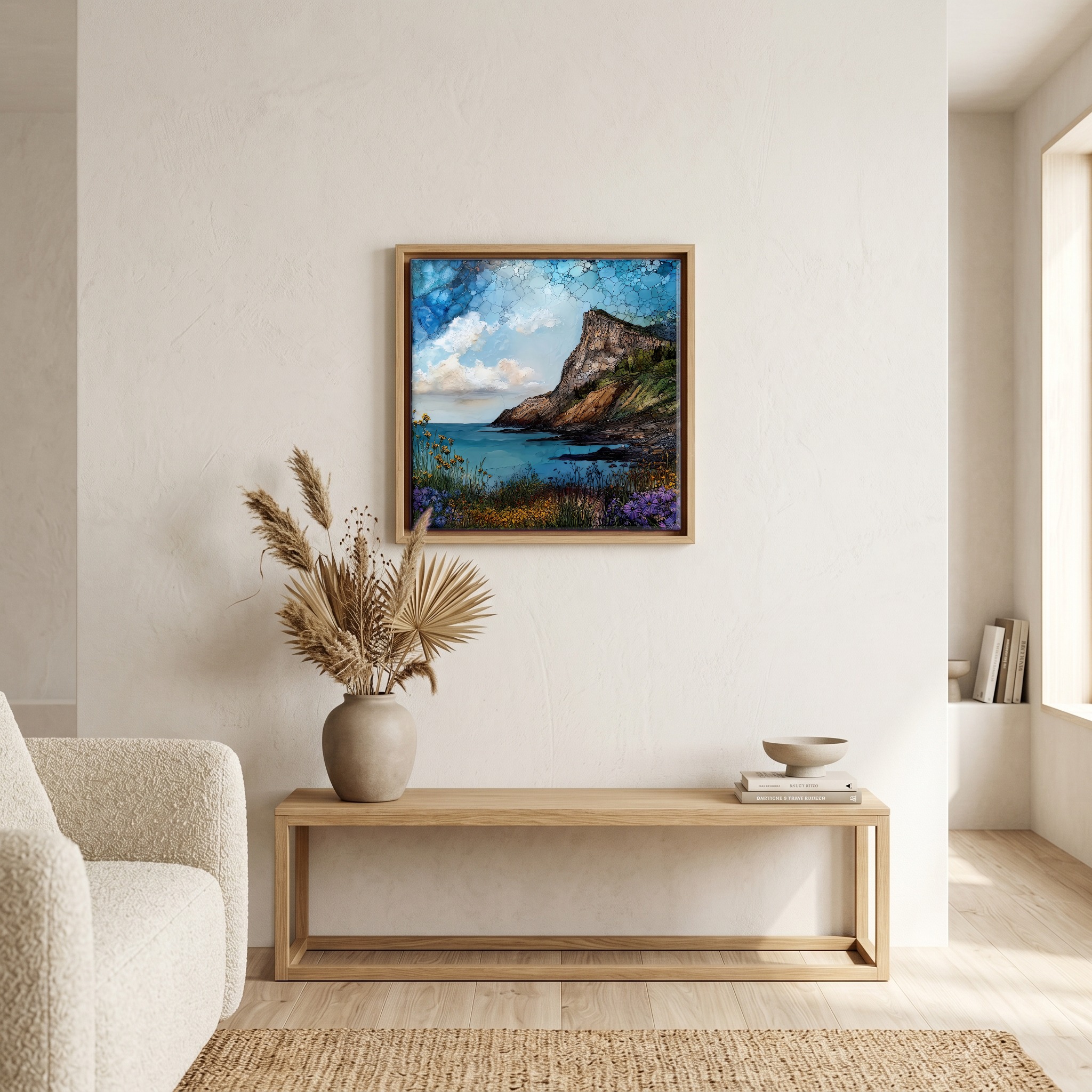
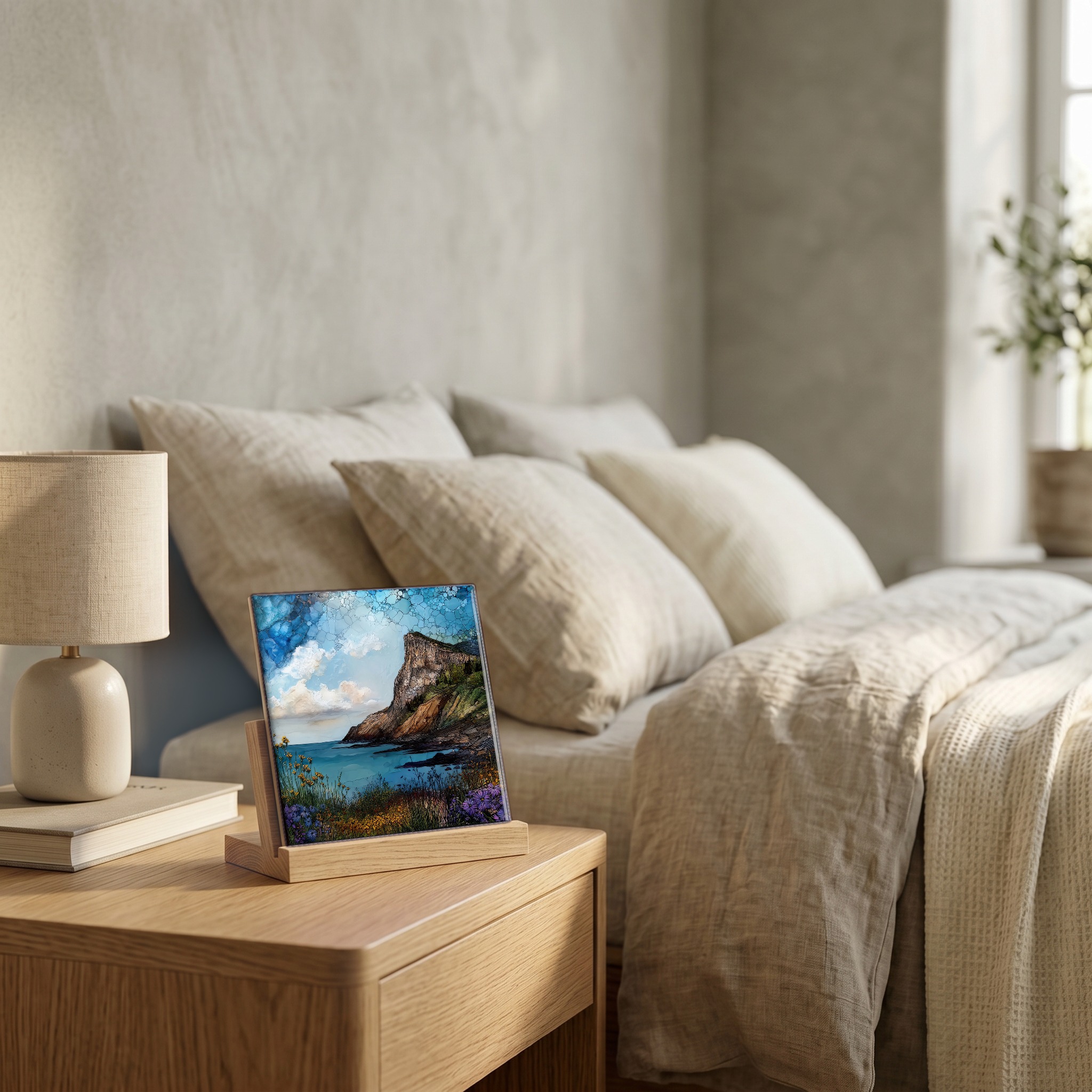
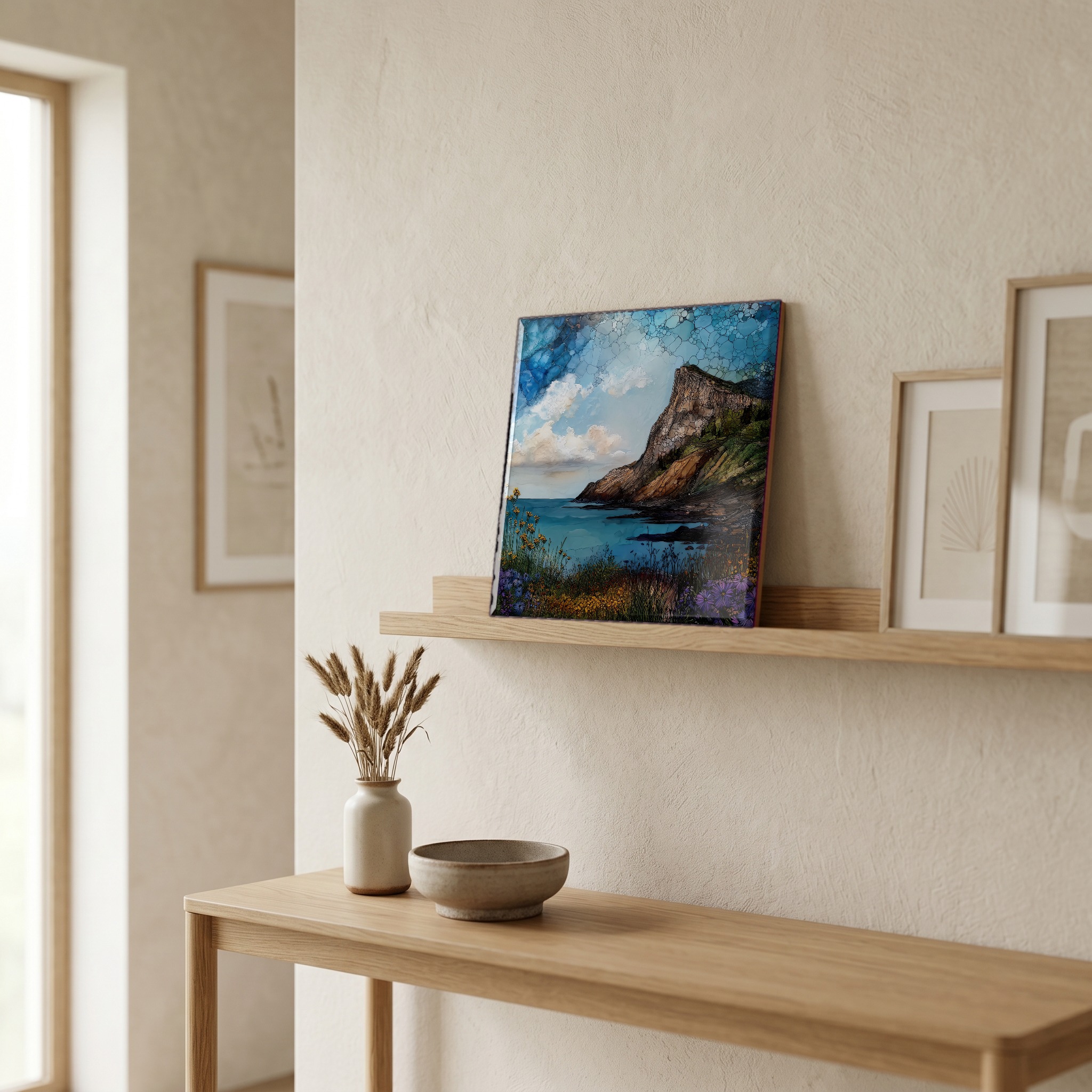
“The one headland on the whole Adriatic, between Trieste and the Gargano. South of Ancona the coast lifts into white limestone, and Monte Conero drops straight into the water. Below it, two pale rocks stand off the cliff: the Due Sorelle, the two sisters. The beach under them has no road. You take a boat from Numana, or you don't go. The water reads green against the stone, the way it does where limestone meets the sea and nobody has built anything on the shore.
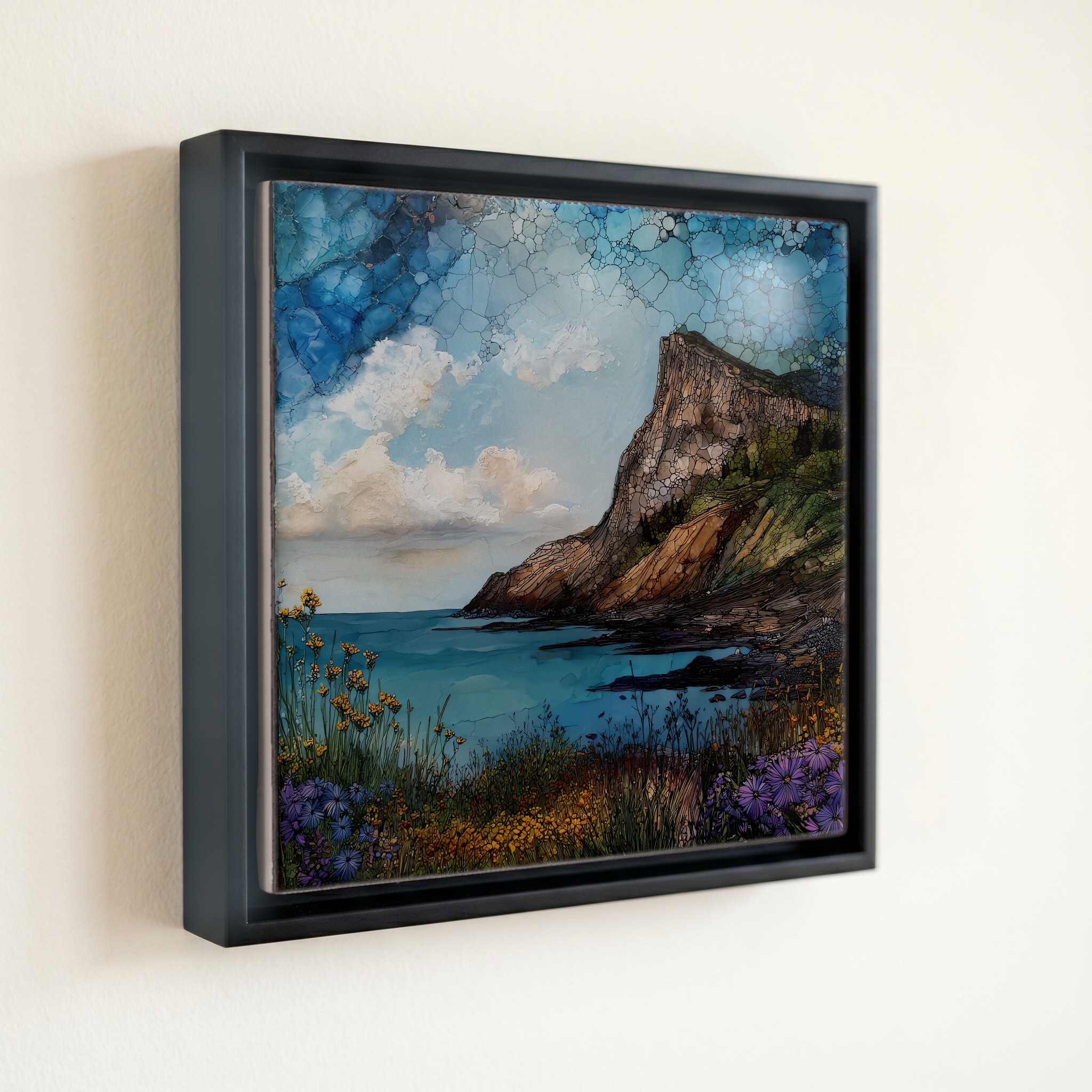
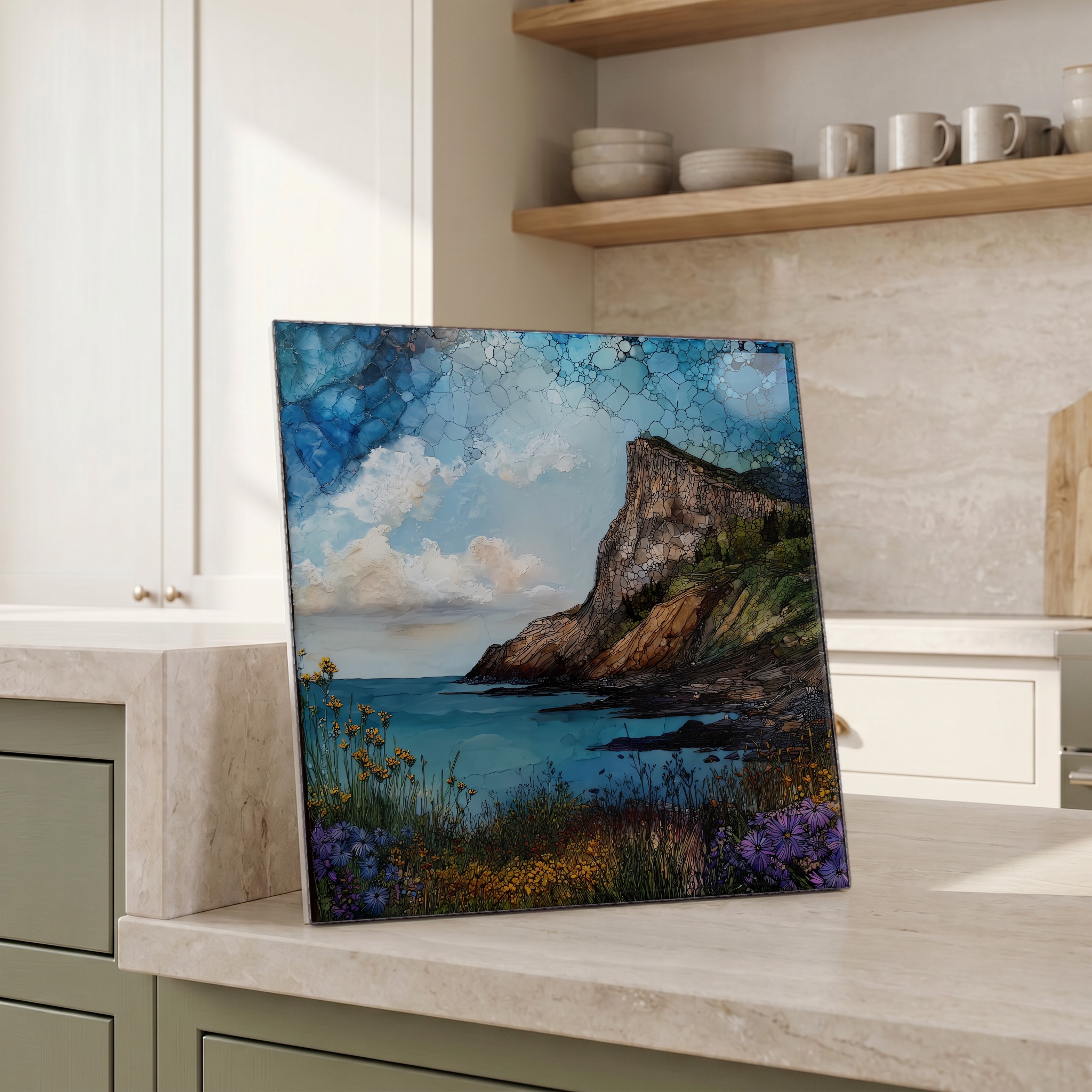
Conero Riviera, on ceramic.
Each tile is finished by hand in our Knoxville studio. Artwork is slowly infused into the ceramic surface under high heat and pressure, and rests beneath a thin glossy finish. The colour lives in the surface, not on top of it.
Pick any four 4-inch tiles — National Parks you've been to, a Smokies set, the four seasons of one place. $ for a set of , cork-backed, ready to live on the table.
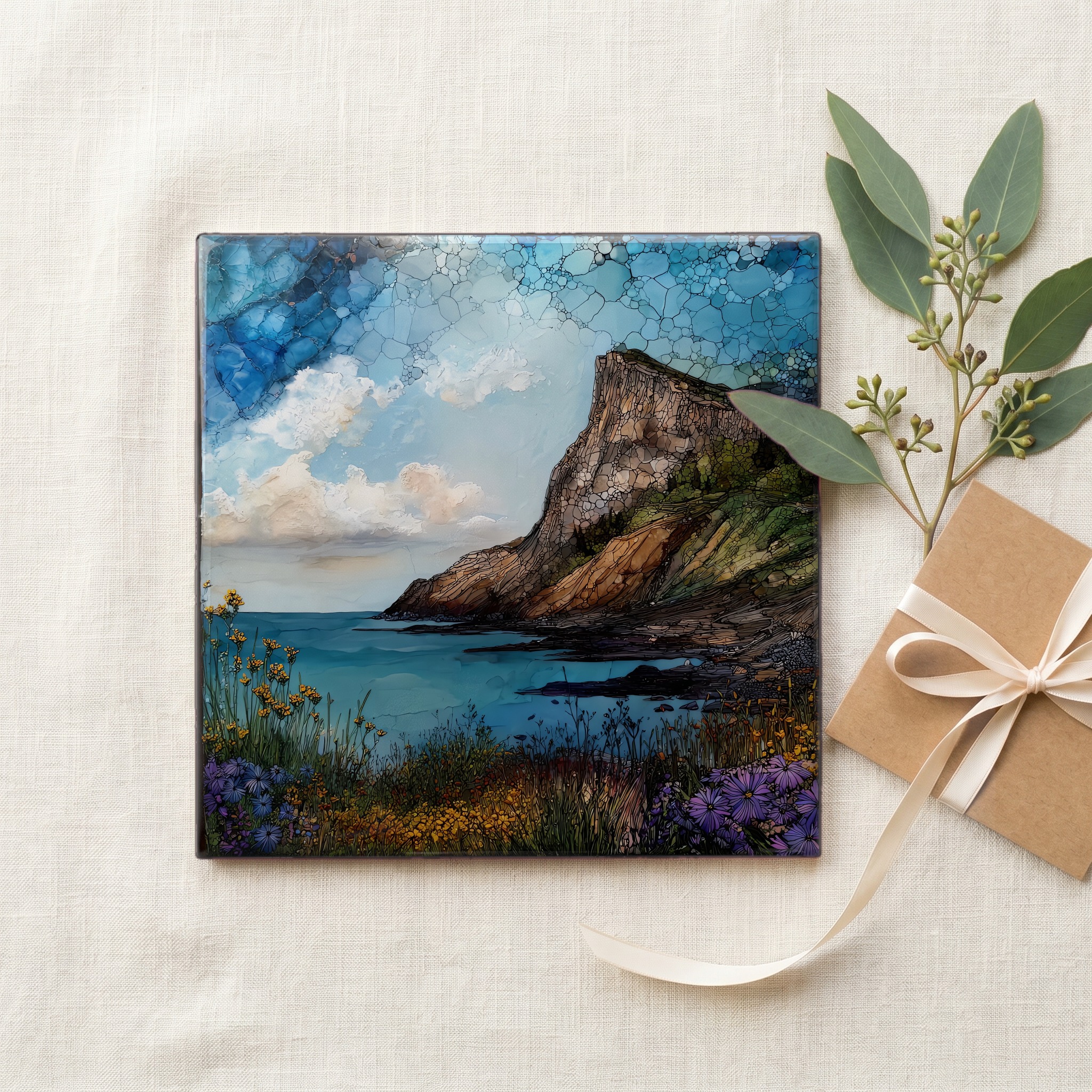
Each tile ships in a kraft box, tied with cream ribbon, with a handwritten note from the studio if you'd like to add one.
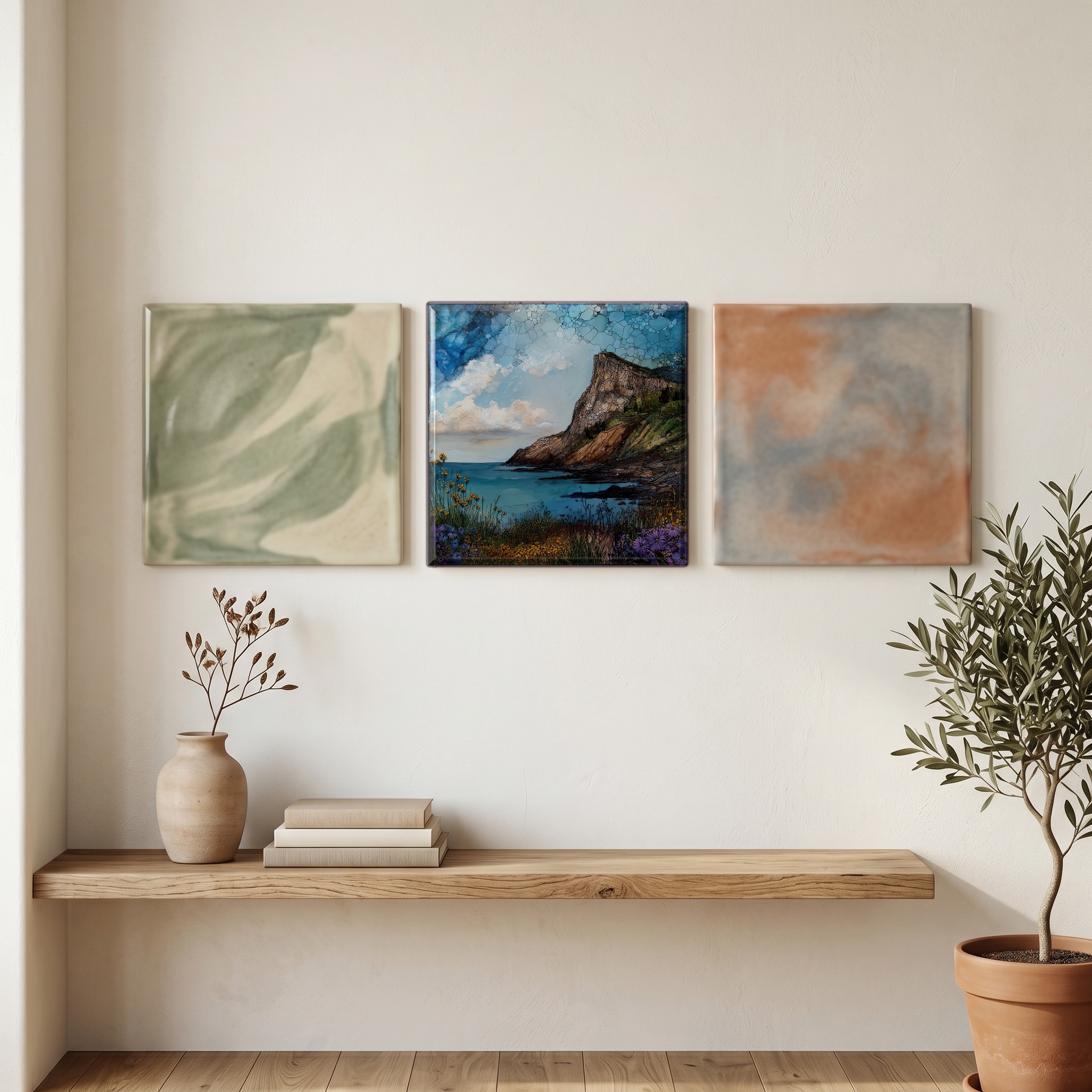
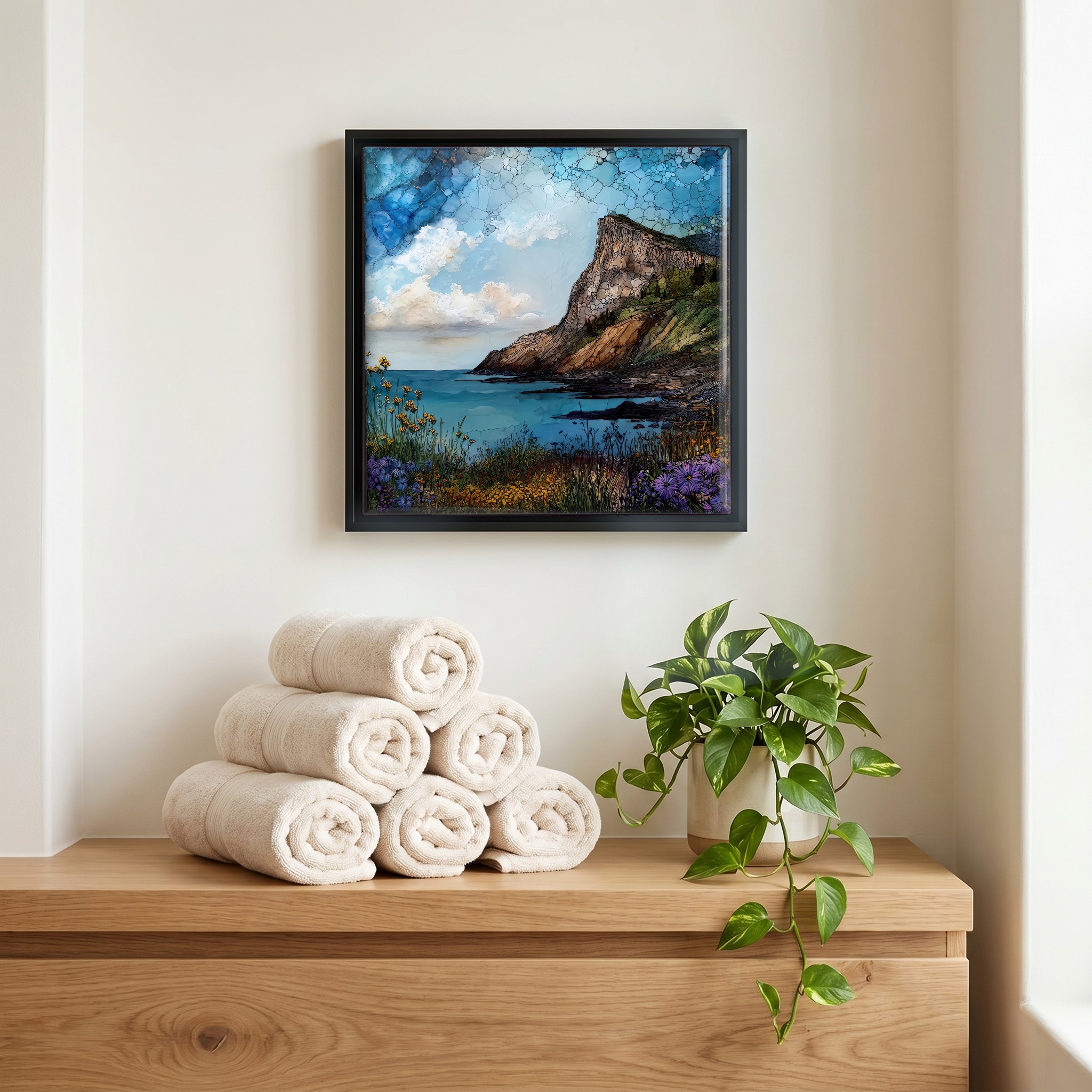
Three or five different vistas, hung together — a chapter of places you've been, or want to go.
The place, in three passes.
Monte Conero rises 572 metres straight out of the Adriatic just south of Ancona, in the Marche region of central Italy. It is the only coastal high point on the whole Adriatic between Trieste in the north and the Gargano massif in the south, which is what gives the Conero Riviera its shape: white limestone cliff on one side, open sea on the other. The promontory and its coast have been protected as the Parco del Conero since 1987. The riviera's towns string along its flanks, the medieval hill town of Sirolo, the old fishing port of Numana, and the bay of Portonovo, where an eleventh-century Romanesque church, Santa Maria di Portonovo, sits close to the shore.
The cliff is limestone, pale and almost white where it faces the sea, and it is what gives the water below its colour. Off the southern foot of the promontory stand two sea stacks, the Due Sorelle, the two sisters, rising from shallow turquoise water below the beach that takes their name. Seen from the north they are said to resemble two nuns at prayer, which is where the name comes from. The rock holds caves and coves all along the shore, and the Mediterranean scrub, the macchia, grows down the slopes to the cliff edge. Below Sirolo the limestone drops sheer enough that the lower trail to the beach is often closed for falling rock.
The Due Sorelle beach has no road and is reached only from the sea. Boats run from the port at Numana, with less frequent sailings from Sirolo, roughly mid-June through September, and a return fare is around twenty euros. The land route, a trail down from Passo del Lupo on Monte Conero, is steep and its lower section is often closed for rockfall, so most people arrive by water. The wider riviera is easier: Sirolo, Numana, and Marcelli have road-served beaches and a long shingle shore, and Portonovo sits in its own bay below the headland. Summer is the season; the boat services wind down once the weather turns in autumn.