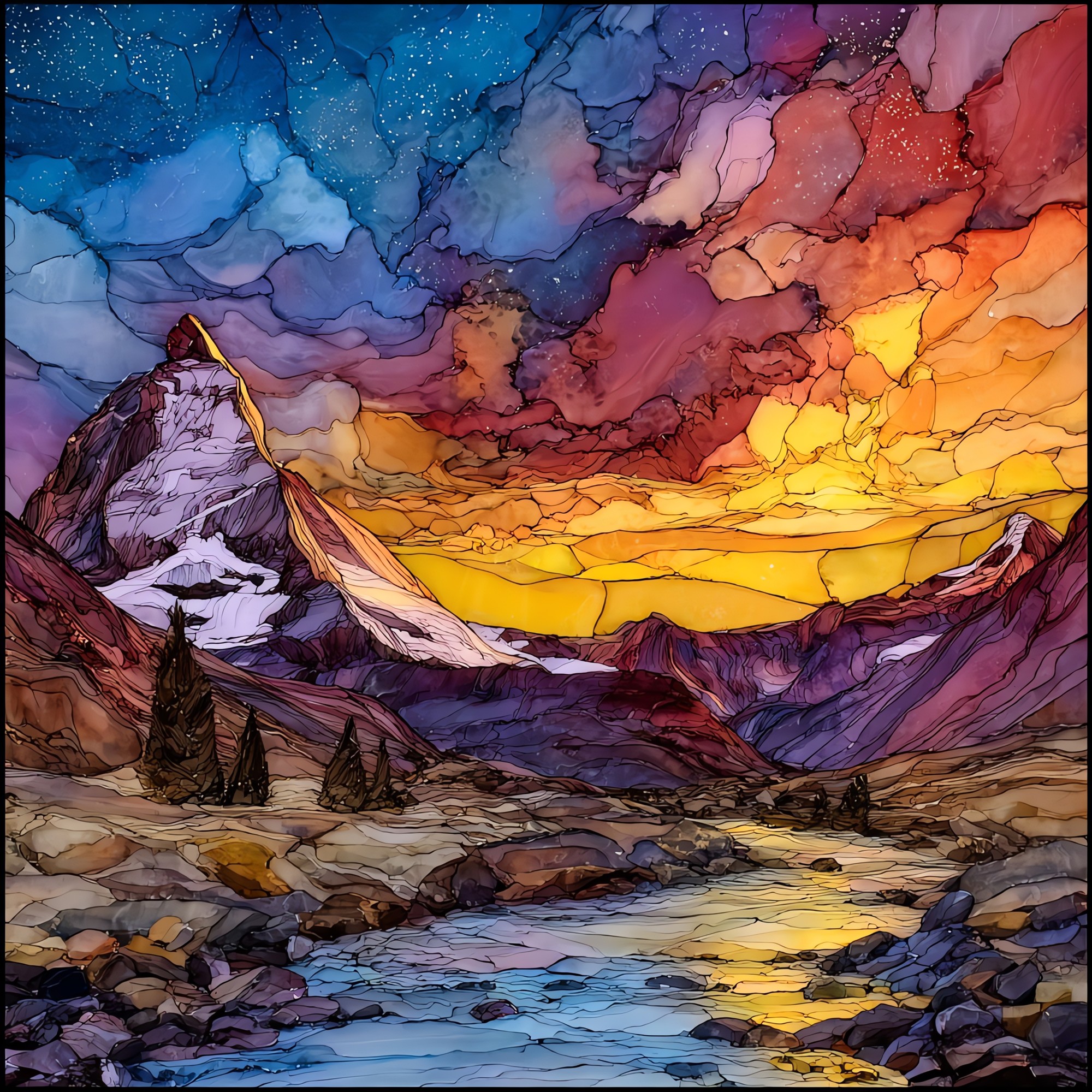
Cervinia and the Matterhorn
— the horn that closes the valley.
Not only on a wall.
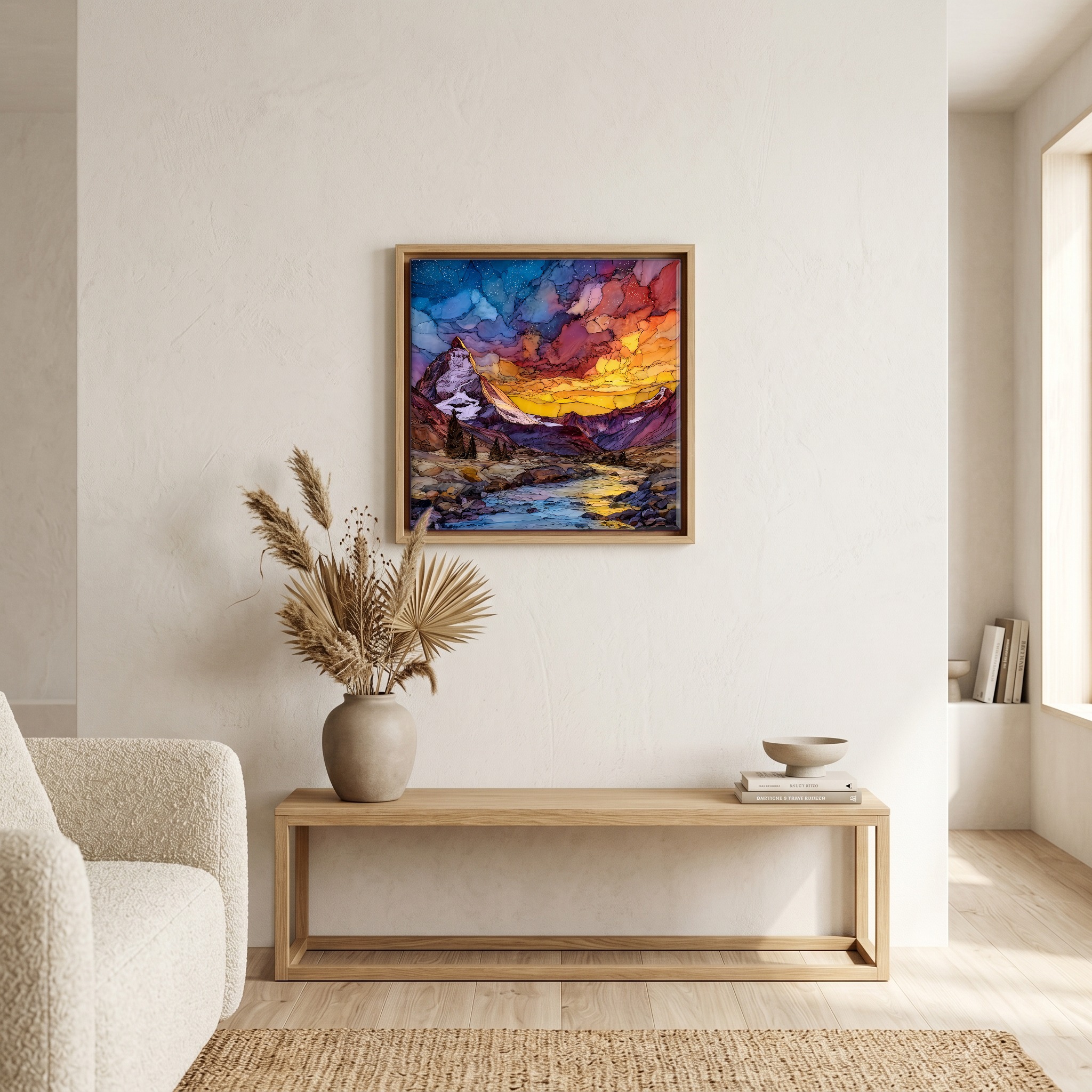
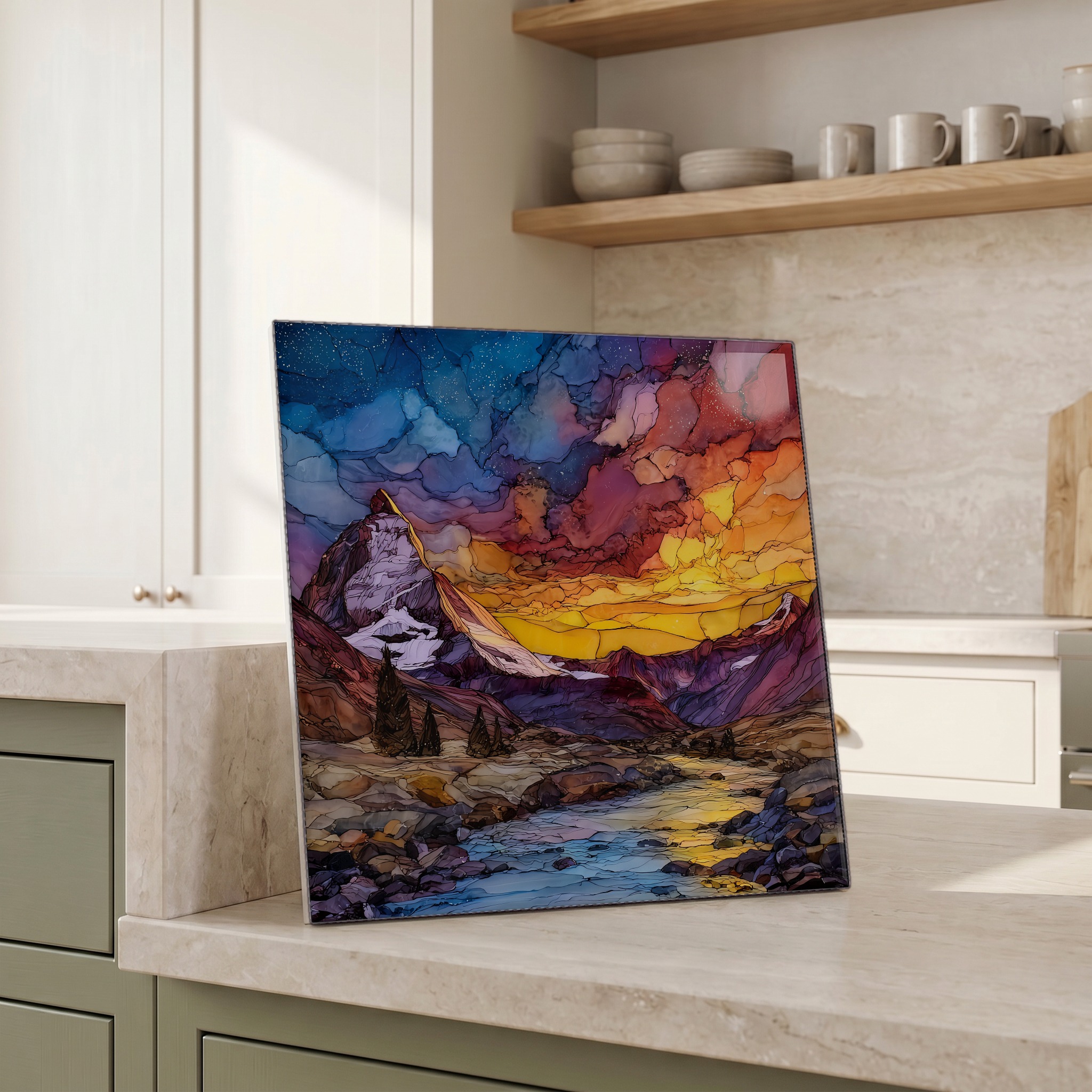
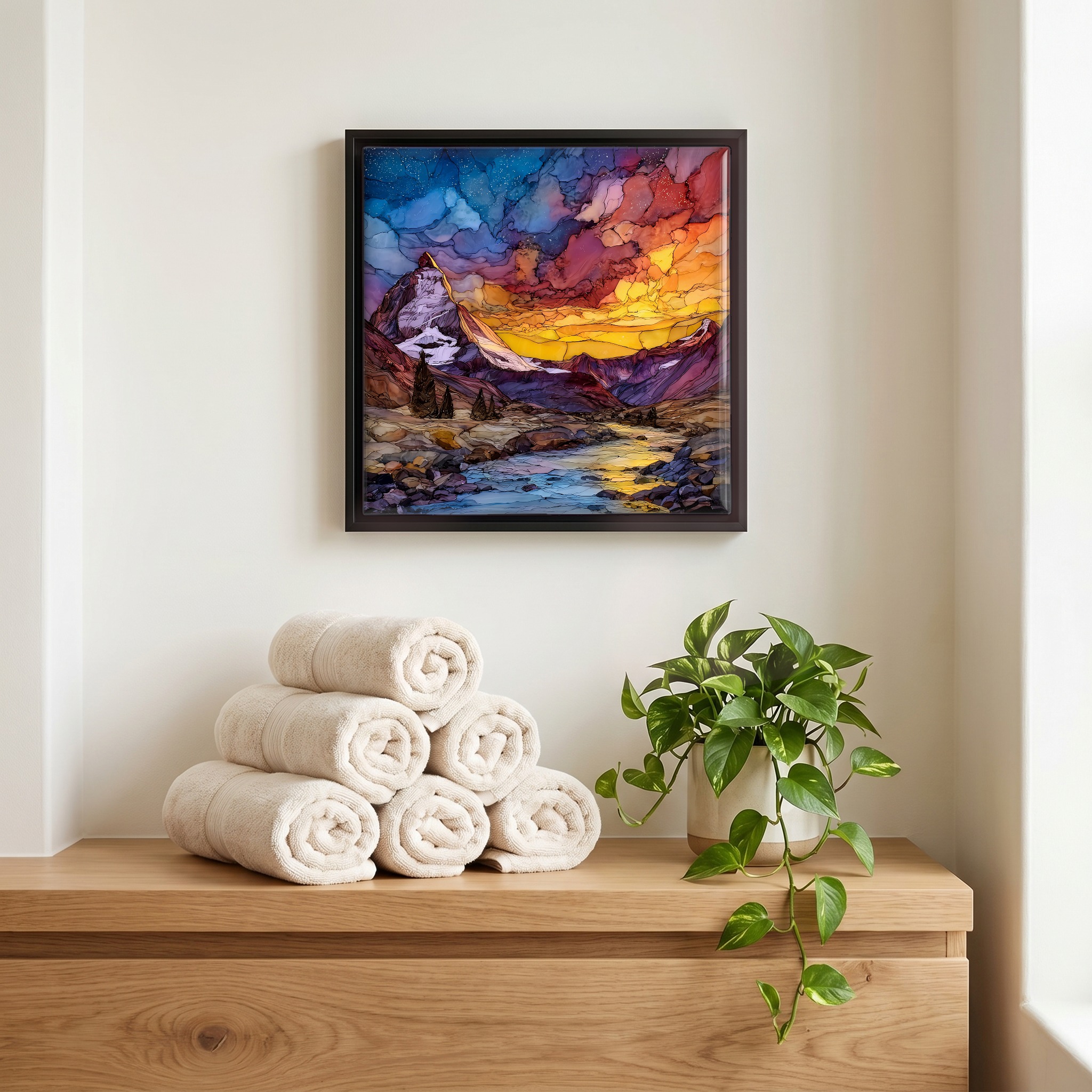
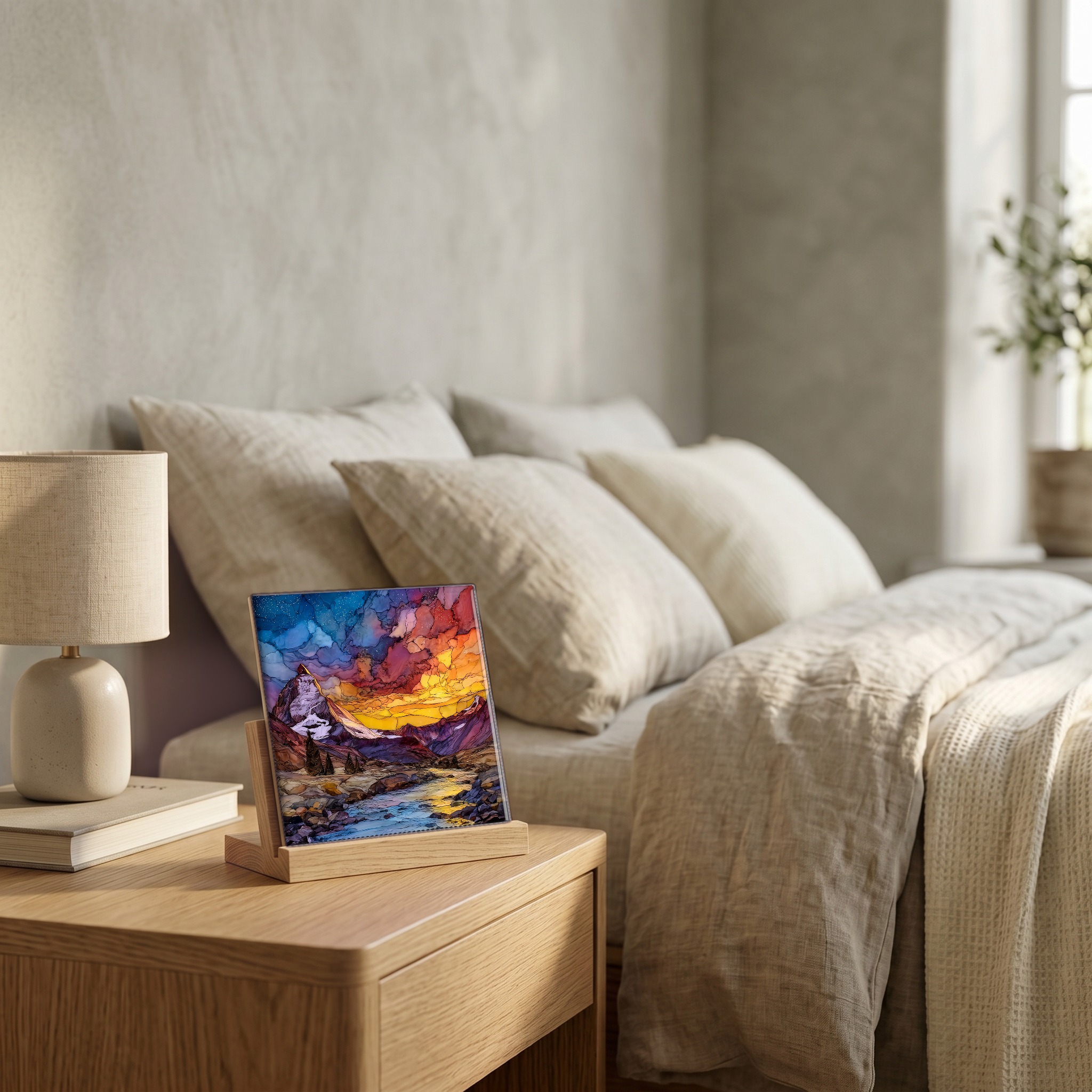
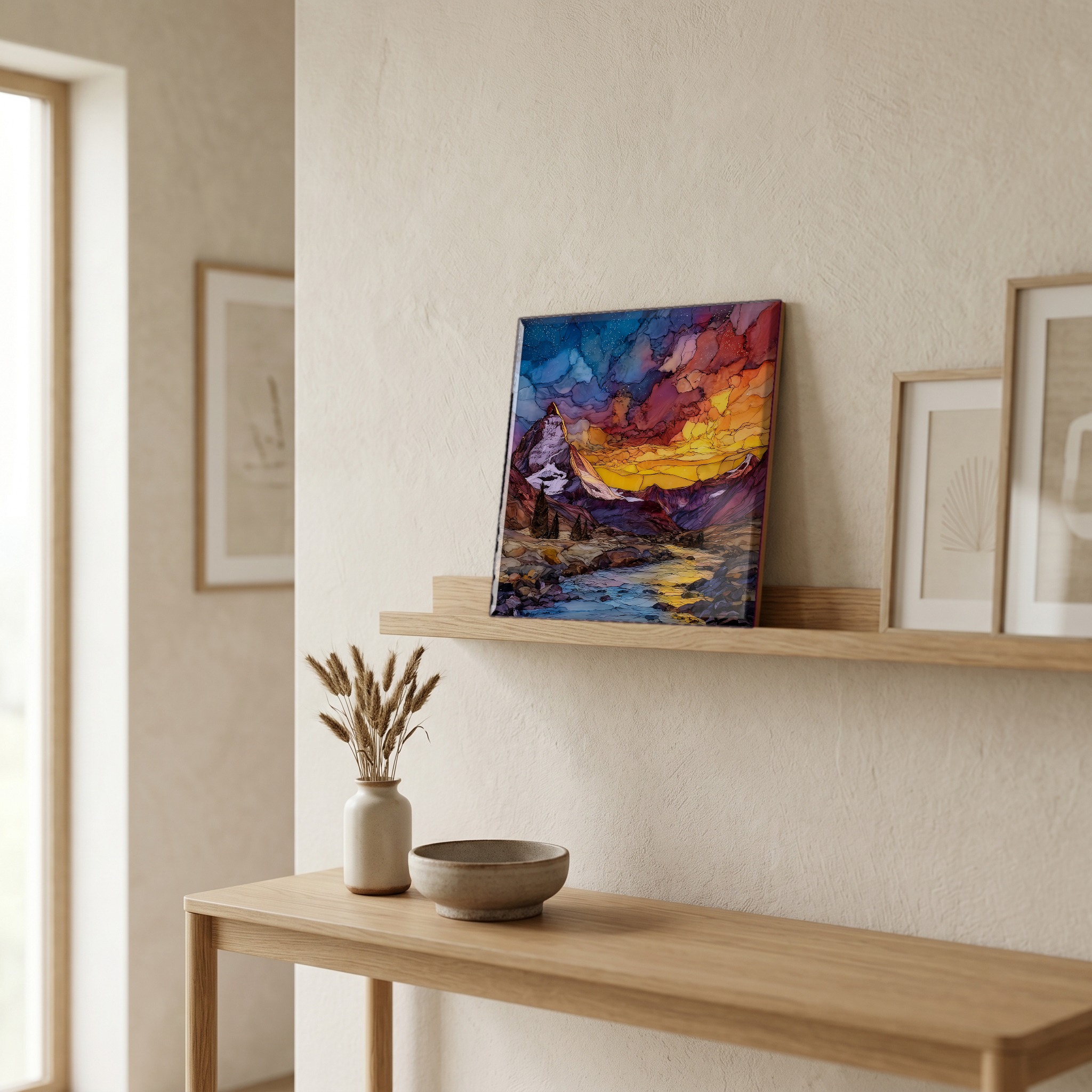
“The town sits at the head of the Valtournenche, two thousand metres up, and the Matterhorn rises above it like a wall. From the Italian side the mountain looks broader and less pointed than the postcard from Zermatt. A south face, the Lion Ridge curving down from the summit. The climbers of the village reached the top three days after the Swiss did, in 1865, by that same ridge. Skiers come for the glacier at Plateau Rosa, which holds snow into August. The light hits the south face early; by mid-morning the rock has gone the colour of an old coin.
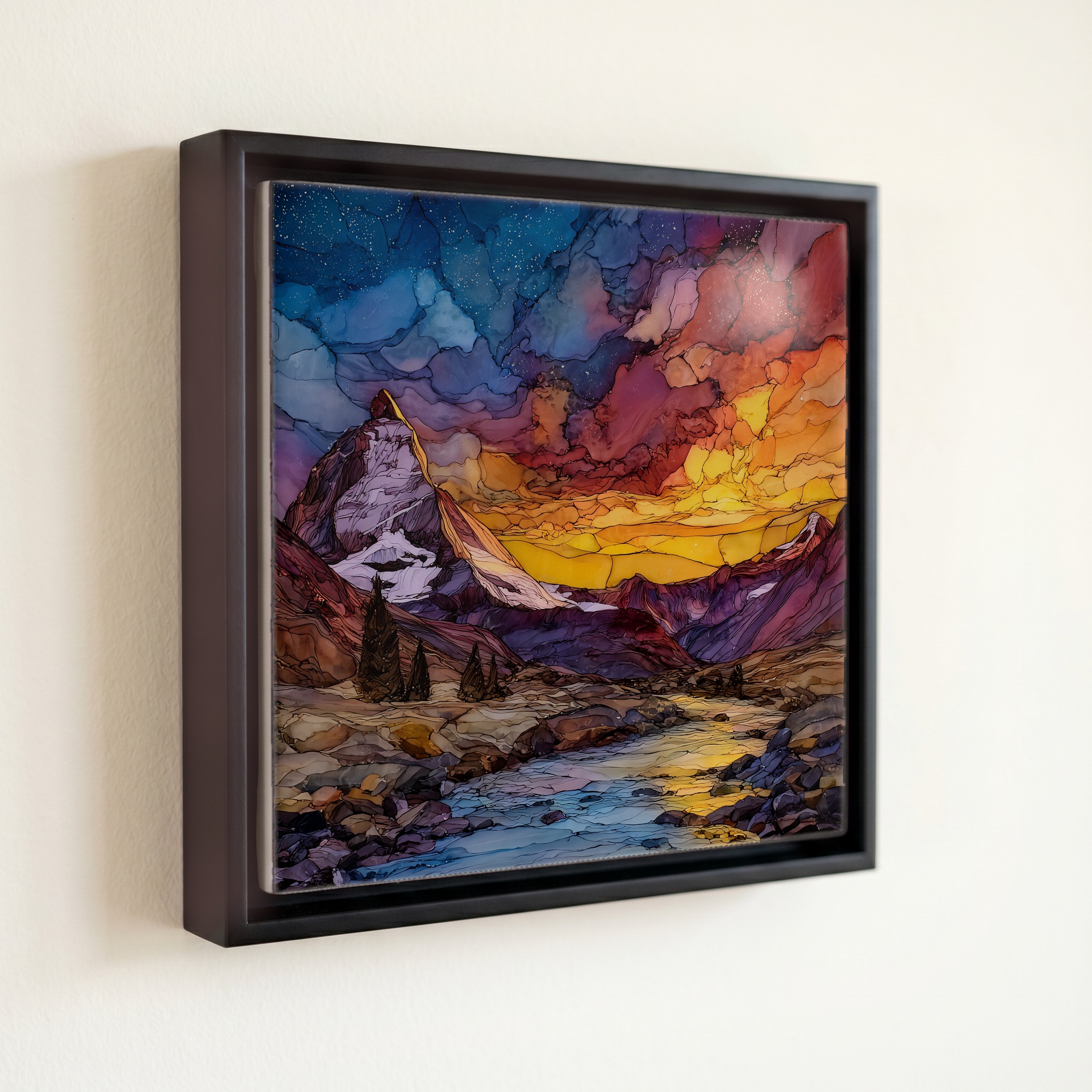
Cervinia and the Matterhorn, on ceramic.
Each tile is finished by hand in our Knoxville studio. Artwork is slowly infused into the ceramic surface under high heat and pressure, and rests beneath a thin glossy finish. The colour lives in the surface, not on top of it.
Pick any four 4-inch tiles — National Parks you've been to, a Smokies set, the four seasons of one place. $ for a set of , cork-backed, ready to live on the table.
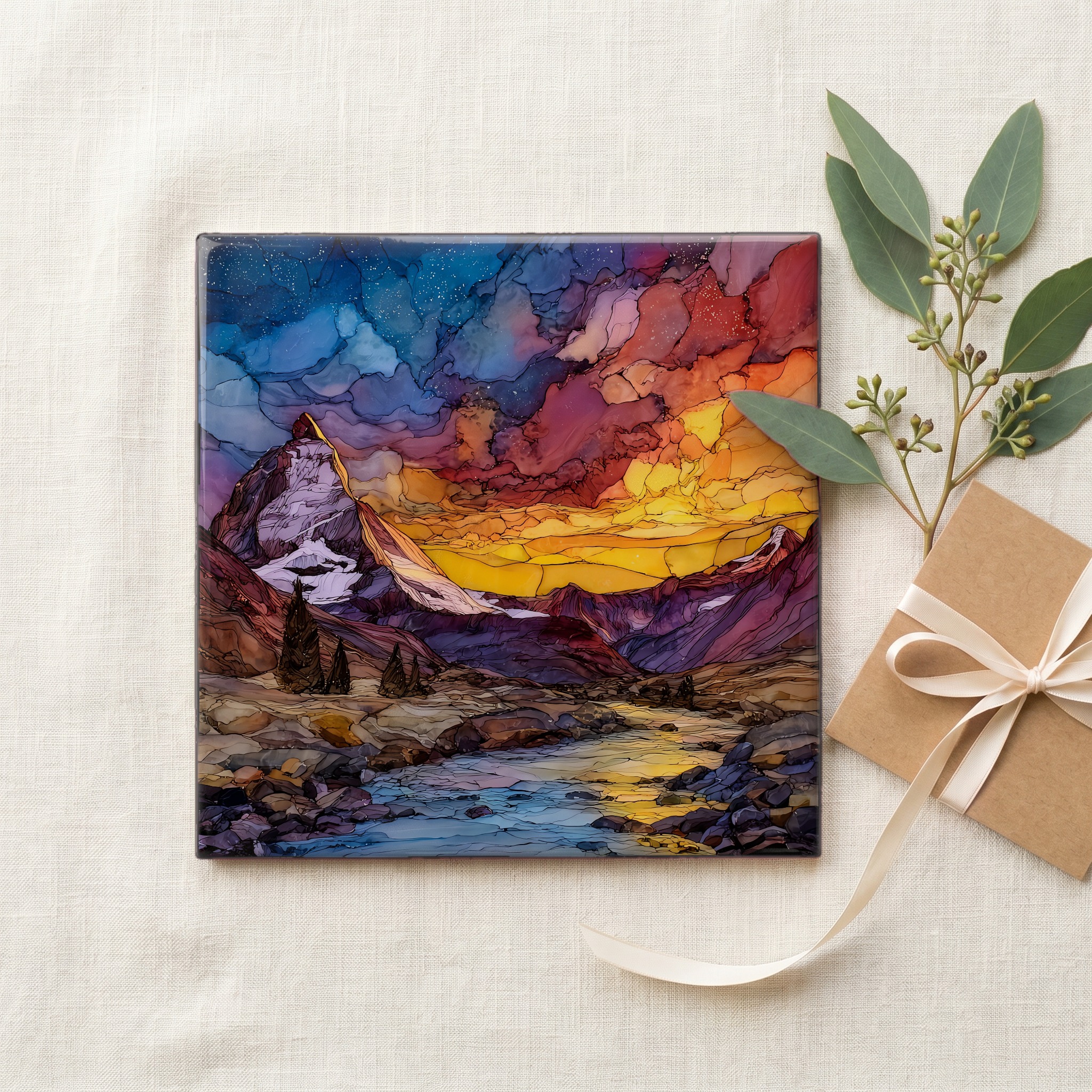
Each tile ships in a kraft box, tied with cream ribbon, with a handwritten note from the studio if you'd like to add one.
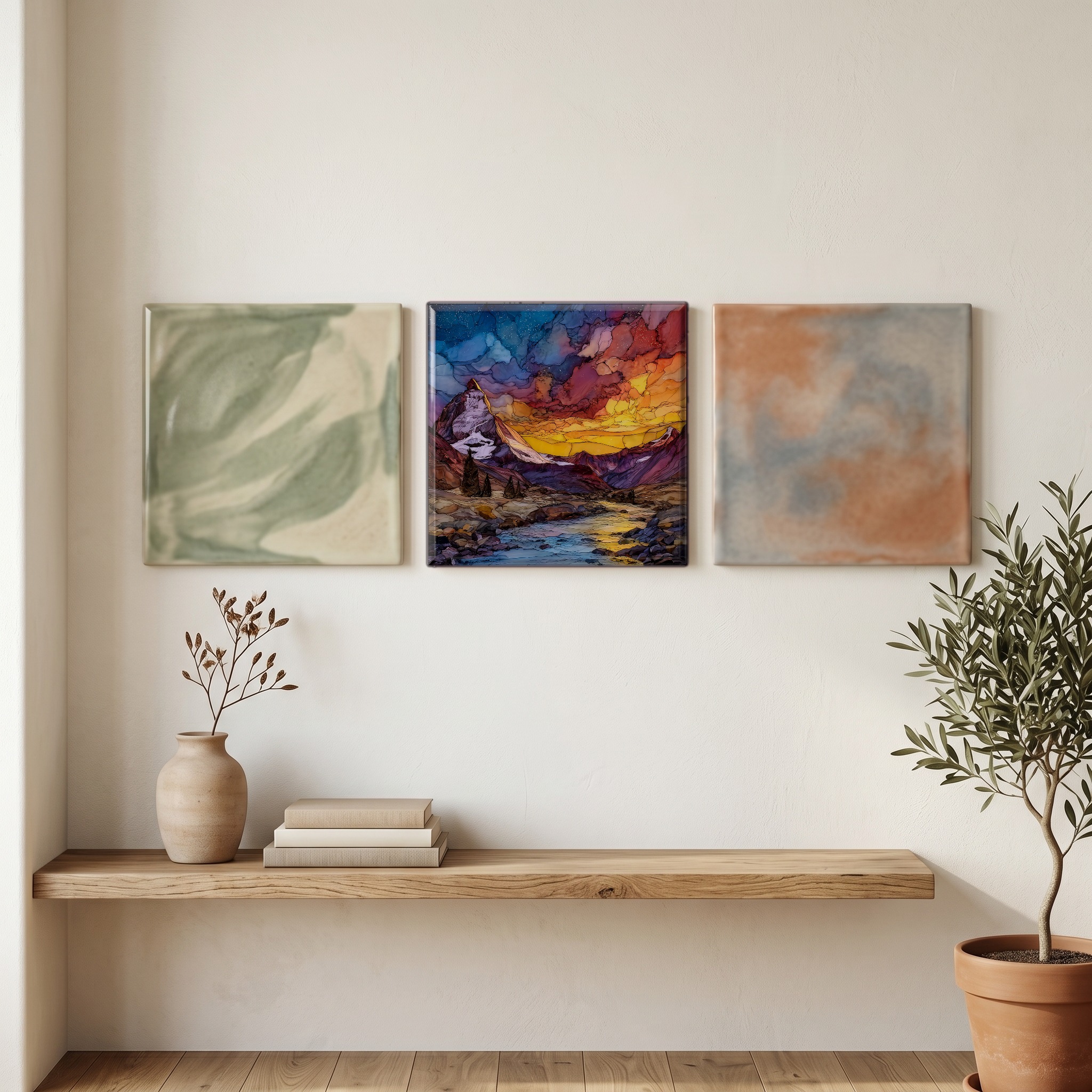
Three or five different vistas, hung together — a chapter of places you've been, or want to go.
The place, in three passes.
Breuil-Cervinia is a high-alpine town in Italy's Aosta Valley, sitting at roughly 2,050 metres at the head of the Valtournenche, the long valley that climbs north from Châtillon toward the Swiss border. Above it stands the Matterhorn, called Monte Cervino in Italian, 4,478 metres of nearly symmetrical horn straddling the Italy-Switzerland border in the Pennine Alps. The town is a ski resort and a climbing base; cable cars link its lifts to Zermatt across the Theodul Pass at 3,295 metres. The Aosta Valley is the smallest of Italy's twenty regions; French has been co-official with Italian since the 1948 statute of autonomy.
The Matterhorn's pyramidal shape is the result of glacial erosion on four sides: four glaciers carved four faces, leaving the ridges between them as sharp arêtes. The Italian side faces south, broader and less photographed than the Zermatt view but no less imposing. The Lion Ridge, the Cresta del Leone, drops from the summit down toward Cervinia. Jean-Antoine Carrel of Valtournenche led the first ascent from the Italian side on 17 July 1865, three days after Edward Whymper reached the top from the Swiss side. The Italian route is still walked by guides from the same village.
The Plateau Rosa glacier above Cervinia holds skiable snow into August, which makes the resort one of the few places in the Alps with summer skiing on lift-served terrain. Winter season runs from late November to early May; the linked Cervinia-Zermatt area covers more than 300 kilometres of pisten across the border. Summer brings climbers to the Lion Ridge from mid-July through early September, weather and rockfall permitting. The shoulder weeks of late September are the quietest: the lifts close, the mountain stays out, and the larch woods around Lago Blu turn copper before the first snow.